
The numbers can be very different.
Many people assume this means their wearable device is inaccurate.
More often, it reflects something else entirely.
Your body position itself changes how your autonomic nervous system functions, and because HRV measures autonomic nervous system activity, posture can significantly influence the results.
This is one of the most important—and most overlooked—reasons why clinical HRV assessments place such a strong emphasis on standardized testing conditions.
Your Nervous System Is Constantly Adapting
Your body is remarkably efficient.
Every time you change position, your nervous system immediately begins making tiny adjustments to keep blood flowing where it’s needed.
When you stand up from a chair, gravity causes blood to pool in your legs.
Your body responds almost instantly.
Heart rate changes.
Blood vessel tone changes.
Blood pressure regulation adjusts.
These responses are controlled automatically by your autonomic nervous system.
Because HRV reflects autonomic activity, it’s perfectly normal for HRV to change as your body changes position.
HRV Is Sensitive by Design
One of HRV’s greatest strengths is also one of its biggest challenges.
It is incredibly sensitive.
That sensitivity allows HRV to reflect:
- Recovery
- Stress
- Adaptability
- Fatigue
- Sleep quality
- Illness
- Physical exertion
But it also means HRV responds to everyday physiological changes—including posture.
The goal isn’t to eliminate these changes.
The goal is understanding when they matter.
Learn more about INSiGHT scanning?
Fill this out and we’ll get in touch!
"*" indicates required fields
Lying Down vs. Sitting vs. Standing
Each body position places different demands on the cardiovascular system.
Lying Down
When lying flat, gravity has less influence on blood circulation.
The heart generally works under different conditions than it does while upright.
Many people experience increased parasympathetic activity while resting comfortably in this position.
For this reason, overnight HRV measurements collected during sleep often differ from daytime measurements.
Sitting
Sitting introduces slightly greater cardiovascular demands than lying down while remaining relatively stable and comfortable.
Because seated posture is easier to standardize than many other positions, it has long been used in clinical HRV assessment protocols.
The goal is consistency.
If every assessment is performed under similar conditions, changes over time become much easier to interpret.
Standing
Standing creates the greatest immediate challenge for the cardiovascular system.
Gravity pulls blood toward the lower body.
The autonomic nervous system responds by adjusting heart rate and vascular tone to maintain adequate blood pressure and blood flow to the brain.
These normal physiological responses often produce different HRV values than those recorded while sitting or lying down.
Again, this isn’t a problem.
It’s simply your nervous system doing exactly what it’s designed to do.
Why Small Postural Changes Matter
Many people think only major posture changes influence HRV.
In reality, even small differences can affect the measurement.
Examples include:
- Crossing your legs
- Leaning backward
- Slouching
- Supporting your arm differently
- Holding your wrist above or below heart level
Each of these changes can subtly influence circulation and the pulse signal being measured.
When comparing HRV over time, reducing these small sources of variation becomes increasingly important.
Arm Position Can Influence PPG Measurements
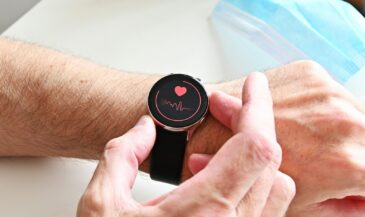
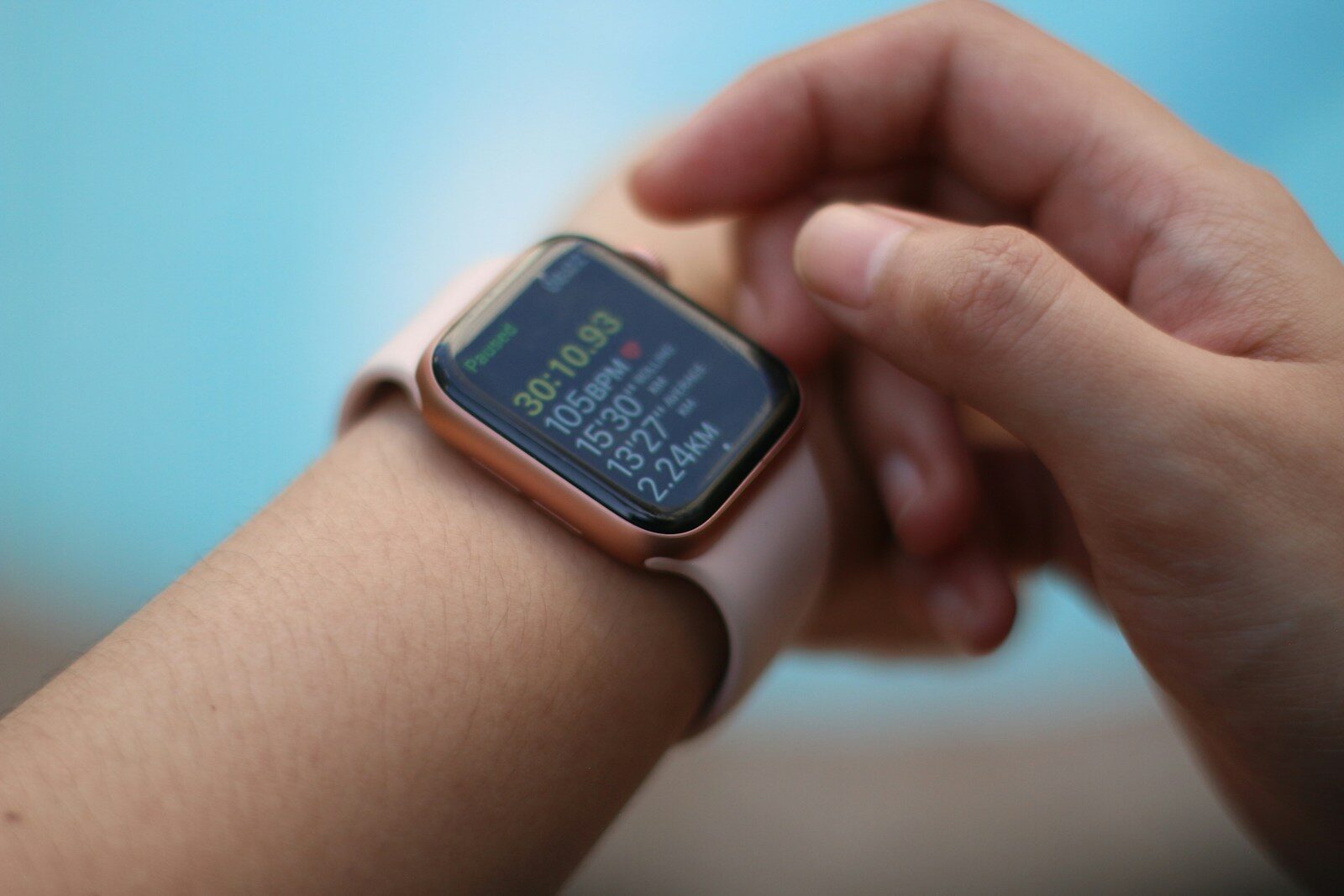
Many modern wearable devices and clinical HRV systems use photoplethysmography (PPG) to detect pulse waves.
PPG measures changes in blood volume beneath the skin.
Because circulation changes with body position, the position of the arm and hand can also influence the quality of the pulse signal.
For example:
- Holding your hand above heart level affects blood flow differently than resting it below your waist.
- Muscle tension in the forearm can influence circulation.
- Unsupported arm movement can introduce motion artifact into the recording.
These factors don’t necessarily make the technology inaccurate.
They simply illustrate why standardized positioning improves consistency.
Why Researchers Standardize HRV Testing
Scientific research depends on consistency.
If researchers allowed participants to collect HRV under completely different conditions every time, it would become difficult to determine whether changes reflected real physiological adaptation or simply differences in how the measurements were taken.
For this reason, published HRV guidelines have long emphasized standardized testing procedures, including:
- Consistent body position
- Stable breathing conditions
- Minimal movement
- Quiet testing environments
- Similar testing times whenever possible
The objective is straightforward:
Reduce unnecessary variability so meaningful physiological changes become easier to detect.
Why Consumer Wearables Don’t Control Body Position
Consumer wearable devices are designed for convenience.
They’re meant to fit into everyday life.
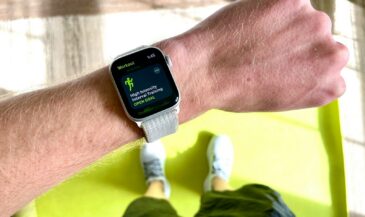
Some collect HRV while you sleep.
Others perform spot measurements during the day.
Some monitor continuously throughout daily activity.
This flexibility is one of their greatest strengths.
It also means the device cannot fully control:
- Your posture
- Your movement
- Your environment
- Your breathing
- Your activity level
Instead, wearable manufacturers develop increasingly sophisticated algorithms to compensate for these variables as much as possible.
For tracking long-term wellness trends, this approach works remarkably well.
Why Clinical Assessments Standardize Position
Clinical HRV assessments have a different objective.
Rather than collecting data during everyday life, they seek to produce measurements that can be reproduced consistently from one examination to the next.
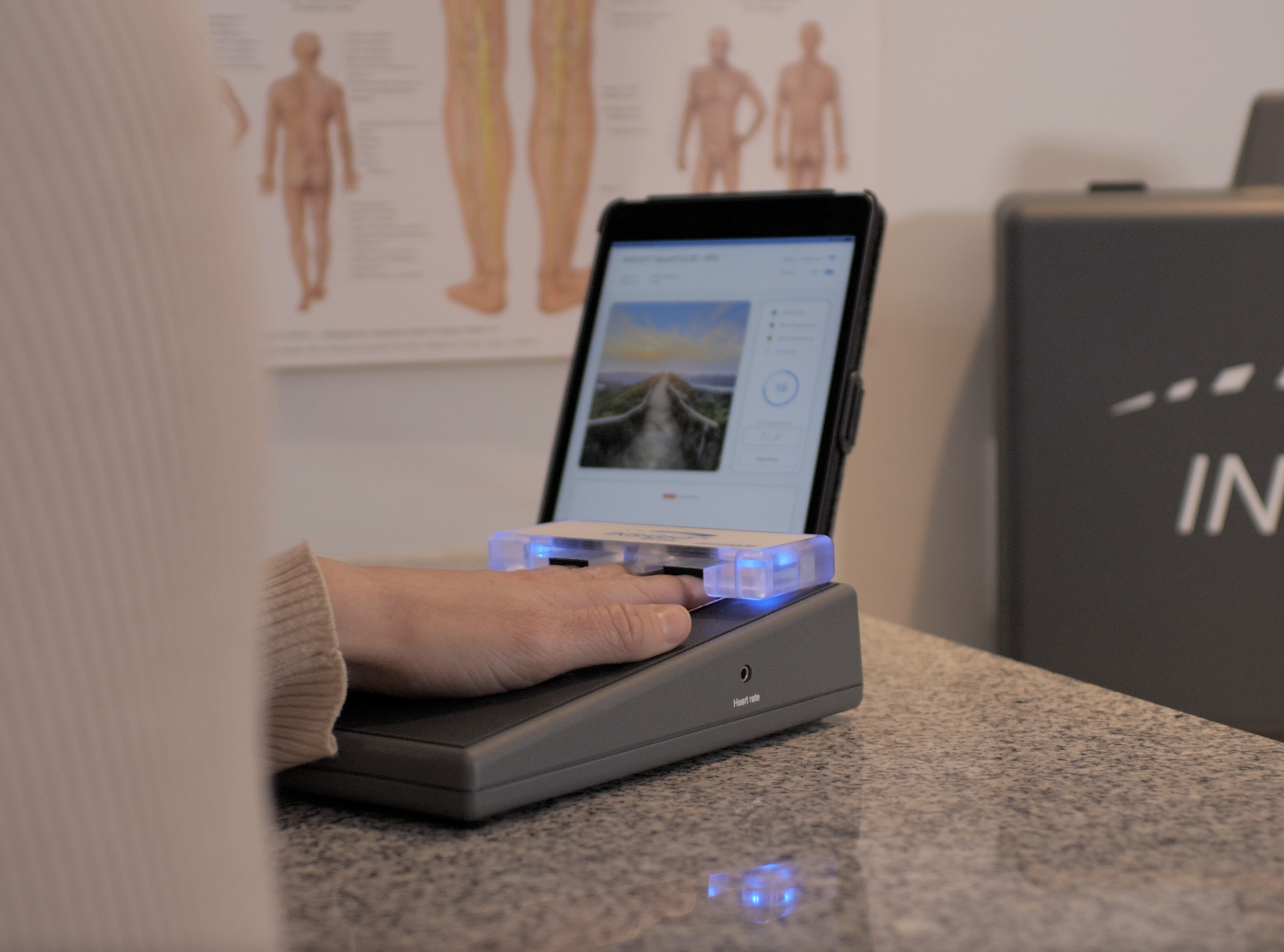
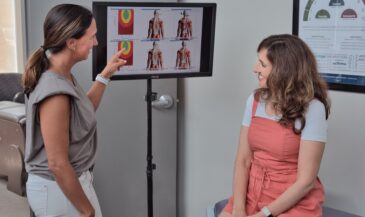
The neuroPULSE technology within the INSiGHT scanning technology accomplishes this by standardizing several aspects of the collection process.
During assessment:
- Patients remain seated.
- The hand is supported throughout the recording.
- The hand is stabilized to minimize movement.
- The arm is maintained at approximately heart level.
- Standardized procedures are followed for every examination.
These controlled conditions help produce a stable pulse signal while reducing unnecessary sources of variability that can accompany changes in posture or movement. The result is an objective HRV assessment that can be compared more confidently over time as part of a broader neurological evaluation.
Why This Matters for Progress Tracking
Imagine taking your blood pressure while:
- Running.
- Sitting quietly.
- Standing outside on a hot day.
- Lying in bed.
Every reading would likely be different.
That doesn’t mean the blood pressure monitor is inaccurate.
It means the testing conditions changed.
HRV works much the same way.
When clinicians compare progress over weeks or months, they want confidence that differences reflect changes in nervous system function—not differences in body position or testing conditions.
Standardization makes those comparisons far more meaningful.
Consistency Is More Important Than Chasing Numbers
Many people become focused on achieving a “higher” HRV.
In reality, one of the most valuable habits is simply collecting measurements consistently.
Whenever possible:
- Measure at similar times.
- Use the same device.
- Follow the same routine.
- Maintain similar body positioning.
Consistency reduces unnecessary variability and makes long-term trends much easier to understand.