

That is the first thing to remember when you explain parasympathetic function to patients. You may understand the cranial nerve pathways, the spinal cord relationships, the autonomic outflow, and the deeper science of vagal regulation. But most patients are just trying to understand why their body feels wound up, why their heart rate seems high, why digestion feels off, or why they cannot settle down even when life finally gives them a quiet moment.
Here’s where the chiropractic conversation gets powerful. The parasympathetic nervous system gives you a simple doorway into the bigger story of nervous system performance. It helps patients see that chiropractic is not just about vertebra and joints. It is about how well their nervous systems regulate, recover, adapt, and communicate with the internal organs that keep life moving.
Why Parasympathetic Function Is So Important in Chiropractic Conversations
The parasympathetic nervous system is one branch of the autonomic nervous system, the part of your nervous system that runs many body functions automatically. Your patients do not have to think about each heartbeat, each digestive contraction, each gland secretion, or each breath adjustment. The body handles those processes in the background through an incredible network of nerves that works day and night.
When a patient asks, “What does that have to do with chiropractic?” that is your opening. The autonomic nervous system regulates the functions patients care about every day, including heart rate, digestive activity, sleep rhythms, gland activity, energy conservation, and recovery. These are not side conversations. They are central to helping patients understand why nervous system performance deserves attention before symptoms become the only guide.
Most patients have heard the words “fight or flight” and “rest and digest.” Those phrases are useful because they are memorable. The sympathetic nervous system prepares the body for action, while the parasympathetic nervous system helps the body settle, digest, restore, and return to a calmer baseline. But the best doctors do not leave the conversation there.
The point is not that one branch is good and the other is bad. The sympathetic and parasympathetic nervous system relationship is more like a gas pedal and a brake pedal. A resilient body needs both nervous systems working at the right time.
The Patient-Friendly Explanation
A simple way to explain parasympathetic function to patients is to say, “Your body has a built-in gas pedal and brake pedal. The gas pedal helps you respond when life demands more from you. The brake pedal helps you settle down, digest food, repair tissue, and restore energy. We want to see whether your nervous system can shift between those two at the right time.”
That explanation works because every patient understands a car. They know a gas pedal is not bad. They also know you cannot drive safely with the gas pedal stuck to the floor. In the same way, the sympathetic nervous system helps the body respond, focus, move, protect, and meet demand. The problem shows up when the body lives in sympathetic overdrive and cannot return to healthy parasympathetic activity.
Why “Rest and Digest” Is Helpful but Incomplete
The phrase “rest and digest” is a good place to start, but it does not tell the full story. The parasympathetic nervous system also supports saliva production, tear production, pupil constriction, digestive movement, bladder and bowel activity, pancreatic function, and calmer heart rate regulation.
That is why I like to tell doctors this: patients need the simple phrase first, then the fuller meaning. “Rest and digest” opens the door. Then you can explain that the parasympathetic nervous system helps the body shift into recovery mode so it can conserve energy, support digestion, and regulate the internal functions that keep the body steady. The opposite phrase, “fight or flight,” helps patients understand contrast, but the real lesson is adaptability.
The Simple Anatomy Patients Need to Understand
Patients do not need to memorize the map of the parasympathetic nervous system. But they do need enough anatomy to respect the intelligence of the body. When you explain it simply, they begin to understand that their symptoms may be connected to a larger pattern of nervous system regulation.
The central nervous system includes the brain and spinal cord. The peripheral nervous system includes the nerves outside of that central command center. The autonomic nervous system is part of the peripheral nervous system, and it helps regulate automatic body functions. The parasympathetic branch is one part of that automatic control network, working alongside the sympathetic nervous system.
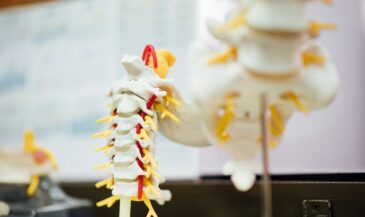
The parasympathetic nervous system uses specific cranial nerve pathways and sacral parasympathetic pathways. In plain English, that means some of the brake-pedal communication comes from the head and neck region, while some comes from the lower spinal region. The patient does not need all the technical detail, but the doctor should understand the framework well enough to make it simple.
The Vagus Nerve Makes the Conversation Practical
The vagus nerve is one of the most important pathways in this conversation. It is a cranial nerve, and a large amount of parasympathetic nerve supply travels through it. I often describe the nerve called the vagus nerve as one of the body’s major brake-pedal pathways because it communicates with the heart, lungs, digestive organs, and several other internal organs.
This is where vagal tone becomes a practical phrase. You can explain vagal tone as the body’s ability to apply that brake pedal with coordination. Healthy vagal influence helps the body regulate heart rate, support digestive activity, and return toward calm after demand. This does not mean the patient is “fixed” because one number looks good. It means you have a better window into how their nervous systems are adapting.
Parasympathetic Pathways in Plain English
A neuron is a nerve cell that carries information. Parasympathetic neurons carry signals along pathways that eventually reach organs, glands, and smooth muscle. Preganglionic parasympathetic nerves begin closer to the central nervous system, then connect with parasympathetic ganglia near the organs they influence. Parasympathetic ganglia are located close to, or sometimes within, the target tissue.
From there, postganglionic parasympathetic and postsynaptic parasympathetic signaling complete the communication. Parasympathetic fibers and parasympathetic nerve fibers help carry these signals to the tissues that need direction. That may sound like a lot of anatomy, but the patient version is simple: “Your brain and body are constantly talking through nerve pathways. Some of those pathways help your body calm, digest, and restore.”
This is also where you can briefly mention specific cranial pathways. The facial nerve helps with tear and saliva-related secretion. The glossopharyngeal nerve influences the parotid gland, which is involved in saliva production. The oculomotor pathway helps constrict the pupil. The vagus nerve reaches deep into the chest and digestive system. The sacral parasympathetic pathways influence bladder, bowel, and pelvic organ function.
The parasympathetic nervous system controls several processes patients can understand quickly:
Eyes: helps constrict the pupil and support close-up focus
Glands: helps stimulate saliva, tears, mucus, and other secretion patterns
Heart: helps lower heart rate and support calmer rhythm
Lungs: influences airway smooth muscle during rest
Digestive system: supports movement through the gastrointestinal tract
Pancreas: supports insulin release as part of digestive regulation
Bladder and bowel: supports urination and defecation
Enteric nervous system: works with digestive tract activity to help move and process food
When you explain it that way, patients begin to see that parasympathetic innervation is not some obscure anatomy lesson. It is part of the way the body regulates everyday life.
Learn more about INSiGHT scanning?
Fill this out and we’ll get in touch!
"*" indicates required fields
How to Explain Sympathetic vs Parasympathetic Function Without Confusing Patients
One of the most common mistakes in patient education is making the sympathetic nervous system sound like the villain. It is not. The sympathetic nervous system controls important responses that help people meet demand. It helps increase alertness, raise energy output, widen airways, and move blood toward the tissues that need it during challenge.
The parasympathetic and sympathetic branches work together. A patient who is exercising, speaking on stage, responding to an emergency, or running after a child needs sympathetic activity. That same patient also needs parasympathetic responses after the demand has passed. The body has to shift gears.
That is the conversation chiropractors can own. We are not just asking, “Do you have symptoms?” We are asking, “Can your nervous system shift, regulate, and recover?” When patients understand that, they stop thinking of chiropractic only as a response to discomfort and begin seeing it as a way to support nervous system performance.
The Best Patient Analogy Is Flexibility
Flexibility is the word that makes this simple. A resilient nervous system is not stuck. It can speed up when needed and slow down when appropriate. A patient who wakes up with an increased heart rate, struggles to settle at night, feels digestive changes under neurological distress, or has poor recovery may be showing signs that their nervous systems are having trouble shifting.
You can say, “We’re not trying to shut your gas pedal off. You need it. We’re looking at whether your body can press the gas when life demands it and then come back to the brake when it’s time to recover.”
That explanation helps patients understand sympathetic vs parasympathetic function without feeling like they have to become anatomy experts. It also keeps the conversation hopeful. The body is not broken. It is communicating. The question is whether we can analyze that communication clearly.
Why Symptoms Alone Do Not Tell the Full Story
Patients often wait for symptoms before they value care, but autonomic function may fluctuate long before they notice obvious signs. Resting heart rate, Heart Rate Variability, digestive rhythm, temperature regulation, and recovery patterns can tell a deeper story than symptoms alone.
This is why objective analysis matters. A patient can feel “fine” but still show patterns of depleted adaptive reserve, sympathetic overdrive, or poor autonomic regulation. Another patient may feel discouraged because they still have signs of tension, yet their nervous system status may be showing improvement before they fully notice it.
There are also medical conditions where autonomic nerves deserve careful consideration. Type 2 diabetes can be associated with autonomic neuropathy. Multiple system atrophy can involve autonomic dysfunction. Trauma can affect spinal nerve pathways and broader autonomic communication. These situations require appropriate medical evaluation and responsible clinical judgment. In the chiropractic office, the focus is not to diagnose those conditions through scanning. The focus is to analyze nervous system performance and communicate what the data shows within the chiropractor’s scope.
A little anatomy can help doctors here too. Sympathetic fibers travel through structures such as the sympathetic trunks, and pathways like the splanchnic nerve influence abdominal organ regulation. The parasympathetic branch has its own cranial parasympathetic and sacral pathways. Both nervous systems contribute to autonomic outflow, and that outflow helps regulate the body’s response to life.
How INSiGHT Scanning Helps Chiropractors Make Parasympathetic Function Visible
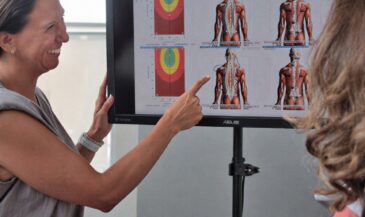
This is where INSiGHT scanning technology becomes so valuable in the chiropractic conversation. You can explain the brake pedal all day long, but when patients see objective scan views connected to their own nervous system status, the message lands differently.
The goal is not to diagnose a parasympathetic condition. The goal is to use objective exam data to help analyze nervous system performance, autonomic balance, postural tension, and adaptive reserve. That is exactly where INSiGHT neuroTECH and Synapse software help doctors transform complex neurology into something patients can see, understand, and value.
Neurological scanning instantly shifts a patient’s focus from vertebra and joints to nerves and performance. That shift matters. Once patients understand that chiropractic care is tied to the way their nervous systems adapt and regulate, they stop reducing the conversation to symptoms alone.
neuroPULSE and Heart Rate Variability
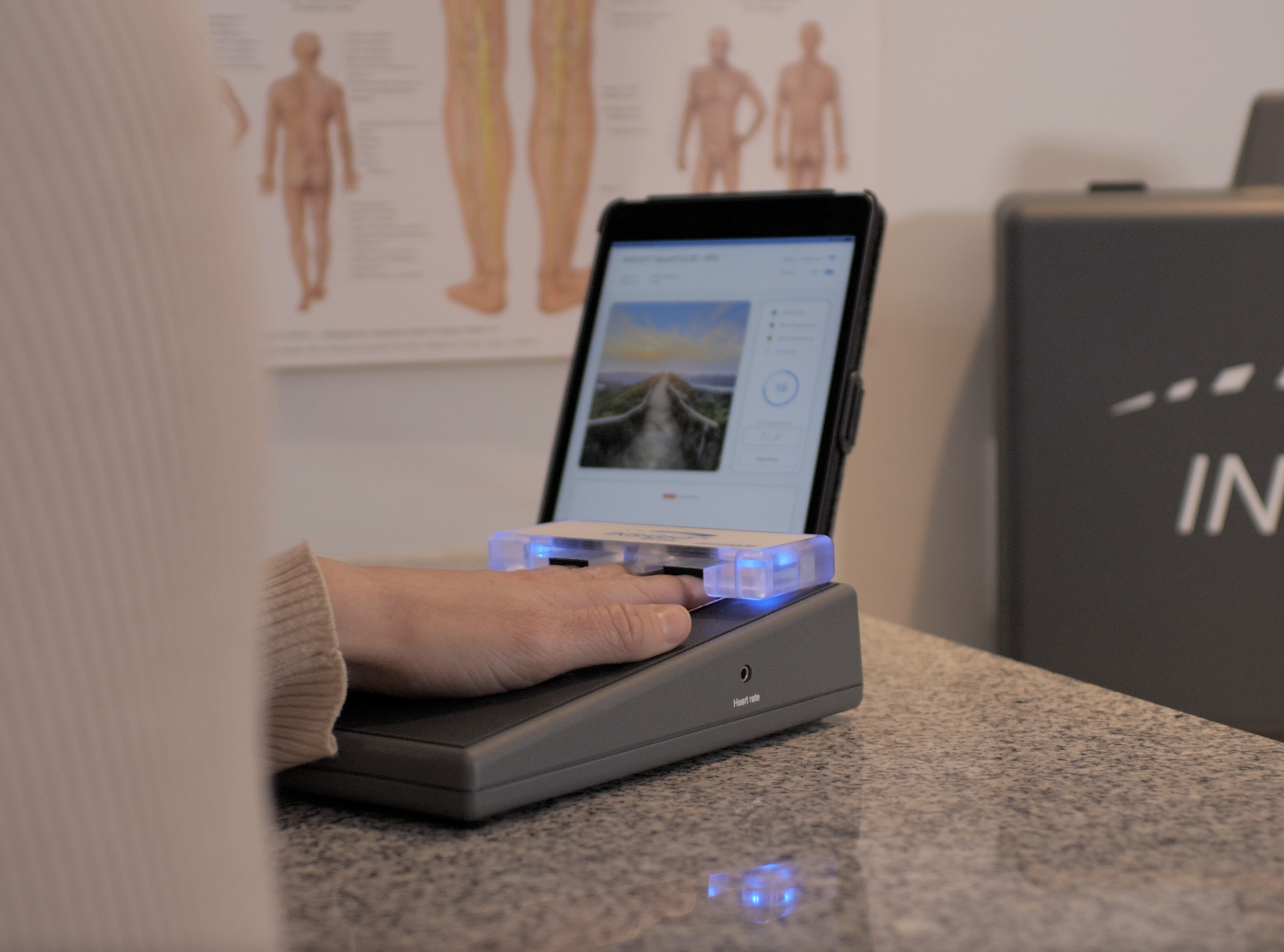
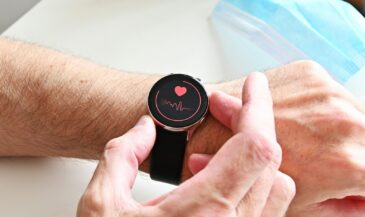
The INSiGHT neuroPULSE analyzes Heart Rate Variability, or HRV. HRV looks at the timing between heartbeats, not just the number of beats per minute. That timing gives insight into autonomic nervous system function, including sympathetic and parasympathetic activity.
This is one of the cleanest ways to explain parasympathetic nervous system function to patients. You can say, “This scan helps us look at how your nervous system is adapting. We’re not just looking at whether your heart beats fast or slow. We’re looking at the timing between beats, because that timing gives us insight into how your gas pedal and brake pedal are coordinating.”
HRV also gives you a natural way to talk about vagal influence. The vagus nerve plays a major role in parasympathetic regulation of heart rate. When the parasympathetic nervous system works with the sympathetic nervous system in a coordinated way, the heart rhythm shows healthy variability. That variability is not random. It is one sign that the body has room to adapt.
The neuroPULSE does not replace your clinical judgment. It strengthens your ability to communicate. It helps you move from “trust me” to “let’s look at what your nervous system is showing us.”
neuroCORE, neuroTHERMAL, and the Bigger Nervous System Picture
Parasympathetic function does not exist in isolation. The nervous systems are interconnected through motor, autonomic, sensory, and regulatory pathways. That is why the full INSiGHT neuroTECH picture is so useful.
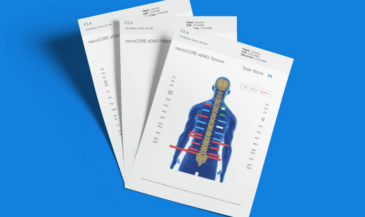
The neuroCORE analyzes paraspinal postural tension and energy expenditure through surface EMG. This helps you show patients how much energy their nervous system may be using just to hold them upright against gravity. When there is excessive postural tension, imbalance, or exhaustion, patients can see that their body may be spending energy inefficiently.
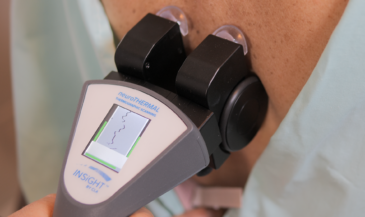
The neuroTHERMAL performs a full spine nerve system scan to analyze autonomic patterns through paraspinal temperature differentials. Since autonomic nerves influence blood vessel activity, gland patterns, and internal organ communication, thermal scanning gives doctors a practical way to discuss autonomic regulation in a visual format. The neuroTHERMAL scan helps patients see that the autonomic nervous system is not an abstract idea. It leaves patterns.
Then CORESCORE brings the neuroPULSE, neuroCORE, and neuroTHERMAL findings into one simple neurological efficiency score. That report-card style number helps patients understand where they are starting, how their nervous system status fluctuates, and why re-scans matter under a chiropractor-directed care plan.
How to Use Scan Views in the Patient Conversation
The simplest framework is this:
Show the baseline.“Here is where your nervous system is starting.”
Explain the pattern.“Here is what we see in your adaptive reserve, energy use, and autonomic regulation.”
Re-scan and compare.“Here is how your nervous system status is fluctuating under care.”
That is the power of INSiGHT scanning technology. It gives the doctor objective data and gives the patient a visual story. When patients can see where neurological distress is building, how their autonomic nervous system is adapting, and how their scan views shift over time, the conversation becomes clearer.
And that is good chiropractic communication. Not hype. Not fear. Just a clear explanation, objective analysis, and a care plan designed by the chiropractor to help the patient move toward better nervous system performance.
A Better Way to Help Patients Value Nervous System Performance
When you explain parasympathetic function to patients well, you give them a new way to understand their body. You help them see that their heart rate, digestion, sleep, recovery, gland activity, and internal regulation are not separate conversations. They are all part of the same nervous system story.
The PSNS is not just a textbook term. It is the brake-pedal side of the autonomic nervous system. It helps the body settle, digest, recover, and conserve energy. The sympathetic nervous system helps the body meet demand. Both nervous systems matter. The real question is whether the body can shift between them with enough flexibility to adapt to life.
That is why Neurologically-Focused Chiropractic Care has such a strong communication opportunity. Patients do not need more complicated explanations. They need simple language, objective scan views, and a doctor who can connect the dots without overwhelming them.
The best explanation is not, “Your parasympathetic nervous system controls this list of functions.” The better explanation is, “Your body has a recovery system. We want to know whether that system is able to do its job when you need it.”
Once a patient understands that, the conversation changes. They stop seeing care as something they only need when symptoms get loud. They begin to value the deeper work of improving nervous system performance over time.
And when you pair that explanation with INSiGHT scanning technology, you give patients something even better than words. You give them a way to see the story their nervous system has been telling all along.
That is where chiropractic becomes simple, visual, and meaningful for the families you serve.