

A cardio fitness score is typically a consumer-friendly estimate of VO2 max. It is one of the few fitness metrics that blends heart rate response, oxygen handling, and the body’s ability to convert effort into usable energy. That is why it has become such a powerful predictor of long-term performance and why organizations like the American Heart Association and the American College of Sports Medicine recognize cardiorespiratory fitness as a cornerstone of good health.
For chiropractors, this metric opens a door. Not to chase devices or compete with trackers, but to elevate the conversation. When you can help a patient understand how their cardio fitness score reflects nervous system regulation, recovery capacity, and adaptation, you shift the focus from numbers to performance. And that is where neurologically-focused chiropractic belongs.
What a Cardio Fitness Score Really Measures
A cardio fitness score is most commonly linked to VO2 max, which represents the maximum amount of oxygen the body can use during intense effort. In technical terms, VO2 max is measured as milliliters of oxygen per kilogram of body weight per minute. This makes it a relative measure that reflects how efficiently oxygen intake, circulation, and muscular use work together under demand.
This is why VO2 max is often described as the gold standard for aerobic fitness and cardiorespiratory fitness. It is not a lung number. It is not just a heart rate number. It is a system-wide reflection of cardiovascular function, oxygen uptake, and muscular efficiency. Oxygen moves from the air into the bloodstream, through the artery network, and into working muscle where it is used to generate ATP. The smoother that entire chain works, the higher the fitness level tends to be.
From a clinical standpoint, a cardio fitness score answers a simple but powerful question. How capable is this body at meeting increased demand? That demand might be a workout, an outdoor run, climbing stairs, or simply handling a busy life without crashing. Higher aerobic fitness generally means greater endurance, better recovery, and more reserve.
- Oxygen intake reflects how effectively breathing supports performance.
- Oxygen uptake reflects how well the cardiovascular system delivers oxygen.
- Oxygen your body can consume reflects how efficiently muscle tissue uses that oxygen.
In laboratory settings, VO2 max is measured during a maximal exercise test, often conducted on a treadmill, where expired gases are analyzed directly. In everyday life, most people rely on submaximal estimates. These do not measure oxygen directly but instead infer capacity based on heart rate patterns. Both approaches have value, but chiropractors should help patients understand the difference.
How Cardio Fitness Scores Are Estimated in the Real World
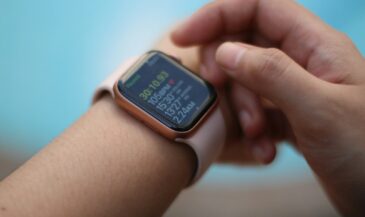
Most patients encounter their cardio fitness score through a tracker, most commonly a Fitbit. These devices do not directly measure oxygen. Instead, they perform a calculation based on heart rate response during physical activity and compare that response to expected norms for age and sex. Inputs such as resting heart rate, body weight, BMI or body mass index, and sometimes body mass are layered into the algorithm used to generate the fitness score.
Fitbit and similar platforms tend to provide the most precise estimate when they capture steady activity like an outdoor run or brisk walk, especially when GPS data is available. A gps run allows the device to match heart rate against speed and distance, producing a more stable estimate of cardio fitness level. Without GPS, many trackers report a range rather than a single number.
These estimates are influenced by beats per minute during effort, recovery patterns afterward, and baseline resting heart rate. If heart rate climbs quickly or stays elevated, the cardio fitness score often trends lower. If the same workload produces a lower heart rate over time, the fitness score usually improves. What the tracker cannot explain is why those patterns exist.
- Heart rate during exercise reflects cardiovascular response.
- Resting heart rate reflects recovery and regulation.
- Body weight influences relative scoring.
- Age and sex determine reference ranges.
- Activity type and data quality affect accuracy.
This is where chiropractors add value. A tracker can show numbers. It cannot assess nervous system performance. When neurological distress is present, heart rate regulation, recovery, and endurance often fluctuate even when the workout routine is consistent.
Learn more about INSiGHT scanning?
Fill this out and we’ll get in touch!
"*" indicates required fields
Interpreting a Cardio Fitness Score in Clinical Context
Patients want to know if their cardio fitness score is good or bad. That question only makes sense in context. The same fitness score can mean very different things depending on sex and age. A value that is average for one group may be excellent for another. This is why interpretation should focus on percentile ranking rather than raw numbers.
Body composition also matters. VO2max values are relative to body weight, which means changes in body mass can influence the score even when conditioning stays the same. Muscle mass supports oxygen use, while body fat changes the relative equation. BMI may be included in the estimate, but it does not distinguish between muscle mass and fat.
Clinically, it helps to treat the cardio fitness score like a vital sign for fitness rather than a max score to chase. Look at trends. Assess how quickly heart rate recovers after effort. Consider how the patient feels during aerobic work and whether endurance is improving. In some cases, a formal exercise test may be appropriate, particularly if cardiovascular symptoms or coronary concerns are present. Collaboration with medical professionals is part of responsible care.
From a chiropractic industry perspective, the opportunity lies in translation. Patients already trust their tracker. They just need help understanding what it reflects about their overall fitness and nervous system status.
Improving Cardio Fitness Score Through a Nervous System Lens
Improving a cardio fitness score does not require extreme training. It requires consistency, recovery, and adaptability. Aerobic fitness improves when the body learns to meet demand with less strain. Over time, heart rate response becomes more efficient, endurance improves, and overall fitness rises.
Foundational aerobic work builds capacity. Adding vigorous intervals challenges the system and supports adaptation. Strength training supports movement efficiency and reduces wasted energy. Together, these approaches support better fitness without overwhelming the system.
- Steady aerobic activity builds base fitness.
- Vigorous intervals improve oxygen uptake.
- Strength training supports endurance.
- Recovery supports adaptation.
Recovery is where nervous system regulation shows up. Poor sleep, chronic stress, and sympathetic overdrive often elevate resting heart rate and slow recovery. When recovery improves, fitness often follows. This is why patients who exercise regularly can still struggle to improve their cardio fitness score if nervous system performance is compromised.
In some cases, submaximal testing or a treadmill-based assessment can provide additional insight. The goal is not to push harder but to adapt better.
Using INSiGHT Neurological Scanning to Add Clarity to Cardio Fitness Scores
A cardio fitness score tells patients what is happening. INSiGHT scanning helps explain why. Wearables estimate fitness using an algorithm used to blend heart rate data with demographic inputs. They cannot assess nervous system status. Neurological scanning can.
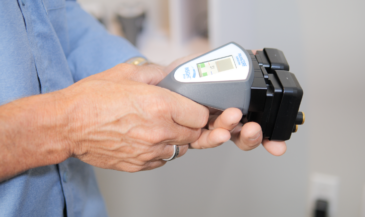
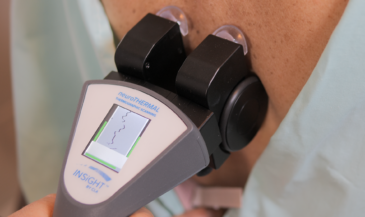
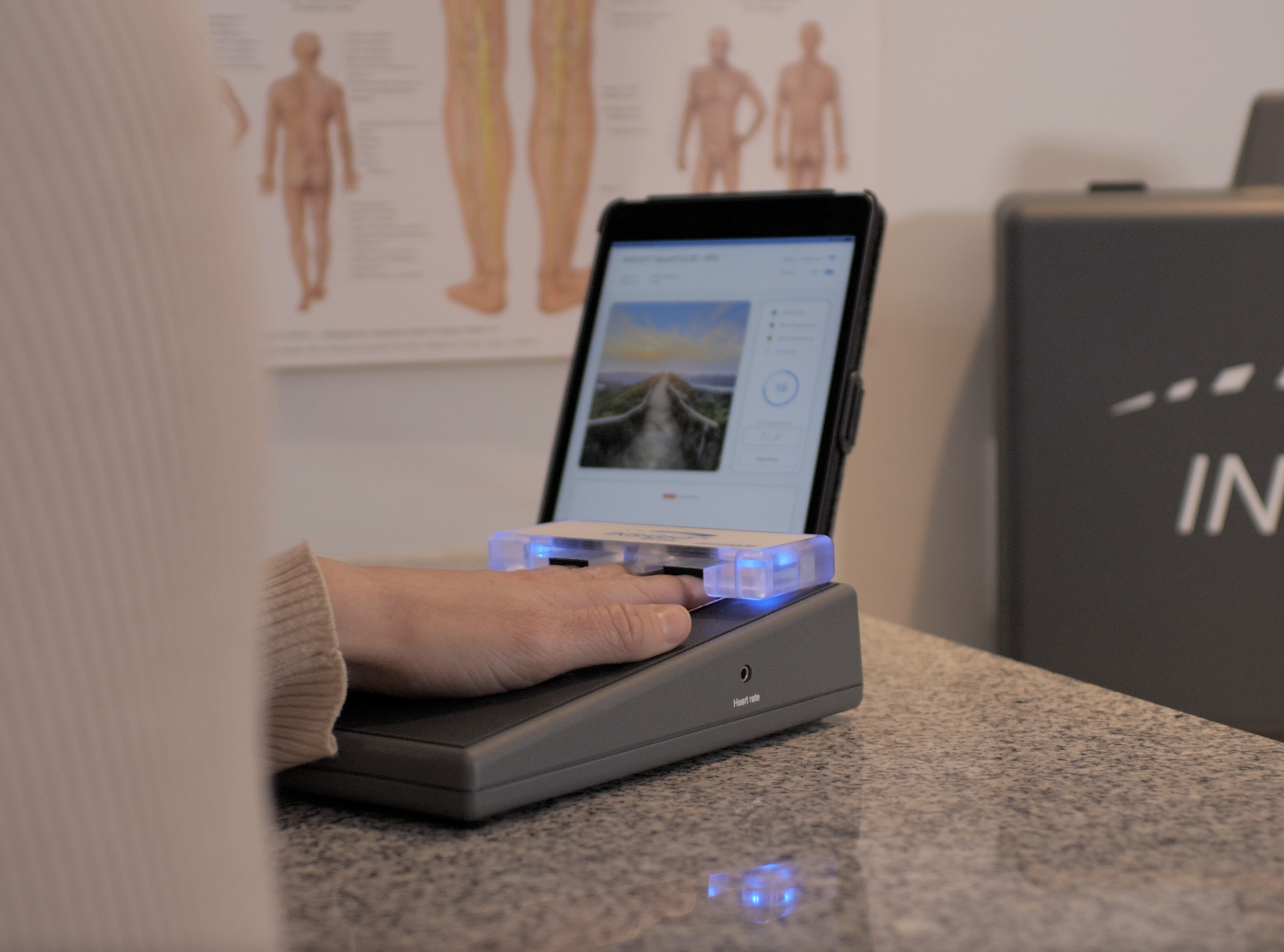
INSiGHT neuroPULSE HRV scanning provides objective insight into adaptability and recovery, directly relevant to cardiorespiratory fitness. neuroTHERMAL scanning highlights autonomic patterns that may influence cardiovascular responses. neuroCORE sEMG scanning shows neuromuscular energy demands that affect endurance and efficiency.
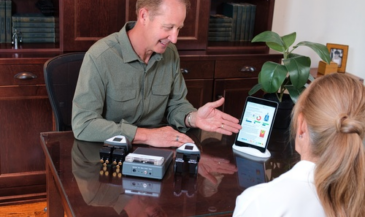
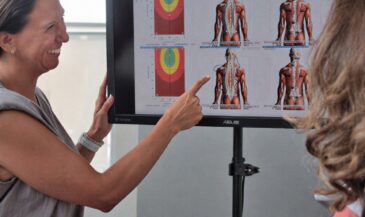
INSiGHT does not generate care plans. It provides objective exam data and reports that support chiropractors as they assess, interpret, and guide care. When patients already track fitness, scanning helps them connect cardio fitness score trends to nervous system performance. This allows chiropractors to track your progress in a way that feels meaningful rather than confusing.
Turning Fitness Scores Into Performance Confidence
A cardio fitness score is not the goal. It is a signal. It reflects how the body handles demand right now. Chiropractic, supported by neurological scanning, helps patients improve how they handle demand over time.
When patients understand how fitness, heart rate regulation, oxygen use, and nervous system performance work together, they stop chasing numbers and start valuing performance. That shift supports better fitness, cardiovascular health, and long-term resilience. And that is where chiropractors belong in the modern conversation about fitness and good health.