

The vagus nerve is one of the most important communication pathways in the body. It helps regulate heart rate, digestion, respiration, and many of the automatic processes that let a person shift out of sympathetic overdrive and into a more restorative state. That is why the vagus nerve keeps showing up in conversations about stress and anxiety, gastrointestinal function, inflammation, and heart rate variability. The subject matters. It just needs to be framed correctly.
In chiropractic, the vagus nerve should never be reduced to a trendy reset trick. The better conversation is about the autonomic nervous system, the parasympathetic nervous system, the sympathetic nervous system, and how the body adapts under load. Once you view the vagus nerve through that lens, it stops being a buzzword and starts becoming clinically useful.
What the Vagus Nerve Is and Why It Matters
The vagus nerve is the 10th Cranial nerve, and the nerve is one of 12 Cranial nerves that emerge from the brain rather than the spinal cord. In fact, the vagus nerve is one of the most far-reaching cranial nerves in the body. The vagus nerve is the longest of the 12 Cranial nerves, which is why it is often called the” wandering nerve”. That name fits because the nerve runs from the brainstem, through the foramen magnum, down through the neck and into the chest and abdomen.
When chiropractors talk about the anatomy of the vagus, we are talking about a long cranial pathway with broad influence. The vagus nerve originates in the brainstem and extends through the chest and abdomen to structures involved in heart rate, lungs and digestive activity, and the digestive tract. This is why the vagus nerve helps regulate so many automatic processes. The nerve is also involved in motor and sensory functions, carrying nerve signals between the brain and body. Its different divisions are intimately linked to emotional awareness, making it a critical pathway to express our human nature.
The vagus nerve is one of the central players in the autonomic nervous system. More specifically, it is a major pathway of the parasympathetic nervous system. That means the vagus nerve helps support rest and digest physiology after the body has been in a “fight or flight” state. If the body cannot shift efficiently into recovery, repair, and regulation, patients may show signs of poor adaptability even when their complaints look unrelated on the surface.
For a chiropractor, that matters because the vagus nerve helps explain why people struggle differently under similar stress. One person adapts and recovers. Another stays wound up, depleted, and slow to regulate. The vagus nerve also helps us understand why complaints involving digestion, stress recovery, respiration, and heart rate can belong to the same larger story.
Why chiropractors should care about vagus nerve function
Vagus nerve function matters because it reflects how well the body is shifting between demand and recovery. The vagus nerve helps calm the body, lower your heart rate, and support regulation after stress. When that process is strong, patients often show better reserve and better adaptability. When it is weak or inconsistent, the body may stay locked into protective physiology longer than it should.
That does not mean every complaint is controlled by the vagus nerve. It does mean the vagus nerve has a role in regulating several systems chiropractors care about every day. If your clinical lens is neuro-centric, the vagus nerve deserves attention because it gives context to how the body is performing, not just how the patient is feeling.
How the Vagus Nerve Connects to Adaptability, Digestion, and Heart Rate
The vagus nerve helps the body do more than relax. It helps control digestion, supports bowel and gastrointestinal regulation, influences respiration, and helps coordinate communication between the brain and visceral organs via the vagus nerve. In practical terms, the vagus nerve conversation is really a conversation about adaptability. Can the body calm down after stress? Can it recover after demand? Can it organize resources well enough to support digestion, energy, and repair?
That is why vagal tone has become such a common phrase. In everyday clinical language, vagal tone refers to the influence of the vagus nerve within the autonomic nervous system. Higher vagal tone is usually associated with better recovery and more resilience. Lower vagal tone is often associated with poor recovery, reduced adaptability, and a body that has trouble shifting out of sympathetic overdrive.
One of the most useful ways to understand this is through heart rate variability. Heart rate variability is not simply measuring heart rate. It reflects the beat to beat changes in timing between contractions and gives insight into how adaptable the system may be. A patient can have a normal heart rate and still have reduced reserve. That is why heart rate variability matters so much in conversations about autonomic function and vagus nerve performance.
The vagus nerve also has a strong relationship to digestion. It influences the digestive system, the digestive tract, and several processes taking place in the abdomen. Patients with poor adaptation often describe digestive frustration, inconsistent appetite, bloating, sluggish digestion, or a body that never seems fully settled. Those signs are not proof of a single vagus issue, but they fit the bigger autonomic story.
The vagus nerve and the recovery side of physiology
The parasympathetic nervous system is the recovery side of physiology. It supports repair, restoration, and regulation. It counterbalances the Sympathetic influence on inflammation. The vagus nerve is one of its most important pathways. That is why the vagus nerve is so often discussed in relation to resting heart rate, recovery, sleep quality, and the body’s ability to move from demand into repair.
When people live in long-term neurological distress, the body may show signs of altered adaptability and increased inflammation. Some have an increased heart rate response to mild demand. Some stay tense after the stressor is gone. Some feel tired yet cannot settle. Some have trouble with digestion or recovery after exercise. These patterns do not all come from one source, but the vagus nerve gives chiropractors a meaningful way to talk about regulation instead of isolated symptoms.
Inflammation, immune regulation, and whole-body performance
The vagus nerve also shows up in the research on inflammation in the body and neuroimmune regulation. There is ongoing interest in how the vagus nerve may influence inflammatory signaling and immune homeostasis. That is one reason inflammation, inflammatory balance, and even chronic inflammation are now part of the broader vagus conversation.
Chiropractors should communicate this carefully. We do not need to overpromise. But it is reasonable to say the vagus nerve has a role in regulating more than mood or relaxation. It appears connected to broader adaptive functions, including gastrointestinal and inflammatory processes. That is one reason the subject matters for overall health and well-being, even though our focus remains on objective analysis and nervous system performance.
- Heart rate and resting heart rate regulation
- Heart rate variability and adaptive reserve
- Digestion, bowel function, and gastrointestinal performance
- Respiration and diaphragm driven calming responses
- Inflammation, inflammatory signaling, and overall health
Learn more about INSiGHT scanning?
Fill this out and we’ll get in touch!
"*" indicates required fields
Vagus Nerve Stimulation and the Difference Between Medical VNS and Chiropractic
This is where chiropractors need to be precise. Vagus nerve stimulation is a real medical intervention. VNS is not a catchy wellness phrase when used in medicine. It refers to devices that stimulate the vagus nerve with electrical impulses or electrical stimulation in a therapeutic setting. In many cases, that means an implant or device implanted near the upper left side or left side of the chest, with impulses to the vagus nerve delivered through a lead system.
The left vagus nerve is commonly used in implant-based systems, which is why left vagus nerve anatomy is frequently discussed in the literature. The right vagus nerve is important anatomically too, but these details matter because medical VNS is highly specific. This is not the same as telling a patient to do breathing drills. It is a defined therapy used to treat certain conditions, including epilepsy and treatment-resistant depression. Vagus nerve stimulation may help in selected cases of migraine and cluster headaches as well, and research is ongoing in Alzheimer’s and other areas.
That distinction matters. Chiropractic should never imply that an adjustment is the same as an implant delivering electrical impulses to the vagus. A branch of the vagus nerve may be targeted in some noninvasive devices that stimulate peripheral pathways, but that still belongs to a separate medical conversation. Our job is different. We are looking at adaptability, regulation, and what objective findings reveal about the patient’s current nervous system status.
There are also many non-medical conversations around how to stimulate the vagus nerve. Deep breathing, slow inhale and exhale patterns, humming, singing, gargling, and exposure to cold are commonly discussed. Some of these may activate the vagus nerve or support vagus nerve function in a limited way. They may help calm heart rate, influence the diaphragm, or create a brief shift toward parasympathetic activity. But popular content often jumps too quickly from “this may stimulate” to “this fixes your vagus nerve.”
What the Vagus Nerve Means in a Chiropractic Framework
For chiropractors, the vagus nerve is not a stand-alone analysis. It is a doorway into a smarter discussion about function. Patients often arrive describing stress and anxiety, digestive strain, tension, poor recovery, unstable energy, or a body that cannot settle. The vagus nerve helps frame those experiences within the language of the autonomic nervous system and the central nervous system rather than reducing everything to isolated complaints.
That is important because symptoms alone are not enough. A patient may have digestive frustration, but the deeper question is whether the system is adapting well. A patient may have fatigue, but the better question is whether their regulatory reserve is depleted. A patient may struggle with recovery, but the more useful question is whether the body can organize itself efficiently after demand. The vagus nerve helps us ask better questions.
It also helps chiropractors communicate more clearly. Patients have heard of the vagus nerve. They may not know the anatomy of the vagus or understand that the vagus nerve is one major cranial pathway arising from the brainstem and traveling into the chest and abdomen, but they know it has something to do with calming down. That gives us a bridge. We can start with what they know and lead them into a more complete understanding of nervous system performance.
That is the real opportunity in the chiropractic profession. The vagus nerve also gives us a way to move the conversation beyond symptoms and into adaptation. Instead of talking only about how the patient feels, we can talk about what the body is doing, how nerve fibers are coordinating signals, and whether the system is showing resilience or depletion. That makes the conversation more meaningful and more clinically responsible.
How INSiGHT scanning technology makes this practical
This is where INSiGHT scanning technology matters. The vagus nerve is important, but chiropractors need more than theory. They need objective analysis. INSiGHT scanning technology does not diagnose a vagus lesion. What it does is help the chiropractor analyze the bigger autonomic and neurological picture that vagus conversations are pointing toward.
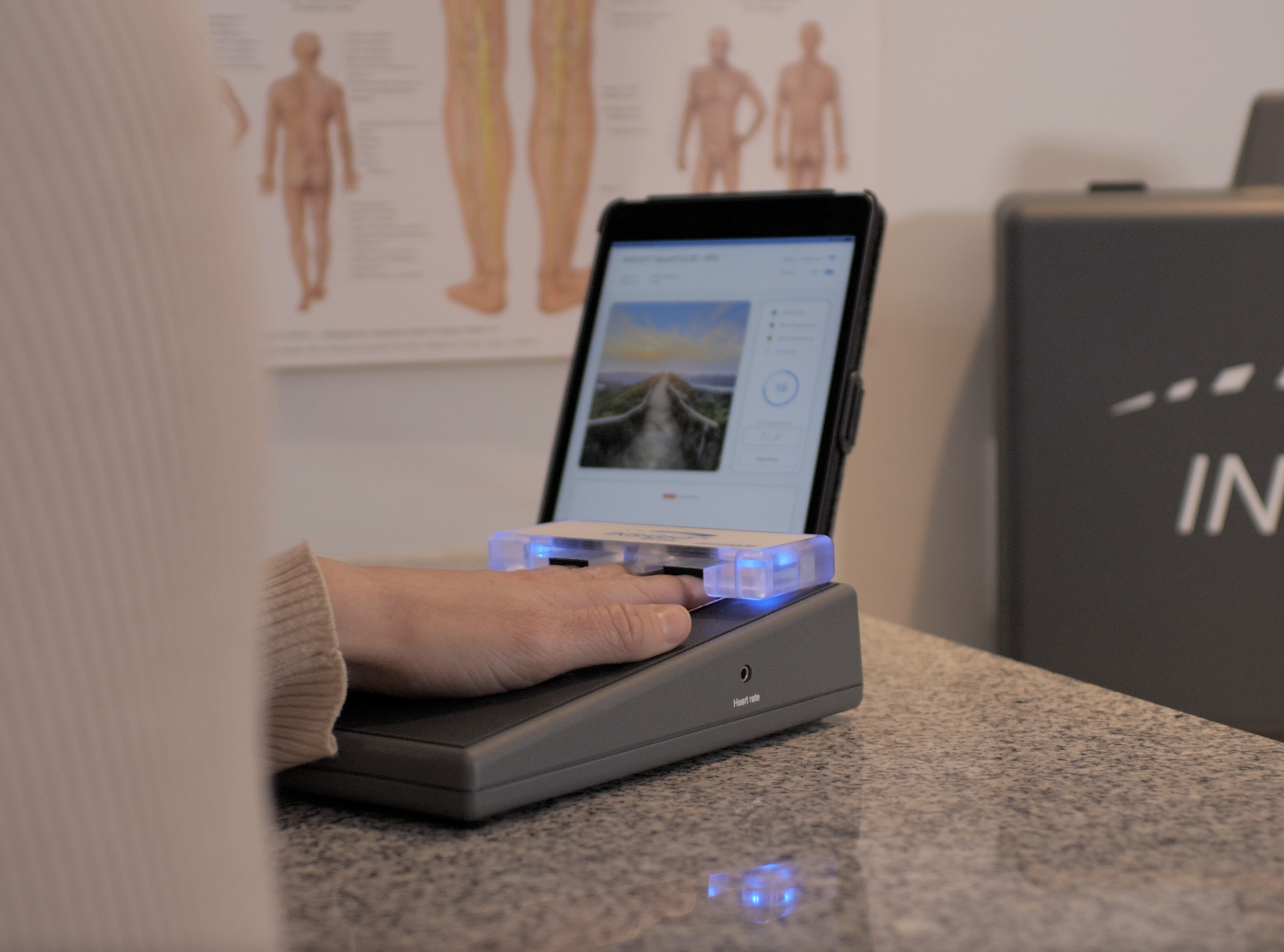
The INSiGHT neuroPULSE HRV gives a practical window into global autonomic balance and function. Since heart rate variability reflects the interplay between sympathetic and parasympathetic activity, it belongs directly in this conversation. When you are discussing vagal influence, adaptability, and recovery, HRV data becomes incredibly useful. It helps doctors move beyond vague impressions and into measurable patterns.
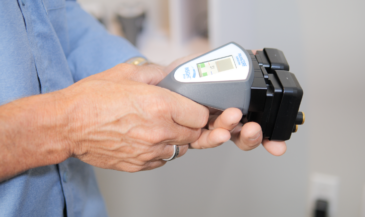
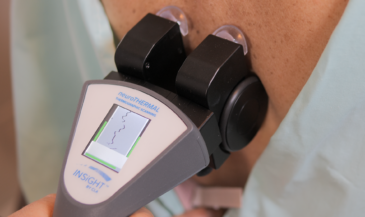
The INSiGHT neuroTHERMAL helps analyze autonomic trends along the spine, while the INSiGHT neuroCORE helps analyze postural tension and muscular energy output. Together, these technologies create a neuroTECH suite of analytical technologies which help the doctor see how the nervous system is adapting under load. Then the INSiGHT Synapse software translates those findings into scan views and reports that patients can understand. That is the strength of INSiGHT neuroTECH and Synapse software. It takes a subject that sounds abstract and makes it visible.
Once that happens, the vagus nerve conversation feels more complete. It becomes less about trendy phrases and more about objective exam data, clearer communication, and a more informed care plan. That is where chiropractic brings real value. We are not here to mimic medical VNS. We are here to analyze nervous system performance, explain what we find, and show patients proof your care is making a difference over time.
When the Vagus Nerve Stops Being a Buzzword
The vagus nerve deserves attention, but it deserves better attention than it usually gets. This nerve is one of 12 major Cranial pathways, the nerve is one of 12 structures that help connect the brain to the body, and the vagus nerve is the longest of them all. It matters because it touches recovery, digestion, heart rate, respiration, immune signaling, and adaptation. The vagus nerve helps tell the story of how well the body is regulating under load.
For chiropractors, that is where the subject becomes powerful. We do not have to turn the vagus nerve into a gimmick. We can use it as a doorway into a deeper conversation about the nervous system, adaptability, and objective assessment. When you explain the vagus nerve in that context, patients stop chasing trendy advice and start understanding function.
That is the goal. The better the doctor understands the vagus nerve, the better the conversation becomes. And when that conversation is supported by INSiGHT scanning technology, the invisible becomes visible. Patients see more clearly. Doctors communicate more clearly. And the care plan becomes grounded in objective findings, not guesswork.