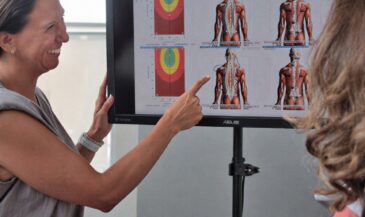


That is where the conversation gets powerful. When a patient sees that poor sleep, postural tension, brain fog, digestive problems, feelings of anxiety, and increased heart rate may all be connected to nervous system balance, the picture changes. They stop chasing many symptoms and begin to understand the body’s control system.
The signs of sympathetic overdrive matter because chiropractic has always been at its best when it helps people look deeper. Not just at what feels uncomfortable. Not just at what is loudest today. But at how the nervous system is performing, adapting, recovering, and communicating.
What Is Sympathetic Overdrive?
The autonomic nervous system is the automatic part of the nervous system. It helps regulate functions your patients do not consciously control, including heart rate, blood flow, digestion, breathing patterns, temperature regulation, and recovery. It is one of the most important nervous systems to understand when explaining stress physiology to patients.
The autonomic nervous system, or ANS, has two main branches. The sympathetic nervous system helps the body respond, protect, and prepare for action. The parasympathetic nervous system helps the body recover, digest, restore, and settle. These two systems work together all day long, shifting the body between activation and recovery based on what life requires.
Sympathetic overdrive happens when the sympathetic nervous system remains too active for too long. The body’s “fight or flight” response was designed for short bursts of protection, not constant activation. When the sympathetic system dominates for extended periods, the body may act as though it is always facing a threat, even when the patient is sitting still, trying to sleep, or moving through an ordinary day.
The sympathetic nervous system is not bad. It is essential. It helps the body become ready for action. The concern begins when the system gets stuck and the patient stays in a constant state of readiness. That is when the signs of sympathetic overdrive become clinically meaningful.
How the Sympathetic and Parasympathetic Nervous Systems Work Together
The sympathetic and parasympathetic nervous systems are not enemies. They are two systems designed to work together. One helps the body activate. The other helps the body restore. One prepares the patient for demand. The other helps bring the patient back into balance.
A simple way to explain this to patients is the gas pedal and brake pedal analogy. The sympathetic nervous system is the gas pedal. It helps the body move, respond, protect, and perform. The parasympathetic nervous system is the brake pedal. It supports recovery, restoration, and the “rest and digest” side of physiology.
The goal is not to eliminate sympathetic nervous system activity. That would not be physiological. The goal is flexibility. A resilient nervous system can respond to a stressor, then recover when the demand has passed. When two systems work together well, the body has a better chance of adapting without getting trapped in a prolonged state of stress.
When sympathetic dominance takes over, the body prioritizes survival functions. The heart may beat faster. Breathing may become shallow. The cardiovascular system may stay more activated. The digestive system may slow. Relaxation may feel difficult, even when the patient has time to rest.
This is where an overactive sympathetic nervous system can change the entire patient conversation. A patient may appear calm on the outside, but internally the nervous system may be running on high alert. That is why the signs of sympathetic overdrive often show up across multiple nervous systems at the same time.
Learn more about INSiGHT scanning?
Fill this out and we’ll get in touch!
"*" indicates required fields
Common Signs of Sympathetic Overdrive Chiropractors Should Recognize
The signs of sympathetic overdrive often appear across several body systems because the nervous system influences so much of human function. Sleep, digestion, posture, temperature regulation, energy, focus, and emotional regulation can all reflect how well the body is adapting.
These common symptoms are not a diagnosis by themselves. They are signs worth paying attention to, especially when several appear together. The chiropractor is not looking at one isolated complaint. The chiropractor is looking at the nervous systems involved and asking whether a deeper nervous system condition may be present.
Cardiovascular and Physical Signs
One of the clearest signs of sympathetic overdrive is increased heart rate. Patients may describe a racing heart, palpitations, or feeling like their body is revved up even when they are not doing anything demanding. Some may also report high blood pressure or have a history of hypertension that deserves appropriate clinical awareness and referral when needed.
When the body enters fight or flight, it prepares to respond. The body’s “fight or flight” response may shift blood flow toward larger muscle groups and away from functions that are not immediately needed for protection. Patients may notice cold hands or feet, sweating, shallow breathing, dizziness, or feeling ready for action without a clear reason.
- Cardiovascular signs: Racing heart, palpitations, high blood pressure, hypertension concerns, or increased heart rate
- Physical signs: Cold hands or feet, excessive sweating, shallow breathing, dizziness, or shakiness
- Readiness signs: Feeling braced, restless, or unable to settle even in a calm setting
Sleep and Energy Signs
Sleep is one of the clearest windows into the signs of sympathetic overdrive. Patients may be exhausted but unable to fall asleep. Others fall asleep but struggle with staying asleep. Some wake up tired, as though their body never truly entered a restorative rhythm.
This is the classic “wired but tired” pattern. The patient feels depleted, but their nervous system still behaves like it needs to stay alert. Adrenaline may help them push through the day, but relying on adrenaline over and over can make it harder for the body to shut down at night.
- Sleep signs: Trouble falling asleep, staying asleep, waking unrefreshed, or waking at the same time each night
- Energy signs: Afternoon crashes, caffeine dependence, fatigue, or a second wind late in the day
- Recovery signs: Feeling tired but unable to relax or recover deeply
Digestive Signs
Digestion is another place where the signs of sympathetic overdrive often show up. In fight or flight, the body does not prioritize digestion. It is preparing for action. That means digestive function may slow, fluctuate, or become less efficient when sympathetic nervous system activity stays elevated.
Patients may describe a nervous stomach, bloating, constipation, diarrhea, reduced appetite, or other digestive problems that become more noticeable during times of stress. These signs do not automatically mean the patient is in sympathetic overdrive, but when they appear alongside sleep, energy, tension, and emotional signs, they may point to a broader nervous system pattern.
This is where the parasympathetic system matters. The body needs recovery and regulation to support the digestive system. When the sympathetic system remains overactive, the body may struggle to create the internal environment needed for proper rest and digest function.
Musculoskeletal and Postural Signs
Patients in sympathetic overdrive often carry their nervous systems through posture. They may clench their jaw, tighten through the shoulders, guard through the spinal region, or feel like their body is braced for impact. That postural tension is not just a muscle issue. It can reflect how the nervous system is organizing the body against perceived demand.
Some patients feel restless, shaky, or unable to sit still. Others describe chronic tightness that never seems to fully release. From a chiropractic perspective, this is where the conversation shifts from “tight muscles” to motor tone, energy expenditure, and nervous system performance.
If the body is constantly preparing to protect itself, postural tension may remain elevated even when the patient does not consciously feel stress. That is one reason the signs of sympathetic overdrive can remain hidden until the right questions are asked.
Cognitive and Emotional Signs
Sympathetic overdrive also affects how patients think and feel. A body stuck in high alert often comes with a brain that is scanning for threat. Patients may report anxiety and stress, irritability, mood changes, poor concentration, or brain fog. They may describe feelings of stress, feelings of anxiety, or an inability to calm down even in a quiet environment.
These physical and emotional symptoms are not character flaws. They can be physiological signs that the nervous system is having a hard time regulating. That distinction can be deeply reassuring for patients. It helps them understand that they are not imagining things. Their body may be trying to protect them, but the protective response is staying on too long.
This is also where the phrase stress and sympathetic activation becomes useful. Patients often think stress is only emotional. Chiropractors can help them understand that chronic stress can become a whole-body pattern involving multiple nervous systems.
Longer-Term Signs of Physiological Strain
When a patient remains in a prolonged state of stress, cortisol levels, adrenaline, and other stress hormones may stay involved in the body’s attempt to keep up. Stress hormones like cortisol are part of the normal stress response, but when the response stays activated, it can contribute to broader physiological strain.
Research and clinical discussions often connect prolonged sympathetic overactivity with concerns involving oxidative stress, cardiovascular system strain, metabolic function, high blood pressure, hypertension, and type 2 diabetes. That does not mean sympathetic overdrive causes every one of these situations. It means the body’s stress physiology matters, especially when signs are present across many systems.
For physical and mental health, long-term health, and resilience, the ability to recover is just as important as the ability to respond. A nervous system that can activate but cannot settle is not functioning with the flexibility patients need.
Why Signs of Sympathetic Overdrive Matter in Chiropractic
For chiropractors, the signs of sympathetic overdrive are not just a checklist. They are part of a bigger clinical conversation about nervous system balance, adaptability, and performance. Patients may come in focused on one concern, but your job is to help them understand the pattern.
Patients usually bring fragments. “My stomach is off.” “My neck is tight.” “I cannot sleep.” “I feel anxious.” “My heart races.” “I am tired all the time.” They rarely bring the pattern. The chiropractor helps connect the dots.
The root of the problem may not be one isolated complaint. It may be that the body is struggling to shift between activation and recovery. When the system gets stuck, many symptoms can show up across multiple systems. That is why it is so important to address the root instead of chasing every sign one by one.
When you explain the signs of sympathetic overdrive clearly, patients begin to understand why they feel the way they feel. They stop seeing their body as a collection of random problems. They begin to see it as an intelligent network of nerves trying to adapt, protect, and recover.
That is one of the great opportunities in chiropractic. Neurological scanning instantly shifts a patient’s focus from vertebra and joints to nerves and performance. In a short conversation, you can help patients understand that care is not simply about what they feel today. It is about how their nervous systems are functioning over time.
How INSiGHT Scanning Technology Helps Make Sympathetic Overdrive Visible
The signs of sympathetic overdrive can be discussed, but INSiGHT scanning technology helps chiropractors analyze nervous system patterns objectively. A patient can describe what they feel. The scan can help show what the nervous system is doing.
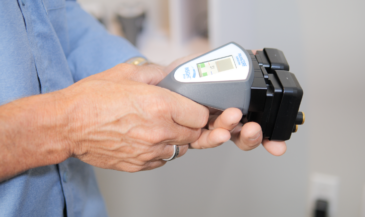
INSiGHT scanning technology does not diagnose sympathetic overdrive. It provides objective exam data, scan views, and reports that help chiropractors assess nervous system patterns, interpret findings, and design a care plan based on the full clinical picture.
With INSiGHT neuroTECH and Synapse software, chiropractors can transform complex neurology into something simple, visual, and meaningful for the patient. When patients see their nervous system in living color, where neurological distress is building, how well they are adapting, and how care may be making a difference over time, it clicks.
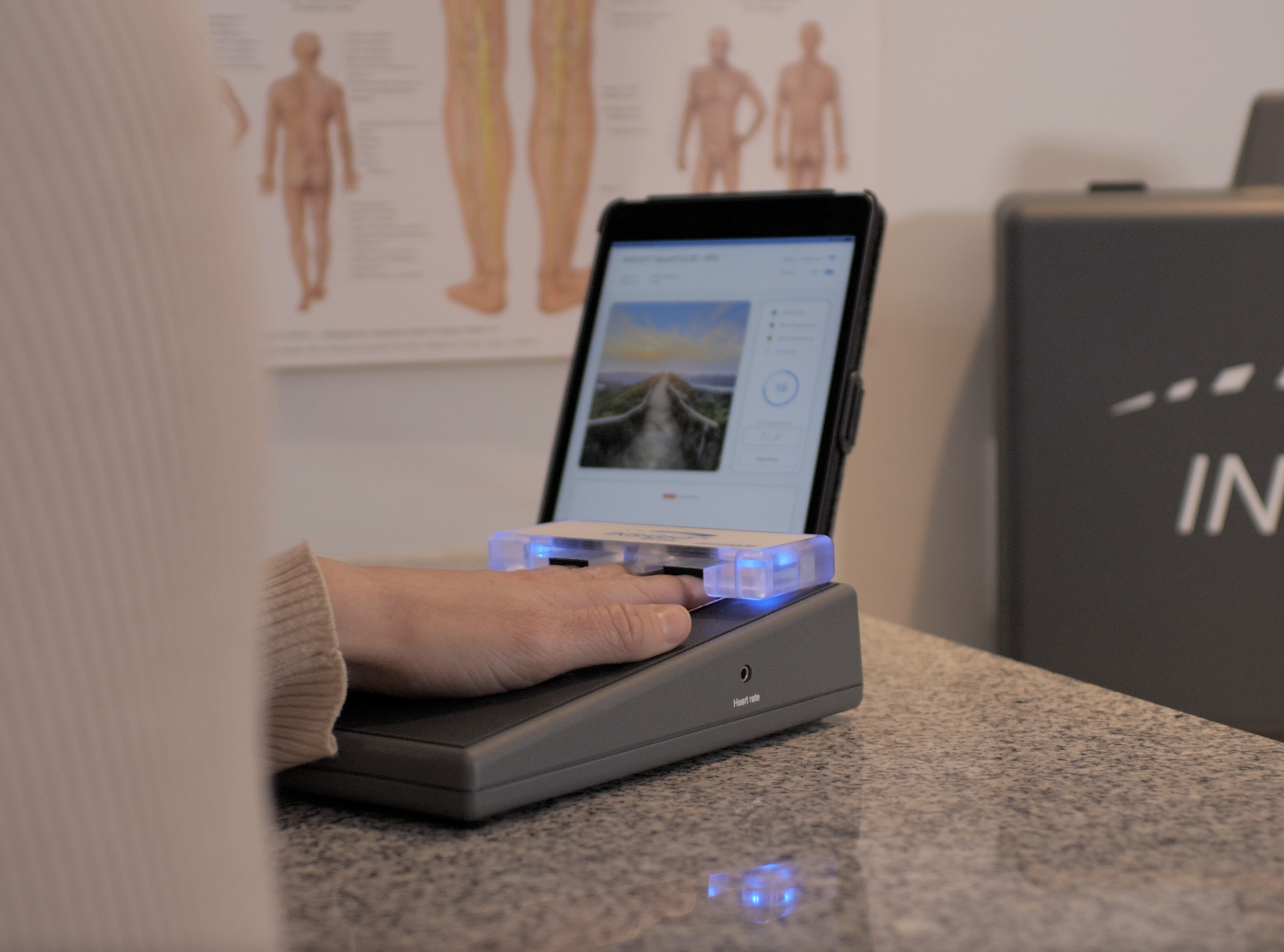
neuroPULSE and Heart Rate Variability
neuroPULSE analyzes heart rate variability, one of the most useful ways to evaluate autonomic function and adaptability. This analysis gives insight into the relationship between sympathetic and parasympathetic nervous systems, helping chiropractors understand balance, activity, reserve, and resilience.
When a patient presents with signs that suggest an overactive SNS, overactive sns patterns, or sympathetic dominance, neuroPULSE can support a more objective conversation. Instead of simply saying, “You seem stressed,” the chiropractor can discuss how the ANS and SNS appear to be adapting in the broader clinical picture.
neuroTHERMAL and Autonomic Patterns Along the Spinal Region
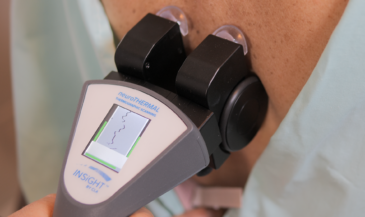
neuroTHERMAL helps evaluate thermal patterns related to autonomic regulation along the spinal region. Because the sympathetic nervous system influences blood vessel tone and temperature regulation, neuroTHERMAL scan views can help chiropractors communicate stress-related autonomic patterns in a simple visual way.
With neuroTHERMAL, chiropractors can analyze stress patterns on each exam or before and after each adjustment. This helps create a stronger conversation around regulation, reducing sympathetic load, and helping the patient understand why their nervous system status deserves attention.
neuroCORE and Postural Tension Patterns
neuroCORE uses sEMG to analyze postural tension, energy expenditure, and motor tone reactions. This is highly relevant when patients present with guarding, bracing, jaw tension, shoulder tension, or a body that feels like it cannot settle.
Instead of relying only on palpation or patient description, neuroCORE helps provide objective data around postural tension and energy patterns. For a patient with signs of sympathetic overdrive, that can be a meaningful bridge between what they feel and what their nervous systems may be showing.
Synapse Software Turns Complex Neurology Into Patient Understanding
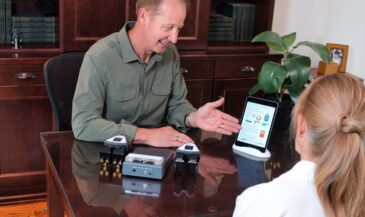
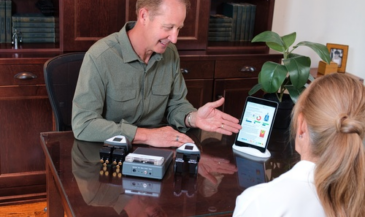
Synapse software helps bring the INSiGHT scan data together in a way patients can understand. The scan views and reports make it easier to communicate nervous system performance, progress, and change over time.
This strengthens report of findings conversations, re-exams, progress conversations, and care plan communication. Instead of asking patients to believe an abstract explanation, you can show them objective patterns and help them understand what those patterns mean.
That is where patient certainty grows. Once a patient understands the why behind their care, they stop counting visits and start valuing results.
Helping Patients Move From High Alert to Better Regulation
The signs of sympathetic overdrive are not random. They may be the body’s way of showing that the nervous system is stuck in a protective pattern. The sympathetic nervous system is designed to help the body respond, but it is not designed to dominate every hour of the day.
For chiropractors, this creates an incredible opportunity. You can help patients understand that their sleep, digestion, heart rate, postural tension, brain fog, and feelings of stress may all be connected through nervous system regulation. You can also help them see that steps to manage stress or reduce stress may be helpful, but the deeper goal is to help the nervous system shift out of sympathetic overdrive and return back into balance.
That is the power of Neurologically-Focused Chiropractic Care. It brings the conversation back to the nervous system, where adaptation, regulation, and performance begin. It helps patients understand that the body is not failing them. It may be asking for a better look at the nervous systems controlling the whole experience.
And when you combine that conversation with INSiGHT scanning technology, you give patients something they can see, understand, and value. You move them from guessing to clarity. You move the conversation from symptoms to nervous system performance. That is where chiropractic becomes bigger than a quick fix. It becomes a clear, objective, evidence-informed path toward helping patients understand how their body is adapting, how their nervous systems are communicating, and how care can make a meaningful difference.