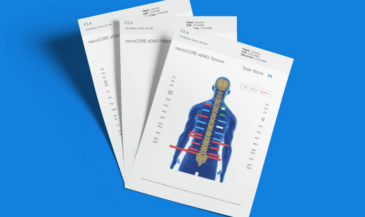

That is why more doctors are asking what is a nervous system scan and what it adds to a modern chiropractic assessment. A nervous system scan is a non-invasive nervous system analysis that helps a chiropractor evaluate functional patterns related to nerve activity, autonomic regulation, muscular output, and adaptive reserve. It does not take a structural picture like an X-ray. It helps show how the system is working today.
When patients understand what is a nervous system scan, chiropractic care becomes more than a response to symptoms. Their attention moves from spinal structure alone toward nerves, regulation, adaptability, and long-term health.
What Is a Nervous System Scan and What Does It Assess?
In chiropractic, what is a nervous system scan usually refers to a group of complementary neurological scans rather than one isolated test. These scans assess electrical activity in the paraspinal muscles, skin temperature patterns along the spine, and Heart Rate Variability. Together, they provide objective scan data that helps the doctor understand how the nervous system is organizing movement, regulating automatic functions, and responding to demand.
Nervous system scans aren’t pictures of the brain, spinal cord, or individual nerves. Surface sensors gather physiological information that the chiropractor interprets alongside the patient’s history, examination, and goals.
A Functional Assessment Rather Than a Structural Image
An X-ray, MRI, or other imaging study answers a structural question. It may show anatomy, degeneration, fracture, alignment, or another finding that requires visual confirmation. Neurological scanning answers a different question: how is the nervous system working right now? Imaging shows structure. A nervous system scan helps assess function.
Structure can remain relatively stable while function fluctuates with sleep, physical load, illness, emotional demand, and recovery. Nervous system scans compare those patterns over time, giving the chiropractor more than a static image or one day of symptom reporting.
The Central Nervous System and the Body’s Communication Network
The central nervous system includes the brain and spinal cord. Peripheral nerves carry information to and from the body. Sensory pathways report internal and external conditions, while motor pathways help coordinate movement, posture, and muscular activity.
The autonomic nervous system controls heart pacing, digestion, blood flow, and temperature regulation. Its sympathetic branch supports action, while the parasympathetic nervous system supports recovery. A resilient system should move between them as demand fluctuates.
What the Scan Does Not Do
A nerve scan does not replace a complete history, physical examination, neurological testing, or imaging when imaging is indicated. It does not diagnose diseases, prove a medical root cause, or create the care plan.
The scans provide objective analysis. The chiropractor combines the scan views with the full chiropractic assessment and decides what the findings mean. The technology supports clinical judgment and helps personalize recommendations in a way that is easy to understand.
The Three Core Technologies Behind a Chiropractic Nervous System Scan
To fully answer what is a nervous system scan, we have to look at the three scans that make up the most useful neurological profile: surface EMG, thermal analysis, and HRV. Together, these scanning technologies help the chiropractor see motor activity, regional autonomic patterns, and global adaptability.
The body does not express neurological distress in only one way. The strongest insights from scans come when the findings are interpreted together.
Surface EMG and the Neuromuscular System
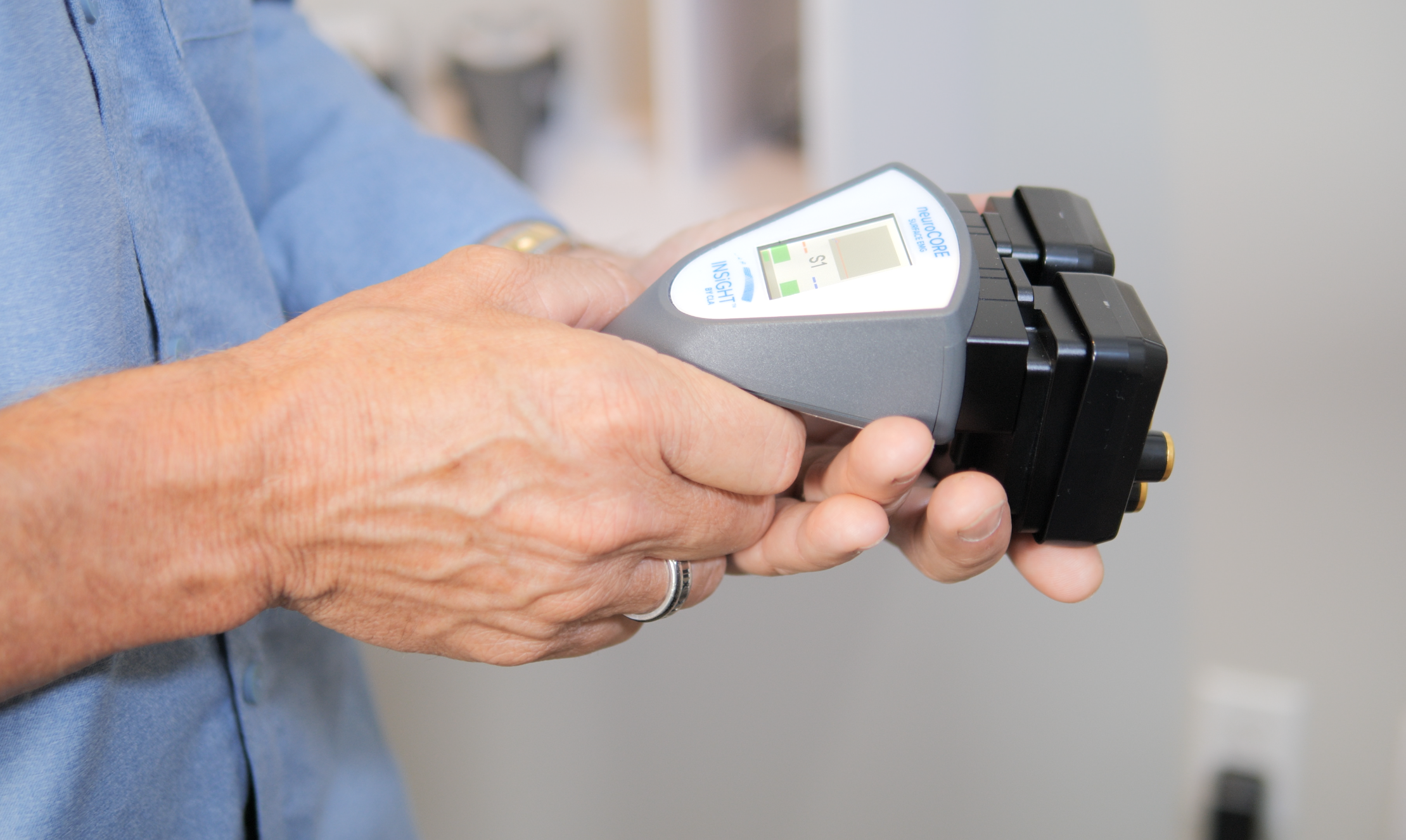
A surface EMG scan analyzes electrical activity in the paraspinal muscles. Skin sensors detect signals associated with muscular output. Unlike needle electromyography, chiropractic neurospinal EMG scans are surface-based and examine postural activity, symmetry, and energy use.
The nervous system controlling muscles must constantly make small adjustments to keep the body upright. When compensation or neurological interference is present, an EMG scan may show elevated output, left-to-right imbalance, low activity, fatigue patterns, or inefficient energy expenditure.
An EMG scan detects patterns patients may have normalized. Someone may feel relaxed while the scan shows postural tension, or appear tight while the scan suggests low activity. The scan helps the chiropractor understand how the spinal motor system is organizing effort.
- Postural activity: Shows how much electrical output the body is using to maintain posture.
- Symmetry: Compares activity on the right and left sides of the spine.
- Energy use: Helps reveal overactivity, low activity, or inefficient compensation.
Thermal Scans and Autonomic Regulation Along the Spine
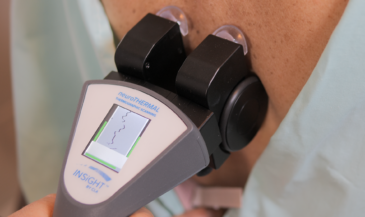
Thermal scans use infrared sensors to analyze skin temperature patterns along the spine. Skin temperature is influenced by autonomic control of blood vessels and regional blood flow. Side-to-side temperature differences may provide information about regional autonomic nervous activity.
A neurothermal scan does not diagnose inflammation, organ dysfunction, or a medical condition. It analyzes patterns that may be associated with autonomic imbalance, nerve tension, or neurological interference, including how those patterns fluctuate across exams.
The neurothermal scan can be completed quickly as a full spine nerve system scan. It is gentle, radiation-free, and practical for family and pediatric settings. Neurothermal scans help chiropractors explain the chiropractic connection between spinal regions and autonomic regulation without turning the visit into a neurology lecture.
HRV and Heart Rate Variability
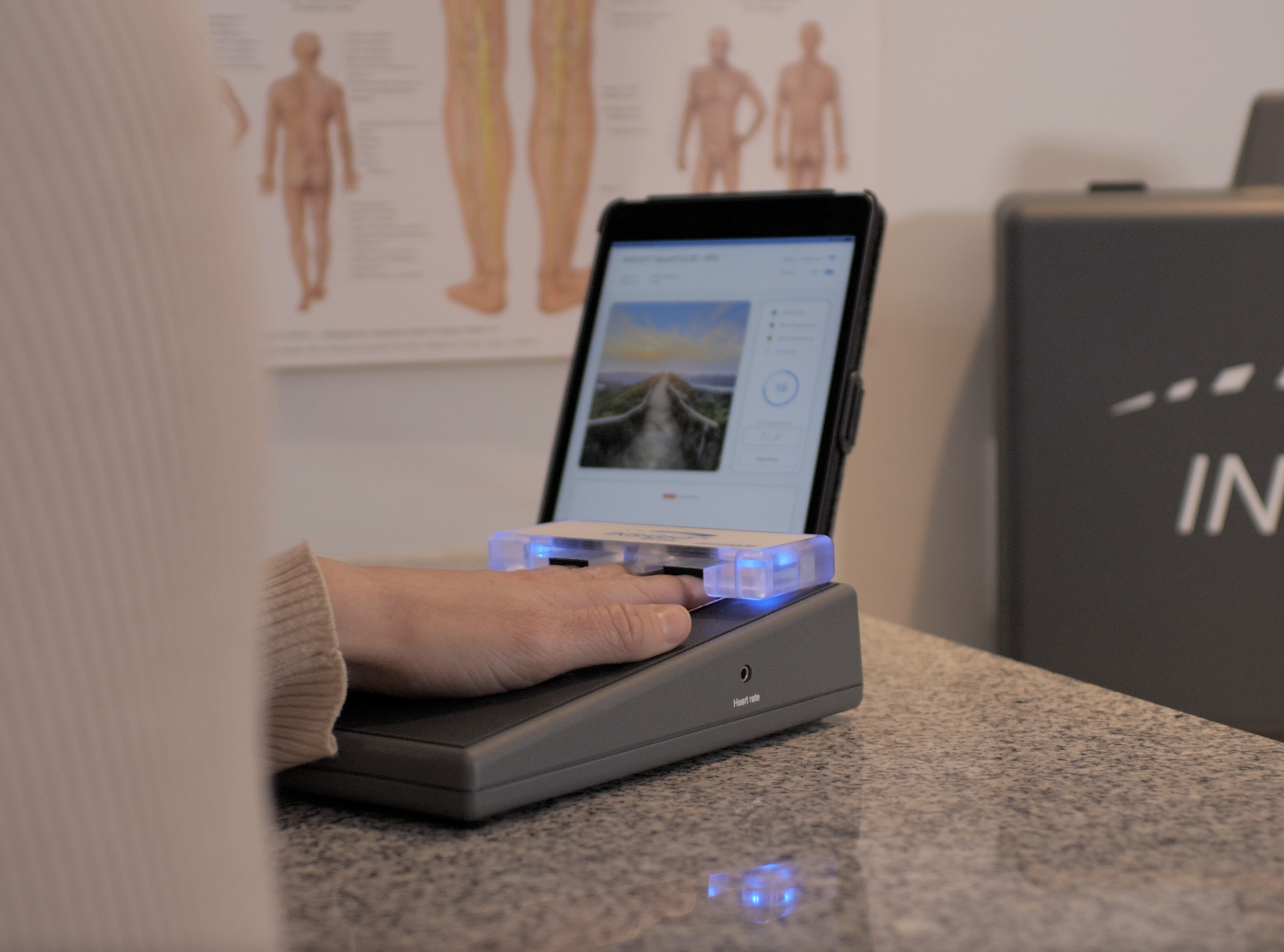
Heart Rate Variability, or HRV, analyzes the variation in time between consecutive heartbeats. It is not simply a reading of whether the heart rate is high or low. An HRV scan provides insight into autonomic activity, adaptability, recovery, and reserve.
The sympathetic nervous system prepares the body for action, while the parasympathetic nervous system supports recovery. Neither is the enemy. The goal is flexibility: responding when demand rises and recovering when it passes.
An HRV scan helps assess whether that flexibility is present. Lower variability may suggest reduced adaptive reserve, poor recovery, or sympathetic overdrive. Scans like HRV give the doctor a practical way to discuss how well your nervous system can shift gears.
- EMG scan: Analyzes motor activity, symmetry, and energy use.
- Thermal scan: Analyzes regional autonomic patterns and skin temperature.
- HRV scan: Analyzes global adaptability, recovery, and reserve.
Learn more about INSiGHT scanning?
Fill this out and we’ll get in touch!
"*" indicates required fields
How Chiropractors Use Nervous System Scans in Clinical Practice
In a real chiropractic office, the answer to what is a nervous system scan becomes practical when the scan is built into the exam, report of findings, re-exam, and care plan conversation. The goal is not to collect data for its own sake. The goal is to help the chiropractor make clearer decisions.
A nervous system scan today is most useful within a consistent rhythm. The first scan establishes a baseline, follow-up scans assess response, and comparative reports show trajectory. That gives the doctor and patient something more reliable than memory.
Establishing an Objective Baseline
The baseline scan records nervous system status at the beginning of care. It may show postural tension, asymmetry, thermal imbalance, reduced HRV, sympathetic overdrive, or low adaptive reserve. These findings do not tell the whole story, but they give the chiropractor a starting point.
Scans provide the greatest value in context. The history and examination explain what the scan cannot, including whether referral is appropriate. The scan adds objective neurological information.
Supporting the Chiropractic Assessment of Subluxation
From a chiropractic perspective, subluxation is not simply a spinal region that appears out of position. The concern includes altered motion, neurological interference, nerve tension, and changes in how the body processes sensory input and organizes motor or autonomic output.
A nervous system scan helps analyze patterns associated with subluxation. Surface EMG may show altered motor activity, thermal analysis may reveal autonomic asymmetry, and HRV may suggest reduced adaptability. None diagnoses subluxation alone, but together they strengthen interpretation.
Using Re-Scans to Assess Response and Trajectory
One scan is a snapshot. A series of scans tells a story. Nervous system scans compare current findings with the baseline so the chiropractor can see whether patterns are improving, fluctuating, plateauing, or still needing attention.
- Baseline: Shows where the patient is starting.
- Response: Helps assess how the system is responding under chiropractic care.
- Trajectory: Shows whether patterns are moving toward greater stability and adaptability.
Repeated scans give the chiropractor proof your care is making a difference when the data supports it. They can also show when a strategy needs reconsideration.
Strengthening the Report of Findings
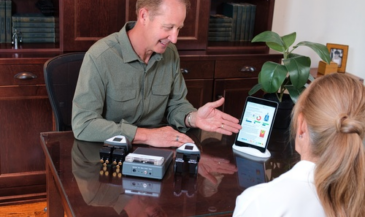
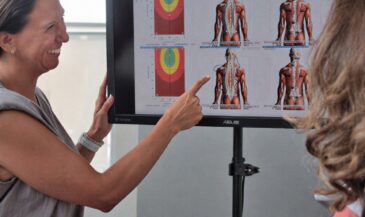
Patients have language for symptoms. They rarely have language for adaptive reserve, autonomic balance, or postural energy expenditure. Scan views close that gap. Instead of delivering a long explanation, the chiropractor can show what the scans reveal and connect it to the patient’s goals.
The scan helps us explain why feeling better does not always tell the whole story. When patients can see how the nervous system is functioning, the care plan becomes a clinical conversation rather than a sales conversation.
How INSiGHT Scanning Technology Brings Neurological Assessment Together
Once neurological scanning becomes part of the examination, consistency matters. The scans should be accurate, reproducible, efficient, and easy to explain.
This is where INSiGHT scanning technology fits. INSiGHT neuroTECH and Synapse software bring EMG, thermal analysis, HRV, comparative reporting, and patient education into one workflow. The chiropractor still provides the examination, interpretation, adjustment, and care plan. The technology supplies objective analysis and scan views that support those decisions.
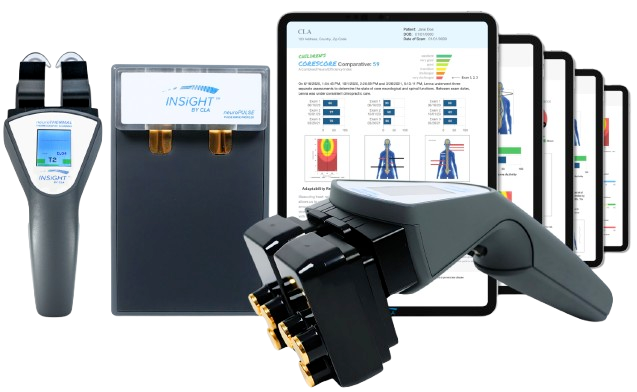
neuroCORE, neuroTHERMAL, and neuroPULSE
The neuroCORE analyzes surface EMG to assess paraspinal activity, symmetry, postural tension, and energy expenditure. The neuroTHERMAL performs a fast full spine nerve system scan using infrared technology to analyze bilateral temperature patterns associated with regional autonomic regulation. The neuroPULSE analyzes HRV to assess autonomic activity, adaptability, recovery, and reserve.
INSiGHT scans look at three connected dimensions of nervous system performance:
- neuroCORE: Motor activity and energy expenditure.
- neuroTHERMAL: Regional autonomic regulation along the spine.
- neuroPULSE: Global autonomic balance, adaptability, and reserve.
INSiGHT scans allow us to look beyond one isolated finding. They help the chiropractor see how the nervous system is working across multiple functional layers without pretending that the scan alone creates the clinical answer.
Synapse Software and CORESCORE
With INSiGHT neuroTECH and Synapse software, complex neurology becomes visual and easier to understand. Synapse organizes scan views, comparisons, reports, and progress data across the patient journey.
The CORESCORE combines information from neuroPULSE, neuroCORE, and neuroTHERMAL into one patient-friendly neurological efficiency score. It does not replace detailed findings or define overall health, but it gives patients an accessible starting point.
Pediatric Nervous System Scans and Family Chiropractic
The exciting thing about pediatric chiropractic is the opportunity to assess function during an important developmental period. A child’s nervous system is still learning, organizing, and adapting. That makes objective neurological scanning useful when it is applied carefully and interpreted within the proper scope.
A child’s EMG scan may help the chiropractor study activity patterns in the child’s neuromotor system. An HRV scan may offer information about adaptability and reserve. A neurothermal scan of a child may show regional temperature patterns connected to autonomic regulation.
A scan of a child struggling with sleep, digestion, regulation, or coordination does not diagnose the cause. It does not measure overall brain function and coordination, Autism Spectrum Disorder, Sensory Processing Disorder, immune dysfunction, or developmental delay. It provides objective exam data that supports the chiropractor’s assessment and helps parents understand what is being monitored.
The scans are gentle, radiation-free, and practical for repeated analysis. For families interested in health and wellness, this creates a clear conversation without fear or exaggerated claims.
Bringing Nervous System Performance Into the Center of Chiropractic Care
So, what is a nervous system scan? It is a functional neurological assessment that helps a chiropractor analyze motor activity, autonomic regulation, and adaptive reserve. It provides information about how the nervous system is functioning rather than relying only on symptoms, palpation, or structural imaging.
An EMG scan shows how the spinal motor system is using energy. A thermal scan shows regional autonomic patterns. An HRV scan helps assess how well the system can respond, recover, and move between sympathetic and parasympathetic activity.
When patients ask what is a nervous system scan, the most useful answer is that it makes function visible. The scan does not replace the chiropractor’s hands, examination, or care plan. It gives the doctor objective information that can be interpreted, compared, and explained clearly.
That is why what is a nervous system scan belongs at the center of the modern chiropractic conversation. It moves the focus away from symptoms and structure alone and brings it back to nerve function, regulation, adaptability, and performance.
When patients see their nervous system status in living color, where neurological distress is building, how well they are adapting, and how their care plan is making a difference, it clicks. That is the real promise behind what is a nervous system scan and the reason INSiGHT scanning continues to have such an important role in chiropractic.