
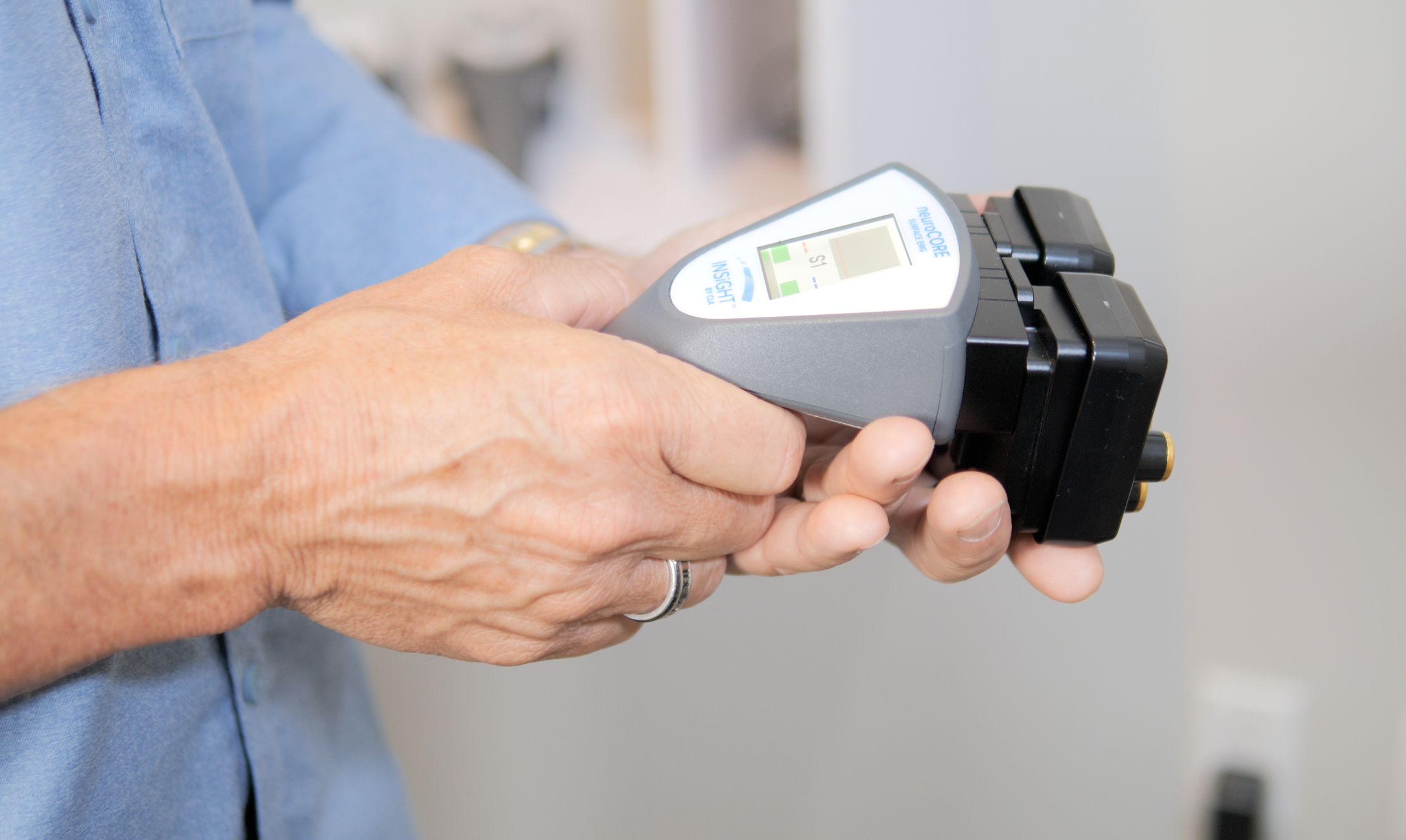
Here’s where chiropractors need to bring clarity. The answer to what is an EMG scan depends on the setting. In conventional healthcare, an EMG test usually means electromyography, a diagnostic test used to evaluate nerve and muscle function. In chiropractic, especially in a Neurologically-Focused Chiropractic office, surface EMG is used differently. It helps analyze how the nervous system is organizing muscle activity, postural tension, and energy use along the spinal region.
That difference matters. When chiropractors understand the difference between a medical EMG test and chiropractic surface EMG scanning, they can explain the science with confidence, keep the claims accurate, and help patients see that chiropractic is not just about symptoms. It is about nervous system performance.
What Is an EMG Scan?
So, what is an EMG scan? EMG stands for electromyography. It is a test that measures the electrical activity of muscle tissue and the nerve signals that influence how muscles contract. Every time a patient turns their head, lifts a leg, or stands upright, the brain and spinal cord communicate through the peripheral nervous system. The nerves that control movement send electrical signals to muscles, and the muscles respond by contracting.
That is the basic nerve and muscle relationship. The brain gives the instruction. Nerve cells carry the message. The muscle responds. When the message does not travel properly, or when the muscle does not respond normally, an EMG can help a provider better understand where the concern may be coming from.
In conventional care, an EMG can help evaluate whether a concern is related to a muscle or nerve, the nerve before it reaches the muscle, the nerve roots near the spinal cord, or the communication between muscles and the nerves that control them. That is why patients may need an EMG when they have unexplained numbness, tingling, weakness, or signs of a nerve disorder.
For chiropractors, the conversation goes one step further. What is an EMG scan in chiropractic? In most chiropractic settings, it refers to surface EMG scanning. This does not use a needle, and it is not the same as a conventional electrodiagnostic procedure. Surface EMG helps the chiropractor analyze muscle activity patterns along the spinal region and understand how the nervous system is expressing itself through posture, tone, and energy use.
That is a very different conversation from simply saying, “your muscles are tight.” Surface EMG gives the chiropractor a better way to talk about nerve tension, postural tension, compensation, and nervous system performance.
How a Conventional EMG Test Works
To explain what is an EMG scan accurately, we need to understand the conventional EMG test first. In a medical setting, an EMG test is commonly performed by a provider trained in neurology or electrodiagnostic testing. It is often used to help diagnose or rule out conditions involving the peripheral nerves, muscle tissue, nerve roots, or neuromuscular communication.
Many patients hear “EMG” and “nerve conduction” together because an EMG test and nerve conduction study are often performed during the same appointment. These two tests are related, but they do not measure the same thing. Nerve conduction studies look at how signals move through a nerve. Needle EMG looks at how the muscle behaves electrically.
Nerve Conduction Studies
Nerve conduction studies, sometimes called NCS, use surface electrode stickers placed on the skin. A mild electrical stimulation is sent to measure nerve conduction, meaning how fast and how strongly a signal travels following a nerve pathway. Patients may feel a quick pulse or snap as a current through a nerve is delivered.
Nerve conduction studies are done to measure nerve function before the signal reaches the muscle. This can be useful when a provider is evaluating peripheral neuropathy, peripheral neuropathies, carpal tunnel syndrome, nerve injury, nerve damage, or diseases that damage the peripheral nerves. In many cases, conduction studies are done together with EMG because the two findings help tell a more complete story.
Learn more about INSiGHT scanning?
Fill this out and we’ll get in touch!
"*" indicates required fields
Why EMG Matters Differently in Chiropractic
Now let’s bring this back to the chiropractic profession. What is an EMG scan when a chiropractor talks about it? In most cases, the chiropractor is talking about surface EMG, not needle EMG. That distinction protects the doctor, protects the patient, and keeps the message clean.
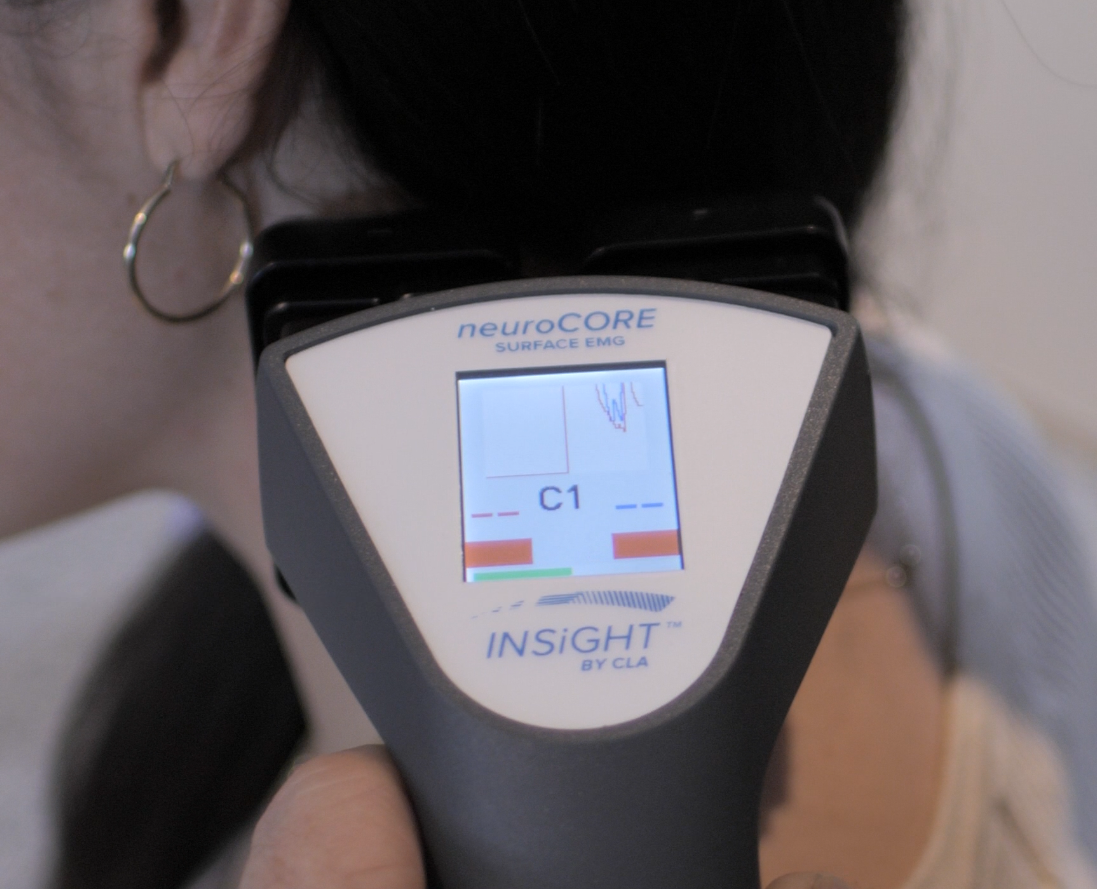
Needle EMG and surface EMG are not interchangeable. Needle EMG is commonly used in conventional electrodiagnostic testing. Surface EMG uses an electrode or scanning sensor on the skin to assess electrical activity from muscles near the surface. In chiropractic, that usually means looking at paraspinal muscle activity and how the body is organizing itself against gravity.
Surface EMG Looks at Motor Output
Surface EMG helps chiropractors look at how the nervous system is expressing itself through the spinal motor system. The goal is not to label disease. The goal is to understand function.
- Energy use: How much energy the spinal region is spending to hold posture.
- Symmetry: Whether the left and right sides are balanced.
- Overactivity: Where excessive postural tension may be present.
- Low activity: Where poor recruitment or exhaustion may appear.
- Pattern: How efficiently the body is distributing spinal motor activity.
This is where the chiropractic use of EMG becomes so practical. A patient may think their issue is only a stiff neck, a tired back, or an occasional tingle. Surface EMG may reveal that the body is spending far too much energy just to stay upright. Once patients see that, the conversation changes.
From Symptoms to Nervous System Performance
Most patients are trained to think in symptoms. If something hurts, they seek care. If the symptom quiets down, they assume the problem is gone. Chiropractors know the body is more complex than that, but it can be difficult to explain without objective data.
Surface EMG helps shift the conversation from “where does it hurt?” to “how is your nervous system performing?” That is a better chiropractic conversation. It gives the patient a visual way to understand why the doctor is looking beyond one complaint and into the body’s functional patterns.
What is an EMG scan in this setting? It is a tool for showing how the body is using energy, where tension patterns may be building, and how nerve and muscle function may be affecting posture and performance.
How INSiGHT neuroCORE Brings EMG Scanning Into Chiropractic Practice
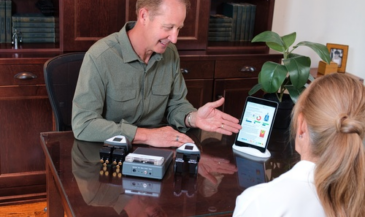
This is where INSiGHT CLA’s work becomes important. Chiropractors have always talked about the nervous system, but patients often struggle to understand what they cannot see. INSiGHT scanning technology helps make that conversation visual, objective, and easier to explain.
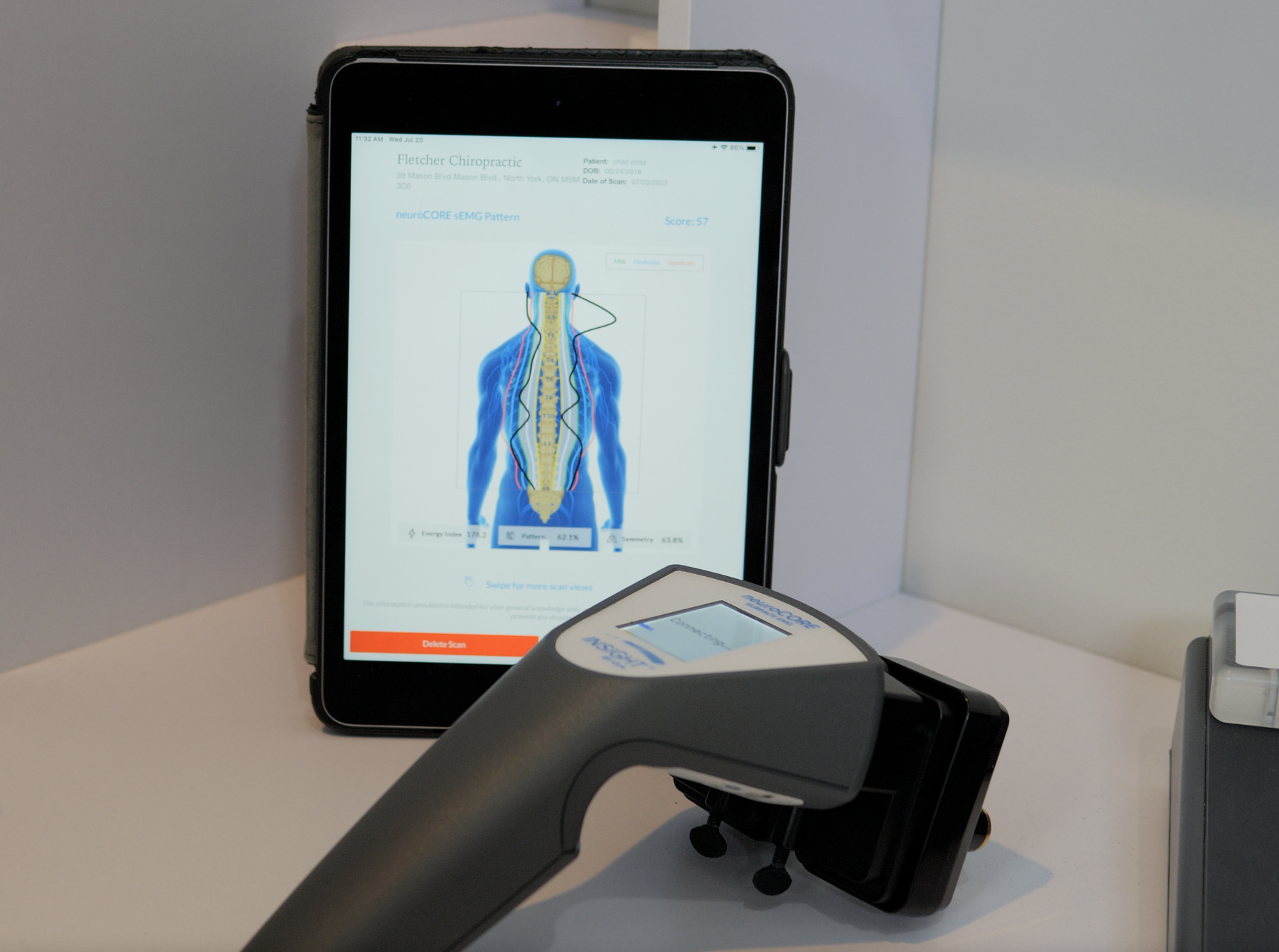
INSiGHT neuroCORE uses surface EMG to analyze paraspinal muscle electrical activity. It helps chiropractors see scan views related to spinal motor function, postural tension, symmetry, and energy use. It does not replace the neurologist who performs EMG or conventional nerve conduction studies and EMG. It gives the chiropractor objective data for chiropractic analysis and patient communication.
neuroCORE and Surface EMG Scan Views
With neuroCORE, surface EMG becomes more than a raw signal. It becomes a visual scan view that helps the chiropractor and patient understand how the spinal region is performing. EMG measures the electrical activity of muscle, but neuroCORE organizes that information in a way that is useful in chiropractic reporting.
- Hypertonicity: Excessive muscle activity that may suggest guarding, overwork, or compensation.
- Hypotonicity: Low activity that may suggest poor recruitment or exhaustion.
- Asymmetry: Imbalance between left and right spinal motor activity.
- Energy expenditure: How much energy the body is using to maintain posture.
- Pattern efficiency: How well the body is distributing that energy through the spinal region.
This matters because it gives the chiropractor something concrete to discuss. Instead of telling a patient their nervous system is under pressure, the doctor can show where the scan views reveal tension, imbalance, or inefficient energy use.
EMG Is One Part of the Bigger INSiGHT Picture
Surface EMG is valuable, but it is still one part of the full neurological picture. That is why INSiGHT neuroTECH and Synapse software bring multiple scan technologies together.
- neuroCORE: Uses surface EMG to analyze spinal motor activity and energy patterns.
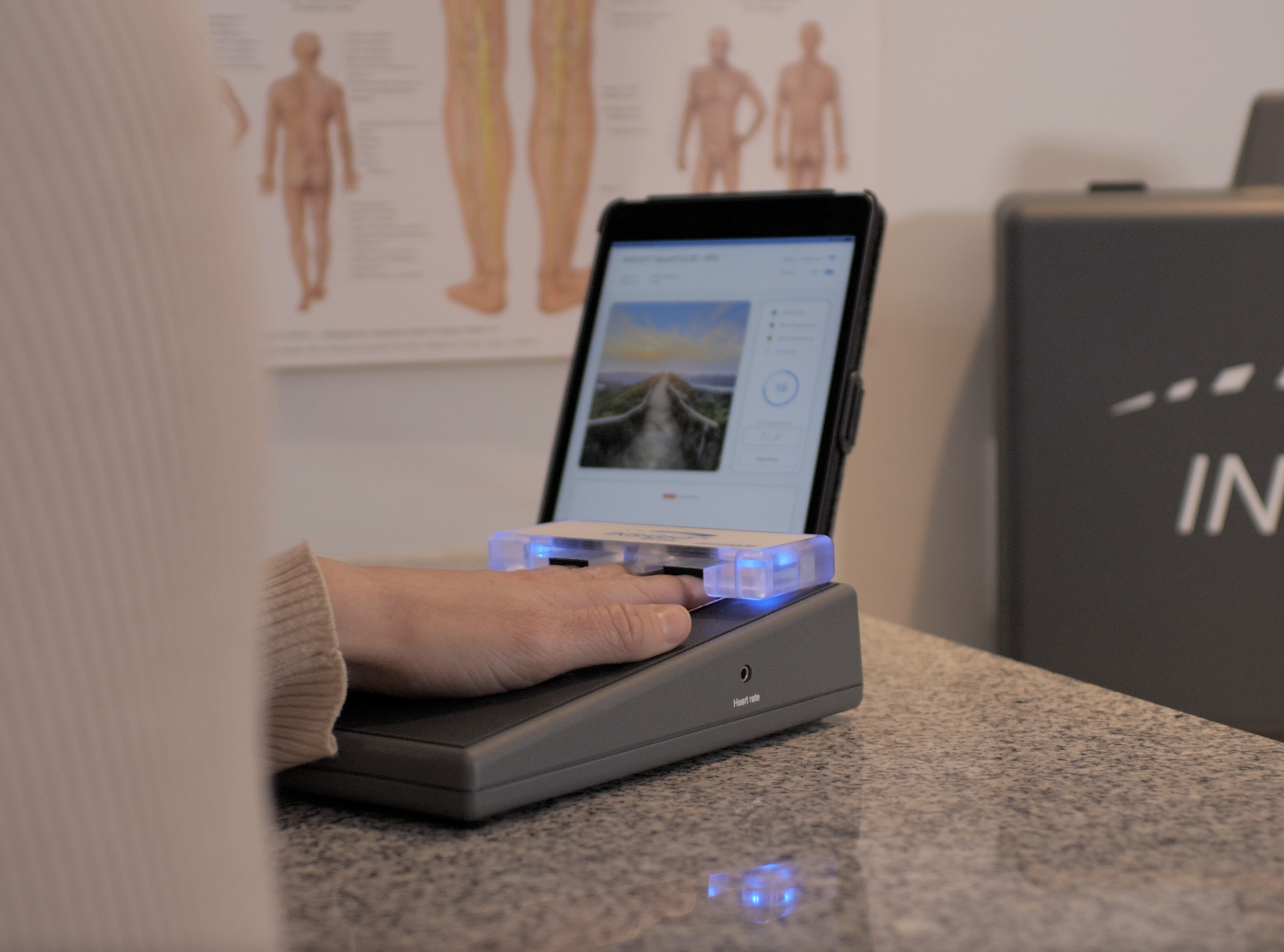
- neuroPULSE: Uses Heart Rate Variability to assess adaptive reserve and autonomic balance.
- neuroTHERMAL: Uses thermal scanning to assess autonomic patterns along the spinal region.
- CORESCORE: Brings scan findings into a simple neurological report card patients can understand.
A single EMG scan can be helpful. A complete neural profile tells a better story. When surface EMG, HRV, and thermal scan views are brought together, the chiropractor can communicate nervous system status from more than one angle.
Why This Helps Patients Understand Chiropractic
Patients do not need a complicated lecture on electromyography. They need to see what their body is doing. INSiGHT scanning technology helps translate complex neurology into a simple visual conversation.
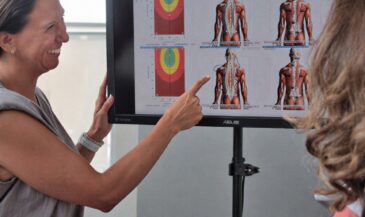
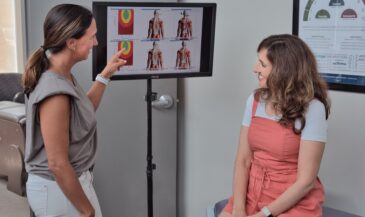
When patients see surface EMG scan views, they can understand where postural tension is elevated, where energy use is inefficient, and where the body is not balanced from side to side. That supports a clearer care plan conversation. The chiropractor still creates the care plan and makes the clinical decisions, but the scan gives the patient a shared reference point.
This is the real value. What is an EMG scan if the patient cannot understand it? In chiropractic, surface EMG becomes useful because it helps patients see the “why” behind care. Once they see the pattern, they stop thinking only about symptoms and start paying attention to performance.
Seeing EMG Through a Nerve-First Chiropractic Lens
So, what is an EMG scan? In conventional healthcare, it is often a diagnostic procedure used to evaluate electrical activity in muscles and the nerves that control them. It may include nerve conduction studies, needle EMG, or both. It may be used to help evaluate nerve conduction, nerve dysfunction, muscle or nerve concerns, and the results of other tests.
In chiropractic, what is an EMG scan usually points to something different. Surface EMG scanning helps Neurologically-Focused Chiropractors analyze spinal muscle activity, energy use, symmetry, and postural tension. It helps show how the nervous system is organizing the body against gravity and how efficiently the spinal motor system is performing.
Both uses matter. They simply serve different purposes. Conventional EMG is valuable when a provider needs an electrodiagnostic picture of a possible nerve or muscle condition. Chiropractic surface EMG is valuable when the doctor wants objective insight into functional patterns tied to nervous system performance.
That clarity strengthens the profession. When chiropractors explain EMG accurately, patients trust the process more. They understand why surface EMG is not just a gadget or a picture. It is a way to see how the body is adapting, where energy is being spent, and why nervous system performance deserves attention before symptoms are the only guide.
That is the promise of INSiGHT scanning technology. It helps move chiropractic away from a symptom-only conversation and back toward what the profession has always known: the nervous system runs the show.
When patients can see their nervous system in living color, where tension is building, where energy is being wasted, and how scan patterns can be tracked over time, something clicks. They stop thinking only about how they feel today. They start understanding how their body is performing.