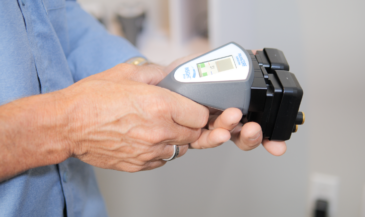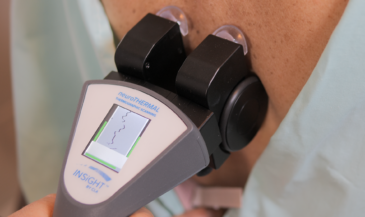

That is why a chiropractic thermography scan still holds such an important place in chiropractic. It is simple. It is painless. It is fast. But more than that, it gives you objective information that structural imaging alone cannot provide. An x-ray can show structure. An MRI can show anatomy and compression. A thermographic scan gives you a different window. It helps detect functional shifts in the autonomic nervous system by analyzing temperature differences along the spine. For chiropractors who want to assess nervous system function and not just structure, that is a big deal.
And here is where the profession keeps moving forward. Chiropractic thermographic scanning is not most valuable when it stands alone as a gadget or add-on. It becomes powerful when it is part of a real neurological examination, part of a report of findings that makes sense to patients, and part of a scan-centered process that helps you personalize care with greater certainty. That is where the clinical value lives. That is also where modern scanning technology, including INSiGHT scanning, has elevated the way chiropractors examine, communicate, and track change over time.
What a Chiropractic Thermal Scan Is Really Measuring
At its core, a chiropractic thermography scan is an analysis of skin temperature variation along your spine, especially in the paraspinal tissues. The instrument uses infrared technology to detect temperature differences along the left and right side of your spine. Those readings are not random. They reflect how the autonomic nervous system is regulating blood flow and vessel tone through that region. Since the autonomic nervous system plays a major role in those responses, abnormal thermal patterns may point to a disturbance in neurological regulation.
That is why thermography has remained relevant in chiropractic for decades. A precise instrument does not simply measure heat for the sake of measuring heat. It helps detect temperature shifts that may reflect areas of nerve tension, autonomic imbalance, inflammation, compensation, or vertebral subluxation. When chiropractors talk about a chiropractic thermographic scan, they are usually talking about a functional exam that helps identify where the nervous system may not be balancing well from one side of the spine to the other.
This is also where it helps to be precise. A chiropractic thermographic scan is not the same as imaging. Structural tools matter, and there are times when x-ray or MRI are absolutely appropriate. But they answer different questions. Those tools show anatomy. A thermographic scan helps you assess how the autonomic nervous system controlling blood vessel activity may be reacting in real-time. It is one reason chiropractors who are focused on nervous system performance value it so highly.
In practical terms, the scan is looking for asymmetry. If left and right temperatures are not matching the way they should, that may suggest altered autonomic nervous system function. In a chiropractic setting, those asymmetries are often interpreted alongside findings related to spinal nerve irritation, nerve interference, subluxation, or deeper patterns of dysregulation. That does not mean the scan diagnoses everything by itself. It means it gives you measurable functional data that deserves attention.
For the chiropractor, this makes the test clinically useful and easy to explain. The nerves that exit the spine influence blood flow, organ and gland regulation, and adaptive responses throughout the body. So when a thermographic scan reveals unusual temperature differences along the spine, it offers a meaningful clue about how the nervous system is functioning, not just what the spine looks like on a static image.
Why Thermal Scanning & Thermography Matters in Chiropractic
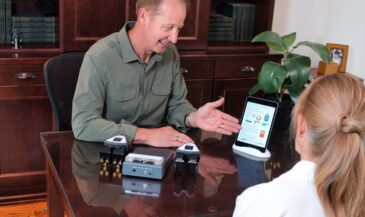
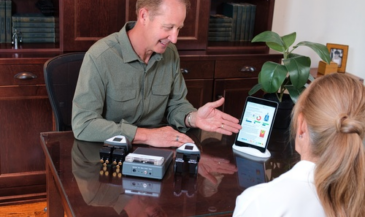
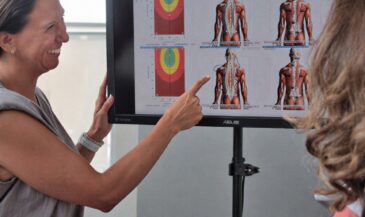
There is a reason chiropractors continue to use thermographic scan technology in practice. It gives you a quick, non-invasive way to gather objective information that can support your clinical reasoning. Patients do not always understand what you feel with your hands. They do not always understand what you suspect based on posture, guarding, or compensatory patterns. But they can understand a scan. They can see a color-coded analysis. They can see that something is fluctuating. That changes the conversation.
In the chiropractic profession, thermographic scanning helps bridge an old gap between philosophy and measurement. Chiropractors have long talked about nerve interference and vertebral subluxation. What chiropractic thermography technology does is offer a measurable way to observe one part of that neurological picture. It can reveal areas of nerve stress, autonomic dysregulation, and altered blood flow regulation that may not be obvious from symptoms alone. That is especially valuable when a patient’s presentation does not fully match the level of internal neurological distress you suspect is present.
It also matters because it supports a more proactive style of chiropractic care. Many patients come in only thinking about symptoms. But the chiropractor knows that symptoms are often late. A person may adapt for a long time before they finally notice something enough to complain about it. Thermal scanning helps you have a different kind of conversation, one built around function, stress adaptation, and nervous system performance rather than waiting until dysfunction becomes undeniable.
Here are a few reasons chiropractors continue to value a chiropractic thermal scan in daily practice:
- It is quick and painless, which makes it easy to include in a routine exam.
- It provides objective data rather than relying only on subjective patient feedback.
- It can be used with men, women, children, and pregnant women.
- It helps chiropractors pinpoint regions that deserve closer neurological attention.
- It can improve the report of findings by making the invisible more visible.
- It supports a more precise care plan by showing where regulation is not balancing well.
That last point is worth slowing down for. Thermal scanning helps because it gives you something to compare over time. A single scan can be useful. A series of scans is where the value really grows. When scans help track changes from an initial baseline through progress and continuation exams, they stop being just a test and start becoming part of a patient’s story. That is where trust grows. That is where retention improves. And that is where chiropractic care becomes easier for patients to understand.
Learn more about INSiGHT scanning?
Fill this out and we’ll get in touch!
"*" indicates required fields
How Chiropractors Use a Chiropractic Thermal Scan in Practice
In the office, the process is simple. The patient is prepared for the exam, the environment is controlled as well as possible, and the spine is scanned with a handheld instrument or rolling scanner designed to measure paraspinal thermal variation. Good protocol matters here. You want the patient acclimated to room temperature. You want clothing, hair, and outside influences minimized so the readings reflect the patient rather than the room. The better your protocol, the better your analysis.
Once the scan begins, sensors to measure thermal asymmetry gather data along the spine. Depending on the technology and workflow, the chiropractor may use a rolling method or a segmental method. In either case, the goal is to detect temperature differences along the left and right side of your spine and convert that into a computerized visual readout. The result is often immediate. That real-time feedback is one of the reasons this form of chiropractic technology fits so naturally into a busy exam flow.
What matters next is interpretation. A neuro-centric chiropractor does not read the scan in isolation. The scan is integrated with history, postural observations, palpation findings, orthopedic testing when needed, and often other objective measures such as sEMG, surface emg, surface electromyography, HRV, or heart rate variability. That is how you avoid overstatement. A chiropractic thermal scan is not there to replace the full exam. It is there to strengthen it.
Used well, thermal scanning can help a chiropractor do several important things during a new patient or progress visit:
- Establish a baseline of autonomic and spinal nerve regulation.
- Look for areas of nerve interference or broader dysregulation.
- Compare the current scan with prior scans to assess change.
- Support decisions around timing, frequency, and direction of chiropractic adjustments.
- Show patients how findings may relate to your symptoms without reducing everything to symptoms.
That last point is where many practices either win or lose the opportunity. Patients usually walk in with a symptom story. You, on the other hand, are looking for function. The scan lets you see objective trends that can be explained in plain language. It helps you show why a patient may need attention even when the symptom picture has changed. It helps correct the common assumption that feeling better automatically means the underlying issue is gone. And that is one of the quiet strengths of chiropractic thermal scanning. It improves not just analysis, but communication.
Why Thermal Assessment Is Stronger When It Is Part of Neurological Scanning
A chiropractic thermal scan is valuable on its own. But let’s be honest, Doc, it becomes much more powerful when you stop treating it like a standalone test and start using it as part of a complete neurological picture. That is where the profession has grown. We are no longer limited to asking only where heat fluctuates. We can also ask how much adaptive reserve the patient has, how much energy the system is expending, and whether the nervous system’s regulatory capacity is improving over time.
Thermal data gives you one important view into autonomic regulation. But it does not tell the entire story by itself. That is why chiropractors who are serious about objective assessment often pair thermography with other scans. When you add surface electromyography, you gain a window into electrical activity, postural tension, and energy use in the paraspinal system. When you add hrv, you gain perspective on autonomic adaptability and reserve. Now you are no longer just scanning heat. You are assessing function from multiple angles.
This matters because the body does not break down in one dimension. A patient may show one kind of thermal disturbance, another kind of muscular guarding on semg, and a very different stress-adaptation story on heart rate variability. Put together, those findings can elevate your understanding of how well your nervous system is adapting under load. That is far more helpful than basing every decision on pain, range of motion, or a structural image alone.
There is also an important communication benefit here. A broader neurological assessment helps patients understand that chiropractic is not simply about moving bones. It is about helping the nervous system function with less interference and better adaptability. When patients see that their scan findings involve blood flow regulation, autonomic balance, and energy expenditure, the clinical conversation matures. They begin to understand that overall health and resilience depend heavily on nervous system performance.
That is why this shift toward objective scanning is so important for the future of chiropractic. It gives the chiropractor a better framework for analyzing stress, function, and adaptation. It helps personalize recommendations without guessing. And it gives patients visible proof your care is making a difference, even before every external trait has fully resolved. In that sense, neurological scanning does not distract from chiropractic. It brings the real value of chiropractic into clearer focus.
How INSiGHT Scanning and CLA Technology Bring This to Life
This is where the conversation naturally comes back to INSiGHT scanning and CLA’s products. If you want a chiropractic thermal scan to be more than a one-off instrument in the corner of the office, you need a system around it. You need dependable analysis, reproducible scan views, and software that turns data into something usable for both the chiropractor and the patient. That is exactly where INSiGHT neuroTECH and Synapse software fit in.
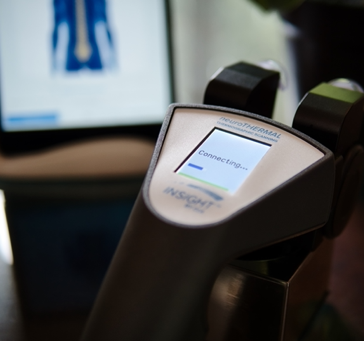
The neuroTHERMAL is INSiGHT’s thermal instrument, and it was built specifically for this purpose. It performs a full spine nerve system scan in seconds and evaluates bilateral skin temperature changes that may reflect autonomic nervous dysfunction, areas of nerve tension, and dysregulation related to vertebral subluxation. It is non-invasive, safe across the life cycle, and designed to give chiropractors a clearer view of what is happening along the spine from a functional standpoint. In other words, it is not just a thermal scan. It is part of a complete neurological assessment process.
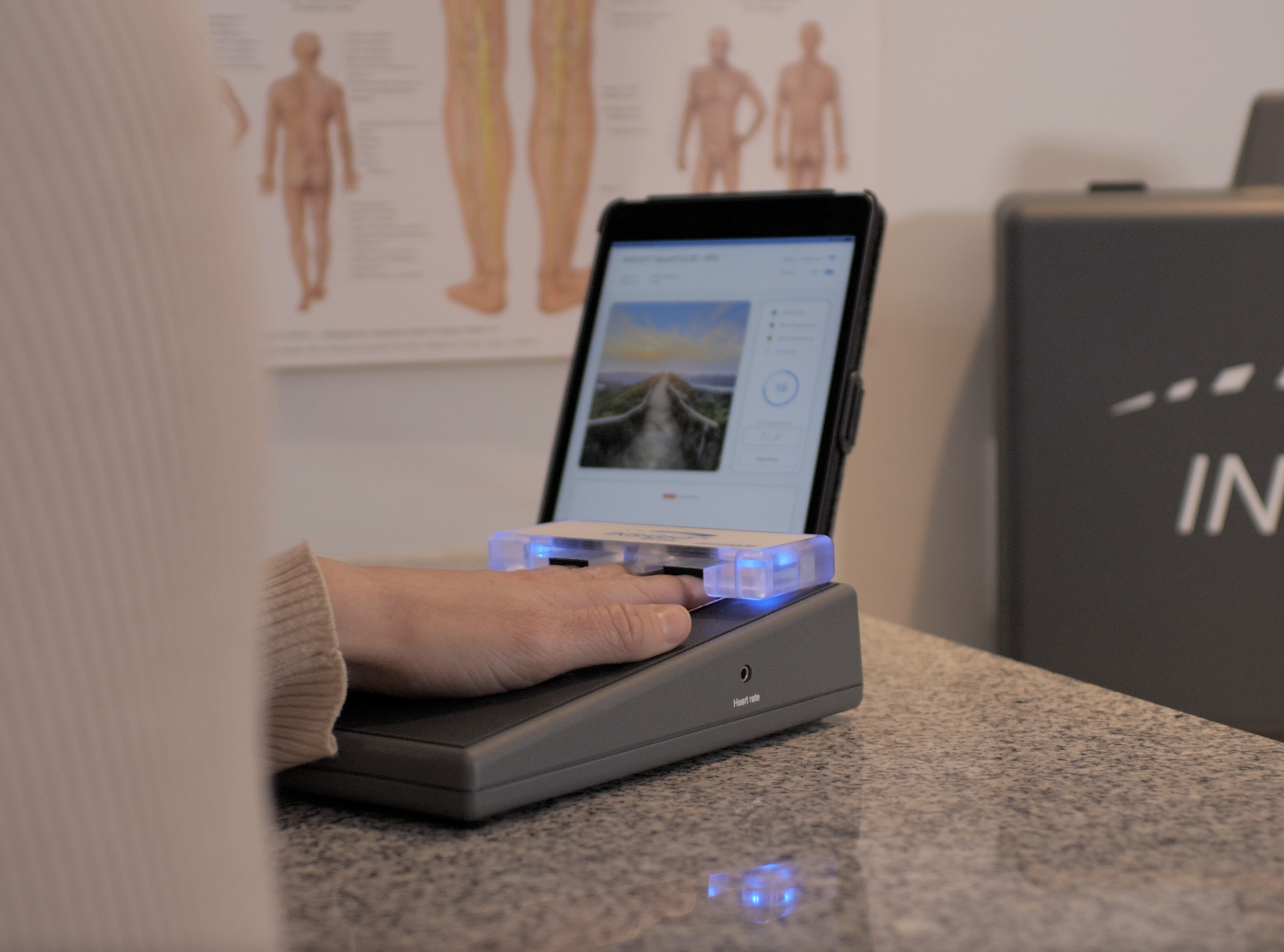
But the real strength of INSiGHT scanning is that neuroTHERMAL does not sit alone. It works alongside neuroCORE and neuroPULSE. The neuroCORE analyzes surface emg and helps reveal postural tension and energy output. The neuroPULSE measures heart rate variability and helps assess adaptability and reserve. Together, these technologies help the chiropractor look at dysautonomia, muscle function, and autonomic balance in one integrated system. That is a very different level of clarity than a single isolated test can provide.
Then Synapse software ties it all together. That matters more than many doctors realize. Software is not just storage. When done well, it turns complicated neurological data into visual reports patients can understand. It helps you compare initial, progress, comparative, and continuation exams. It helps organize the process from first visit through ongoing care. And it supports the chiropractor as they build a care plan based on objective exam findings, not just intuition. To be precise, INSiGHT does not create the doctor’s decisions. It provides the objective data and reports that support the chiropractor’s interpretation and recommendations.
Here is why that matters in practice:
- It makes the exam more visual and easier for patients to understand.
- It helps the chiropractor communicate nervous system status with more certainty.
- It supports before-and-after comparison following chiropractic adjustments.
- It strengthens the report of findings with data instead of vague explanation.
- It helps a chiropractic practice show measurable progress over time.
And that is the bigger point. The latest in chiropractic is not about replacing the hands of the chiropractor. It is about strengthening them with objective neurological analysis. When patients see thermal asymmetry, electrical activity, and adaptability metrics in one place, they stop thinking only in terms of where they feel symptoms. They begin to understand the deeper issue. That shift is powerful. It builds trust. It supports retention. And it gives the doctor better tools to personalize care with confidence.
Where the Real Value Shows Up
At the end of the day, a chiropractic thermal scan matters because it helps you measure something that has always mattered in chiropractic: how the nervous system is responding along the spine. It gives you a non-invasive, practical way to detect temperature variation, assess autonomic regulation, and look for signs of nerve interference that deserve clinical attention. That alone makes it useful. But when it is used as part of a broader neurological assessment, its value grows dramatically.
That is the direction the profession is moving, and rightly so. Patients want to understand what is happening. Chiropractors want greater certainty in the exam. Practices want objective tools that improve communication, strengthen follow-up, and support better decisions. A chiropractic thermal scan helps meet all three needs when it is used with clear protocol, sound interpretation, and the right technology around it.
So yes, thermography still matters. Not as a novelty. Not as a stand-in for everything else. But as an essential part of a neurologically-focused chiropractor’s toolbox. It helps reveal how the autonomic nervous system is functioning. It helps make the invisible visible. And when that information is integrated through systems like INSiGHT scanning, it helps you lead patients into a different kind of understanding altogether. One that is less about guesswork, more about measurable change, and fully aligned with where chiropractic is headed next.