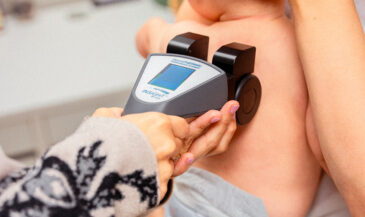

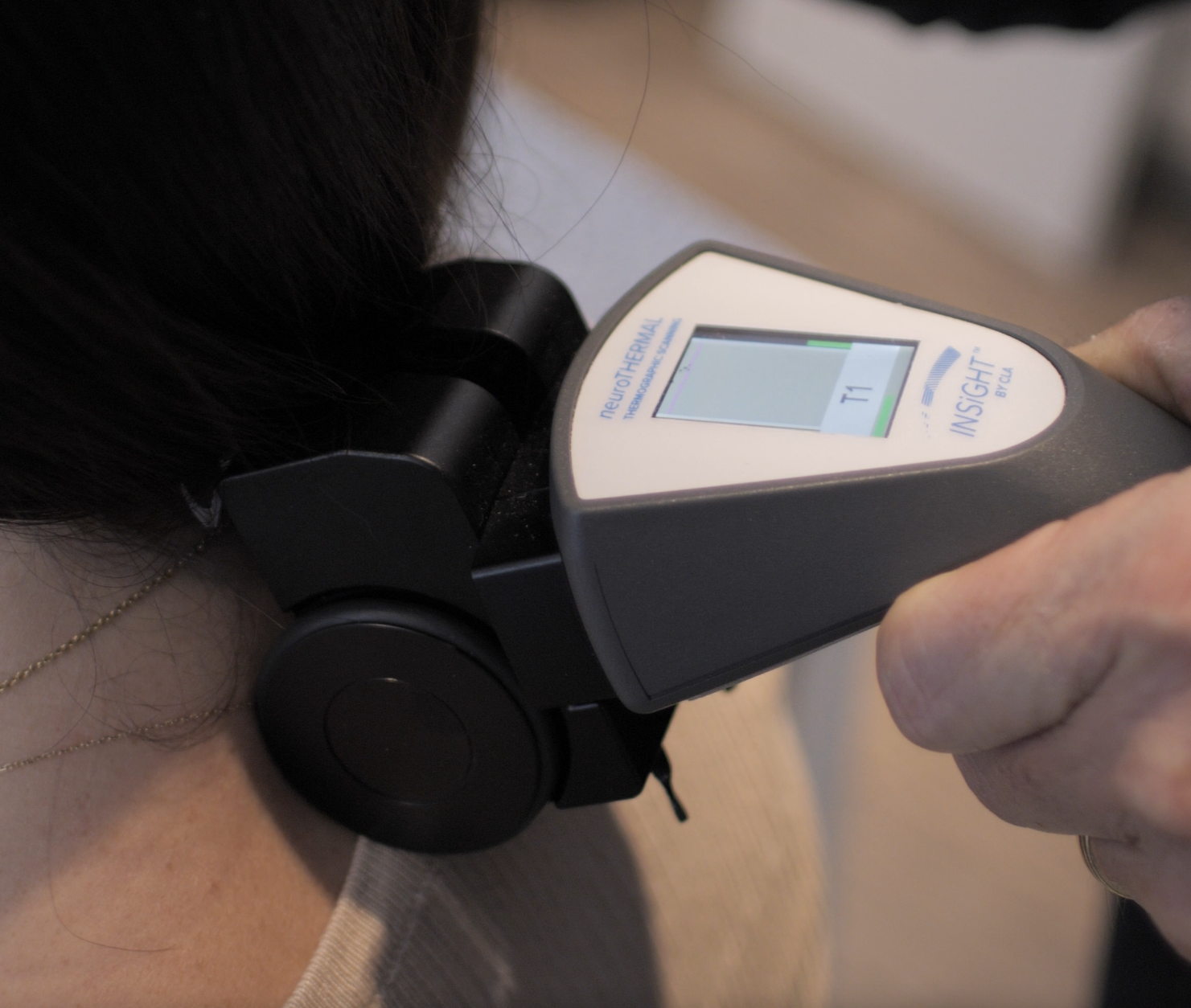
This is where a thermography machine, which in clinical terms is referred to as “infrared thermographic instrumentation”, can be one of the most practical tools in modern chiropractic. In a matter of moments, you can gather real-time information about surface temperature variation along the spine and nervous system and use a simple visual to shift the conversation away from guessing and toward function. When a patient can see what you see, the room gets quieter in the best way. Their questions become simpler. Your confidence becomes easier to feel.
Thermography has been around a long time, and it is still misunderstood. Some chiropractors talk about a thermography instrument like it is a diagnostic shortcut. Others dismiss thermography entirely because they have seen it used poorly. The truth sits in the middle. When you use a thermography instrument responsibly, it gives objective context that supports your clinical reasoning and strengthens how you communicate the why behind your chiropractic care.
Thermography Instrument Basics What It Is and What It Is Not
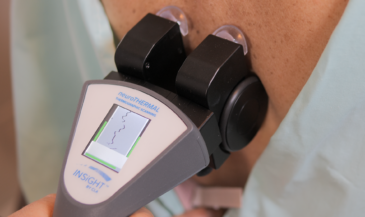
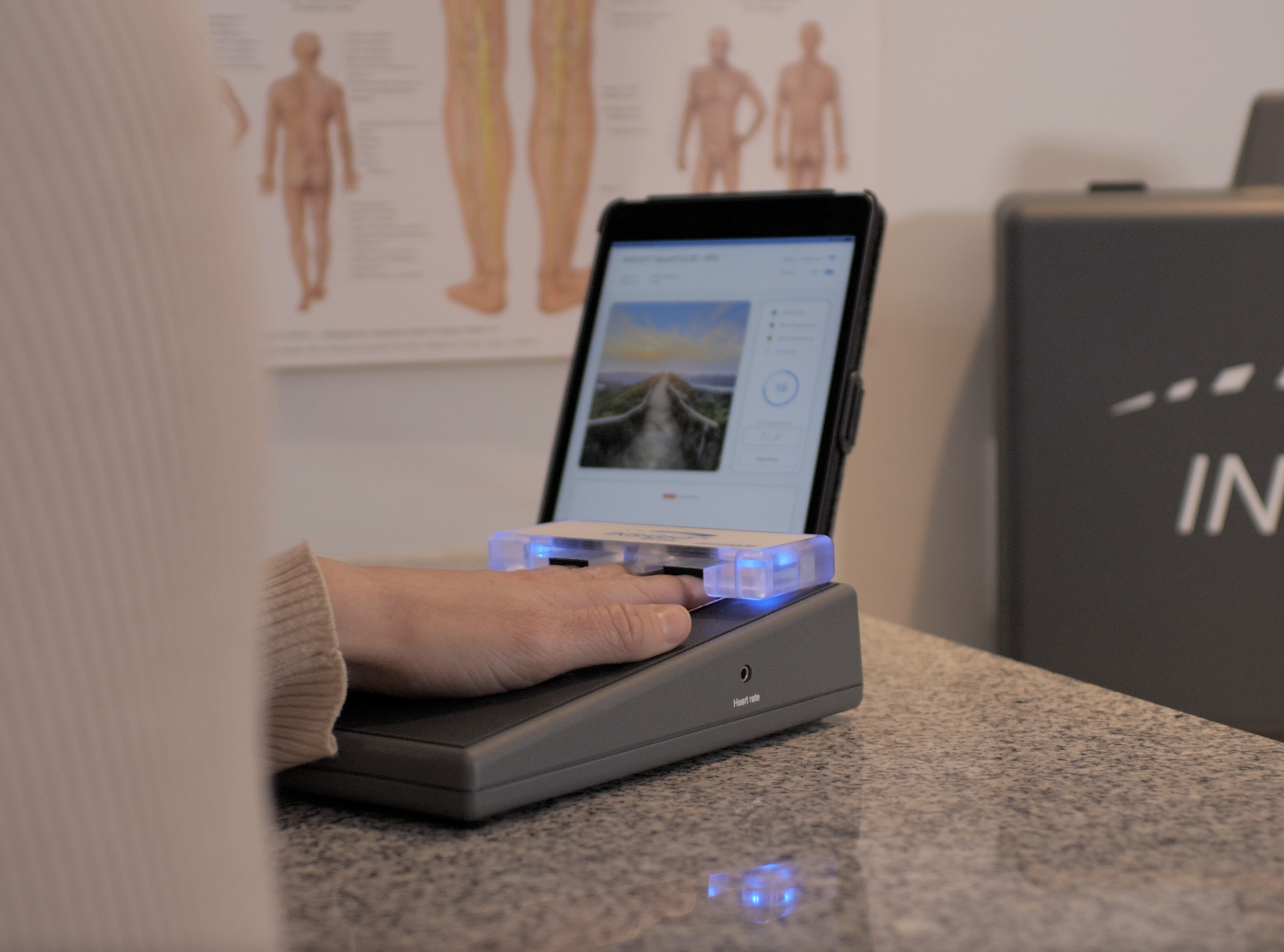
In chiropractic, a thermography instrument is typically a scanner that uses infrared technology to read radiant heat coming off the skin. The device converts that information into a thermogram or scan view, giving you a clear look at temperature output along the surface of the human body. It is non-invasive, does not involve radiation, and it is designed to help you observe how the body is regulating in a specific area, especially along the spinal region.
The key is understanding what a thermography instrument is measuring. It is not anatomy. It is not bone position. It is not disc shape. It is not structural imaging. Instead, a thermography instrument analyzes surface temperature and looks for variation and symmetry, most often left-to-right differences along the spine. This matters because skin temperature is influenced by autonomic regulation, including blood flow behavior. In other words, the scan can help you detect changes in function that may not show up on structural imaging.
It is just as important to define what a thermography instrument is not. It is not a stand-alone diagnostic tool. It does not diagnose a condition. It does not tell you what to adjust. It does not replace history, orthopedic work, neurological assessment, or sound clinical judgment. In chiropractic, thermography is best positioned as supportive, complementary information that strengthens the exam and the report of findings.
- What it is: A thermography instrument is a non-invasive scanner that uses infrared to analyze skin temperature and show temperature variation in a visual format.
- What it supports: A repeatable scan that can help you detect temperature differences and track trends over time.
- What it is not: A diagnostic device or a replacement for clinical exam findings in chiropractic.
If you want simple language for the patient, here is a clean version. This thermography instrument lets us look at how your body is regulating temperature along your spine and nervous system. We are watching for side-to-side differences, because those can reflect how regulation is behaving today. That explanation is accurate, calm, and easy to understand.
The Neurology Behind Thermography Why Temperature Trends Show Up Along the Spine
A thermography instrument makes sense to chiropractors because it speaks the language we care about most: regulation. Thermography measures temperature output at the skin surface, and that output is influenced by the autonomic nervous system, especially sympathetic control of blood vessels. The sympathetic branch helps manage blood flow, acting like a dimmer switch for vascular tone. When that system is adapting smoothly, side-to-side symmetry is often steadier. When the system is under neurological distress, a measurable difference can appear from left to right.
This is why the spine is such a common focus for chiropractic thermography. The paraspinal area gives you a repeatable pathway to observe how regulation is showing up along the spinal region. If regulation is strained, the scan from a thermography instrument may detect a consistent temperature difference, showing a pattern of output that stands out. Sometimes the scan shows warming. Sometimes it shows cooling. The point is not to make a dramatic claim from a single reading. The point is to look at what is repeatable, then interpret it inside the full clinical context.
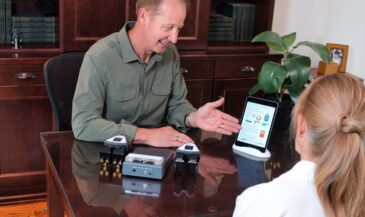
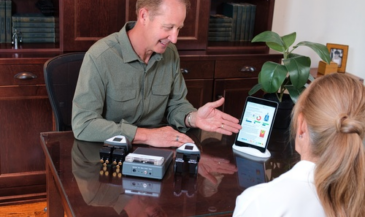
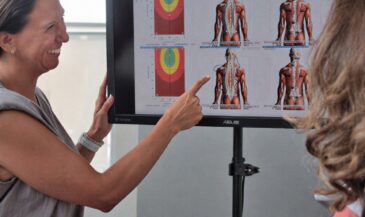
Patients do not need a lecture on infrared technology. They need a reason the scan matters. When you show a scan view and explain that the nervous system influences blood flow and skin temperature, the conversation becomes simple. You are no longer asking for blind trust. You are offering a clear visual reference. This is one of the reasons thermography continues to matter in chiropractic. It helps shift the focus from symptom chasing toward nervous system performance, because you are measuring something the patient can see, not just something they can describe.
Used responsibly, a thermography instrument can help you detect meaningful trends and keep expectations grounded. You are not claiming the scan proves a diagnosis. You are using it to support interpretation, to monitor change, and to guide communication. That is the role thermography plays when it is used well, and it is why it can advance your clarity as a chiropractor.
Learn more about INSiGHT scanning?
Fill this out and we’ll get in touch!
"*" indicates required fields
How Thermography Instruments Are Used in Chiropractic Workflow
In a busy office, a thermography instrument has to fit your flow. If it adds friction, you will not use it consistently. The chiropractors who get the most value from thermography treat it as a fast, repeatable analysis that supports the exam and the report. The scan itself is quick, but the quality of the information depends on consistency. Skin temperature can shift with activity, airflow, and environment, so your workflow matters. When you control what you can control, thermography becomes a reliable trend tool rather than a novelty.
Proper scanning starts with simple environmental awareness. Keep the room stable. Avoid direct airflow on the skin. Allow a brief acclimation period so surface temperature is less influenced by the walk in from the parking lot. Then perform the scan in a consistent pathway along the spine, focusing on left-to-right comparison in the spinal area. A thermography instrument is most useful when the scan can be repeated the same way each time, because the value comes from comparison, not from one isolated visit.
- Keep the environment stable. Reduce direct airflow and maintain a consistent room temperature.
- Allow a brief acclimation period so skin temperature reflects regulation more than recent activity.
- Scan the same path each time along the spine and nervous system, using a consistent pace and patient positioning.
- Interpret trends. Look for repeatable variation, not a single reading.
Many chiropractors use a thermography instrument before and after an adjustment. This can be a clean way to show real-time change without overstating what it means. You can explain that you are looking for steadier symmetry and reduced variation over time, not perfection in one moment. This is also where thermography can support communication around a care plan. Symptoms can improve early, then fluctuate. A patient might say they feel better, then have a stressful week and feel the symptom return. Without a scan, you end up rebuilding the conversation from scratch. With a thermography instrument, you can anchor the conversation to trend data and reinforce that regulation is stabilizing over time, even when day-to-day experience changes.
Choosing and Using a Thermography Instrument What Chiropractors Should Look For
Choosing a thermography instrument is not about buying the fanciest device. It is about choosing something you will actually use consistently. A thermography instrument that sits in the corner because it is slow, confusing, or hard to explain is not helping your practice. The best thermography instrument for a chiropractor is the one that produces clear, reproducible scan views and supports simple communication. You want it to feel like an easy part of your clinical rhythm, not an extra event.
In chiropractic, you typically see two categories of thermography equipment. The first is a paraspinal scanner designed for segmental comparison along the spine. The second is a digital infrared camera approach, which provides broader thermal imaging of the skin surface. Both use infrared to detect temperature output, but clinical usefulness comes down to reproducibility, workflow speed, and patient-friendly visuals. If the scan is not clear, the communication suffers. If the scan is not consistent, the trend data is weak. If it takes too long, it will not survive a busy day.
Here are the practical priorities I encourage chiropractors to keep in mind when selecting and integrating a thermography instrument into clinical practice.
- Reproducibility: The thermography instrument should deliver consistent results when your process is consistent.
- Workflow fit: The scan should be fast enough to use as a routine analysis, not just on rare cases.
- Visual clarity: The scan view should be simple enough that a patient understands it quickly.
- Support and protocol: The best results come from standardized scanning, not random use.
Thermography also needs responsible positioning. Thermography is supportive, not a stand-alone diagnostic claim. You are not diagnosing a condition from a thermal scan. You are observing surface temperature, looking for temperature variation, and using that information to support clinical interpretation. When you communicate it accurately, it builds trust. It also strengthens retention because the patient can see why you are recommending continued chiropractic care focused on long-term wellness and nervous system performance.
Thermography Technology in Chiropractic What It Can Add to Your Exam and Report
Here is where thermography becomes more than an interesting gadget. In the chiropractic industry, the most valuable role of a thermography instrument is communication. It gives you a simple way to connect the patient’s story to what the body is doing. It turns abstract explanations into something visual. It also helps you keep the conversation stable when symptoms fluctuate. A symptom can improve early and still return unpredictably. That does not always mean the underlying regulation has stabilized. The thermography instrument gives you a way to monitor change without relying solely on subjective reporting.
Used well, a thermography instrument can help you detect temperature differences that remain consistent in a specific area and track how those trends change under care. That is why chiropractors often integrate thermography into re-exams and progress checks. The scan becomes a baseline, then a comparison point. This supports the report of findings because you are not only describing what you think is happening. You are showing what the body is doing at the surface, in a way that is objective and repeatable.
- It supports the exam by adding functional context to your findings.
- It gives the patient a clear visual reference for what you are observing.
- It helps you track progress as trends, not just as feelings.
- It strengthens the clinical conversation because you can show the scan and explain it simply.
When thermography is used this way, it becomes part of a professional, defensible communication process. You are using the thermography instrument as a tool to support interpretation and to guide decisions based on trend data. That is where the potential lives, and that is where thermography fits best in a modern chiropractic workflow.
Thermography Tech Meets INSiGHT Scanning Technology Turning Thermal Data Into Scan-Led Clarity
Thermography is valuable on its own, but it reaches its highest value when it is not isolated. Chiropractors do not just want more information. We want clearer certainty. We want a scan that helps us explain what matters without turning every visit into a lecture. A thermography instrument can show thermal trends along the spine and nervous system, but the clinical conversation becomes even cleaner when thermal data is integrated into a broader neurological scanning approach.
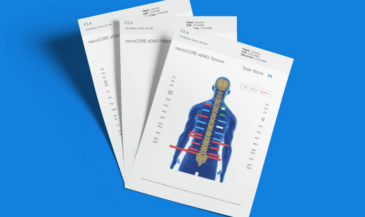
This is where the INSiGHT neuroTHERMAL fits. The neuroTHERMAL is designed for paraspinal thermography in a chiropractic setting, delivering fast scan views that support left-to-right comparison and trend tracking over time. With INSiGHT neuroTECH and Synapse software, that thermal information becomes easier to present, easier to interpret, and easier for the patient to understand. A patient does not need to memorize numbers. They need to see the trend and understand the role it plays in your recommendations.
One important accuracy point must be stated plainly. INSiGHT scanning technology does not create a care plan. It produces objective exam data and scan reports. The chiropractor interprets those reports, combines them with clinical findings, and then designs the care plan using professional judgment. That distinction matters because it keeps the process honest and clinically sound. When a thermography instrument is used inside this model, it becomes a clean way to support scan-led conversations, monitor trend change, and communicate nervous system performance with clarity that patients can actually follow.
A Better Way to End the Guessing
A thermography instrument is not a shortcut. It is a practical way to add functional context to the exam and make your report easier to understand. It helps you observe surface temperature variation, detect temperature differences that may reflect regulation trends, and communicate progress in a way that feels objective. In chiropractic, that matters because symptoms can fluctuate, perception changes, and life stress can shift the story day to day.
The chiropractors who get the most value from thermography are the ones who use it consistently, respect its role, and focus on trends over time. They do not overclaim. They do not treat it as a diagnostic verdict. They treat the thermography instrument as a clear clinical support that strengthens communication and helps the patient stay focused on function, wellness, and long-term nervous system performance.
And when thermography is connected to integrated neurological scanning, it becomes even more useful. The INSiGHT neuroTHERMAL, supported by INSiGHT neuroTECH and Synapse software, helps you keep thermal findings organized, visual, and easy to explain. That is how a scan becomes a shared reference point, how the chiropractor becomes the trusted interpreter, and how the conversation about chiropractic care stays grounded in what the body is showing you, not just what the symptom of the day happens to be.