

That is why neurological screening matters so much. In a chiropractic setting, it is not only about looking for a major neurological disorder or deciding whether a patient needs a referral. It is also about understanding how the nervous system is performing under load, how the brain and body are communicating, and whether the patient is showing signs of compensation, overload, or reduced adaptability. A strong neurological screening process helps the chiropractor move beyond symptoms and into measurable function.
For chiropractors, this topic sits right at the intersection of clinical responsibility and patient communication. A patient may come in with headaches, dizziness, numbness, poor balance, or altered coordination. Another may simply feel worn down and inconsistent from day to day. In either case, a neurological screening can help reveal whether the issue involves more than joints and muscles alone. It can open the door to a more meaningful conversation about nervous system performance, neurological stress, and why objective analysis matters.
What Neurological Screening Means in a Chiropractic Setting
At its core, neurological screening is a focused look at how the nervous system is functioning. In mainstream care, it often overlaps with a neurological exam, a neurologic exam, or even a more complete neurological examination depending on the patient’s history and current presentation. A chiropractor does not need to turn every visit into a hospital-based workup, but understanding the purpose of neurological screening is essential. The goal is to identify signs that the brain and nervous system, the spinal cord, or a key nerve pathway may need closer attention.
A neurological screening in chiropractic often begins long before a formal test is performed. The doctor is already observing gait, posture, facial tone, coordination, and response to simple movement. The exam may include a quick check of mental status, reflex activity, cranial nerve function, balance, and motor control. A more formal neurological exam may go farther if the findings suggest that additional evaluation is needed. In that sense, neurological screening acts as the first layer of professional discernment.
This matters because chiropractic patients do not always present with dramatic pathology. Many show more subtle signs of neurological distress. Their reflexes may be sluggish or exaggerated. Their coordination may fluctuate. Their motor function may appear guarded or inefficient. Their sensory system may be inconsistent. Those findings do not automatically point to a neurological disease, but they do tell the chiropractor that the nerve system deserves closer analysis.
- Neurological screening helps the chiropractor identify whether the case appears routine or whether deeper neurological attention is needed.
- Neurological screening supports a more consistent and defensible examination process.
- Neurological screening begins shifting the patient’s focus from symptoms alone to nervous system function.
What a Neurological Screening Commonly Includes
Most descriptions of neurological screening include a familiar group of clinical checkpoints. Chiropractors should know these well, because they represent the basic language of a neurological exam. A screen may include mental status, cranial nerve checks, motor function, sensory findings, reflex analysis, and observations of balance or gait. In some cases, this quick process is enough to provide clarity. In other cases, the exam may be expanded or a referral may be appropriate.
Mental status refers to awareness, orientation, responsiveness, memory, speech, and the ability to follow simple instructions. A mental status exam does not have to be elaborate to be meaningful. Even casual interaction can tell you whether the patient seems alert, coherent, and neurologically organized. If a patient appears confused, unusually slow to process, or inconsistent in speech and awareness, that becomes relevant to the neurological screening process right away.
Learn more about INSiGHT scanning?
Fill this out and we’ll get in touch!
"*" indicates required fields
Where Traditional Neurological Screening Stops and Neurological Scanning Begins
Traditional neurological screening is valuable, but it has limits. Much of it is observational. A doctor checks mental status, reflexes, coordination, balance, motor function, or a cranial response and determines whether something appears normal, abnormal, or concerning. That is important. But many chiropractic patients live in the gray zone between crisis and normal. Their nervous system is not in collapse, yet it is not adapting well either. Their presentation may not call for a full neurologic examination, but it still deserves better analysis than simple observation alone.
This is the gap chiropractors feel every day. A patient may not have a frank nervous system disorder, yet the doctor can tell something is off. The autonomic nervous system may be stuck in sympathetic overdrive. The body may be compensating with postural tension. The patient may appear functional while still showing low reserve, unstable coordination, or reduced adaptability. A quick neurological screening may catch part of that story, but it may not quantify it. That is where objective nerve tests become so valuable.
When chiropractors rely on observation alone, the patient often hears theory. When chiropractors add objective analysis, the patient sees evidence. That difference changes everything. It strengthens communication. It improves follow-up. It makes re-exams more meaningful. Most of all, it helps the doctor analyze how the brain and body are functioning over time rather than only deciding whether a major problem is present today.
In that sense, neurological screening is the doorway, but neurological scanning gives you a wider view through that doorway. One helps identify what deserves attention. The other helps analyze the patterns, trends, and progress that a chiropractor can build into a stronger care plan and better patient understanding.
How INSiGHT Scanning Technology Expands the Chiropractor’s View
This is where the topic of neurological screening comes directly back to INSiGHT scanning technology. A chiropractor still performs observation, screening, and physical examination. Those basics remain essential. But INSiGHT neuroTECH and Synapse software help extend the value of neurological screening by supplying objective findings that can be tracked and communicated. The technology does not replace the doctor’s reasoning. It supports the doctor’s interpretation with better analysis.
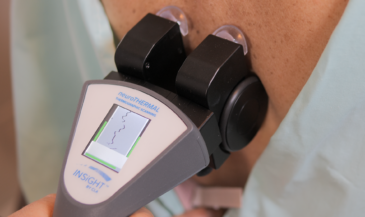
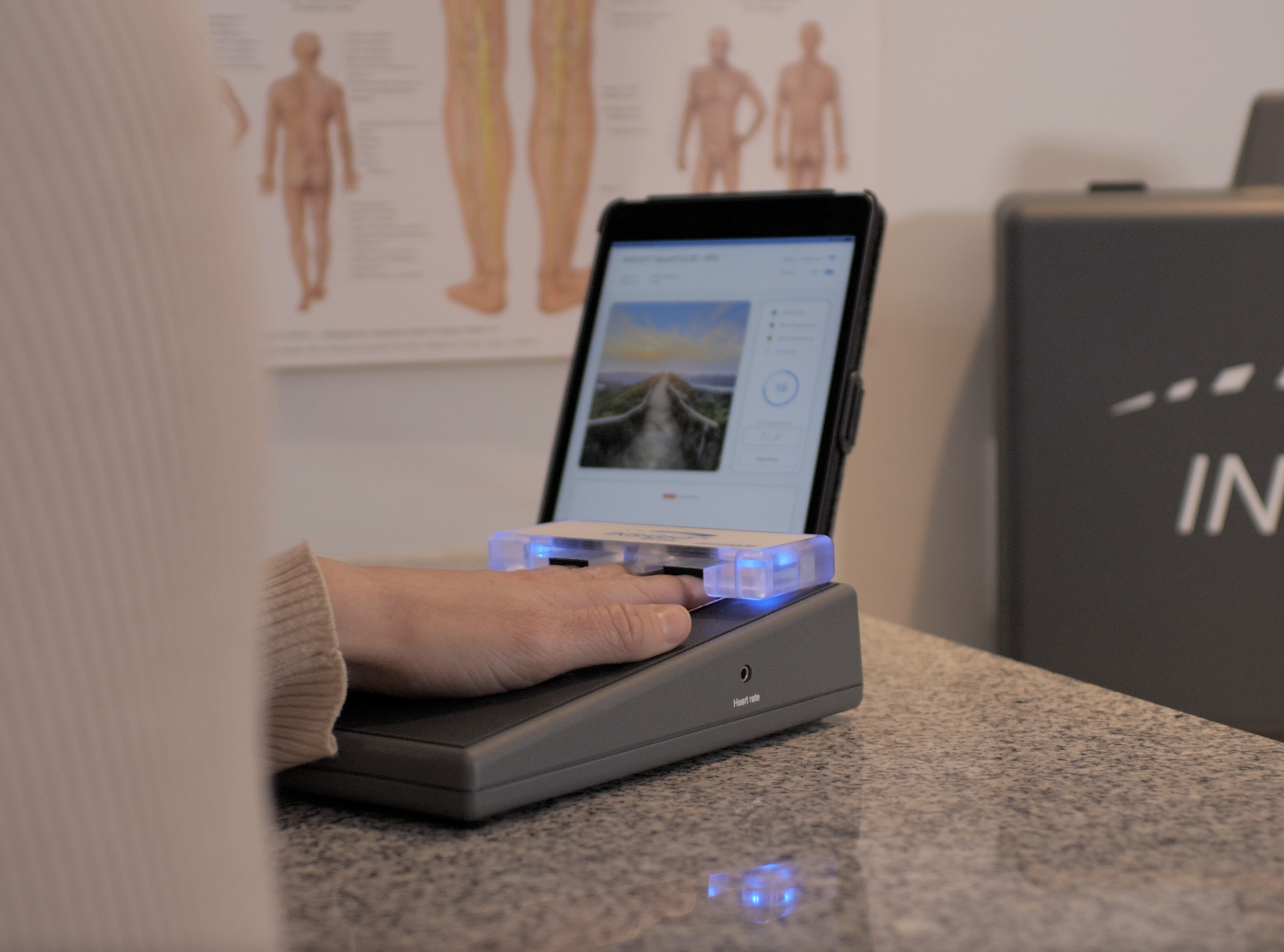
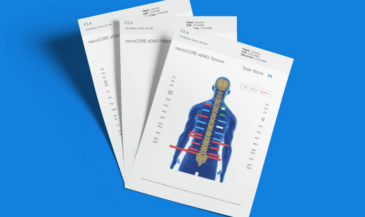
The INSiGHT system uses three distinct technologies, each adding something important to the neurological picture. neuroPULSE analyzes heart rate variability, giving insight into adaptability and resilience within the autonomic nervous system. neuroCORE evaluates surface EMG activity along the spine, revealing postural tension, compensation, and energy demand. neuroTHERMAL provides a full spine nerve system scan, analyzing thermal asymmetry patterns that reflect regulation along the spine and spinal cord pathways. Together, they help the chiropractor move beyond a quick neuro exam and into repeatable, objective analysis.
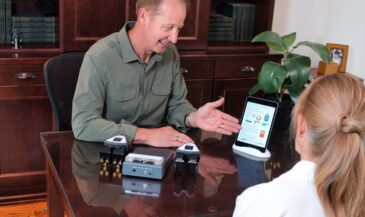
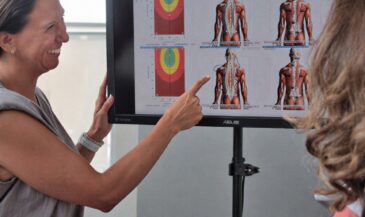
This matters because patients usually do not understand abstract neurological explanations nearly as well as they understand scan views. Neurological screening may tell the doctor that function deserves attention. INSiGHT scanning technology helps show what that means in real terms. It shifts the conversation from bones and joints to nerve system performance. It helps connect the brain and nervous system with what the patient is experiencing day to day. And it gives the chiropractor better tools to explain why the recommendations matter.
That is one of the great strengths of INSiGHT. It helps chiropractors analyze function in the space between overt pathology and apparent normal. A healthcare provider can observe the patient, perform neurological screening, and then add objective analysis to see how well the system is adapting. That is especially helpful when symptoms fluctuate, when the exam may be inconclusive on observation alone, or when the doctor wants proof care is making a difference over time. It gives the chiropractor stronger footing when interpreting findings, building a care plan, and discussing follow-up.
- Neurological screening identifies what deserves closer attention.
- NeuroPULSE helps analyze adaptability within the autonomic nervous system.
- NeuroCORE reveals postural tension and neuromuscular energy demand.
- NeuroTHERMAL provides a fast full spine nerve system scan.
- Synapse software helps translate objective findings into useful clinical communication.
A Better Way to Understand Function in Chiropractic
Neurological screening deserves a bigger role in chiropractic because the nervous system is too important to leave to guesswork. A careful screen helps the doctor recognize meaningful findings, decide when additional tests may be necessary, and understand whether the case is showing routine functional stress or something more significant. It supports sound judgment, clear communication, and stronger clinical responsibility.
But the bigger opportunity is not simply to perform neurological screening. It is to use neurological screening as the beginning of a smarter examination process. One that respects mental status, reflex findings, cranial function, sensory input, and coordination, while also using objective scanning to analyze how the nerve system is adapting over time. That is where modern chiropractic becomes more precise, more understandable for the patient, and more confident in practice.
INSiGHT scanning technology fits naturally into that future. It helps make the invisible visible. It gives the chiropractor more than impressions. It provides objective analysis that can support communication, re-examination, and care planning. In that sense, neurological screening is not the finish line. It is the opening step in a better way to see the brain and nervous system, the spinal cord, and the performance of the entire neuro axis in chiropractic care.