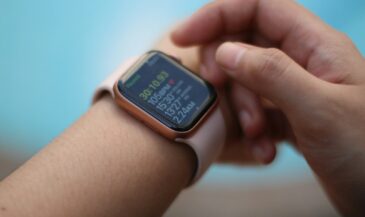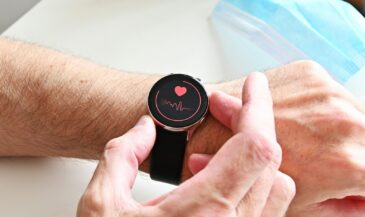

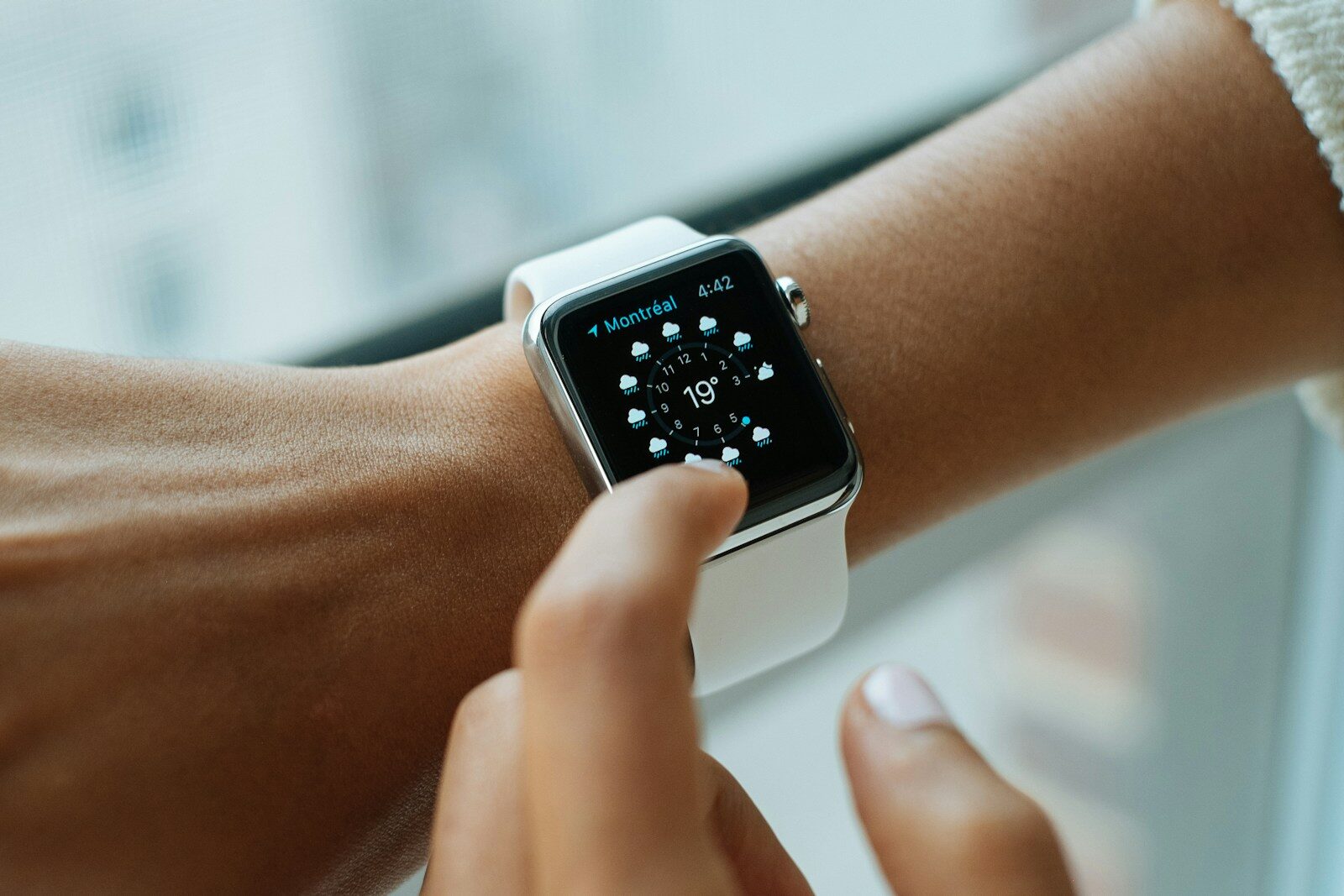
Devices such as Oura, WHOOP, Apple Watch, Garmin, Polar, and apps like Elite HRV have introduced consumers to the idea that the time between heartbeats can provide valuable insights into stress, recovery, sleep, and overall nervous system function.
This growing awareness is a positive development. More people than ever are paying attention to how their bodies respond to stress and how lifestyle choices influence their health.
However, as HRV has become more accessible, an important misconception has also emerged: that all HRV modes of measurements and their data presentation are equivalent.
While consumer wearables and clinical HRV assessments may report similar metrics, they are designed for very different purposes. Understanding those differences helps set appropriate expectations for both patients and healthcare professionals.
What Is Heart Rate Variability?
Heart Rate Variability refers to the natural variation in time between consecutive heartbeats. Contrary to what many people assume, a healthy heart does not beat like a perfectly timed metronome.
Instead, the intervals between beats are constantly changing as the autonomic nervous system adapts to internal and external demands.
HRV provides valuable information about how effectively the sympathetic (“fight or flight”) and parasympathetic (“rest and digest”) branches of the autonomic nervous system work together. Because of this, HRV has become a widely studied marker of adaptability, resilience, recovery, and autonomic regulation.
Numerous research studies have demonstrated relationships between HRV and factors such as stress, sleep quality, exercise recovery, cardiovascular health, and overall nervous system function.
The Rise of Consumer HRV Wearables
One of the greatest strengths of today’s wearable technology is accessibility.
Instead of visiting a clinic or using specialized equipment, individuals can monitor HRV every day with devices they already wear while sleeping, exercising, or going about normal daily activities.
For many people, this creates greater awareness of how daily habits influence their nervous system.
For example, users may notice that:
- Poor sleep lowers HRV.
- Regular exercise improves recovery over time.
- Alcohol consumption decreases HRV.
- Chronic stress reduces resilience.
- Better nutrition and hydration positively influence recovery.
This type of ongoing feedback can encourage healthier lifestyle choices and greater personal engagement with wellness.
For these reasons, consumer HRV devices have played an important role in bringing nervous system awareness into mainstream healthcare conversations.
Learn more about INSiGHT scanning?
Fill this out and we’ll get in touch!
"*" indicates required fields
Trends can be tracked over time
HRV devices are most valuable when mapping the data trends over time. When HRV is collected consistently over weeks or months, users can begin identifying patterns that correspond with changes in lifestyle, recovery, training load, sleep habits, travel, illness, or emotional stress.
Looking at these long-term trends often provides more useful information than focusing on any single day’s reading.
For personal wellness tracking, this continuous monitoring offers substantial value.
Why Individual HRV Readings Can Vary
Although HRV is a valuable physiological measurement, it is also highly sensitive.
Many variables influence HRV from one recording to the next, including:
- Body position
- Movement
- Breathing patterns
- Sleep stage
- Emotional stress
- Hydration
- Recent exercise
- Illness
- Ambient temperature
- Time of day
Even small differences in these factors can produce noticeable changes in HRV measurements.
This does not mean the device is inaccurate. It relates mostly to the stability of the collection as HRV must be calculated to the millisecond of heart beat timing.
For clinicians making objective comparisons between visits, however, reducing unnecessary sources of variability becomes much more important.
Why Standardization Matters
Imagine stepping onto a bathroom scale every morning.
One day you’re wearing heavy winter boots.
The next day you’re barefoot.
The following day you’re carrying a backpack full of groceries.
The scale itself may be perfectly accurate, but because the conditions keep changing, meaningful comparisons become much more difficult.
HRV works in a similar way.
If posture changes…
If arm position changes…
If breathing differs, like after exercise or meditation…
If movement creates signal interference…
Or if the quality of the pulse signal changes…
Some of the differences seen between recordings may reflect changing measurement conditions rather than meaningful physiological change.
This is why clinical HRV assessments place such a strong emphasis on standardized testing conditions.
Clinical Assessments Have a Different Goal
Consumer wearables are designed to collect frequent measurements throughout everyday life.
Clinical HRV assessments have a different objective.
Their purpose is to produce measurements that can be reproduced consistently from one examination to the next, allowing healthcare providers to compare changes over time with greater confidence.
Rather than maximizing convenience, clinical systems aim to minimize variables that could influence the recording.
That distinction is fundamental.
The goal is not simply collecting HRV.
The goal is collecting HRV under controlled conditions.
Understanding neuroPULSE HRV Technology
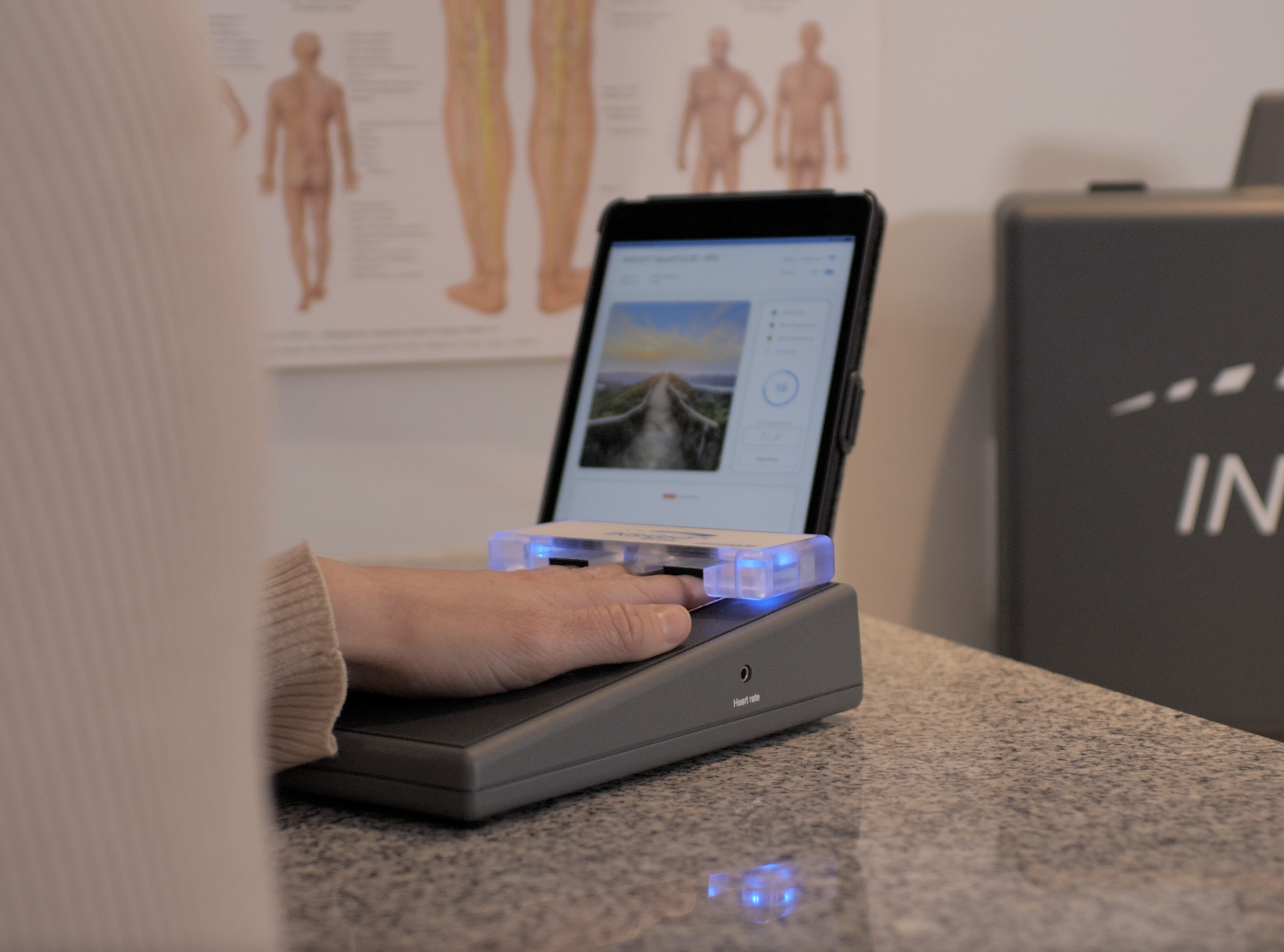
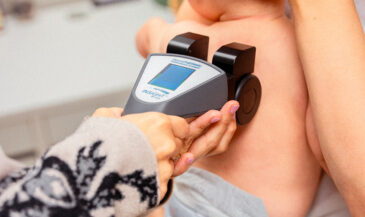
The neuroPULSE technology used within the INSiGHT scanning technology is designed specifically for standardized clinical HRV assessment.
Like many modern consumer wearables, neuroPULSE uses photoplethysmography (PPG), an established technology that measures blood volume changes with each heartbeat.
PPG itself is not unique to clinical equipment.
What distinguishes a clinical assessment is how the measurement is collected.
During a neuroPULSE assessment:
- The patient’s hand is supported and stabilized.
- The hand remains fixed throughout the recording.
- The arm is maintained at approximately heart level.
- The patient remains seated during collection.
- The testing environment is standardized to reduce unnecessary variability.
These controlled conditions help produce a stable pulse wave while minimizing motion artifact and reducing factors that can influence the accuracy of HRV calculations.
Because the recording conditions remain consistent from one examination to the next, clinicians can compare changes with greater confidence.
The Importance of Signal Quality
Photoplethysmography has become a well-established method for measuring cardiovascular signals.
However, the quality of any PPG measurement depends heavily on the stability of the signal being collected.
Movement, changing body position, poor contact with the sensor, or irregular pulse recordings can all introduce artifacts that algorithms must attempt to correct.
Many consumer devices use sophisticated software to compensate for these challenges, and they continue to improve each year.
Even so, wearable devices are intentionally designed for convenience and everyday use, which means they cannot fully control the environment in which data is collected.
Clinical assessment systems address this challenge by reducing many of these variables before the measurement is even taken.
Rather than relying primarily on software correction after the fact, standardized collection methods help improve signal quality from the beginning.
Clinical Data Supports Clinical Decisions
One of the greatest strengths of standardized HRV assessment is reproducibility.
When patients return for follow-up examinations, clinicians want confidence that observed changes reflect meaningful physiological adaptation rather than differences in how the measurement was collected.
This consistency becomes especially valuable when HRV is one component of a broader neurological assessment.
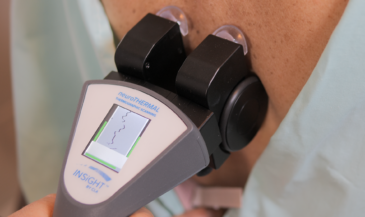
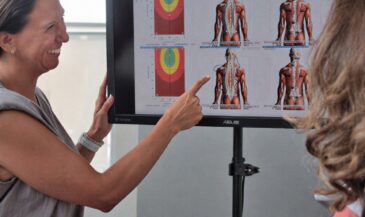
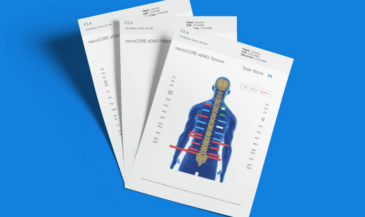
Within the INSiGHT scanning technology, neuroPULSE contributes objective autonomic nervous system information alongside neuroCORE surface electromyography (sEMG) and neuroTHERMAL scanning to help create a more comprehensive picture of nervous system function. Together, these technologies support objective assessment, patient education, and progress tracking within chiropractic practice.
Consumer Wearables and Clinical Assessments Serve Different Purposes
It is tempting to compare wearable HRV devices directly with clinical assessment systems.
In reality, they are designed to answer different questions.
| Consumer HRV Wearables | Clinical neuroPULSE Assessment |
| Designed for daily wellness tracking | Designed for standardized clinical assessment |
| Convenient continuous monitoring | Controlled examination environment |
| Measurements collected during everyday life | Measurements collected under standardized conditions |
| Excellent for observing long-term trends | Appropriate for objective comparison between clinical visits |
| Helps individuals understand lifestyle patterns | Helps clinicians evaluate nervous system function consistently |
Neither approach replaces the other.
Instead, they complement one another.
Someone may use a wearable device every day to better understand recovery, sleep, and lifestyle habits while also receiving periodic standardized HRV assessments during clinical evaluations.
Each provides valuable information within its intended role.
Using Both Clinical HRV Assessments And Consumer HRV Wearables Together
Consumer HRV wearables have transformed public awareness of nervous system health. They provide convenient access to HRV data and encourage millions of people to pay closer attention to sleep, stress, recovery, and overall wellness. For monitoring long-term trends and building healthier habits, they are valuable tools.
Clinical HRV assessment serves a different purpose.
When healthcare providers need objective measurements that can be compared confidently over time, standardization becomes essential. Controlling patient positioning, minimizing movement, stabilizing the measurement site, and creating consistent testing conditions all help improve the reproducibility of the data.
The neuroPULSE technology was developed with these principles in mind. By combining established photoplethysmography technology with standardized clinical collection methods, it provides chiropractors with consistent HRV information that supports objective neurological assessment, patient communication, and progress tracking as part of the broader INSiGHT scanning technology.
Wearables and clinical HRV assessments are not competitors.
They simply answer different questions.
One helps individuals monitor their nervous system throughout everyday life.
The other provides clinicians with standardized physiological information that supports confident clinical evaluation.