
You may know exactly what you are seeing in the exam. You may understand why consistency matters, why symptom relief is only one part of the story, and why progress should be evaluated over time. The challenge is helping the patient reach that same level of clarity.
When patients clearly understand what is happening and why it matters, their decisions tend to look very different. They begin care with more confidence and stay engaged longer. They appreciate the value of re-exams. They are also more likely to communicate their experience to others in a meaningful way.
This is where objective neurological data strengthens the entire conversation.
Clarity Shapes Patient Decisions
In many practices, the report of findings depends heavily on explanation. A doctor may communicate well, take time, and walk the patient through everything carefully. Even so, patients often process that information through a very personal lens. They think about how they feel, what they remember, and whether they can connect the recommendation to something concrete.
That is why clarity is so valuable.
When patients can see objective findings as part of the exam process, the conversation becomes easier to follow. Instead of trying to hold on to a verbal explanation alone, they now have something visual and measurable that supports their understanding.
That kind of clarity builds confidence. It helps patients make decisions from a place of understanding rather than uncertainty.
The Exam Sets The Tone For Everything That Follows
The quality of the patient journey is often shaped very early on.
A strong initial exam creates depth while a clear and concise report creates deeper understanding. A meaningful re-exam creates continuity. When those pieces work together, care feels more structured and more purposeful for the patient.
That is one of the reasons objective neurological data from initial and progress exams matter so much. It strengthens the commitment from the beginning and carries that clarity through the full care process.
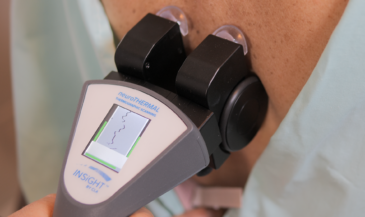
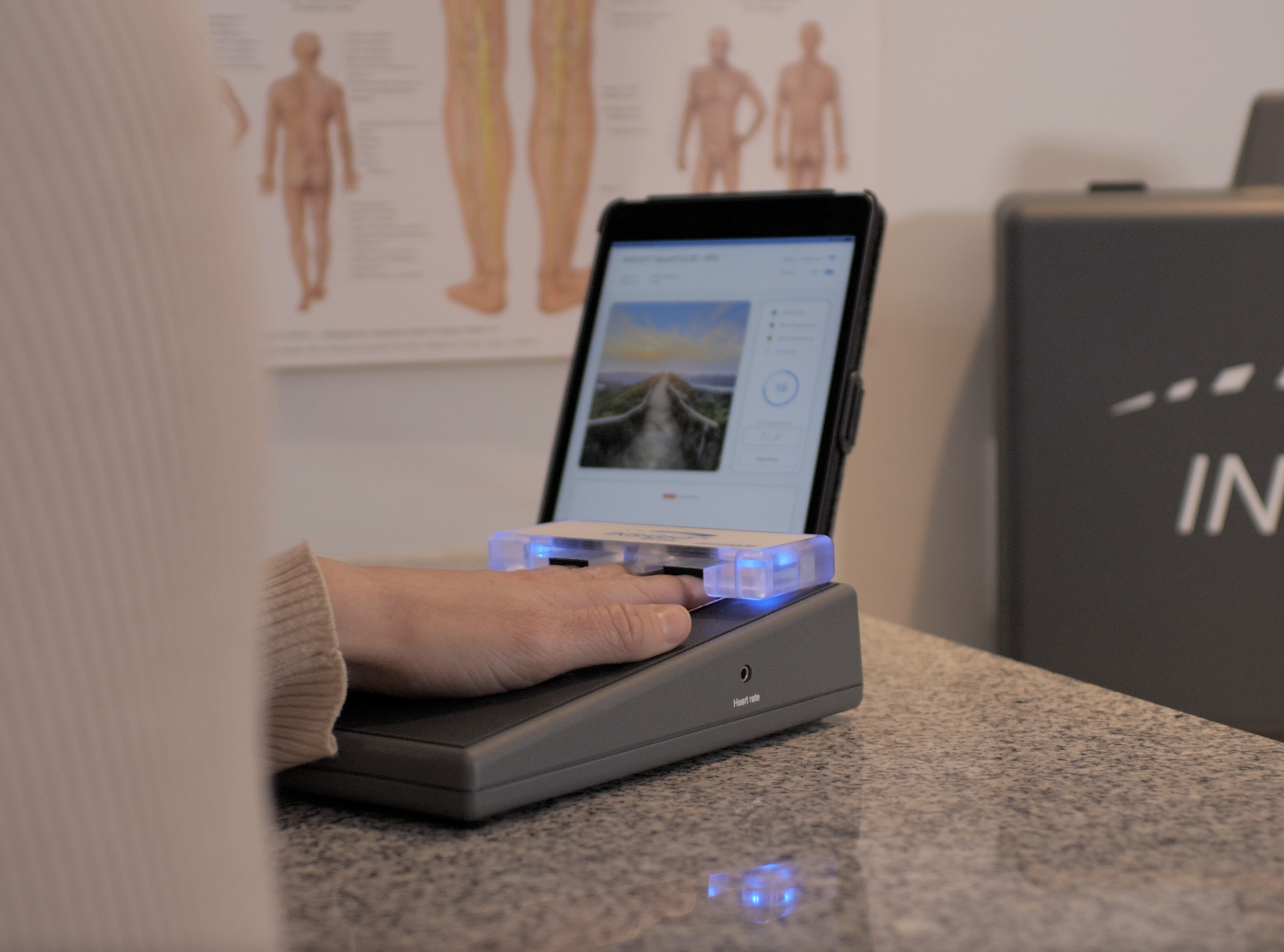
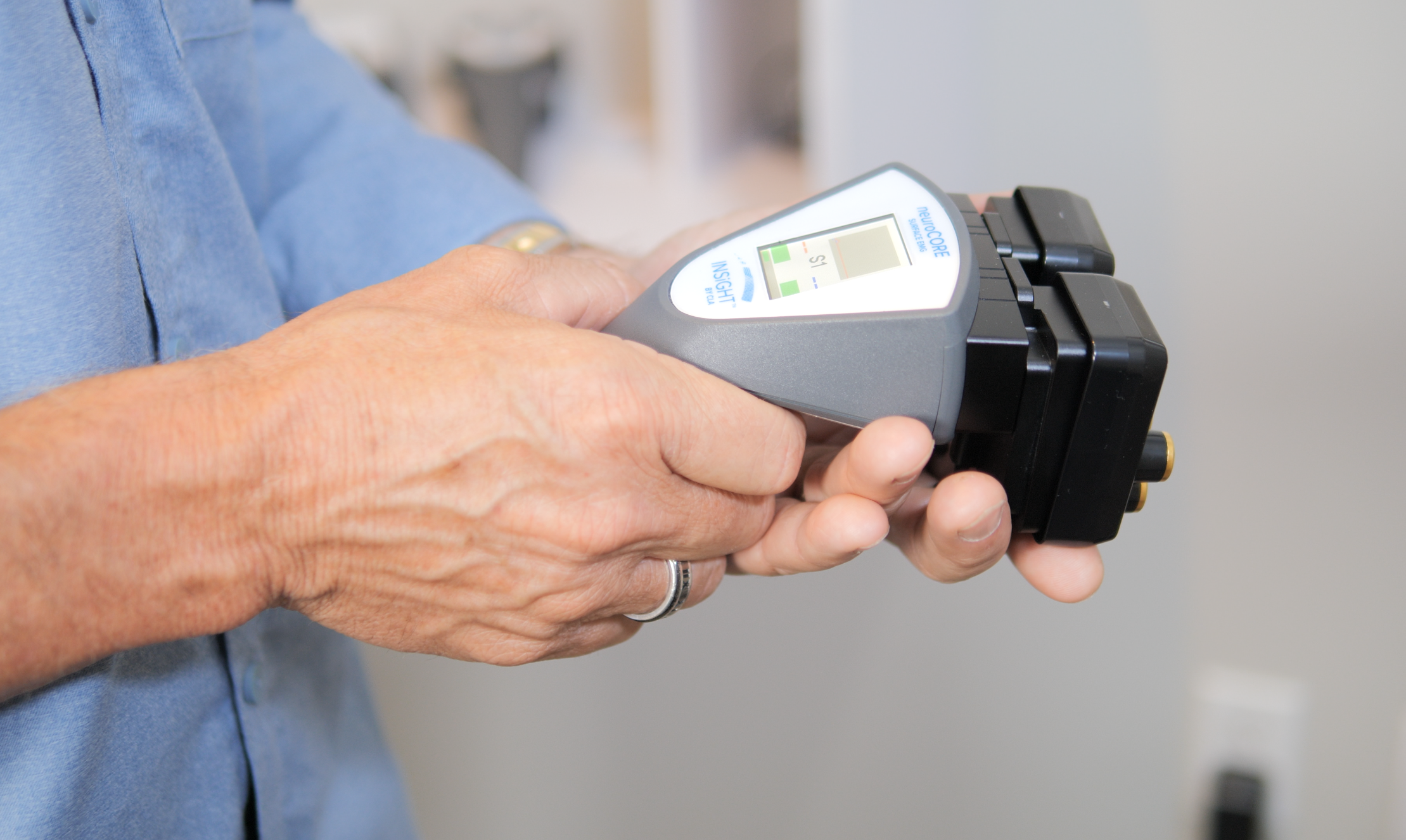
With INSiGHT Scanning, the doctor is able to bring objective exam data into the conversation in a way that supports better communication around nervous system performance. The scans provide measurable findings and reports. The chiropractor interprets that information, connects it to the patient’s case, and uses it to guide recommendations with greater certainty.
Patients respond well when care goals and expected outcomes are crystal clear.
They respond even better when they can see that clarity for themselves.
Learn more about INSiGHT scanning?
Fill this out and we’ll get in touch!
"*" indicates required fields
Better Understanding Supports Stronger Retention
Retention is closely tied to that level of understanding.
When patients understand why consistency matters, they are more likely to stay engaged. When they can see progress over time, they are more likely to appreciate the purpose of ongoing care beyond how they happen to feel on a given day. When re-exams are connected to objective findings, they become an important part of the story rather than just another visit on the schedule.
Over time, that consistency strengthens retention in a natural way.
Referrals Grow When Patients Can Communicate Value
Referrals are influenced by many things, but one of the most important is clarity in the path forward.
Patients are far more likely to share their experience when they understand it well. When they can describe what was found, what was monitored, and how their progress was being tracked, their story becomes easier to communicate. That gives them language and gives them confidence. And it makes the value of care easier to share with family and friends.
This is part of what makes objective data so powerful in practice growth.
It supports the doctor, of course. But it also supports the patient’s ability to talk about their care in a way that feels real and memorable. That creates a stronger foundation for referrals over time.
Stronger Systems Create A Stronger Practice
Practice growth becomes more sustainable when the systems behind it are strong.
That includes the initial exam and the report of findings. It also includes the re-exam process. And it includes the way care is communicated from the first visit forward. When those systems are clear and consistent, the patient experience becomes stronger. That leads to better follow-through, greater trust, and a more stable practice overall.
This is why objective neurological data is so valuable. It supports more than one moment in the office. It strengthens the full communication pathway.
The exam carries more depth. The report carries more weight. Re-exams carry more meaning. And the doctor is able to lead the conversation with greater certainty because the findings are supported by measurable data.
That kind of structure helps practices grow in a healthier, more predictable way.
Are You Ready To Build A Stronger Practice?
A strong practice is built on clinical certainty, clear communication, meaningful systems, and patient compliance that accelerates over time. Objective neurological data supports all of these critical strategies.
Scan data helps make the exam more relatable. They show that your concern and expertise is deeper than their symptoms. Scans help the report of findings become easier to follow. They help re-exams feel purposeful and relevant. Most importantly, they give patients a clearer way to understand their care and the progress they are making.
When patients understand more clearly, they tend to engage more fully.
If you want to see how INSiGHT Scanning can support clearer communication, stronger retention, and a more predictable patient experience, schedule a demo with our team today.