
But how do you, as a chiropractor, craft a plan of care that’s both effective and rooted in evidence? The answer lies in leveraging objective neurological data so that you ensure care plans are designed based on science rather than guesswork.
In this blog, we’ll dive into the power of scanning and how using objective data obtained from scanning with the neuroPULSE (HRV), neuroCORE (sEMG), and neuroTHERMAL exams and reports make the care planning process so much easier.
Why Neuroplasticity is Key to Chiropractic Care
The human body is an incredible self-healing, self-regulating miracle and nowhere is this more evident than in the concept of neuroplasticity. Neuroplasticity allows the nervous system to adapt, rewire, and reorganize itself in response to stimuli. This is especially important in chiropractic care, where the goal is to influence the nervous system to restore its natural, balanced state while boosting its efficiency.
Every adjustment made during a chiropractic visit triggers neuroplastic changes in the body, helping patients overcome chronic subluxations, restore autonomic balance, and improve overall neurological performance. But achieving these results requires more than just a one-time adjustment or short-term perspective. This is where carefully structured neuroplastic care plans come into play.
A care plan designed with neuroplasticity in mind guides the patient through a step-by-step process, allowing their nervous system to gradually reorganize itself for optimal function and resilience.
Creating Objective, Data-Driven Care Plans with INSiGHT Scanning
Creating an effective care plan means basing your decisions on more than just subjective measures, like patient-reported symptoms. Objective data gives you concrete evidence of how the nervous system is functioning—and how it is changing, adapting and improving under care.
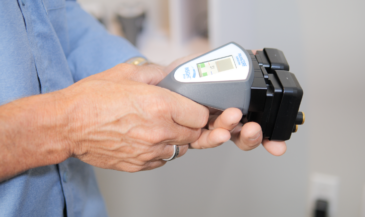
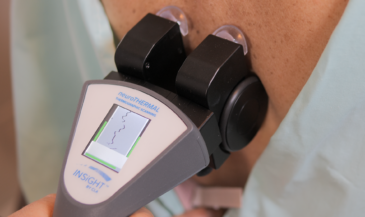
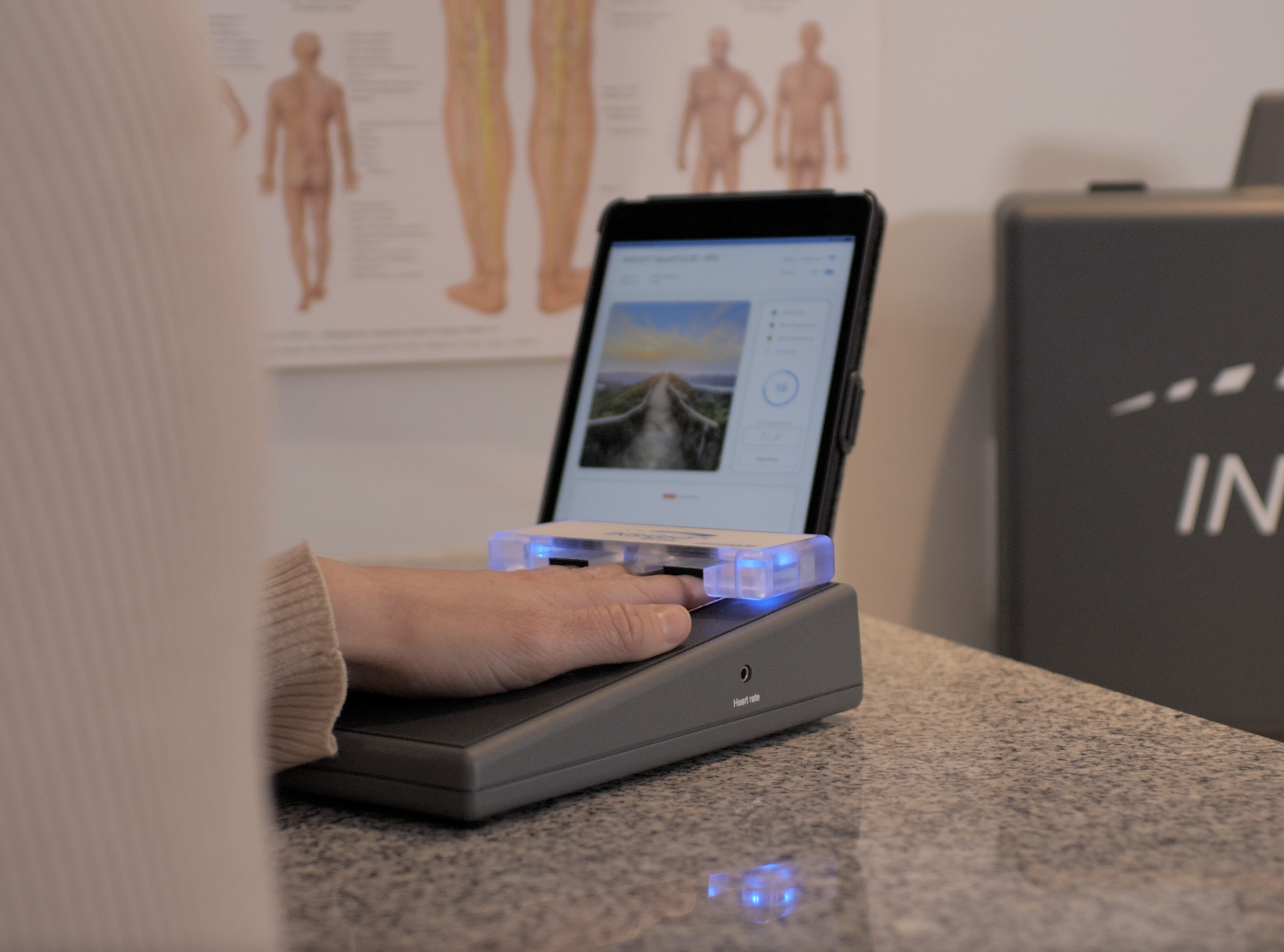
With scans, you can assess the neurological state of each patient in real time. The neuroPULSE (HRV), which measures autonomic nervous system function, and neuroCORE (sEMG), which tracks neuro-spinal muscle activity, allow you to see what’s happening beneath the surface while the neuroTHERMAL allows you to look deeper into the neurology that regulates organ and gland function. They make the invisible becomes visible by providing an accurate and dynamic picture of a patient’s neurofunctional health, ensuring that your care plans are rooted in real-time, scientific data.
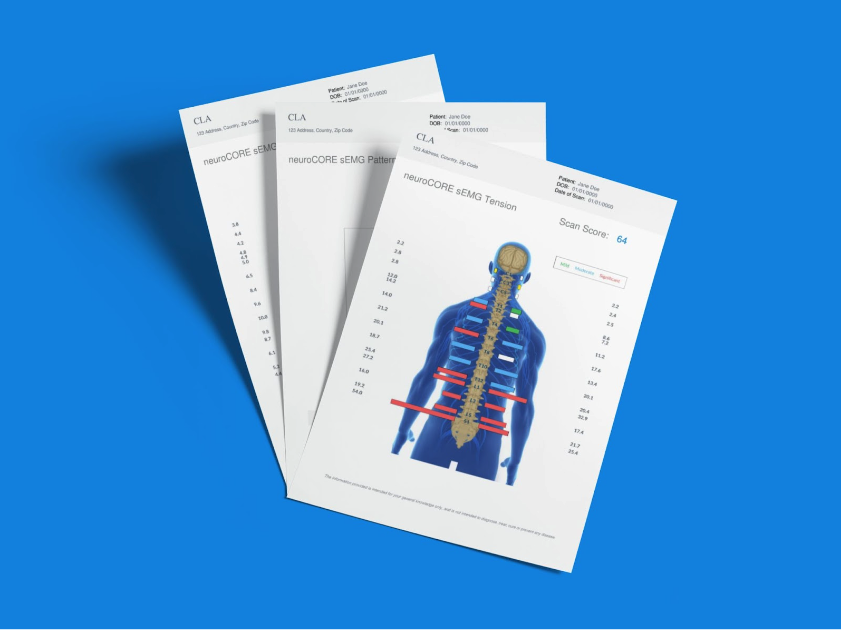
Our reports play a central role in planning care because they help to establish the patient’s initial state and tracks their progress over time. This is critical in creating a dynamic care plan that evolves alongside the patient’s neuroplastic changes. These successive scans become their “neurological report card”. Here’s how the CORESCORE reporting sequence works:
Initial Report: This serves as the baseline, showing the patient’s neurofunctional state at the start of care. Using HRV, sEMG, and thermal scans, you can identify areas of stress and dysfunction in the nervous system.
Progress Report: Tracks how well the patient is responding to care by comparing post-adjustment data to their initial report.
Comparative Report: Highlights improvements or areas where adjustments may be needed, reinforcing the value of ongoing care. This report is used to identify trends that are developing towards greater neurological control.
Continuation Reports: Support long-term patient retention by providing evidence of continued progress and guiding ongoing care.
This sequence of reports improves patient retention. Patients are more likely to stay committed to their care when they can see measurable, objective results. Instead of relying solely on how they feel, they can follow the progress of their reports, seeing real changes in their neurological function.
This fosters a sense of trust and accountability, as patients can visualize how chiropractic care is benefiting their nervous system. As a result, patients become more engaged in their treatment and are more likely to adhere to long-term care plans, helping them achieve lasting wellness.
Learn more about INSiGHT scanning?
Fill this out and we’ll get in touch!
"*" indicates required fields
Positioning Yourself as a Neuroplastic Care Planner
As a chiropractor, your goal is not just to provide temporary relief but to foster long-term health and neurological resilience. By using objective neurological findings to create and adjust care plans, you position yourself as a neuroplastic care planner—someone who guides patients through an ongoing journey of healing and optimization.
Conclusion: Unlock the Power of Neuroplastic Care Plans in Your Practice
Creating neuroplastic care plans rooted in objective neurological data is the future of chiropractic care. By leveraging our scans for examinations, reporting and overall communication, you can offer patients a care plan that is both scientific and personalized, designed to improve long-term neurological function.
This approach not only enhances patient outcomes but also builds trust and retention, setting your practice apart as a leader in neuroplastic care.