

Heart rate variability reflects the subtle timing differences between heart beats. Those small variations tell a big story. They show how the autonomic nervous system is regulating the body under load. When HRV is high, the system generally has more flexibility and reserve. When HRV is low, or when there is a drop in HRV, it often signals accumulated strain, incomplete recovery, or neurological distress. That is why HRV training matters so much in chiropractic. It moves the conversation away from symptoms and toward nervous system performance.
For chiropractors, HRV training creates clarity. It gives an objective way to talk about training, recovery, and resilience without guessing or relying on how someone feels that day. Whether the person is an endurance athlete, a weekend exerciser, or simply trying to keep up with life, HRV training offers insight into how well their system is adapting.
What HRV Training Really Measures and Why Chiropractors Should Care
HRV, or heart rate variability, is not heart rate. Resting heart rate and average heart rate tell you how fast the heart is beating. HRV tells you how variable the timing is between heart beats. That variability reflects how the autonomic nervous system is regulating moment-to-moment demands. HRV for short is a measure of adaptability, not effort.
This distinction matters. A person can have a normal resting heart and still show reduced hrv. They can have a steady average heart rate and still be struggling to recover. HRV is useful because it captures the control systems behind the scenes. It shows whether the nervous system is flexible or rigid, responsive or strained. HRV is indicative of how well someone is responding to training and life stress combined.
One of the most common mistakes with HRV training is comparison. There is no universal target. Normal HRV is individual. Each person has a baseline hrv and a normal range that must be established over time. A high hrv for one person may be average for another. Elite hrv numbers seen online are not goals. What matters is the trend. Average hrv, long-term hrv, and hrv over time tell you far more than a single hrv reading.
- High hrv often reflects stronger adaptability and recovery capacity.
- Low hrv or lower hrv can signal accumulated training stress or life strain.
- Normal heart rate variability is defined by the individual, not a chart.
From a chiropractic perspective, HRV allows a shift in language. Instead of focusing on pain or symptoms, the conversation centers on nervous system regulation. HRV allows chiropractors to explain why someone may feel stuck even when their training program looks solid. It becomes a guide to heart rate variability interpretation rather than a scorecard.
How HRV Training Works in Practice
In practice, HRV training works in two main ways. The first is biofeedback, most commonly through slow diaphragmatic breathing. The second is hrv-based training, where daily readiness data helps guide exercise decisions. Both approaches focus on regulation, not force.
HRV biofeedback typically uses slow breathing at a controlled respiratory rate, often around five to six breaths per minute. This paced breathing influences vagal activity and can increase hrv when practiced consistently. The goal is not to manipulate a number, but to train the system to shift out of sympathetic overdrive more efficiently. Over time, this practice can help improve your hrv by supporting better autonomic balance.
The second approach uses daily hrv as a readiness signal. A daily hrv measurement is taken under consistent conditions, often in the morning. That value is compared to baseline hrv and the individual normal range. When HRV is within or above that range, training intensity can be moderate or higher. When HRV decreases below that range, the body may be asking for lower intensity or rest. This is the foundation of heart rate variability-guided training.
- Daily hrv measurement provides insight into readiness.
- Training intensity is adjusted based on recovery status.
- HRV training works best when trends are prioritized over single readings.
HRV monitoring should never exist in isolation. Sleep, nutrition, illness, and emotional strain all affect hrv. That is why HRV training is about responding to training, not rigidly following a plan. It respects the reality that training and recovery are dynamic.
Learn more about INSiGHT scanning?
Fill this out and we’ll get in touch!
"*" indicates required fields
What Influences HRV Over Time
HRV reflects total load. Training load is part of that, but it is not the whole picture. Sleep deprivation, alcohol, dehydration, illness, travel, and emotional strain all impact your hrv. That is why two people can perform the same endurance training session and wake up with very different hrv data.
Exercise influences HRV in predictable ways. Regular aerobic training is often associated with higher hrv over time, especially when recovery is adequate. Endurance athletes frequently display lower resting heart rate and better heart rate variability compared to non-athletes. Endurance running, when progressed intelligently, can support long-term hrv improvement. Strength training can also influence HRV, depending on volume and recovery.
High-intensity training and large increases in training load can temporarily suppress HRV. That suppression may show up immediately or the following day. This is why HRV does not always mirror the previous day’s training perfectly. HRV is responding to the total demand placed on the nervous system, not just mechanical workload.
- Factors that affect heart rate include sleep, illness, and emotional load.
- Things that impact your hrv often extend beyond exercise.
- A drop in hrv over several days deserves attention.
Understanding what affects heart rate variability helps prevent overreaction. HRV training works when trends are respected. One low hrv day is feedback. A pattern of reduced hrv is a signal to adjust training and recovery strategies.
HRV-Guided Training Versus Predefined Training
Predefined training assigns workouts based on a calendar. HRV-guided training adjusts the plan based on readiness. This difference is critical. Predefined training assumes recovery is predictable. HRV training acknowledges that training and life fluctuate.
HRV-guided training is effective because it individualizes the training prescription. When HRV is within the normal range, the system is generally ready for moderate or high-intensity training. When HRV is suppressed, lower intensity or rest protects recovery. This approach often achieves similar or better outcomes with less total strain compared to rigid plans.
From a clinical standpoint, HRV-guided training reduces non-responders. It allows training prescription guided by heart rate variability rather than assumption. Whether described as prescription with heart rate variability, prescription guided by heart rate, or guided by heart rate variability, the principle is the same. Adjust demand to capacity.
- Training prescription adapts day by day.
- Training protocol emphasizes recovery as much as effort.
- HRV allows athletes to optimize training without burnout.
HRV-guided training is not about avoiding hard work. It is about earning it. It recognizes that training allows adaptation only when recovery is sufficient.
HRV Training Through the Lens of Neurological Scanning
The value of HRV training depends on measurement quality and interpretation. Consumer tools and an hrv app can be helpful, but consistency matters. Measuring hrv at different times, under different conditions, or with inconsistent devices introduces noise. Accurate hrv measurements require stable conditions and repeatable methodology.
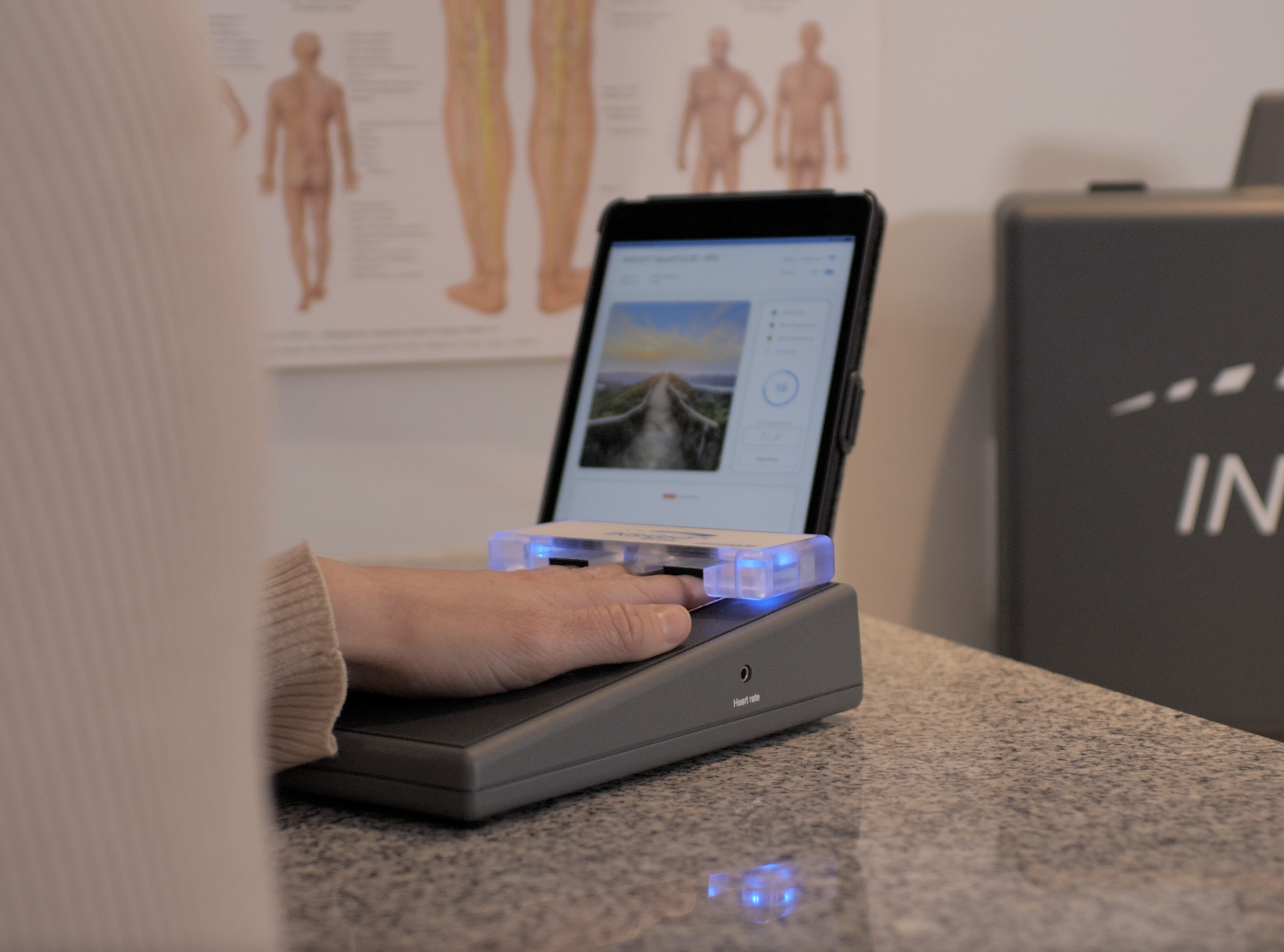
This is where INSiGHT scanning technology fits naturally. The INSiGHT neuroPULSE provides objective assessment of heart rate variability and autonomic regulation. It offers a reliable way of measuring heart rate variability and tracking hrv over time. These findings do not create a care plan. They provide objective exam data that supports the chiropractor in designing a care plan.
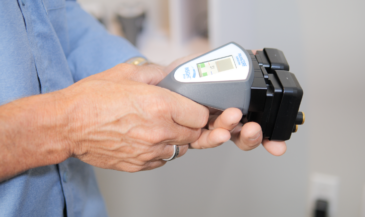
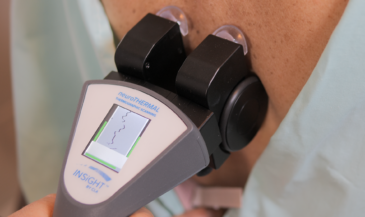
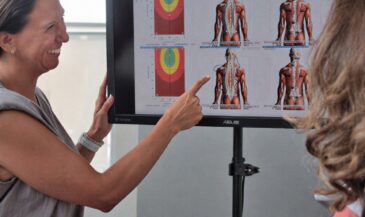
When neuroPULSE findings are paired with neuroCORE sEMG and neuroTHERMAL scans inside the INSiGHT neuroTECH and Synapse software, the picture becomes clearer. HRV data connects to patterns of postural tension and autonomic stress. This integration helps chiropractors explain training status, recovery capacity, and nervous system performance in a way patients understand.
HRV training becomes less about chasing a higher hrv and more about improving regulation. Patients learn why hrv is high on some days and lower on others. They see how training and life interact. That clarity builds trust and supports better decisions.
Where HRV Training Really Belongs
HRV training is not a fitness trend. It is a neurological conversation. It reframes recovery, performance, and resilience in practical terms. For chiropractors, HRV training aligns perfectly with a vitalistic approach to care. It focuses on adaptability, not symptoms.
When supported by objective neurological scanning, HRV training becomes even more powerful. INSiGHT scanning helps chiropractors move from guesswork to clarity. It allows patients to see how their nervous system is adapting and why recovery matters. Over time, HRV training shifts behavior, not because of fear, but because of understanding.
That is the real value. HRV training helps people respond to training and life with intelligence. It helps chiropractors lead with confidence. And it reinforces the truth that performance, resilience, and recovery all start with the nervous system.