
So, what is autonomic dysfunction? At its simplest, autonomic dysfunction occurs when the autonomic nervous system struggles to regulate the body functions that are supposed to happen automatically. Blood pressure, heart rate, digestion, body temperature, blood flow, sweat, urinary function, and bladder control all depend on a well-coordinated autonomic response.
For the neurologically-focused chiropractor, what is autonomic dysfunction is more than a search question. It is a reminder that the body is organized through regulation, communication, and adaptation. When those patterns begin to fluctuate, patients need more than a symptom conversation. They need a clearer way to understand nervous system performance.
What Is Autonomic Dysfunction?
Autonomic dysfunction, often called dysautonomia, describes a situation where the autonomic nervous system is not regulating automatic body functions as well as it should. The word “autonomic” means self-governing. This part of the nervous system keeps the body running without the patient needing to think about it.
The autonomic nervous system, or ANS, helps manage the internal organs, blood vessels, heart rate and blood pressure, digestion, sweat, bladder function, body temperature, breathing rhythms, pupil response, and sexual function. These are everyday regulatory functions that help a person stand up, digest a meal, cool down, recover from exertion, and adapt to life.
That is why dysfunction in this system can feel so confusing to the patient. One person may notice dizziness and lightheadedness. Another may notice digestive disruption or abnormal sweat responses. Another may feel exhausted, wired, or unable to recover. The signs and symptoms can look scattered because the autonomic nervous system touches so many systems at once.
Autonomic dysfunction and dysautonomia mean the body’s autopilot is struggling
Dysautonomia is an umbrella term. It can describe different types of autonomic disorders and autonomic nervous system disorders, including situations that range from mild to severe. Some people with this condition experience daily limitations, while others notice signs only during posture changes, heat exposure, illness, exertion, or other triggers.
A helpful way to explain this to patients is to call the ANS the body’s autopilot. It is always making adjustments in the background. When the person stands up, the ANS should help regulate blood pressure. When they eat, it should help with digesting food. When they get warm, it should help regulate sweat and body temperature. When they encounter neurological distress, it should help them respond and recover.
When that autopilot is struggling, the body may overreact, underreact, or react at the wrong time. That is where what is autonomic dysfunction becomes such an important clinical question.
Why chiropractors should care about autonomic regulation
Chiropractic has always been concerned with the nervous systems. The central nervous system and peripheral nervous system coordinate communication throughout the body. The spine is not merely a stack of vertebra. It protects and relates to neurological pathways that influence performance, posture, perception, and regulation.
For a neurologically-focused chiropractor, the question is not simply, “Where are the symptoms?” The better question is, “How well is this nervous system adapting?”
That shift matters. If a patient is living in sympathetic overdrive, has poor adaptive reserve, or shows patterns of neurological interference, their signs may not fit neatly into one body region. They may describe a body that feels unpredictable. That is where objective analysis becomes so valuable. It helps move the conversation from scattered symptoms to measurable nervous system performance.
Common Signs and Symptoms of Autonomic Dysfunction
The symptoms of autonomic dysfunction can affect nearly every automatic process in the body. That is why patients often feel misunderstood. They may have seen multiple providers, completed lab tests, and still feel like no one has connected the dots.
For chiropractors, this is an important point. The patient’s story may sound disorganized, but the nervous system is often the organizing principle. A person may mention blood pressure changes, difficulty with heat, digestive discomfort, urinary changes, and fatigue in one conversation. Rather than viewing those as random complaints, the chiropractor can recognize that the ANS may be involved in each of those body functions.
When a patient asks what is autonomic dysfunction, it helps to group the symptoms and causes by body system so the pattern becomes easier to understand.
Blood pressure and heart rate changes
Blood pressure and heart rate regulation are two of the most recognizable autonomic functions. When the ANS is working well, it quickly adjusts blood pressure and heart rate as a person changes position, moves, rests, or responds to neurological distress.
When autonomic dysfunction occurs, that regulation can become less stable. A patient may notice dizziness, lightheadedness, weakness, blurred vision, or feeling like they may faint when they stand. Orthostatic hypotension is one example. It refers to a drop in blood pressure when moving upright, and the symptoms of orthostatic hypotension can include dizziness, lightheadedness, and faint feelings.
Some patients may also experience a fast heart rate, slow heart rate, heart palpitations, or uncomfortable changes in heart rate and blood pressure. Chest pain, severe shortness of breath, or sudden significant heart-related signs should always be evaluated appropriately in a medical setting.
Sweat, temperature, and blood flow changes
The ANS also influences sweat, blood vessels, blood flow, and body temperature. When autonomic function is altered, a patient may sweat too much, sweat too little, or notice sweat changes in certain regions of the body. They may also describe heat intolerance, cold intolerance, or difficulty regulating temperature after exertion.
This matters to chiropractors because autonomic nerves help regulate the tone of blood vessels and regional temperature control. When those patterns fluctuate, it can tell us something about how the nervous system is managing regulation.
That does not mean every sweat change is chiropractic in origin. It means the autonomic conversation belongs in a deeper nervous system assessment.
Digestion, swallowing, urinary, and bladder signs
Autonomic dysfunction can result in changes that appear far beyond posture or the spine. Because the nerves of the ANS help regulate the internal organs, patients may notice changes in digestion, bowel patterns, nausea, constipation, diarrhea, bloating, or difficulty swallowing.
Urinary and bladder changes can also occur. Some patients experience urinary urgency, difficulty emptying the bladder, or incontinence. Sexual dysfunction and erectile dysfunction may also be related to autonomic regulation, depending on the cause.
These signs can be sensitive for patients to discuss. Chiropractors who create a calm, respectful, and neurologically clear conversation can help patients feel less confused by what their body is experiencing.
Why symptoms can seem unrelated
One of the hardest parts for patients is that dysautonomia may experience does not always look like one clean pattern. Symptoms include fatigue, brain fog, dizziness, digestive changes, sweat changes, bladder concerns, and changes in blood pressure.
To the patient, it can feel like the body is acting unpredictably. To the neurologically-focused chiropractor, the question becomes: how well are the nervous systems regulating and adapting?
This is where chiropractors can bring clarity without overstepping. You do not need to diagnose every autonomic condition to explain that the nervous system coordinates the body’s automatic functions. When regulation is disrupted, signs can show up in many places. That alone can help patients understand why a nervous system-centered exam matters.
Learn more about INSiGHT scanning?
Fill this out and we’ll get in touch!
"*" indicates required fields
Types and Causes of Autonomic Dysfunction
There are different types of autonomic dysfunction, and it is important to be accurate here. Not every autonomic issue has the same cause, severity, or clinical pathway. Some types of autonomic dysfunction are primary, meaning they arise as autonomic conditions themselves. Others are secondary, meaning another condition or injury affects autonomic nerves.
That distinction keeps the chiropractic conversation honest. We should never reduce every complex autonomic situation to one simple explanation. At the same time, chiropractors should not ignore the role of nervous system performance, spinal tension, and neurological interference in the bigger picture of regulation and adaptation.
Different types of autonomic conditions may include dysautonomia, orthostatic hypotension, POTS, vasovagal syncope, autonomic neuropathies, pure autonomic failure, and autonomic failure associated with neurodegenerative conditions.
The chiropractic interpretation of cause and function
From a chiropractic perspective, we are not saying every autonomic condition is caused by spinal tension. That would be too simplistic. What we are saying is that the spine, vertebra, subluxation, and neurological interference deserve attention when we are talking about nervous system performance.
A neurologically-focused chiropractor looks at how the person is adapting. Are they stuck in sympathetic overdrive? Is their adaptive reserve low? Are there postural tension patterns that suggest the system is using too much energy to remain upright? Are there thermal patterns that suggest regional autonomic imbalance?
Those questions do not replace medical diagnosis. They add a functional chiropractic lens that helps the patient understand how their nervous systems are performing under real-life demands.
How Autonomic Dysfunction Is Evaluated and Why Objective Data Matters in Chiropractic
Medical diagnosis and treatment of autonomic dysfunction depend on the patient’s signs, symptoms and causes, health history, and the underlying condition involved. Since the signs can range from mild to severe, evaluation often takes time and may involve more than one type of provider.
Common medical evaluation may include a physical exam, neurological exam, blood pressure and heart rate checks while lying, sitting, and standing, heart testing, blood tests, lab tests, and autonomic testing. Some patients may undergo a tilt table test or tilt-table test to evaluate how their blood pressure and heart rate respond to posture change. Sweat testing, including a thermoregulatory sweat test, may also be used when providers want to evaluate sweat regulation.
That medical process matters. It helps identify serious causes, rule out dangerous conditions, and guide management. But in chiropractic practice, there is another important question: once the patient is in front of you, how do you objectively evaluate nervous system performance in a way that supports better communication and better care planning?
Why symptom-only conversations fall short
Symptoms fluctuate. A patient may feel better one day and worse the next. They may manage their symptoms with hydration, salt intake, medication, lifestyle changes, or other medical recommendations, but still not understand the bigger nervous system pattern.
When chiropractors rely only on subjective reporting, it becomes harder to show why the nervous system deserves ongoing attention. A patient might say, “I’m less dizzy this week,” or “My digestion seems a little better,” but those reports alone do not show how the system is adapting.
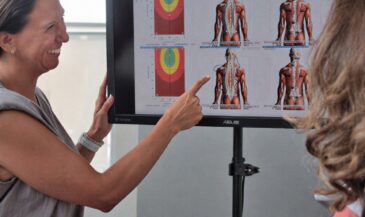
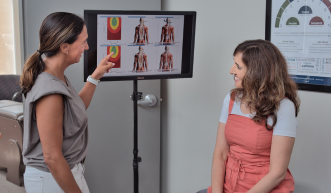
That is why objective neurological scanning matters. People trust what they can see. When a chiropractor can show scan views that reflect autonomic function, postural tension, energy expenditure, and adaptive reserve, the patient’s understanding changes. They stop thinking only about today’s symptoms and start seeing the bigger performance picture.
The chiropractic opportunity
Chiropractors have a unique opportunity to become better communicators of nervous system performance. When a patient asks what is autonomic dysfunction, they are usually looking for a simple answer to a complex pattern. This topic gives us a reason to talk about regulation in a way patients already feel in their daily lives.
The conversation can sound like this:
- Your body is constantly adapting. Blood pressure, heart rate, sweat, digestion, and temperature control are all part of automatic regulation.
- Your nervous system deserves objective attention. If the ANS is struggling, symptoms may show up in many different body functions.
- Your care plan should be built with clarity. Objective exam findings help the chiropractor interpret patterns and make recommendations with more certainty.
That is a different conversation than chasing symptoms. It is clearer. It is more chiropractic. It helps the patient understand why a nervous system exam is not extra. It is central.
How INSiGHT Scanning Technology Helps Chiropractors See Autonomic Patterns
This is where INSiGHT scanning technology becomes so valuable for the chiropractic profession. What is autonomic dysfunction if not a regulation conversation? And regulation needs objective data. Without that data, chiropractors are left trying to explain complex neurology with words alone.
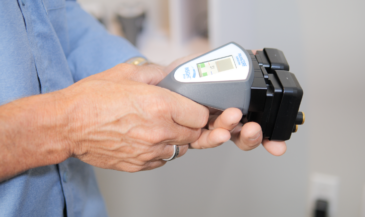
INSiGHT scanning technology helps make the invisible visible. It does not diagnose autonomic dysfunction. It does not create the care plan. It provides objective exam data and reports that the chiropractor interprets alongside their examination findings, clinical expertise, and recommendations.
That distinction matters. The technology supports the chiropractor. It strengthens communication. It helps patients see their nervous system status in a way they can understand.
neuroPULSE and Heart Rate Variability
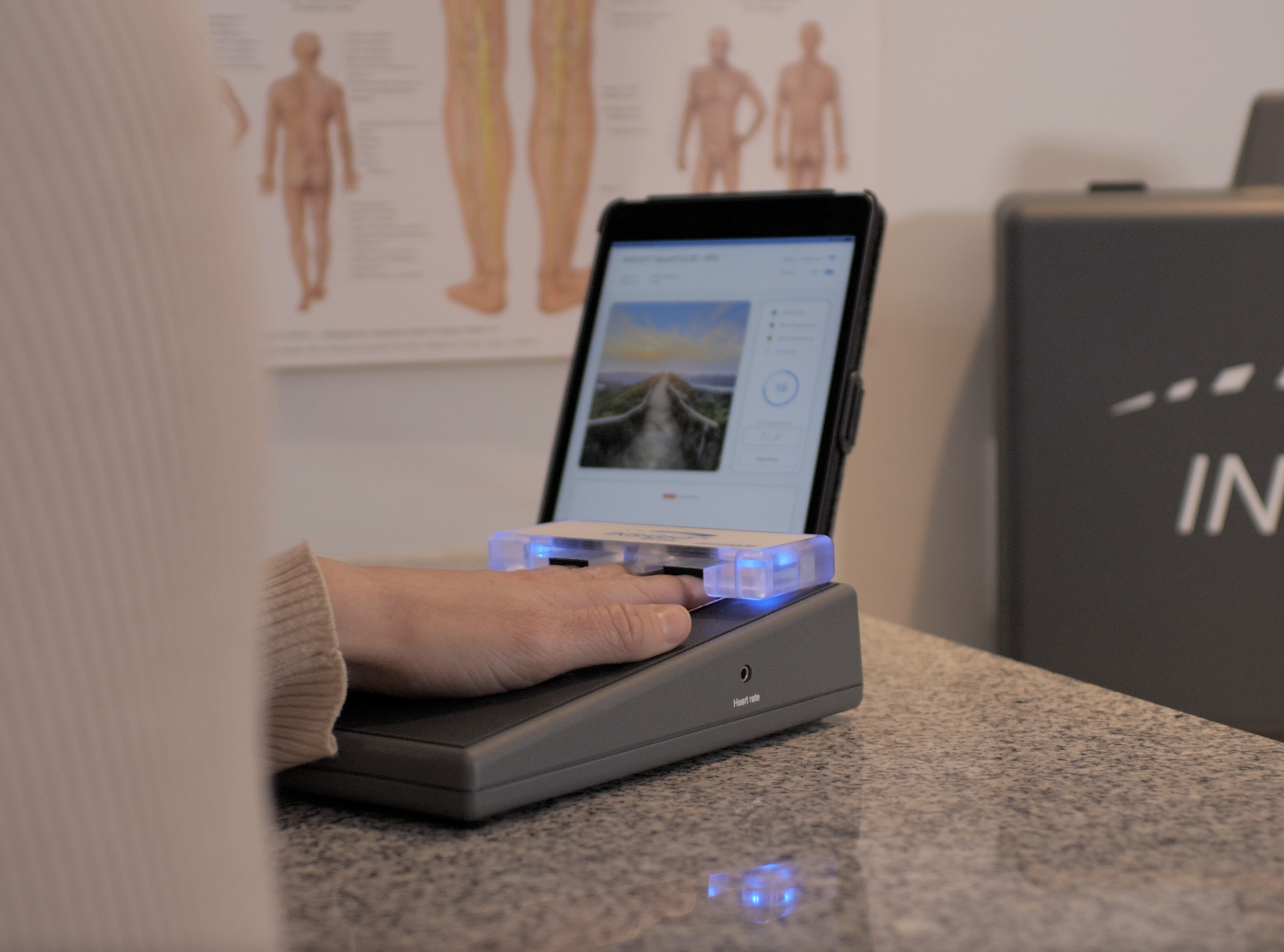
neuroPULSE analyzes Heart Rate Variability, commonly known as HRV. HRV gives insight into autonomic balance, activity, adaptability, and reserve. Since autonomic dysfunction often involves blood pressure, heart rate, fatigue, dizziness, and recovery concerns, HRV becomes a powerful way to analyze how the autonomic nervous system is functioning.
In INSiGHT’s Synapse software, HRV can be communicated through scan views such as the Rainbow Graph, which helps show autonomic balance and activity in a visual format. That graph can help patients understand whether their system is trending toward sympathetic overdrive, depleted reserve, or more balanced regulation.
That is the moment the conversation changes. Instead of only asking, “How do you feel today?” the chiropractor can ask, “How is your nervous system adapting?”
neuroTHERMAL and regional autonomic patterns
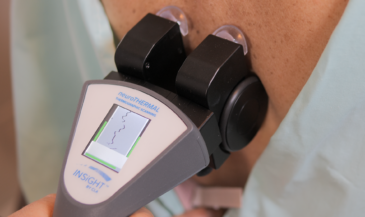
neuroTHERMAL provides a full spine nerve system scan that analyzes skin temperature patterns related to autonomic regulation. Because autonomic nerves influence blood vessels, blood flow, sweat, and body temperature, thermal analysis offers a valuable window into regional autonomic patterns.
With a neuroTHERMAL scan, chiropractors can analyze thermal patterns on an exam or before and after an adjustment. The instrument provides reproducible scan views that help visualize patterns, breaks, and changes over time.
This is especially relevant when talking about what is autonomic dysfunction because many signs are tied to regulation. Temperature, sweat, and blood flow are not random details. They are part of the autonomic story.
neuroCORE and the motor side of nervous system performance
While autonomic dysfunction focuses on the ANS, the nervous systems work together. A person’s motor system, posture, muscle tone, and energy expenditure can all give insight into how the body is compensating.
neuroCORE analyzes sEMG patterns related to postural tension, motor tone, symmetry, and energy use. A patient may present with autonomic signs, but their postural tension patterns can still help tell the broader story of neurological distress and adaptation.
That is the strength of INSiGHT neuroTECH and Synapse software. It allows the chiropractor to look at the nervous system from more than one angle. neuroPULSE helps assess autonomic reserve. neuroTHERMAL helps analyze regional autonomic regulation. neuroCORE helps show motor tone and energy patterns.
Synapse software and patient communication
Synapse software brings the scan data together into reports and scan views that help chiropractors explain complex neurology clearly. That is where patient communication improves. You can take a concept like what is autonomic dysfunction, which sounds intimidating to most patients, and connect it to something visual and understandable.
Patients do not need a neurology lecture. They need to see where their nervous system is showing signs of tension, how well they appear to be adapting, and why your recommendations make sense.
That is how scans support care planning. The chiropractor interprets the findings, considers the patient’s history and exam, and uses that information to design a chiropractic care plan. If a medical treatment plan is also needed depending on the cause, the patient can continue to work with the appropriate provider while the chiropractor focuses on objective nervous system performance.
A Clearer Way to Talk About Nervous System Regulation
What is autonomic dysfunction really teaching us? It is teaching us that the body is more connected than most patients realize. Blood pressure, heart rate, digestion, sweat, bladder function, body temperature, and energy are all part of a larger regulation story.
For chiropractors, that story brings us right back to the heart of chiropractic. The nervous system coordinates the body’s ability to adapt. When that coordination is under neurological distress, patients need clarity. They need objective data. They need a doctor who can connect the dots without making promises that go beyond the evidence.
INSiGHT scanning technology gives chiropractors a practical way to do that. It helps shift the conversation from symptoms alone to nervous system performance. It helps patients see what has been invisible. And when patients understand the why behind their care, they stop counting visits and start valuing results.
That is the opportunity in front of the chiropractic profession. Autonomic regulation is not a side conversation. It is one of the clearest ways to help patients understand why their nervous system deserves attention, why objective scanning matters, and why neurologically-focused chiropractic care belongs in the center of the performance conversation.