

They say, “I can’t sleep.” They say they are tossing and turning, waking up feeling tired, struggling with insomnia, relying on sleep aids, or getting enough hours of sleep but still not feeling refreshed in the morning.
That is why chiropractic for sleep is such an important conversation for today’s Neurologically-Focused Chiropractor. The patient may think they are asking about a pillow, a mattress, or a quick way to fall asleep faster. But you know there may be a much bigger story underneath. Sleep is one of the clearest daily signs of how well the body can regulate, adapt, recover, and move out of “fight or flight.”
Why Sleep Belongs in the Chiropractic Conversation
Most patients think about sleep in simple terms. They either slept well or they did not. They either wake up feeling clear and ready for the day, or they wake up feeling like they barely recovered at all.
From a chiropractic perspective, sleep is not just a nighttime issue. It is a nervous system performance issue. The body needs sleep to repair, restore, and regulate. Restorative sleep is when the body’s systems coordinate some of their most important work, including recovery, immune communication, hormone rhythms, tissue repair, and brain processing.
Here is what most patients do not realize: better sleep depends on the body’s ability to shift gears. If the nervous system is stuck in sympathetic overdrive, the body may have a harder time settling into quality sleep. That is where chiropractic for sleep becomes a much more meaningful conversation.
A patient may search for chiropractic for sleep because they want help with insomnia, poor sleep, sleep disturbances, or nighttime discomfort. But what they often need is a better understanding of how the spine, spinal regions, posture, and nervous system function all work together.
You have likely seen this in practice. A patient comes in because they are having trouble getting comfortable. They describe back pain, neck pain, tightness, muscle tension, or feeling restless at night. They may not connect that to chiropractic health at first. But once you explain that the spine protects the central nervous system and that spinal tension can influence how the body functions, the conversation starts to open up.
That matters because chiropractic for sleep is not simply about helping someone get comfortable for one night. It is about helping patients understand how their body adapts, how it recovers, and why the quality of sleep they experience may reflect something deeper than their bedtime routine.
Common Reasons Patients Struggle to Sleep
There are many reasons a patient may experience sleep problems. Some are lifestyle-related. Some are emotional. Some are connected to medical concerns that require appropriate evaluation. And some are deeply connected to the musculoskeletal and neurological patterns chiropractors assess every day.
Let’s start with comfort. If a patient has back pain, neck pain, chronic low back pain, or postural tension, it can make it difficult to settle into a comfortable position. They may fall asleep, but they do not stay asleep. They may shift from side to side, wake repeatedly, or feel like they never reach deep sleep.
That is often the entry point for chiropractic for sleep. When the body is uncomfortable, guarded, or tense, the patient may struggle to access the sleep your body needs for true recovery.
Musculoskeletal tension and nighttime restlessness
Musculoskeletal tension can affect sleep quality in a very practical way. If a patient cannot find a position that feels safe and supported, the nervous system stays alert. The body keeps searching for comfort. That is where tossing and turning begins.
For some patients, this shows up as pain and tension through the low back, hips, shoulders, or neck. For others, it feels like restlessness. The patient may not have intense symptoms, but their body cannot fully settle.
That is where a chiropractor can help by assessing posture, joint motion, spinal tension, and physical symptoms that may contribute to sleep problems.
The role of posture and sleep posture
Posture during the day can influence sleep posture at night. Long hours sitting, repeated forward head position, poor movement patterns, and daily neurological distress can all create tension that follows the patient into bed.
Then the patient may unknowingly reinforce those patterns with poor sleep positioning. Stomach sleeping can place the neck in rotation for hours. A pillow that is too high or too flat may place stress on the cervical spine. Sleeping without support between the knees may increase tension through the pelvis and low back.
Helpful sleep posture guidance may include:
- Side sleeping: Place a pillow between the knees to reduce strain through the hips and low back.
- Back sleeping: Use support under the knees to reduce pulling through the lumbar region.
- Neck support: Choose a pillow that keeps the neck neutral rather than flexed too far forward.
- Stomach sleeping: Avoid it when possible because it can increase strain through the neck and spine.
This is practical advice patients can understand. It also gives you a doorway into a bigger discussion about spinal alignment, proper spinal alignment, nerve tension, and neurological interference.
When the body feels tired but the nervous system stays alert
Some patients will tell you, “I’m exhausted, but I can’t relax and fall asleep.” That is a nervous system conversation.
In everyday language, patients may call it stress. In a Neurologically-Focused Chiropractic Care model, we can describe it more accurately as neurological distress or sympathetic overdrive. The body is tired, but the nervous system is still acting like it needs to stay on guard.
This is where chiropractic for sleep becomes bigger than mattress advice. The question becomes: can the body shift from protection into recovery?
Sleep conditions chiropractors should discuss carefully
Chiropractors should speak carefully about conditions such as chronic insomnia, sleep apnea, restless leg syndrome, and any significant sleep disorder. Chiropractic care should not be presented as a cure for these conditions.
At the same time, chiropractors should not ignore sleeping difficulties. A lack of sleep and sleep deprivation can impact your ability to focus, recover, regulate mood, and perform well during the day. The National Institutes of Health has recognized that insomnia can be associated with many physical and emotional concerns, which is one reason sleep should be taken seriously.
If a patient has breathing interruptions, severe daytime sleepiness, or other concerning signs, referral is appropriate. That kind of responsibility strengthens trust.
Learn more about INSiGHT scanning?
Fill this out and we’ll get in touch!
"*" indicates required fields
How Chiropractic Care May Support Better Sleep
The strongest way to talk about chiropractic care and sleep is to connect comfort, function, and regulation without overpromising. Patients do not need exaggerated claims. They need clear explanations.
Chiropractic care may support better sleep when sleep problems are connected to spinal tension, musculoskeletal discomfort, poor posture, nervous system imbalance, or the body’s inability to relax. A chiropractic adjustment may help reduce tension, improve motion, and support the body’s ability to function with less interference.
That does not mean every patient struggling with insomnia needs the same care plan. It means the chiropractor has a valuable role in assessing the person in front of them and determining whether chiropractic care may be a meaningful part of the solution.
Helping the body get comfortable enough to rest
In many cases, the first change patients notice is physical. They feel less restricted. They move easier. Their neck turns better. Their low back feels less guarded. When the body is not fighting for comfort all night, the patient may experience a better night’s rest.
This is where the language matters. Chiropractic adjustments can help improve mobility and reduce postural tension, which may help improve your sleep quality when those patterns are affecting your sleep.
That is a practical, responsible, and chiropractic-centered way to talk about chiropractic for sleep.
Why adjustments are about more than symptom relief
Patients often think of a chiropractic adjustment as something that helps back pain or neck pain. That is part of the picture, but it is not the whole picture.
In a Neurologically-Focused Chiropractic Care model, the adjustment is part of a larger care plan designed to improve function, reduce interference, and support better communication between the spine and nervous system. Proper alignment is not just about straight lines. It is about helping the body move, communicate, and regulate with less tension.
When patients understand that, chiropractic treatment becomes less about chasing symptoms and more about supporting nervous system performance.
Chiropractic care and the shift out of sympathetic overdrive
Sleep depends on the body’s ability to move away from alertness and toward parasympathetic recovery. If a patient lives in sympathetic overdrive all day, their body may not instantly enter restorative rest just because the lights go out.
A chiropractic adjustment can influence sensory input from the spine, joints, muscles, and surrounding tissues. For the chiropractor, this is where the conversation becomes bigger than feeling less discomfort. It becomes about adaptability.
Can the body shift gears? Can it recover after a long day? Can it move from alertness into rest? Can it access the quality of sleep needed to wake up refreshed in the morning?
This is also where research can be discussed carefully. One study involving chiropractic care and Heart Rate Variability reported changes in autonomic measures after adjustments. Other research, including randomized controlled trial designs in the broader chiropractic literature, continues to explore how adjustments improve function in patients with chronic musculoskeletal concerns. We should not overstate those findings, but they do support a more serious conversation about the relationship between chiropractic care, regulation, and recovery.
Practical sleep guidance chiropractors can share
Chiropractic for sleep should also include the basics. Sleep hygiene, lifestyle changes, and supportive habits matter. Chiropractic care does not replace those foundations. It can work alongside them.
Helpful guidance may include:
- Consistent sleep routine: Go to bed and wake up at the same time as often as possible.
- Supportive environment: Keep the bedroom dark, cool, quiet, and comfortable.
- Reduced stimulation: Limit screens and caffeine before bed.
- Movement: Exercise most days, preferably earlier if evening workouts make sleep harder.
- Sleep tracking: Use a sleep diary if patterns are unclear.
- Supportive positioning: Use pillows and bedding that help reduce strain through the spine.
These simple sleep habits can help improve sleep quality and support the work being done through chiropractic care. When patients ask how to improve your sleep, this kind of guidance gives them practical steps they can use right away.
Why Objective Neurological Scanning Belongs in the Sleep Conversation
Here is where the conversation gets very practical for the chiropractor.
A patient’s sleep report matters, but it is still subjective. One week they say they slept better. The next week they had three difficult nights and feel like nothing changed. Some patients forget how poor sleep was affecting them when they started care. Others only mention sleep if you ask.
If chiropractic for sleep is discussed only through symptoms, the conversation can stay vague. But when you bring objective neurological scanning into the process, you give the patient something clearer to see.
How INSiGHT scanning technology supports the sleep conversation
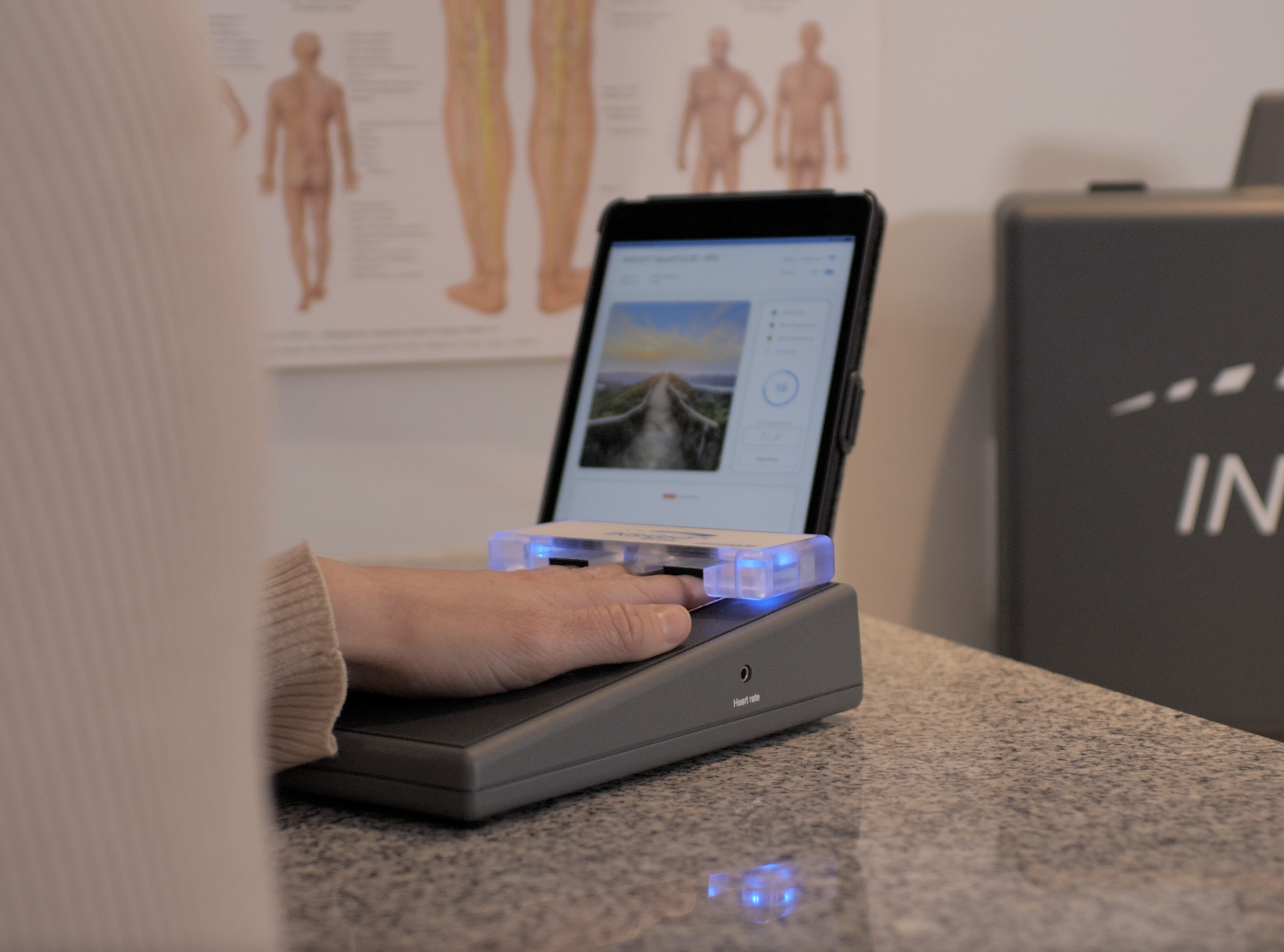
INSiGHT scanning technology does not diagnose insomnia, sleep apnea, or any sleep disorder. It does not create care plans. It provides objective exam data and scan reports that help chiropractors evaluate nervous system performance.
The chiropractor then interprets that data alongside the consultation, examination, history, and professional judgment to design the care plan.
That distinction matters. The technology provides the data. The doctor provides the interpretation. The care plan comes from the chiropractor.
neuroPULSE and adaptability
The neuroPULSE scan measures Heart Rate Variability, giving chiropractors insight into autonomic balance and adaptive reserve. For a patient who wants help to improve sleep, HRV can open a clear conversation about whether the body is adapting well or staying stuck in sympathetic overdrive.
That matters because quality sleep depends on the body’s ability to shift between activity and recovery. If the autonomic nervous system is not adapting well, sleep may become lighter, more disrupted, or less restorative.
neuroCORE and postural tension
The neuroCORE scan analyzes paraspinal muscle activity using surface EMG. This helps reveal patterns of postural tension, energy expenditure, and imbalance along the spine.
For patients with neck pain, back pain, muscle tension, sleep posture concerns, or nighttime restlessness, neuroCORE helps the chiropractor show how much energy the body may be using just to hold itself upright.
A patient may think they are relaxed because they are lying down. But their scan views may show a body that is still working too hard. That can make it easier to explain why their care plan matters beyond the moment they feel temporary relief.
neuroTHERMAL and autonomic regulation
The neuroTHERMAL scan analyzes autonomic temperature regulation along the spine. This helps bring nerve tension and dysautonomia-related patterns into view.
For the sleep conversation, that matters because the autonomic nervous system helps regulate the body’s ability to settle, recover, and coordinate internal function. When a patient sees those patterns in living color, the conversation changes.
With INSiGHT neuroTECH and Synapse software, complex neurology becomes simple, visual, and easier for patients to understand. The scan views help patients see how their body is adapting, where tension is building, and why chiropractic for sleep is really a conversation about nervous system performance.
Helping Patients Connect Sleep, Recovery, and Chiropractic Care
Sleep should be part of the chiropractic conversation because it tells you something important about the patient’s adaptability.
Inadequate sleep can affect general health, mood, focus, energy, memory, and reduced performance during the day. One third of adults report sleep challenges at different points in life, and patients with chronic stress loads often carry those patterns into the night.
Instead of only asking, “Are you sleeping better?” ask questions that reveal more useful patterns:
- Sleep onset: Are you able to fall asleep more easily?
- Sleep continuity: Are you waking up during the night?
- Recovery: Do you wake up feeling more refreshed in the morning?
- Restlessness: Are you tossing and turning less?
- Support: Are you relying on sleep aids more or less often?
- Duration: Has your sleep duration changed since beginning care?
These questions help patients notice progress they may otherwise miss. They also help you connect their experience to their scans, examination findings, and recommendations.
The explanation can stay simple: “Your body needs sleep to recover. For deep sleep to happen, your nervous system has to shift out of protection and into repair. If your body is carrying too much neurological distress, it may be harder for your body’s ability to relax to show up at night.”
That is a message patients understand.
You can also explain that chiropractic care may support better sleep by helping reduce spinal tension, support proper alignment, improve movement, and give the nervous system a better opportunity to regulate. For patients who want a drug-free way to sleep better, that can be a meaningful part of the conversation.
At the same time, boundaries matter. A chiropractor should not promise to cure chronic insomnia, sleep apnea, or any specific sleep disorder. Patients with serious sleeping difficulties, breathing interruptions, severe fatigue, or other concerning signs should be referred appropriately.
That kind of clinical responsibility strengthens trust.
And still, chiropractors should not underestimate the value of what they can offer. You can help reduce muscle tension. You can support muscle relaxation. You can explain how posture and sleep posture may be affecting your sleep. You can help you sleep better by addressing the function and tension patterns that may be interfering with rest. And with objective scan data, you can show patients that their body’s patterns are worth paying attention to.
If a patient is ready to explore chiropractic for sleep, they can schedule an appointment or book an appointment with a chiropractor who understands how to evaluate the spine, nervous system, posture, and recovery patterns together.
Helping Patients See Sleep Through the Nervous System
The chiropractic profession has a tremendous opportunity to lead a better conversation around sleep.
Patients are tired. Many are overwhelmed. Some are struggling with insomnia. Some are trying every pillow, supplement, sleep aid, and bedtime routine they can find. Others have accepted poor sleep as normal because they do not know what else to do.
As chiropractors, we can help them look deeper.
Chiropractic for sleep should not be reduced to “get adjusted and sleep better.” That is too small. The better message is this: sleep reflects how well the body can adapt, regulate, and recover. The spine and nervous system are central to that process. When we assess the nervous system objectively, we can help patients understand their care with more clarity.
That is the shift.
- From symptoms to function.
- From guessing to objective data.
- From temporary comfort to long-term nervous system performance.
When patients understand that, they stop seeing sleep as a separate problem floating out on its own. They begin to see it as part of the way their body is communicating.
And when they can see those patterns through INSiGHT scanning technology, the conversation becomes simple, visual, and meaningful. That is how Neurologically-Focused Chiropractors help patients connect the dots between the spine, the nervous system, and the quality sleep their body has been asking for.