
Infrared thermography is not magic, and it is not a shortcut around clinical skill. It is a practical tool chiropractors use to assess skin temperature and surface temperature symmetry along the spine and to detect temperature differences that may suggest irritation, inflammation, or nervous system dysfunction that needs interpretation. When you use infrared thermography as a repeatable scan, it becomes a clear reference point for your patient’s understanding and your own documentation.
In the chiropractic industry, infrared thermography has become popular for a simple reason. It helps you monitor patterns and trends. That makes your recommendations easier to explain, easier to follow, and easier to defend. Infrared thermography works best when it supports a complete examination.
What Infrared Thermography Is and Why Chiropractors Use It
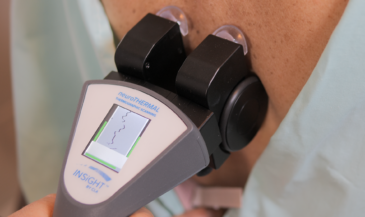
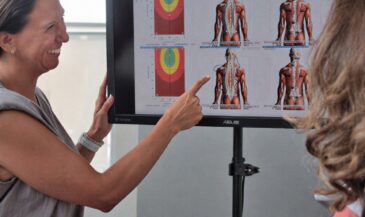
In chiropractic settings, infrared thermography is an imaging approach that measures skin temperature along the spine and compares left and right sides for symmetry. The instrument detects infrared heat the human body can emit at the surface. Those readings can be displayed as thermal images or simple graphs that make temperature trends easy to visualize. That matters because patients understand what they can see, and visual evidence often reduces confusion during chiropractic care conversations.
Infrared thermography is commonly described as non-invasive, painless, and free of radiation. That makes it easy to use more than once without turning a visit into a production. Many offices use infrared thermography as a screening step to assess nervous system function indirectly through circulation and vascular regulation. The nervous system influences blood flow and blood vessels, so changes in surface temperature can reflect shifts in autonomic regulation. Used this way, infrared thermography does not replace diagnostics, but it can support clinical decisions and communication.
Some chiropractors lean into infrared thermography because it feels like imaging without the usual baggage of radiation. Others use it because it adds an objective layer to the examination, especially when symptoms fluctuate. Either way, the strongest use case is consistent. You establish a baseline, then you re-check and compare. That is when infrared thermography becomes more than a single reading and starts helping you monitor meaningful change.
- Thermography provides objective temperature data that can be compared over time.
- Infrared thermography scans can be repeated as often as your process requires.
- Thermography scans support communication by helping patients visualize what stands out.
- Infrared thermography can fit into a routine check without slowing down the visit.
The Clinical Logic Behind Thermal Patterns What You Are Really Looking At
The clinical logic behind infrared thermography is straightforward. The nervous system influences circulation and vascular tone, which affects how heat is distributed at the surface. If the body’s regulation is stable, you tend to see more symmetry. If regulation is strained, you may see temperature differences from left to right. That is why chiropractors use infrared thermography to assess patterns of regulation rather than chase a label. You are not looking at anatomy. You are looking at function and how the system is adapting.
In practice, the chiropractor is watching for thermal patterns that look abnormal, especially when they repeat or persist. A warmer area can be associated with increased blood flow or inflammation. A cooler area can reflect reduced circulation. The scan helps detect where the body may be expressing irritation or neurological interference that needs further interpretation. Chiropractors may also discuss segmental regions because nerves exit the spine and travel to the rest of the body, and the idea of a nerve root region can help organize what you are seeing. This is one reason upper cervical approaches often emphasize thermography. The upper cervical spine sits at a junction many clinicians associate with global regulation, and upper cervical scanning workflows often use these readings to help pinpoint timing for an adjustment versus a re-check.
Here is the guardrail that keeps this responsible. Surface temperature is easy to influence. Room temperature, recent activity, emotional stress, and topical products can all change skin temperature. That is why infrared thermography is also best used for comparison. One scan can start a conversation. A series of scans can establish a baseline and show whether those temperature differences are stabilizing under care or continuing to fluctuate. When you use infrared thermography with that mindset, it stays clinical, useful, and defensible.
Learn more about INSiGHT scanning?
Fill this out and we’ll get in touch!
"*" indicates required fields
How Chiropractors Use Thermography to Guide Timing, Re-Checks, and Patient Conversations
In the chiropractic profession, infrared thermography shows its value in the rhythm of daily visits. Many chiropractors use thermography at consistent points in the appointment to reduce variables, then compare each scan to prior readings. This is where infrared thermography becomes a true monitor. It helps you detect whether the system is trending toward symmetry, holding steady, or drifting back toward the same areas of concern. It is especially useful when the patient’s symptoms do not match the story they are telling, or when improvement happens early and then stalls.
In upper cervical practices, infrared thermography scans are often used to help answer a practical question: do we adjust today, or do we continue to monitor? This is commonly framed around stability and regulation. If the scan shows the system is still expressing clear asymmetry, the chiropractor may interpret that as a sign of ongoing interference and consider an adjustment. If the scan shows stability, the chiropractor may hold and allow the body’s regulation to continue. That decision is never based on thermography alone, but thermography provides a clear, repeatable data point that supports the conversation. It also helps patients understand why your recommendation is changing from visit to visit.
Clinically, this workflow gets stronger when it is paired with a complete examination and physical examination. The scan supports detection, not a standalone diagnose moment. You are combining objective information with history, orthopedic or neurological findings, and your own judgment. Used appropriately, infrared thermography becomes a tool that strengthens patient education without drifting into exaggerated claims. It can also improve documentation, which matters when patients ask about their treatment plan. In practice, you are using objective trend data to guide a care plan and to personalize recommendations, not letting a device decide for you.
- Use thermography consistently, early in the visit, before other procedures that can influence skin temperature.
- Standardize the environment so repeated readings are more comparable.
- Explain readings as trends in nervous system regulation, not as a definitive diagnostic technique for every condition.
- Re-scan to monitor change rather than overreact to a single day.
Benefits, Limitations, and Best Practices for Using Infrared Thermography Responsibly
The benefits of infrared thermography are practical and patient-friendly. Infrared thermography is a safe, non-invasive way to evaluate surface temperature without radiation. It is painless, quick, and repeatable, which makes it easier to monitor change over time. For chiropractors who want objective follow-through, that repeatability matters. It helps you establish a baseline, then show whether regulation is stabilizing. It also supports patient communication because thermal images make the conversation less abstract.
At the same time, infrared thermography should be framed as adjunctive. The scan can support clinical interpretation, but it is not a universal diagnostic answer. In chiropractic practice, you are not using infrared thermography to replace diagnostics or to diagnose a wide range of health issues. You are using an infrared imaging tool to assess regulation, detect persistent asymmetries, and monitor response over time as part of your overall chiropractic examination.
Best practices keep your outcomes and your reputation clean. Standardize your procedure to improve consistency. Document the context of your scan. Focus on trends, not single moments. If you want to use thermography responsibly, use thermography as a repeatable checkpoint inside a broader clinical process. That keeps your claims grounded and helps your patient understand what the scan does and does not mean. It also helps you avoid overpromising in areas where peer-reviewed debate exists about reliability and specificity in certain applications. When you stay in the lane of trend tracking and communication, infrared thermography remains valuable.
Bringing It Into a True Scan-Led Practice How INSiGHT Scanning Technology Supports Thermography-Style Communication
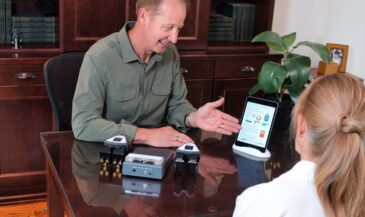
What chiropractors really want from infrared thermography is a better conversation. They want objective data that helps them assess nervous system function, communicate clearly, and monitor progress without leaning on fluctuating symptoms alone. That is the DNA of a scan-led practice. You collect objective information, you interpret it, and you use it to guide precise decisions. You do not hide behind fancy language. You show the patient what you are seeing and what you are watching.
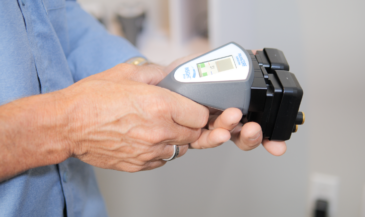
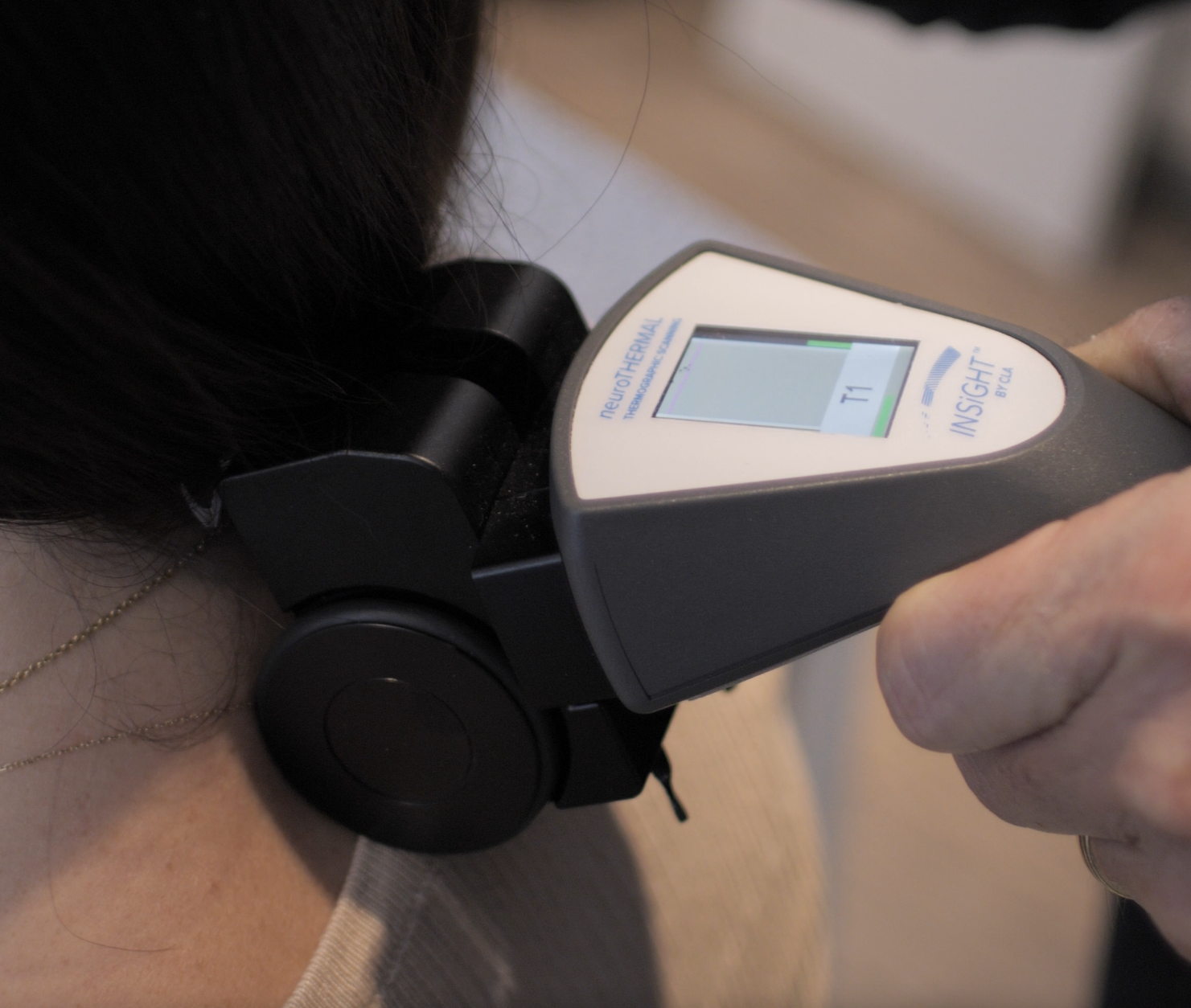
This is where INSiGHT scanning technology fits naturally. neuroTHERMAL provides thermal scanning designed for fast, repeatable assessment along the spine, capturing temperature differences that can help identify areas of concern and support clinical decision-making. Many chiropractors describe this as digital infrared imaging, and it can also be referenced with terms like computed infrared thermography, infrared imaging, or infrared thermography scans depending on the clinic. Regardless of the phrase, the purpose stays consistent: create objective exam data you can compare over time. With Synapse software, those findings become simple scan reports that help patients visualize change and understand why a care plan continues until stability is clear.
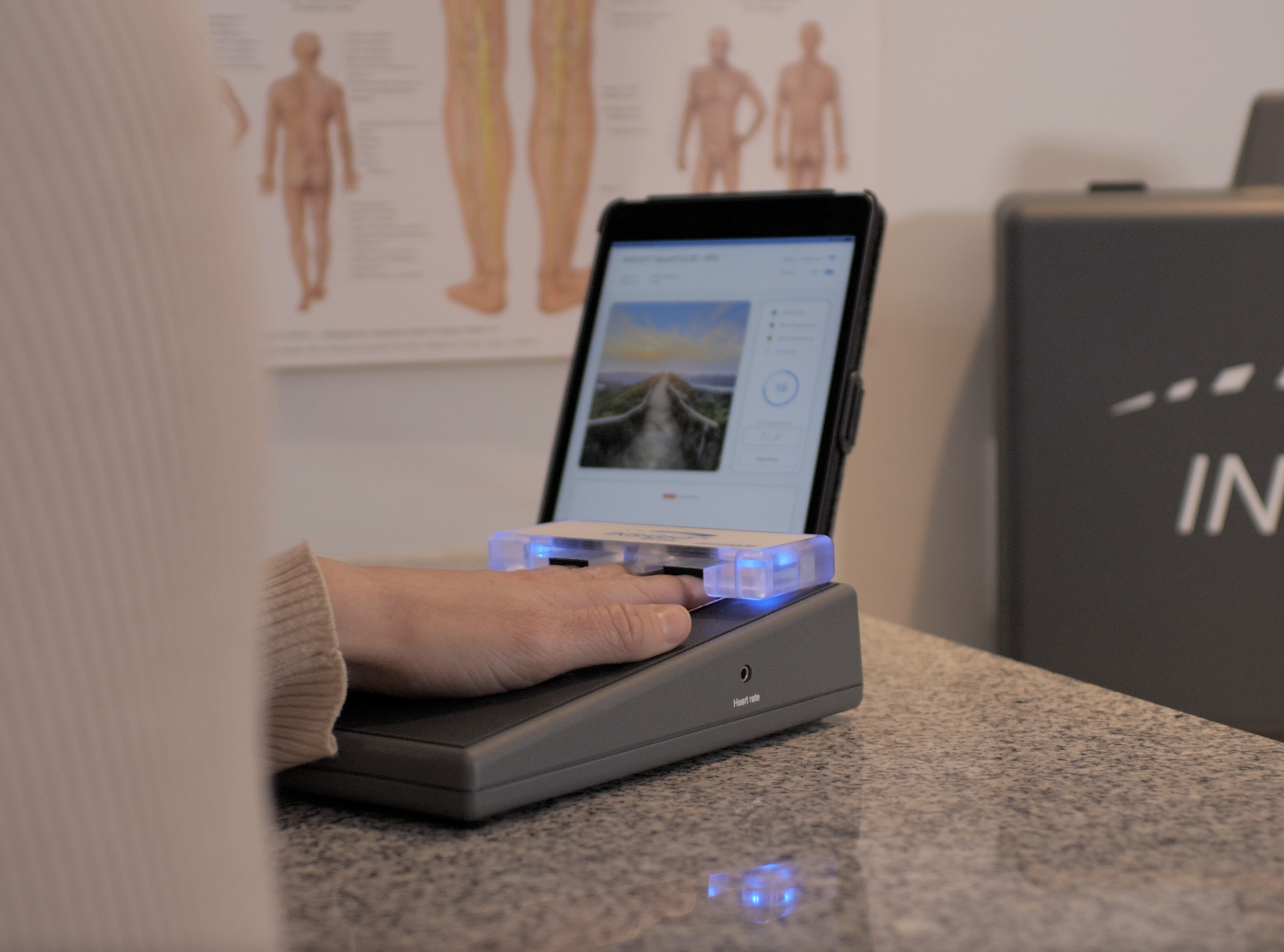
In a modern neurological scanning workflow, neuroTHERMAL can be combined with other INSiGHT assessments to build a fuller nervous system picture. neuroPULSE evaluates adaptability through heart rate variability, and neuroCORE evaluates surface EMG activity and motor tone. Together, these tools support a clearer nervous system status story that is easier to explain and easier to document. The INSiGHT does not create your care plan. It gives you objective exam data and report visuals that make your interpretation more confident and your recommendations more understandable. If a patient asks why you are not adjusting today, scanning helps you explain it. If a patient asks why you are recommending continued care, scanning helps you show it. That is how you move from opinion to objective follow-through and create a practice built on clarity.
Where the Real Value Shows Up
When infrared thermography is used well, it becomes less about the scan and more about the standard it creates. It pulls the visit away from guessing and toward measurement you can repeat. It helps you detect when regulation looks strained, and it helps you monitor whether the system is stabilizing over time. It can also support chiropractic communication in a way patients understand, especially when they are tired of vague explanations and want something concrete.
Infrared thermography also helps you stay honest about what is changing. Symptoms can fluctuate. Temperature can fluctuate too. That is why the strongest clinical approach is trend-based. You establish a baseline, you re-check, and you interpret change within context. That is how thermography provides clarity without drifting into exaggerated claims. Thermography is also a screening step that can support your broader examination, not replace it. Used responsibly, it can help you identify interference trends, watch for repeated irritation, and explain why you are recommending care without turning the visit into a debate.
If you are going to use this tool, use it like a professional. Standardize your process. Document what you did. Explain what it means, and what it does not mean. Keep your language grounded in function, circulation, and regulation. Mention the reality that surface temperature reflects vascular behavior and blood flow controlled by the nervous system, and that nerves exit the spine and influence the body’s regulation in segmental ways. Use the word misalignment once if you must, then immediately bring it back to neurological interference and clinical interpretation. A scan can help you pinpoint where the system looks most stressed, but your job is still to interpret the whole picture.
Infrared thermography is a safe and effective adjunctive tool when it is used to assess regulation, track changes, and support clinical interpretation. It can be especially useful in upper cervical decision-making, where timing and stability matter. For the chiropractor who wants to practice with more certainty, it offers a simple path: scan, compare, interpret, and communicate. That is the kind of standard that lifts the entire practice.
And yes, thermography can show up in discussions about chronic pain and musculoskeletal complaints, but that is not the point. The point is nervous system performance, clarity, and follow-through. Infrared thermography becomes powerful when it helps you and your patient see the same story, together, and when it keeps the care plan grounded in objective change instead of hopeful guessing.