

Chiropractic brings a nonsurgical treatment approach that focuses on restoring spinal alignment and joint motion, reducing mechanical load on the disc, and easing nerve root irritation—without drugs or injection. In practice, that means individualized treatment plans that may include precise adjustments, flexion-distraction strategies to lower disc pressure, targeted mobility work, soft-tissue care for postural tension, and simple, sustainable exercises that support the spine. The goal is not only to relieve pain but to improve nervous system performance so the body can adapt, recover, and return to normal physical activity.
Because disc problems don’t happen in isolation, a nerve-first lens matters. Ongoing neurological distress can keep the system in sympathetic overdrive, tightening back muscles, altering movement, and feeding a cycle that keeps discs under load. When we evaluate disc cases through both structure and neurology, we move beyond chasing pain and other symptoms to restoring adaptability.
Why a Disc Bulge Happens: Cumulative Load, Wear and Tear, and Sympathetic Overdrive
A bulging disc is a condition rarely caused by one bad lift or twist. It’s usually the end result of cumulative load on the spine layered on top of a nervous system stuck in sympathetic overdrive. Day after day, micro-stresses—long sitting, repetitive flexion, poor hip mechanics—add pressure to the lumbar disk. Over time, the annulus fibrosus stiffens, the disc loses hydration, and the nucleus pushes outward. When the bulge narrows the spinal canal or irritates a nerve root, low back pain and radiating traits appear—not because the disc “went rogue,” but because the spine and nervous system have been over-responding to neurological distress for a long while.
From a vitalistic perspective, adaptation is everything. The spine is not just a stack of vertebra; it’s a live, responsive conduit for spinal nerves. When postural tension and neurological interference persist, shear forces rise across the fourth and fifth lumbar vertebrae—the most common sites for a bulging disc or a herniated disc. Add wear and tear or degenerative disc disease to the mix, and the disc is typically less elastic, so the same daily loads create more deformation.
Common contributors you’ll recognize in practice include:
- Repetitive flexion/rotation under load
- Long sitting with a flexed lumbar spine
- Deconditioning of the deep stabilizers with overactive superficial back muscles
- Sudden spikes in physical activity after inactivity
- Early exposure to antibiotics and environmental toxins
- Poor sleep and psychosocial strain
If we only chase the bulge, we miss the driver. Your job isn’t to “remove the herniated part” but to restore efficient mechanics, reduce postural tension, and calm sympathetic overdrive.
Nonsurgical Disc Bulge Treatment Options—And Where Chiropractic Care Fits
When someone hears “bulging disc treatment,” they often picture surgery. The good news is that most disc conditions—whether herniated disk in the lower spine or bulging disk in the neck—respond to conservative treatment when you build a smart, nerve-first plan.
In a disc case, our first job is to calm neurological distress and restore motion between the vertebra. Gentle adjustments unload the herniated part of the disk, improve segmental mechanics, and settle protective postural tension. As the spinal canal and foramina move better, nerve signals travel with less irritation.
Alongside adjustments, we may integrate:
- Hip and thoracic mobility drills to offload the lower back
- Core stability work to strengthen your back
- Ergonomic coaching to prevent recurring injury
- Collaboration with a physical therapist for graded strengthening
An escalation plan is essential: severe neurological signs, no improved symptoms after a fair trial, or red flags like bowel/bladder changes call for imaging and possible injection or minimally invasive options.
Learn more about INSiGHT scanning?
Fill this out and we’ll get in touch!
"*" indicates required fields
Bulging Disc vs. Herniated Disc: Definitions, Symptoms, and Red Flags
A bulging disc means the nucleus pushes outward but stays contained; a herniated disc means the outer annulus has torn, allowing material to escape. Both can irritate spinal nerves and cause back pain or radiating symptoms.
Symptoms of a bulging disc:
- Lumbar (disk in the lower back): aching lower back pain, symptoms that centralize with extension, possible leg tingling
- Cervical: neck discomfort with arm weakness or tingling
- Thoracic: mid-back symptoms with breathing or twisting
Diagnosis and treatment must always include screening for red flags: progressive weakness, saddle anesthesia, bowel/bladder changes, or systemic disease indicators.
Chiropractic Disc Bulge Treatment: A Nonsurgical Care Plan That Puts Nerves First
In disc bulge treatment, the aim is to reduce nerve irritation, restore movement, and create an environment for healing. Even people with herniated or bulging disc conditions often relieve symptoms after six weeks of consistent, targeted care.
A chiropractic plan may include:
- Adjustments to reduce neurological interference
- Flexion-distraction for decompression
- Joint mobilization to restore range
- Soft-tissue therapy to ease postural tension
- McKenzie exercises to relieve pain and centralize symptoms
- Physical therapy to help with targeted strengthening
- Ergonomic and lifestyle coaching
The approach is moderately effective for low back cases and often helps avoid spine surgeries.
Advanced Insight: Using Technology to Guide Care for Disc Bulges
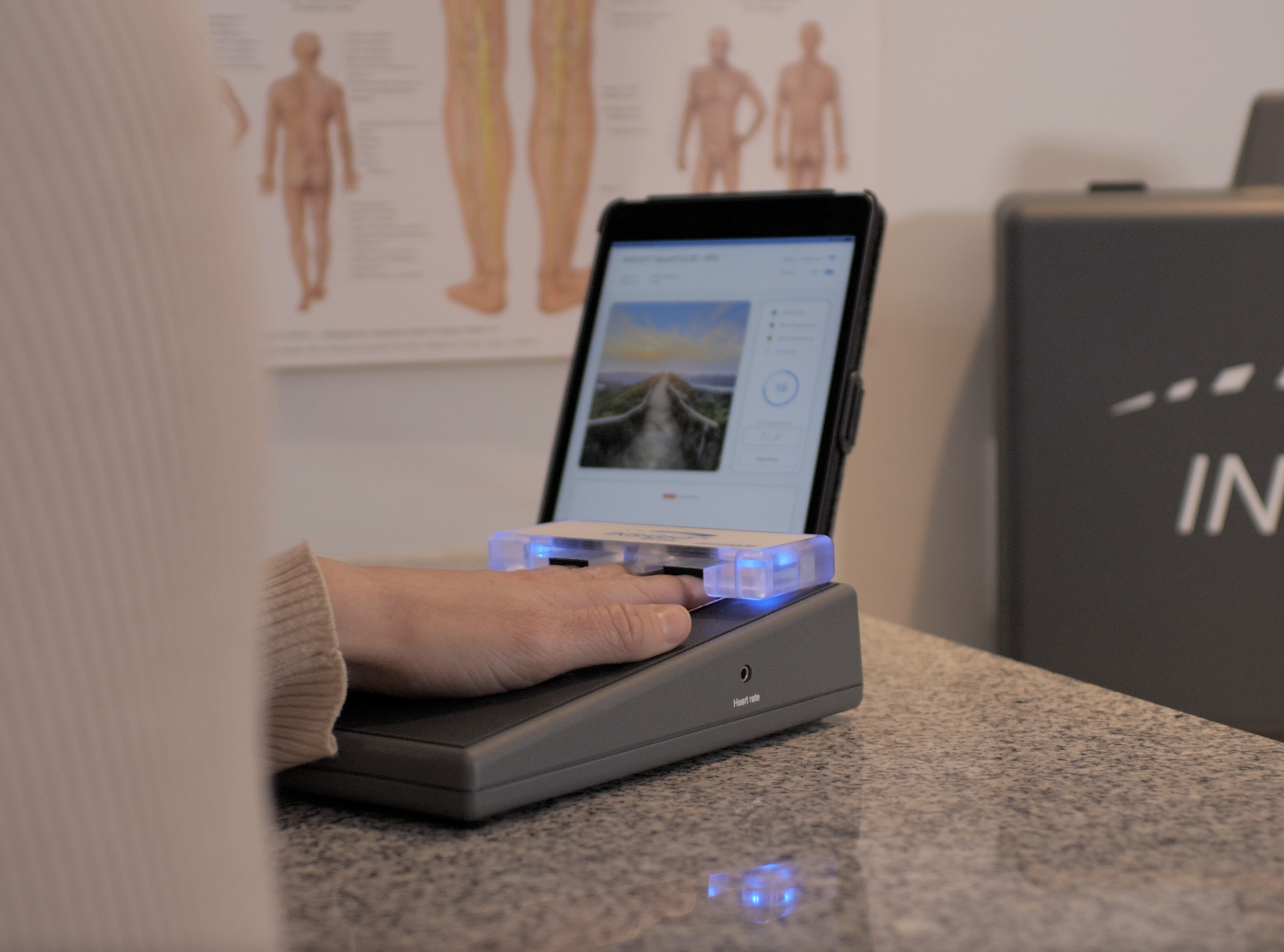
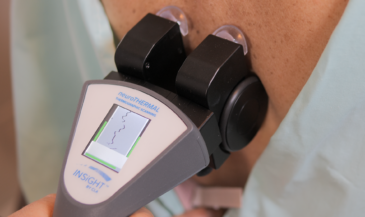
INSiGHT’s technology suite—neuroPULSE, neuroCORE, and neuroTHERMAL—adds a measurable dimension to Disc Bulge Treatment.
- neuroPULSE measures HRV to assess adaptability
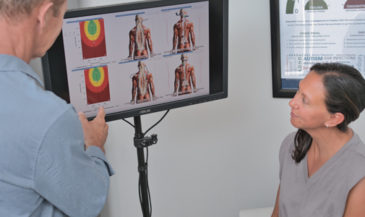
- neuroCORE maps muscle tone changes from guarding patterns
- neuroTHERMAL detects thermal asymmetries linked to nerve irritation
With these, you can track progress, educate patients with a bulging disc, and validate the care plan.
Prevention and Long-Term Spinal Health
Once acute pain is mild or resolved, long-term goals focus on reducing recurrence:
- Ongoing adjustments
- Postural and ergonomic education
- Strengthening muscles that support the spine
- Monitoring with INSiGHT scans to confirm improvement
These strategies are available for a bulging disc case in both the lumbar and cervical regions, helping to ease chronic back and neck challenges.
Empowering Patients to Heal and Thrive
A bulging disc may sound daunting, but with a different treatment options mindset—nonsurgical, nerve-first, and objective—you can guide patients from chronic back pain toward adaptability. By combining expertise, physical medicine and rehabilitation principles, and INSiGHT technology, you provide clarity, confidence, and care that appears to ease chronic back and restore resilience.