

From a chiropractic perspective, disc protrusion is rarely a single event. It is often the result of how the spine has adapted to load, posture, and compression over time. The label itself matters far less than what the spinal system and the nerve system are doing right now.
This is why disc protrusion matters so much in modern chiropractic care. Patients want understanding, direction, and proof that care is working. When chiropractors lead with function, objective assessment, and confident communication, a disc protrusion becomes a manageable disc issue.
Disc Protrusion: A Chiropractic View Patients Can Understand
Patients often hear a confusing mix of terms: bulging disc, slipped disc, ruptured or slipped disc, herniated or bulging disc. Clinically, these terms describe variations in how disc material behaves, but they are rarely explained in a way that reduces anxiety.
A disc protrusion describes a situation where a portion of the disc pushes outward beyond its usual boundary without a complete rupture. It sits on the same spectrum as disc bulges and disc herniation. The difference is degree, not destiny. Chiropractic literature consistently emphasizes that conservative care decisions should be based on function, not labels.
When patients hear that a disc can protrude without being unstable, and that many disc protrusions respond well to non-surgical treatment, the emotional temperature drops. This sets the stage for productive chiropractic treatment instead of fear-driven decision making.
- Bulging disc: a broader bulge of disc tissue
- Disc protrusion: a focal outward shift of disc material
- Herniated disc: disc material extends further through a weakened annulus
Intervertebral Disc Anatomy and Function: What Matters Clinically
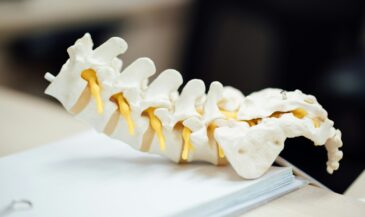
The intervertebral disc is not passive padding. It is an active structure designed to act as a shock absorber between the vertebrae in your spine. Spinal discs allow motion, absorb load, and protect the spinal nerve and nerve root as forces travel through the spine.
Each disc has a layered design. The annulus fibrosus forms the tough outer layer, while the nucleus pulposus sits within the disc and helps distribute pressure. Under repetitive compression, bending, or rotation, the nucleus can migrate toward areas of weakness in the annulus. This is how a disc can bulge, protrude, or progress toward herniation.
From a chiropractic lens, discs do not fail in isolation. They are influenced by posture, motor control, and how the nervous system stabilizes each spinal segment. Two patients can have the same disc damage on imaging and completely different clinical outcomes. The difference is neurological organization and adaptability.
- Annulus fibrosus: the outer layer that contains disc pressure
- Nucleus pulposus: the inner gel that distributes load
- Discs act as shock absorbers for the spine
Learn more about INSiGHT scanning?
Fill this out and we’ll get in touch!
"*" indicates required fields
How a Disc Protrusion Develops Over Time
Disc protrusion rarely appears overnight. More often, it reflects disc degeneration driven by repetitive load, poor posture, and uneven movement patterns. Degenerative changes and degenerative disc disease describe gradual shifts in disc hydration and resilience, not inevitable decline.
As load becomes uneven, the disc absorbs stress asymmetrically. Over time, the nucleus shifts and the annulus weakens. A damaged disc may then protrude or progress toward disc herniation. Add rotation, sustained sitting, or heavy lifting, and symptoms can finally surface.
Neurologically, the body often responds with protective postural tension. This guarding reduces motion but increases fatigue and irritation. This is why disc herniation may feel unpredictable and why symptoms fluctuate with stress, sleep, and activity.
Common Locations and Clinical Presentations
Most disc protrusion cases appear in the cervical or lumbar spine. A herniated disc in the neck often presents as neck pain, pain in the neck, or arm symptoms. Lumbar cases more commonly involve lower back pain, low back pain, or leg referral.
The size of the herniated disc matters less than how the nerve root responds. Some patients with a small protrusion experience significant numbness and weakness. Others with larger disc bulges function surprisingly well.
Clinically, chiropractors watch for centralization, movement tolerance, and neurological stability. These functional markers guide care far more effectively than imaging alone.
Neurological Signs and Symptoms
A disc protrusion becomes clinically relevant when it interacts with the nerve system. Symptoms of a herniated disc often include numbness, tingling, weakness, and radiating pain and discomfort. These signs reflect nerve irritation, not just disc position.
Compression is not the whole story. A spinal nerve can be irritated without dramatic imaging findings. This is why chiropractors evaluate function, reflexes, strength, and movement quality rather than relying on reports alone.
When chiropractors explain that symptoms reflect neurological stress, patients stop fearing movement and start participating in recovery.
Chiropractic Examination for Disc Protrusion
The chiropractic exam focuses on patterns, not labels. Range of motion, orthopedic testing, and neurological findings help determine whether a disc issue is stable, improving, or worsening.
A chiropractor looks for tolerance. What movements calm symptoms? What movements provoke them? This guides a treatment plan to address function safely and effectively.
Chiropractic Care for Disc Protrusion
Chiropractic care offers a non-surgical treatment option for many disc cases. The goal is not to force a disc back in place, but to reduce irritation, restore motion, and support natural healing.
Chiropractic care is a non-invasive, drug-free treatment that respects tissue tolerance. Chiropractic care offers an effective treatment path when patients understand that progress may fluctuate.
When patients ask, “Can a chiropractor fix a herniated disc?” the honest answer is that chiropractors help the body adapt, stabilize, and recover rather than chasing a mechanical fix.
Chiropractic Techniques Commonly Used
Technique selection depends on presentation. A spinal adjustment may restore motion in tolerant segments. Spinal decompression and flexion-distraction gently stretches the spine to reduce compression.
Soft tissue work, mobilization, and exercise support spinal stability. The best treatment is the one the nervous system can accept.
- Spinal adjustment for joint motion and restoration of neurological controls
- Spinal decompression may reduce disc pressure while the body is adapting
- Soft tissue work and light exercise to help reduce postural tension
Exercise, Movement, and Posture
Movement matters. Exercises that support disc health, core control, and posture reduce repeated stress. Chiropractors guide patients toward safe, low-load strategies that promote healing.
This is how chiropractic care helps patients transition from fear towards confidence.
Disc Protrusion Versus Bulging or Herniated Disc
Patients confuse bulging or herniated disc terminology. Chiropractors clarify that disc bulges, protrusion, and herniation exist on a spectrum.
A disc protrusion does not automatically progress to rupture. Clear communication prevents unnecessary escalation.
Neurological Scanning and Disc Protrusion: The INSiGHT Advantage
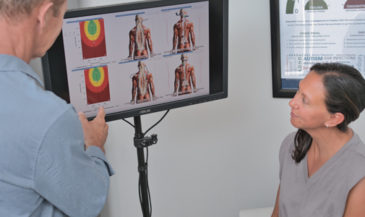
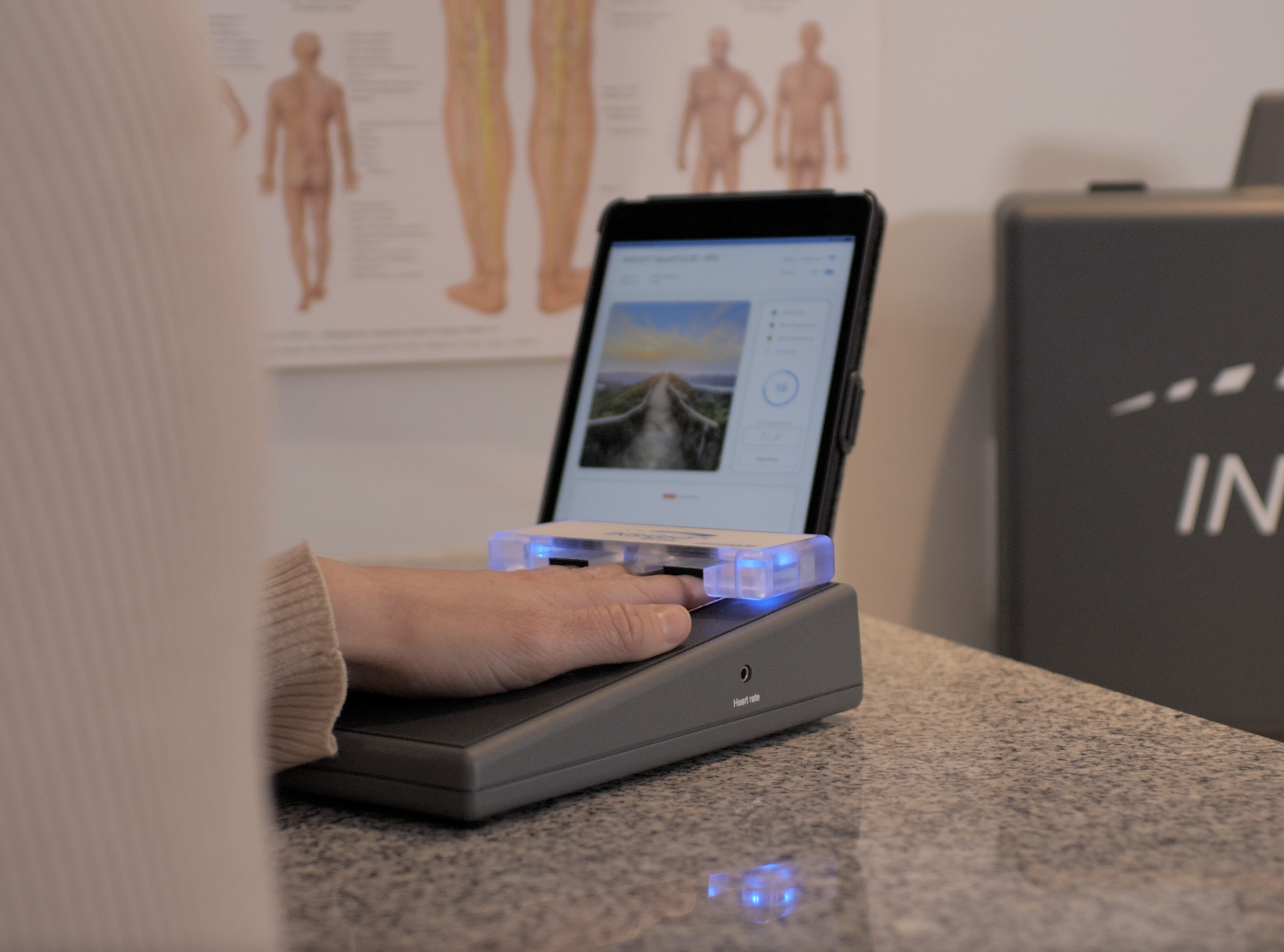
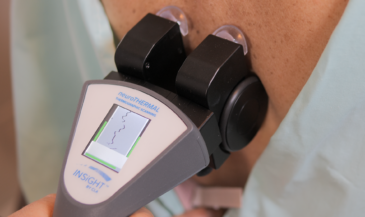
This is where INSiGHT scanning technology transforms disc protrusion cases. The INSiGHT neuroTECH and Synapse software provide objective neurological data that shows how the spine and nerve system are adapting.
neuroCORE sEMG reveals postural tension patterns. neuroTHERMAL highlights segmental stress. neuroPULSE HRV measures adaptability. Together, they provide proof your care is making a difference without replacing clinical judgment.
Patients stop guessing. They see progress.
When patients understand what is happening and why care works, they stay engaged. That is chiropractic at its best.