

The truth is that the nervous system does not work in isolation. It is always communicating with the muscles, joints, tissues, and organs. The body moves, breathes, reacts, and adapts based on a constant stream of neurological feedback. So when someone is experiencing what they describe as muscle tightness, weakness, coordination issues, or tingling, what they are often describing is a deeper imbalance in the way the nervous system is performing.
Let’s explore the different professionals involved in neuromuscular care, when a referral is appropriate, and how neurologically focused chiropractic care supported by INSiGHT scanning technology provides an invaluable tool for identifying and addressing patterns of neurological distress that may not show up on traditional imaging or lab reports.
Different Doctors, Different Lenses
When we talk about a doctor that specializes in muscles and nerves, there is no one-size-fits-all answer. Instead, there are several types of physicians and providers, each with their own focus. Depending on the situation, one or more of these professionals may need to work together to fully understand and support the patient’s needs.
Neurologists are trained to diagnose and manage conditions that directly affect the nervous system. They focus on the brain, spinal cord, and peripheral nerves. If a patient is experiencing seizures, tremors, memory loss, unexplained weakness, or progressive numbness, neurologists have the tools and training to assess these concerns. They may order advanced imaging, perform nerve conduction studies, or monitor cognitive function. While neurologists do not perform surgery, they are key in the medical management of conditions like multiple sclerosis, epilepsy, Parkinson’s disease, and various types of neuropathy.
Neurosurgeons handle the surgical side of neurological care. Their work focuses on correcting physical problems that impact the central or peripheral nervous system. That may include removing tumors, relieving spinal cord compression, or stabilizing structural abnormalities. When conservative care has been exhausted and structure is the driving factor behind nerve compression, the neurosurgeon’s role becomes clear and critical. They rely heavily on advanced diagnostics and collaborate closely with neurologists and other providers.
Orthopedic surgeons specialize in the bones, joints, and overall structure of the body. Many cases of musculoskeletal distress stem from chronic degeneration, traumatic injury, or wear-and-tear that results in structural change. Orthopedic surgeons evaluate the integrity of the joints and spine, determine whether conservative management is appropriate, and perform surgeries when joint replacement, spinal fusion, or mechanical correction is needed. They frequently treat sports injuries and degenerative disc conditions, and are often called upon when structural failure is present or suspected.
Physiatrists, or doctors of physical medicine and rehabilitation, play an essential role in helping patients recover from injury and improve function. They are especially valuable after strokes, spinal cord injuries, and orthopedic surgeries. Physiatrists do not perform surgery, but they serve as team leaders for rehabilitation programs. They guide patients through customized recovery plans, often coordinating physical therapy, occupational therapy, and long-term goal setting. Their role is not to identify disease, but to restore the ability to live and move with more ease and strength after a setback.
Chiropractors, particularly those trained in neurologically focused care, offer a performance-oriented approach. Rather than focusing on diagnosing disease, chiropractors assess the function and adaptability of the nervous system. When interference is found, whether from stress, posture, or overload, chiropractic adjustments are used to restore neurological balance. And when the signs point to something outside of the chiropractic scope, these providers refer patients to the appropriate medical specialist.
Common Conditions and Signs to Watch
Recognizing when to consult each type of provider depends on the signs and symptoms a patient is presenting. Here are some of the most common scenarios:
- Sudden numbness, weakness, or loss of coordination, especially on one side of the body, could be a sign of a stroke or central nervous system compromise. This should be evaluated by a neurologist or emergency physician immediately.
- Recurring migraines, tremors, or seizure activity are typically assessed by a neurologist for neurological dysfunction or electrical instability in the brain.
- Chronic joint pain, spinal instability, or suspected fractures are best assessed by orthopedic surgeons, especially if imaging shows degeneration or structural compromise.
- Post-surgical patients, or those recovering from significant injuries, often benefit from a physiatrist’s coordination of rehabilitation services to improve strength, balance, and independence.
- Patients with recurring tension, postural strain, or nervous system fatigue that impacts coordination or energy often benefit from chiropractic evaluation—especially when standard medical testing returns inconclusive results.
In all cases, the patient’s first encounter sets the tone. A well-structured exam helps determine which provider is the right fit and ensures care begins in the right place. Objective testing helps remove the guesswork, which is where neurologically focused chiropractic care shines.
Learn more about INSiGHT scanning?
Fill this out and we’ll get in touch!
"*" indicates required fields
The Role of Objective Assessment
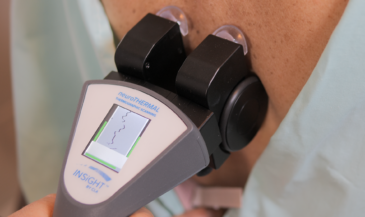
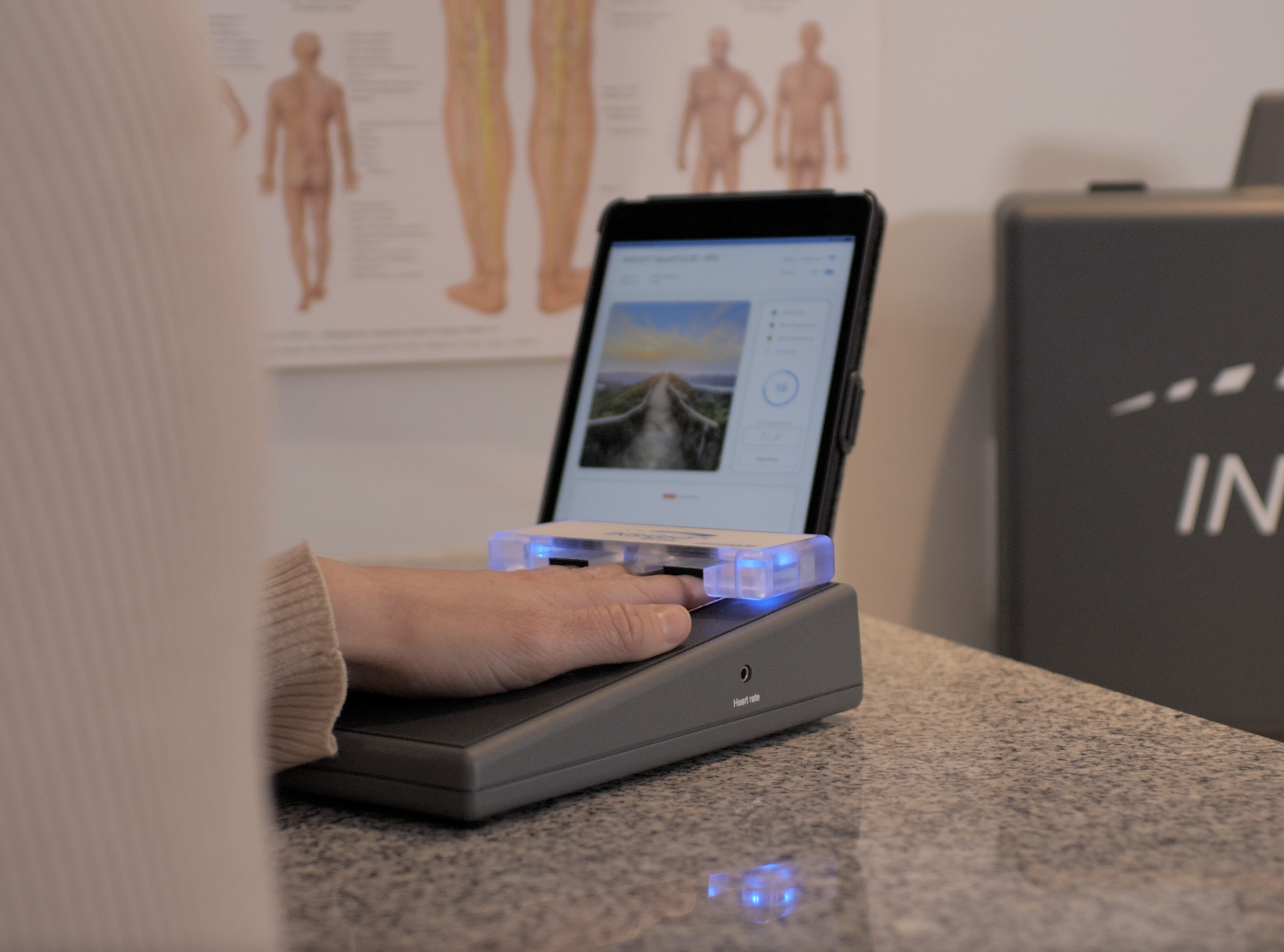
For years, chiropractors relied primarily on palpation, posture, and patient history to determine care strategies. While those tools still matter, today’s practices have a powerful advantage: technology. With the INSiGHT scanning system, chiropractors can assess nervous system performance using three key instruments—neuroCORE sEMG, neuroTHERMAL, and neuroPULSE HRV.
neuroCORE sEMG measures motor control along the spine. It highlights areas where muscles are working too hard or not enough to maintain upright posture. Over-recruitment and underuse often reveal poor communication between the brain and body. These patterns show up in postural fatigue, imbalance, or abnormal spinal loading—common signs of deeper neurological inefficiency.
neuroTHERMAL detects temperature asymmetries along the spine, which point to dysregulation of autonomic nerve flow. These patterns often correlate with areas of sympathetic overdrive, meaning the body is stuck in a stress response and not regulating as it should. It’s especially helpful when assessing children, athletes, and patients who are not in active symptoms but still experiencing underlying dysfunction.
neuroPULSE HRV analyzes heart rate variability to provide a snapshot of how adaptable the body is. High variability reflects a resilient nervous system. Low variability signals that the system may be under chronic strain and lacking reserve. This scan is particularly valuable when tracking the progress of patients over time or during recovery from stress-related exhaustion.
Each of these instruments adds a different layer to the exam. Together, they form a powerful picture of how the nervous system is functioning in real time—without requiring invasive tests or subjective interpretation. They do not diagnose disease. Instead, they measure patterns of performance, which is a critical distinction in building care plans that focus on adaptability, not just symptoms.
Designing Care Based on Function
Once the scans are completed, the real conversation begins. It’s not about selling the patient on a number of visits or locking into a rigid schedule. It’s about helping them see what’s happening in their nervous system, why it matters, and how it can change under care.
A patient with mild back stiffness might not think it is a big deal. But if their sEMG shows one side of their lower back is firing five times harder than the other, and the thermal scan reveals asymmetry in the same region, it tells a different story. If HRV shows that their adaptability is trending downward, the care plan becomes even more relevant.
This approach shifts the conversation from pain to performance. It helps the patient see that the goal is not just to feel better, but to function better. More importantly, it helps the chiropractor know when care is working and when it is time to re-evaluate, modify, or refer out for additional input.
Referral, Co-Management, and Collaboration
Great chiropractic care does not exist in isolation. The most effective providers understand when to refer, how to collaborate, and what role they play in the broader care journey. When neurological findings persist, when symptoms escalate, or when deeper investigations are needed, the chiropractor must be ready to communicate clearly with medical colleagues.
The INSiGHT scanning suite helps here too. Its reports provide visual, objective data that can be shared with neurologists, orthopedic teams, and physiatrists. Instead of saying “I think something is off,” the chiropractor can say, “Here is the scan that shows how this region is failing to regulate or recruit. Based on these findings, we’re recommending further evaluation.”
That level of professionalism builds trust. It makes chiropractors part of the solution rather than standing outside of it. And it makes it easier for patients to move seamlessly between providers without losing momentum in their care.
Moving Toward a Performance-Based Future
Healthcare is evolving. People are no longer satisfied with vague answers or symptom suppression. They want to know how their body is functioning. They want to see progress. And they want providers who can communicate with each other across disciplines to help them feel and perform their best.
Chiropractors who understand the nervous system’s role in movement, regulation, and adaptation are in a powerful position to lead that charge. By using scanning technology to measure neurological performance, they become trusted advocates—not just for care, but for clarity.
So the next time someone asks, “Who do I see for muscles and nerves?” the answer might surprise them. It might not be just one doctor. It might be a team. And it might start with a chiropractor who knows how to listen to the nervous system, analyze what it’s saying, and coordinate the care that follows.