

When you are learning how to sleep with lower back pain and sciatica, even small shifts in position can change how your night feels. When the sciatic nerve is irritated, certain setups cause pain to surge, and your sleep quality drops. Many people with sciatica describe a cycle that is hard to break: restless evenings, a fractured night’s sleep, and a body that never fully resets. The good news is that better nights are possible with simple steps that keep your spine supported and reduce pressure on your sciatic nerve.
What Is Sciatica And Why Does It Disrupt Sleep?
Sciatica refers to irritation of the sciatic nerve, which is the longest and thickest nerve in the body. It starts in the lower spine and travels through the buttocks, down the back of the leg, and into the foot. When compressed or inflamed, the nerve can cause radiating pain, tingling, numbness, or weakness along that path. Unlike general back pain, sciatica symptoms follow a very specific route.
At night, discomfort often increases because of certain sleep positions that apply pressure to the lower back or hips. For some, even a small twist in posture can spark a cascade of symptoms. On top of that, unresolved daytime stress can keep the nervous system in a sympathetic state and making it harder for the body to relax into deep, restorative sleep.
How Does Sciatica Differ From “Back Pain”
Sciatica is not just pain in the back. It describes a pattern of signs traveling along the sciatic nerve, often on one side, starting in the low back and moving into the buttock, down the back of the leg, and sometimes into the foot and toes. In most cases, sciatica is linked to the cause of your sciatica being a herniated or bulging disc that irritates a nerve root herniated disc. It can also relate to spinal stenosis, osteoarthritic changes, or a pelvic injury. Rarely, a mass can irritate the nerve root. The hallmark is that the pathway follows the nerve itself, and sciatica symptoms are often unilateral radicular pattern.
By contrast, lower back pain is a broader category. Many people have low back pain related to muscles, joints, or postural tension that never involve the sciatic nerve. Only a subset of back pain cases qualify as true sciatica subset of LBP. That distinction matters when choosing a sleep position and a position for sciatica that helps you find relief at night.
From a neurologically focused chiropractic view, sciatica reflects both mechanical load and neurological distress. Sympathetic overdrive raises baseline postural tension around the spine, which can amplify sensitivity at night. Small changes like sleeping on your side with a pillow between your knees, or lying on your back with a pillow under your knees, can reduce nerve load and help you sleep better side-lying with pillow.
Learn more about INSiGHT scanning?
Fill this out and we’ll get in touch!
"*" indicates required fields
Why Sciatica Flares at Night: Position, Pressure, and the Spine
Nighttime magnifies how tissues react to load. When alignment slips, pressure can rise near irritated segments, and pain when sleeping spikes non-neutral positions. Twisting, a sudden cough, or a sneeze can feel like it is pressing on the sciatic nerve and can send symptoms down the leg cough/sneeze increase pressure. The goal overnight is simple. Keep a comfortable sleep position that maintains a quiet lumbar curve and reduces provocation.
From a neurological standpoint, daytime stress patterns often carry into the night. When the system is stuck in sympathetic drive, stabilizers tighten and the pelvis twists more readily. That is why how to sleep with lower back pain and sciatica focuses on setups that stabilize the pelvis and ribs so the spine can rest sympathetic overdrive.
Think of stacking the head, ribcage, pelvis, and hips in one line. Pillows then fill gaps and prevent rolling. In a solid setup, the pelvis stays level, the lumbar curve is supported, and the legs do not rotate across the midline. This best position strategy helps reduce pain from irritated tissues and eases sciatic nerve pain triggers maintain neutral.
Choosing the Right Mattress and Pillow Setup
Your sleep surface plays a critical role in how your body decompresses overnight. A medium-firm mattress is generally best because it supports your spine without being overly rigid. If your bed is too soft, your hips may sink, causing the spine to twist. If it’s too firm, you may experience tension in your joints.
Strategic pillow placement can help maintain alignment and ease tension on the sciatic nerve:
- Place a pillow under your knees if sleeping on your back.
- Use a pillow between your knees if sleeping on your side to keep the pelvis level.
- A small towel or pillow at your waist can help fill any gaps and prevent spinal sag.
- Consider a full-body pillow to prevent rolling or twisting during the night.
Best Sleeping Positions for Sciatica Relief
The goal is to support your spine and avoid positions that add pressure to the lower back. Here are a few sleep positions that many people with sciatica find helpful:
Side Sleeping: Lie on your non-painful side with a pillow between your knees. This helps align your hips and reduces pressure on the sciatic nerve. If needed, add a small pillow at your waist to keep your spine level.
Back Sleeping: Lie flat with a pillow under your knees. This helps maintain your lumbar curve and reduces stress on the lower back. You can also place a rolled towel under your low back for extra support.
Fetal Position: Curling into a gentle “C” shape may relieve disc pressure. Keep a pillow between your knees to avoid twisting.
Stomach Sleeping: Generally discouraged, as it increases lumbar strain. But if it’s your only comfortable position, try removing the head pillow and placing a thin pillow under your abdomen to support the spine.
Before-Bed Routines That Calm the Nervous System
Even the best sleeping position for sciatica works better when tissues are quiet before lights out. In the first 48 to 72 hours of a flare, some find sciatica pain relief with brief icing, then gentle heat as irritability settles ice then heat. Heat lower back before bed can relax postural tension and make your setup easier to maintain.
Keep mobility simple with a few minutes for hips and hamstrings and light core engagement. The intent is to balance tone around the pelvis, not to work out. Massage techniques for sciatica, such as slow, sustained pressure to the gluteal area while avoiding the nerve track itself, or a warm bath can aid nerve pain relief at night warm bath helps.
When the body downshifts from sympathetic overdrive, sciatic pain settles and pain relief at night becomes more attainable autonomic balance.
Preparation matters. A calm nervous system and relaxed muscles set the stage for better sleep. Here are some bedtime practices that can help:
- Avoid caffeine before bedtime
- Apply heat to your lower back to ease tension before bed.
- Do light stretches for your hips and hamstrings.
- Use a foam roller or massage tool on your glutes (avoid rolling directly on the nerve).
- Take a warm bath to lower stress hormones and ease into rest.
- Stick to a consistent wind-down routine—limit screens, dim the lights, and avoid caffeine late in the day.
Daytime Habits That Improve Nighttime Recovery
What you do during the day can set you up for better sleep at night. If you sit for long stretches, get up every 30 to 45 minutes to walk or stretch. Avoid crossing your legs or slouching, as this can rotate the pelvis and strain the lower back.
Incorporate gentle movement like walking or swimming to keep the spine mobile and circulation strong. If you carry bags, switch sides often. And avoid staying in bed too long—movement is essential for recovery.
Where INSiGHT Scanning Fits In
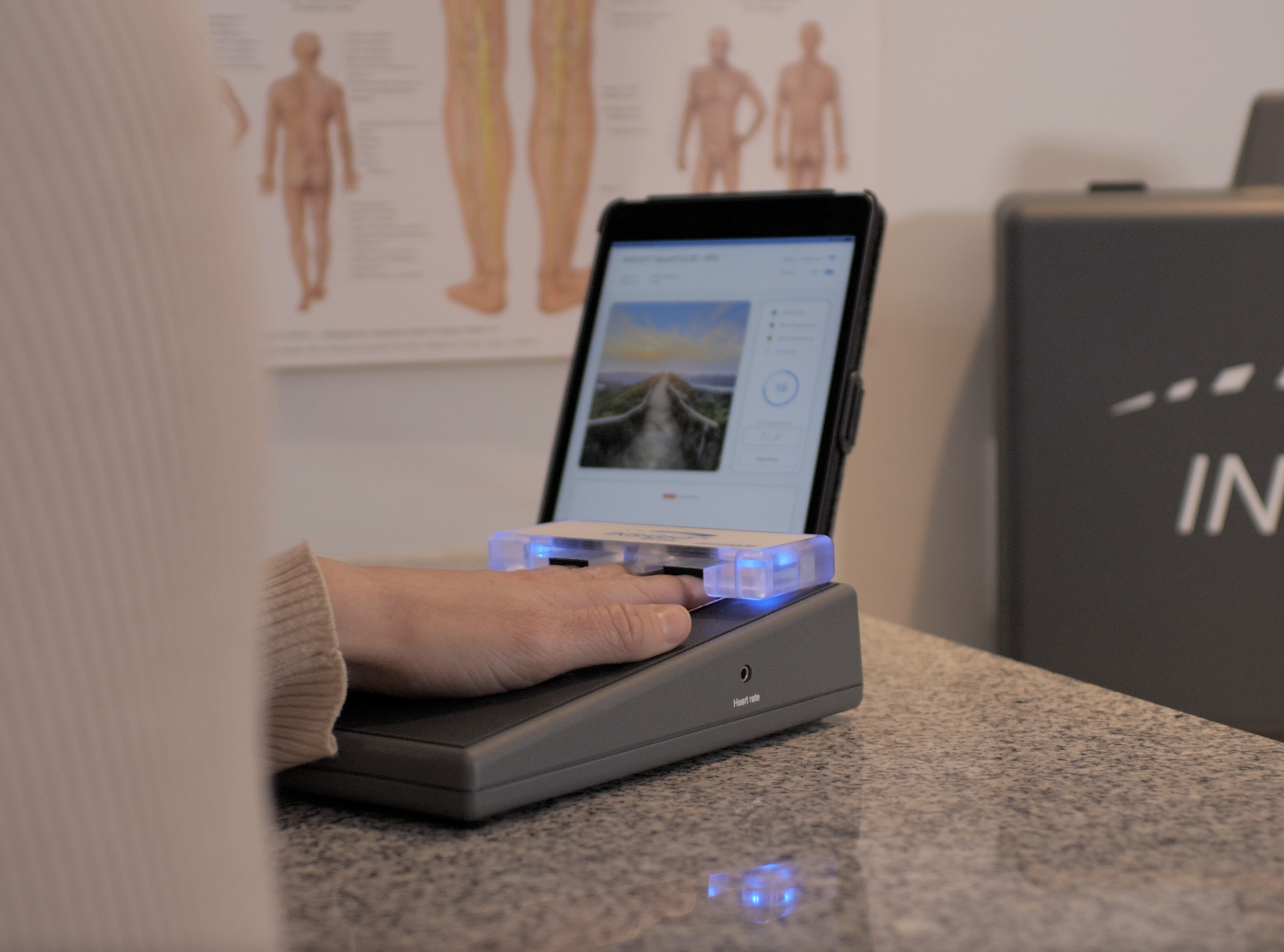
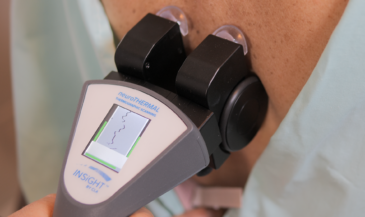
With INSiGHT scanning technology, chiropractors examine three complementary dimensions and translate them into simple scan views that provide clear proof your care is making a difference over time.
- neuroPULSE HRV: Shows autonomic balance and activity. HRV is a validated, non invasive measure of autonomic function in chiropractic research HRV reflects ANS and changes alongside pain have been documented in a multicenter study HRV + pain change.
- neuroTHERMAL: Highlights thermal asymmetries that point to regulation challenges and nerve tension in specific spinal regions thermography reliability and quantification standards exist for interpreting asymmetry quantified asymmetry.
- neuroCORE sEMG: Maps paraspinal muscle activity and postural loading patterns sEMG utility and pilot data demonstrate measurable change under care sEMG change.
INSiGHT scanning technology provides a clear, objective picture of what’s happening beneath the surface. By measuring muscle activity, thermal regulation, and heart rate variability, your chiropractor can see how well your nervous system is adapting to stress and where tension is building.
This data helps guide personalized care plans and track real progress over time. It’s not about guessing where the problem lies. It’s about using technology to see what your body is telling us and helping you make targeted improvements that lead to better sleep and better recovery.
Know When to Seek Further Help
Most cases of sciatica respond well to conservative care. But if you experience any of the following symptoms, reach out to a healthcare provider promptly:
- Loss of bladder or bowel control
- Severe or worsening leg weakness
- Numbness in the saddle area
- Unrelenting night pain
- Recent trauma or fever
Checklist: Setting Up for a Better Night
- Choose side or back sleeping with appropriate pillow placement
- Keep your mattress medium-firm
- Warm up your body before bed—heat, stretch, or soak
- Stick to a relaxing evening routine
- Stay gently active during the day
- Work with your chiropractor to monitor changes and refine care
Better Sleep Is Possible
When you’re dealing with sciatica or lower back pain, the way you sleep matters more than you think. With the right position, the right support, and a calm nervous system, your body can begin to recover. Small changes make big differences, especially when paired with expert care and objective data from INSiGHT scans.
Don’t give up on sleep. With patience, persistence, and a neurologically sound plan, better nights are possible.