

Here is the simple truth from a nerve-first point of view. Sciatica refers to pain that is usually caused by pressure on the sciatic nerve near the nerve root. That pressure can come from a herniated disc, a bone spur, or spinal stenosis, and the right doctor depends on the cause and the severity of your sciatica. In this guide, I will walk you through your options, from primary care to chiropractic, physical therapy, interventional pain, and surgical specialists. I will also show you how objective neurological analysis with INSiGHT scanning technology helps diagnose sciatica and track recovery, so you can schedule an appointment with confidence and start moving toward relief.
Symptoms of Sciatica
The classic symptoms of sciatica follow the pathway of the sciatic nerve. Sciatica pain often starts in the lower back, travels through the buttock, and becomes leg pain that can reach the calf or foot. Many describe a sharp or electric sensation, others feel a deep ache, and some notice numbness or tingling. Because sciatica refers to pain along a nerve pathway, you might notice weakness in certain movements if the nerve root is irritated.
These symptoms of sciatica can vary from mild to intense. For some, it is back pain or leg pain that comes and goes with certain positions. For others, it is persistent pain that runs down one side and makes it hard to sit, stand, or sleep. Sciatica is often one-sided, though it can switch sides if the underlying forces in the spinal region keep shifting.
Pay attention to patterns that help confirm that the pain is sciatica. You may feel pins and needles in the calf or foot, a sense of heaviness, or difficulty rising from a chair. These findings suggest nerve compression or irritation near a lumbar nerve root, often from a small mechanical problem that your body has been compensating for. From a nerve-first perspective, these are signs that your nervous system performance is being tugged off course by ongoing neurological distress.
- Common features: one-sided leg symptoms, tingling or burning, muscle weakness, sitting intolerance, and morning stiffness
- Less common but important: symptoms that worsen with coughing or sneezing, or relief when briefly leaning forward
Know the red flags that require immediate medical evaluation. If you notice bowel or bladder dysfunction, profound weakness, or numbness in the saddle region, seek urgent care. These signs can indicate severe nerve root compromise. While sciatica is usually manageable with a conservative care plan, the severity of your sciatica and how quickly it changes will guide which doctor you see and how fast you should move to the next step.
Causes of Sciatica
The most common causes of sciatica include herniated disc or bone spur and spinal stenosis. A herniated disc can place direct compression on a nearby nerve, while a bone spur can crowd the opening where the nerve passes. With spinal stenosis, the canal narrows and ongoing nerve compression can flare with standing or walking. Each of these situations can create mechanical stress that the body tries to compensate for until the system reaches a threshold and the symptoms appear.
Beyond these obvious culprits, sciatica causes can include postural adaptations, asymmetrical loading, and prior injuries that increase nerve tension around the lumbar segments. From a nerve-first perspective, this is not only a structural problem—it’s also a sign that nervous system performance is struggling to adapt to ongoing neurological distress. Research in vertebral subluxation research supports that postural asymmetries and thermal imbalances can correlate with nervous system inefficiency.
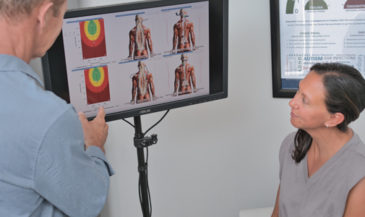
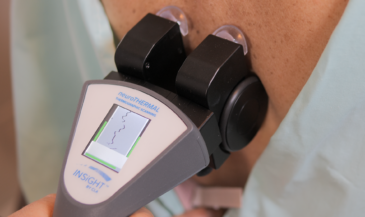
This is where objective analysis helps. A chiropractor can perform a full spine nerve system scan using INSiGHT scanning technology to reveal patterns that standard tests may miss. Studies from multisite HRV research and surface EMG confirm that these scans provide reproducible and clinically relevant insights into neural function. Your doctor interprets these findings to determine the factors causing pain and guiding your recovery plan.
Learn more about INSiGHT scanning?
Fill this out and we’ll get in touch!
"*" indicates required fields
When to See a Doctor for Sciatica
If your symptoms last beyond a week or interfere with walking or sleep, it’s time to see a doctor. Early diagnosis and treatment improve outcomes. Start with a primary care physician or chiropractor for a thorough exam. From there, next steps depend on the severity of your sciatica and what imaging or objective findings reveal. If your pain persists despite rest, or if you experience weakness or red flags, you may need treatment from specialists such as physiatrists or orthopedic doctors.
At your initial visit, expect an exam that checks muscle strength, reflexes, and motion patterns. Chiropractors often use INSiGHT scanning technology to perform neurological analysis that clarifies how your nervous system is adapting. Based on the findings and depending on the cause, your provider will discuss treatment options and help you schedule an appointment for any follow-up care or imaging.
Types of Doctors Who Treat Sciatica
Several professionals can treat sciatica. The right type of doctor depends on your symptoms, findings, and goals.
- Chiropractor – Focuses on improving nervous system performance. Studies on chiropractic adjustments demonstrate changes in autonomic regulation and postural control that may reduce irritation to the nerve root.
- Primary Care Physician – They rule out serious causes and coordinate with doctors who specialize in spine and nerve care.
- Physical Therapist – A physical therapist builds strength and flexibility in the lower back and hips, often part of conservative sciatica treatment.
- Pain Management Specialist – These pain specialists provide interventional pain procedures like epidural steroid or other steroid injections to reduce inflammation and achieve pain relief.
- Orthopedic Doctor or Orthopedic Surgeons – An orthopedic doctor or orthopedics specialist addresses structural issues in the spine. They provide surgical treatment when a herniated disc or spinal stenosis requires minimally invasive decompression.
- Neurologist or Neurosurgeon – Handle complex nerve pain or deficits requiring advanced evaluation or surgery.
How INSiGHT Scanning Brings Certainty to Your Care
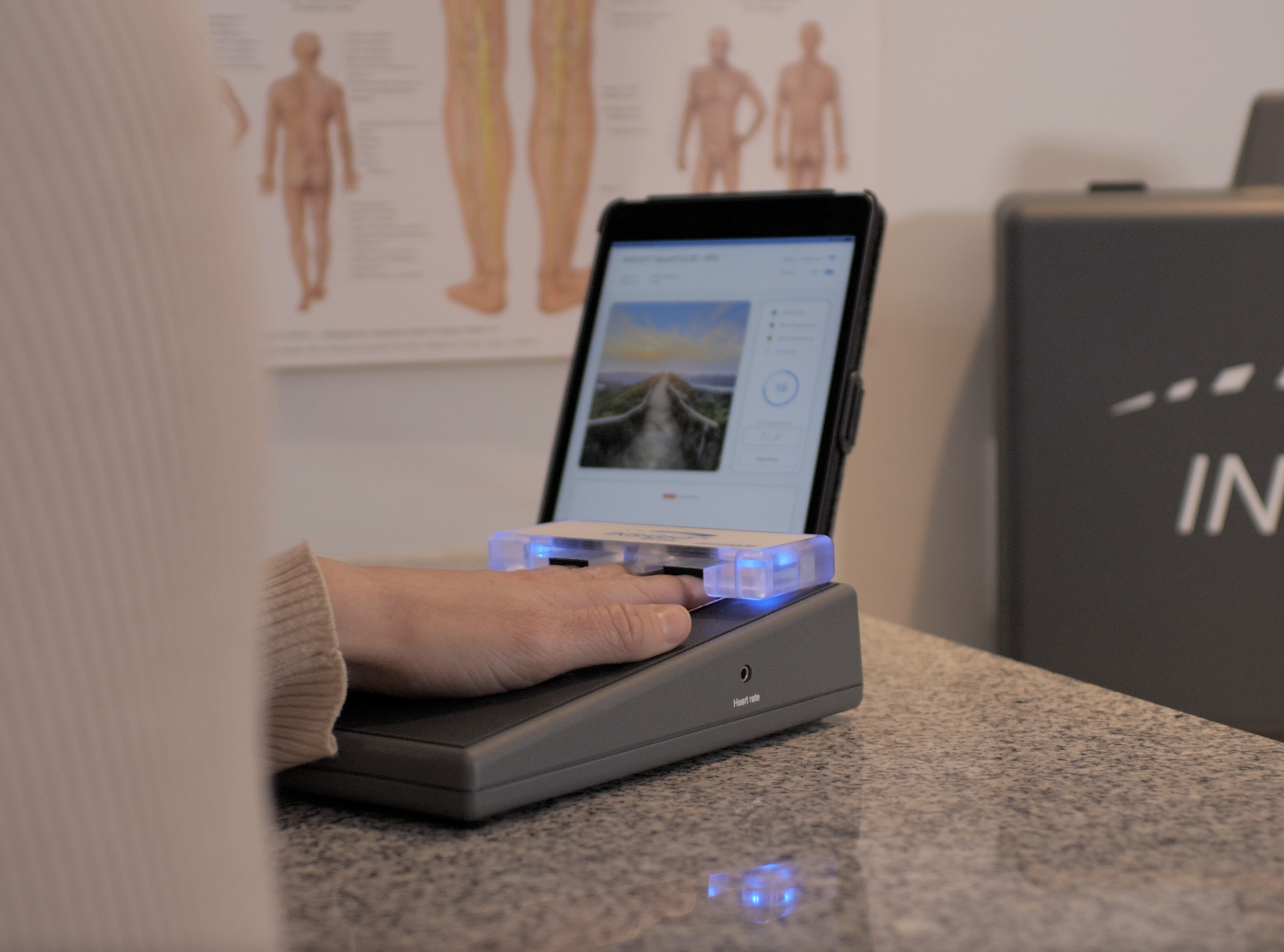
The INSiGHT neuroTECH and Synapse software help chiropractors perform a three-dimensional analysis of the nervous system using HRV, sEMG, and thermal scans. According to thermography reviews, these technologies have demonstrated reliability in evaluating autonomic patterns and postural asymmetries.
The neuroCORE, neuroTHERMAL, and neuroPULSE instruments integrate into the CORESCORE, providing objective data that shows how your system is adapting. Research by Kent and colleagues demonstrated that HRV and related measures can reflect autonomic balance and adaptation during chiropractic care. This gives both practitioner and patient proof your care is making a difference and supports measurable progress throughout your care plan.
Sciatica Treatment Paths from Conservative to Surgical
Your plan should match your findings. For most, conservative care such as chiropractic adjustments and physical therapy are first-line treatments for sciatica. Studies in spine research show that non-surgical management can produce strong outcomes for many with lumbar disc issues. Chiropractic adjustments aim to treat sciatica by improving joint motion and reducing interference along the spinal region, helping to relieve pain and restore movement.
When inflammation persists, pain management specialists may add epidural or steroid injections to control irritation. If conservative methods fail and imaging shows significant compression, spine doctors might recommend minimally invasive decompression or back surgery to relieve pressure on the irritated nerve root.
Even post-surgery, ongoing chiropractic evaluation and INSiGHT scanning help ensure nervous system performance remains balanced. The goal is always the same: restore motion, improve adaptation, and create lasting relief from your sciatica.
Protecting Your Progress
Recovery doesn’t end when symptoms fade. Building lower back strength and flexibility, maintaining posture, and tracking nervous system performance are keys to preventing recurrence. Ongoing HRV analysis and periodic full-spine scans confirm your system is adapting efficiently and staying resilient.
Since sciatica is often linked to periods of overload, consistent movement, rest, and re-evaluation keep your system responsive. This type of ongoing sciatica care creates confidence that your body is performing at its best long after the initial flare has passed.
Finding the Right Path Forward
Knowing what doctor to see for sciatica becomes easier when you view the condition as both structural and neurological. Start conservatively, and escalate only when necessary. Most cases improve with chiropractic and physical therapy. When inflammation continues, pain specialists and orthopedics teams can assist with interventional options. If imaging reveals a severe herniated disc or stenosis causing pain, then a surgical consult might be the next best step.
With objective tools like INSiGHT scanning technology, your chiropractor can help relieve pressure and track your progress visually and functionally. If your pain persists or your symptoms change, make an appointment promptly. With the right support and clear data, you can regain comfort, restore balance, and get relief from your sciatica.