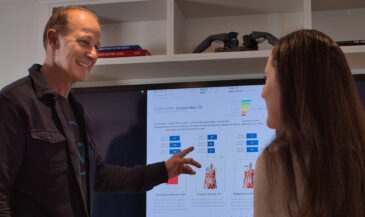

When you put a chiropractic nerve scan into your exam flow, the room gets quieter in the best way. Patients stop asking you to convince them and start asking you to guide them. That shift happens because the scan provides a shared reference point. It shows functional stress patterns and trends that cannot be seen on x-ray, not because an x-ray is unhelpful, but because structure and function are not the same conversation.
In the chiropractic profession, the best use of a chiropractic neurological scan is simple. Establish a baseline. Interpret what the scan shows. Re-scan to document improvements over time. When you can show nervous system performance visually, the care plan conversation stops feeling like a sales conversation and starts feeling like clear clinical leadership.
What Chiropractors Mean by a Chiropractic Nerve Scan
In day-to-day chiropractic practice, a chiropractic nerve scan is not a single test. It is a set of non-invasive scans that evaluate function along the spinal nervous system and help a chiropractor talk about regulation, compensation, and adaptability with confidence. The aim is not to diagnose disease. The aim is to understand nervous system function and to uncover the underlying stress responses that shape how a patient adapts.
Most chiropractors use the term chiropractic nerve scan to describe three complementary data streams: a neurothermal scan (often called thermography), sEMG, and an HRV scan. Together, these scans help us evaluate motor output, autonomic regulation, and reserve. In practical language, the scan helps us identify nerve interference, nerve irritation, and nerve stress trends so we can talk about the root cause without overreaching.
It is also worth saying what this is not. A chiropractic nerve scan does not replace history, orthopedic tests, neurological testing, or clinical reasoning. It also does not replace imaging when it is clinically indicated. An x-ray can provide useful structural information, but functional regulation and nerve interference along the spine cannot be seen on x-ray. That is why the scan has earned such an important role in chiropractic care.
- A chiropractic nerve scan gives objective findings you can reference and compare over time.
- It gives scan views that help patients understand what is happening inside your nervous system.
- It supports clear communication about subluxation and regulation without relying on symptoms alone.
- It helps you measure how well your nervous system adapts instead of guessing.
The Three Core Technologies Behind a Chiropractic Nerve Scan
Most chiropractic clinics that use a chiropractic nerve scan are aiming for the same outcome: less guesswork and more clarity. A three-part scan approach gives you a functional picture from multiple angles, using advanced technology that stays quick, repeatable, and patient-friendly. Done well, the scan measures what your hands suspect and what the patient cannot always explain.
First is Surface EMG, commonly written as sEMG. Surface electromyography measures the minute amounts of electrical energy in the muscles along your spine. It is not needle testing and it is not a disease tool. It is a functional scan that shows the amount of electrical activity and the amount of muscle output present when the body is trying to stabilize. Chiropractors interpret sEMG through the lens of motor nerves and the neuromuscular system, because patterns of tension, imbalance, and exhaustion often point to inefficient energy usage. That is why many offices refer to EMG scans as a way to document change beyond symptoms. When a subluxation pattern is present, nerve interference disturbs normal control, and the muscles may stay “on” when they should be quiet. In plain terms, the scan detects compensation that the patient may have normalized for years.
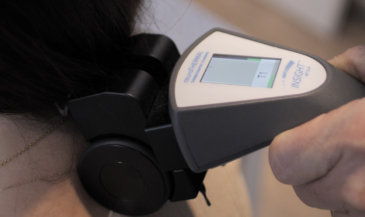
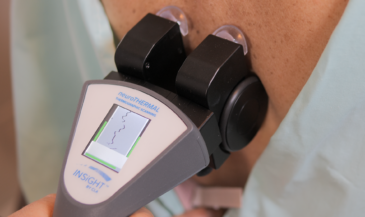
Second is thermography, also called neurothermal in many chiropractic offices. A neurothermal scan reads skin temperature and temperature along the spine, often comparing the side of your spine to the other side. This matters because skin temperature is controlled by autonomic regulation. When stress on your autonomic nerves shifts blood flow control, the scan shows asymmetry along the spine that can reflect stress patterns. Chiropractors often explain this as a window into the autonomic nervous system, since that system influences blood vessels and can be tied to broader regulation, including organ function and gland balance. Again, this is not a diagnosis claim. It is a functional indicator that helps us see where nerves are irritated and where regulation may be strained.
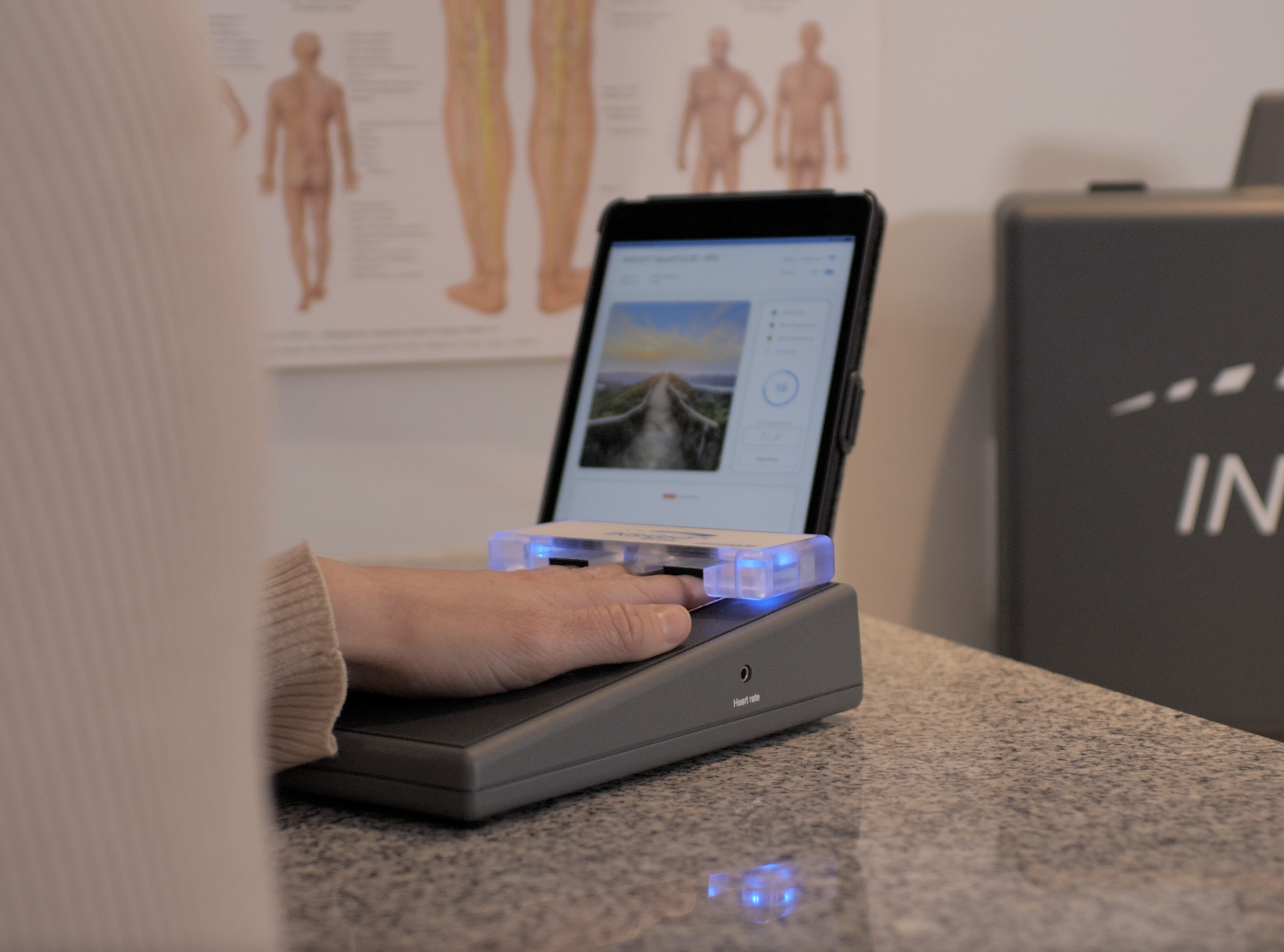
Third is HRV, which evaluates heart rate variability and rate variability rather than only heart rate. HRV gives you a practical look at autonomic reserve and the ability to adapt. If a system is stuck in fight-or-flight, variability often drops. In a chiropractic nerve scan workflow, HRV adds the global layer: how well your nervous system is responding and recovering under load. Put sEMG, neurothermal, and HRV together and you have a clearer functional story: motor output, regulation, and reserve. This is why many chiropractors describe scanning as bringing increased accuracy in diagnosis, meaning increased accuracy in functional assessment and case management decisions.
Learn more about INSiGHT scanning?
Fill this out and we’ll get in touch!
"*" indicates required fields
How Chiropractic Practices Use Nerve Scans Clinically
In a real chiropractic office, scanning is not there to create more paperwork. It is there to create certainty. A chiropractic nerve scan is typically used in a baseline and re-scan rhythm. You gather objective data early, interpret it in context, and then repeat the scan to see how well the system is adapting under chiropractic care. That is where scans help the most: turning “I think” into “here is what the scan shows.”
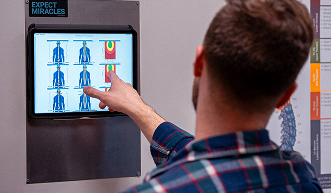
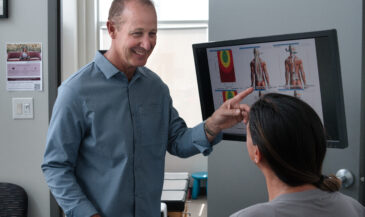
Baseline scanning is often the first time a patient sees objective evidence of stress patterns that align with their story. Some patients report symptoms like back pain or constant stress and tension. Others say they feel fine, but the scan measures compensation and low reserve. This is one reason scanning is such an effective clinical communication tool. It lets you speak about nerve function and regulation without getting trapped in symptom-chasing. It also gives you a clean way to explain what cannot be seen on x-ray. You can evaluate structure with imaging, but you cannot see regulation, compensation, or autonomic balance on a film. The scan provides that missing functional layer.
From there, the chiropractor interprets the data and uses it to guide decisions. This is where the scan helps us prioritize regions along your spine and connect findings to a care plan that is based on function, not just how someone feels on a given day. For example, a thermal asymmetry can suggest stress on your autonomic nerves at a specific spinal region, while sEMG may show patterns of tension that hint at overwork and inefficient stabilization. HRV can add context about reserve and recovery. When you explain that nerve interference along can disrupt nerve signals and that the nervous system is functioning in a defensive state, you are giving a patient a functional explanation that makes sense. It also helps you keep subluxation language grounded. You are not selling a concept. You are showing objective trends and explaining what they mean.
Re-scanning is where a chiropractic nerve scan becomes indispensable. If the scan provides a baseline, follow-up scans provide proof your care is making a difference and also highlight when a system is stuck. That matters for everyday cases and special populations. Athletes and active individuals often appreciate seeing how recovery and compensation shift with care. Pregnant moms benefit from a non-invasive option that gives objective insight without radiation. For families, the scan becomes a gentle, understandable way to track progress. The win is consistent: you can see how well the patient is adapting, you can communicate it clearly, and you can adjust strategy with confidence.
How INSiGHT Scanning Technology Fits the Chiropractic Nerve Scan Model
Once a practice commits to a chiropractic nerve scan workflow, the next question is consistency. That is where INSiGHT scanning technology fits naturally. The INSiGHT is designed to produce objective exam data and reports that support a chiropractor’s interpretation. The technology does not generate the care plan. The chiropractor does. But when you are using insight scans consistently, your reporting becomes repeatable and your communication becomes cleaner. An insight scan becomes the shared reference point that keeps the conversation grounded.
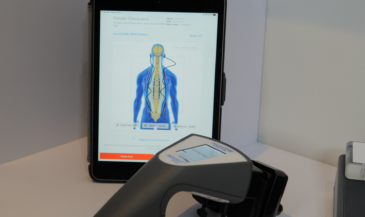
Start with neurothermal. The neurothermal scan component reads skin temperature is controlled by autonomic regulation and helps you evaluate temperature along the spine with repeatable clarity. Many chiropractors describe the instrument as a neuraltherm scanner, and the goal is the same: evaluate side-to-side differences along the spine to identify functional stress patterns that may reflect nerve irritation. This is where you can explain autonomic nervous regulation without getting overly technical. The scan provides a simple visual that supports your interpretation, especially when you are explaining stress on your autonomic nerves in a way patients can understand.
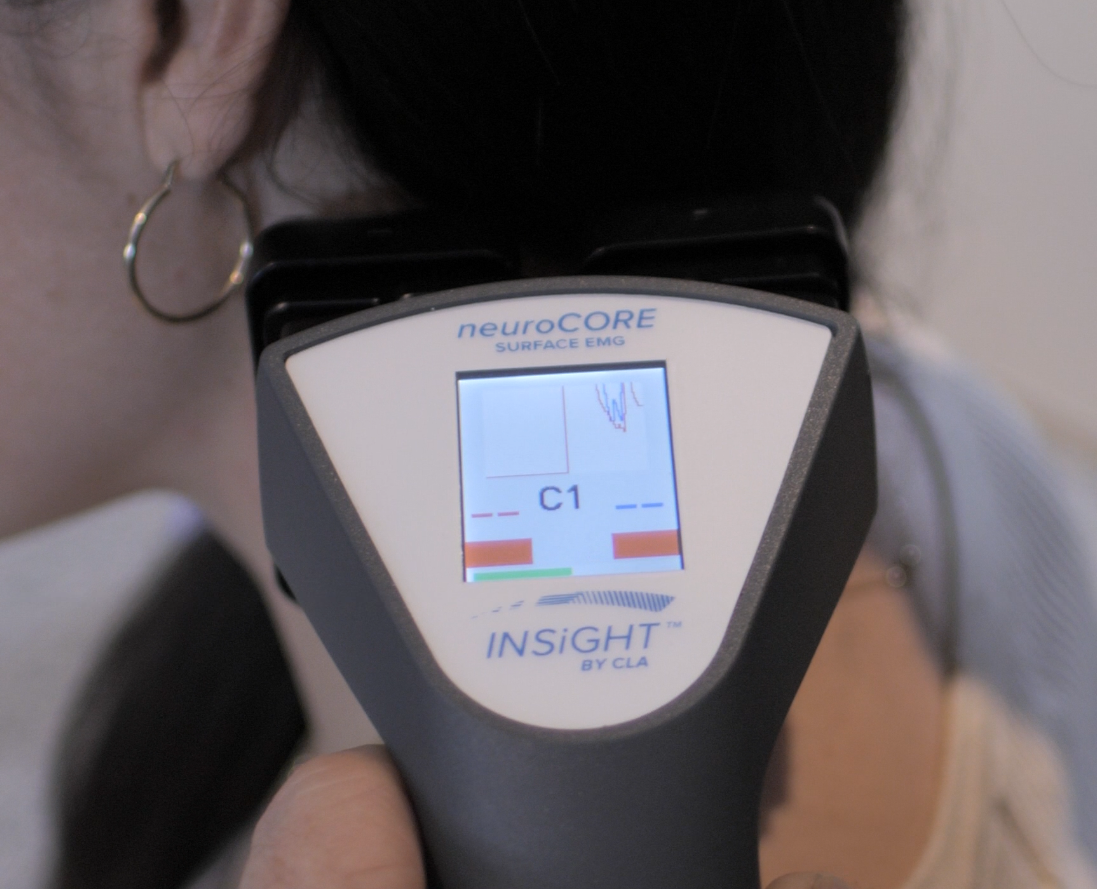
Then there is neuroCORE sEMG. In the chiropractic industry, sEMG is often interpreted through energy expenditure and fatigue. The scan measures paraspinal muscle activity, including the amount of electrical output, and it can highlight patterns of tension and imbalance that suggest compensation. This is the scan chiropractors often use to talk about motor control, stabilization, and the costs of chronic compensation over time. When you are using insight scans to track change, neuroCORE sEMG gives you clear progress data that can support re-evaluations and case management decisions.
Finally, neuroPULSE brings HRV into the chiropractic nerve scan conversation. An HRV scan looks at heart rate variability and helps you measure how well the nervous system can adapt and recover. If the scan shows low reserve, it gives you a grounded way to discuss the impact of stress and how stress on your nervous system can accumulate when recovery lags. Put neurothermal, neuroCORE sEMG, and HRV together and you have a practical scan technology suite that supports clearer decisions and stronger communication. This is not about having more gadgets. It is about having us an accurate, repeatable way to evaluate and explain nervous system performance, then verify improving over time with follow-up scans.
How Chiropractors Communicate and Implement Chiropractic Nerve Scans in Practice
The clinical value of a chiropractic nerve scan is obvious once you use it for a few weeks. The real craft is communication. Patients have language for symptoms. They rarely have language for regulation. So your job is to translate what the scan shows into simple, accurate meaning without turning the visit into a lecture. A phrase I like is: think of it like a report card for function. The scan measures what the body is already expressing, then we use it to track change.
Implementation is easier when the workflow is consistent. In most offices, the scan is quick and non-invasive, using sensors to measure multiple data streams along your spine. The scan detects thermal trends, reads sEMG activity, and captures HRV. Then the chiropractor reviews the scan views and connects them to the patient’s goals. You also place imaging in the right lane. An x-ray can help with structure, but functional patterns and regulation cannot be seen on x-ray. That simple comparison helps patients understand why scanning is part of modern chiropractic care and why a nerve scan is not redundant.
Finally, it helps to anticipate the questions that quietly decide compliance. What does this mean for me? How do we know it is changing? What happens if I stop? Scanning helps you answer all three without sounding salesy because you can return to objective data. If the scan shows a defensive trend, you explain that our goal is to improve stability and reserve until the nervous system’s regulation is more resilient. If re-scans show progress, you can reinforce the care plan with objective proof, not just a good week of feeling better. And if the scan suggests a plateau, you adjust strategy and explain why. This is how scanning strengthens trust.
Practical Implementation Notes for the Chiropractor
If you want chiropractic nerve scan to become part of your standard of care, treat it like an exam standard, not a special event. Scanning works best when it is woven into your initial exam and your re-exam process, with the same consistency you would give to your other objective tests. When your team knows the flow, the scan takes minutes, the patient experience stays calm, and your reporting becomes repeatable.
- Baseline chiropractic nerve scan to establish objective findings along the spine and overall reserve.
- Report of findings tied to nervous system performance, not just symptoms.
- Re-scan checkpoints to see how well the patient is adapting and improving over time.
- Use scan data to adjust priorities and pacing when the system is stuck.
When you present it this way, the patient experience becomes simpler. The scan provides a starting point that can be tracked and compared. You can explain that nerve interference along the spine creates stress responses, and over time that can create other health problems when unaddressed. You keep it grounded, not dramatic. You keep it functional, not fear-based. You help them understand why chiropractic adjustments are recommended and why consistency matters before pain until the damage becomes the only thing they pay attention to.
Common Questions Chiropractors Hear and How Scanning Helps Answer Them
Patients often bring the same objections, even if they do not say them out loud. This is where scanning keeps your answers clean and objective.
- Why scan if we already took an x-ray? Imaging is structural. Functional trends and regulation cannot be seen on x-ray.
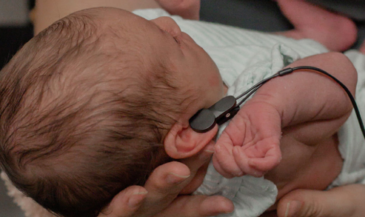
- Is it safe? A chiropractic nerve scan is non-invasive and radiation-free, which is why it is often used for kids and pregnant moms.
- How do we know it is changing? Re-scans show objective trends. The scan provides measurable comparisons over time.
- Does the scan diagnose disease? No. It is a functional assessment that supports neurological health conversations without disease claims.
In chiropractic, many docs also want language that ties scanning to their chiropractic model. It is fair to say subluxation is a chiropractic concept related to neurological interference and altered regulation. In that context, scanning can be technology to help measure subluxations by showing functional compensation and regulation trends rather than relying on opinions alone. It also helps you explain that the central nervous system relies on clean communication between the brain and spinal cord and the rest of the body.
A Scan-Led Path to Clarity and Certainty
A chiropractic nerve scan is not a marketing gimmick. INSiGHT technologies are registered Class II medical devices. The INSiGHT is a practical tool that helps you lead with function and communicate with certainty. When you can show what is happening along your spine, explain how nerve interference disturbs regulation, and document improving over time, you elevate the entire case conversation. You also give your patient something they can understand: objective evidence that their nervous system is functioning differently and that their nervous system’s reserve and adaptability can change under consistent care.
This is also where INSiGHT scanning belongs in the closing message. If your practice is committed to scan-led communication, the INSiGHT brings the three core pillars together in a way chiropractors can use every day: neurothermal for thermal regulation trends, neuroCORE sEMG for neuromuscular compensation, and HRV for adaptability and reserve. Using insight scans gives you consistent reporting, cleaner progress conversations, and a repeatable way to see how well the patient is adapting. That is what a chiropractic nerve scan should do in a modern chiropractic office, and that is why scan-led care continues to grow in the chiropractic industry.