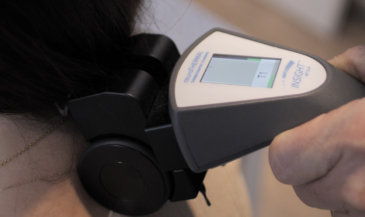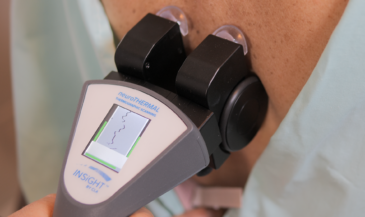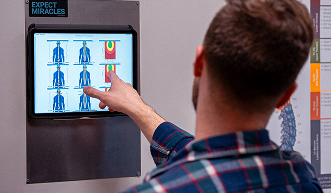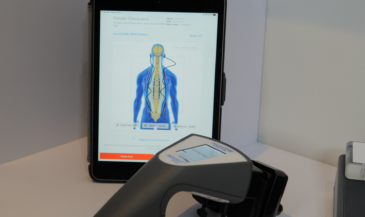


This is where a surface EMG sensor has earned its place in chiropractic today. allows a chiropractor to visualize muscle activity around the spine and translate nervous system behavior into something measurable and understandable. Instead of guessing or relying only on symptoms, you are evaluating how the body is actually functioning in real time.
Used correctly, EMG technology is not about chasing pain or labeling conditions. It is about understanding how the nervous system coordinates muscle and posture, where compensation is occurring, and how the body is adapting. That shift changes the entire conversation in a chiropractic office.
Understanding the Role of EMG Technology in Chiropractic
EMG sensors are designed to capture the electrical activity produced when muscles receive signals from the nervous system. In chiropractic, this information is especially valuable because muscles are one of the clearest outputs of nerve function. When nerve signaling is efficient, muscles coordinate smoothly. When it is not, patterns of compensation begin to show up.
Most chiropractors encounter patients whose symptoms fluctuate or disappear even though underlying dysfunction remains. This is why objective tools matter. An emg sensor provides data that reflects neuromuscular behavior rather than subjective experience. It helps bridge the gap between what a chiropractor observes during a physical examination and what the nervous system is actually doing.
It is also important to distinguish between traditional needle electromyography and surface emg. Needle-based electromyography uses an electrode inserted into the muscle and is often used in medical settings to diagnose specific nerve injuries. In chiropractic, surface electromyography or sEMG is far more common. A surface electrode is placed on the skin, making the process non-invasive and painless, while still capturing meaningful data about muscle and nerve coordination.
From a chiropractic perspective, this technology relates to chiropractic by focusing on function rather than pathology. Instead of asking whether a muscle is damaged, the chiropractor is asking how the nervous system is managing posture and stability around the spine. This approach aligns naturally with chiropractic principles that emphasize adaptation, coordination, and optimal health.
What an EMG Sensor Measures and Why It Matters Clinically
An EMG sensor measures the amount of electrical activity present when muscles contract. More specifically, it evaluates the electrical activity your muscles release as they respond to nerve signals. This allows the chiropractor to observe how much effort different muscles are using to maintain posture and balance.
In a chiropractic setting, the focus is typically on paraspinal muscles and how they behave segment by segment around the spine. These muscles respond directly to spinal nerve input, which makes them a useful indicator of neuromuscular efficiency. When the nervous system is negatively affected, it often shows up as resulting in increases or decreases in muscle output.
Surface electromyography is particularly useful for identifying muscle differentials around the spine. Some areas may show excessive electrical activity, meaning the muscles are firing too much. Other regions may appear hypotonic, with decreases in muscle activity that suggest poor engagement or exhaustion. These patterns are not random. They often reflect neurological stress patterns and compensation strategies within the vertebral subluxation complex.
Clinically, chiropractors tend to group EMG findings into three broad categories:
- Hypertonic patterns, where muscles are firing too much and maintaining high muscle tension
- Hypotonic patterns, where muscles show decreased recruitment and poor stability
- Asymmetrical patterns, where muscle activity differs from left to right or segment to segment
These findings help the chiropractor evaluate whether muscles are firing abnormally and whether abnormal muscle firing is contributing to ongoing dysfunction. While an emg sensor does not diagnose disease, it functions as a diagnostic test in the sense that it provides objective exam data to support clinical decisions and guide care.
Learn more about INSiGHT scanning?
Fill this out and we’ll get in touch!
"*" indicates required fields
How EMG Sensors Are Used During the Chiropractic Examination
In a modern chiropractic office, efficiency matters. An emg sensor fits easily into the examination process because it is quick, non-invasive, and repeatable. Many chiropractors perform a static EMG scan during the initial exam to establish a baseline of neuromuscular activity.
During an EMG scan, surface electrodes are placed along the paraspinal region. The scan measures electrical activity in the muscle at rest, allowing the chiropractor to assess how the nervous system is coordinating posture against gravity. Because the procedure is painless, it can be repeated during re-exams without patient resistance.
Chiropractors often use EMG findings alongside posture analysis, palpation, range of motion testing, and health history. This combination strengthens the overall examination by adding objective data that may not be obvious through touch alone. It also allows the chiropractor to observe patterns related to spinal misalignments, misalignment strategies, and neuromuscular conditions.
Common patterns observed during EMG assessment include tight or contracted muscles, areas of under-recruitment, and imbalances that suggest altered spinal nerve signaling. These findings help chiropractors detect and correct these vertebral issues with greater precision, rather than relying solely on symptoms.
The Value of EMG Sensors in Modern Chiropractic Care
One of the greatest benefits of using an emg sensor in chiropractic care is communication. Patients trust what they can see. When a chiropractor can show muscle activity patterns and explain how the nervous system is coordinating movement, the conversation shifts from belief to understanding.
Surface EMG helps chiropractors identify the root cause of dysfunction rather than chasing symptoms. It allows the chiropractor to see whether muscles around your spine are overworking to compensate for a spinal nerve issue or whether certain regions are underperforming. This perspective supports a care plan that addresses function rather than reaction.
Progress tracking is another major advantage. By repeating EMG scans, chiropractors can show increases or decreases in muscle efficiency over time. This provides proof your care is making a difference without overstating outcomes. Patients may forget how they felt at the beginning, but scan comparisons make progress tangible.
EMG also supports preventative care. Early neuromuscular changes often appear before symptoms. Identifying these patterns helps protect the ability to maintain optimal health and may lead to quicker and longer-lasting results by addressing issues before breakdown occurs.
EMG Sensors and INSiGHT Neurological Scanning Technology
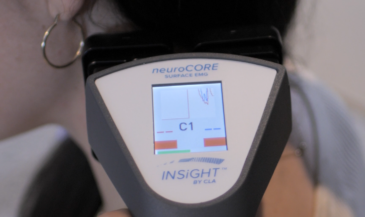
An EMG sensor becomes even more powerful when it is integrated into a comprehensive neurological scanning approach. INSiGHT scanning technology includes the neuroCORE instrument, which uses surface electromyography to analyze paraspinal muscle behavior in a clear and reproducible way. This is part of a broader suite of scanning technologies designed to evaluate nervous system performance.
INSiGHT scanning provides scan views that highlight muscle and nerve coordination around the spine, making it easier for chiropractors to interpret findings and communicate them effectively. The technology measures muscle differentials around and measures the amount of electrical signals present, helping chiropractors understand nerve firing in the muscles and whether muscles are firing abnormally.
It is important to clarify that INSiGHT does not generate a treatment plan. The technology provides objective exam data and reports. The chiropractor uses that information, along with their clinical expertise, to design a care plan that fits the patient’s needs.
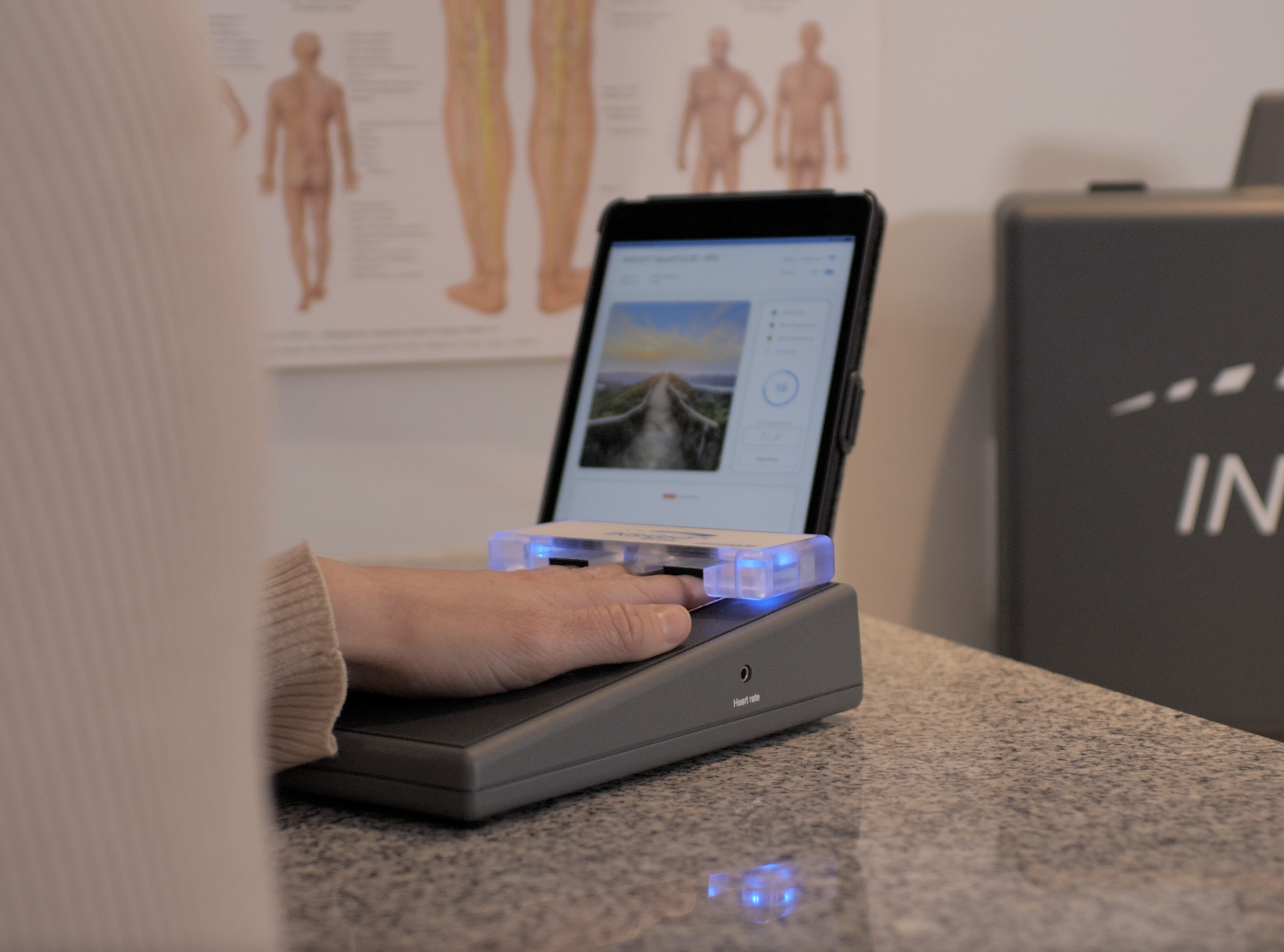
When combined with thermography and HRV, EMG contributes to a complete neurological profile. HRV reflects adaptability and measures heart muscle activity, similar to how an ECG reflects heart muscle patterns. EMG focuses on the motor system, capturing electrical impulses that drive muscle contraction. Together, these scans help chiropractors understand how nerve or muscle systems are adapting and where support is needed.
Why Seeing the Nervous System More Clearly Changes Everything
At its best, an emg sensor does more than measure muscle activity. It changes how chiropractic is understood. By making neuromuscular patterns visible, it helps patients grasp why care is recommended and why consistency matters.
When chiropractors use EMG as part of a neurological examination, they move away from guesswork and toward certainty. The focus shifts from symptoms to function, from reaction to performance. Patients begin to see chiropractic today as a proactive strategy for supporting nervous system performance rather than a temporary fix.
Integrated with INSiGHT scanning, an emg sensor becomes part of a bigger story about resilience, coordination, and adaptability. It supports the chiropractor’s role as an expert interpreter of nervous system data and reinforces chiropractic’s place as a profession focused on helping people adapt, perform, and live with greater clarity.