
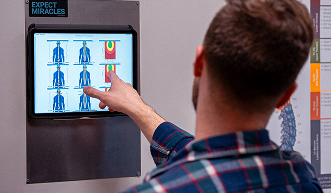
What I’ve learned is this: the issue is rarely the chiropractor. It’s the structure of the conversation. When the conversation is doctor-centric, it creates pressure. When the conversation is scan-centric, it creates clarity.
Why Nervous System Scans Create Clarity
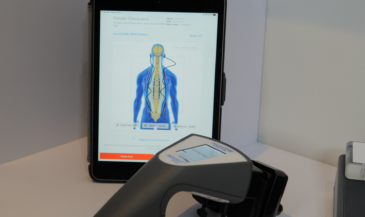
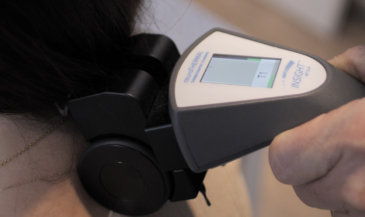
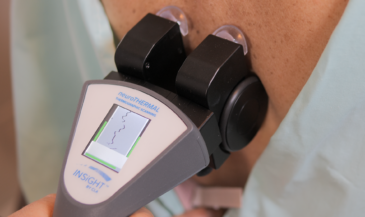
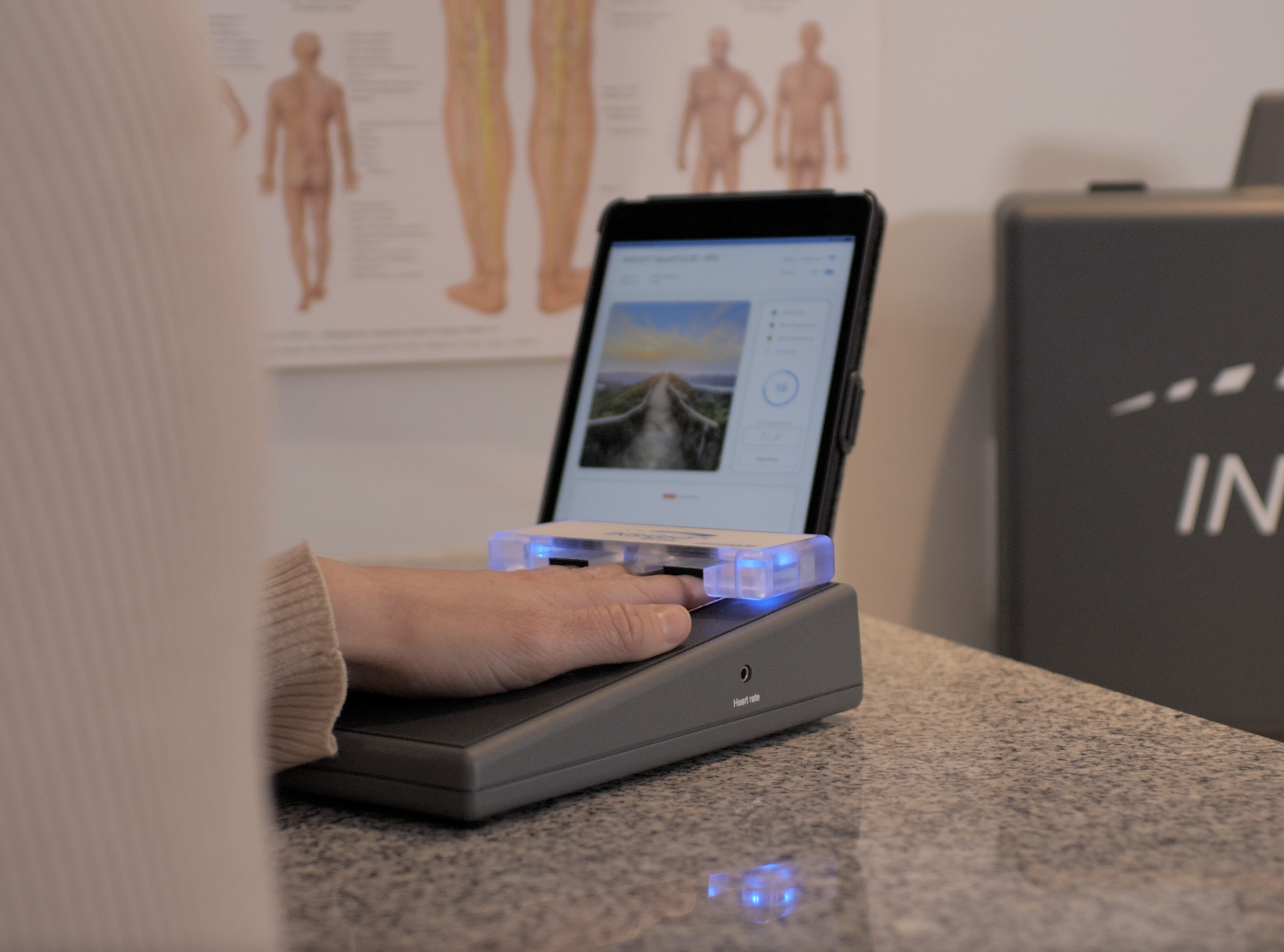
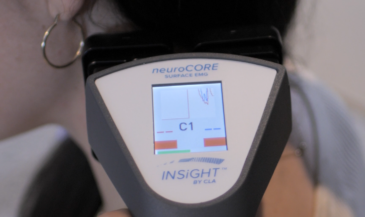
Scanning brings the nervous system into the conversation, instantly. It shifts the focus from you being a spinal mechanic to having the authority to discuss nervous system performance. Scan-centric conversations are not about saying more. They are about letting objective data lead, so the chiropractor can simply observe, interpret, and guide. When the nervous system scan becomes the authority in the room, communication becomes easier for the doctor and more understandable for the patient.
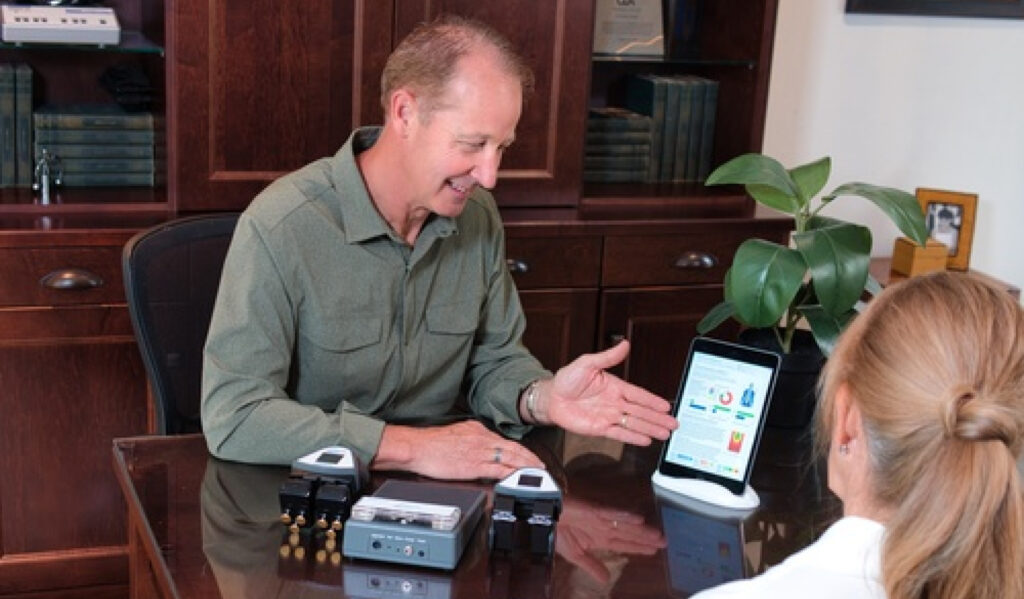
Most chiropractors are taught to explain chiropractic and align the message with its unique advantages. Patients, however, don’t need a philosophy lesson. They want to understand what’s happening in their body, what it means, and what should be done next. Nervous system scans allow that conversation to happen in a calm, clinical, and grounded way.
The Simple Structure of a Scan-Centric Conversation
A scan-centric conversation follows a very simple flow. First, orient the patient to what they’re looking at. Second, observe what stands out in the scan. Third, connect those findings to lifestyle stress, personal injury history, adaptability, and performance. Finally, recommend the next step based on what the data shows. This same structure works whether you’re conducting an initial exam, delivering a report of findings, reviewing a re-scan, or discussing ongoing care.
On exam day, the goal is not to predict outcomes or outline care plans prematurely. It’s simply to establish the scan as an objective starting point. Language such as, “Today we’re looking at how your nervous system has been coping and is functioning — not how you feel, but how your body is adapting to stress,” immediately frames the scan correctly. It removes emotion and replaces it with observation.
Learn more about INSiGHT scanning?
Fill this out and we’ll get in touch!
"*" indicates required fields
Letting the Scan Lead the Report of Findings
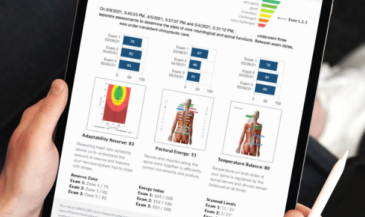
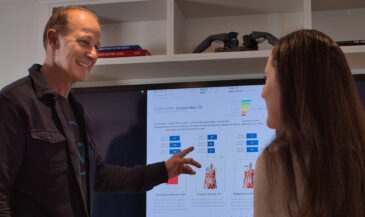
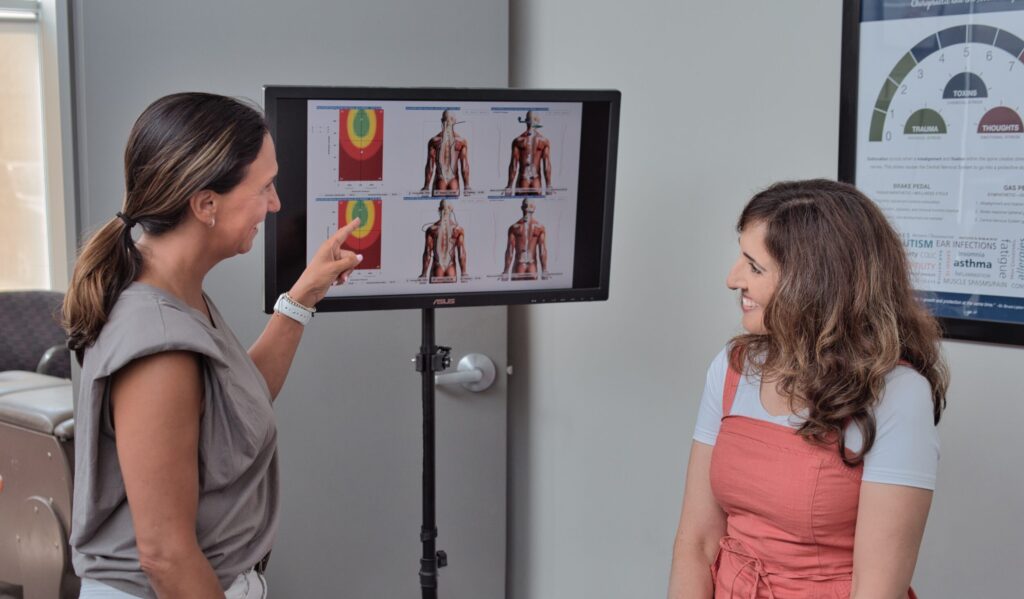
During the report of findings, the scan should do most of the talking. Remember, scanning makes the invisible, visible. Point to the image first. Allow the patient to see patterns and colors before you explain them. Simple statements like, “This shows areas where your nervous system is working harder than it should,” or “Green indicates adaptive function, while red shows areas that have been under strain for some time,” keep the conversation grounded and easy to follow. The goal is understanding, not persuasion.
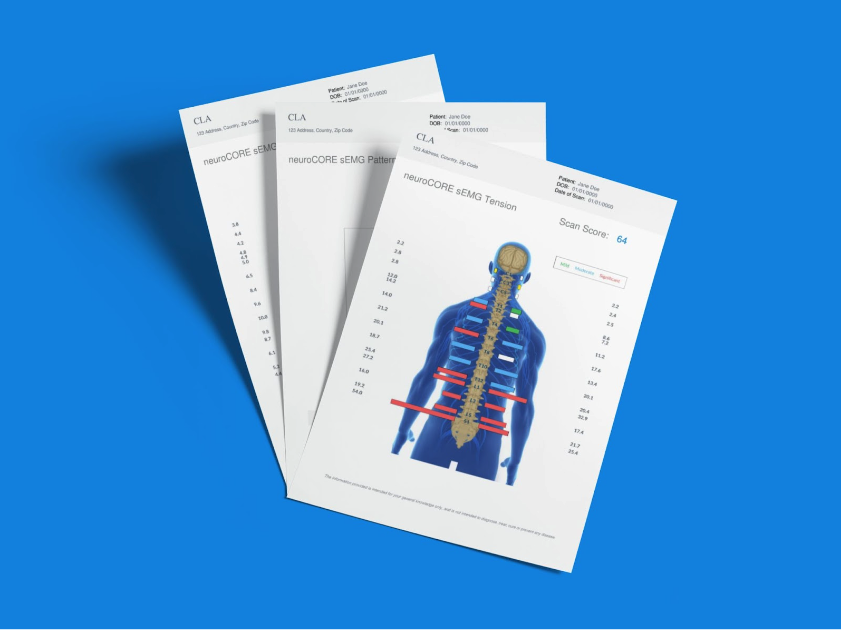 Care plans become much easier to communicate when they are clearly tied to what the scan shows. Instead of justifying recommendations, the chiropractor can say, “Based on what we see here, your nervous system needs consistency and time to improve how it adapts. We have to begin by unwinding these older and deeper patterns so we can work together to build new and healthier strategies.” When care is presented as a response to objective findings rather than a personal opinion, resistance tends to disappear.
Why Re-Scans Matter for Long-Term Care
Re-scans and progress visits follow the same principle. The scan becomes a way to assess change over time, not just symptom relief. Phrases such as, “This tells us how your nervous system is responding to care,” help patients understand why ongoing assessment matters, even when they feel better.
When scan conversations feel difficult, it’s usually because the chiropractor is talking too much, explaining too early, or trying to convince rather than clarify. Scan-centric conversations remove that pressure. They shift the focus from selling care to interpreting data.
I’ve taught for years that, ”you get paid to the level that you communicate with certainty”. When you let the scan do the talking you allow that certainty to come from objective nervous system findings, not from persuasive language. When the scan leads, patients understand their care more easily, decisions feel logical, and the entire experience becomes calmer for everyone involved.