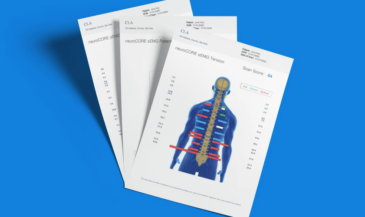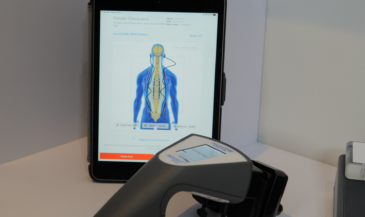


Neurological scans allow chiropractic to move beyond guesswork and into clarity. They give us a way to evaluate how the nervous system is functioning, how it is adapting to stress, and where patterns of neurological interference may be developing along the spinal regions. Instead of relying solely on how a patient feels, neurological scans provide objective scan results that reflect nervous system function in real time. For the chiropractor, this creates certainty. For the patient, it creates trust.
In today’s chiropractic practice, where families are stressed, children are overstimulated, and adults are constantly adapting to pressure, neurological scans are no longer optional. They are essential. They allow us to practice chiropractic as nervous system based care, grounded in objective analysis and focused on function, adaptability, and long-term performance.
What Neurological Scans Are and Why They Matter in Chiropractic
A neurological scan is a non-invasive assessment that evaluates how well the nervous system is functioning. Unlike X-rays, which focus on structure, neurological scans measure function. They assess how the brain and nervous system are communicating with the body, how stress is being regulated, and how efficiently the system is adapting to internal and external demands.
This distinction matters. The nervous system controls movement, posture, digestion, immune responses, emotional regulation, and recovery. When neurological function is compromised, symptoms may appear anywhere, or sometimes not at all. A patient may say they feel fine, yet their nervous system is stuck in fight or flight. Another may report discomfort, but their scan shows strong adaptability and resilience. Without neurological scans, these differences are easy to miss.
In chiropractic, neurological scans give us a functional lens. They allow us to assess imbalance, nerve interference, and subluxation patterns as expressions of nervous system stress rather than isolated mechanical issues. They also give us a baseline, something we can return to again and again to evaluate whether chiropractic care is truly improving nervous system performance.
From a clinical standpoint, neurological scans help us move from reactive care to proactive care. They help us design a care plan based on how the nervous system is functioning, not just on symptoms. They help us explain why consistency matters. And they help patients understand that chiropractic adjustments influence more than joints. They influence the nervous system itself.
The Three Core Neurological Scan Categories Used in Chiropractic
The nervous system is complex, and no single scan captures the entire picture. That is why modern chiropractic relies on three neurological scan categories that work together. Each evaluates a different part of our nervous system, and together they provide insight into stress, regulation, and adaptability.
These three neurological scanning technologies assess motor output, autonomic regulation, and overall adaptability. When interpreted together, they give us a clearer understanding of how the nervous system is functioning along the spine and throughout the body.
Surface EMG Scans and Neuromuscular Function
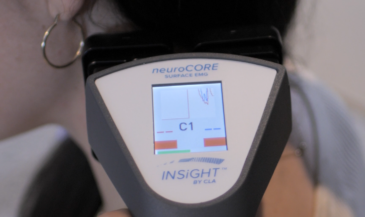
An EMG scan, also known as surface electromyography, evaluates neuromuscular system activity along the spinal region. Muscles reflect nervous system output. When the nervous system is under neurological distress, muscles often respond with excessive tension, fatigue, or asymmetry.
An EMG scan helps us identify patterns of postural tension and energy expenditure. It shows where the body is working too hard and where coordination is inefficient. This is not simply a muscle issue. It reflects how the nervous system is organizing motor tone against gravity.
For chiropractic care, EMG scans give us a way to track change. When chiropractic adjustments support better neurological function, we often see improvements in symmetry and efficiency. These scan measures give patients visible proof that their nervous system is responding, even when symptoms fluctuate.
Thermal Scans and Autonomic Stress Patterns
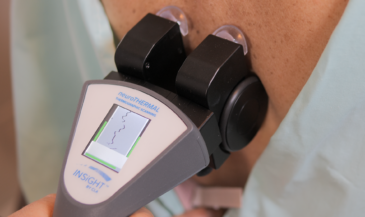
A thermal scan evaluates temperature patterns along the spine, focusing on left and right symmetry. Temperature regulation is controlled within the autonomic nervous system. When asymmetry appears, it suggests imbalance in sympathetic regulation along the spinal nerves.
Thermal scan patterns help us identify areas where neurological interference may be affecting autonomic control. Neurothermal scans are especially useful for assessing stress patterns that do not always produce clear symptoms. They allow us to evaluate nervous system regulation along the spine with speed and consistency.
Heart Rate Variability and Adaptability
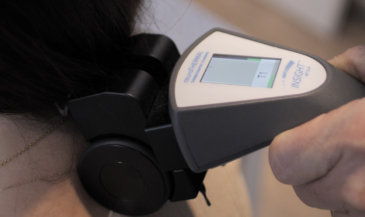
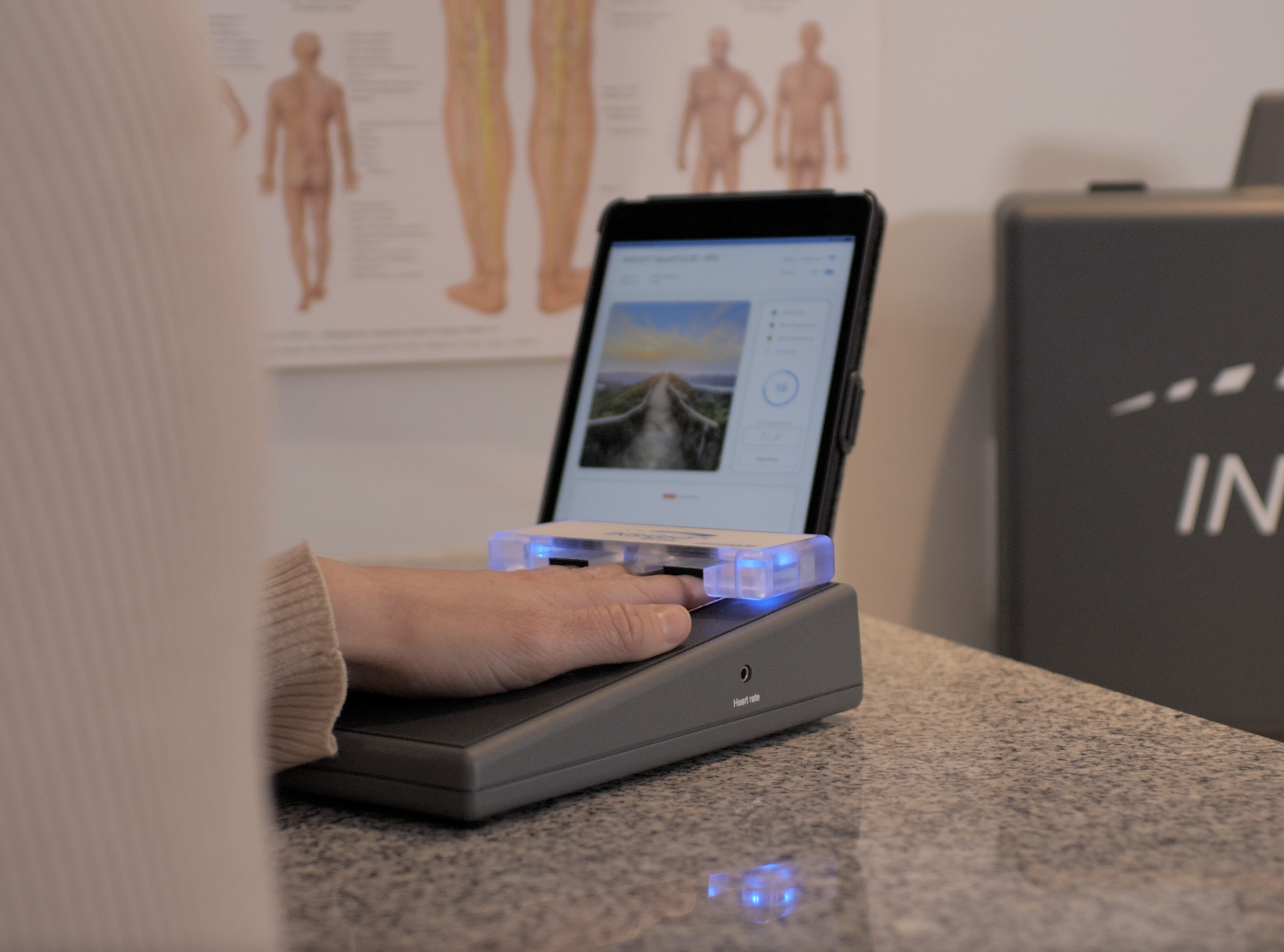
Heart rate variability measures how effectively the autonomic nervous system shifts between activation and recovery. An HRV scan provides insight into adaptability and the nervous system’s ability to adapt to stress.
Low heart rate variability often reflects reduced reserve. High variability suggests a more adaptable and resilient system. HRV gives us insight into whether the nervous system is stuck in fight or flight or able to recover efficiently.
In chiropractic, an HRV scan helps us assess adapting to stress over time. It allows us to evaluate whether chiropractic adjustments are supporting better regulation and recovery within the autonomic nervous system.
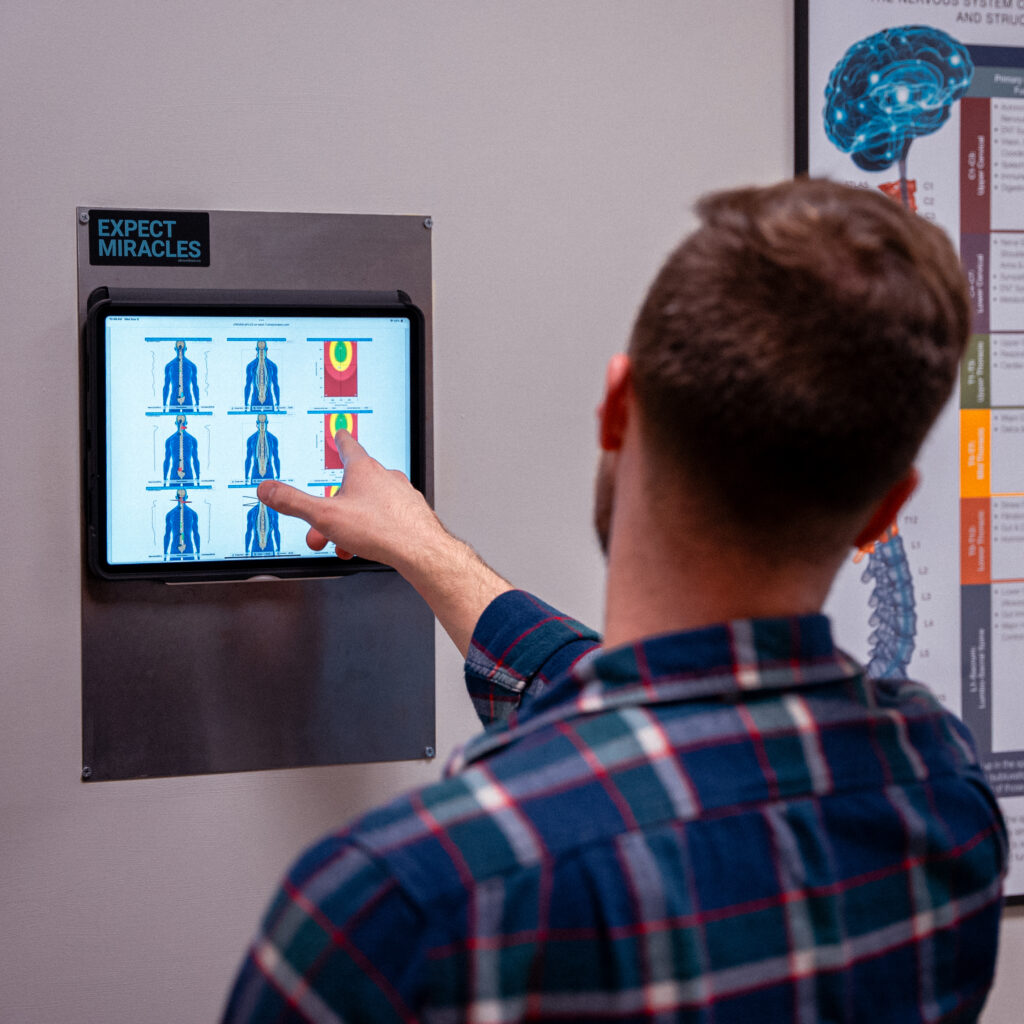
Learn more about INSiGHT scanning?
Fill this out and we’ll get in touch!
"*" indicates required fields
How Neurological Scans Improve Clinical Certainty and Patient Communication
One of the biggest challenges in patient care is maintaining clarity when symptoms fluctuate. Neurological scans solve this problem by shifting the focus from how a patient feels to how the nervous system is functioning.
When we establish a baseline and repeat scans, scans give us objective feedback. They show whether neurological function is improving, stabilizing, or struggling. This removes guesswork and supports effective care.
- Scans help us track imbalance and organization over time.
- Scans give measurable evidence that chiropractic adjustments are influencing nervous system function.
- Scans allow us to explain subluxation as a functional issue rather than a structural debate.
- Scans help us communicate progress without relying on symptoms alone.
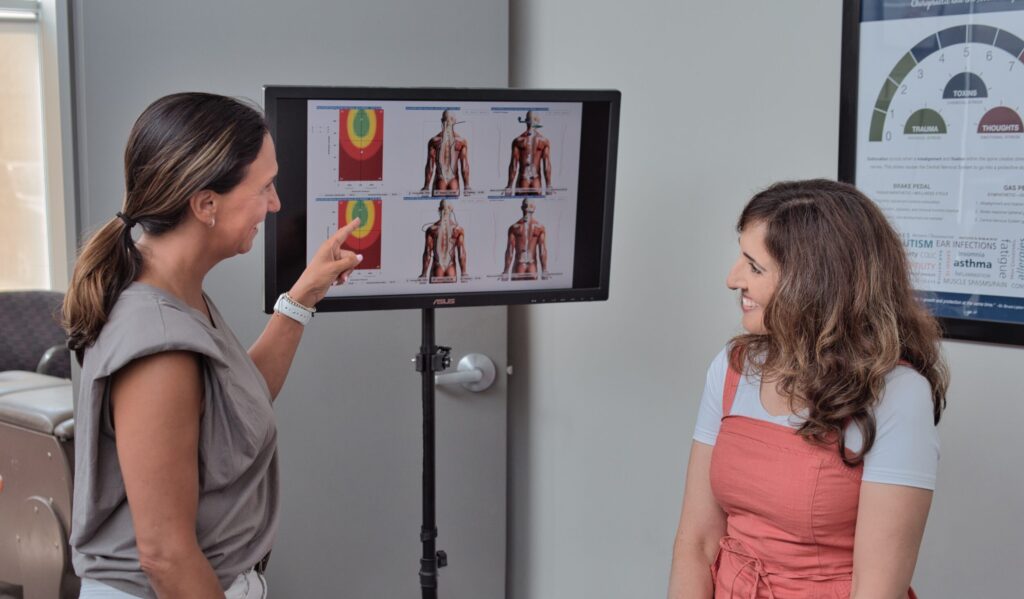
This is where scans help us build trust. A scan and a quick explanation often changes how a patient views chiropractic care. Instead of counting visits, they start valuing progress. They understand why consistency matters and why a care plan exists.
Neurological scans also support neurologically-focused chiropractic adjustments by showing how tension throughout the neurospinal system responds over time. They give us insight into overall neurological tone and nervous system function, making conversations clearer and more grounded.
Neurological Scans Across the Lifespan: Family and Pediatric Chiropractic
Family chiropractic is uniquely positioned to benefit from neurological scans. Children, adults, and seniors all express stress differently, but the nervous system is the common denominator. Neurological scans allow us to evaluate function consistently across every age group.
Pediatric chiropractic highlights this value clearly. A child’s nervous system is still developing. A child’s scan may reveal patterns long before symptoms appear. This is especially helpful when a child is likely struggling with emotional dysregulation or behavioral changes. Scans allow us to evaluate the child’s nervous system objectively and track progress without relying on verbal feedback.
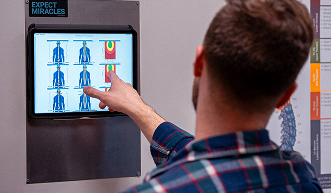
For parents, this clarity matters. Seeing scan results builds confidence and understanding. It helps families see chiropractic care as support for nervous system performance and wellness, not just symptom relief. This approach supports long-term optimal health and wellness for the entire family.

How INSiGHT Neurological Scanning Technology Supports Modern Chiropractic Care
INSiGHT scanning technology was designed specifically for chiropractic. It integrates the three neurological scan categories into one cohesive system that supports clinical certainty and communication.
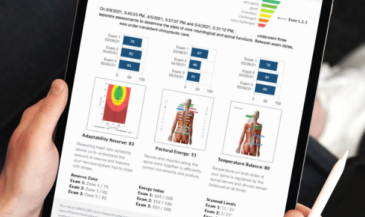
The INSiGHT includes EMG scanning, neurothermal scans, and heart rate variability analysis. Together, these neurological scanning technologies provide objective examination data that reflects how the nervous system is functioning along the spine and throughout the body.
It is important to be clear. INSiGHT does not create a care plan. INSiGHT provides scan results and analysis. The chiropractor interprets that data and designs care based on neurological priorities. This distinction preserves clinical integrity while enhancing certainty.
Using INSiGHT scanning allows chiropractors to monitor progress, support retention, and explain chiropractic care with confidence. Insight™ scanning gives us insight into nervous system performance and supports chiropractic practice growth through clarity, not hype.
Where Neurological Scans Are Taking Chiropractic Next
Neurological scans represent a return to chiropractic’s core purpose. They help us focus on nervous system function, adaptability, and performance rather than chasing symptoms alone.
As stress continues to shape modern life, the ability to assess neurological function will only become more important. Neurological scans allow chiropractic to stand confidently as the profession focused on the nervous system truly.
When scans allow us to see how the nervous system is actually functioning, chiropractic care becomes easier to explain, easier to trust, and easier to commit to. That is not the future of chiropractic. It is the standard that neurological scans are helping us reclaim today.