
It’s not the first visit. It’s not at the report of findings. It’s the visit where symptoms start to soften, life feels a little easier, and the patient begins to wonder if anything meaningful is still happening at all.
They don’t say it out loud right away. But eventually it comes up. Why am I still here?
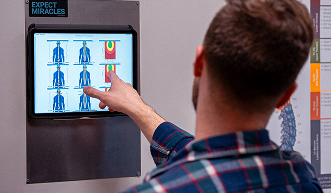
Thermographic scanning exists for that moment. Not to convince. Not to pressure. But to show, objectively and clearly, how the nervous system is responding beneath the surface.
This is where thermography continues to matter in chiropractic. In a healthcare environment shaped by data, visuals, and transparency, thermographic scanning helps move conversations away from opinion and toward observable function. When used appropriately, it allows chiropractors to show how the nervous system is adapting over time, even when symptoms fluctuate or temporarily disappear.
Thermographic scanning is not about chasing heat or creating fear. It is about observing regulation. When neurological distress is present, blood flow and body temperature regulation can shift in predictable ways. Those temperature changes create patterns along the spine that can be measured, tracked, and communicated. That is why thermography scanning remains one of the most practical tools for neurologically focused chiropractic.
What Thermography Scanning Is and How Chiropractors Use It
In chiropractic clinical practice, thermography scanning refers to the analysis of skin temperature along the spine, most often through paraspinal readings. The purpose is not diagnosis. The purpose is functional observation. When the nervous system is regulating well, side-to-side temperature symmetry is generally present. When regulation is strained, a measurable temperature difference may appear at one or more spinal levels.
This is why thermography is used in chiropractic as a functional assessment rather than structural imaging. Tools like x-ray imaging show anatomy. Thermography measures how the nervous system is influencing blood flow and heat in the human body in real time. It allows chiropractors to observe regulation rather than guess at it.
Modern thermography relies on infrared thermography and infrared imaging to detect radiant heat emitted from the skin. Every person emits infrared energy based on body temperature. Thermography measures that output and translates it into readable thermal images or a thermogram. In chiropractic settings, the focus is usually along the spine, where infrared thermography scans compare left and right skin temperature measurement at each segment.
It is important to understand what thermography is and what it is not. Thermography is used in chiropractic as a complementary assessment. It does not replace imaging, physical examination, or clinical judgment. In broader healthcare language, thermography is considered adjunctive and informative. When chiropractors use thermography appropriately, it strengthens interpretation, supports communication, and provides objective context for chiropractic care.
- It helps establish a baseline early in care.
- It supports trend tracking through repeated scans.
- It makes functional change visible to patients.
For many chiropractors, this is why they continue to use thermography scanning. It shifts conversations away from symptom-only thinking and toward function, regulation, and nervous system performance.
The Neurological Science Behind Thermography Scanning
The value of thermography scanning rests on neurology. Skin temperature is regulated primarily by the sympathetic nervous system, which controls vascular tone through constriction and relaxation. When sympathetic output changes, blood flow to the skin changes, and surface temperature responds. Thermography measures those outputs, not feelings or perceptions.
This distinction matters. Thermography scanning does not look for damage. It looks for altered regulation. When the nervous system is under neurological distress, regulation may become uneven. That uneven output often shows up as temperature differences along the spine. This is why thermography provides insight into how the nervous system is functioning, not just how a patient feels.
In a well-regulated system, left and right temperature readings along the spine tend to be similar. When temperature differences can indicate altered autonomic output, chiropractors take notice. Paraspinal thermography focuses on these side-to-side comparisons, because symmetry reflects balance and asymmetry suggests strain. When patterns repeat at the same spinal regions, they become clinically meaningful.
These findings are often described as indicating nerve interference. That language is not diagnostic. It reflects altered autonomic regulation that may correlate with nerve tension, vertebral involvement, or patterns associated with subluxation or vertebral subluxation. Thermography measures temperature changes influenced by the nervous system, allowing chiropractors to observe regulation patterns rather than speculate.
Learn more about INSiGHT scanning?
Fill this out and we’ll get in touch!
"*" indicates required fields
Paraspinal Thermography in Chiropractic Clinical Practice
Paraspinal thermography is the most common application of thermography scanning in chiropractic. It focuses on temperature output along the spine, comparing one side of the spine to the other at consistent intervals. The goal is not perfection on a single scan. The goal is consistency and trend analysis.
When chiropractors use paraspinal thermography correctly, it becomes a reliable pattern tool. Repeated scans under consistent conditions help identify areas that may need attention and track how regulation changes with chiropractic care. This is why chiropractors use paraspinal thermography rather than isolated whole-body imaging in routine clinical practice.
Certain regions receive particular attention, especially the cervical and upper cervical spine. Upper cervical chiropractic care has historically emphasized objective measures, and thermography has often played a role in monitoring regulation patterns in those regions. Paraspinal thermography does not diagnose misalignment, but consistent thermal asymmetry may correlate with vertebral involvement, subluxations, or vertebral subluxation patterns.
- Heat may reflect increased activity or inflammation.
- Cooling may reflect reduced activity or chronic dysregulation.
- Asymmetry is often the most clinically useful finding.
Consistency matters. Environmental factors such as airflow, recent activity, and ambient temperature influence skin temperature measurement. Reliable thermography scanning requires controlled conditions and repeatable protocols. When those standards are followed, thermography provides dependable insight that supports chiropractic as an objective, data-informed approach.
Why Thermography Scanning Improves Communication, Retention, and Care Planning
Patients rarely leave chiropractic care because they dislike the experience. They leave when they stop understanding why care continues. Symptoms alone are a poor scoreboard. Some patients feel better quickly while regulation remains strained. Others report little change while objective measures improve.
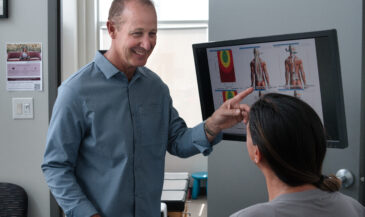
Thermography scanning changes that conversation. It gives patients visual proof that something measurable is being tracked. When patients see thermal patterns and temperature differences along the spine, they understand that chiropractic care is addressing function, not just comfort. This is one reason thermography is used in chiropractic to support retention and long-term engagement.
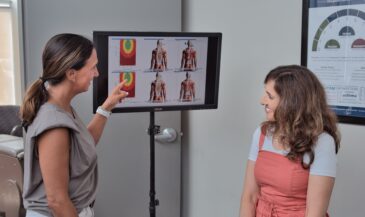
Thermal images and thermographic views allow chiropractors to explain progress without relying solely on symptoms. When patterns normalize over time, patients see improvement even if day-to-day sensations fluctuate. This clarity supports a care plan built on objective findings, not persuasion.
Importantly, thermography does not create care plans. It provides data. The chiropractor interprets that data alongside other findings to design appropriate chiropractic adjustments and recommendations. When patients understand what is being measured and why, they are far more likely to stay engaged and committed.
Integrating Thermography Scanning with INSiGHT Neurological Technology
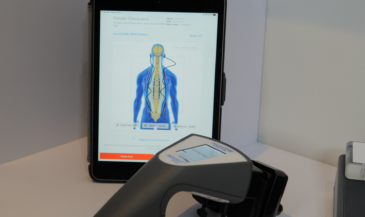
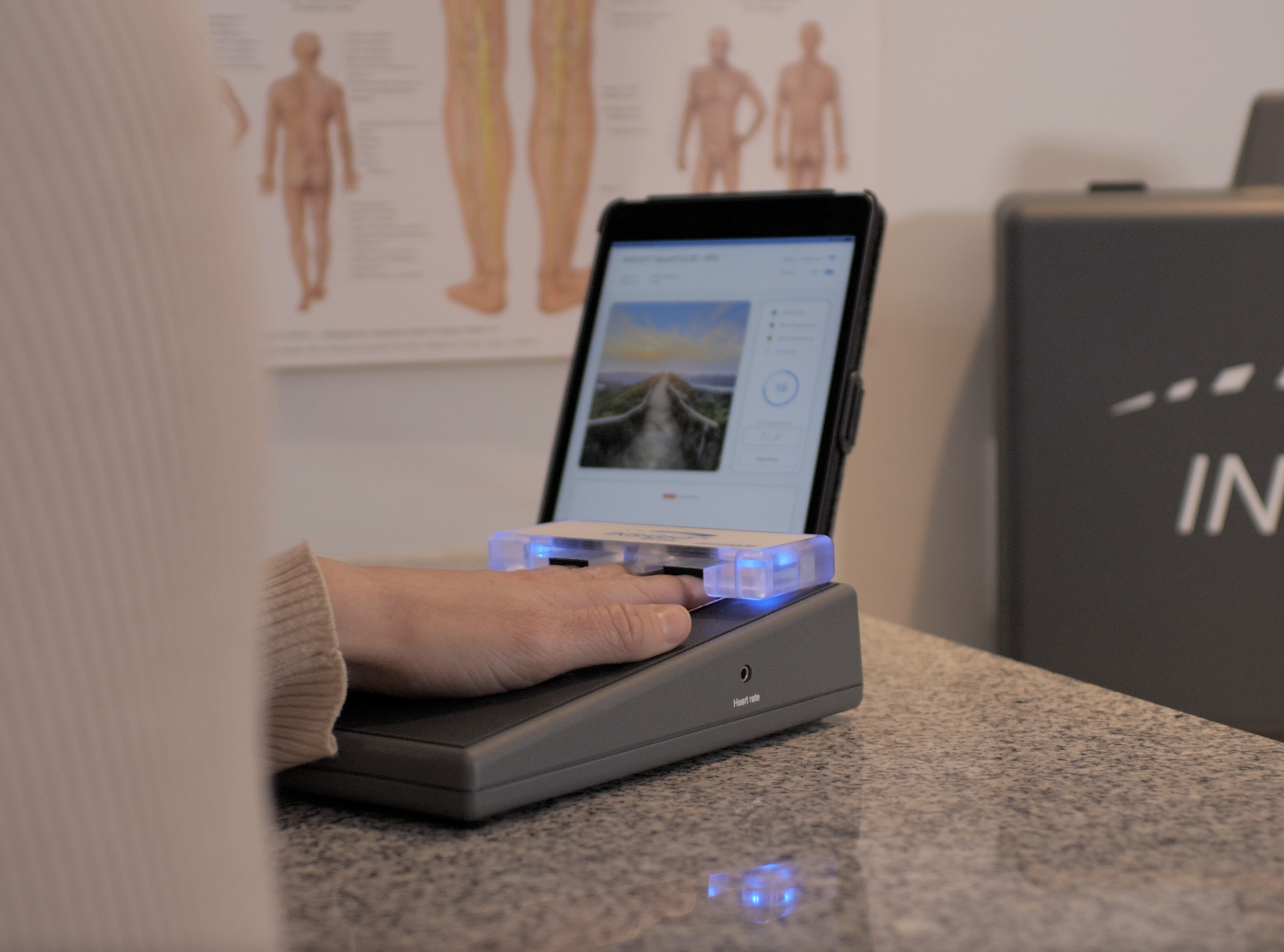
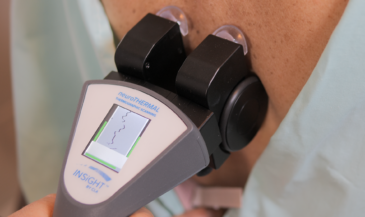
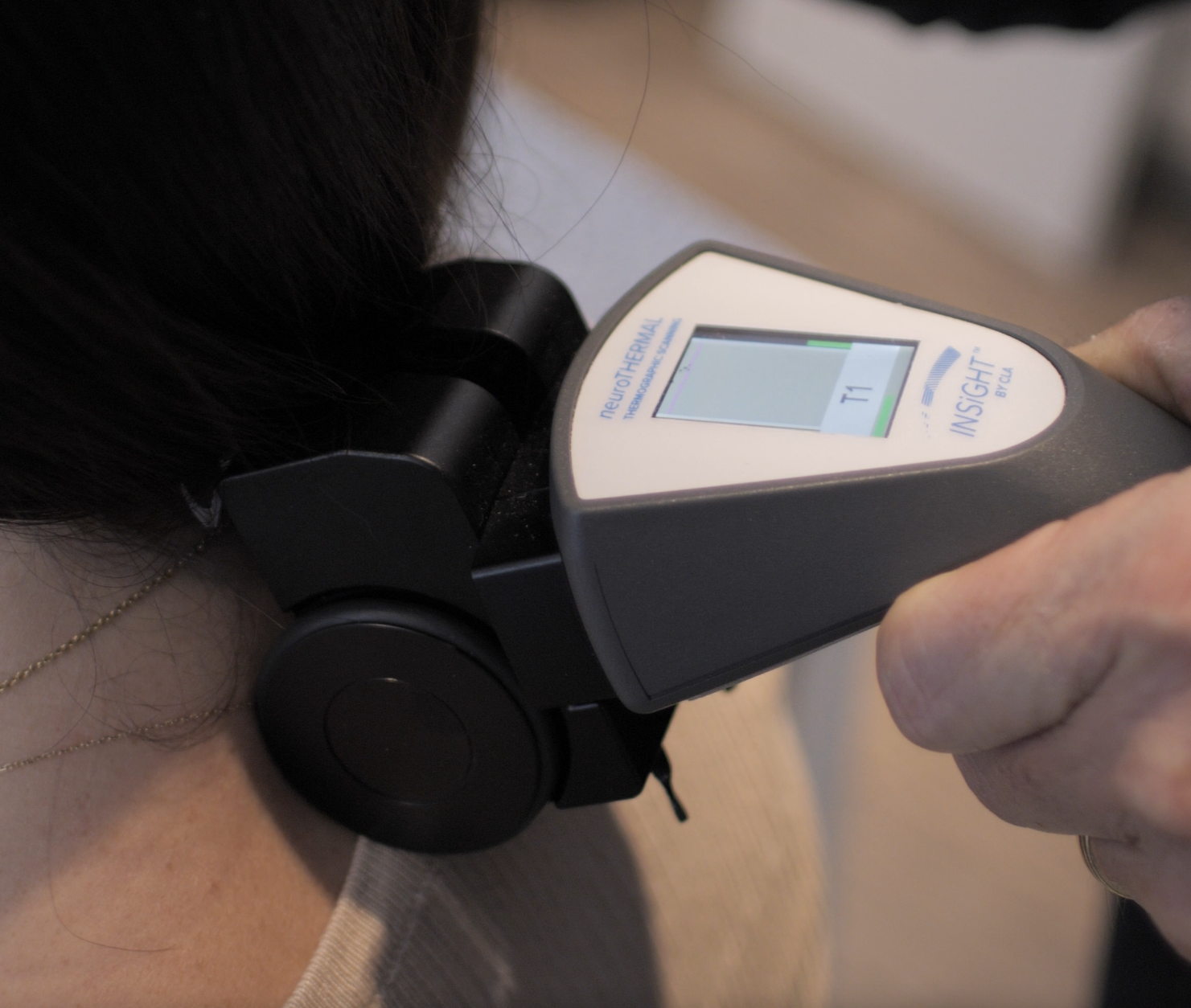
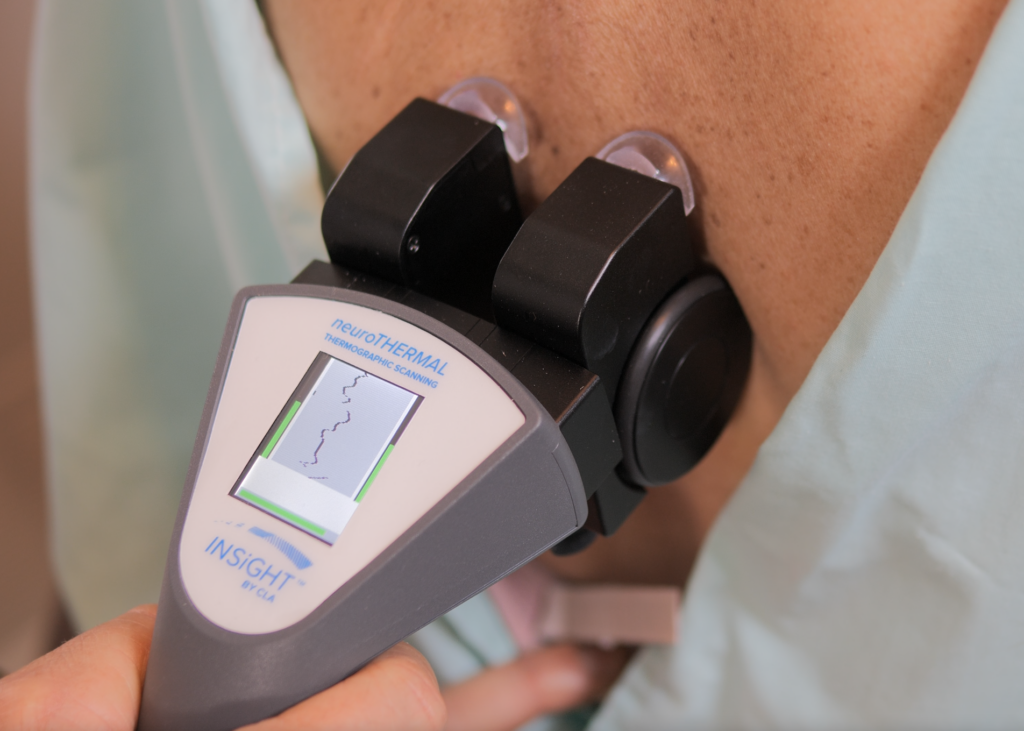
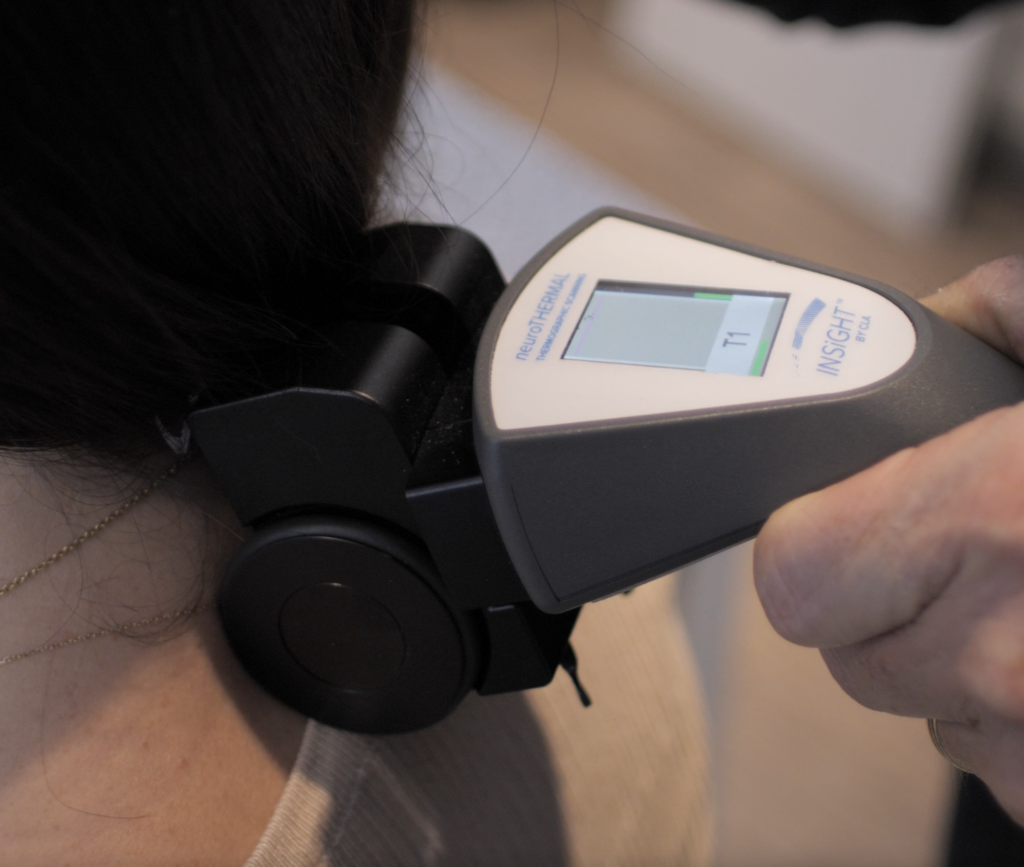
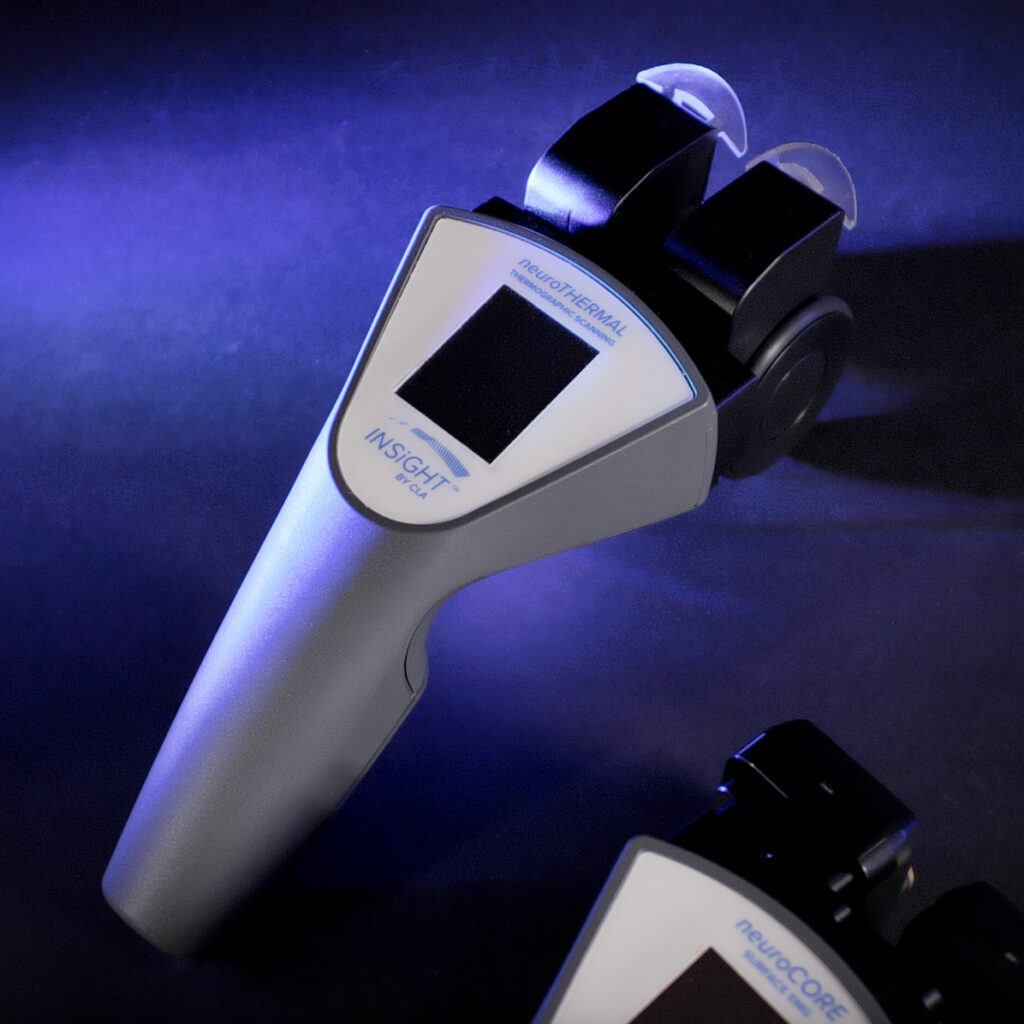
Thermography scanning reaches its full potential when integrated into a comprehensive neurological assessment. INSiGHT scanning technology was designed with this exact goal in mind. The INSiGHT neuroTHERMAL performs precise paraspinal thermography using advanced infrared imaging, allowing chiropractors to complete a full spine nerve system scan efficiently and consistently.
The neuroTHERMAL captures temperature patterns along the spine and nervous system using non-invasive infrared thermography. Historically, thermography was performed as a thermographic study using a probe or dual probe instrument, including a probe instrument for comparing one side or a dual probe instrument for comparing left and right. Modern infrared thermography scans have improved accuracy and reproducibility while preserving the same clinical intent.
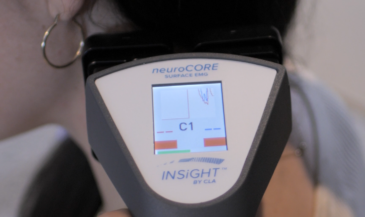
When thermography scanning is combined with INSiGHT neuroPULSE and INSiGHT neuroCORE, chiropractors gain a broader view of autonomic regulation, adaptability, and motor tone. NeuroCORE uses surface electromyography to assess postural and muscular patterns, while neuroPULSE reflects autonomic balance. Together, these tools support interpretation within today’s chiropractic model.
INSiGHT does not generate care plans. It generates objective exam data and scan views that support chiropractor interpretation. This allows doctors of chiropractic to identify areas used to identify neurological patterns, establish a baseline, and track functional change with confidence. For practices offering specialized care, this integrated approach strengthens communication and clinical certainty.
Seeing the Nervous System More Clearly with Thermography Scanning
Thermography scanning remains relevant because it aligns with the core chiropractic focus on the spine and nervous system. It helps chiropractors observe regulation, communicate findings clearly, and guide patients toward better function without relying on fear or speculation.
When used responsibly, thermography scanning provides objective insight into temperature patterns influenced by the sympathetic nervous system. It helps patients understand why chiropractic care continues beyond symptom relief and supports trust through visible, measurable change.
Integrated with INSiGHT scanning technology, thermography scanning becomes part of a clear neurological story. It helps chiropractors make the invisible visible and reinforces chiropractic as an objective, function-focused approach.