

What makes vertigo and tinnitus especially challenging is that they sometimes occur together, but not always. Tinnitus and vertigo are both common individually, yet when these two conditions show up at the same time, the clinical implications change. Vertigo isn’t as common as general dizziness, and when patients with dizziness also experience tinnitus, it raises important questions about the inner ear and the brain. The chiropractor’s role is not to guess, label, or promise outcomes, but to bring clarity, structure, and objective insight to a situation that often feels chaotic to the patient.
This is where Neurologically-Focused Chiropractic Care matters. By understanding how hearing and balance are regulated, recognizing red flags, and using objective neurological scanning, chiropractors can guide patients toward proper diagnosis while supporting nervous system performance.
Understanding Vertigo and Tinnitus Through a Neurological Lens
Vertigo is not a vague complaint. It is a specific sensation of spinning, tilting, or motion when the body is not moving. Vertigo symptoms can be brief or prolonged, may start without warning, and vertigo can cause nausea, fear, and a real loss of balance. Dizziness may describe lightheadedness or faintness, but vertigo refers to a disturbance in spatial orientation. That distinction matters, especially for chiropractors evaluating patients with dizziness.
Tinnitus is different, but no less impactful. Tinnitus symptoms include ringing, buzzing, or other perceived sounds that have no external source. Patients may experience tinnitus in one or both ears, and tinnitus may fluctuate with stress, sleep, posture, or neurological distress. Tinnitus can also coexist with hearing problems, and hearing loss may also be present in some cases. While tinnitus may feel like an ear issue, it is ultimately a neurological perception problem involving signals to the brain.
The key clinical takeaway is this: neither vertigo nor tinnitus is a diagnosis. They are expressions of altered signaling. Patients often ask whether vertigo is caused by tinnitus or whether tinnitus is caused by vertigo. In reality, vertigo is not caused by tinnitus, and tinnitus is not caused by vertigo. Instead, these two conditions are related because they often share an underlying cause. The relationship between tinnitus and vertigo reflects how closely linked balance and hearing systems are within the nervous system.
For chiropractors, this means slowing the process down. The focus should be on symptoms and causes, recognizing when tinnitus and vertigo sometimes occur together, and guiding the patient toward proper diagnosis. A doctor may recommend referral to an ENT specialist when the pattern suggests a disease is an inner ear condition or when red flags appear. Chiropractic leadership shows up not in claiming answers, but in helping patients navigate uncertainty with confidence and structure.
- Vertigo refers to a spinning sensation and vertigo can cause instability and fear.
- Tinnitus involves perceived sound and tinnitus can also fluctuate over time.
- Vertigo and tinnitus may occur together, but neither directly causes the other.
- Clear differentiation supports proper diagnosis and safer care decisions.
The Inner Ear, the Brain, and Why These Two Conditions Are Often Linked
To understand why vertigo and tinnitus are linked, chiropractors must look past the idea of the ear as a simple sensory organ. The inner ear is a neurological hub responsible for balance and hearing. The cochlea processes sound, while the vestibular system manages motion and orientation. Together, they regulate balance and hearing by converting mechanical input into nerve impulses. When this system is disrupted, the brain receives distorted information, and normal balance and hearing signals break down.
The connection deepens at the nerve level. Hearing signals between the inner ear and the brain travel along the vestibulocochlear nerve. This nerve carries both auditory and vestibular information, meaning the same pathway delivers hearing and balance data. When signals to the brain are altered along this route, patients may experience vertigo, tinnitus, or both. This explains why vertigo and tinnitus sometimes occur together and why having both is less common than having either one alone.
Fluid dynamics inside the inner ear also matter. Within the labyrinth is a fluid called endolymph, sometimes referred to as fluid called endolymph or called endolymph in patient education. Changes in pressure or regulation of this fluid can disrupt sensory hair cells and alter nerve signaling. Episodes of vertigo may follow, often accompanied by a feeling of fullness in the ear. These changes are commonly discussed in relation to ménière disease and similar conditions, but the chiropractor’s role is not to diagnose fluid disorders. It is to understand the pattern and recognize when the disease may require medical evaluation.
Balance is not managed by the inner ear alone. Vision and proprioception contribute to stability, and the head and neck play a role in how patients experience movement. Guarding, postural tension, or altered motor tone can amplify dizziness, cause dizziness, or make vertigo attacks feel more intense. This does not mean spinal issues are the cause of vertigo. It means the nervous system functions as an integrated whole, and disruptions anywhere in that loop can influence how patients feel.
- The inner ear called the labyrinth manages hearing and balance.
- The vestibulocochlear nerve carries signals to the brain.
- Endolymph pressure changes can influence vertigo symptoms.
- Balance integrates input from the inner ear and the brain, vision, and proprioception.
Learn more about INSiGHT scanning?
Fill this out and we’ll get in touch!
"*" indicates required fields
Common Conditions Where Vertigo and Tinnitus Occur Together
When vertigo and tinnitus present together, chiropractors must think broadly while staying grounded. Tinnitus and vertigo are not rare individually, but their combination narrows the field of possible causes. The most commonly discussed condition in this context is ménière disease, also referred to as meniere disease, meniere’s disease, ménière’s disease, or ménière’s disease. These spelling variations reflect how frequently patients research this condition on their own.
People with ménière’s disease often report episodic vertigo attacks, tinnitus, hearing problems, and a feeling of fullness, usually affecting one ear. Ménière’s disease symptoms may appear suddenly, may start without warning, and can worsen over time. Hearing loss may also fluctuate and, in some cases, progress toward permanent hearing loss. Ménière’s disease is an inner ear condition, and meniere’s disease is an inner ear disorder that is disease diagnosed based on a characteristic pattern rather than a single test. Causes of ménière’s disease are still debated, but inner ear fluid imbalance is frequently discussed.
Benign paroxysmal positional vertigo is another common cause of vertigo, though it does not always include tinnitus. Benign paroxysmal positional vertigo typically causes brief spinning sensations triggered by head movement. Exercises that help and repositioning maneuvers are commonly used, and treatment can help restore stability. If tinnitus is strongly associated with these episodes, chiropractors should remain alert to other possible causes.
Other considerations include labyrinthitis and vestibular neuritis, which are often inflammatory in nature, and less common but critical issues such as acoustic neuroma. Acoustic neuroma involves a benign growth affecting the nerve connecting the inner ear to the brain and may present with tinnitus, vertigo, and hearing loss. Middle ear problems, medication effects, prior neck surgery, and systemic factors can also play a role. The goal is not to memorize every condition, but to recognize patterns and guide patients toward diagnosis and treatment appropriately.
- Ménière disease commonly includes vertigo, tinnitus, and hearing loss.
- Benign paroxysmal positional vertigo causes brief positional vertigo.
- Labyrinthitis and vestibular neuritis involve inner ear inflammation.
- Acoustic neuroma and middle ear issues require medical evaluation.
Diagnosis, Co-Management, and the Chiropractor’s Clinical Role
Patients dealing with vertigo and tinnitus want answers, but what they need first is a clear process. Proper diagnosis protects everyone involved. Chiropractors are often the first clinicians patients consult, which places responsibility on how the case is triaged. A doctor may recommend ENT evaluation when symptoms suggest a disease is an inner ear disorder or when hearing loss may also be present.
Medical providers may use hearing tests, balance tests, and imaging to clarify the underlying cause. Diagnosis and treatment may involve medication, vestibular rehabilitation, or, in rare cases, surgery. Treatment options depend entirely on what is found. Chiropractors should be especially alert to red flags such as sudden hearing loss, severe vertigo attacks, neurological deficits, or drop attacks.
The chiropractor’s role is not diminished by referral. It is strengthened. Chiropractors support patients by documenting neurological patterns, helping them understand what is happening, and maintaining continuity of care. Patients with dizziness often feel dismissed elsewhere. Objective assessment and thoughtful communication can reduce anxiety and improve outcomes through better coordination.
- Proper diagnosis is essential before care decisions are made.
- A doctor may recommend ENT evaluation or imaging.
- Diagnosis and treatment depend on the underlying cause.
- Chiropractors contribute through observation, communication, and co-management.
Where INSiGHT Neurological Scanning Fits in Vertigo and Tinnitus Cases
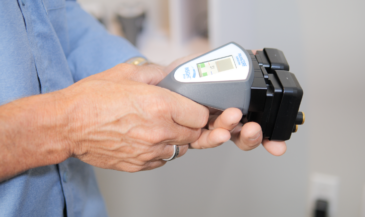
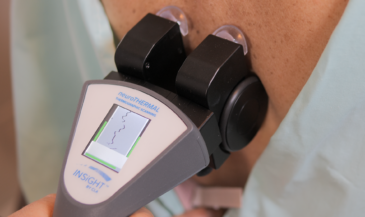
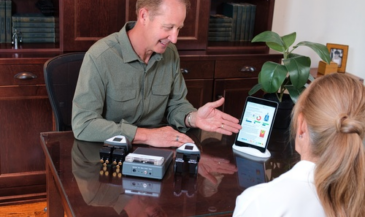
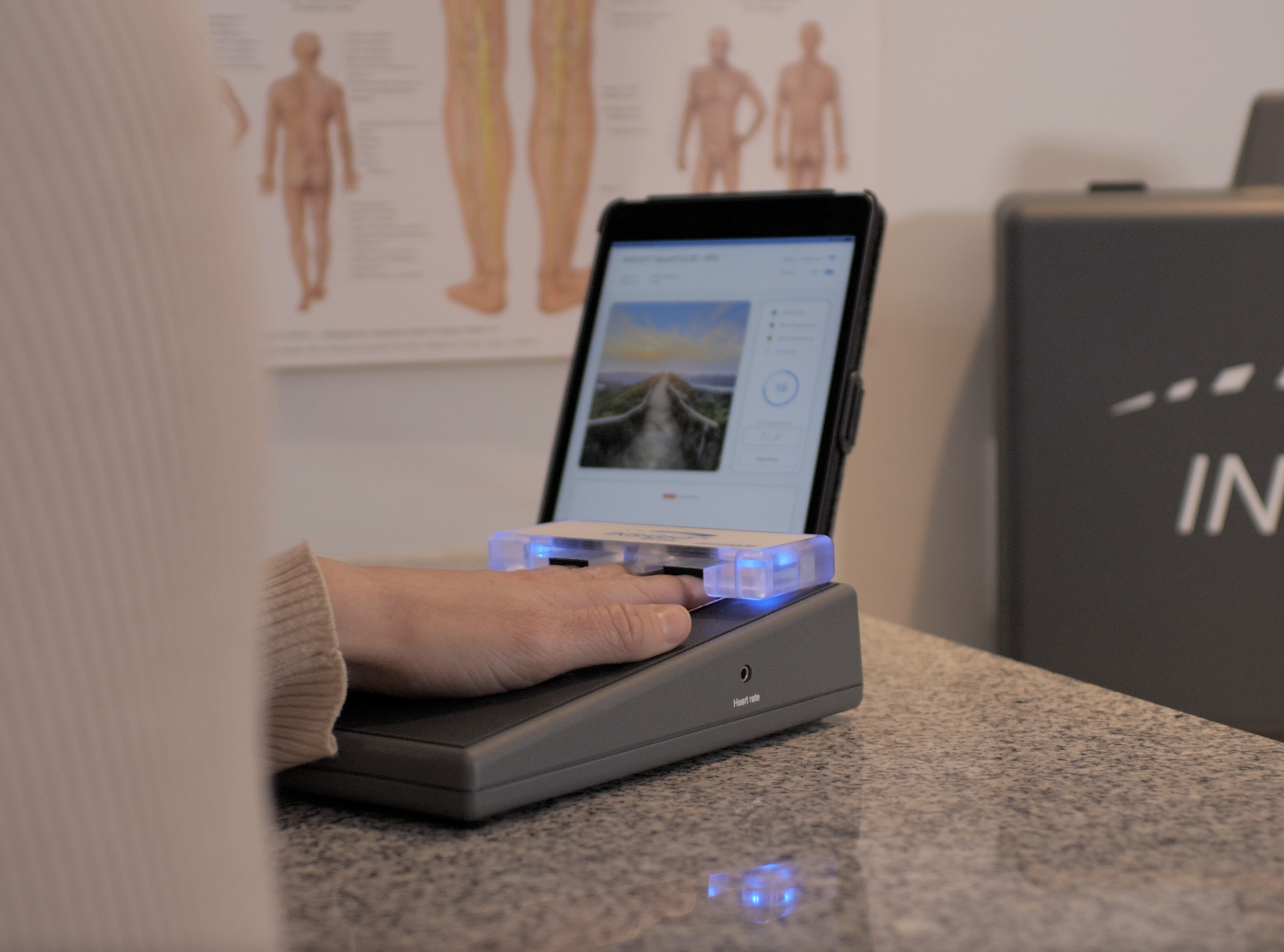
Vertigo and tinnitus cases are often inconsistent from visit to visit. That is why objective neurological assessment is so valuable. INSiGHT scanning technology allows chiropractors to analyze nervous system performance without claiming diagnosis of inner ear disease. It creates stability in clinical decision-making when symptoms fluctuate.
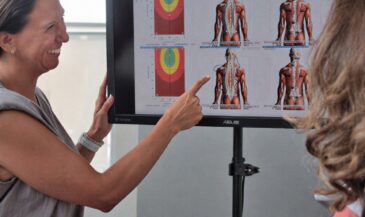
The neuroPULSE HRV scan provides insight into adaptability and resilience, particularly in patients experiencing ongoing neurological distress. neuroTHERMAL scan views help identify autonomic patterning that supports conversations about dysregulation. neuroCORE sEMG reveals postural tension and motor tone reactions, especially involving the head and neck. Together, these tools help chiropractors understand how the nervous system is responding over time and may help reduce dizziness and reduce symptoms through smarter co-management.
INSiGHT scanning does not claim an effective treatment for tinnitus or promise to control vertigo directly. It provides objective exam data that strengthens communication, supports referral decisions, and helps patients understand what may be causing your symptoms. That clarity is often the turning point for patients navigating complex vertigo and tinnitus cases.
Clarity Where Patients Need It Most
Vertigo and tinnitus test patience, confidence, and clinical judgment. These symptoms may be frightening, unpredictable, and deeply disruptive. Chiropractors serve these patients best by staying grounded, informed, and collaborative. When tinnitus and vertigo appear together, the priority is not speed, it is clarity.
By understanding the relationship between tinnitus, balance, and neurological signaling, chiropractors can guide patients toward proper diagnosis while supporting nervous system performance. INSiGHT scanning technology strengthens that role by making neurological patterns visible and measurable. In cases where uncertainty dominates, certainty becomes care.