

Many chiropractors talk about care plans, but not every chiropractor thinks like a care planner.
There’s a big difference between delivering adjustments… and designing a transformational health journey.
And that difference doesn’t come down to technique, systems, or software. It starts with something far more powerful:
Your mindset.
If you’re stuck in the loop of one-visit-at-a-time care…
If you’re frustrated with patients ghosting after their symptoms fade…
Or if you feel like your recommendations aren’t landing the way they should…
It’s time to upgrade your care planning mindset.
Because after working with thousands of principled, retention-based practices across the profession, here’s what we know:
-
Your patient’s decision to commit long-term isn’t made on the table.
-
It’s made in your tone. Your posture. Your certainty.
-
It’s how you think—before you ever speak.
In this article, we’ll unpack three mindset shifts that will transform how you approach care planning—and how patients respond to it.
Mindset Shift #1: From Process to Purpose
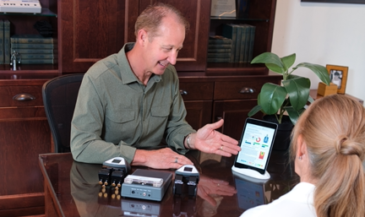
Most chiropractors feel confident in their intake and exam process. They go through posture assessments, scans, and intake protocols. They lay out the care plan step by step.
But here’s the trap:
If all you’re doing is explaining procedures and processes, you’re missing the point.
Information without interpretation doesn’t create belief.
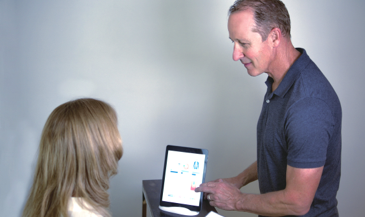
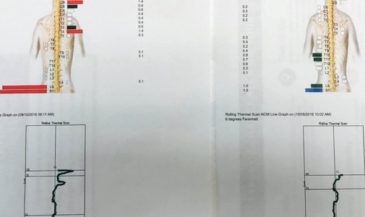
You can walk a patient through every scan, every graph, every phase…
But if they don’t know why it matters to them, they won’t stay.
This is the first essential shift in the care planning mindset:
Stop focusing on the process—start leading with purpose.
Let’s break that down.
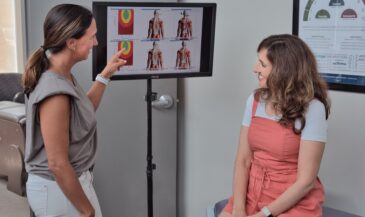
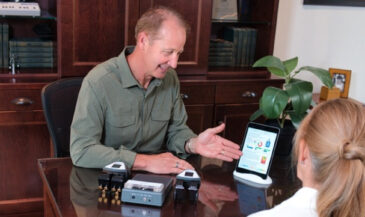
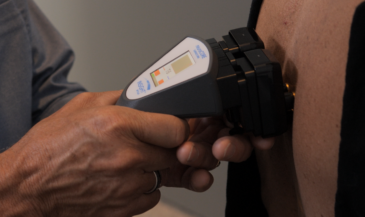
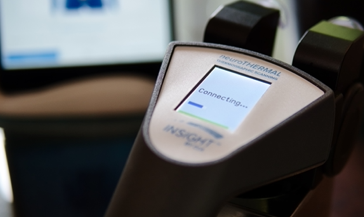
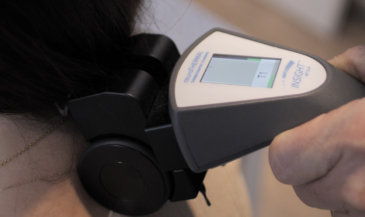
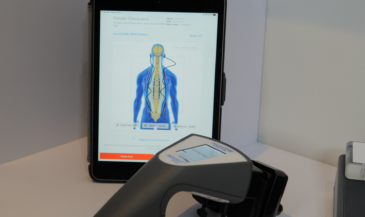
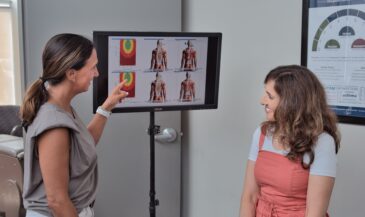
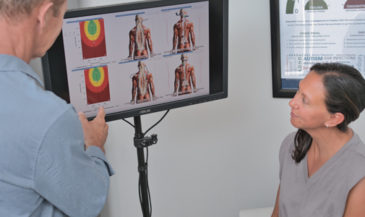
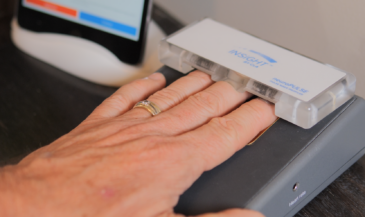
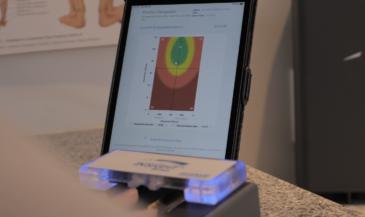
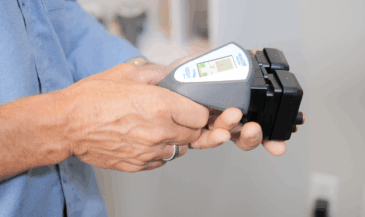
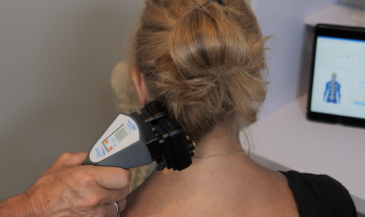
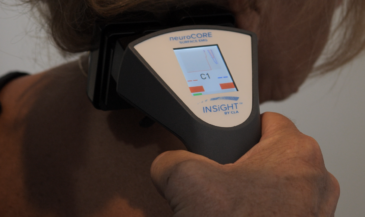
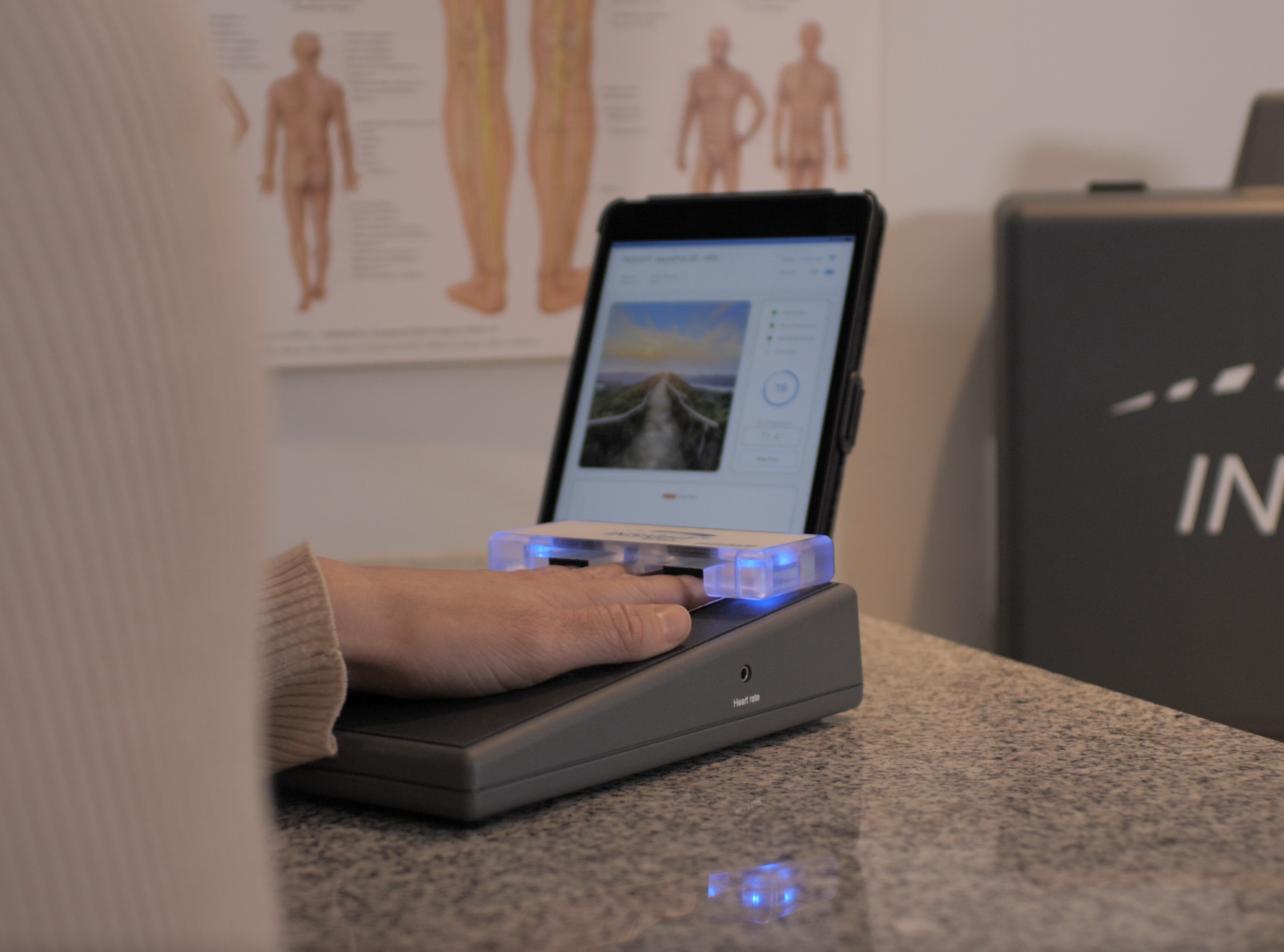
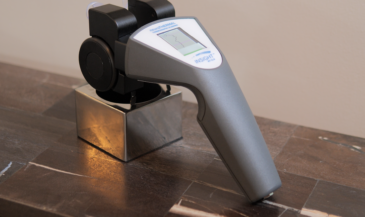
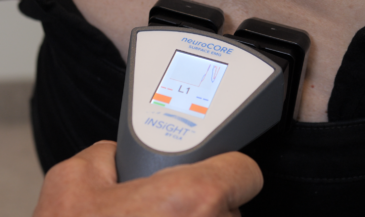
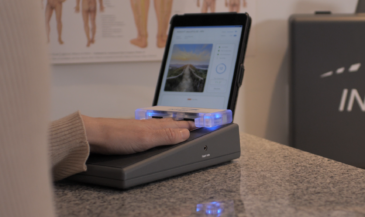
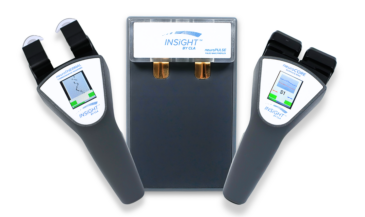
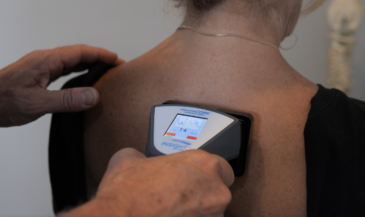
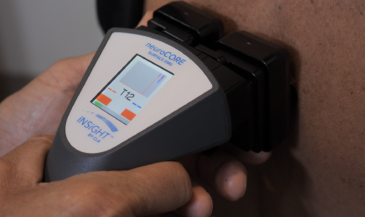
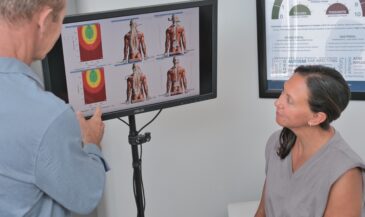
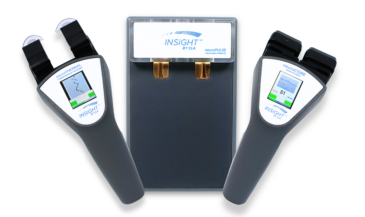
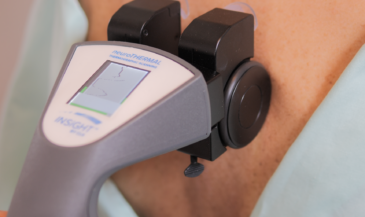
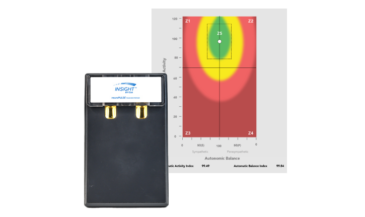
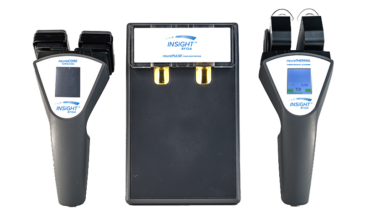
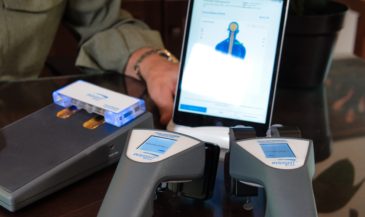
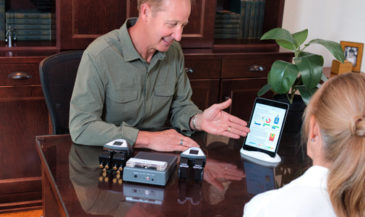
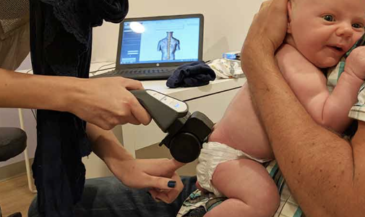
Most chiropractors feel confident in their intake process. You perform the assessments—posture analysis, range of motion, palpation, maybe even X-rays or INSiGHT scans. You walk through the exam findings. You lay out a care plan. You check all the clinical boxes.
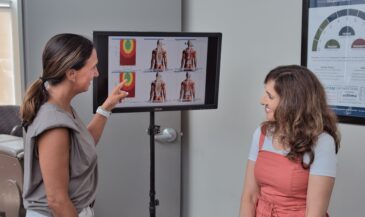
But here’s the trap: if all you’re doing is walking the patient through what you’re going to do, you’re missing the opportunity to build belief. You can present every detail of the plan, show graphs, cite research, and explain the nervous system in depth—but if the patient doesn’t understand how any of that connects to their daily life, they’ll nod, smile… and quietly disappear after visit four.
Why? Because information alone doesn’t create retention. Meaning does.
Your job isn’t just to explain the process—it’s to translate that process into purpose. You have to bridge the gap between what you see and what they feel, between what you’re doing and why it matters to them.
Let’s look at a simple example.
You might say:
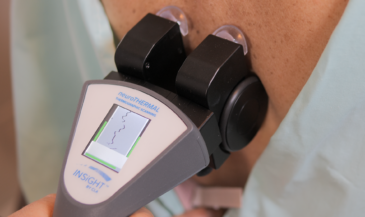
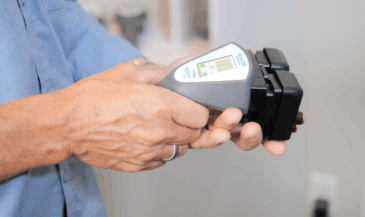
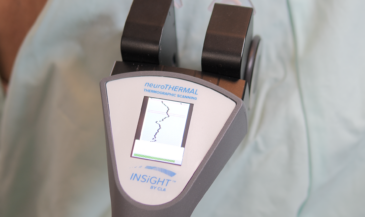
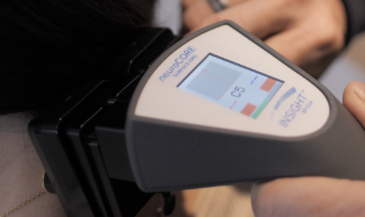
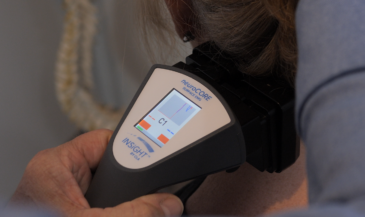
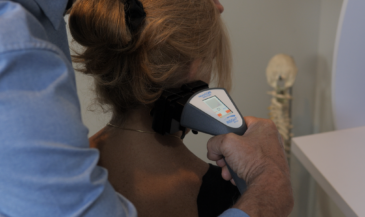
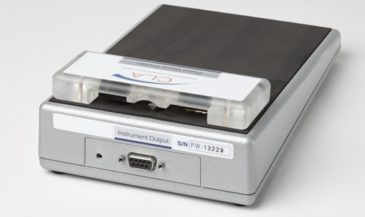
“We’re going to use a thermal scan today to check for temperature imbalances along your spine.”
That’s process. Or you could say:
“This scan helps us see how well your nervous system is regulating. If it’s out of balance, it could be affecting your ability to adapt to stress, sleep deeply, or recover properly. This gives us a window into how your body is truly functioning.”
That’s purpose.
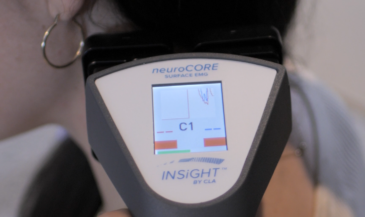
And here’s the truth: your patients don’t care that much about surface EMG, HRV, or spinal thermal graphs. They care about what’s affecting their energy, their sleep, their digestion, their focus. They care about showing up fully for their family, sleeping through the night, performing better at work, and feeling like themselves again.
So make that connection every time.
There’s one simple phrase that will completely transform your communication:
“What that means for you is…”
For example:
“We’re going to release the tension in this area that’s showing too much of an over reaction. What that means for you is that your nervous system will start responding more calmly to everyday stress.”
Or:
“We’re seeing neurological exhaustion in your mid-back. What that means for you is your postural muscles might be collapsing under chronic stress—which could explain why you’re crashing in the afternoon.”
When you repeat this enough, your patients stop seeing their visits as isolated events—and start seeing them as necessary steps in a much bigger transformation.
And that’s when the shift happens.
They stop asking, “How long is this going to take?”
And they start saying, “Let’s do what it takes.”
That’s the power of a care planning mindset grounded in purpose.
And that’s how you turn first-time patients into lifelong advocates.
Mindset Shift #2: From Enforcement to Empowerment
Many chiropractors fall into a silent trap: they want patients to follow the plan, show up for visits, and stick to the schedule.
Sounds logical, right?
But here’s the problem: when the care plan feels like something a patient is being told to follow, it creates resistance over time.
They feel directed and over managed… not inspired. You end up focusing on no-shows and having to refresh your recommendations at every visit.
That’s why the second shift in the care planning mindset is this:
Move from enforcement… to empowerment.
Let’s contrast the difference:
Enforcement-based conversation:
“You really need to be committed to your visits or this won’t work.”
“If you don’t follow the plan, you won’t get the results you need.”
Of course this is the truth of care planning. But the tone and intent come across as fear-based —not belief.
Empowerment-based conversation:
“You’re making incredible changes to your nervous system. Every visit strengthens those neurological connections and improves how you adapt to the stresses in your life. Let’s keep building that momentum.”
Now you’re not pushing them to follow orders.
You’re inviting them to take ownership of their health.
This kind of empowerment leads to better retention, stronger referrals, and a more engaged patient.
They ask better questions.
They stay involved.
They bring their family.
They celebrate progress.
Because now, they’re not just following your care plan.
They’re owning it.
Mindset Shift #3: From Transactional Visits to Transformational Relationships
Let’s get honest about what most healthcare experiences look like:
-
Show up
-
Wait
-
Get adjusted
-
Pay
-
Leave
That’s a transactional loop.
And most patients expect chiropractic to be the same.
But you have the opportunity to break that pattern completely.
The third and final care planning mindset shift is this:
Stop thinking in visits. Start thinking in relationships.
Because high-retention chiropractors don’t focus on how many visits someone books. They focus on how deeply they connect with the person behind the symptoms.
They ask things like:
-
“What are you hoping to get back to doing?”
-
“What’s really holding you back day to day?”
-
“Who else in your family needs this kind of support?”
This mindset helps you see what really matters:
-
The exhausted mom who hasn’t had a full night of sleep in years
-
The high performer running on fumes with a nervous system stuck in overdrive
-
The teenager who’s anxious and doesn’t know why
When you show up for those deeper layers—not just the spine, but the story—you create trust.
And that trust turns into transformation.
When people feel seen, heard, and understood…
They don’t just come back. They stay.
They refer.
They align with your mission.
Because they know your care isn’t transactional—it’s relational.
And that’s the care planning mindset that builds a practice with real purpose.
Ready to bring this approach into your practice with the tools to back it up?
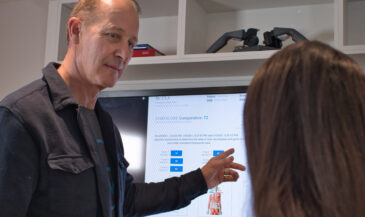
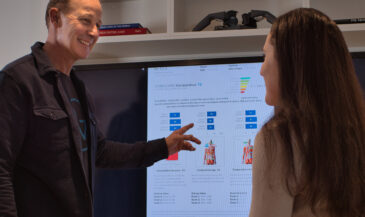
Book a call with an INSiGHT Advisor today and discover how to strengthen your care planning conversations using objective scans, CORESCORE reports, and Synapse software.