

Children don’t say, “I’m overwhelmed.”
They don’t say, “My nervous system can’t process this right now.”
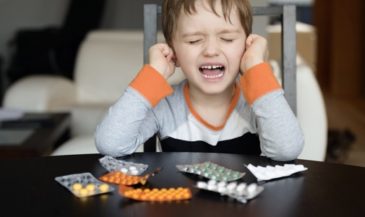
They throw tantrums.
They scream.
They refuse to sleep.
They melt down over socks that don’t feel right or changes in routine that adults would shrug off.
And too often, those behaviors get labeled as disobedience, personality issues, or something to “grow out of.” But here’s what I’ve learned after years of working with families:
These are often signs of nervous system stress.
Kids Don’t Fake Stress—They Express It
The developing nervous system is sensitive. From birth through adolescence, a child’s body is constantly learning how to process input—sights, sounds, emotions, social interactions, sensory changes.
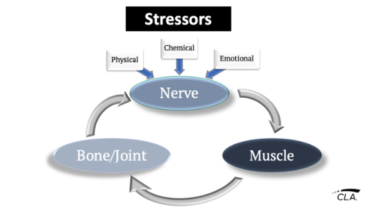
When the nervous system is adaptable and balanced, that input gets organized. But when it’s under stress—whether from birth trauma, modern screens, overstimulation, digestive distress, or emotional overload—it becomes disorganized.
And that disorganization doesn’t show up on a blood test.
It shows up in behavior:
- Frequent meltdowns
- Mood swings or rage outbursts
- Sensory issues (tags, textures, sounds)
- Trouble sleeping or self-soothing
- Chronic digestion issues
- Difficulty transitioning between activities
These are not random. These are nervous system signals.
What’s Happening Under the Surface
At the core of many of these behaviors is a dysregulated autonomic nervous system—one that’s stuck in sympathetic overdrive (fight-or-flight mode).
Instead of reacting appropriately to challenges, the child’s system goes into defense mode over and over again. It sees everyday situations as threats. And over time, this can lead to chronic stress patterns that affect everything from immune function to social development.
But here’s the good news: we can see these patterns early.
How INSiGHT Scanning Detects Stress in Kids
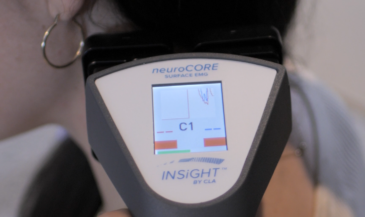
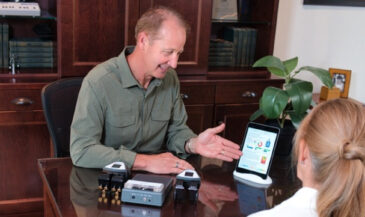
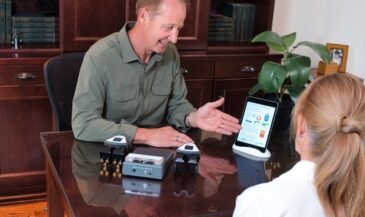
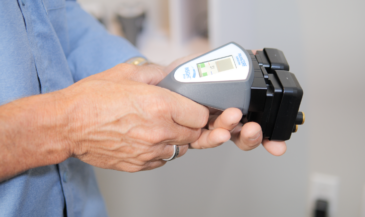
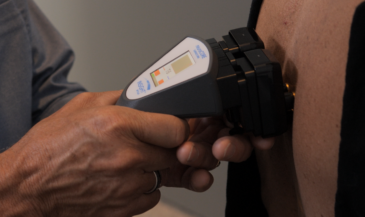
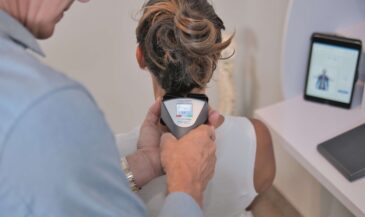
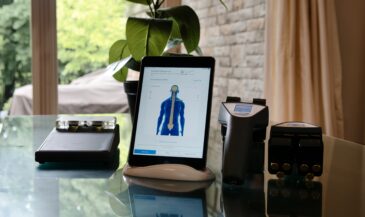
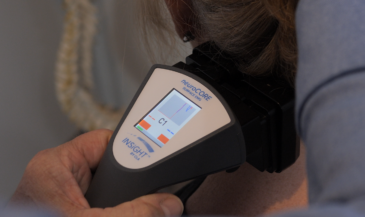
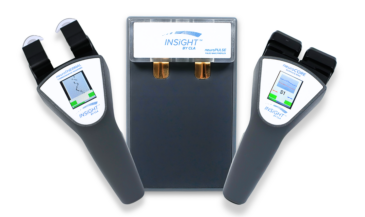
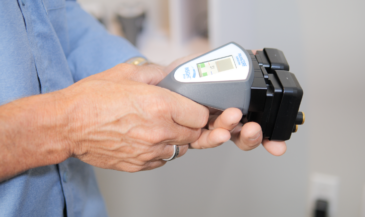
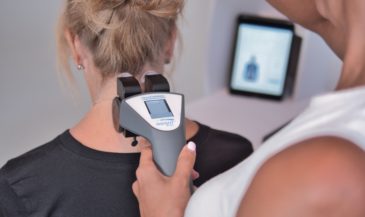
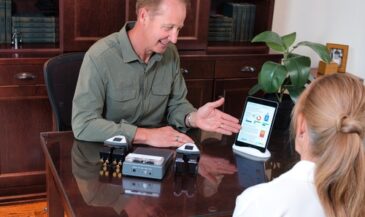
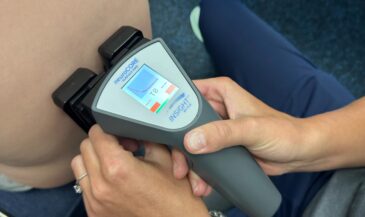
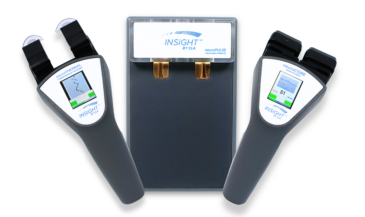
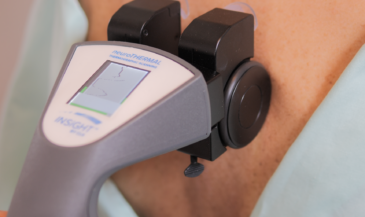
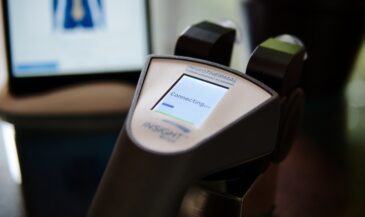
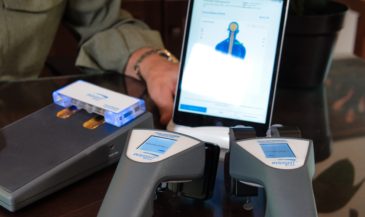
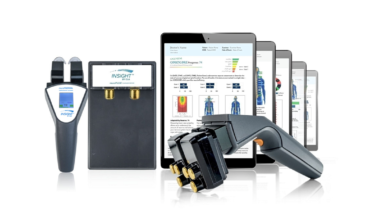
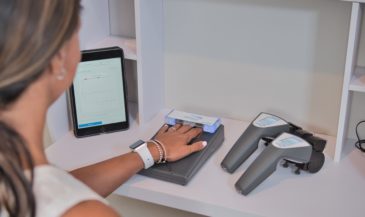
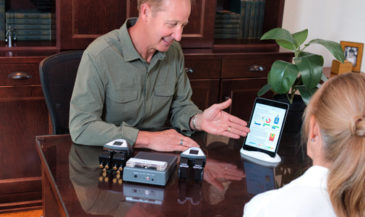
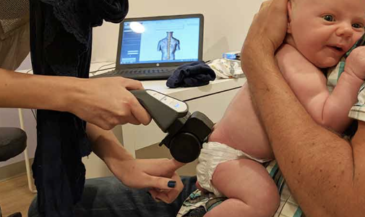
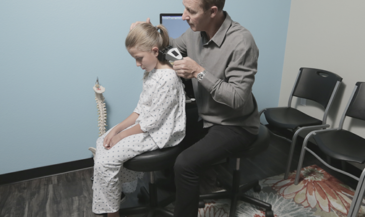
Using INSiGHT’s pediatric-safe technology, chiropractors can measure stress and imbalance without guesswork.
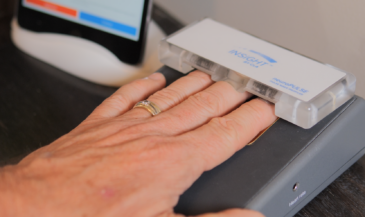
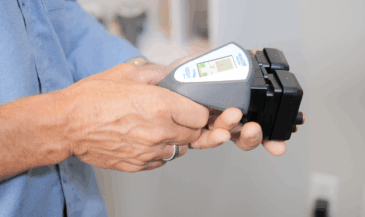
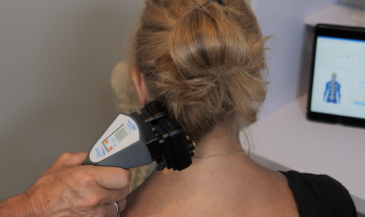
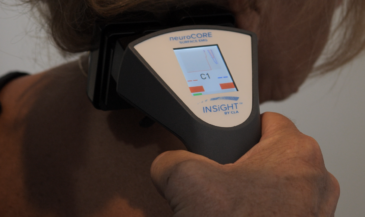
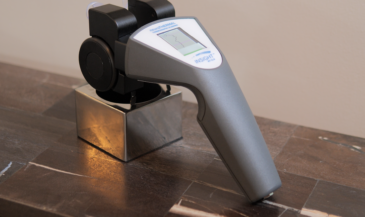
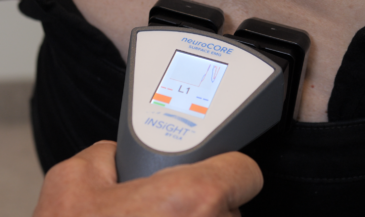
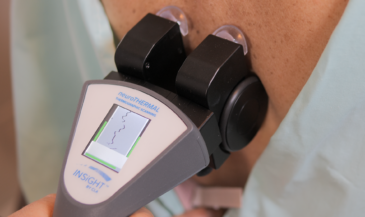
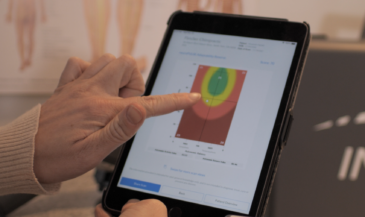
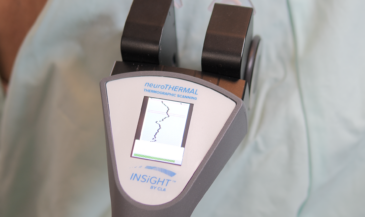
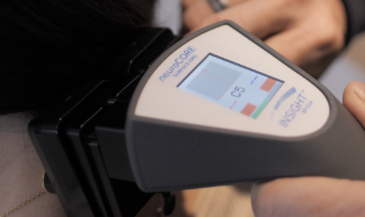
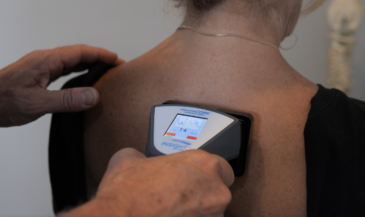
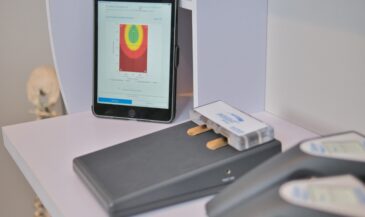
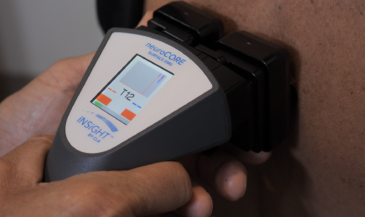
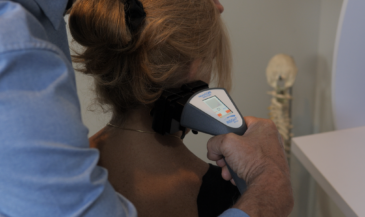
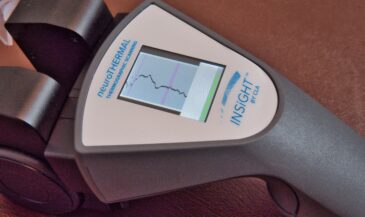
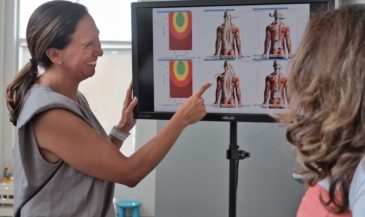
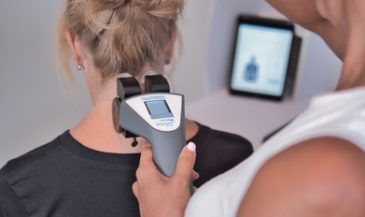
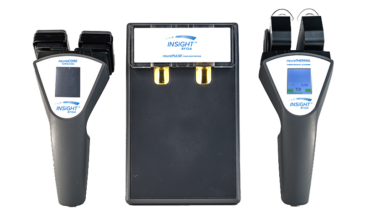
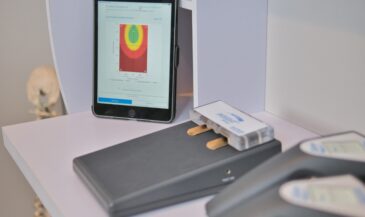
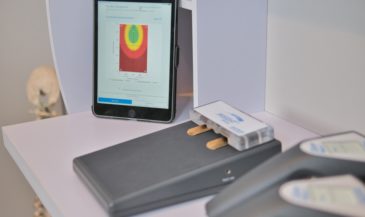
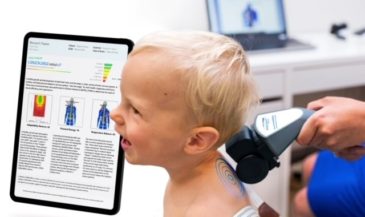
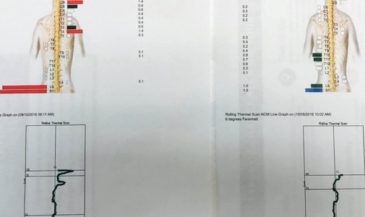
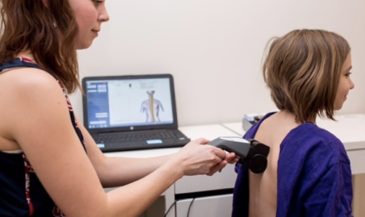
- The neuroTHERMAL scan detects subtle temperature changes along the spine, signaling autonomic stress—especially in organ and glandular function. This is where we see stored tension and unresolved stress patterns.
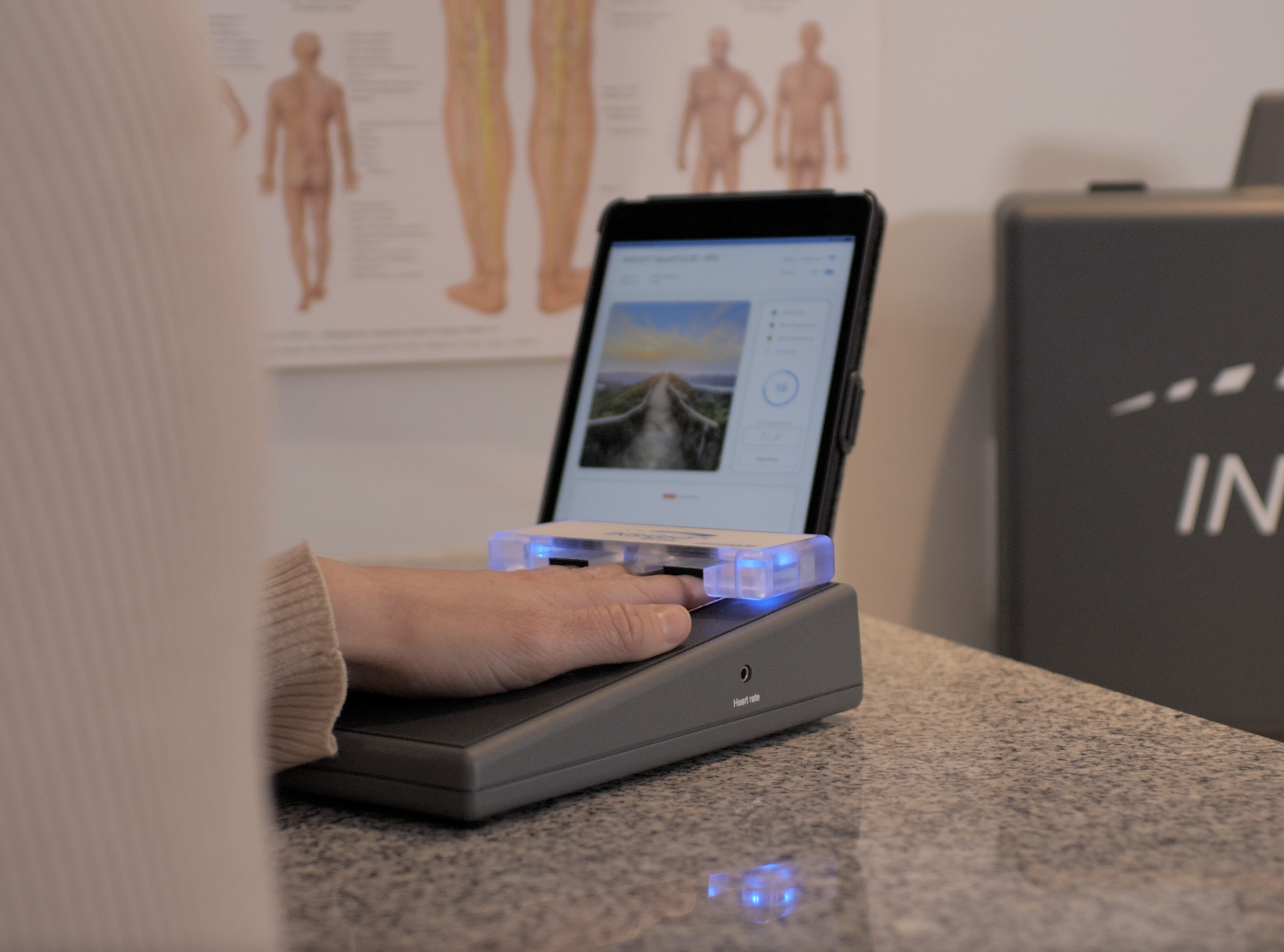
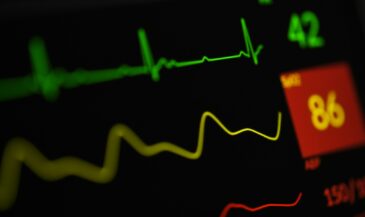
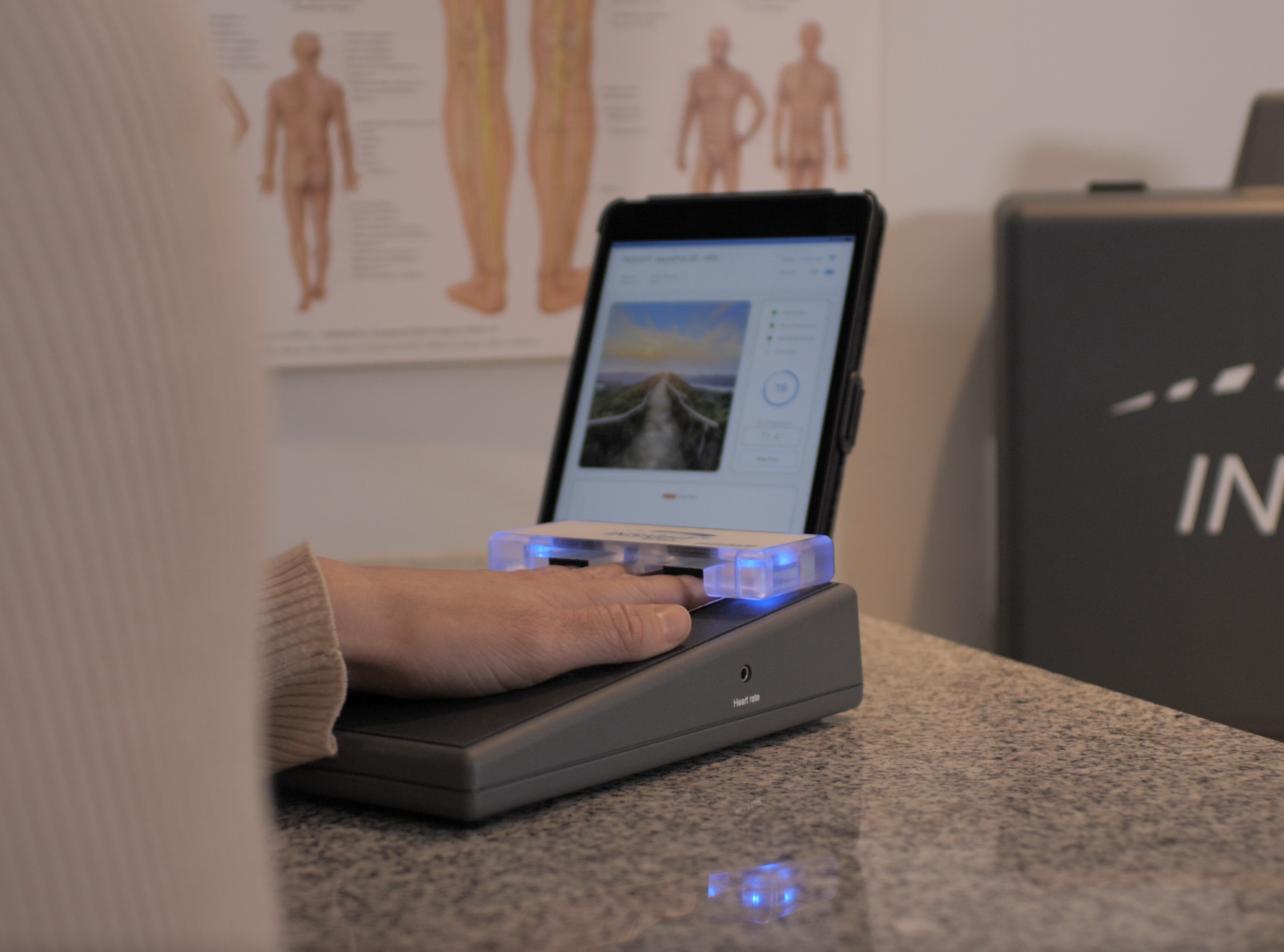
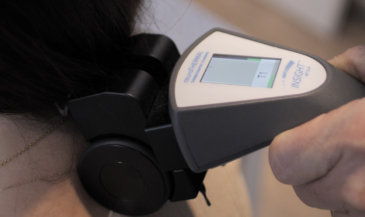
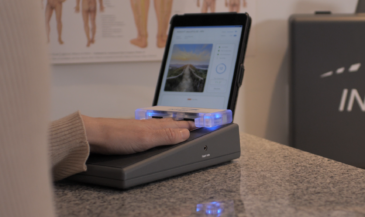
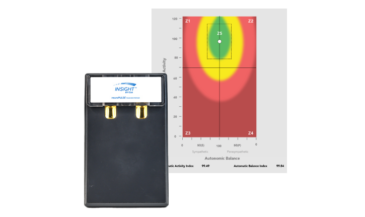
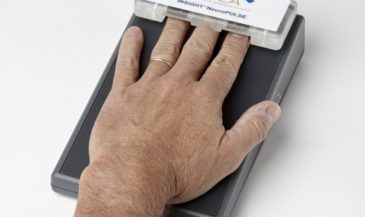
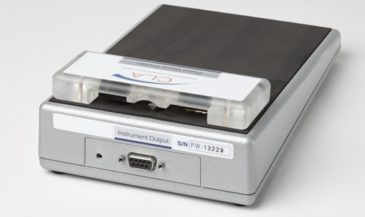
- The neuroPULSE HRV scan measures Heart Rate Variability, showing how well the child’s system is shifting between stress and recovery modes. Low HRV in kids can reflect nervous system exhaustion, poor adaptability, and even emotional regulation challenges.
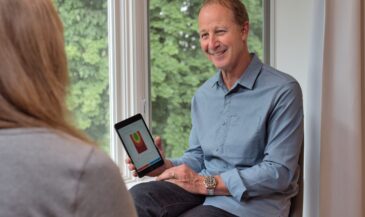
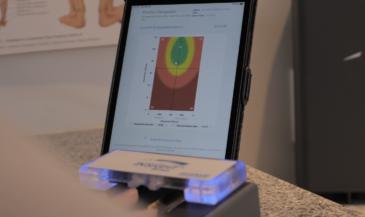
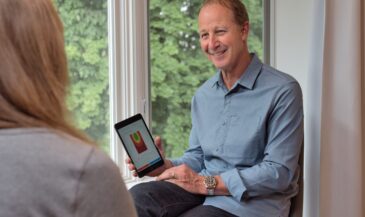
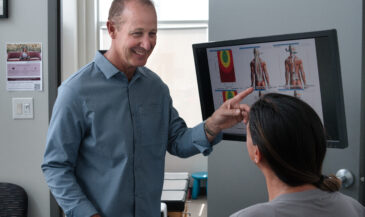
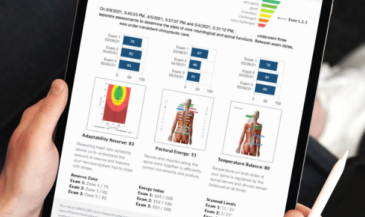
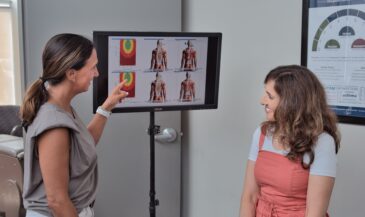
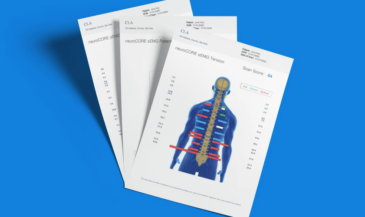
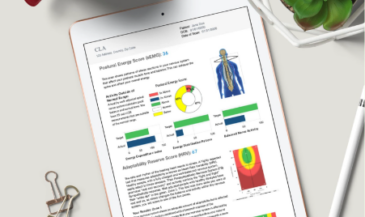
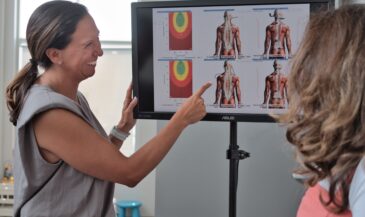
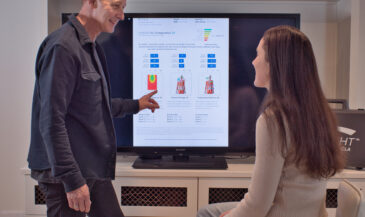
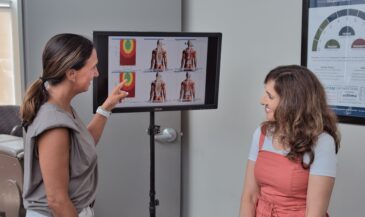
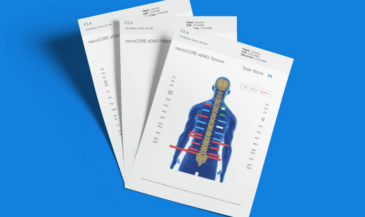
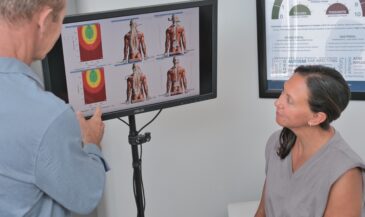
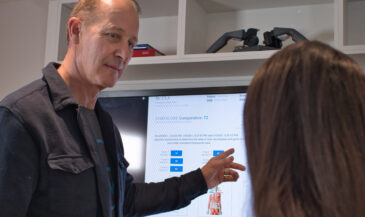
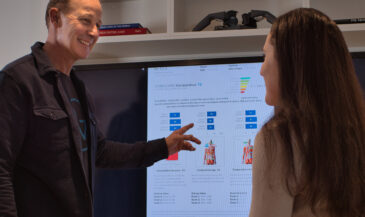
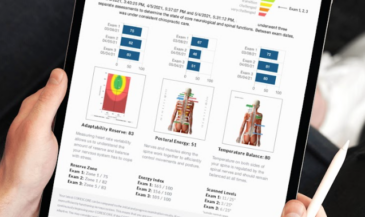
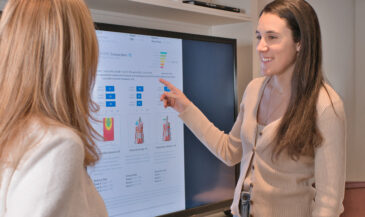
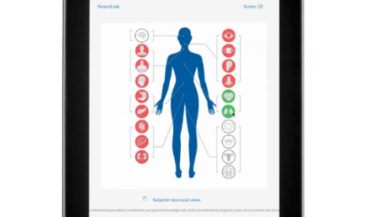
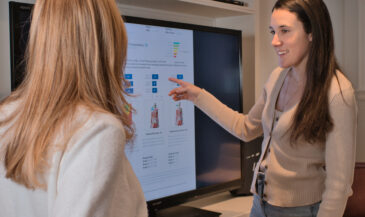
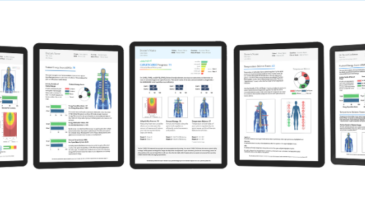
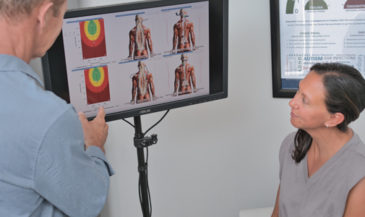
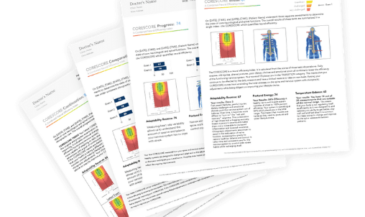
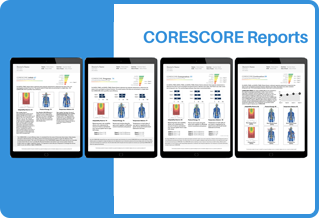
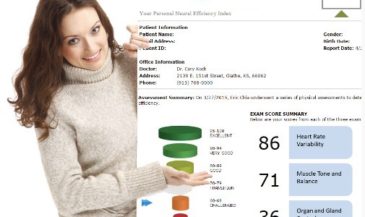
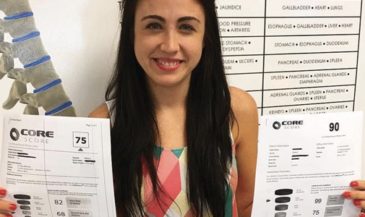
Together, these form part of the CORESCORE neurological report card, giving parents visual insight into their child’s current state of nervous system health.
It’s objective, clear, and completely non-invasive.
Chiropractic: Calming the System, Not Correcting the Child
When a child’s nervous system is overwhelmed, discipline won’t fix it. Timeouts won’t regulate it. What they need is care that helps calm their internal chaos—not just suppress the external symptoms.
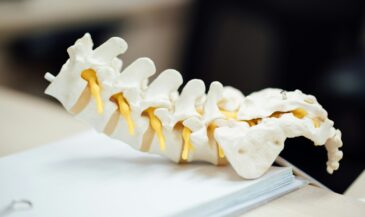
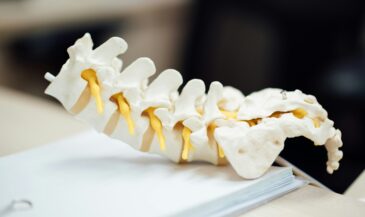
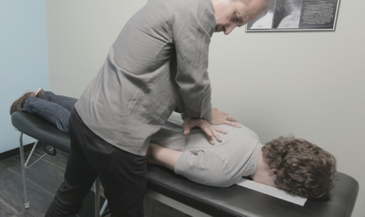
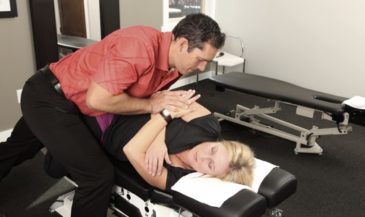
Chiropractic adjustments for kids are gentle, specific, and designed to restore neurological clarity. They help reduce subluxations that interfere with brain-body communication, so the system can self-regulate again.
As nervous system balance improves, many parents notice:
- Calmer responses to stress
- Fewer meltdowns
- More consistent sleep
- Easier digestion
- Better focus and emotional control
These outcomes aren’t just anecdotal—they align with what the scans show. Increased HRV. More balanced thermal patterns. Higher CORESCORE results over time.
This is what function-first pediatric care looks like.
What Parents Are Saying
Parents who commit to nervous system care often describe it as a turning point. They’ve seen the scans, they’ve watched the progress, and they understand now that their child’s behaviors weren’t “bad”—they were signals of a system under stress.
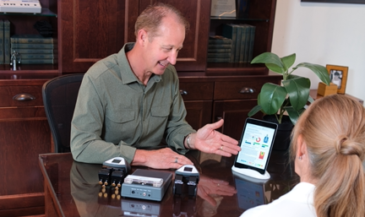
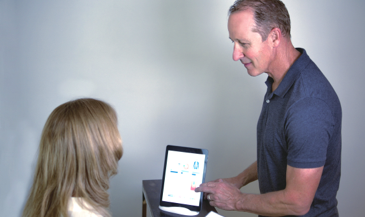
Book a call with an INSiGHT Advisor if you want to bring this kind of transformational system into your practice! We’ll show you how to implement scanning, reporting, and care planning tools that boost your retention and help your patients reach their full potential.