

If there’s one truth I’ve learned over decades of teaching chiropractors around the world, it’s this:
People don’t buy what they don’t understand.
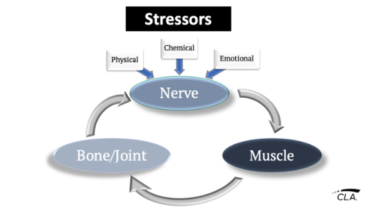
We can talk about subluxation. We can talk about adaptability, regulation, and stress recovery. But until patients can see what’s happening inside their nervous system, they’re left to guess — and that guesswork limits their commitment to care.
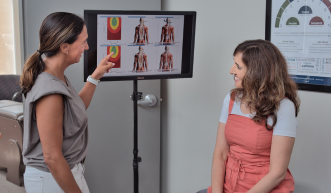
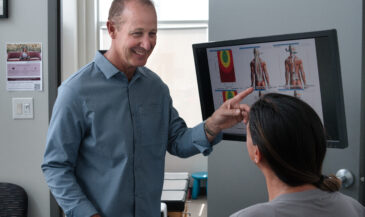
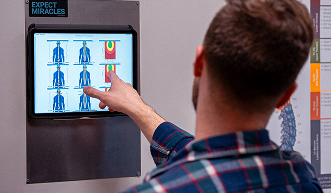
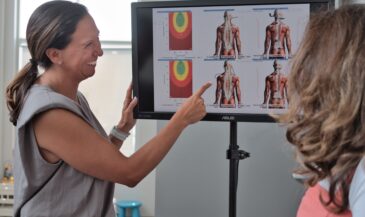
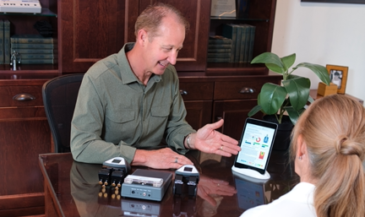
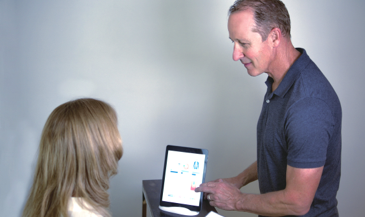
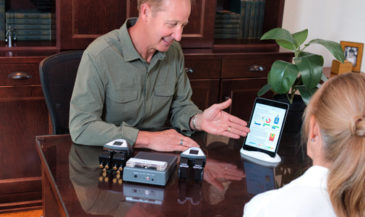
That’s why I believe visual, objective scanning is one of the most powerful trust-builders you can offer in practice. It transforms abstract concepts into clear, relatable stories that patients can own — and act on.
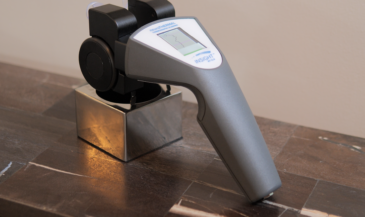
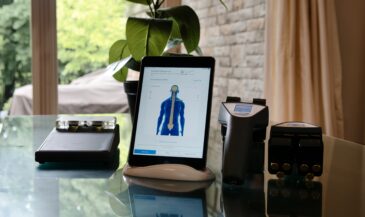
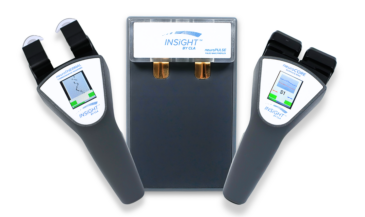
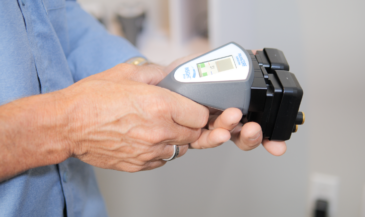
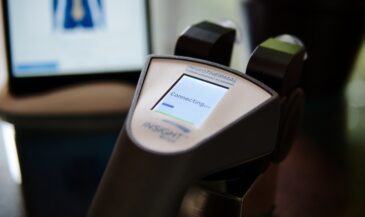
So, let’s unpack how visual scans — especially with INSiGHT neuroTECH — make your recommendations real, keep patients engaged, and help you build long-term retention through confidence and credibility.
The Trust Gap in Traditional Care
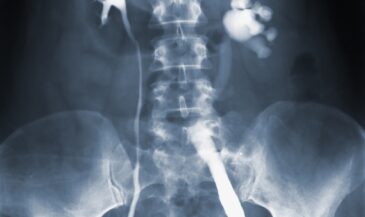
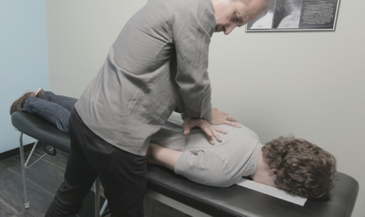
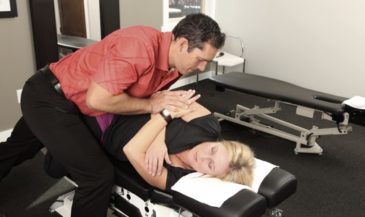
Imagine this: A patient comes in for low back pain. You palpate, test range of motion, maybe take an X-ray, and deliver an adjustment. They feel better — so they leave.
What happens next?
If you’re like most chiropractors, you’ve had patients disappear when the symptom goes away — only to return months later in worse shape. They see chiropractic as relief care, not a system for nervous system performance. They don’t understand the functional WHY behind ongoing care — because they can’t see it.
The result? Trust stalls out.
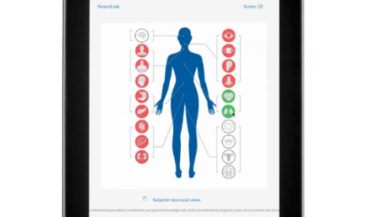
We’ve all been there: trying to explain stress adaptation, subluxation, and regulation using words alone. But language isn’t enough for most patients. People are visual. They need to see how the spine and nervous system connect, how stress shows up in real time, and how each adjustment creates measurable change.
Why Visual Evidence Changes the Game
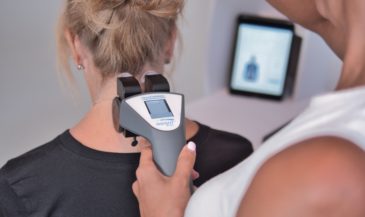
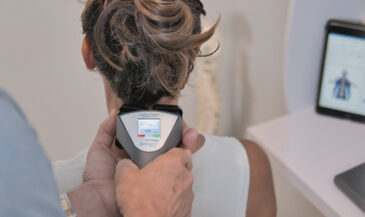
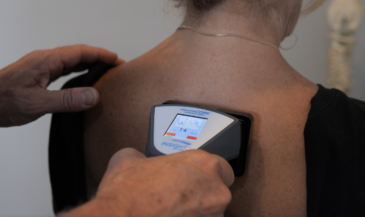
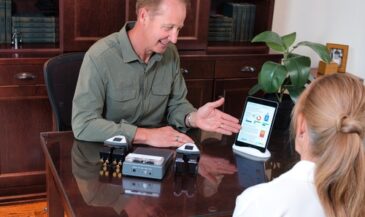
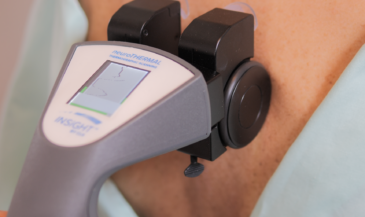
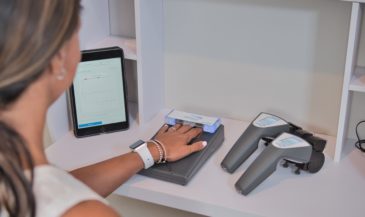
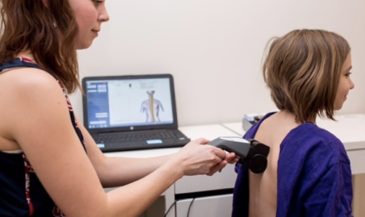
Let’s flip the scenario: Imagine that same patient comes in for back pain, but this time, you run an INSiGHT scan.
-
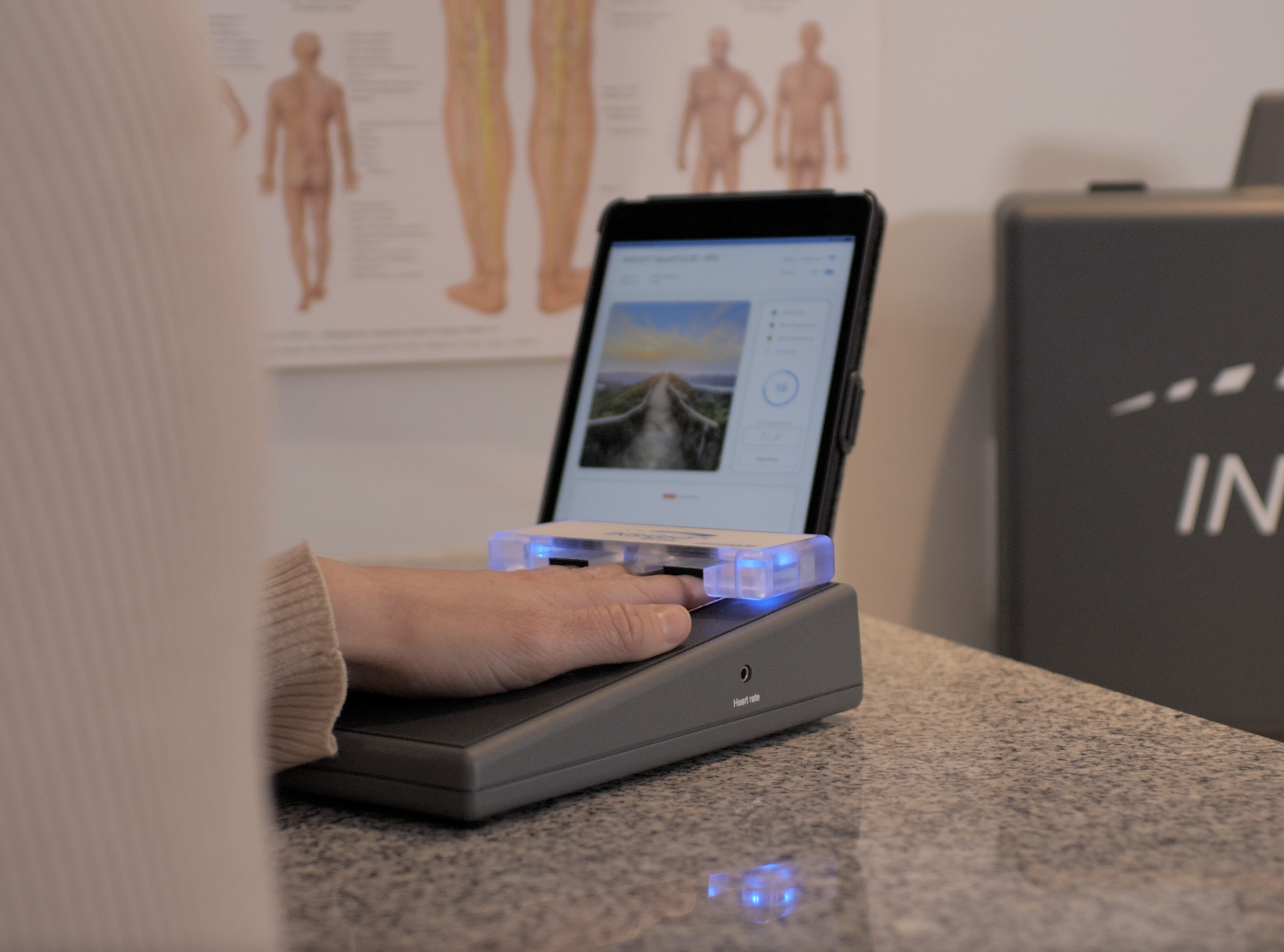
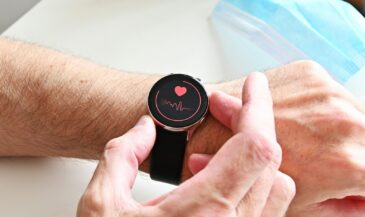
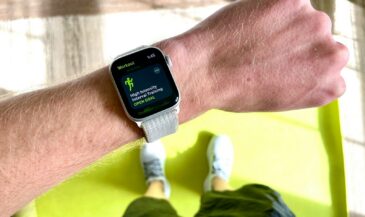
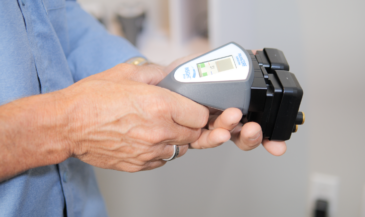
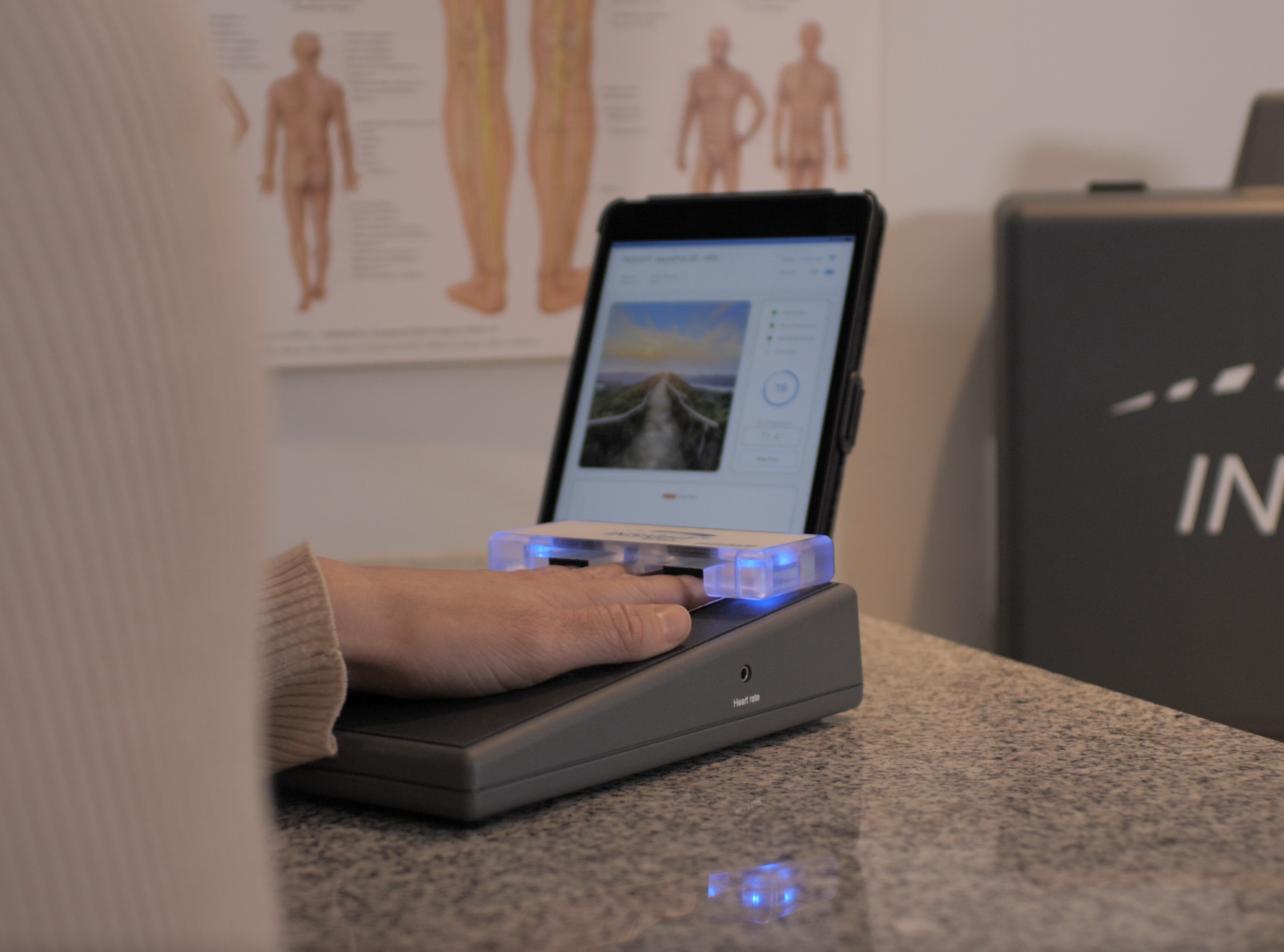
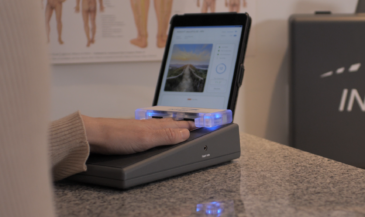
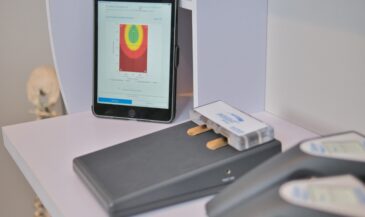
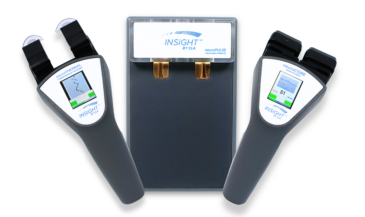
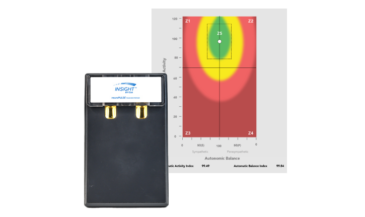
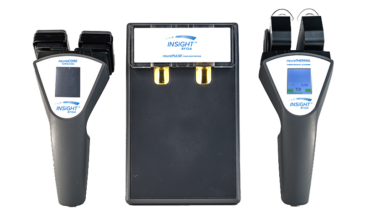
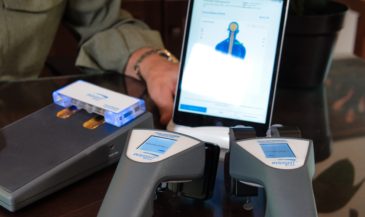
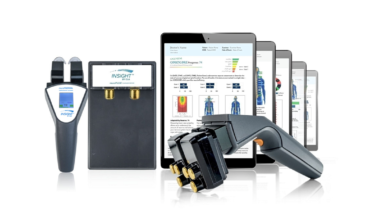
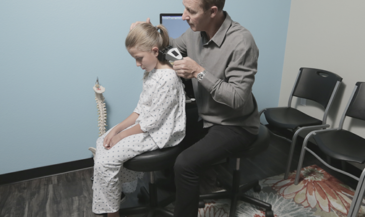
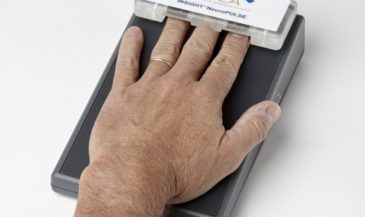
The neuroPULSE shows low HRV — their nervous system is stuck in survival mode.
-
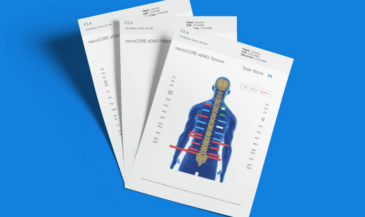
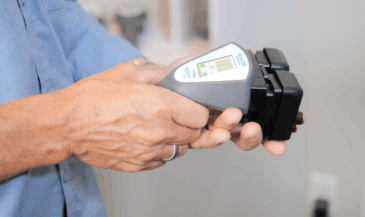
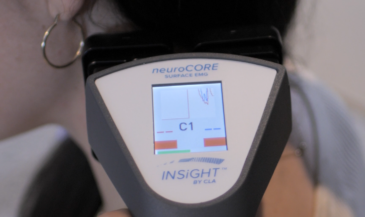
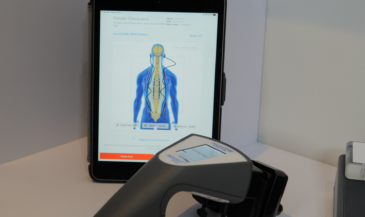
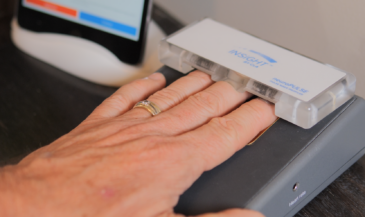
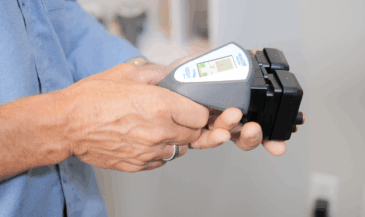
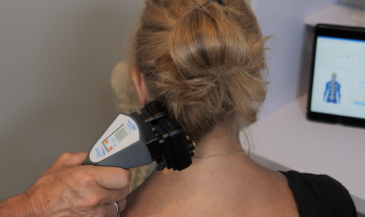
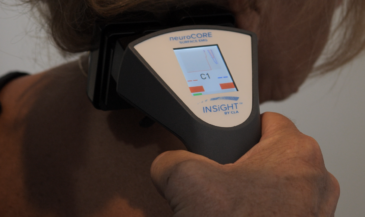
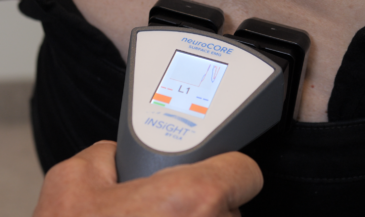
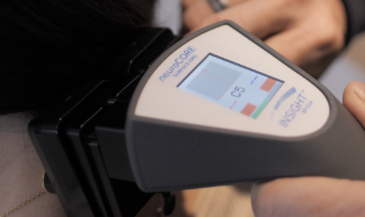
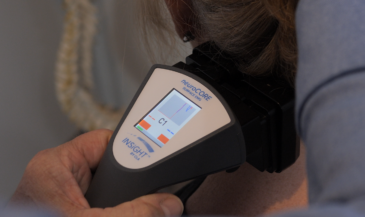
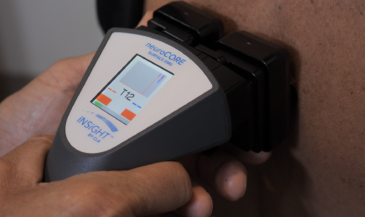
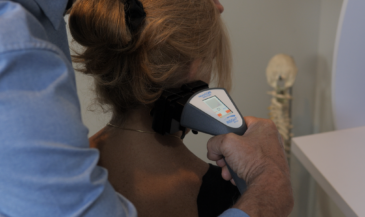
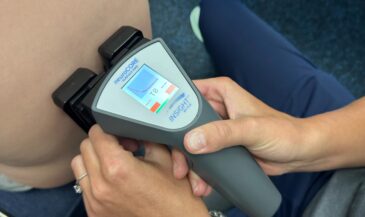
The neuroCORE sEMG shows muscle exhaustion along the lumbar spine — energy is leaking where it shouldn’t.
-
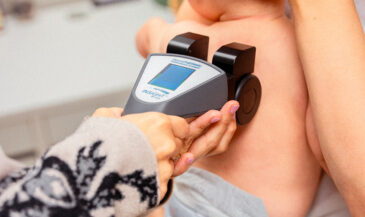
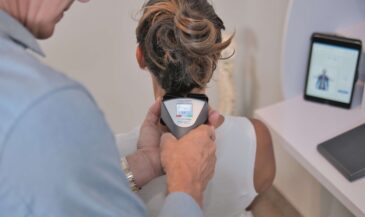
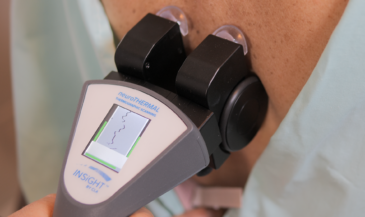
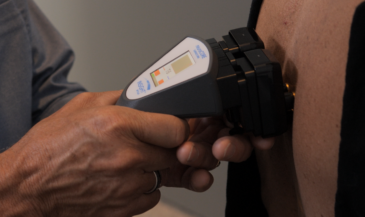
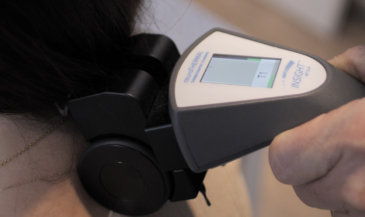
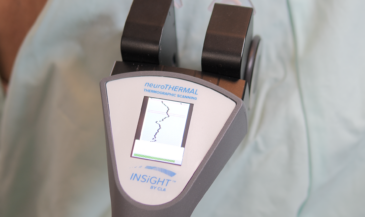
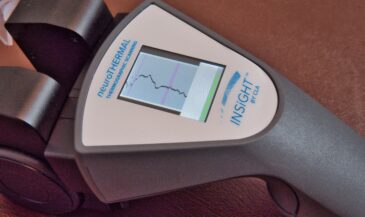
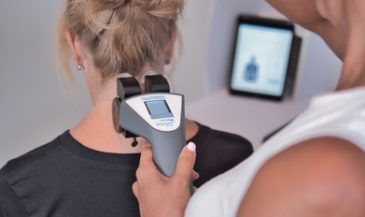
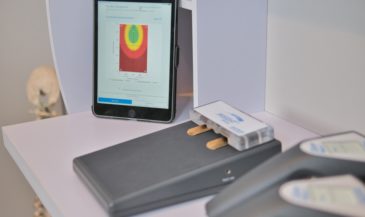
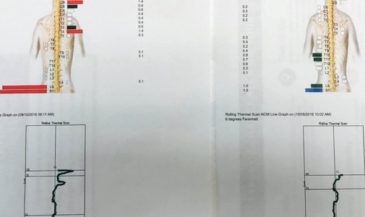
The neuroTHERMAL scan shows autonomic stress patterns that point to deeper dysfunction.
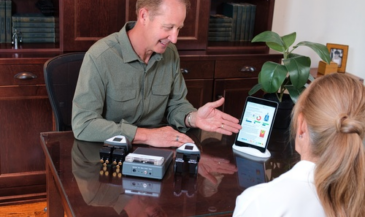
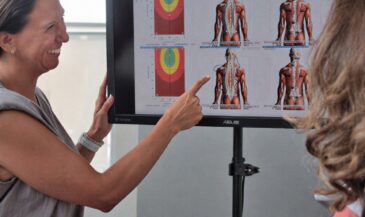
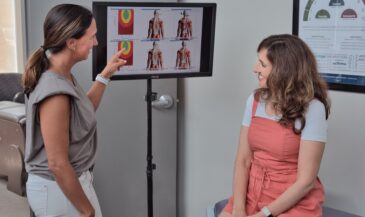
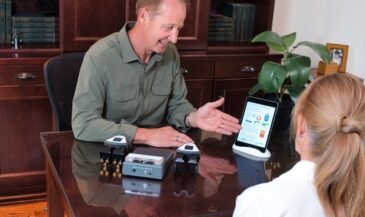
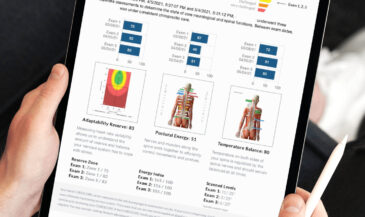
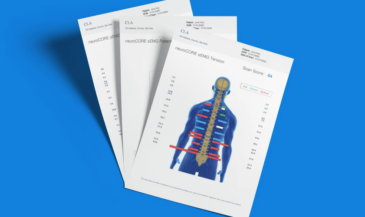
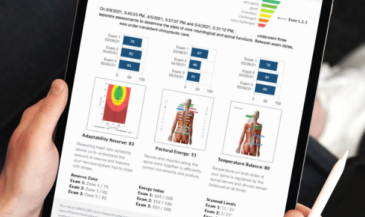
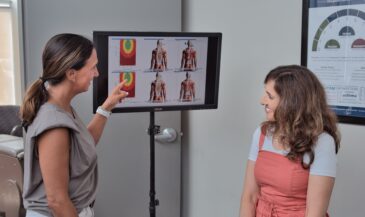
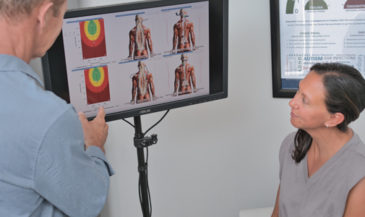
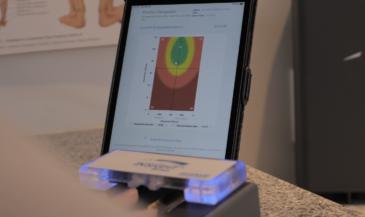
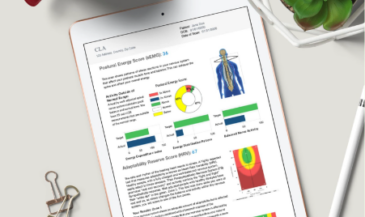
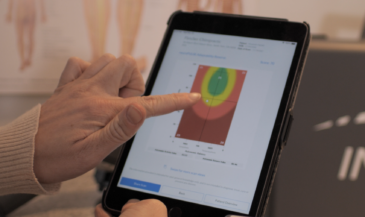
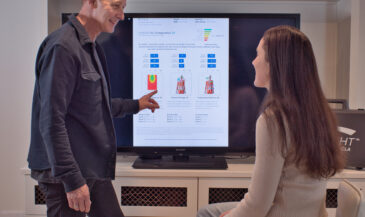
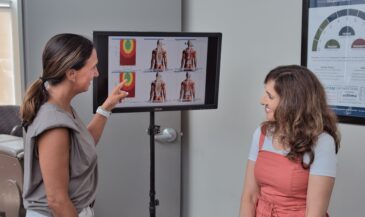
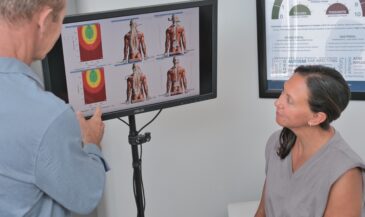
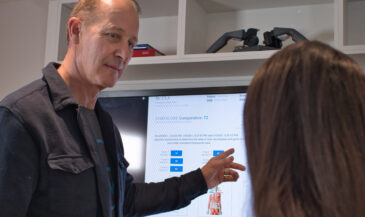
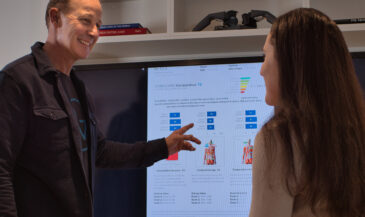
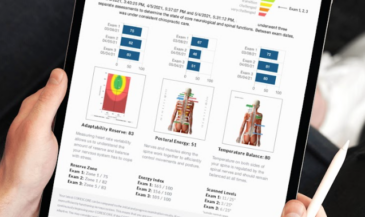
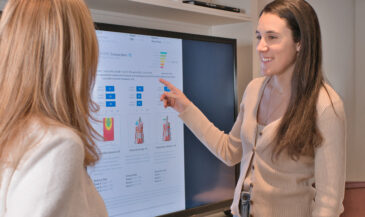
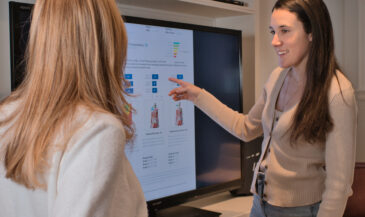
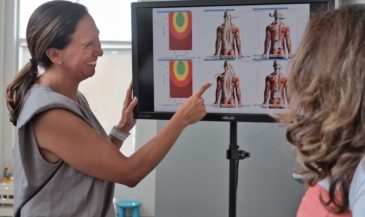
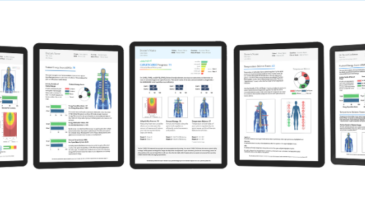
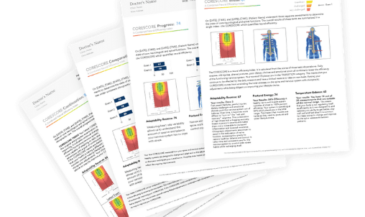
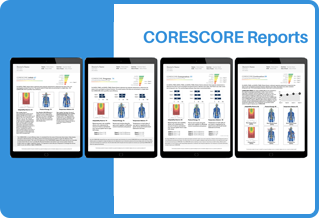
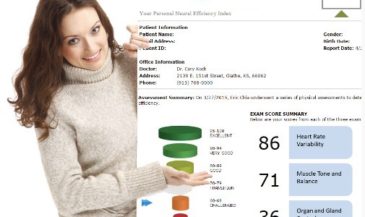
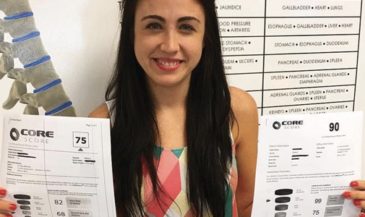
Then, you pull it all together in their CORESCORE neurological report card. You show them the color-coded visuals, the baseline score, and what optimal looks like. You connect the dots: “Here’s why you’re not just feeling pain — you’re functioning poorly.”
Suddenly, they see it. They realize, “This is bigger than back pain. This is about my nervous system.”
And every progress scan they see after that proves one thing: they’re not guessing — they’re tracking. That’s where trust takes root.
The Science Is Clear: Patients Learn Visually
There’s a reason we use diagrams, models, and progress charts in every area of healthcare: visual learning works.
Studies show that people remember only 10% of what they hear three days later — but if you pair that information with a relevant visual, retention jumps to 65%.
Think about that in your practice:
When you tell a patient they’re under stress, they nod politely — but they don’t internalize it.
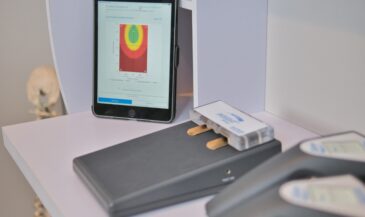
When you show them a thermal scan with red and blue patterns mapping out autonomic imbalance, they remember.
When you show a low HRV score on their CORESCORE report, they connect the dots between stress, sleep issues, and fatigue.
That single image may do more to build trust than a 20-minute explanation ever could.
Visual Scans Build Transparency and Credibility
Another reason scans build trust? They remove the perception that chiropractic is subjective or “opinion-based.”
Patients have been taught by the medical model to trust numbers: blood pressure, cholesterol, BMI, lab results. When you introduce nervous system scans that are reproducible, FDA regulated and backed by decades of research, you give them something they instinctively trust: objective data.
Now you’re not just telling them what you feel — you’re showing them what the system is actually doing.
And when you repeat that scan at re-exams, the data shows how well the patient is accepting your adjustments. That’s radical transparency — and it’s a game-changer for patient confidence.
Seeing Progress: The CORESCORE as a Neurological Report Card
Patients love clear goals. They love to track progress. They love to know their score. That’s why the CORESCORE is so powerful.
It condenses all three technologies — HRV, sEMG, and thermal — into a single, easy-to-understand number that acts as a neurological report card.
-
Low score? More interference, poor adaptability.
-
Rising score? Better adaptability, stronger recovery.
-
High score? A resilient nervous system performing as designed.
Patients can see that their nervous system is changing — even when they don’t feel it yet. This shifts the conversation away from “I’m pain-free so I’m done” to “I’m functioning better, and here’s the proof.”
Building Trust with Families and Kids
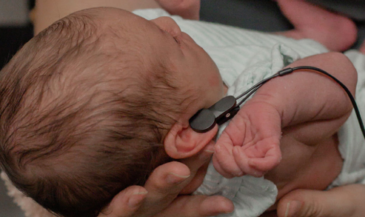
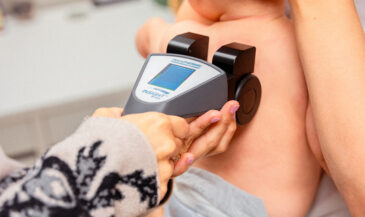
This is especially true in family practice. Parents often worry about scans or extra steps for kids — until they see the visuals.
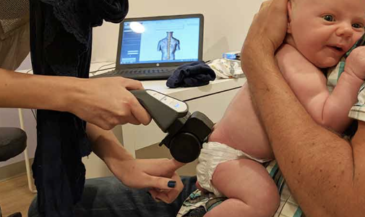
When a parent sees their child’s thermal scan showing hidden stress, they grasp why their child’s sleep is disrupted, or why digestion is inconsistent. When they watch HRV scores improve over a care plan, they see the system adapting — and that builds confidence that they’re doing the right thing for their child’s health.
The same goes for skeptical partners or older family members. Visual evidence closes the gap between “Do I really need this?” and “I can see why this matters.”
Visual Scans Anchor the Entire Care Plan
Trust doesn’t stop at the first scan. It deepens when scans become a rhythm in your care process:
-
Baseline scan: Shows the starting point, explains the WHY.
-
Progress scans: Validate the plan, celebrate wins, adjust as needed.
-
Wellness scans: Reinforce that nervous system care is about staying adaptable, not just fixing what’s broken.
Every CORESCORE progress report reinforces one message: “Your nervous system is improving — and here’s the proof.”
Your Team: The Trust Amplifiers
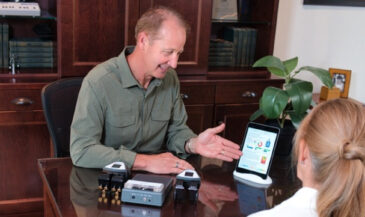
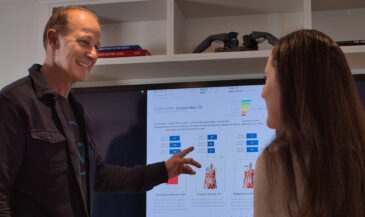
One thing I tell every INSiGHT practice: Your scans are only as powerful as your team’s ability to present them clearly.
Train your team to:
-
Explain what each scan measures — in plain language.
-
Connect visuals to the patient’s real-life stressors and goals.
-
Celebrate progress, no matter how small, to keep patients engaged.
-
Reinforce that the CORESCORE isn’t just a number — it’s their neurological report card.
When your CAs speak the same function-first language you do, trust expands beyond the adjusting table — and your practice culture changes.
Why Visuals Eclipse Doom and Gloom Reporting
Some clinics try to communicate to patients using doom and gloom scenarios. They tell them they’ll “fall apart” without more care. But patients see right through these tactics — and it erodes trust fast.
Visual scans do the opposite. They inspire patients to stay because they see what’s real. They choose ongoing care because they see their body changing, not because they’re scared.
Trust = Retention = Referrals
When patients trust your process, they stick with you. When they stick with you, they talk about you. And when they show their scans to friends and family, they become your greatest advocates.
This is why INSiGHT practices consistently outperform the average chiropractic office in retention and referrals — not because they have some secret marketing hack, but because they’ve made their results visible.
Seeing Is Believing — And Believing Builds Loyalty
At the end of the day, patients don’t just want relief — they want results they can see, understand, and trust. Visual scans give you the credibility to back up every adjustment you make and every care plan you recommend.
So if you want to keep your practice thriving, stop telling patients what’s happening.
Show them.
Because seeing is believing — and believing is what keeps them coming back.
Ready to bring this approach into your practice with the tools to back it up? Book a call with an INSiGHT Advisor today and discover how to strengthen your care planning conversations using objective scans, CORESCORE reports, and Synapse software.