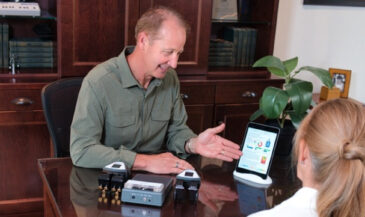


If you’ve been in practice for any length of time, you know this truth: Not every patient walks through your doors ready to embrace the idea that their nervous system is the root of their symptoms.
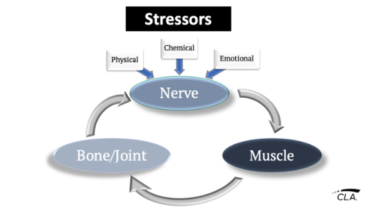
They’re conditioned to think in structural terms — bones, joints, and posture. They’ve been taught to see pain as a mechanical problem or something they just have to “live with.”
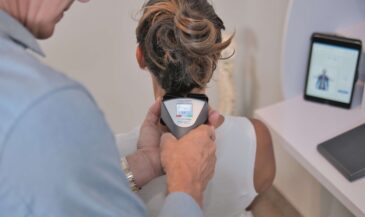
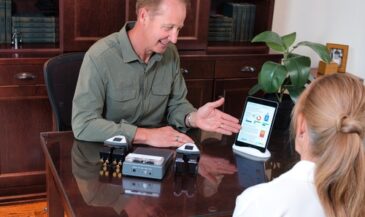
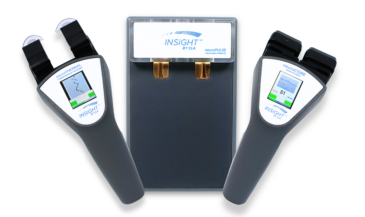
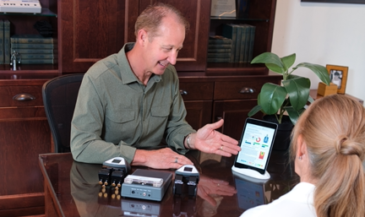
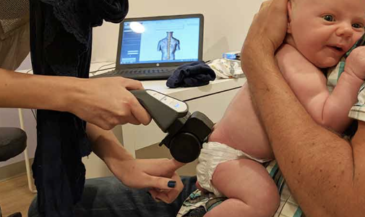
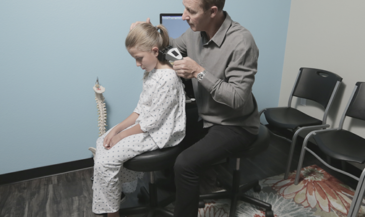
So when you introduce advanced nervous system scanning — HRV, sEMG, thermal imaging — you’ll get questions. You’ll get raised eyebrows. And you’ll definitely get, “Do I really need that?”
Here’s the good news: skepticism is healthy. It means people are engaged. They want to know the WHY behind what you’re recommending. And if you can explain it well — in their language, not yours — you’ll turn that skepticism into trust and long-term commitment.
This is how you do it.
Understand Where Skepticism Comes From
People aren’t skeptical because they don’t believe you. They’re skeptical because they don’t understand what the scan measures or why it matters.
They’ve been conditioned by the medical model to trust tests they recognize — blood pressure, cholesterol, blood sugar. They know those numbers matter. But nervous system scans? That’s new terrain.
When you frame scanning the wrong way — as an “add-on” or “extra cost” — people see it as optional. But when you position it as the baseline for all function-first care, you anchor the conversation in what they care about most: results.
How NOT to Position It
Before we get to the best strategies, let’s cover what doesn’t work:
-
Don’t dump data. Patients don’t need the full science lesson behind HRV or sEMG. They need plain language.
-
Don’t make it sound like an upsell. If you treat scanning as optional, patients will too.
-
Don’t use fear tactics. Patients want to be inspired and educated — not manipulated by worst-case scenarios.
-
Don’t get defensive. If someone says, “I don’t think I need that,” meet them with curiosity, not pushback.
Step 1: Connect It to What They Already Understand
Start where the patient’s mind is. Use relatable examples. For instance:
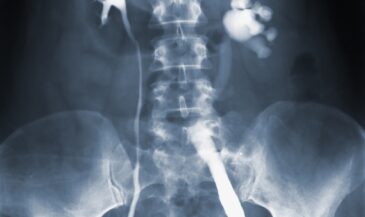
“When you go to the dentist, they take X-rays so they can see what’s happening beneath the surface. These scans do the same thing for your nervous system — so we’re not guessing, we’re measuring.”
Or…
“Think of this like your check engine light. Your body might feel fine now, but the nervous system can show stress long before symptoms appears.”
Relatable metaphors turn a complex idea into common sense.
Step 2: Explain What It Actually Measures
Keep it simple and focus on function. For example:
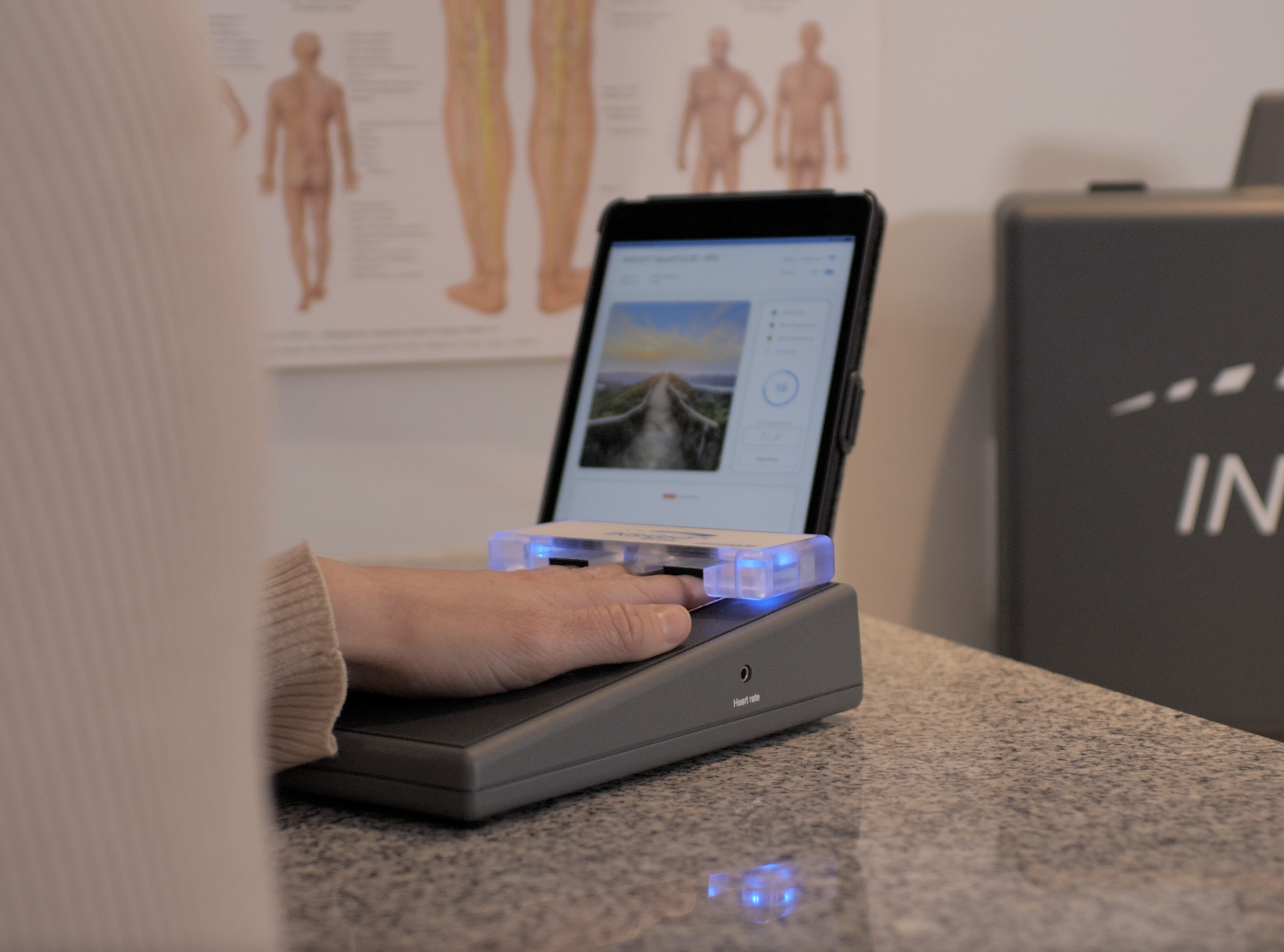
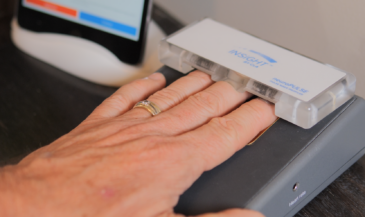
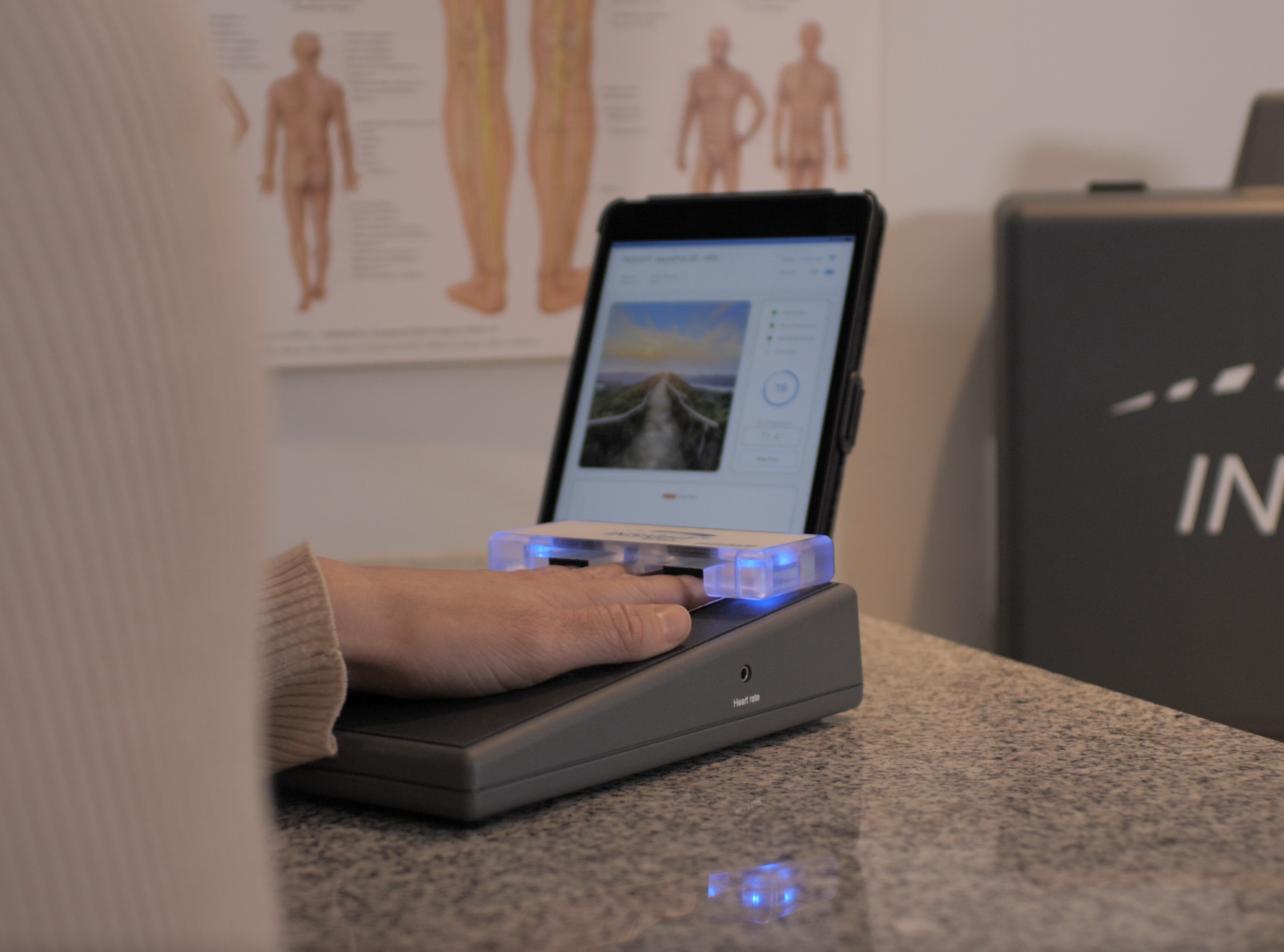
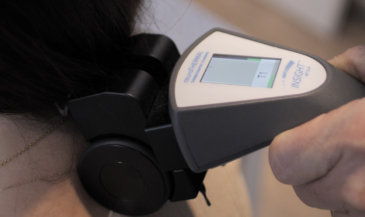
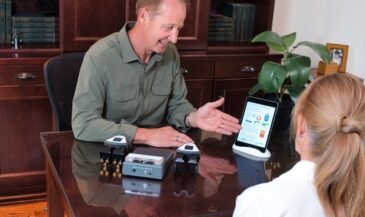
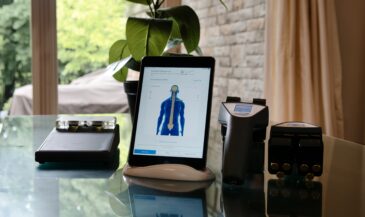
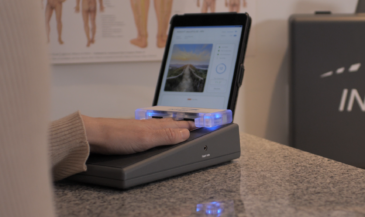
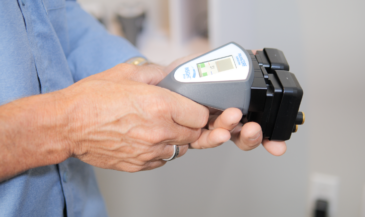
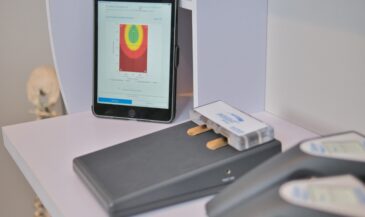
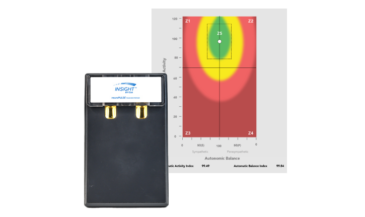
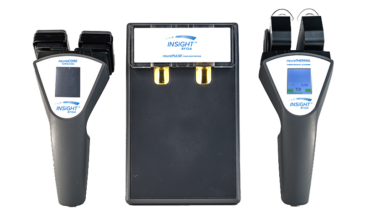
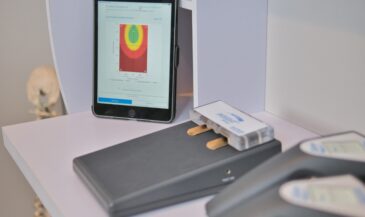
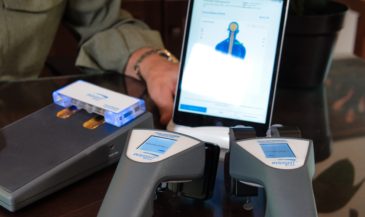
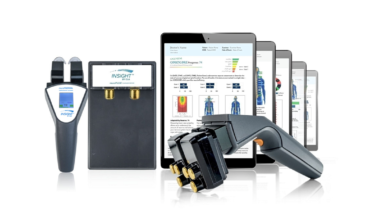
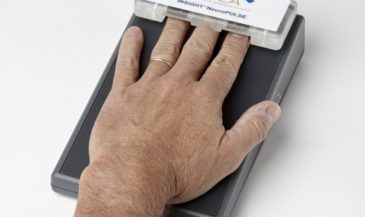
HRV (neuroPULSE): “This shows how well your body can shift between stress and recovery. It’s a snapshot of your adaptability.”
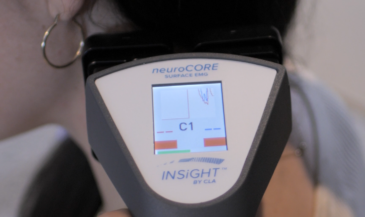
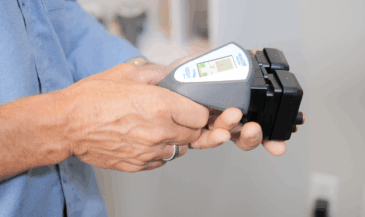
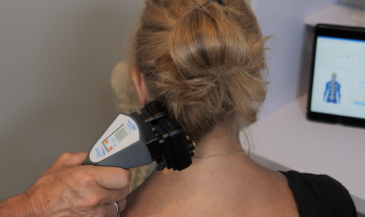
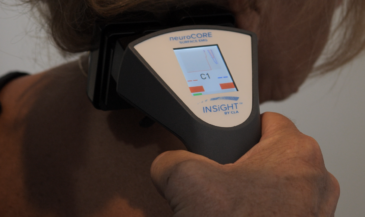
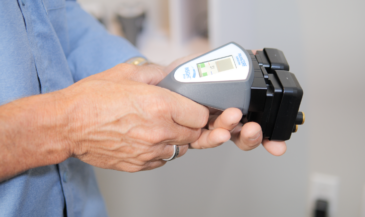
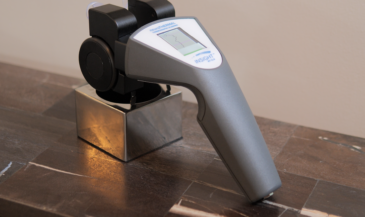
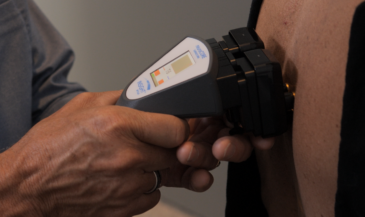
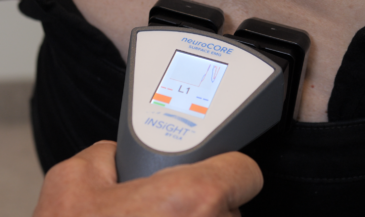
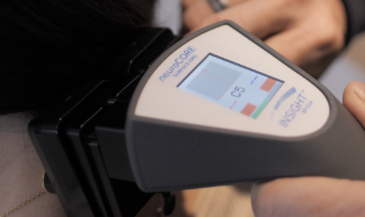
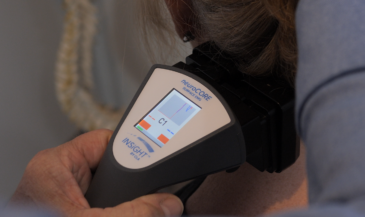
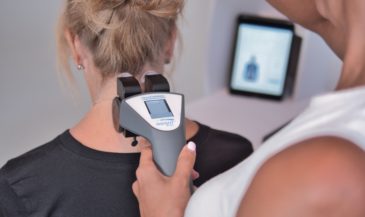
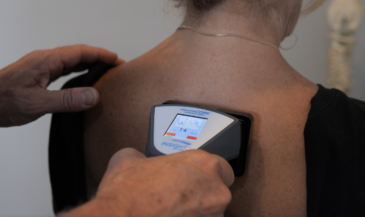
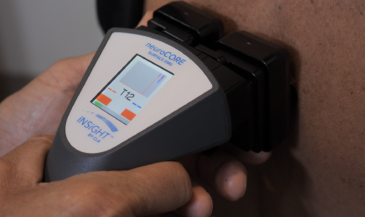
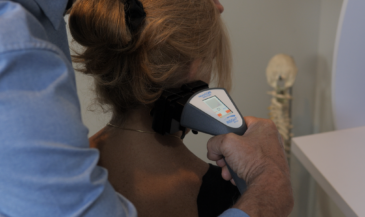
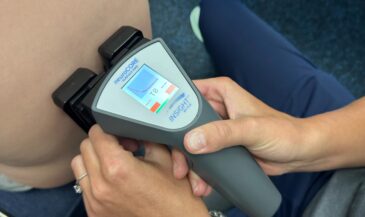
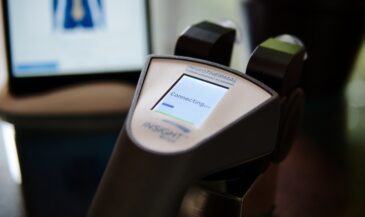
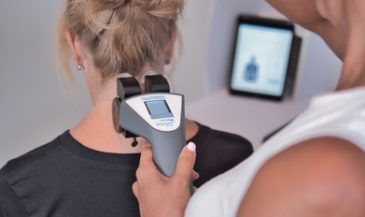
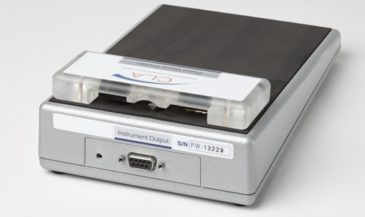
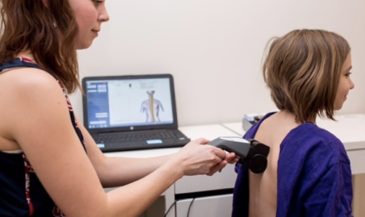
sEMG (neuroCORE): “This tracks how much energy your muscles use just to keep you upright. It shows us where your body is compensating for nerve interference.”
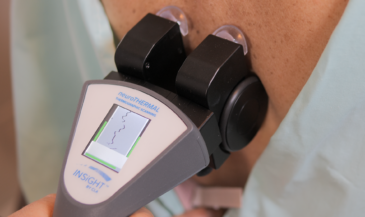
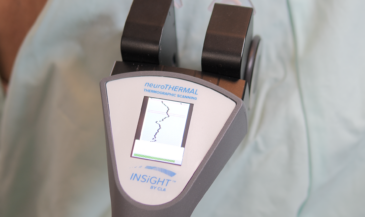
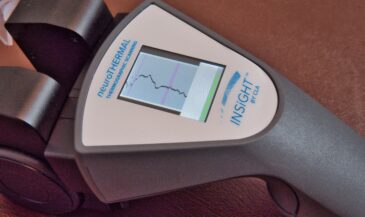
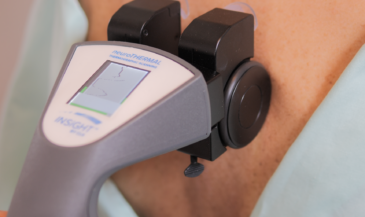
Thermal (neuroTHERMAL): “This detects hidden patterns of stress that affect organs and glands — the parts you can’t feel directly.”
When you tie each scan back to real life outcomes — sleep, energy, focus, digestion — the value clicks.
Step 3: Show, Don’t Tell
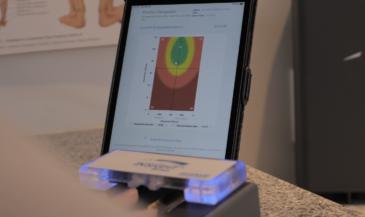
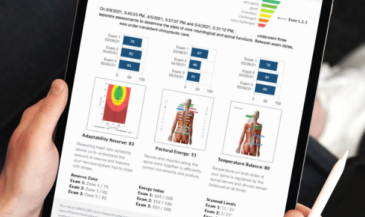
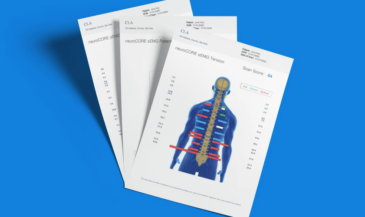
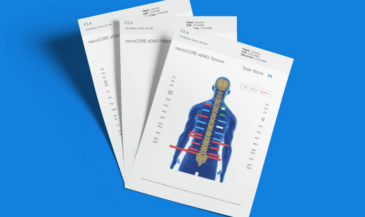
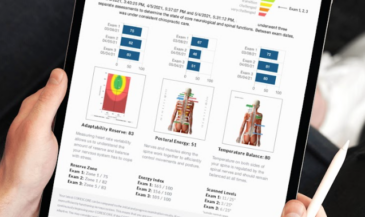
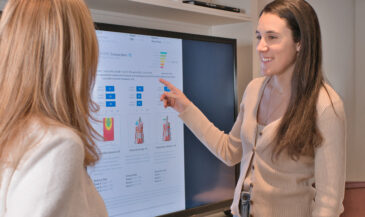
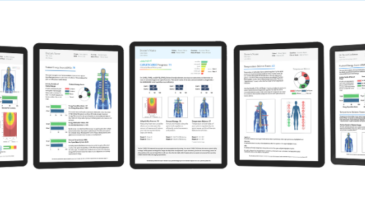
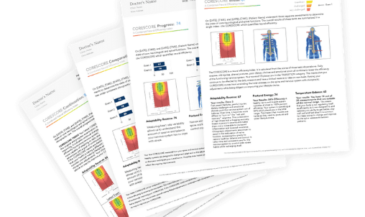
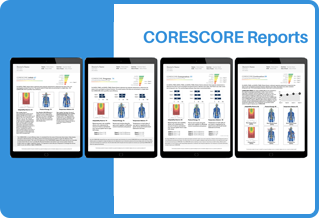
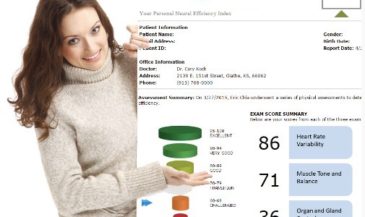
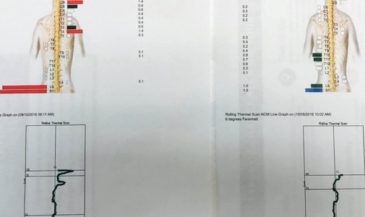
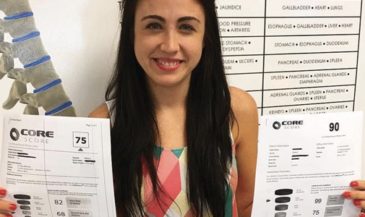
This is where the CORESCORE neurological report card changes everything.
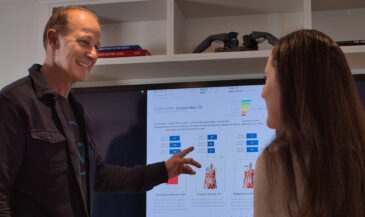
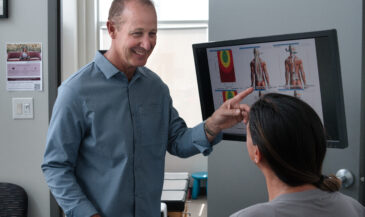
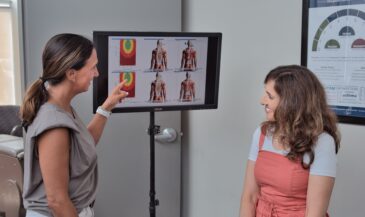
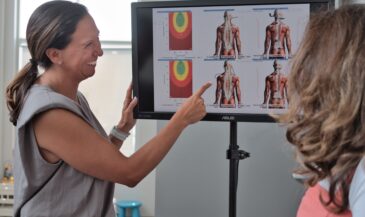
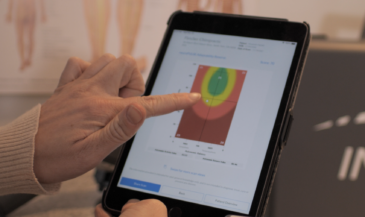
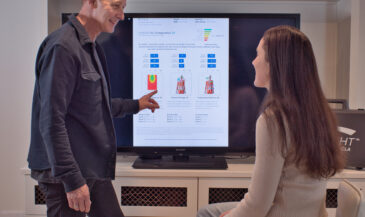
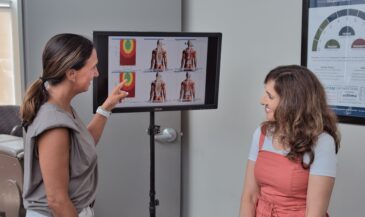
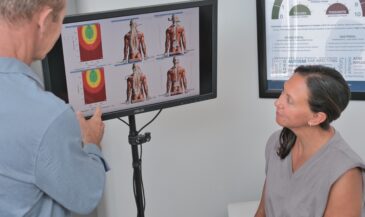
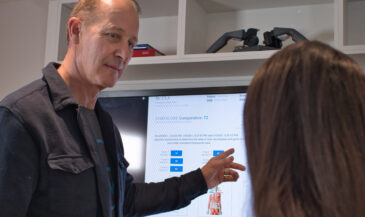
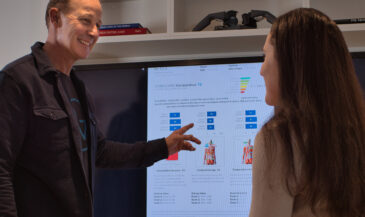
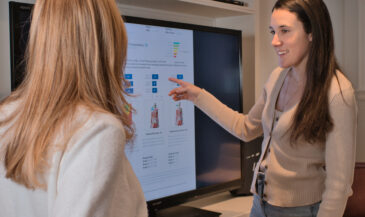
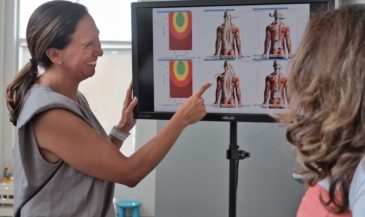
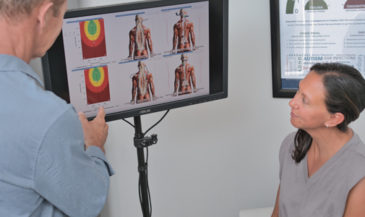
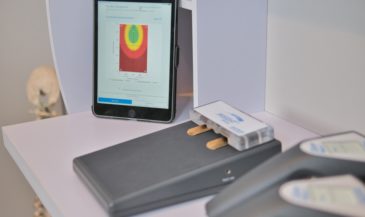
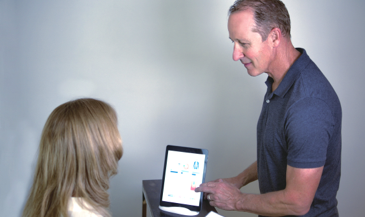
Instead of throwing numbers at people, show them what stress looks like on a color-coded chart. Show them what optimal function looks like. And show them where they are now.
When they see a clear baseline — especially if they thought they were “fine” — it creates an aha moment. They realize you’re not just fixing what hurts; you’re guiding their entire nervous system back to balance.
Step 4: Make It Routine, Not Optional
Skepticism fades when scanning is presented as the standard of care — not a bonus.
Your script might sound like this:
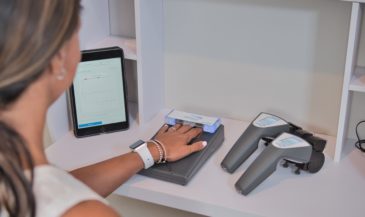
“In our office, every patient starts with a full nervous system baseline scan. It’s how we understand what your body’s doing today — and how we’ll measure how it changes as you get adjusted.”
Or…
“This is the difference between guessing and knowing. Without the scan, we’re flying blind. With it, we’re tracking your progress like a report card for your nervous system.”
When scanning is baked into your process — Day One, progress checks, re-exams — patients accept it as normal.
Step 5: Show Progress Regularly
Even the most skeptical patient will come around when they see that their nervous system is changing.
This is why progress scans are not optional. They’re your best retention tool.
Every CORESCORE update show:
-
“Here’s what your system looked like when you came in.”
-
“Here’s how it looks now.”
-
“Here’s what we’re working toward next.”
That progress reinforces one key idea: your care is working — and it’s bigger than just pain relief.
Step 6: Celebrate Wins, No Matter How Small
Trust builds when patients feel acknowledged.
When a patient’s HRV improves, or their thermal stress patterns stabilize, celebrate that.
Point it out. Connect it to their life. For example: “No wonder you’re sleeping better — look how your adaptability is improving.”
That simple link from the scan to real life makes all the difference.
Scanning Turns Doubt Into Understanding
Your job as a chiropractor isn’t just to adjust the spine — it’s to guide people back to neurological adaptability they didn’t even realize they’d lost.
And you can’t do that if you’re guessing.
You can’t do that if your patients are guessing.
Visual scans bridge that gap. They make the invisible, visible. They give skeptical patients the evidence they crave — the why behind the care plan.
When you frame scans as the standard, when you show progress through the CORESCORE neurological report card, and when you anchor every conversation in clear, relatable visuals — you’re not selling anything.
You’re giving people certainty.
You’re earning their trust.
You’re helping them see what’s possible — not just relief, but real, measurable improvement in how their nervous system adapts to stress and life.
And that’s how you turn skeptics into committed partners in their own care journey — for months, years, and generations to come.