

It’s one of the most common frustrations I hear from Neurologically-Focused Chiropractors every week: patients walk into your practice with hip and buttock symptoms that just won’t quit. They describe deep aching in the glute, tightness that locks up their stride, or that burning, tingling line that shoots down the leg — only to return days or weeks later, no matter how much they stretch or rest.
Most of these patients have tried just about everything to relieve their hip and buttock pain, including physiotherapy and NSAIDs. Foam rollers, massage, YouTube stretches, even injections — and yet, the pattern repeats itself, often due to untreated bursitis. Why? Because far too many conventional approaches miss what’s truly driving these stubborn symptoms: hidden patterns of nerve tension and neurological interference that keep the muscles in a constant state of protection.
Piriformis syndrome alone — when that small but mighty muscle presses on the sciatic nerve — accounts for up to 6% of all lower back complaints. But here’s what most don’t realize: it’s rarely just the muscle. The real story sits deeper, inside the nervous system.
When you can help your patients see that connection — and make the invisible visible through advanced neurological scanning — you shift the conversation from temporary relief to lasting adaptability. And that’s exactly where your greatest impact as a Neurologically-Focused Chiropractor begins.
Understanding the Neurological Basis of Hip and Buttock Symptoms
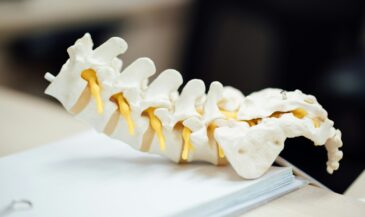
The hip and buttock region is a crossroads for muscles, vertebra, and powerful nerve pathways. At the center of many persistent complaints sits the piriformis muscle — a small, flat muscle that stretches from the sacrum, through the buttock, to the top of the femur. For most people, the sciatic nerve — the longest, largest nerve in the body — runs just beneath it.
When the piriformis tightens up, it can compress the sciatic nerve, creating that familiar burning, tingling, or deep ache that patients describe. But here’s what every Neurologically-Focused Chiropractor knows: the piriformis rarely just decides to spasm on its own.
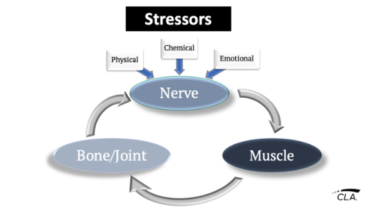
Vertebral tension in the lumbar spine and sacrum often sets the stage. Subluxations — better understood as patterns of nerve tension and neurological interference — disrupt normal communication between the brain and body. When the nervous system senses these disruptions, it slips into protective mode, known as sympathetic overdrive.
In this state, muscles like the piriformis lock down to guard the nerve pathways they’re trying to protect — a protective response well documented in chiropractic literature.
This is why it’s so important to look beyond the local tissue. The deeper story lives within the nervous system — and until you analyze what’s happening there, the same symptoms will keep cycling back.
Conventional Approaches: What Gets Overlooked
When most patients first experience hip or buttock symptoms, they’re told to stretch it out, take an anti-inflammatory, or rest the area for a few days. Some get referred to physical therapy, where they’re given exercises to strengthen the surrounding muscles. Others may even get injections to calm down local irritation.
While these methods can bring temporary relief, they often stop short of addressing the real driver — the nerve tension patterns and vertebral subluxations that keep the muscles locked in protection mode. A tight piriformis muscle isn’t just tight for the fun of it; it’s responding to signals from the nervous system that something deeper needs attention.
Without an objective way to measure what’s happening inside the nervous system, both practitioners and patients are left to guess. Is the nerve tension improving? Are the vertebra stabilizing? Or is the body still stuck in a cycle of sympathetic overdrive?
When the focus stays only on local muscle signs, the results are often short-lived. This is exactly why so many patients come back again and again with the same complaints of sciatica — and why it’s so vital to bring a nerve-first perspective into every hip and buttock care plan, addressing the common causes of buttock pain.
The Nervous System Status: Sympathetic Overdrive and Adaptability
For many patients, chronic hip and buttock symptoms are more than a local muscle issue — they’re a sign that the nervous system is operating in a constant state of protective mode. This is known as sympathetic overdrive — a pattern confirmed by Christopher Kent’s review on how subluxations disrupt autonomic balance.
In simple terms, the sympathetic nervous system is your body’s “fight or flight” response. It’s there to protect you when you’re under threat, but sometimes it can lead to conditions like bursitis. But when vertebral tension and nerve interference linger, the nervous system can’t switch gears easily. Instead, it stays locked in this protective mode, sending constant signals to muscles like the piriformis to guard, tighten, and brace.
The longer this state persists, the more your patient’s adaptability suffers. The body’s natural ability to adapt to everyday stresses and movements shrinks. Muscles fatigue faster. Small triggers — like sitting too long, bending awkwardly, or climbing stairs — can set off another round of symptoms.
What’s so often overlooked is that this protective state isn’t just physical — it’s neurological. Until you help your patients measure how well their nervous system is coping and recovering, they’re stuck trying to stretch away a problem that’s much deeper than the muscle itself.
This is where objective analysis of hip and buttock pain comes in. When you can see exactly how the nervous system is responding — and track those patterns over time — you empower your patients to reclaim their adaptability and break the cycle once and for all.
Technical Deep Dive: A Phase-Based Look at Patterns
To truly understand why hip and buttock symptoms linger, it helps to see how the body shifts through a series of phases. These patterns aren’t random — they’re your patient’s nervous system trying to protect itself in the only way it knows how.
- Trigger Phase: It often starts with a small incident — lifting something awkwardly, a slip on the ice, or sitting too long without moving. This puts unusual strain on the lower spine and hip stabilizers, contributing to hip pain.
- Protective Muscle Guarding Phase: Sensing instability, the nervous system signals muscles like the piriformis to tighten up. This guarding is meant to protect the sciatic nerve and surrounding structures, but it quickly becomes a source of tension in itself, potentially causing pain in the buttock.
- Nerve Tension Escalation: If the underlying vertebral tension isn’t resolved, nerve tension builds. The sciatic nerve may stay irritated as the piriformis locks down repeatedly, feeding the loop.
- Chronic Sympathetic Overdrive: This can lead to numbness and exacerbate sciatica symptoms. The nervous system shifts into a state of constant “on guard.” What started as a protective mechanism now drains the system’s energy. Adaptability drops, and simple movements trigger flare-ups.
- Maladaptation: At this stage, the body’s ability to recover naturally is compromised. Patterns of tension become deeply ingrained, making symptoms more frequent and harder to predict.
When you know how to spot these phases, you can show your patients that their hip or buttock symptoms aren’t just random flare-ups. They’re predictable patterns that can be analyzed, measured, and resolved — once you address what’s happening inside the nervous system.
Comparative Analysis: Traditional vs. Neurologically-Focused Care
Many patients come to you after trying the standard options for hip and buttock relief — stretches, anti-inflammatory medications like NSAIDs, or exercises aimed at strengthening local muscles. While these strategies have their place, they often miss a crucial piece: the nervous system’s role in driving the pattern.
In a traditional approach, care stays focused on the local area. The tight piriformis gets massaged to help alleviate greater trochanteric pain syndrome. The hip gets stretched. The focus stays on the symptom, not the cause. Progress is judged by whether the symptoms ease up — but without objective data, it’s guesswork.
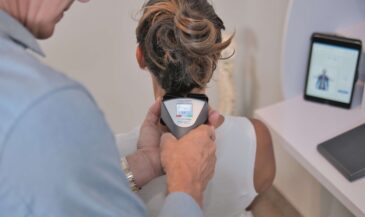
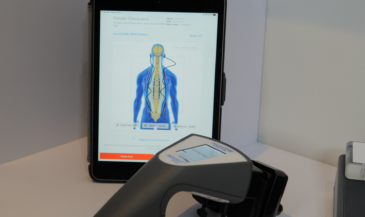
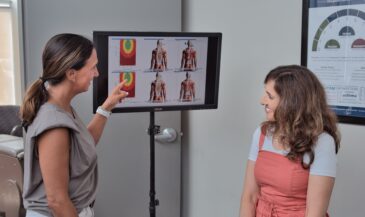
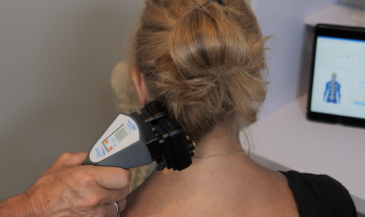
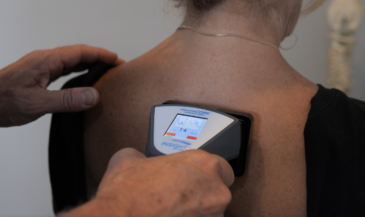
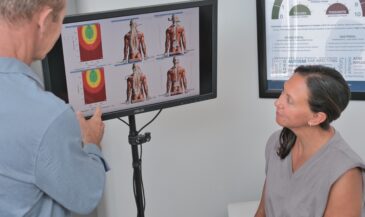
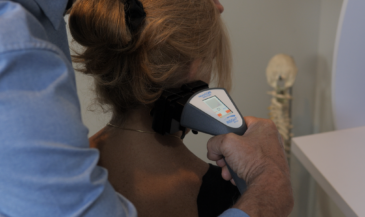
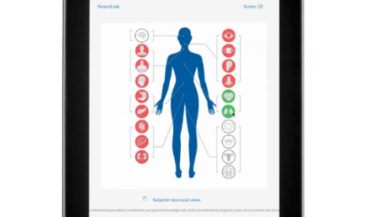
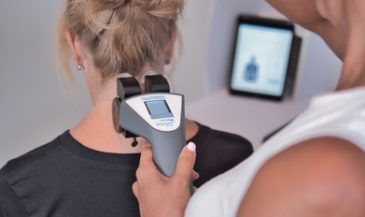
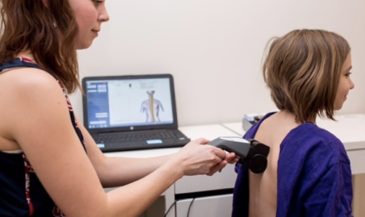
In a Neurologically-Focused approach, you go deeper. You use a full spine nerve system scan to analyze the patterns of nerve tension and sympathetic overdrive that keep the muscles locked in protective mode. This transforms care from structure-only to function-first.
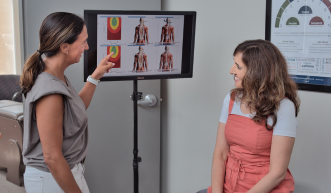
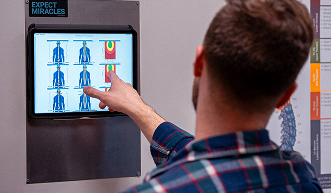
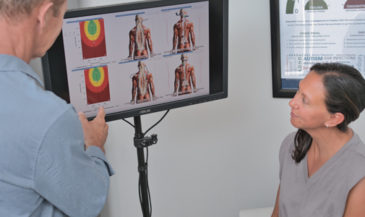
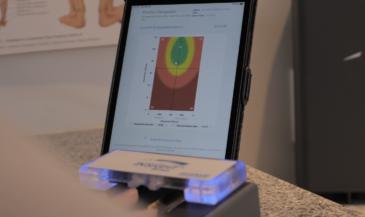
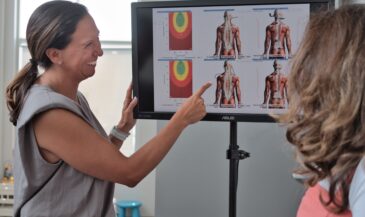
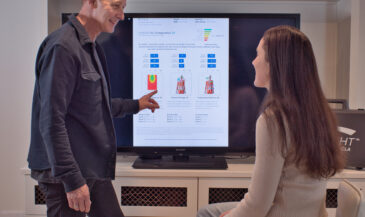
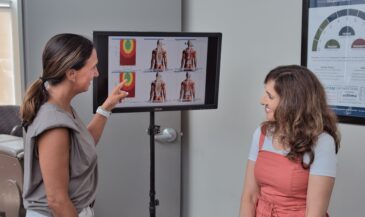
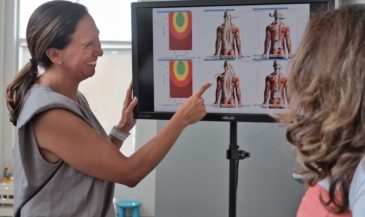
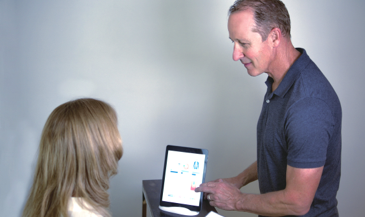
With objective scan views, you’re not relying on how the patient feels that day — you’re tracking how their nervous system is adapting over time. This means you can create a care plan that’s not just about short-term relief, but about restoring the body’s natural adaptability.
When you bring the nervous system into the conversation, you help patients see the bigger picture: they’re not just chasing muscle tension — they’re building resilience from the inside out.
How INSiGHT Scanning Technology Changes the Game
One of the biggest challenges with hip and buttock symptoms is showing patients that the real driver isn’t just tight muscles — it’s what’s happening deep in their nervous system. That’s where INSiGHT’s scanning technology transforms your care.
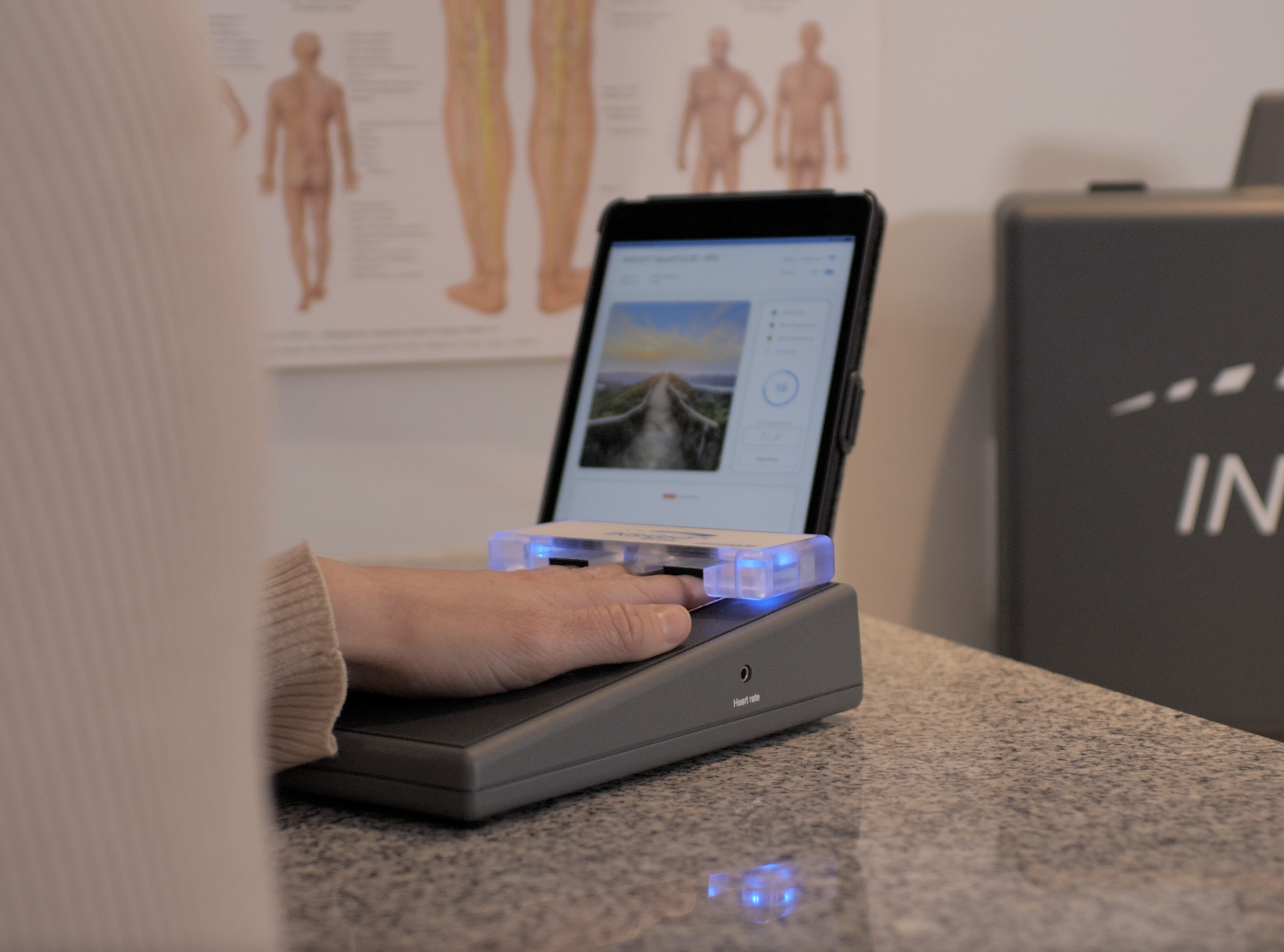
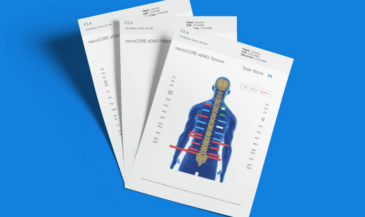
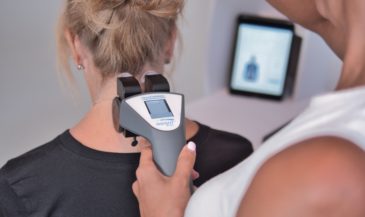
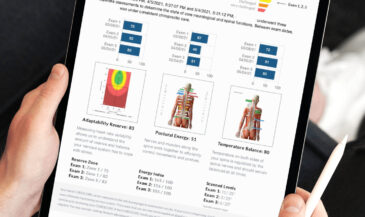
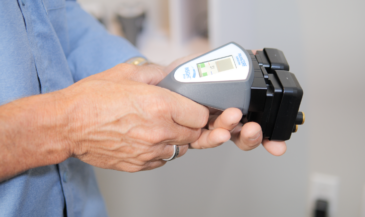
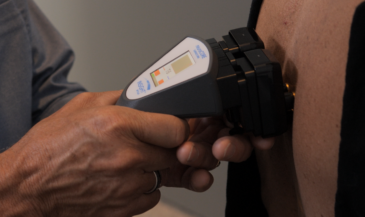
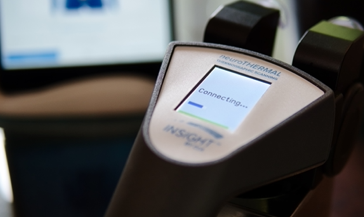
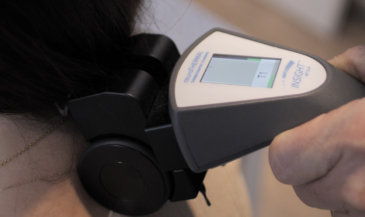
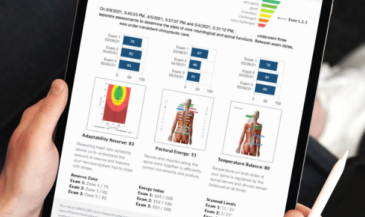
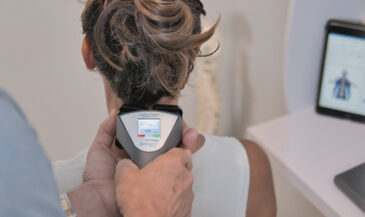
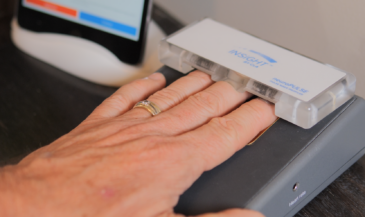
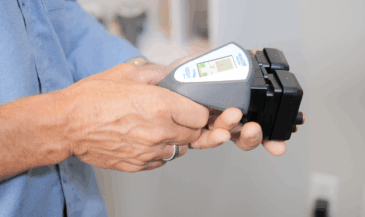
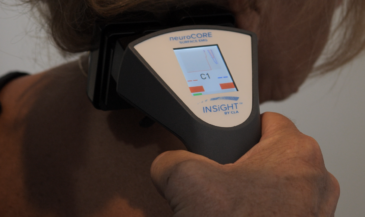
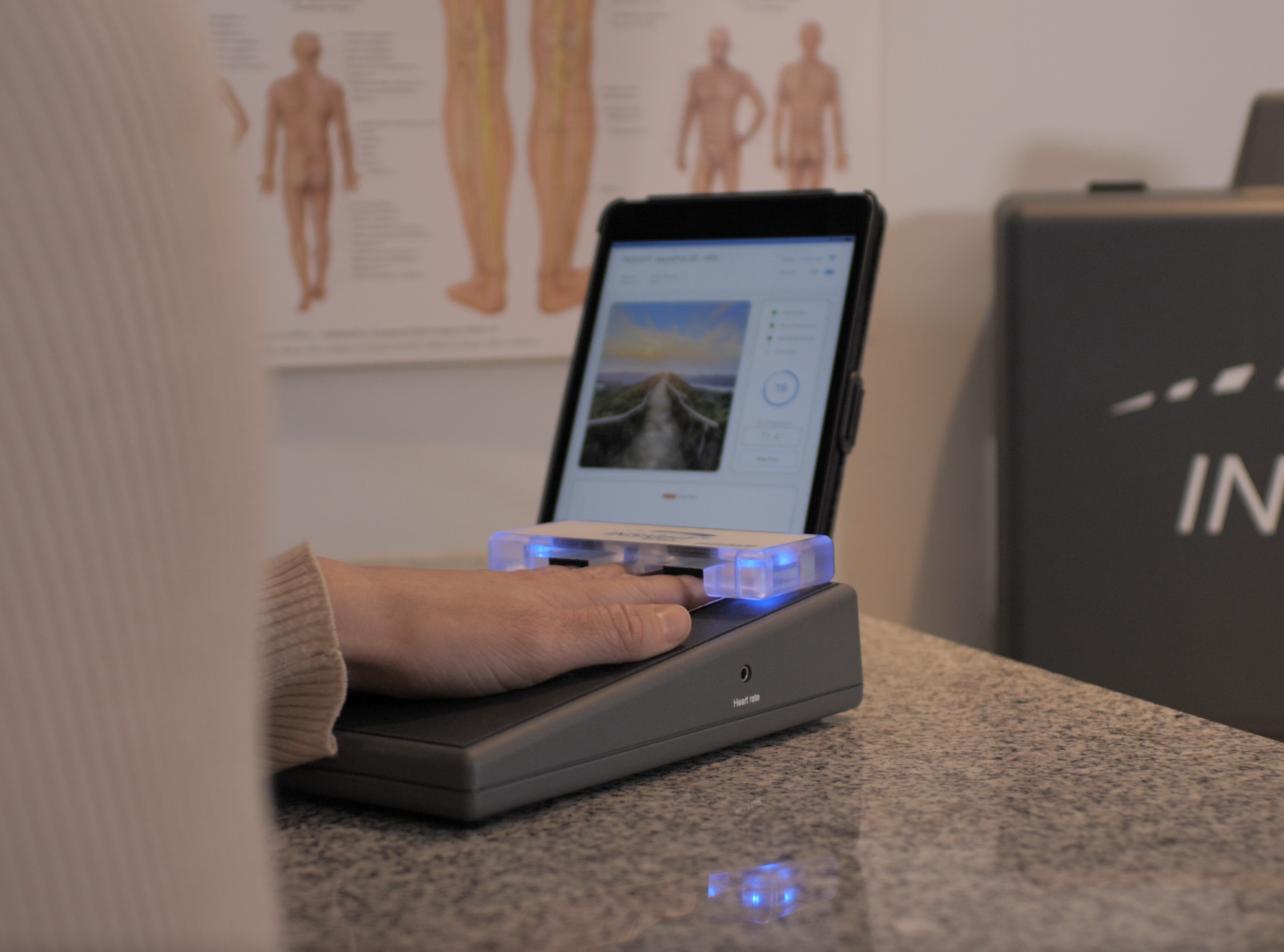
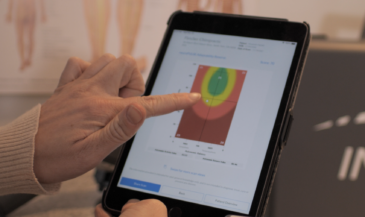
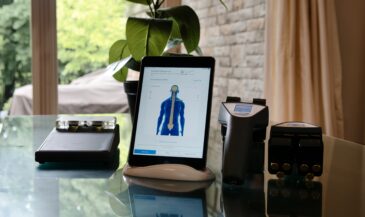
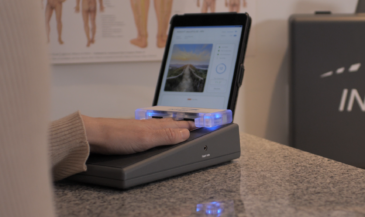
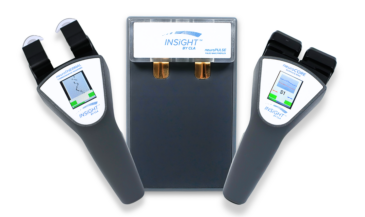
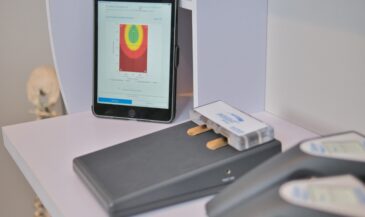
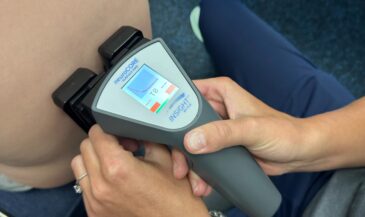
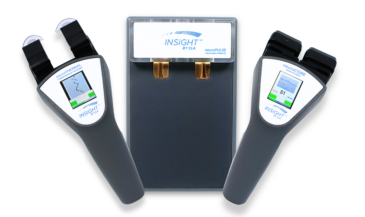
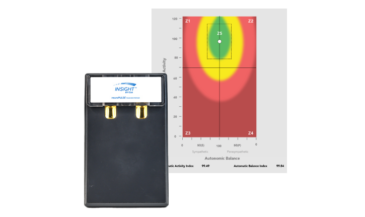
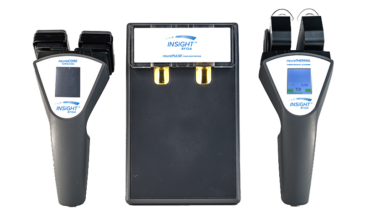
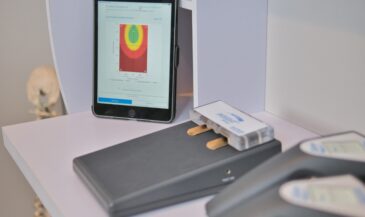
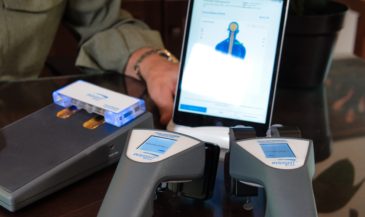
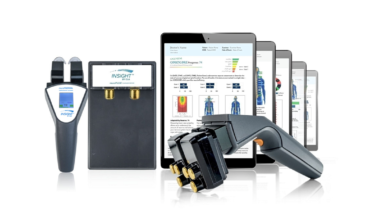
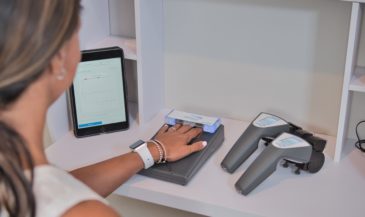
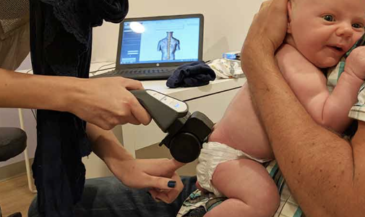
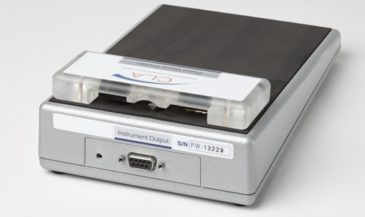
With the INSiGHT neuroTECH and Synapse software, you gain a three-dimensional look at your patient’s adaptability. Each piece of the suite adds a vital layer of information.
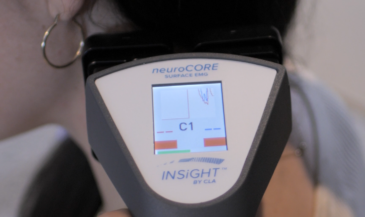
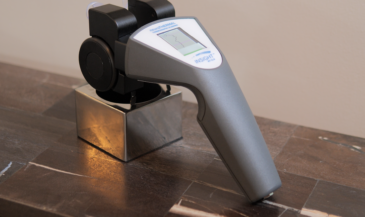
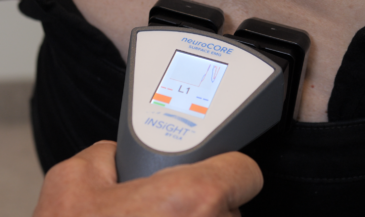
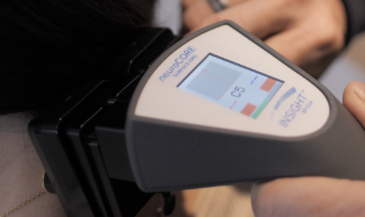
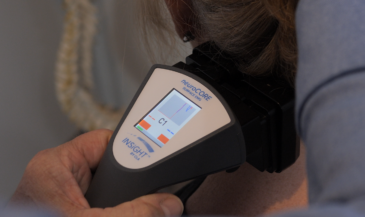
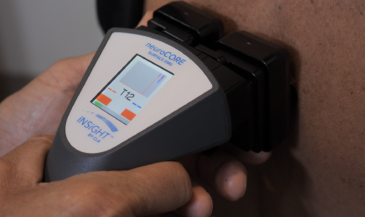
- neuroCORE (sEMG): an essential assessment for understanding nerve function in relation to hip and buttock pain and its connection to tendon issues. Analyzes patterns of muscle activity along the spine to identify potential causes and treatment for lower back pain. Research shows that sEMG scanning has excellent reliability for tracking postural muscle exhaustion.
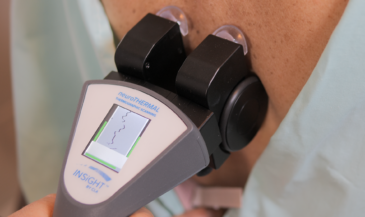
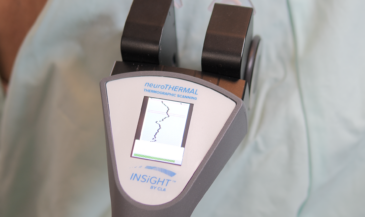
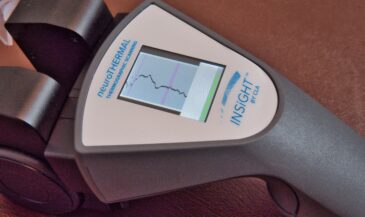
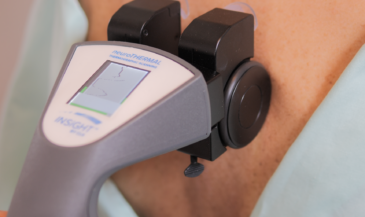
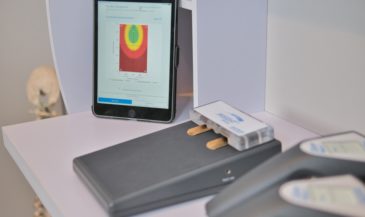
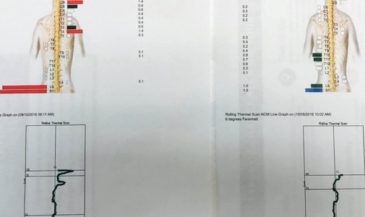
- neuroTHERMAL scan: a crucial tool for assessing nerve function related to buttock pain. Uses infrared sensors to detect tiny temperature differences along the spine. Studies confirm the clinical reliability of thermographic scanning for assessing autonomic function.
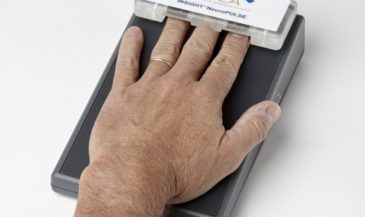
- neuroPULSE (HRV): Shows how adaptable the patient’s nervous system is overall. Clinical studies have shown the effectiveness of addressing hip pain in treatment plans. demonstrate that chiropractic adjustments can measurably improve HRV.
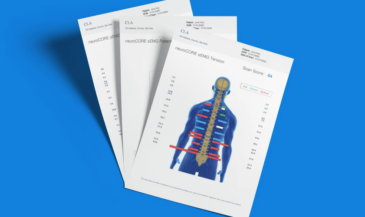
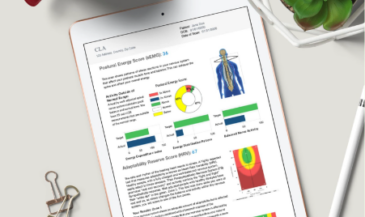
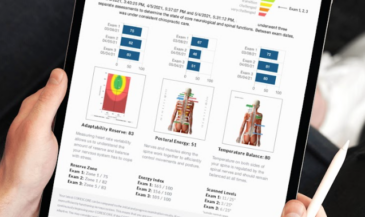
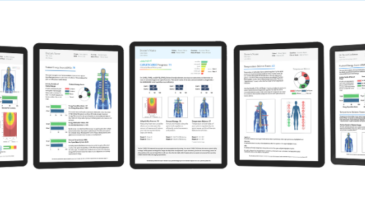
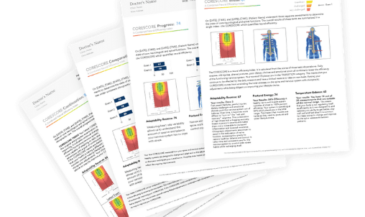
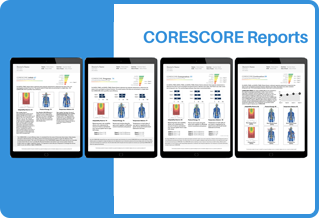
Together, these scans generate a single number — the CORESCORE — your patient’s clear neurological report card. Instead of guessing, you’re tracking real progress, visit after visit — a process shown in CLA’s own clinical resources.
When patients see this objective proof, they stop focusing only on temporary symptom relief. They understand why your care plan focuses on improving their adaptability, not just stretching out a tight muscle. That’s when they start to value results — and that’s how you build trust and retention that lasts.
Clinical Benefits: Care Plans That Deliver True Adaptability
One of the biggest advantages of working with INSiGHT scanning technology is how it transforms your care plans from guesswork to proven progress. With every hip or buttock case, you’re not just telling your patient what you think is happening — you’re showing them how their nervous system is adapting in real time to their hip and buttock pain, reinforcing the importance of understanding the causes and treatment options.
It starts with a strong baseline. When you run a full spine nerve system scan on day one, you establish where the patient’s nerve tension, muscle exhaustion, and autonomic balance stand today in relation to their back pain. This takes the guesswork out of what’s contributing to their hip and buttock tension.
From there, regular re-scans — every 12 visits or so, the “Rule of 12” — give you objective data points to compare. This approach keeps you on track and gives the patient visible proof that your care is making a difference in alleviating their thigh and buttock pain, long before symptoms fade completely.
It’s one thing for a patient to say, “I feel better.” It’s another to see the CORESCORE climbing, the neuroTHERMAL patterns stabilizing, or the neuroCORE showing balanced muscle energy. These changes are the sign that the nervous system is moving from sympathetic overdrive to true adaptability.
When patients see this proof, they stay committed to the full care plan. They’re not chasing temporary relief — they’re investing in long-term nervous system performance. And that’s how you shift your practice from symptom-based visits to a relationship built on trust, measurable results, and certainty.
Implementation Guidelines: Practical Next Steps for Practitioners
Bringing the nerve-first approach to hip and buttock symptoms isn’t complicated — it’s about making objective analysis a core part of every patient’s journey.
First, scan every new patient. A full spine nerve system scan shows exactly where vertebral tension and nerve tension are hiding. This baseline instantly shifts the conversation from structure alone to how well their nervous system is performing and its impact on back pain.
Next, use clear, patient-friendly language to explain the results. Help patients connect the dots: “This tension in your lower spine is likely driving the protective muscle guarding in your hip and glute region, which may be related to common causes of buttock pain.” Our goal isn’t just to calm the muscle — it’s to restore your nervous system’s adaptability.”
Train your team to speak confidently about the scans too. When everyone knows how to interpret and communicate CORESCORE results, progress reports feel natural and reassuring.
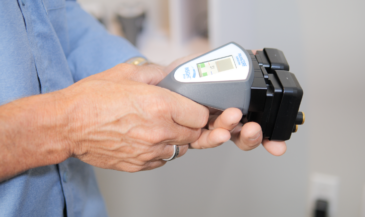
Best of all, INSiGHT scanning technology is quick, non-invasive, and reproducible — perfect for every patient, from athletes to busy parents to seniors. With each re-scan, you’re giving them visible proof that your care plan is helping their body adapt better, not just masking tension in the back of the leg.
When you build this nerve-first mindset into daily practice, you position yourself as more than a symptom-chaser — you become the trusted guide for restoring long-term performance and resilience in patients suffering from greater trochanteric pain syndrome.
Lead with Certainty and Adaptability
Hip and buttock symptoms are some of the most misunderstood situations your patients face. They come in looking for muscle pain relief — but what they truly need is proof that their nervous system is capable of adapting, performing, and protecting them in everyday life.
When you make objective neurological scanning the heart of your approach, you stop guessing. With the INSiGHT neuroTECH and Synapse software, you gain the power to see exactly how vertebral tension and nerve interference are affecting muscle tone, autonomic regulation, and overall adaptability. Each piece of the technology plays its role: neuroCORE shows muscle guarding and exhaustion patterns, neuroTHERMAL reveals autonomic stress patterns, and neuroPULSE uncovers the nervous system’s adaptive reserve — all supported by published research on sciatica and its effects.
This isn’t just about data; it’s about understanding the underlying causes of hip and buttock pain, including tendon issues and lower back pain. It’s about transforming the way you communicate, build trust, and deliver results that last. Patients stop chasing quick fixes because they can finally see that your care is doing what no foam roller or stretch can do: making their nervous system more adaptable and resilient.
When you lead with nerve-first certainty, you elevate every adjustment and every conversation. You’re not just the chiropractor who helps hip tension feel better today — you’re the trusted guide who helps your patients move, adapt, and thrive for life. And that’s the difference that makes every scan, every CORESCORE, and every adjustment matter.
If you want to bring this kind of transformational technology into your practice, book a call with an INSiGHT Advisor. We’ll show you how to implement scanning, reporting, and care planning tools that boost your retention and help your patients reach their full potential.
Sources
Cleveland Clinic. (2023). Piriformis Syndrome: Causes, Symptoms, and Treatment. https://my.clevelandclinic.org/health/diseases/17559-piriformis-syndrome
Kent, C. (2024). Assessment of Somatic and Autonomic Nervous System Changes Associated with Vertebral Subluxation: A Review and Commentary. Journal of Vertebral Subluxation Research. https://vertebralsubluxationresearch.com/2024/09/21/1851-assessment-of-somatic-and-autonomic-nervous-system-changes-associated-with-vertebral-subluxation-a-review-and-commentary/
Zhang, J., Dean, D., Nosco, D., Strathopulos, D., & Floros, M. (2006). Effect of chiropractic care on heart rate variability and pain in a multisite clinical study. Journal of Manipulative and Physiological Therapeutics. https://vertebralsubluxationresearch.com/2017/10/16/heart-rate-variability-to-assess-the-changes-in-autonomic-nervous-system-function-associated-with-vertebral-subluxation/
Kent, C. (2017). Surface Electromyography in the Assessment of Changes in Paraspinal Muscle Activity Associated with Vertebral Subluxation: A Review. Journal of Vertebral Subluxation Research. https://vertebralsubluxationresearch.com/2017/09/10/surface-electromyography-in-the-assessment-of-changes-in-paraspinal-muscle-activity-associated-with-vertebral-subluxation-a-review/
McCoy, M. (2017). Paraspinal Thermal Scanning in Chiropractic Practice Related to Subluxation: A Literature Review. Journal of Vertebral Subluxation Research. https://vertebralsubluxationresearch.com/2017/09/10/paraspinal-thermal-scanning-in-chiropractic-practice/