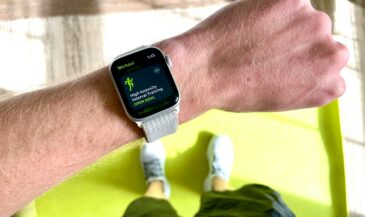


If you’ve been in practice for any time at all, you know the scene: a patient rolls in wearing their smartwatch, eager to talk about heart rate zones, “fat-burning workouts,” or what they heard on the latest health podcast. It’s the world we live in, isn’t it? And while I always love to see people taking an interest in their health, as a Neurologically-Focused Chiropractor, I know there’s a much bigger—and more important—story behind those heartbeats.
Most folks think that tracking heart rate is giving them the full picture. But all a heart rate monitor really tells you is how fast the heart is beating in a moment of time. It doesn’t tell you how well the system is managing effort, shifting gears, or bouncing back. That’s where Heart Rate Variability (HRV) comes in—and this is where our work as chiropractors truly shines.
HRV looks beyond the number. It analyzes the rhythm—those tiny, moment-to-moment fluctuations between heartbeats—and gives us insight into how adaptable the autonomic nervous system really is. It’s not about how hard someone is pushing; it’s about how well they’re recovering, restoring, and handling life’s demands.
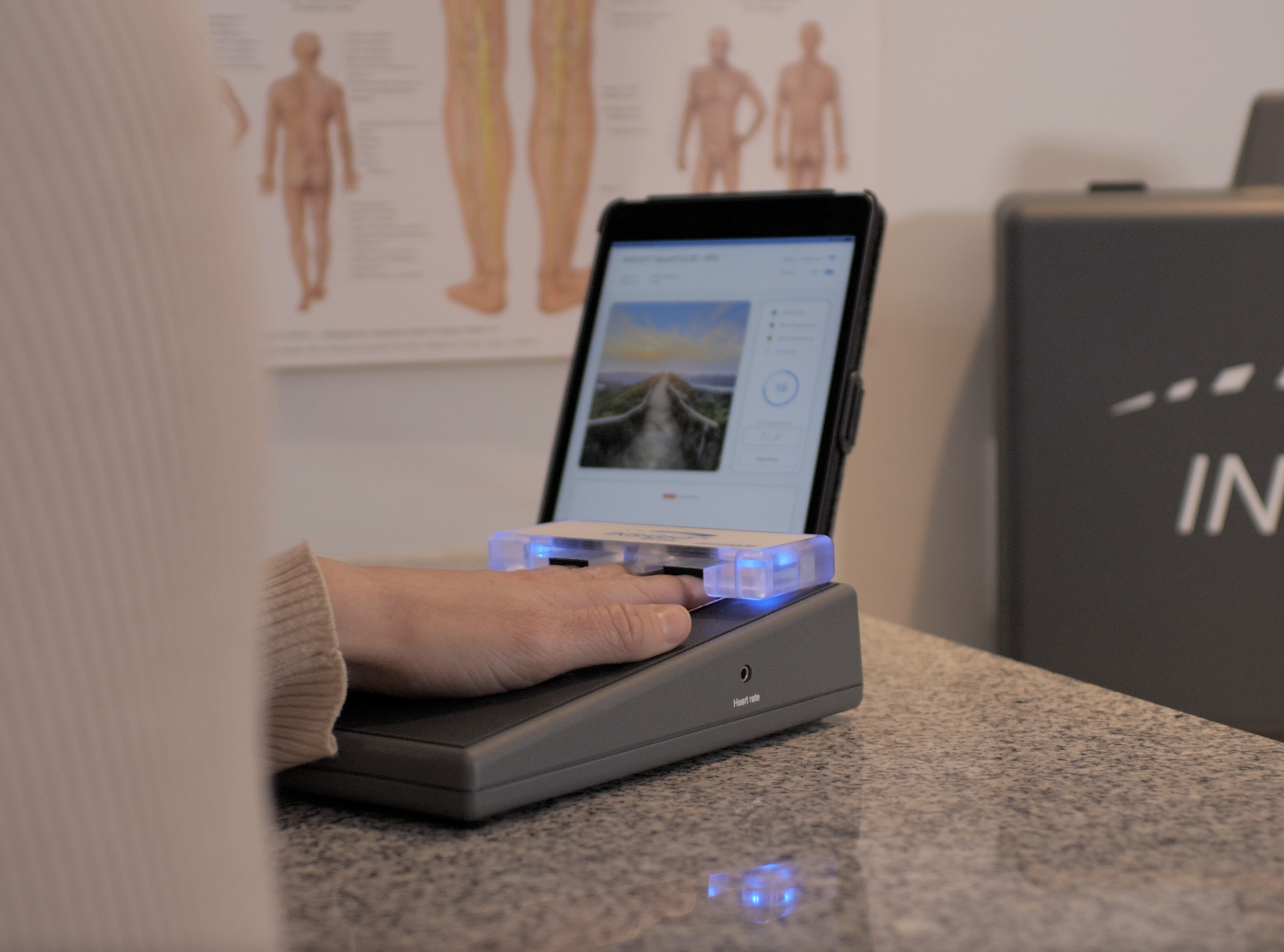
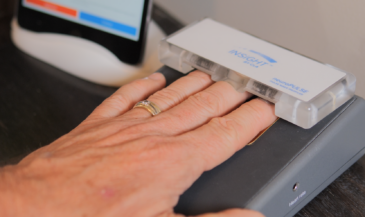
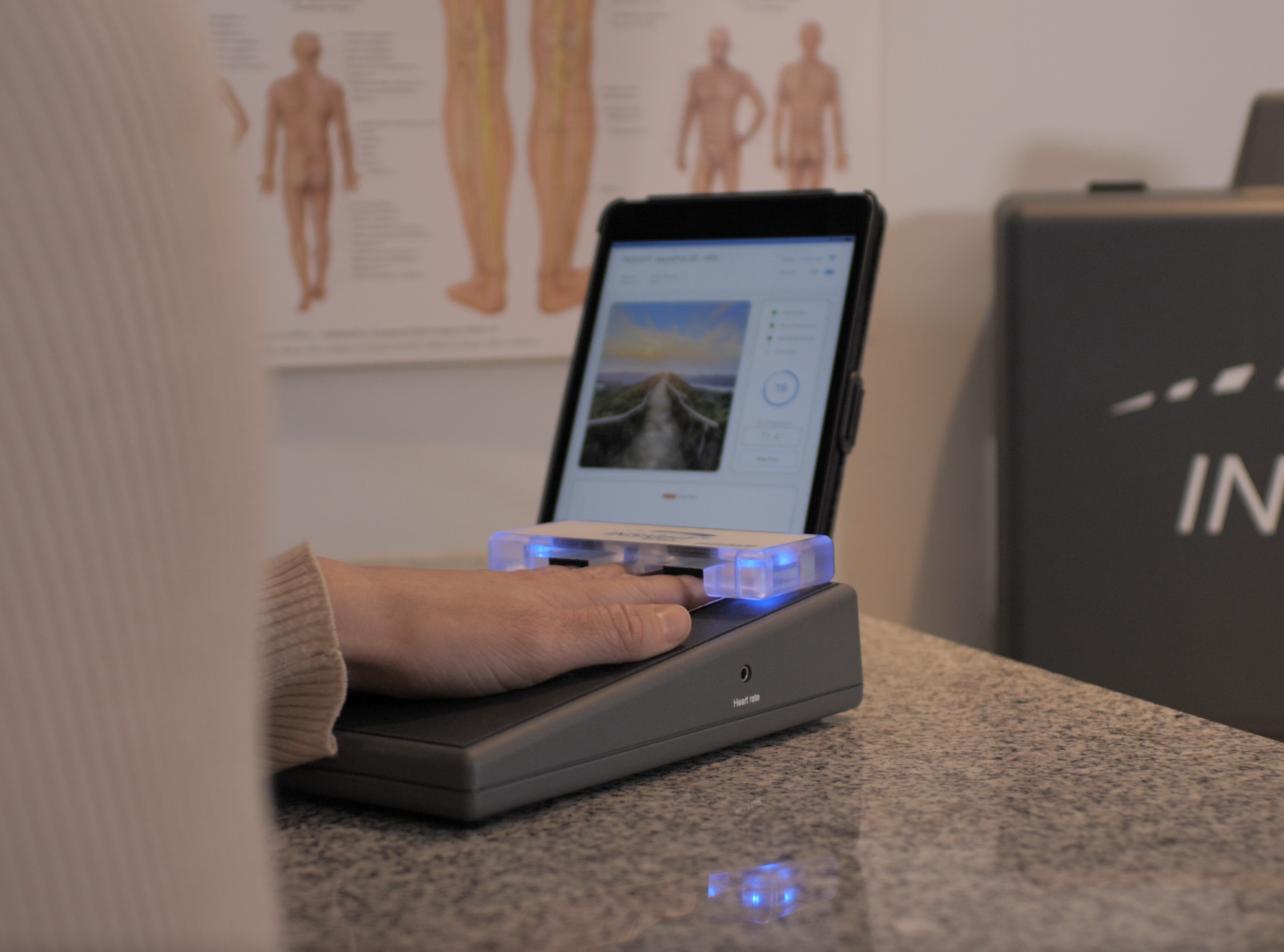
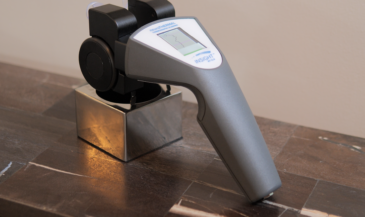
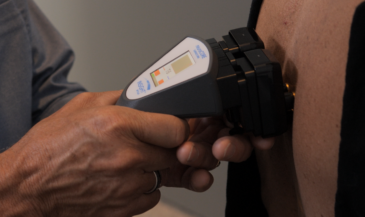
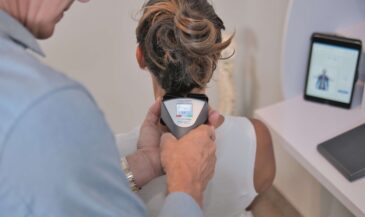
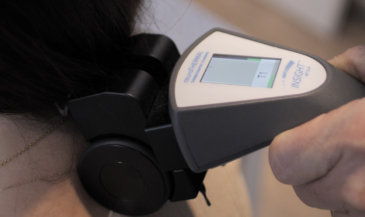
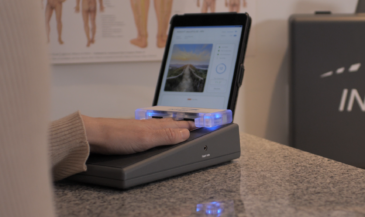
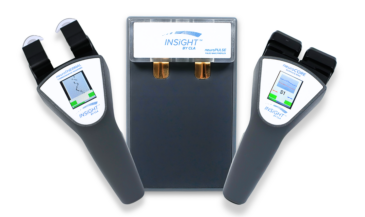
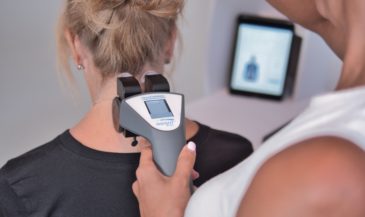
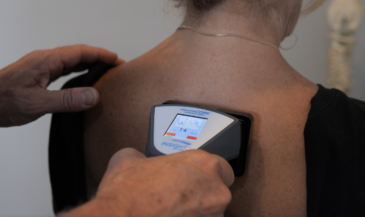
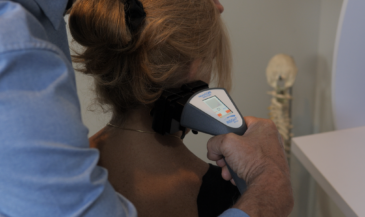
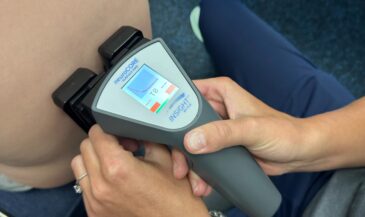
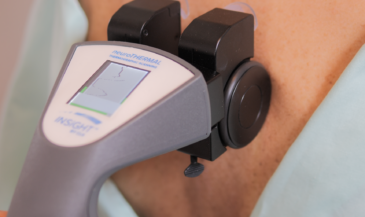
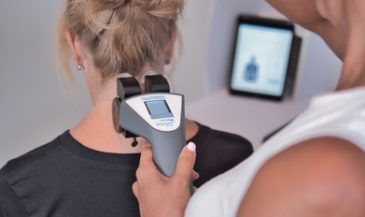
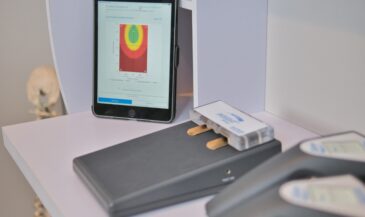
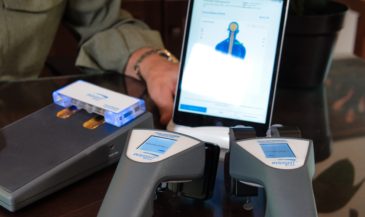
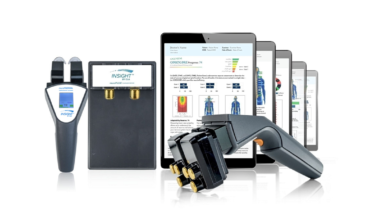
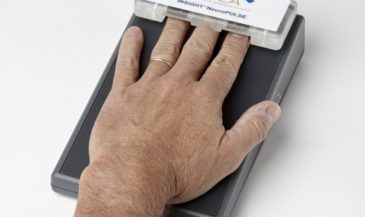
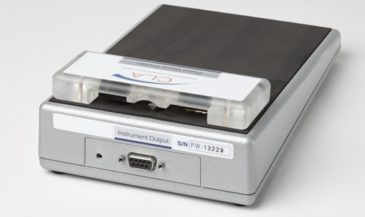
And while wearables try to estimate HRV, they’re built for convenience—not clinical decision-making. With INSiGHT’s neuroPULSE, we’re using research-grade scanning technology that captures millisecond-level data, offering a clear, reproducible view of nervous system adaptability.
So in this article, we’re not just talking about heart rate zones—we’re going deeper. We’ll connect those zones to real neurological performance, walk through what they mean from a chiropractic standpoint, and show why HRV scanning gives you the objective data you need to truly guide care. When you stop chasing heart rate and start scanning for adaptability, everything changes—your care plans, your patient conversations, and the outcomes you can deliver.
Heart Rate Zones Explained: More Than Just Exercise
Heart rate zones have become a popular tool in fitness, wearable tech, and personal training—and for good reason. These zones offer a helpful way to gauge cardiovascular intensity and track how hard the heart is working during exercise. Each zone corresponds to a percentage of a person’s estimated maximum heart rate and is typically used to target specific training goals, from light recovery to peak performance.
Here’s a quick overview of the five traditional heart rate zones:
|
Zone |
% Max Heart Rate |
Intensity Level |
Primary Energy Source |
|
1 |
50–60% |
Very Light / Recovery |
Fat |
|
2 |
60–70% |
Light / Endurance |
Fat |
|
3 |
70–80% |
Moderate / Aerobic |
Fat / Carbohydrate Mix |
|
4 |
80–90% |
Hard / Threshold |
Carbohydrates |
|
5 |
90–100% |
Maximum Effort |
Carbohydrates |
Zone 1: Recovery (50–60%)
Used for warm-ups, cool-downs, or active recovery. It’s low-effort and easy on the body—ideal for beginners or those easing back into movement.
Zone 2: Endurance (60–70%)
A steady, manageable effort level. Popular for longer sessions focused on fat-burning and building cardiovascular efficiency over time.
Zone 3: Aerobic Fitness (70–80%)
Often called the “tempo zone,” this range builds stamina and pushes aerobic capacity. Breathing gets heavier, but it’s still sustainable for moderate-length workouts.
Zone 4: Threshold Training (80–90%)
This is a challenging range that improves speed and performance. It’s not easy to maintain for long, and most people feel real effort here.
Zone 5: Peak Output (90–100%)
This is full capacity—sprinting, HIIT, or all-out effort. It’s only sustainable in short bursts and typically reserved for advanced training.
Traditional Fitness vs. Neurologically-Focused Heart Rate Training
Here’s what most health blogs get right: tracking heart rate and time in different zones can help people move more and get fitter. But here’s what they miss—true health isn’t about how high you can push. It’s about how well your system can bounce back.
Most training programs zero in on effort—spending more time in Zone 3 or Zone 4 to chase fat loss or performance. But what’s happening beneath that push? Is the nervous system adapting, or is it stuck in sympathetic overdrive?
That’s where Heart Rate Variability (HRV) comes in. And let’s be clear—HRV isn’t just another way of looking at heart rate. It’s an entirely different analysis.
Simply tracking heart rate with a wearable gives you a single number—how fast the heart is beating right now. For decades this metric was used to estimate the target heart rate and training zone. HRV, on the other hand, looks at the timing between each heartbeat. It tells us whether the nervous system is staying flexible, responsive, and resilient. High HRV signals adaptability. Low HRV flags neurological distress and diminished reserve.
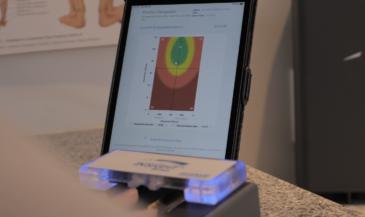
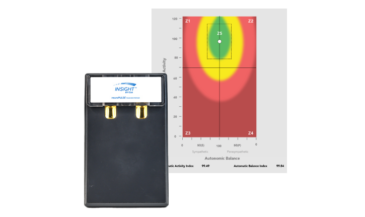
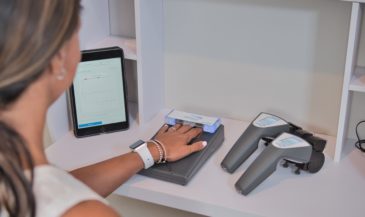
And that’s exactly what INSiGHT’s neuroPULSE is designed to measure. Unlike fitness trackers, which focus on heart rate output, neuroPULSE delivers a clinical-grade analysis of autonomic activity. It assesses the balance between sympathetic and parasympathetic function with millisecond precision—giving you objective data on how well the system is adapting under pressure.
Here’s the real distinction:
Traditional Training:
- Focuses on output—speed, reps, calorie burn
- Ignores nervous system function
- Can lead to overtraining and burnout if HRV isn’t considered
Neurologically-Focused Training:
- Prioritizes adaptability and recovery
- Uses HRV from the neuroPULSE to guide care plans
- Tracks how well the system handles effort and restores balance
- Moves the conversation from “How hard did you push?” to “How well are you adapting?”
That’s the difference between short-term gains and long-term health. And that’s where Neurologically-Focused Chiropractic Care thrives.
Why Heart Rate Alone Isn’t the Whole Story
Most people track heart rate to see how hard they’re working. But as Neurologically-Focused Chiropractors, we know the real question isn’t “How fast is the heart beating?”—it’s “How well is the nervous system adapting?” That’s where heart rate variability (HRV) comes in.
While heart rate gives you a single number in the moment, HRV reveals the deeper story—how flexibly and efficiently the autonomic nervous system is managing daily demands. It reflects the nervous system’s tone, balance, and reserve. If heart rate is a speedometer, HRV is the nervous system’s adaptability gauge.
That’s why the best care plans don’t just react to fitness trends—they align with how the nervous system is performing. With tools like the neuroPULSE, we can analyze these adaptability patterns with clinical precision. We move from guessing to knowing. And from explaining to showing.
Why Neurological Scanning Outperforms Tracking Alone
Wearables are great at tracking activity, but they miss the most important system of all: the nervous system. That’s where INSiGHT’s scanning technology changes the game.
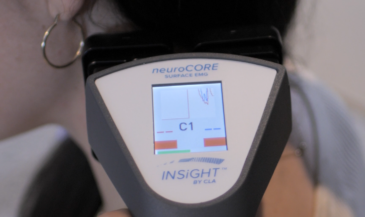
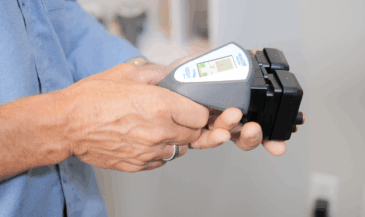
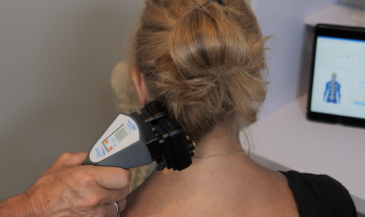
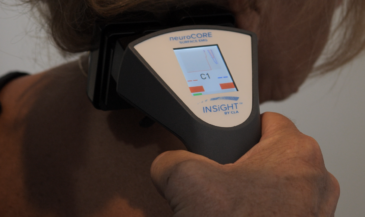
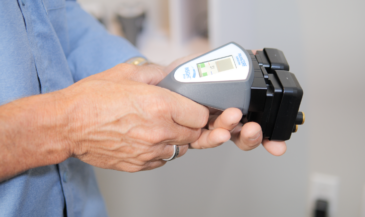
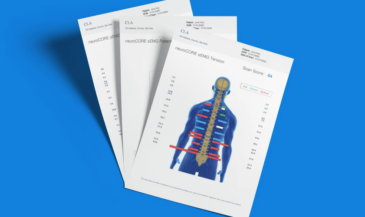
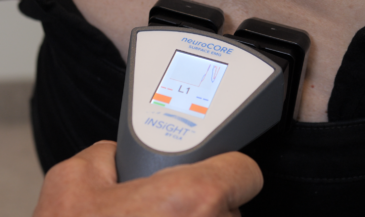
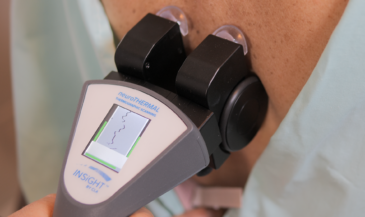
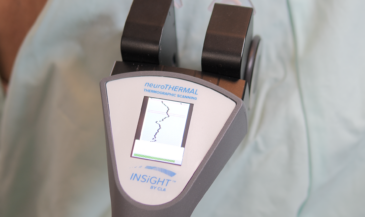
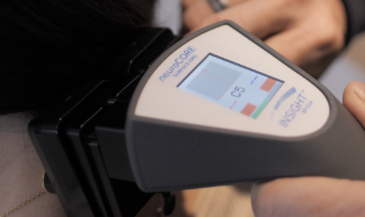
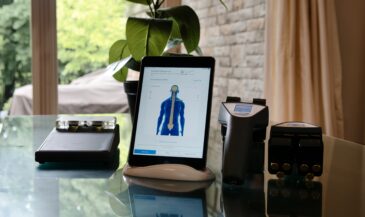
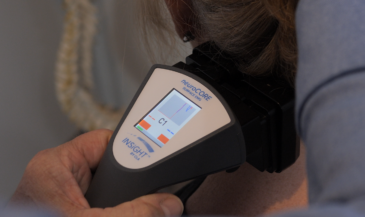
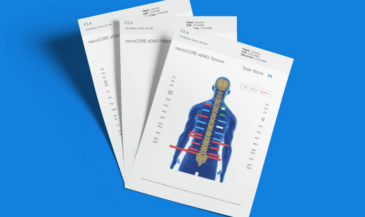
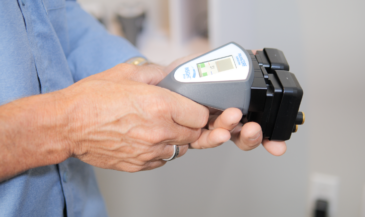
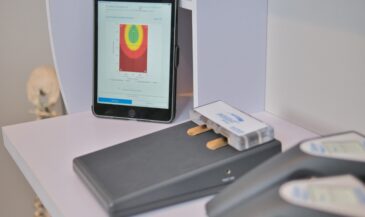
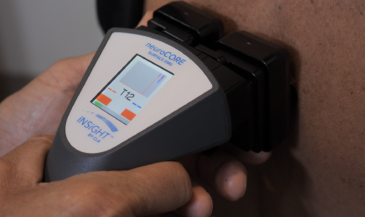
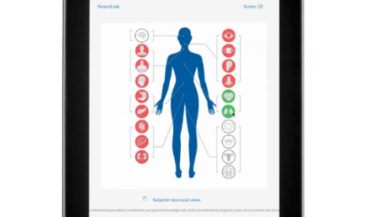
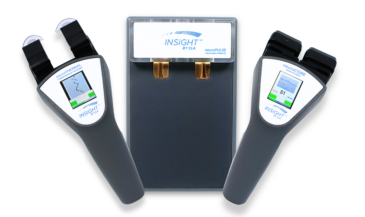
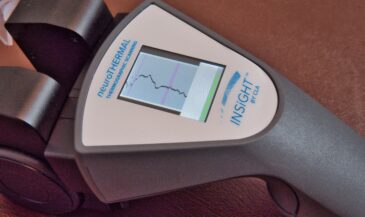
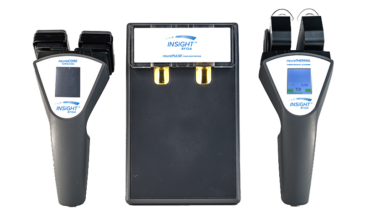
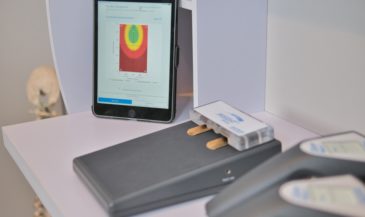
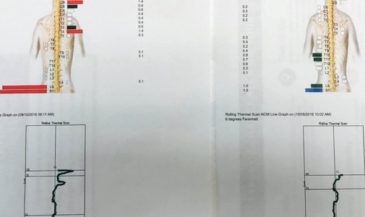
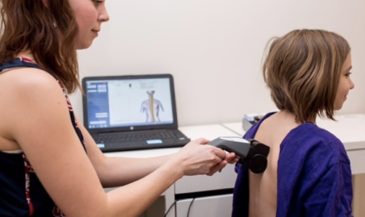
With a full suite of tools—neuroPULSE for HRV, neuroTHERMAL for autonomic patterning, and neuroCORE for motor system tone—you’re not just looking at recovery or readiness. You’re visualizing how the whole system is operating.
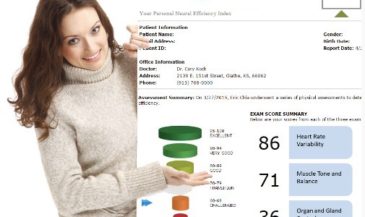
Your care plans become clearer. Progress becomes measurable. And patients start to understand that what really matters isn’t how many steps they took or how fast their heart was beating—it’s how well their system is responding to life.
Here’s the bottom line: heart rate zones are helpful, but they’re only part of the picture. When you combine them with neurological scans, you give your patients something they’ve never had before—objective proof that their care is making a huge difference throughout their entire nervous system.. And that’s how you move from performance to potential.
Future-Proofing Your Practice: The Adaptability Advantage
If you’re looking for the next step in modern chiropractic, here it is: objective neurological scanning, paired with smart heart rate zone training, is changing the conversation for practitioners and patients alike..
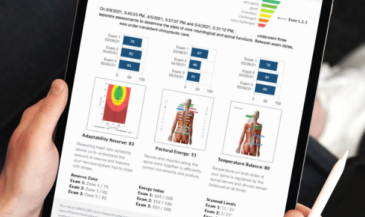
No more guessing, no more hoping—now you can show, measure, and celebrate real transformation. With tools like neuroPULSE and its complimentary neurological instruments; neuroCORE EMG and the neuroTHERMAL you’re not just a chiropractor—you’re a guide to lifelong adaptability and resilience (adaptability as a marker of health).
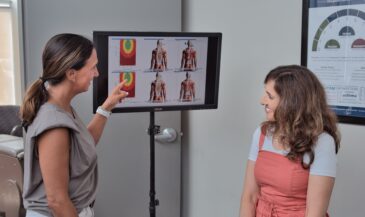
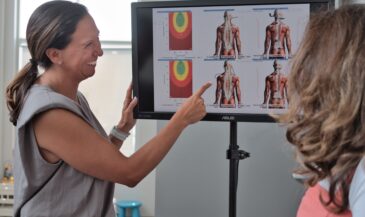
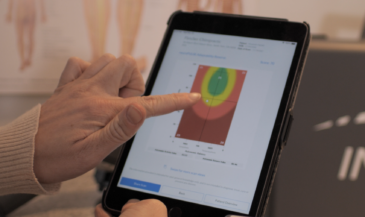
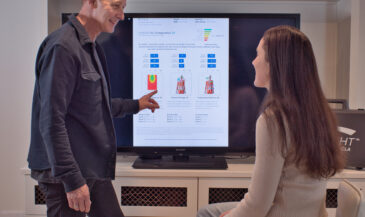
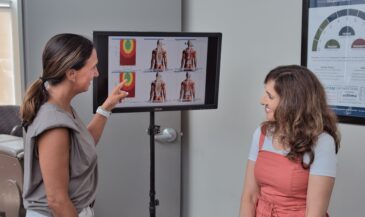
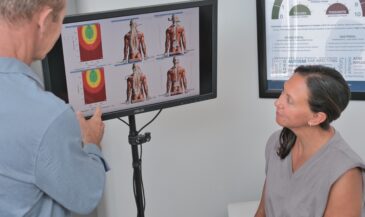
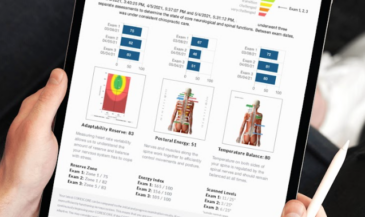
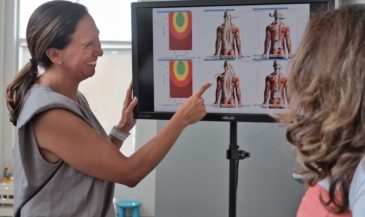
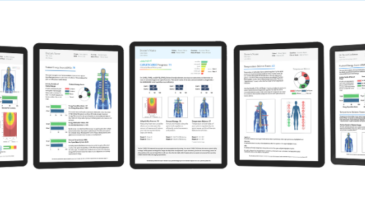
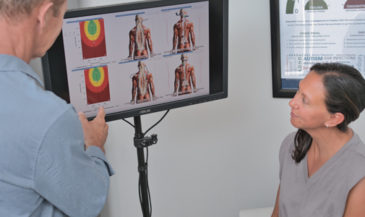
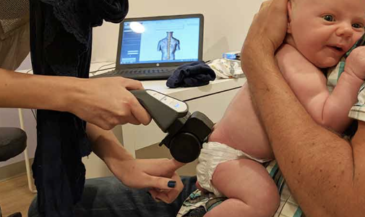
Imagine explaining to a parent how their child’s adaptability is improving—or showing an athlete their progress not just in numbers, but in full-color scan views that reflect real nervous system change. That’s the INSiGHT difference. That’s the future of care grounded in adaptability.
So here’s my invitation: Lean in. Go beyond basic heart rate tracking. Bring heart rate zone education and HRV analysis into your care plans using tools like neuroPULSE. Let your scans guide the conversation—so adaptability becomes your clinical compass and your patients’ measure of progress.
Because when you make the nervous system visible—when you show how the body is truly responding, not just reacting—you don’t just shift a perspective. You change the direction of someone’s health trajectory. And that’s what this work is really all about.