

Few clinical moments cause as much immediate alarm as a sudden episode of fainting. While it can be triggered by the sight of blood, a routine procedure, standing in the heat, or even seemingly without cause, vasovagal syncope is surprisingly common—affecting up to one in three people at some point in their lifetime. These episodes can affect anyone, regardless of age.
As dramatic as these events appear, most vasovagal reactions are not dangerous. They are classic examples of the nervous system overreacting to stress, pain, or emotion—momentarily overriding our best intentions and reminding us of the body’s remarkable, sometimes unpredictable, adaptability.
As chiropractors, we are uniquely positioned to understand these reflexes—not just for patient safety, but to deepen our mastery of the nervous system itself. How prepared are you to recognize and manage a vasovagal event in your practice? More importantly, how can a neurologically focused perspective help you turn moments of anxiety into opportunities for reassurance, education, and clinical excellence?
Let’s explore what really happens during a vasovagal reaction, and why the modern chiropractor’s understanding of the nervous system is more valuable than ever.
The Nervous System’s Reflexes in Action: Autonomic Insights for the Modern Chiropractor
Vasovagal reactions aren’t random quirks. They’re embedded in the design of the autonomic nervous system—the branch of neurology responsible for managing essential, automatic functions like heart rate and blood pressure. At its core is the vagus nerve, a powerful communication line between the brainstem and vital organs.
The autonomic nervous system adapts to keep us upright, alert, and balanced—a fact supported by studies on orthostatic vasovagal syncope. Usually, these transitions are smooth and invisible. But under certain circumstances—intense emotion, pain, blood, or prolonged standing—this finely tuned system can overreact, triggering a cascade that temporarily overwhelms the brain’s ability to maintain consciousness.
Reflex syncope—which includes vasovagal reactions—demonstrates the body’s adaptability, but also its vulnerability. The sudden drop in blood pressure and heart rate, driven by vagal overstimulation, isn’t a sign of frailty; it’s the nervous system’s way of protecting the body from perceived or real threats, even if the result is a dramatic faint.
For chiropractors, these episodes reveal the incredible complexity and adaptability of the human body. Instead of viewing fainting as isolated, neurologically focused practitioners recognize it as part of a spectrum of autonomic responses—signs that the nervous system is working, sometimes a bit too aggressively, to help the body cope with change.
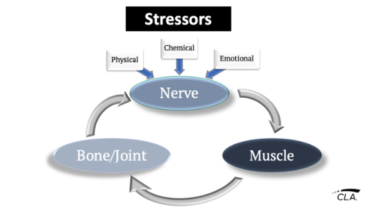
Advances in neurophysiology have reframed fainting episodes as coordinated events—predictable, measurable, and deeply linked to the body’s ability to adapt to stressors. Understanding this allows chiropractors to respond to these reflexes with both clinical insight and compassion.
What Happens During a Vasovagal Reaction? A Technical Breakdown
Vasovagal syncope—also called neurocardiogenic or reflex syncope—is the most common cause of fainting, responsible for up to a third of all episodes. These events are rooted in a complex interaction between the brain, the vagus nerve, and the cardiovascular system (see here).
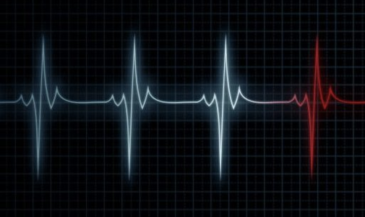
A vasovagal reaction is an exaggerated autonomic response. When a trigger is encountered—stressful event, pain, standing too long, or the sight of blood—the brain sends a surge down the vagus nerve. This tells the heart to slow (bradycardia) and blood vessels to widen (vasodilation), causing blood pressure to drop, blood to pool in the legs, and less oxygen-rich blood to reach the brain. Within moments, this reduction in cerebral blood flow can cause fainting.
What makes vasovagal syncope unique isn’t just its dramatic presentation, but the variety of everyday situations that can set it off. Common triggers include:
- Prolonged standing (especially in hot environments)
- Sudden emotional stress (fear, anxiety, pain)
- The sight of blood, needles, or medical procedures
- Dehydration or skipping meals
- Standing up too quickly
- Intense exertion
- Straining during urination, coughing, or bowel movements
The onset is often signaled by recognizable prodromal symptoms, such as:
- Lightheadedness or dizziness
- Nausea
- Warmth or flushing
- Cold, clammy sweat
- Pale or ashen skin
- Blurred or tunnel vision
- Slow, weak pulse
- Yawning or sudden fatigue
If these early symptoms are ignored, loss of consciousness can occur—usually lasting less than a minute. As soon as the person lies down or falls, blood flow to the brain is restored and consciousness returns rapidly. However, standing up too soon after an episode can cause a second faint, as the nervous system may need a few minutes to recover.
While unsettling, most vasovagal reactions are not dangerous by themselves. The main risks are injury from falling and failing to distinguish a benign faint from a more serious medical issue. For chiropractors, this technical understanding is vital for patient education, safety, and effective care.
Vasovagal Syncope vs. Other Causes of Fainting: Recognizing the Difference
While vasovagal reactions account for most fainting episodes, it’s essential to remember that not all syncope is benign. Some fainting points to far more serious issues—heart conditions, neurological events, or metabolic problems—that demand immediate care.
A concise comparison:
|
Type of Syncope |
Typical Triggers |
Prodromal Symptoms |
Event Features |
Recovery |
Clinical Concern |
|
Vasovagal (Reflex) |
Standing, pain, blood, emotion |
Dizziness, nausea, pallor |
Slow pulse, brief loss of consciousness, quick recovery |
Rapid with lying down |
Usually benign, risk is injury from fall |
|
Cardiac Syncope |
Exertion, sudden, no warning |
Often none |
Palpitations, chest pain, sudden collapse |
May be prolonged/confused |
Life-threatening, needs urgent evaluation |
|
Orthostatic Hypotension |
Standing up, dehydration |
Lightheadedness, visual changes |
Shortly after standing |
Improves sitting/lying |
May reflect fluid loss or medication |
|
Seizure |
Any (unpredictable) |
Aura (smell, taste, feeling) |
Jerky movements, tongue biting, confusion |
Slow (minutes to hours) |
Neurological, needs evaluation |
Vasovagal episodes are often preceded by warning signs (prodrome). Recovery is usually rapid once the person is lying down, and confusion is rare. In contrast, cardiac syncope can strike without warning, and seizures are associated with tonic-clonic movements and longer recovery.
For the chiropractor, careful history-taking, observation, and patient communication are essential. Always ask about what happened before, during, and after the event. Look for red flags: chest pain, palpitations, confusion, or fainting during exertion—all of which demand immediate referral.
Recognizing vasovagal syncope allows practitioners to reassure patients and focus on nervous system adaptation, while also ensuring serious cases get the urgent attention they require.
The Clinical Value of Recognizing Vasovagal Reactions in Practice
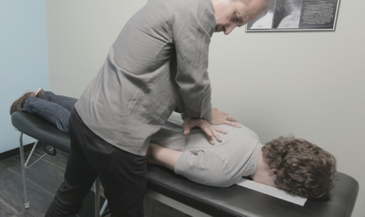
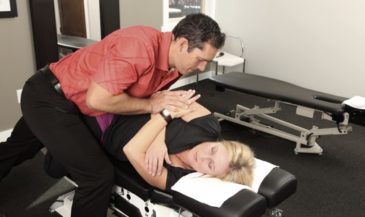
For many chiropractors, vasovagal reactions are not rare—they can occur with routine exams, adjustments, or anxious patients of any age. Knowing how to recognize and manage these episodes is part of clinical readiness.
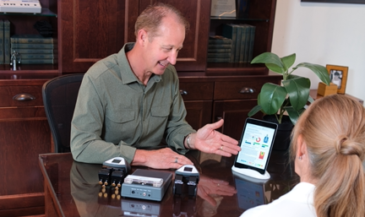
Responding calmly and knowledgeably transforms uncertainty into reassurance. When patients see their chiropractor respond with expertise, trust in care deepens. It’s a powerful moment for nervous system education—not just theory, but real practice.
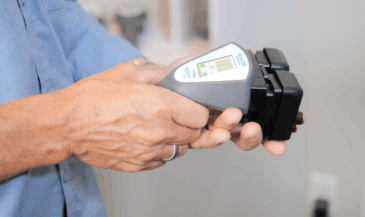
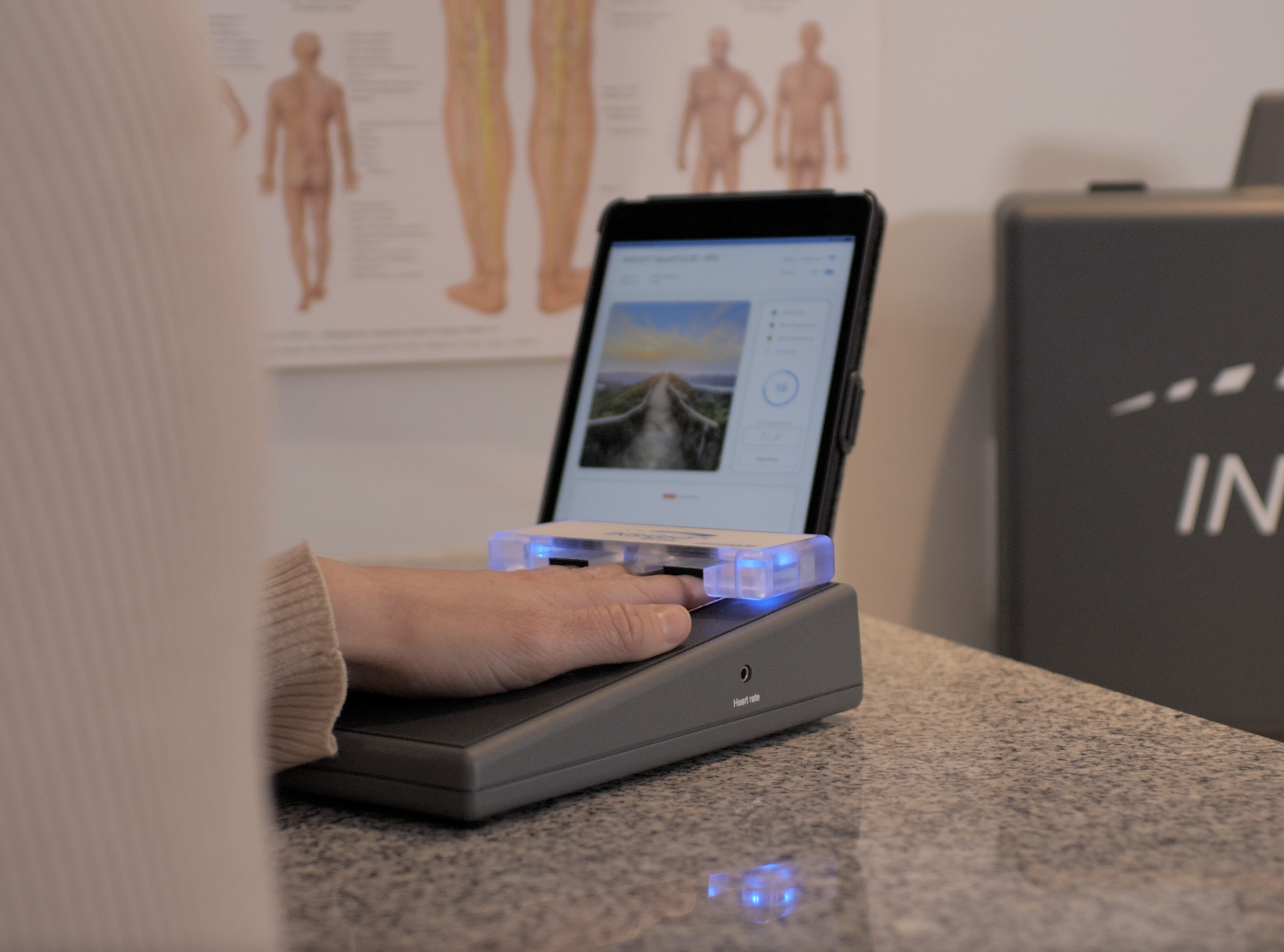
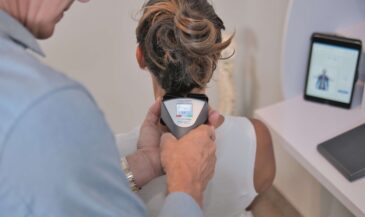
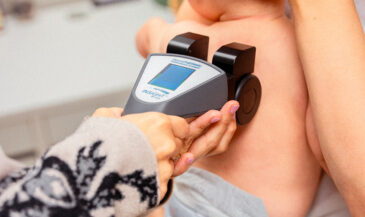
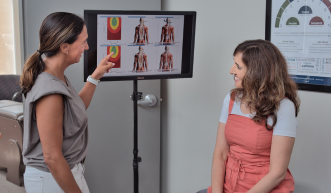
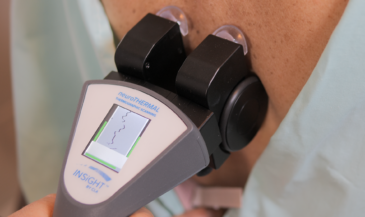
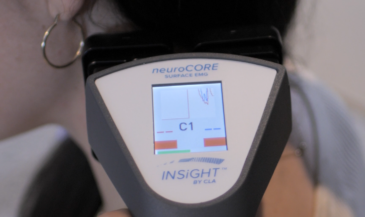
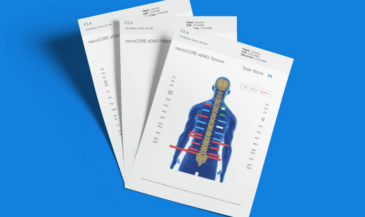
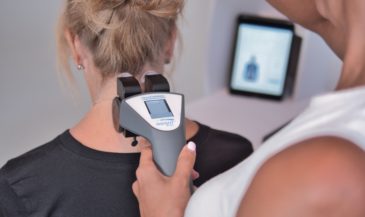
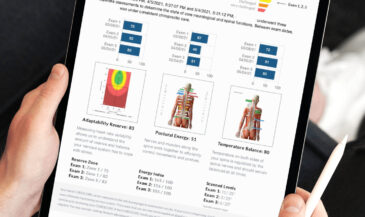
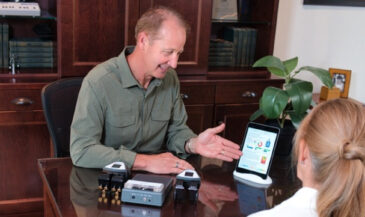
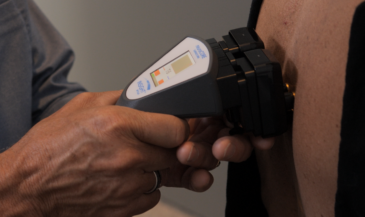
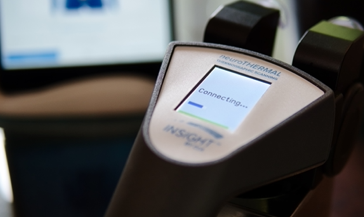
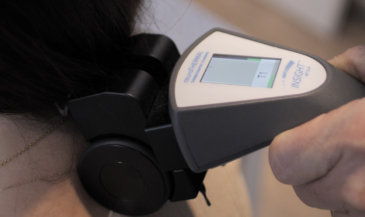
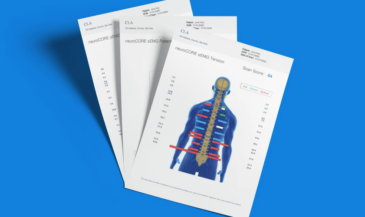
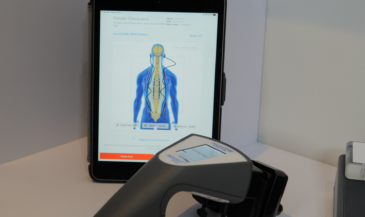
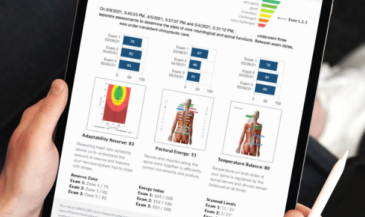
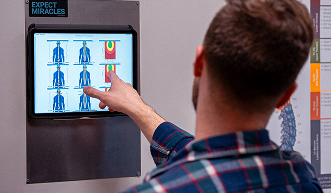
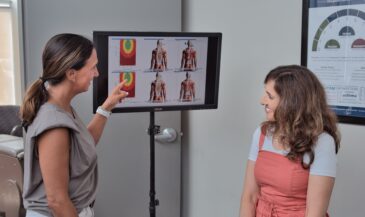
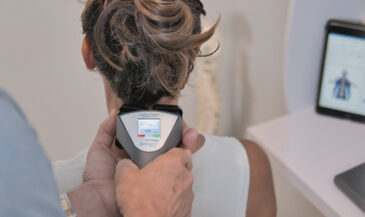
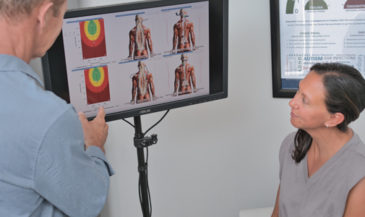
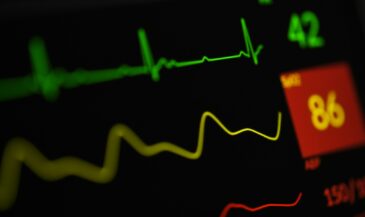
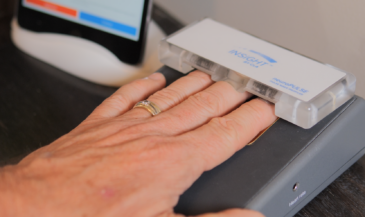
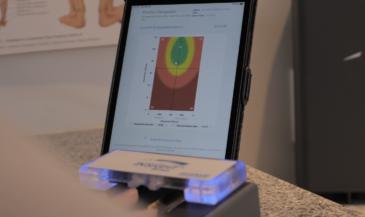
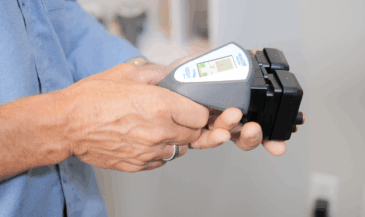
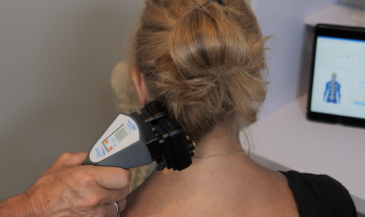
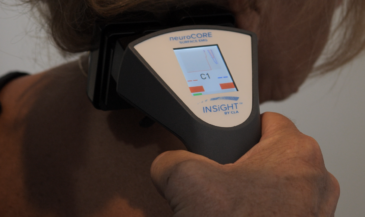
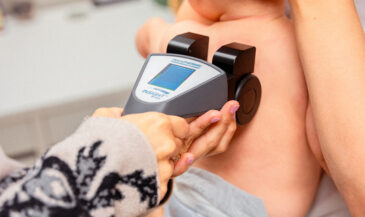
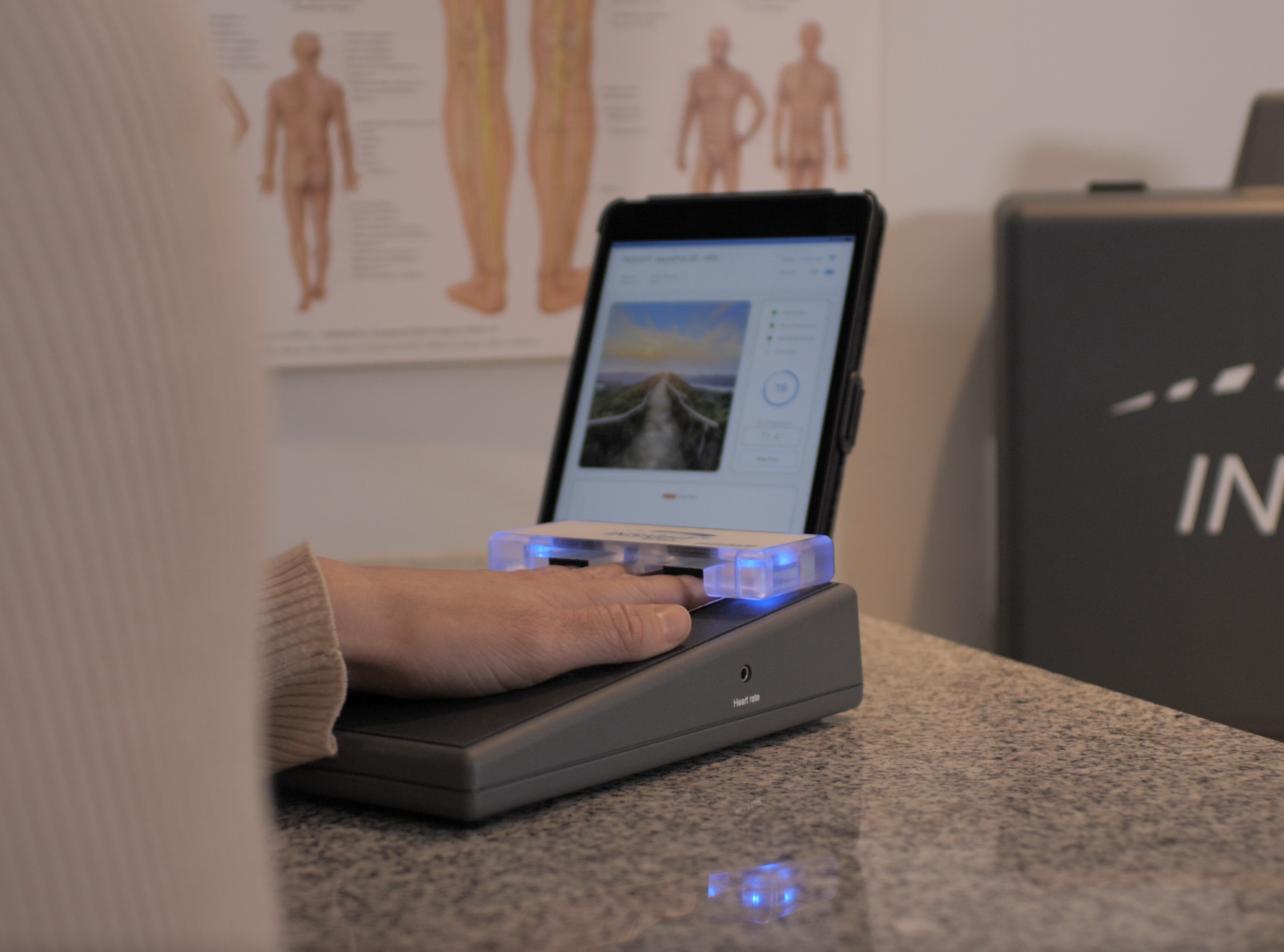
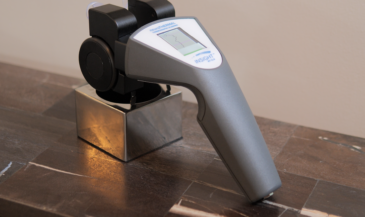
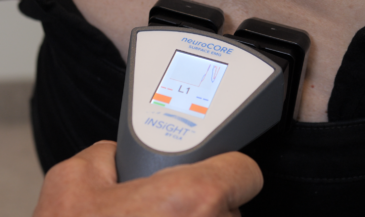
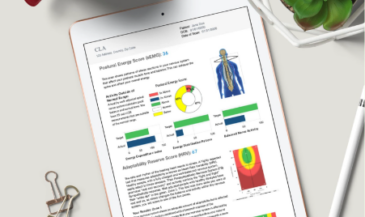
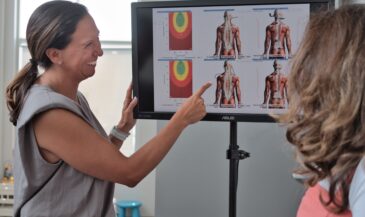
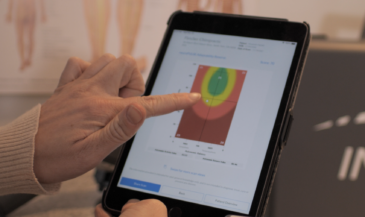
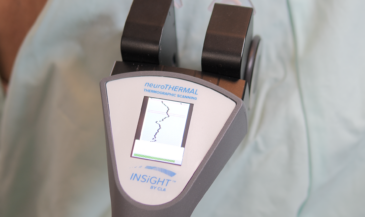
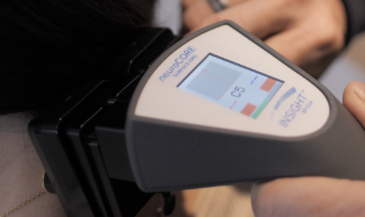
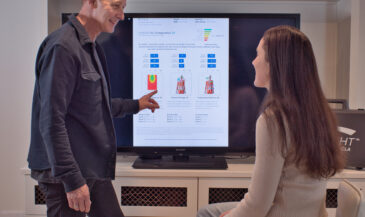
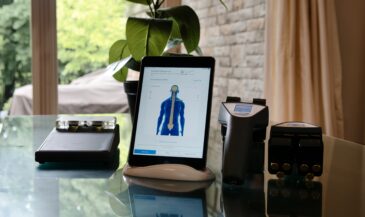
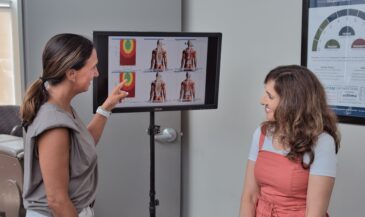
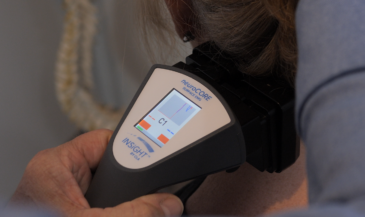
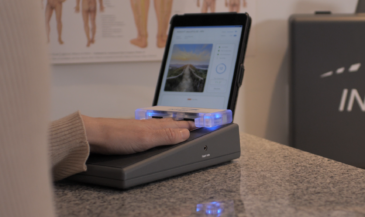
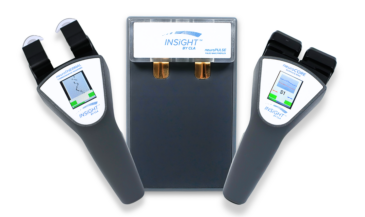
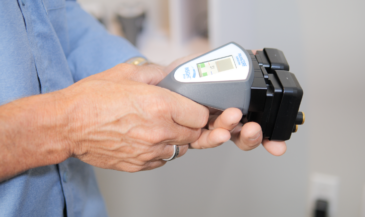
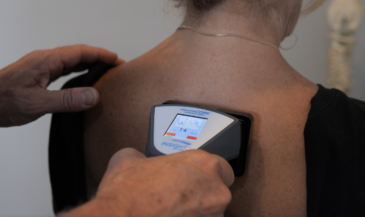
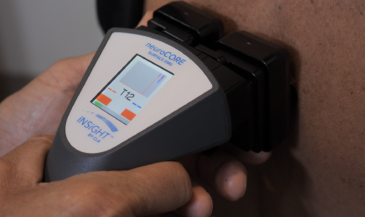
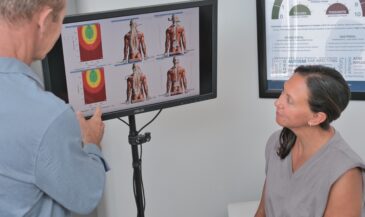
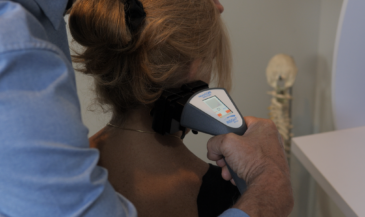
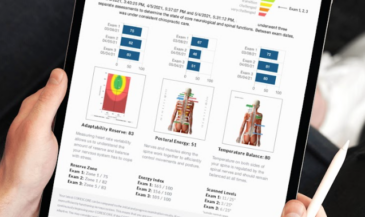
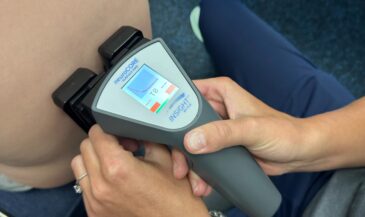
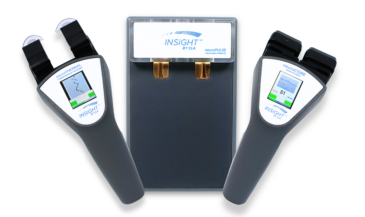
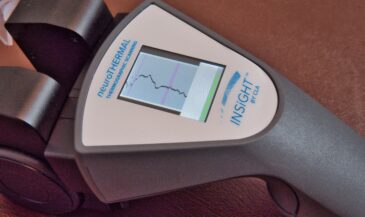
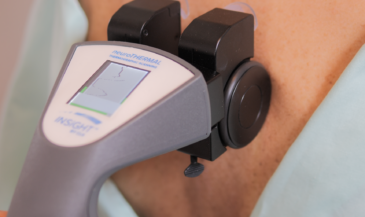
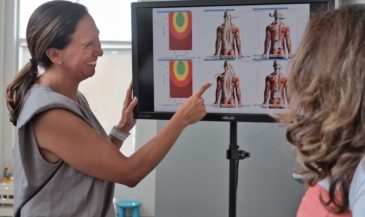
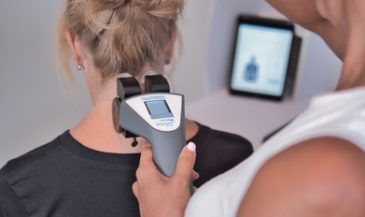
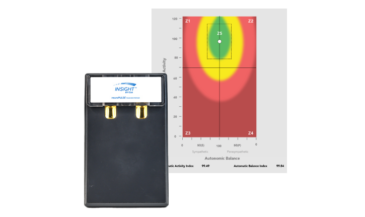
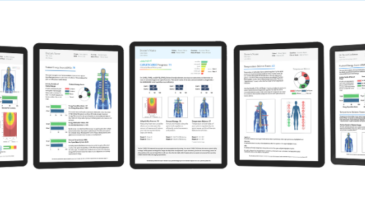
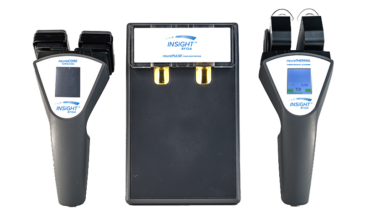
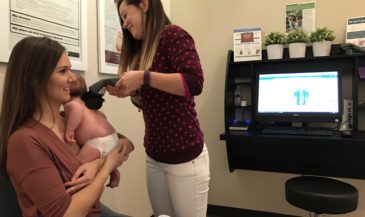
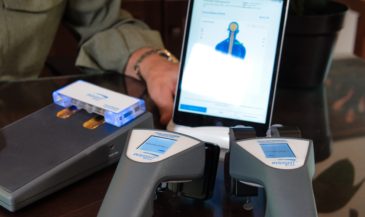
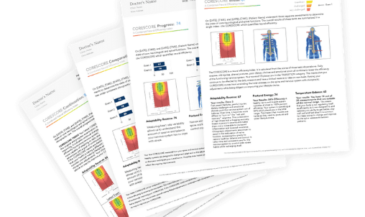
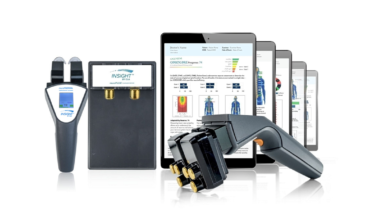
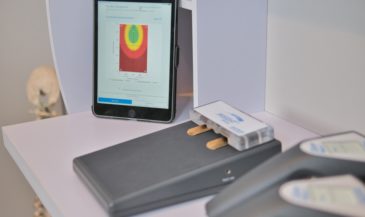
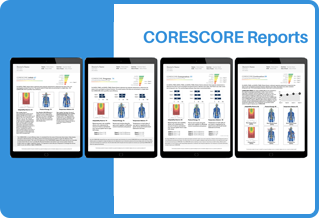
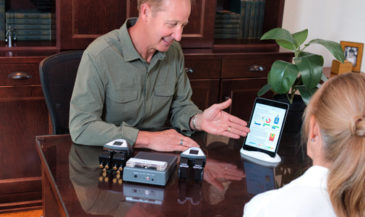
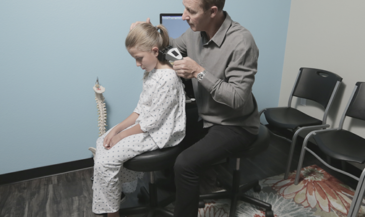
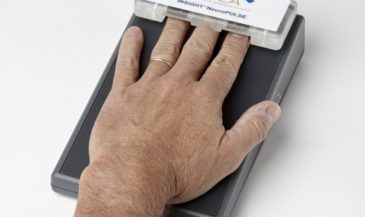
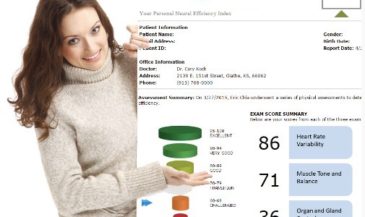
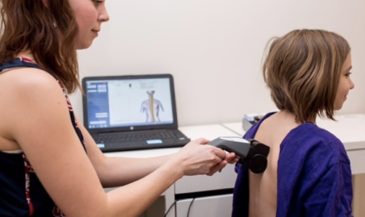
INSiGHT scanning and HRV analysis add another dimension. By visualizing autonomic balance, practitioners can discuss stress, lifestyle, and resilience in meaningful ways. While these tools cannot predict fainting, they help track nervous system adaptation and spark conversations about health.
Benefits in practice include:
- Injury prevention: Immediate, informed intervention reduces fall risk.
- Patient trust: Responsive care builds confidence.
- Clinical distinction: Mastery of nervous system events sets practices apart.
- Patient education: Patients learn fainting is often benign and manageable.
Making vasovagal reactions a routine part of staff training and patient education is a hallmark of high-quality chiropractic care.
Prevention and Practical Management: What Every Practitioner Should Know
Best outcomes start with early recognition and confident action. When a patient shows warning signs—dizziness, warmth, nausea—safety is the top priority. Key interventions:
- Sit or lie the patient down immediately, ideally with legs elevated.
- Loosen tight clothing for comfort.
- Encourage slow, deep breathing.
- Counter-pressure maneuvers: cross legs and tense muscles, squeeze a ball or fist, or sit with head between knees (if able).
- Let the patient recover fully before standing.
Afterwards, offer water or a snack if needed and document the episode thoroughly.
Refer to medical care if:
- There is chest pain, palpitations, shortness of breath, or severe headache.
- Confusion or delayed recovery occurs.
- The episode happens during exertion or with no warning.
- There is a history of cardiac or neurological disease.
- A head injury or significant trauma occurs.
Prevention strategies for at-risk patients:
- Stay hydrated and nourished before appointments.
- Avoid standing for long periods.
- Recognize early symptoms and act quickly.
- Offer a seat or cool drink to anxious or overheated patients.
- For those with known triggers, allow procedures (like blood draws) while lying down.
Regular staff training and emergency preparedness should be part of every practice.
Looking Ahead: Chiropractic and the Future of Nervous System Resilience
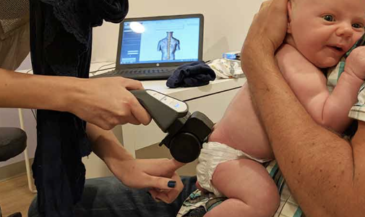
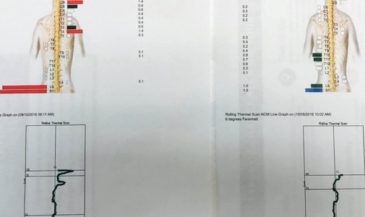
Chiropractic is at the crossroads of functional neurology and patient care. Tools like HRV, sEMG, and thermographic scanning open new ways to understand how stress and lifestyle shape autonomic balance.
But beyond technology, it’s the conversation that matters. Each vasovagal episode is a teaching moment: the nervous system protects, adapts, and occasionally overreacts. Calm, knowledgeable responses showcase chiropractic leadership in whole-body resilience.
Keep learning. As research deepens our understanding of autonomic regulation and stress, practitioners who stay current are best equipped to serve with confidence.
From Reflex to Resilience: Elevating Clinical Confidence in Every Encounter
Understanding vasovagal reactions goes beyond safety; it strengthens your role as an expert in nervous system care. The next time a patient turns pale or sways, you’ll be ready—not just to prevent harm, but to turn that moment into a powerful learning opportunity.
Key reminders:
- Early recognition saves injuries. Know the signs and act quickly.
- Respond with confidence. Calm, informed action reassures all.
- Educate every time. Help patients appreciate their bodies and adaptability.
- Integrate nervous system assessment and communication into all care.
Regularly review protocols, staff training, and education materials. Use technology to track nervous system health and engage patients in their own adaptability.
Above all, never underestimate your role in supporting the nervous system’s balance between reflex and resilience. Your expertise and vigilance make you a partner in every patient’s pursuit of lifelong neurological health.