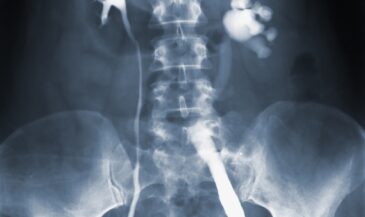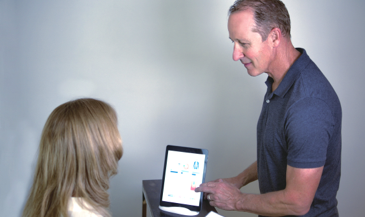


Chiropractors know this feeling well, when a patient walks into their office, moving carefully, describing how they bent down to tie their shoe and felt something “shift” in their back.
A bulging disc occurs when one of the cushion-like discs between your vertebrae extends beyond its normal boundaries, potentially pressing on nearby nerves and causing pain. As a spinal function specialist who has worked with thousands of patients, I’m often asked one critical question: “Do bulging discs heal?”
The short answer is yes—approximately 95% of bulging discs heal naturally without requiring surgery. However, the healing journey varies significantly from person to person.
Understanding Your Spine and Discs
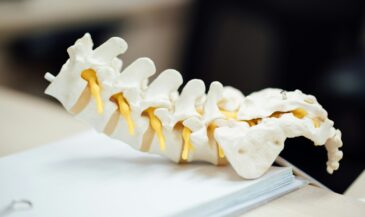
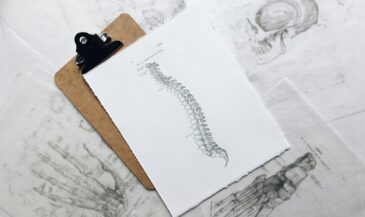
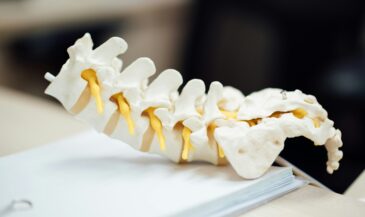
To comprehend how bulging discs heal, it’s important to understand the basic anatomy of your spine. Your spine consists of 24 vertebrae stacked upon one another, creating the flexible column that supports your body. Between each pair of vertebrae sits an intervertebral disc—a remarkable structure designed to absorb shock, allow movement, and maintain proper spacing between the bones.
Each disc has two main components: a soft, gel-like center called the nucleus pulposus, surrounded by a tough, fibrous outer layer called the annulus fibrosus. Think of each disc as a tiny shock absorber with a jelly-like center contained within a strong, flexible exterior. When functioning properly, these discs allow you to bend, twist, and move without pain.
A common source of confusion is the difference between bulging and herniated discs:
- Bulging disc: The disc extends beyond its normal boundary but remains intact. The outer layer stretches but doesn’t tear, and the nucleus stays contained within the disc. It’s similar to a tire that bulges when overinflated.
- Herniated disc: The outer layer tears or ruptures, allowing the inner gel-like material to leak out. This material can directly compress or irritate nearby nerves, often causing more intense symptoms.
While these conditions can occur anywhere in the spine, they most commonly affect the lumbar spine (lower back), as this area bears the most weight and experiences the most stress during daily activities. The cervical spine (neck) is another common location, while bulging discs rarely occur in the thoracic spine (mid-back).
Several factors contribute to disc bulges. Natural aging causes discs to gradually lose water content and flexibility, making them more prone to bulging. Repetitive stress from poor posture, improper lifting techniques, or occupational demands can accelerate this process. Traumatic injuries, genetic factors, joint wear and tear, and lifestyle choices like smoking or maintaining excess weight also increase your risk of developing a bulging disc.
Recognizing the Signs of a Bulging Disc
Identifying a bulging disc begins with recognizing its characteristic symptoms, which can vary dramatically depending on the disc’s location and the extent of the bulge. While some people experience debilitating pain, others may have minimal discomfort or even be completely asymptomatic despite having a bulging disc.
When a disc bulges in your lumbar spine (lower back), you might experience:
- Localized lower back pain that may be sharp or dull
- Sciatica—pain that radiates from your lower back down through your buttocks and into your leg, sometimes reaching your foot
- Numbness or tingling sensations in your legs or feet
- Muscle weakness that affects your ability to walk or stand
- Pain that worsens with prolonged sitting, bending, lifting, or twisting
If the bulging disc is in your cervical spine (neck), symptoms typically include:
- Pain between or near the shoulder blades
- Neck pain, particularly on the sides of the neck
- Discomfort that increases when bending or turning your head
- Pain that travels from your neck down to your shoulder, arm, and possibly your fingers
- Numbness, tingling, or weakness in your arms or hands
It’s important to understand that the pain doesn’t come from the disc itself, as discs don’t have a direct blood supply. Rather, symptoms occur when the bulging disc puts pressure on or irritates nearby nerve roots or the spinal cord. This explains why the pain often radiates along the pathway of the affected nerve.
While most bulging discs respond well to conservative treatment, certain symptoms warrant immediate medical attention. These red flags include:
- Loss of bladder or bowel control (a condition called cauda equina syndrome)
- Progressive muscle weakness or paralysis
- Severe, unrelenting pain that doesn’t improve with rest
- Symptoms that worsen rapidly over a short period
If you experience any of these warning signs, don’t wait—seek emergency care. These symptoms could indicate a serious complication requiring urgent intervention to prevent permanent nerve damage.
How Long Does a Bulging Disc Take to Heal?
When it comes to bulging discs, understanding the typical healing progression can help set realistic expectations and reduce anxiety. While individual experiences vary, most bulging discs follow a fairly predictable healing timeline that spans several weeks to months.
Stage 1: Inflammation (1 to 2 weeks)
The initial stage is typically characterized by intense pain and inflammation. This is your body’s natural response to injury, with the immune system rushing to the site to begin the healing process. During this phase, you may experience:
- Severe pain in the affected area
- Muscle spasms that limit movement
- Radiating pain if spinal nerves are compressed
- Difficulty finding comfortable positions
During this acute phase, the focus is on managing pain and reducing inflammation through rest, ice therapy, and appropriate chiropractic adjustments as part of a chiropractic care plan.
Stage 2: Gradual Improvement (2-6 weeks)
As inflammation subsides, and adjustments release nerve tension, most people enter a phase of gradual yet continual improvement. The body begins reabsorbing excess fluid and inflammatory mediators, reducing pressure on surrounding structures. In this stage, you’ll likely notice:
- Decreased pain intensity and frequency
- Improved range of motion
- Reduced muscle spasms
- Ability to resume some normal activities with modification
This is often when structured rehabilitation begins, with gentle exercises to strengthen supporting muscles and improve flexibility without aggravating the condition.
Stage 3: Stabilization (6-12 weeks)
By this point, most patients experience significant relief from their initial symptoms. However, complete healing will not have occurred yet, and some residual discomfort may persist, especially with certain movements or prolonged positions. During this phase:
- Pain may have substantially improved but might not be entirely gone
- You may experience occasional flare-ups after increased activity
- Structural changes begin to stabilize
- Functional improvement continues with proper rehabilitation
Stage 4: Long-Term Management (Beyond 12 weeks)
The final stage involves long-term adaptation and management. It’s important to understand that “healing” doesn’t always mean the disc returns to its pre-injury state. Rather, the body adapts to the structural changes, and with proper care, you can achieve a pain-free, functional state despite some remaining physical alterations. During this phase:
- Most people return to normal activities without significant limitations
- The focus shifts to the prevention of recurrence
- Ongoing maintenance of core strength and flexibility becomes essential
Several factors influence how quickly and completely a bulging disc heals. Age plays a significant role, as younger individuals typically have more blood vessels to discs, which may give a greater healing capacity. The severity of the bulge, your overall health status, compliance with treatment options, and lifestyle factors like smoking, weight, and activity level all affect your healing timeline. While some patients achieve complete resolution within a few weeks, others may require several months to reach their optimal outcome.
Signs Your Bulging Disc Is Healing
Recognizing the signs of healing can provide reassurance during the recovery journey. While the process isn’t always linear, you may experience good days followed by temporary setbacks, certain indicators suggest your bulging disc is improving.
The most obvious sign is a gradual reduction in pain intensity and frequency. As inflammation subsides and pressure on nerve roots decreases, the sharp, acute pain typically transitions to a more manageable discomfort before eventually subsiding. Many patients report that pain becomes more localized rather than radiating down limbs, suggesting less nerve involvement.
Functional improvements are equally important healing indicators. You might notice:
- Increased ability to perform daily activities with less pain
- Improved range of motion in your back or neck
- Reduced need for pain medication
- Better sleep quality and duration
- Decreased frequency of muscle spasms
The return of normal sensation is another positive sign if you’ve experienced numbness or tingling. As pressure on nerve roots diminishes, these neurological symptoms typically resolve, though they may take longer to improve than pain.
This progressive return of normal nerve function suggests that the inflammatory process is subsiding and healing is underway.
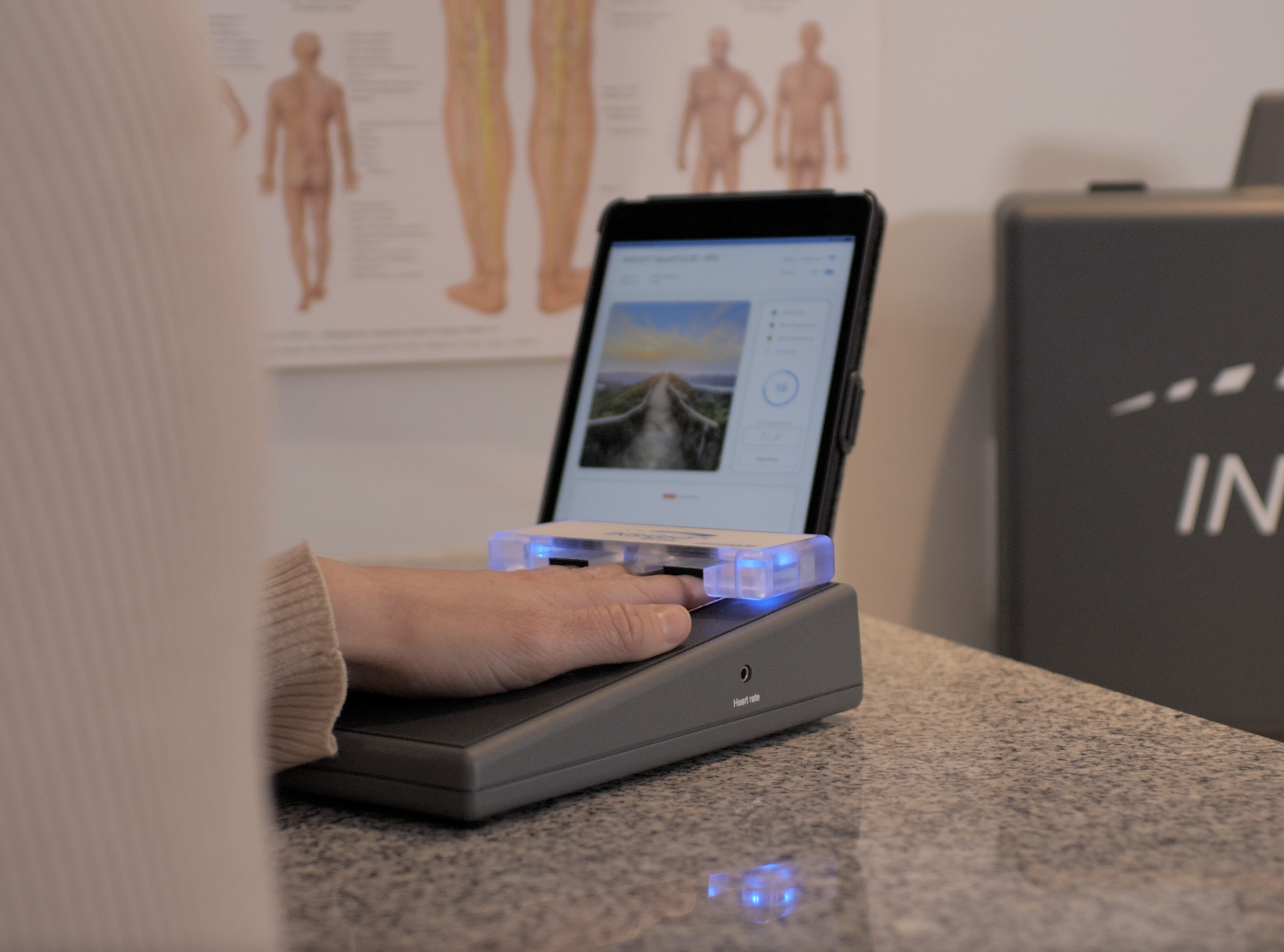
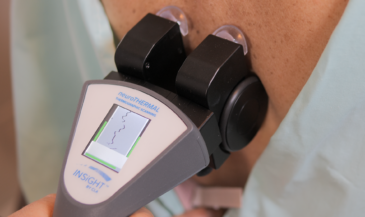
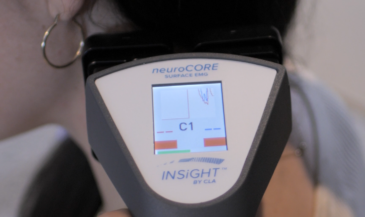
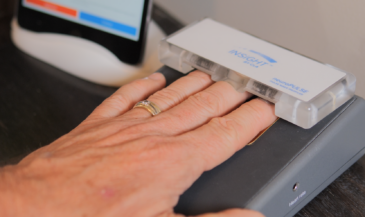
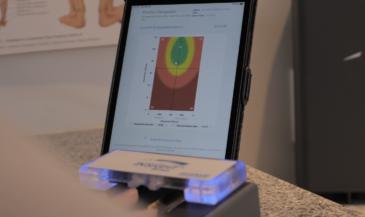
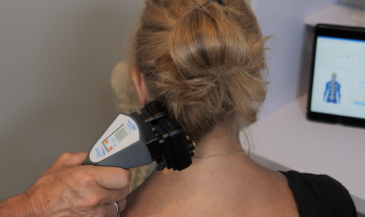
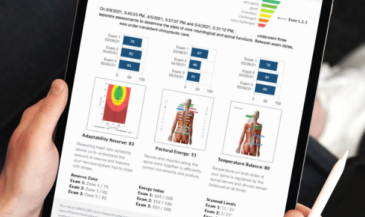
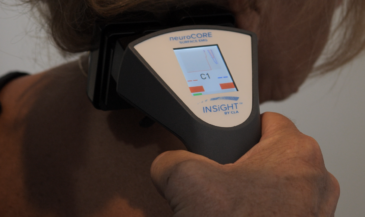
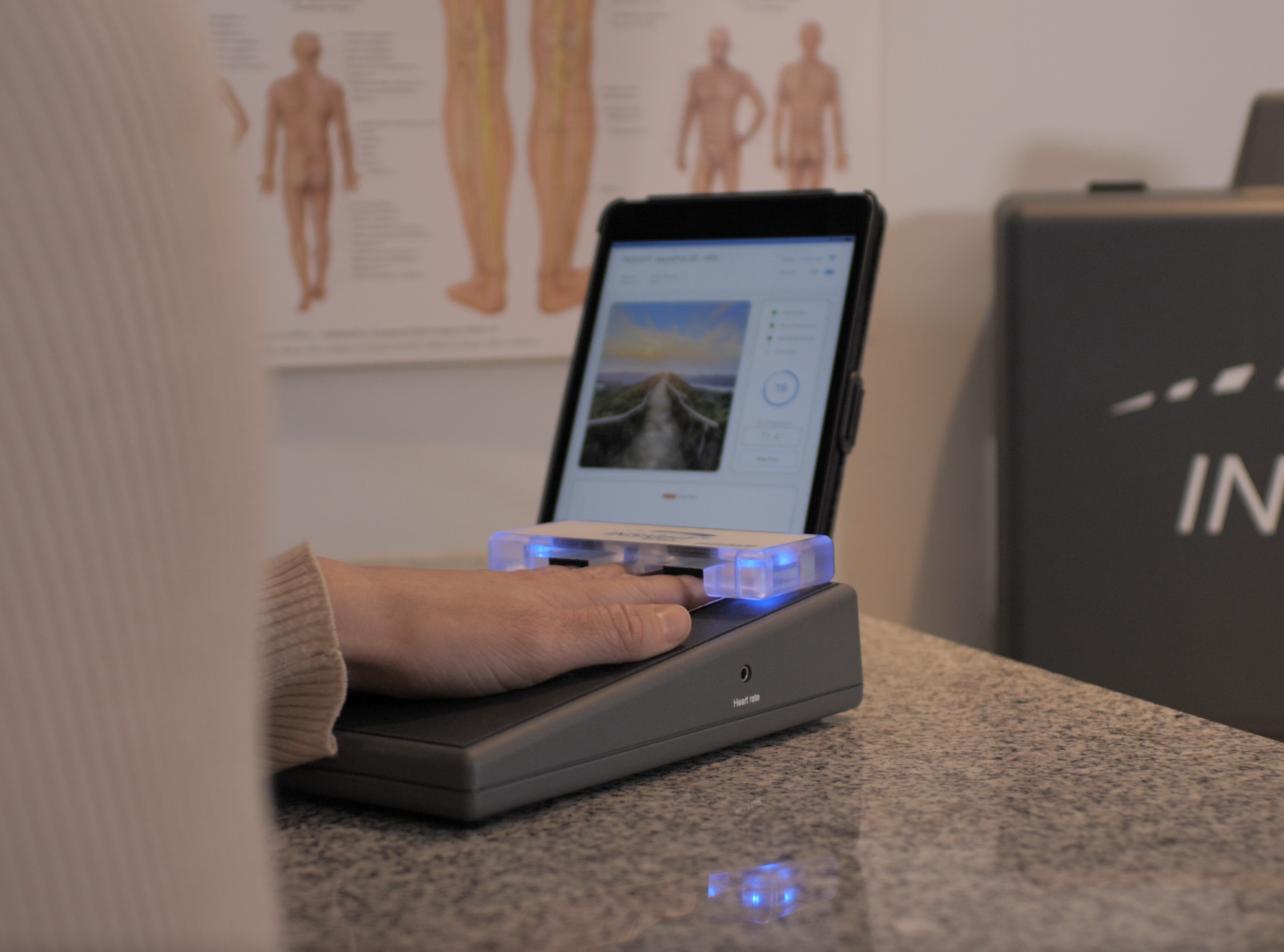
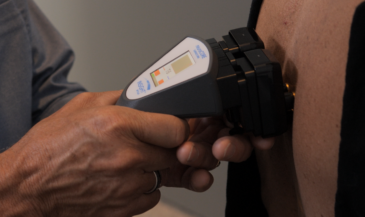
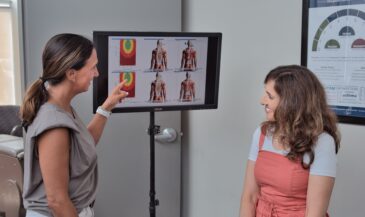
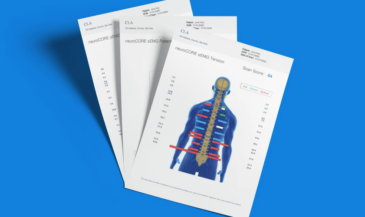
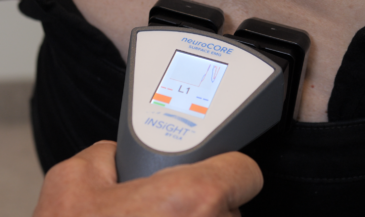
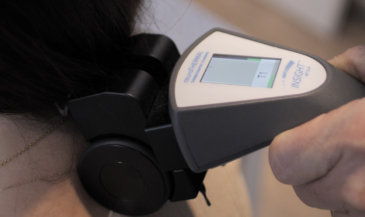
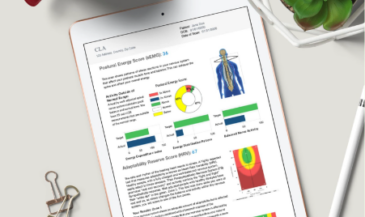
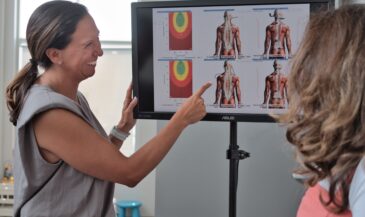
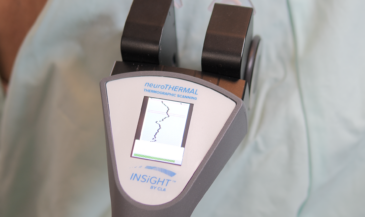
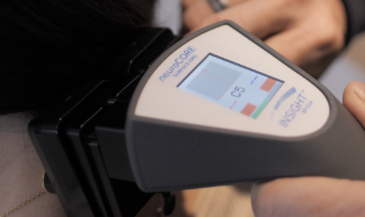
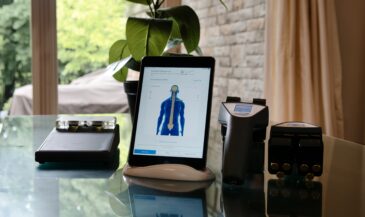
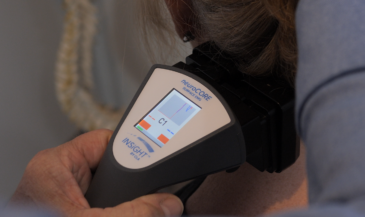
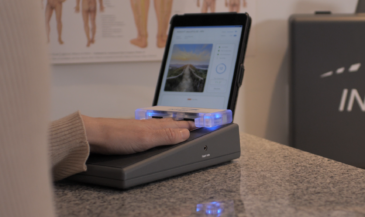
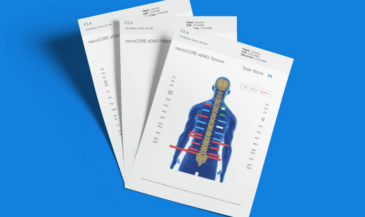
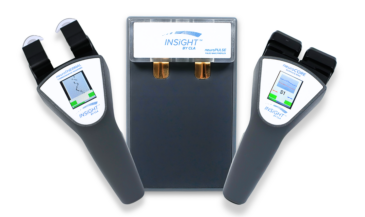
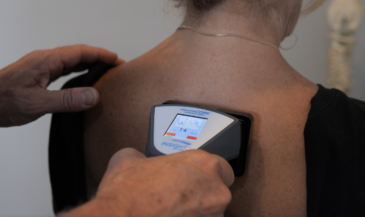
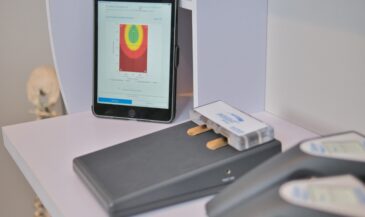
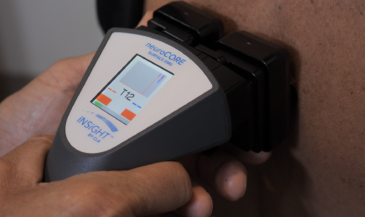
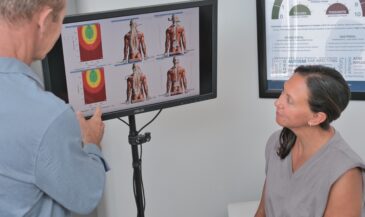
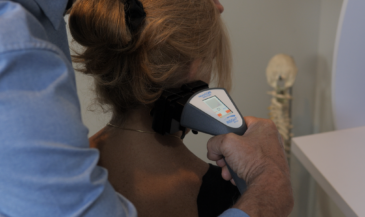
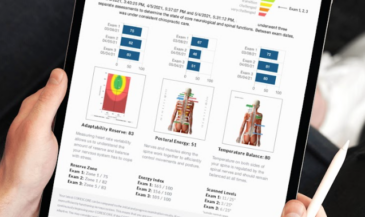
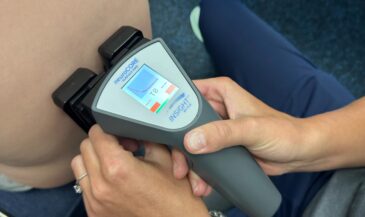
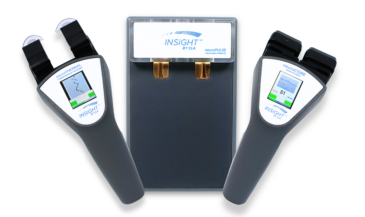
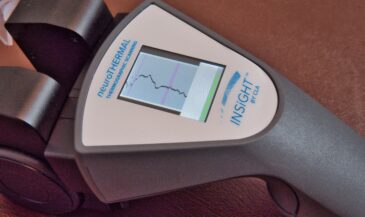
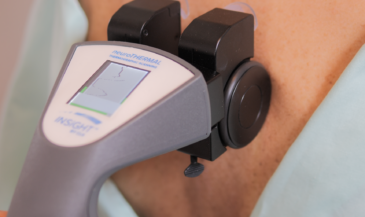
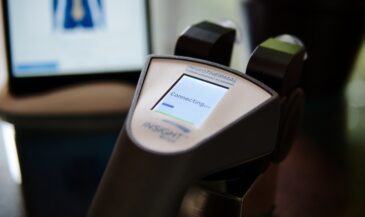
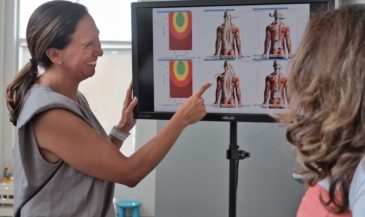
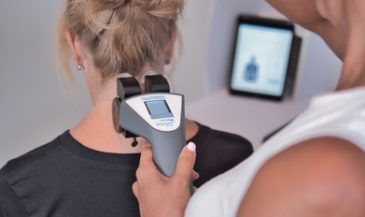
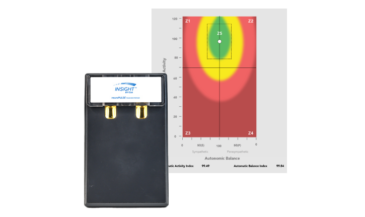
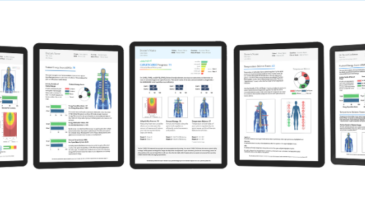
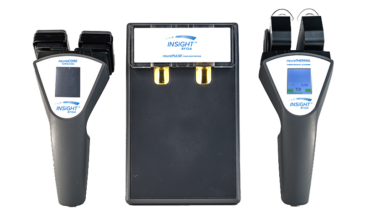
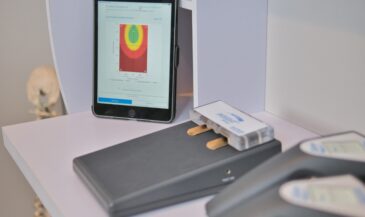
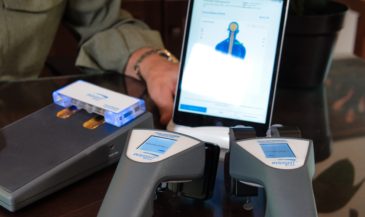
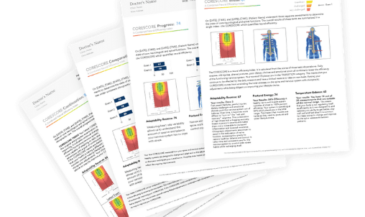
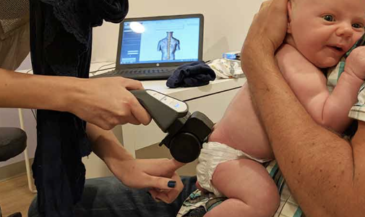
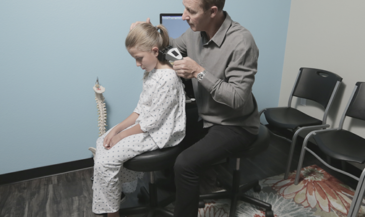
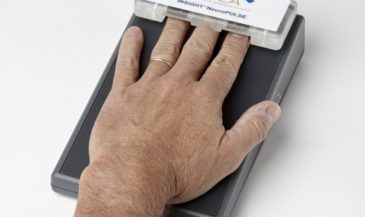
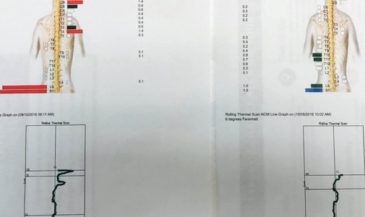
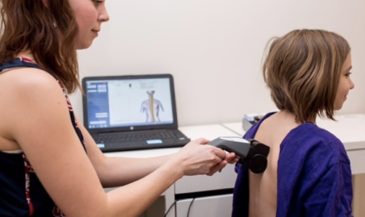
INSiGHT scanning of the spinal nervous system provides objective confirmation of these healing signs. We often see:
- More balanced autonomic function on HRV assessments
- Decreased muscle hypertonicity on sEMG readings
- Normalized temperature patterns on thermography scans
- Improved CORESCORE values indicating better overall neural efficiency
Remember that healing isn’t just about pain reduction, it’s about restoring function and preventing recurrence. Even after pain subsides, continuing with rehabilitation exercises and making recommended lifestyle modifications remains crucial for long-term spine health.
Can a Bulging Disc Heal Without Surgery?
Absolutely. When it comes to supporting bulging disc recovery, a multi-faceted natural approach often yields the best results. The good news is that you can take several active steps to facilitate healing and reduce your symptoms without resorting to invasive procedures.
Movement plays a crucial role in disc healing, though finding the right balance is key. While extended bed rest is no longer recommended, short periods of relative rest during the acute phase can help reduce inflammation. After this initial period, gentle activity should be gradually reintroduced. Low-impact exercises like walking, swimming, or stationary cycling can improve circulation to the disc area, delivering essential nutrients while removing inflammatory waste products.
Targeted exercises form the cornerstone of recovery for most patients. A chiropractor can design a program that:
- Adjusts the spine to release nerve tension and restore spinal motion
- Strengthens core muscles to better support your spine
- Improves flexibility in tight muscles that may contribute to improper spinal alignment
- Teaches proper body mechanics for daily activities
- Gradually increases your activity tolerance without aggravating symptoms
- Introduces specific therapeutic movements that can help centralize pain and reduce disc bulging
Nutritional strategies can complement your physical recovery efforts. Anti-inflammatory foods rich in omega-3 fatty acids, antioxidants, and essential micronutrients can help support the body’s natural healing processes. Staying well-hydrated is particularly important for disc health, as a disc’s nucleus pulposus is composed of 66-86% water and depends on proper hydration to maintain its shock-absorbing capabilities.
Stress management shouldn’t be overlooked in your recovery plan. Chronic stress triggers inflammatory responses in the body and increases muscle tension, potentially exacerbating disc-related pain. Techniques such as deep breathing, meditation, gentle yoga, and progressive muscle relaxation can help break the cycle of stress and pain, creating an internal environment more conducive to healing.
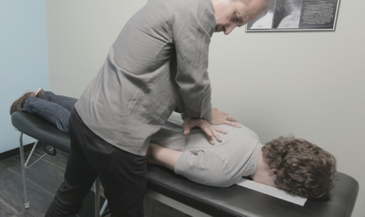
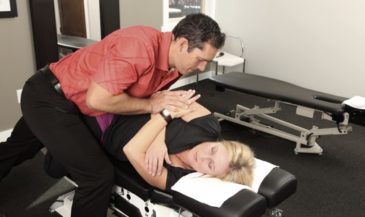
For many patients, chiropractic care offers significant pain relief from bulging disc symptoms. Through specific adjustments and soft tissue techniques, skilled chiropractors can help improve spinal alignment, reduce pressure on affected discs, and enhance overall spine function.
Prevention Strategies for the Future
Once your bulging disc has healed, preventing recurrence becomes the priority. By implementing specific preventive strategies, you can significantly reduce your risk of experiencing future disc problems.
Proper body mechanics during daily activities form the foundation of prevention. This includes:
- Lifting with your legs, not your back, keeping heavy objects close to your body
- Avoiding twisting while lifting or carrying heavy items
- Taking frequent breaks and changing positions when sitting for extended periods
- Using ergonomically designed furniture and tools that support proper spine alignment
- Sleeping on a supportive mattress in positions that maintain spinal curves
A consistent exercise routine focused on core strength and flexibility provides essential support for your spine. Strong abdominal, back, and hip muscles create a natural brace for your spine, reducing the load on your discs. Even 15-20 minutes of targeted exercises several times weekly can make a significant difference in preventing future problems.
Weight management deserves special attention in disc health. Every extra pound adds strain to your spine, particularly in the lumbar region. Maintaining a healthy weight through balanced nutrition and regular activity not only reduces mechanical stress on your discs but also helps control inflammation that can contribute to disc degeneration.
Smoking cessation represents another powerful preventive measure. Research demonstrates that smoking reduces blood flow to spinal discs, accelerates disc degeneration, and impairs healing. If you smoke, quitting is one of the most beneficial steps you can take for your spine health and overall well-being.
Your Spine’s Remarkable Recovery Potential
Your body possesses an incredible capacity for healing, and spinal discs are no exception. With the right approach, the vast majority of bulging discs will heal without requiring invasive interventions. While the journey may take time, typically spanning several weeks to months, patience and consistent self-care usually yield positive results.
Remember that healing doesn’t always mean the disc returns to its exact pre-injury state. Rather, successful healing means reaching a point where you can function normally without significant pain or limitations. The structural changes may remain visible on imaging, but with proper care and maintenance, these changes don’t have to impact your quality of life.
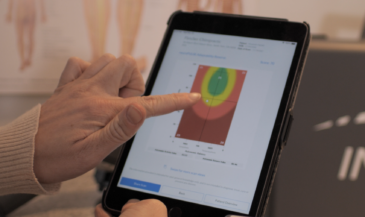
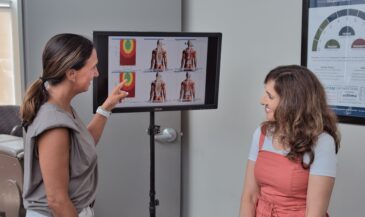
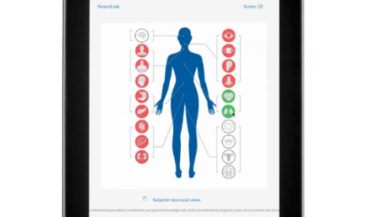
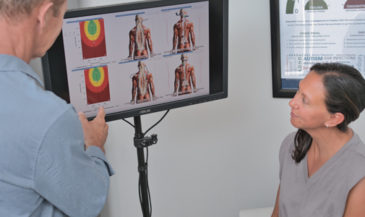
What makes today’s approach so exciting is our ability to track this healing journey through INSiGHT scanning technology objectively. No longer do patients have to wonder if they’re truly improving, we can show them their progress through improved neural efficiency scores, balanced autonomic function, and normalized muscle patterns.
If you’re currently working with patients struggling with symptoms of a bulging disc, take heart in knowing that you have powerful tools at your disposal. Most people achieve substantial improvement with the right combination of rest, activity, professional guidance, and objective neurological assessment through INSiGHT scanning. By incorporating the preventive strategies we’ve discussed and regular neurological monitoring, you can help protect your patients’ spines for years to come, maintaining their health and function throughout their lives.
The INSiGHT neuroTECH suite transforms how we approach disc-related issues, moving beyond symptom management to true neurological optimization. Now that’s the future of spine care!