

If you’ve been in practice for even a short while, you’ve seen it: a patient comes in, clutching their MRI and wearing the weight of the world on their face. “Doc, I’ve got a herniated disc. Does this ever heal?” It’s the kind of question that cuts to the heart of what we do—not just because it’s about symptoms, but because it’s about hope, function, and getting folks back to living their lives.
I’ve sat across from patients with stories just like this more times than I can count. Some got their disc injury wrestling with a grandkid, some by simply tying their shoes. The names change—bulging disc, slipped disc, ruptured disc—but the worries are always the same: “Will my disc heal? Will I need surgery? Can I get back to being me?”
The good news, confirmed by peer-reviewed research, is that most herniated discs do heal—and there’s a lot we can do to make that recovery smoother, more predictable, and truly trackable. Even better, modern tools like INSiGHT scanning technology let us see and measure real progress, not just hope for it.
We’ll walk through how the healing process unfolds, what conservative care (especially neurologically-focused care) looks like, and how INSiGHT scanning lets us see and celebrate true disc healing.
What Is a Herniated Disc? (And Why Do They Happen?)
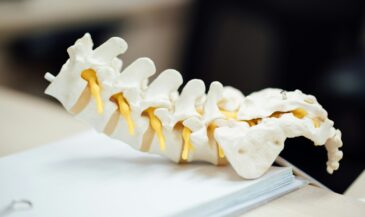
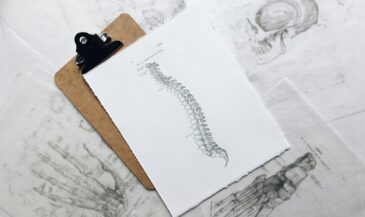
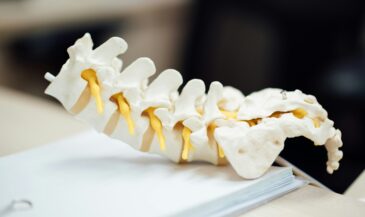
Let’s take it from the top: your spine is a sturdy stack of vertebrae separated by round, cushiony spinal discs—think of them as the shock absorbers and “jelly donuts” of your back. Each disc has a tough exterior (the annulus) and a gel-like center (the nucleus) according to the NCBI.
A herniated disc, sometimes called a bulging disc, slipped disc, or ruptured disc, is what happens when that jelly center pushes through a crack in the outer ring—often the result of wear, trauma, or a simple twist the wrong way as described by the NCBI.
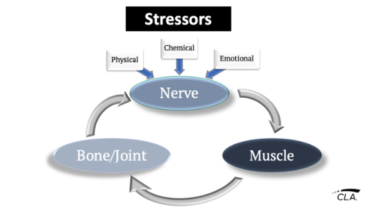
But the real trouble isn’t just the bulge—it’s when the herniated disc puts pressure on nearby nerves, causing neurological interference and sometimes radiating symptoms. If you’ve seen this, you know how quickly it can impact daily life.
More than 3 million people in the U.S. each year are affected by herniated discs, usually in the lower back (lumbar disc) or neck (cervical spine).
Common causes and risk factors:
- Disc degeneration: Natural aging and wear
- Trauma: Accidents or injuries, sometimes sports-related
- Improper lifting: Bending at the waist instead of the knees
- Repetitive motions: Certain jobs or hobbies
- Genetics: Some families are more prone than others
Risk factors also include being between 30 and 50, carrying extra weight, sitting for long periods, and smoking—which weakens discs.
Signs, Symptoms, and When to Worry
A herniated disc can show up in a hundred different ways, but most patients come in with a story that sounds a lot like this: “My lower back hurts and there’s a shooting sensation down my leg,” or “My neck feels stiff and my arm keeps going numb.” These are the classic symptoms—and they’re all about the nervous system getting irritated.
Typical signs by location:
- Herniated Lumbar Disc (Lower Back):
- Persistent lower back discomfort or stiffness
- Sharp, shooting traits down the leg (classic sciatica)
- Numbness or tingling in the legs or feet
- Weakness in the legs
- Herniated Cervical Disc (Neck):
- Neck discomfort radiating to the shoulders or between the shoulder blades
- Numbness or tingling in the arms or hands
- Weakness in the arms, hands, or fingers
These aren’t just about pain—they’re signals that the nerve is under tension and the nervous system’s adaptability is being tested.
Red flags that require urgent attention:
- Loss of bladder or bowel control
- Sudden or progressive muscle weakness
- Numbness in the saddle area (inner thighs, buttocks)
If you see these, don’t wait—get that patient evaluated right away. These are standard clinical warning signs.
Diagnosing a herniated disc:
- Physical exam: Checking reflexes, strength, sensation, and movement
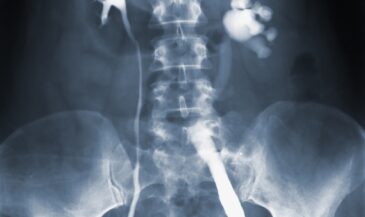
- Imaging: MRI or CT to see the disc bulge and nerve involvement
- Nerve tests: EMG and nerve conduction studies to pinpoint areas of nerve tension
But a good diagnosis is more than confirming a spinal disc bulge—it’s about understanding nervous system status and adaptability.
Can a Herniated Disc Heal? (And What Does “Healing” Mean?)
So, do herniated discs heal? Here’s the honest answer, grounded in current research: Yes, most herniated discs heal, and most patients recover without surgery.
Healing isn’t just about “feeling better.” In the neurologically-focused chiropractic world, healing is about restoring function, adaptability, and reducing nerve tension.
What’s happening under the surface?
- The body’s immune system goes to work, reabsorbing some of the disc material—a process described in disc literature.
- Inflammation decreases, the bulge shrinks, and the pressure on the nerve lessens.
- Scar tissue forms around the damaged disc, providing stability.
Most people see significant progress in a few weeks to a few months, but disc healing can take up to a year, especially if the herniation is more severe or the patient is older.
And remember, it’s not just about symptom relief—it’s about the nervous system’s ability to adapt, as outlined in the INSiGHT Knowledge Base.
How Herniated Discs Heal: The Science Behind Natural Recovery
Healing a herniated disc isn’t magic; it’s a biological process. The body is wired to recover—sometimes with a little help from us.
The healing process looks like this:
- Inflammation signals the body’s “cleanup crew” to get to work on the affected disc.
- The herniated disc material dries up or shrinks—documented in disc healing studies.
- Scar tissue forms, patching up the outer ring of the disc.
- Nerves regain function as the pressure and tension ease.
Healing isn’t a straight line. Some days, patients feel almost normal; other days, there are flare-ups. That’s just the nervous system adapting and recovering.
Factors that can affect healing:
- Age: Younger patients tend to heal faster, but recovery is possible at any age.
- Overall health and activity: Movement, strength, flexibility, and nutrition all matter.
- Nerve tension and adaptability: The more we can reduce interference, the better the disc healing.
- Lifestyle: Smoking, poor posture, chronic stress, and inactivity can slow progress.
Most herniated discs heal on their own within a few months, especially with a supportive, neurologically-focused approach.
Conservative Care Plans: What Really Works?
When it comes to disc healing, conservative treatment is the name of the game. Only a small percentage of patients ever need spine surgery.
What’s included in a solid conservative treatment plan?
- Short-term rest (if symptoms are severe), but keeping folks moving is key.
- Physical therapy: Strengthening and stretching are critical.
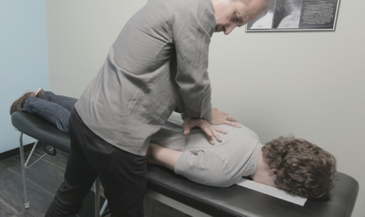
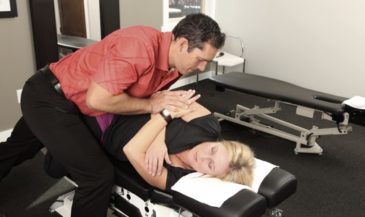
- Chiropractic adjustments: Gentle, neurologically-focused chiropractic care can improve adaptability and reduce nerve tension.
- Over-the-counter medications: Sometimes needed for symptoms, but not the main event.
- Steroid injections: Reserved for stubborn cases where inflammation is a big player.
- Lifestyle upgrades: Posture, workplace ergonomics, healthy weight, and avoiding smoking.
Progress is monitored regularly. If the herniated disc is healing, we keep going. If there’s a setback or new neurological symptoms, we re-evaluate and adjust the care plan.
When Is Surgery Needed? (And Why It’s Rare)
A lot of folks walk into the office worried their herniated disc will require surgery. But about 90% of herniated discs heal without surgery.
Surgery may be recommended if:
- There’s severe or worsening neurological loss.
- Symptoms are disabling after months of conservative care.
- There’s clear nerve compression not improving otherwise.
Minimally invasive surgery, such as microdiscectomy, removes just the herniated portion of the disc. Other surgical options are considered only in rare or complex cases.
But surgery is generally a last resort. Most people don’t require surgery, especially with a neurologically-focused, objective approach.
Neurologically-Focused Chiropractic Care: Beyond Symptom Relief
Here’s what sets Neurologically-Focused Chiropractic Care apart: We’re not just chasing symptoms or treating the “bad disc”—we’re looking at the whole nervous system.
Our approach:
- Adjustments are chosen to reduce nerve tension, restore normal motion, and enhance the body’s healing capacity—research shows improvements in HRV and adaptability.
- The care plan is personalized and adapts as the patient’s nervous system adapts.
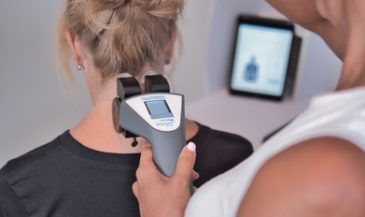
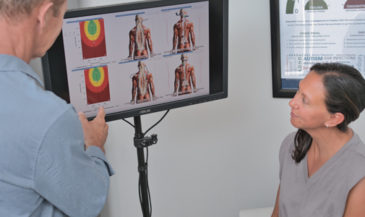
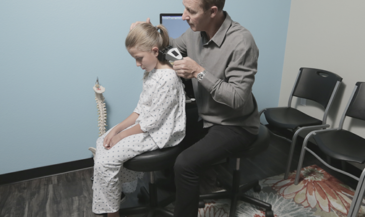
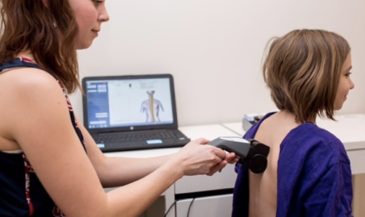
- We use objective tools (like INSiGHT scanning) to show nervous system progress.
The INSiGHT Advantage: Making Nerve Healing Visible
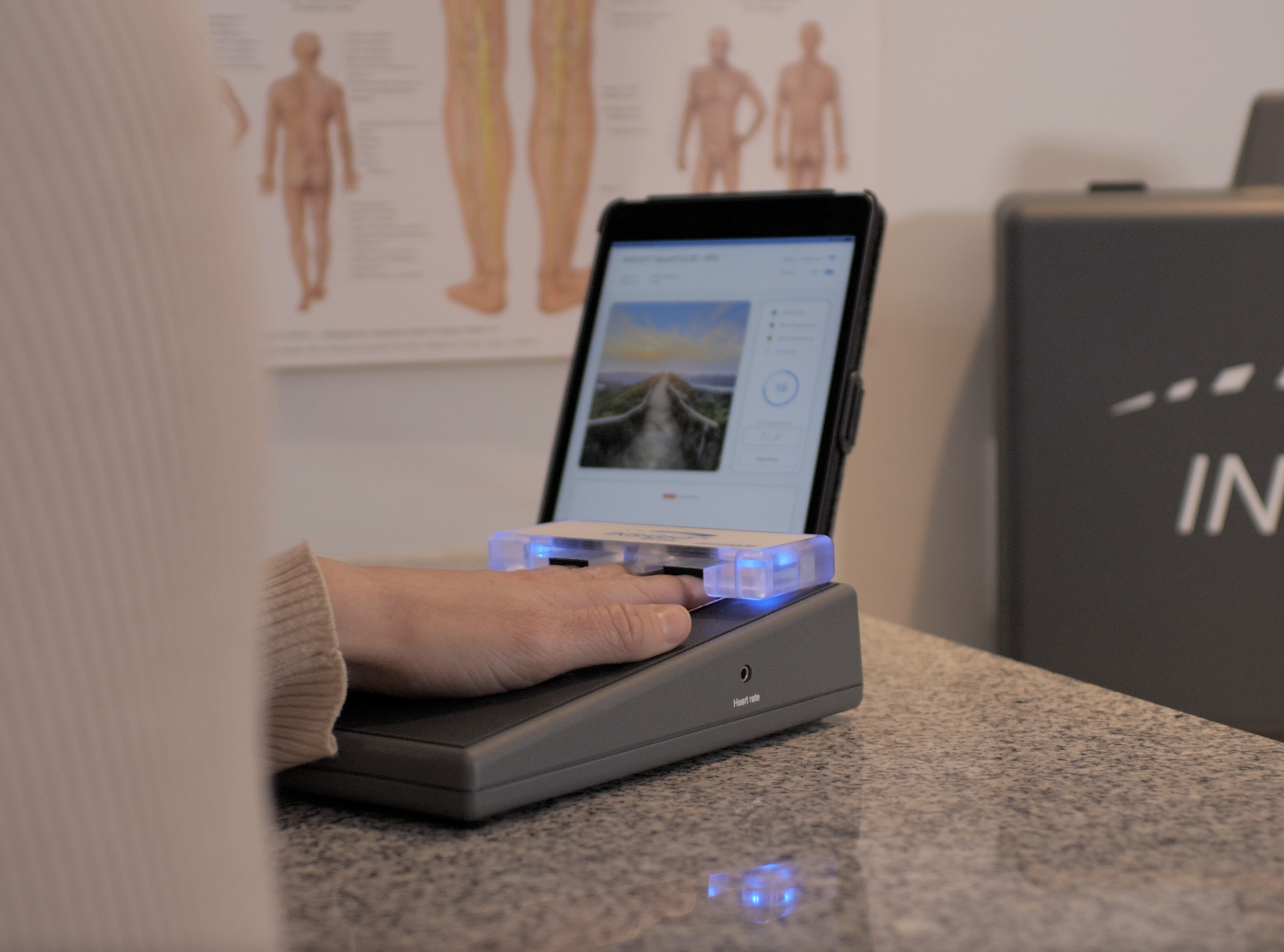
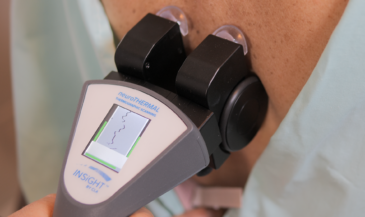
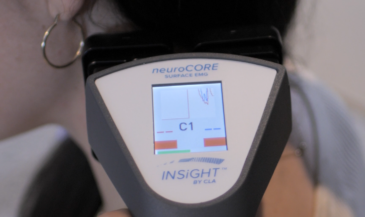
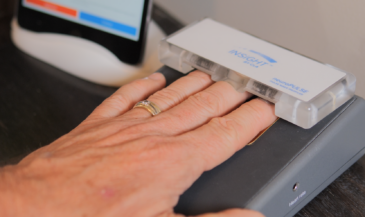
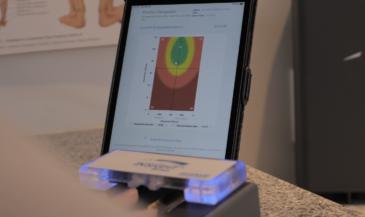
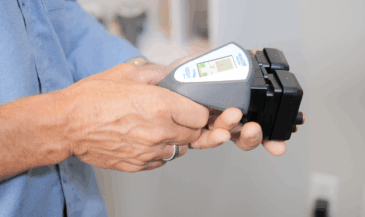
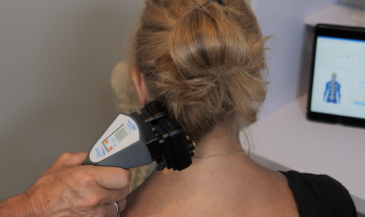
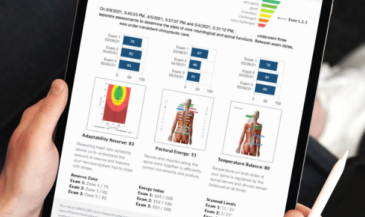
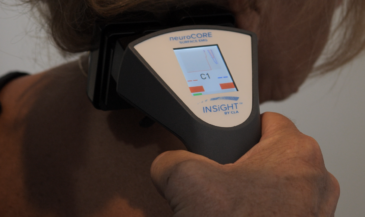
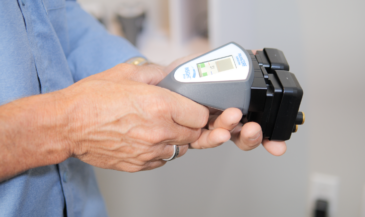
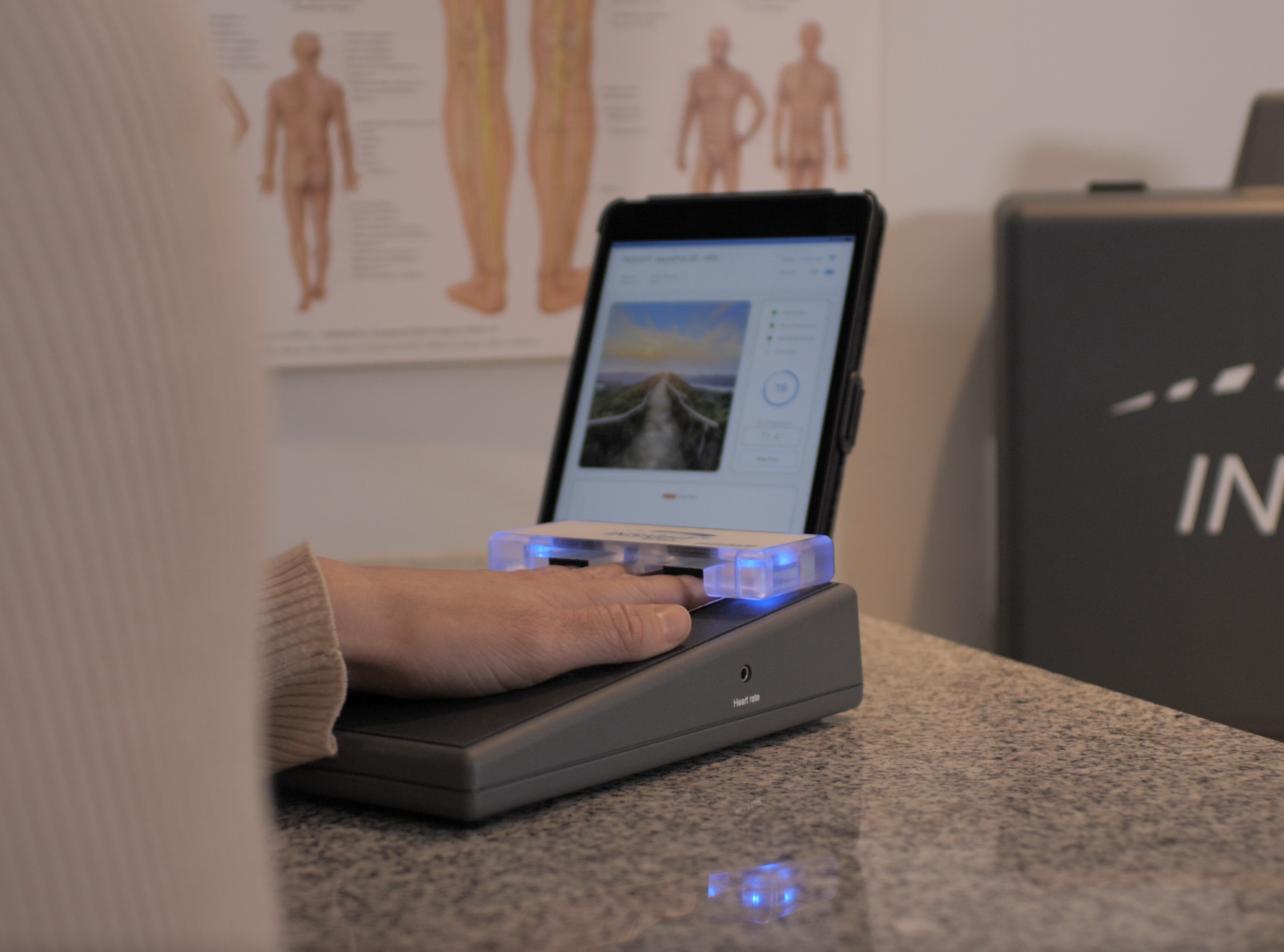
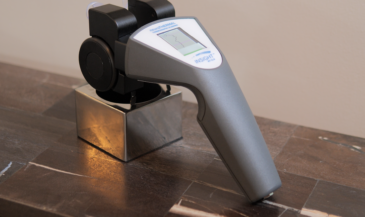
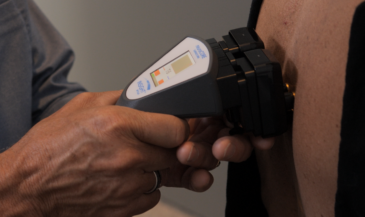
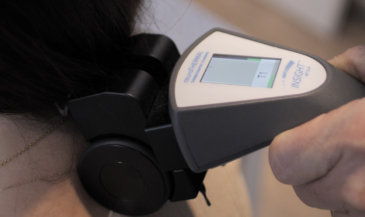
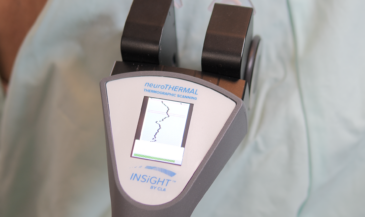
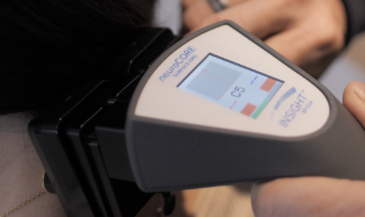
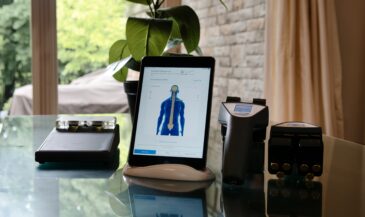
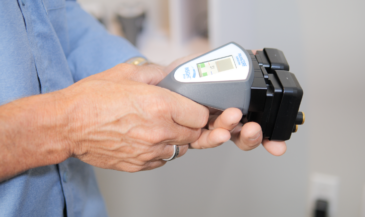
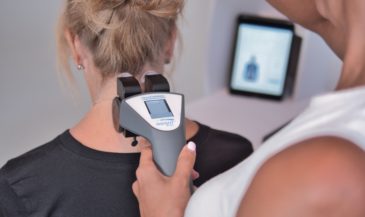
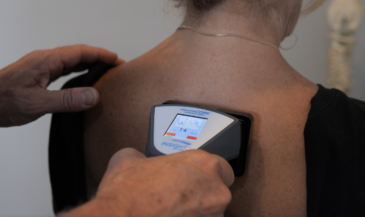
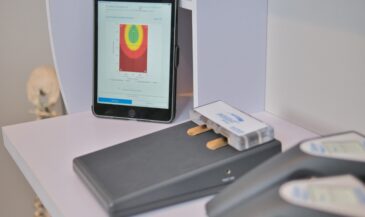
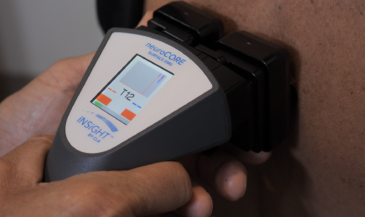
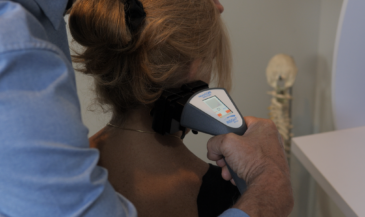
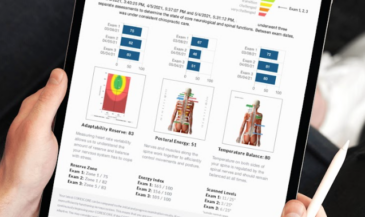
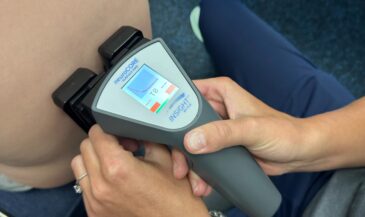
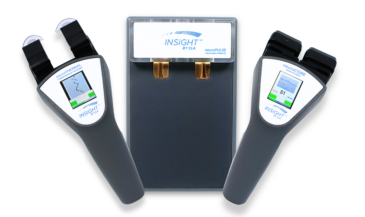
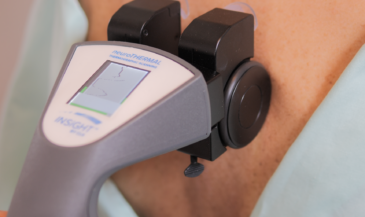
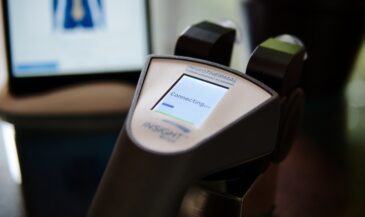
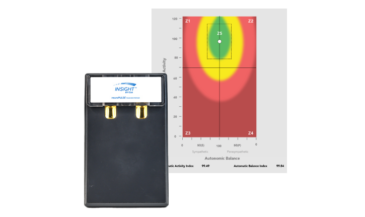
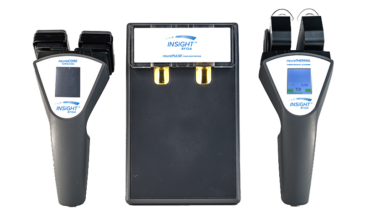
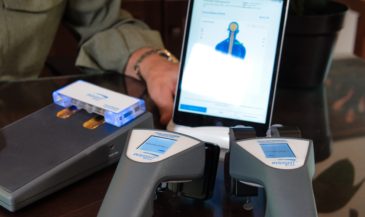
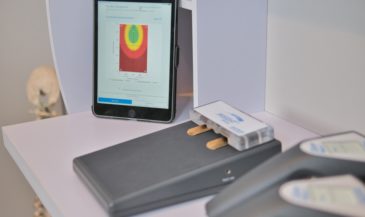
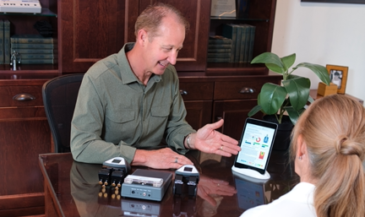
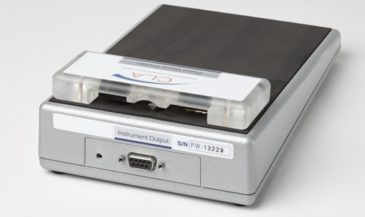
This is where it all comes together. The INSiGHT technology suite—neuroTHERMAL, neuroCORE, neuroPULSE, and the Synapse software—gives us a window into the healing process that was invisible before.
With INSiGHT, we can:
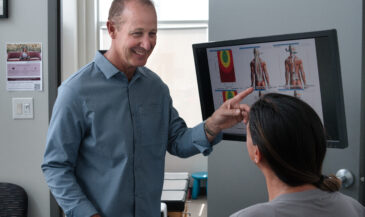
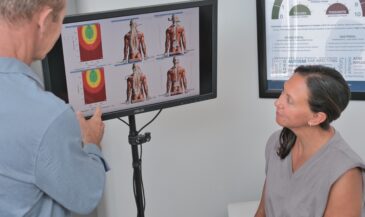
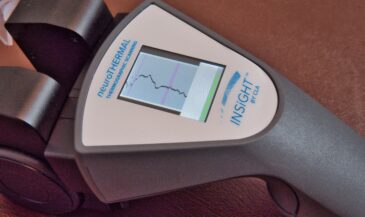
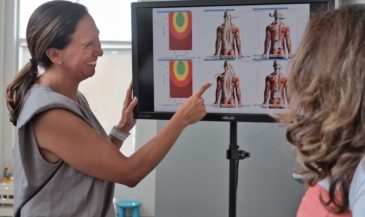
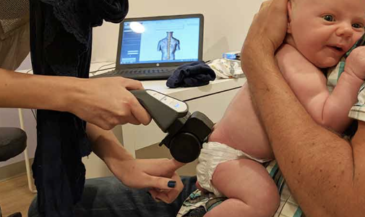
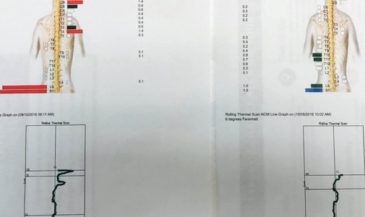
- Visualize nerve tension: neuroTHERMAL scans temperature patterns, revealing autonomic nervous system status.
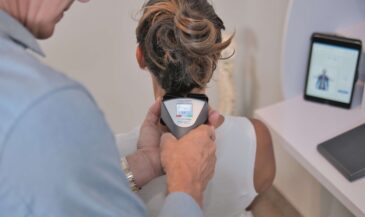
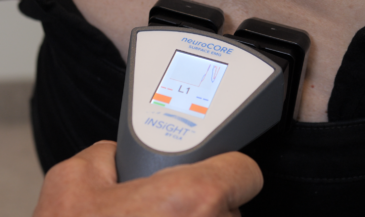
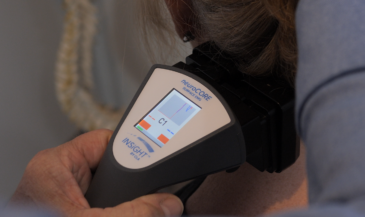
- Analyze muscle activity: neuroCORE EMG tracks muscle tension and energy efficiency.
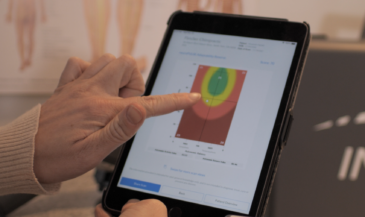
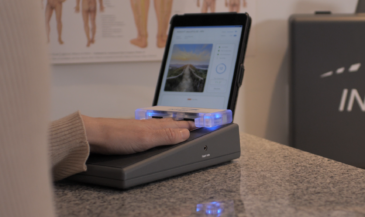
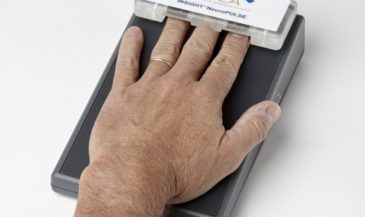
- Assess adaptability: neuroPULSE measures HRV, a key indicator of the body’s ability to heal and adapt.
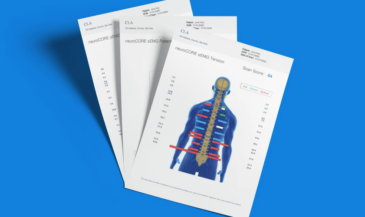
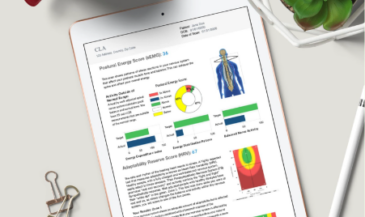
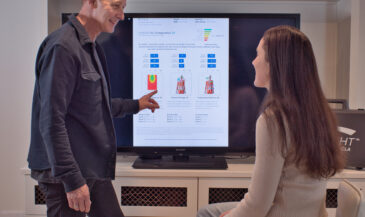
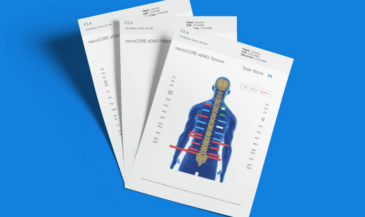
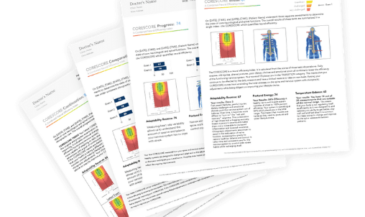
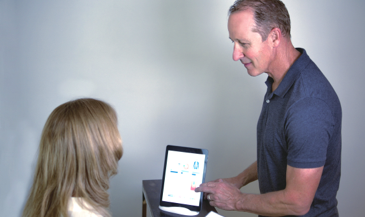
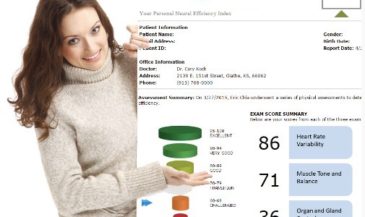
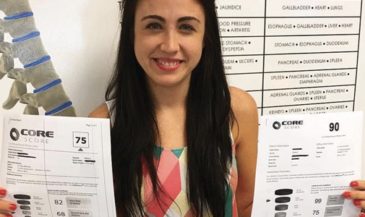
All this data rolls up into the CORESCORE—an easy-to-understand number reflecting overall neural efficiency. It’s a report card for the nervous system, showing real, measurable progress.
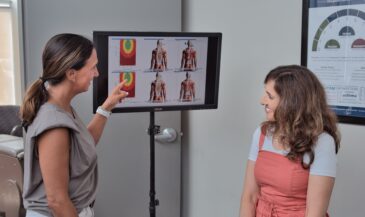
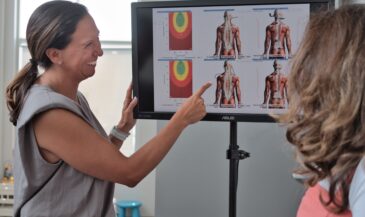
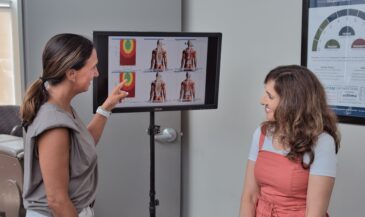
With regular INSiGHT scans, practitioners and patients alike can see the healing journey unfold, building trust, compliance, and real hope.
Preventing Disc Issues: Strategies for Lifelong Spinal and Nervous System Health
The best way to handle a herniated disc? Prevent it in the first place. While you can’t avoid every accident, you can stack the deck in your favor.
Prevention strategies:
- Use proper lifting techniques.
- Maintain a healthy weight.
- Stay active, stretch, and strengthen the core.
- Take movement breaks if you sit a lot.
- Improve ergonomics.
- Don’t smoke.
- Get regular neurologically-focused chiropractic assessments to keep the nervous system adaptable.
Prevention is always better than repair—and it’s never too early or too late to start.
Frequently Asked Questions (FAQ)
Do herniated discs heal on their own?
Yes, many herniated discs can heal on their own over time. The body has natural healing mechanisms that can reduce the inflammation and pain associated with a herniated disc. However, the healing process may vary depending on the location of the herniated disc and the severity of symptoms. While some patients may experience relief within weeks, others may take several months to heal completely.
What are the symptoms of a herniated disc?
The symptoms of a herniated disc may include back pain, leg pain, numbness, tingling, and weakness in the affected area. In cases of lumbar disc herniation, pain may radiate down the leg, often described as sciatica. It’s important to consult a healthcare professional for a proper diagnosis and treatment plan if you experience these symptoms.
What treatment options are available for a herniated disc?
Treatment for a herniated disc typically includes conservative methods such as chiropractic, physical therapy, medication, and lifestyle changes. In cases where pain persists, a doctor may recommend surgical treatment options such as minimally invasive spine surgery or artificial disc replacement. The choice of treatment depends on the severity of the herniation and the patient’s overall health.
What causes a herniated disc to heal?
The healing of a herniated disc is influenced by various factors, including the body’s natural repair processes and the individual’s response to treatment. Rest, physical therapy, and proper nutrition can support disc healing. Additionally, avoiding activities that cause pain can help the disc heal more effectively.
How long does it take for a herniated disc to heal?
The time it may take to heal from a herniated disc varies from person to person. While some individuals may find relief within a few weeks, others may require several months for complete recovery. Factors such as age, overall health, and adherence to treatment can impact healing time.
What is the role of surgery for a herniated disc?
Surgery for a herniated disc is generally considered when conservative treatments do not provide relief. Surgical options may include discectomy, where the herniated portion of the disc is removed, or artificial disc replacement. The goal of surgery is to alleviate pain, restore function, and improve the patient’s quality of life.
Can natural healing help with a herniated disc?
Natural healing can indeed play a significant role in the recovery from a herniated disc. Engaging in low-impact activities, maintaining a healthy weight, and practicing good posture can promote healing. Additionally, therapies such as acupuncture and chiropractic care may provide relief and enhance the body’s natural healing processes.
What are the common causes of herniated discs?
Herniated discs can occur due to a variety of reasons, including age-related degeneration, injury, and repetitive strain on the spine. Activities that put excessive pressure on the discs, such as heavy lifting or poor posture, can also contribute to disc herniation. Understanding these causes can help in taking preventive measures.
Do herniated discs heal without surgery?
Yes. The majority of herniated discs heal naturally, especially with a conservative, neurologically-focused care plan.
How long does disc healing take?
Most patients feel better in weeks to months. For some, disc healing can take up to a year, depending on the herniation’s location and severity.
Is it safe to move with a herniated disc?
Absolutely. Gentle movement and guided physical therapy are essential for the healing process.
What symptoms mean I need help now?
If you lose bladder or bowel control, develop sudden weakness, or have numbness in the saddle area—get medical attention right away.
Can I prevent another herniated disc?
With healthy habits and regular neurologically-focused chiropractic care, you can reduce your risk and support lifelong adaptability.
Are neurologically-focused chiropractic adjustments safe for herniated discs?
When personalized and based on a thorough assessment, yes—they’re a cornerstone of helping your body heal.
What is the CORESCORE?
CORESCORE is an objective measure of neural efficiency that tracks healing.
Reclaiming Resilience: Your Nervous System, Your Recovery
The story of herniated discs is one of hope. Most cases can heal—and with the right approach, most do. It’s not just about managing symptoms or waiting for the body to “get lucky.” It’s about supporting the nervous system, tracking progress, and building adaptability for whatever life brings next.
With neurologically-focused chiropractic care and the clarity of INSiGHT scanning technology, you’re no longer guessing—you’re guiding. For patients and practitioners alike, that’s where real healing, confidence, and resilience begin.