

If you’ve ever dealt with a herniated disc, you know the question that quickly rises to the top: how long does a herniated disc take to heal? It’s not just about easing the pain—it’s about understanding what’s going on beneath the surface, and what it takes to truly recover. At INSiGHT CLA, we see this all the time. People show up with stories of lingering pain, numbness in a leg or arm, and a timeline that just doesn’t add up. The disc may be the source, but healing doesn’t happen on the calendar—it happens when the nervous system can adapt. Let’s break this down from the ground up.
What’s Really Going on When a Disc Herniates?
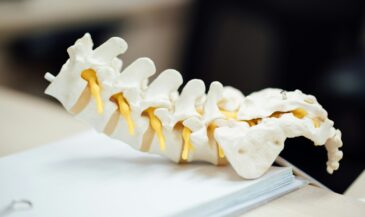
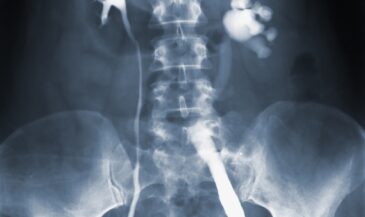
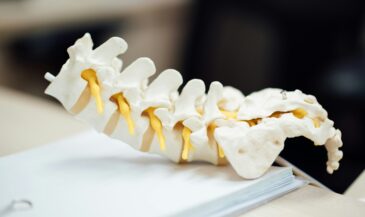
Between each vertebra in your spine is a disc—think of it like a jelly-filled cushion. The outer ring, called the annulus fibrosus, keeps the gel-like center (nucleus pulposus) in place. This structure helps absorb shock and maintain flexibility in the spine, according to researchers at NCBI. But when that outer ring weakens or tears, the nucleus pushes out. That’s what we call a herniated disc—and when that disc material presses on nearby nerves, it can set off a chain reaction. Depending on whether the issue is in the cervical spine or lumbar disc, you might feel tingling in your fingers or pain down your leg. This has been well-documented in clinical literature. Interestingly, the size of the herniation doesn’t always dictate the severity of your symptoms. As shown in a landmark study from the New England Journal of Medicine, many people with visible disc issues on MRI have no symptoms at all. Why? Because the nervous system—not the disc itself—dictates how pain is interpreted and amplified.
So… How Long Does a Herniated Disc Take to Heal?
Most herniated discs heal in about 6 to 12 weeks. Some resolve faster, and others—especially if severe or ignored—can take up to 6 months. Healing happens in phases:
- Inflammation (1–2 weeks): Your body responds with swelling and muscle guarding. Pain is usually at its peak.
- Tissue Repair (2–12 weeks): The herniated material may shrink or dry out. Pressure on the nerve lessens.
- Remodeling (6+ weeks): The spine re-coordinates. Muscles stabilize. The nervous system learns how to move without overreacting. JAMA confirms this sequence.
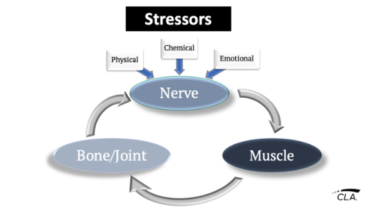
What matters more than the clock is your nervous system’s ability to shift out of stress and into recovery. If your system is stuck in “defense mode,” healing can stall—even if the disc looks better on a scan.
What Affects How Fast You Heal?
Your healing timeline isn’t random. It’s influenced by:
- Severity: A small bulge recovers faster than a ruptured disc pressing on a nerve.
- Location: A herniated lumbar disc often causes leg pain, while cervical issues affect the arms.
- Overall health: Smokers, those with high stress, or systemic inflammation often heal more slowly.
- Movement: Gentle motion helps; too much rest or too much exertion can backfire.
- Neurological adaptability: A well-regulated nervous system can support faster recovery.
We’ve seen patients with similar MRIs heal at wildly different rates. It often comes down to how adaptable their nervous system is—not just what’s on the film.
How Do You Know You’re Healing?
Improvement often looks like this:
- Radiating pain starts to ease.
- Muscle tightness softens.
- Sleep and focus improve.
- You need less pain medication.
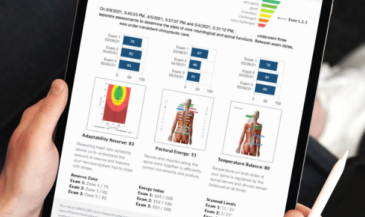
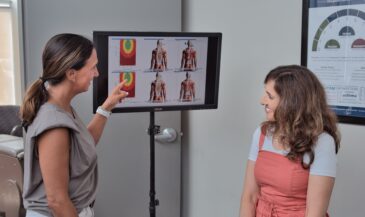
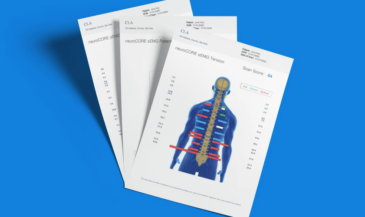
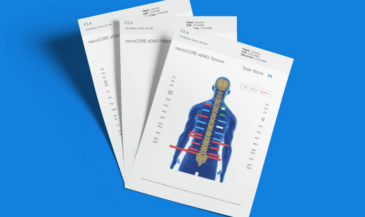
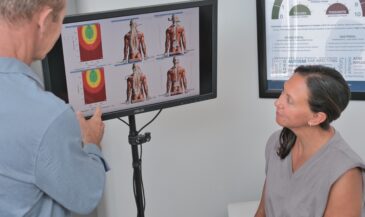
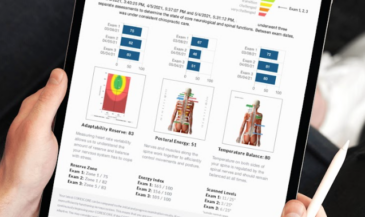
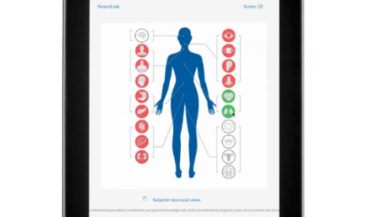
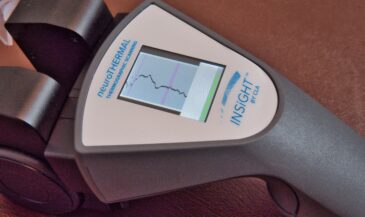
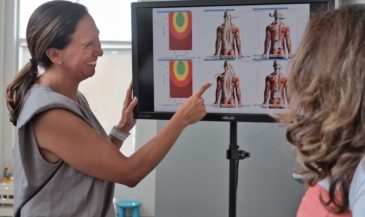
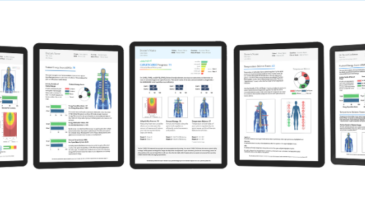
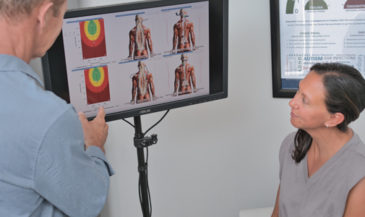
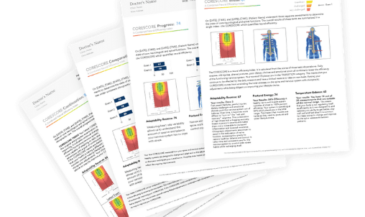
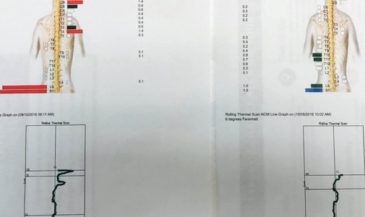
But the best signs of improvement come from within. Your nervous system begins to regulate, adapt, and respond more effectively—even if the pain hasn’t completely vanished. That’s why INSiGHT scanning is so vital: it allows us to see changes in neural function long before symptoms disappear.
The INSiGHT Difference: Measuring More Than Symptoms
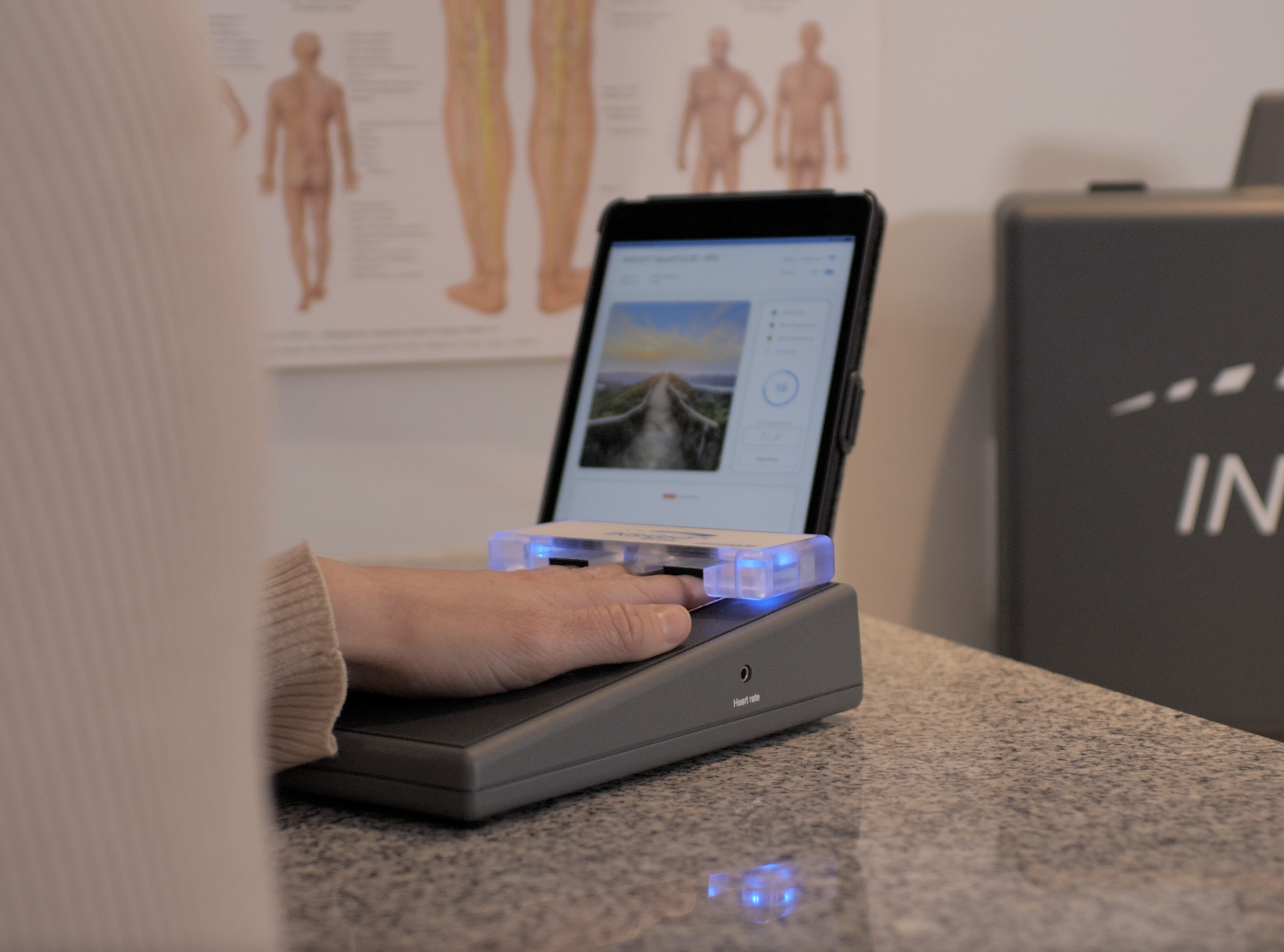
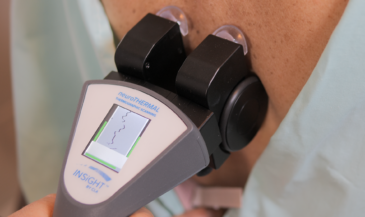
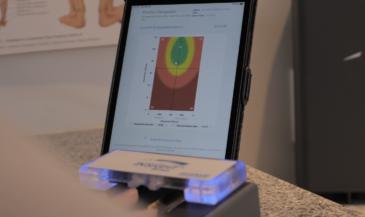
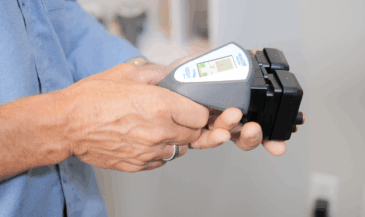
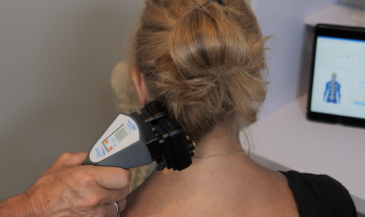
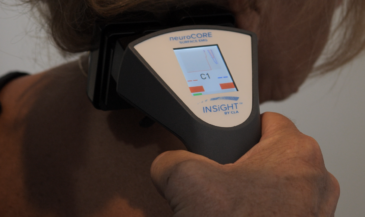
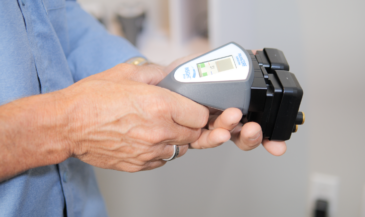
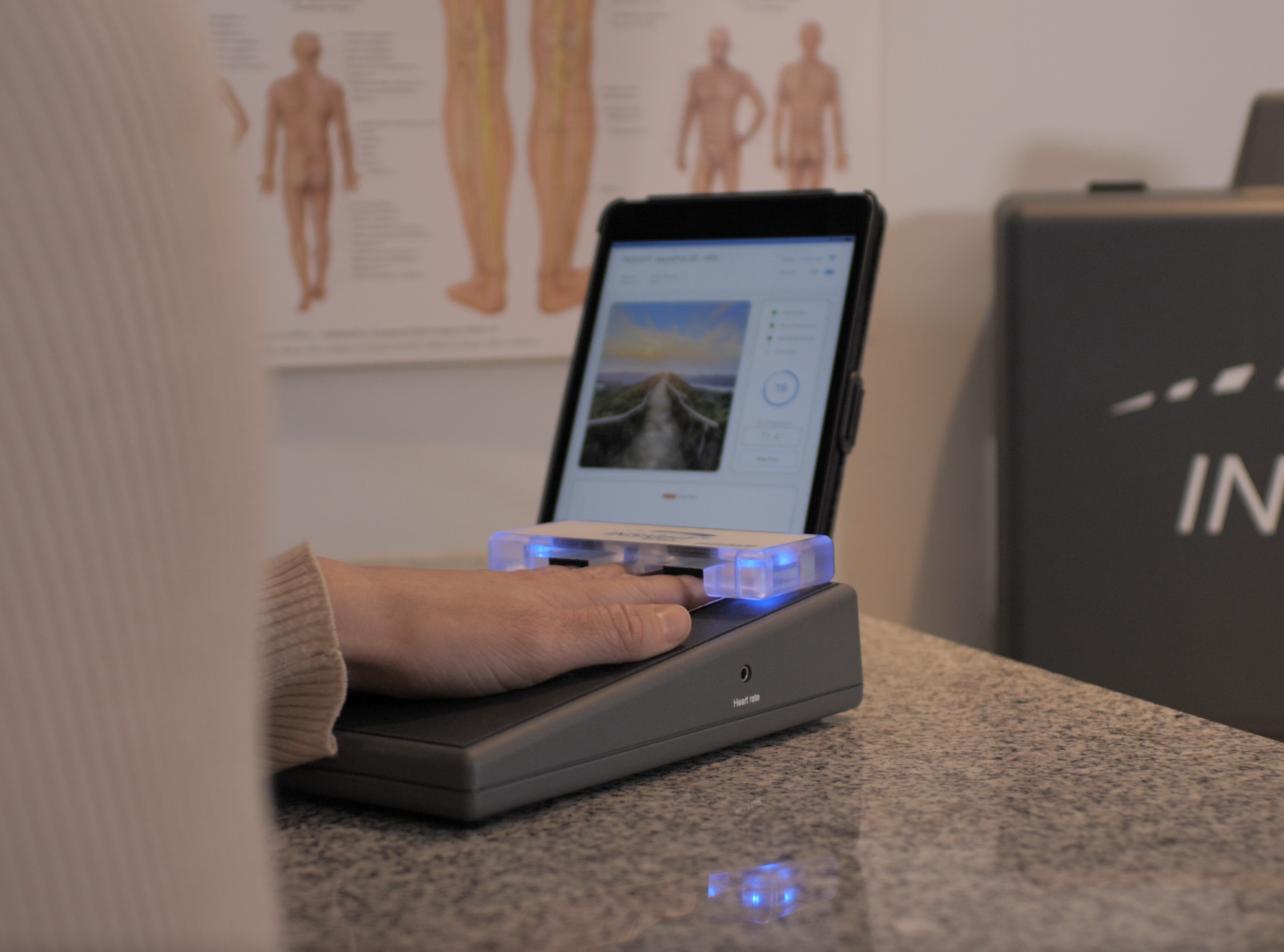
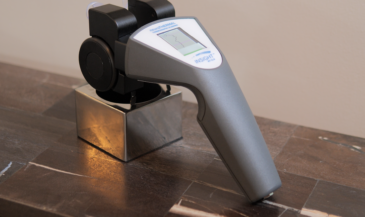
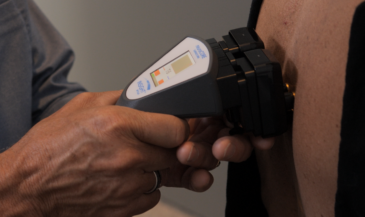
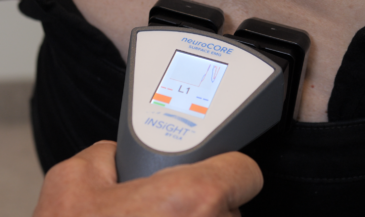
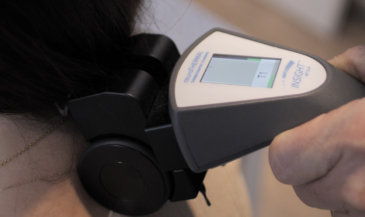
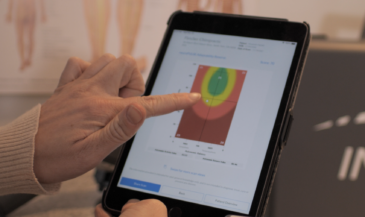
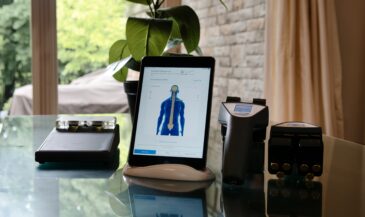
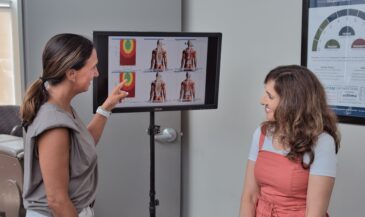
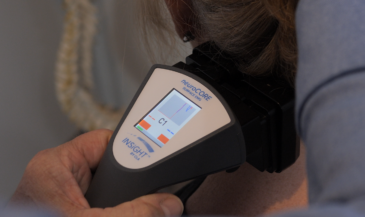
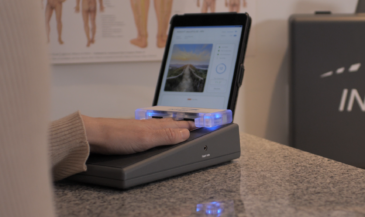
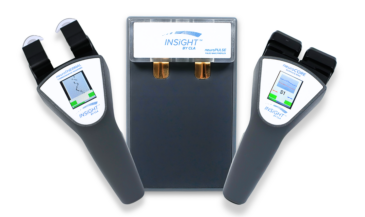
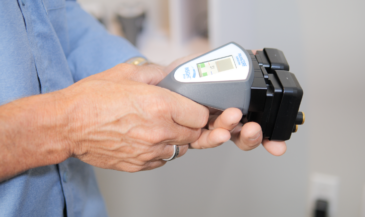
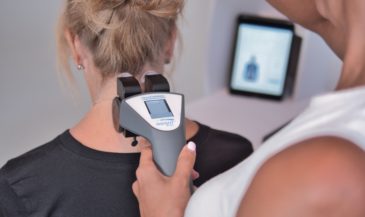
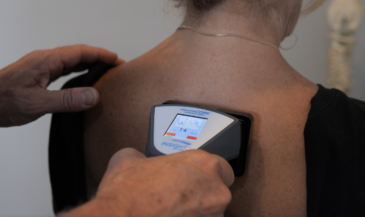
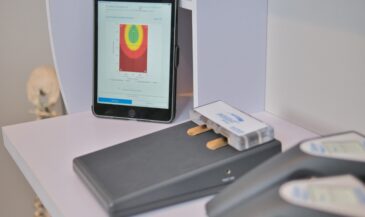
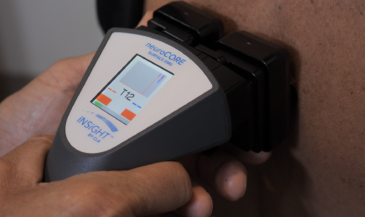
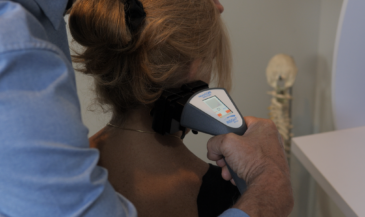
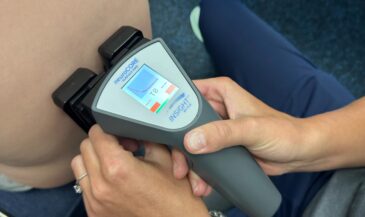
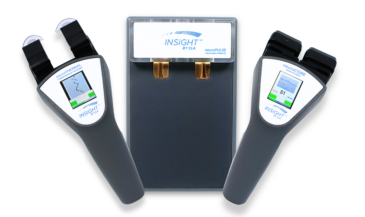
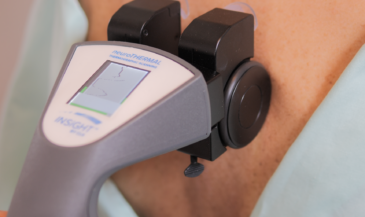
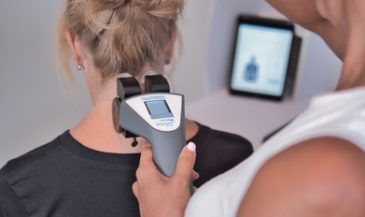
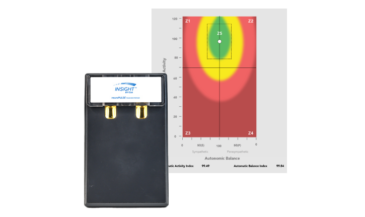
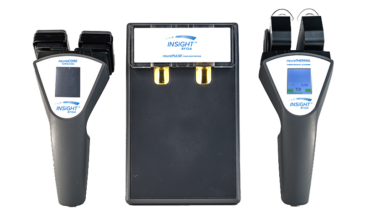
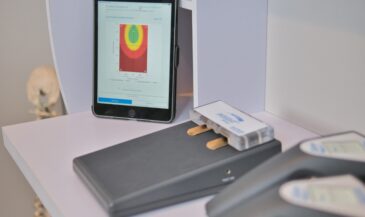
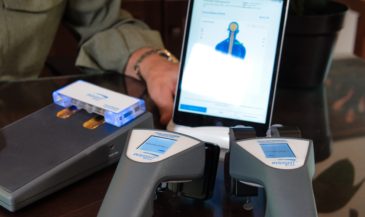
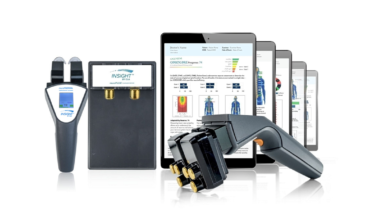
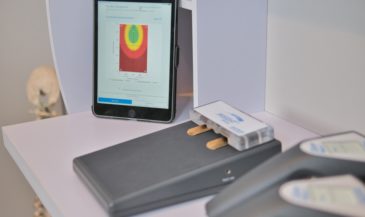
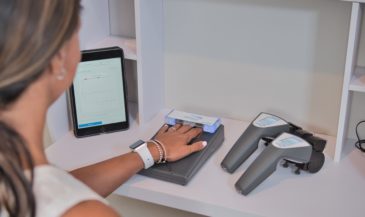
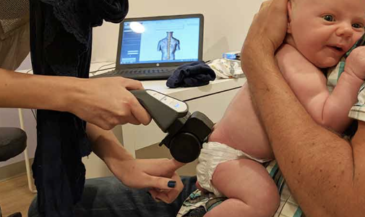
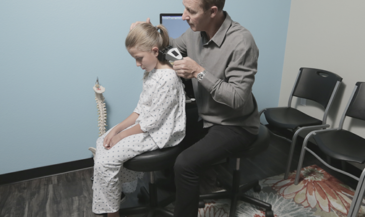
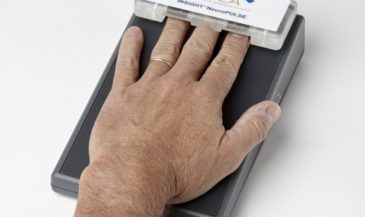
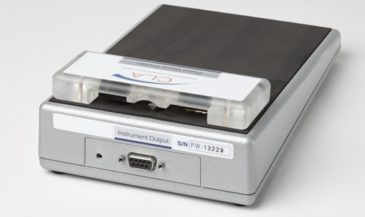
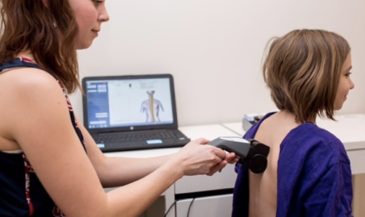
INSiGHT scanning gives chiropractors powerful tools to measure how your nervous system is adapting.
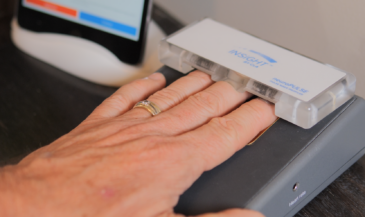
- HRV shows how well you’re shifting between stress and rest. HRV is widely used in chiropractic to assess adaptability and is central to neurological care strategies.
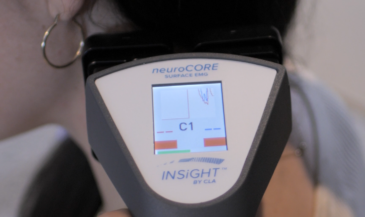
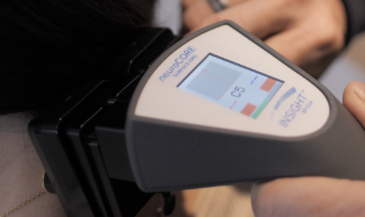
- sEMG tracks how muscles are firing around the spine.
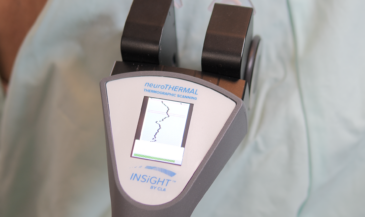
- Thermography shows heat patterns that may indicate nerve stress or autonomic imbalance.
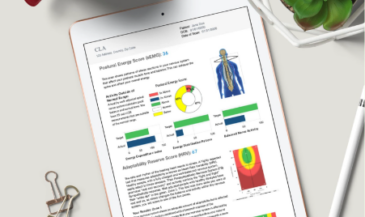
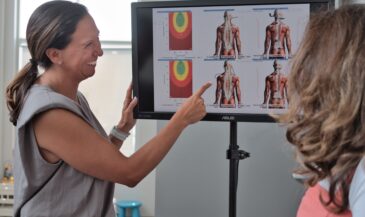
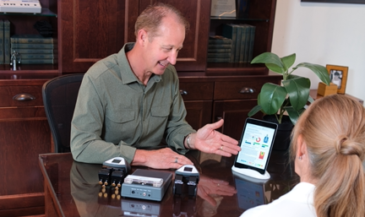
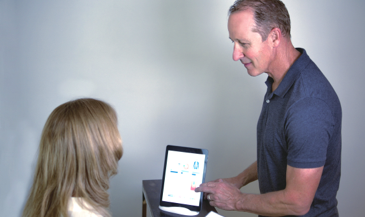
While traditional care may rely on how you “feel,” INSiGHT scans reveal how you’re truly functioning—offering a smarter, more holistic way to track progress.
Give Your Body a Clear Path to Heal
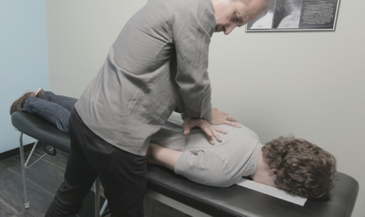
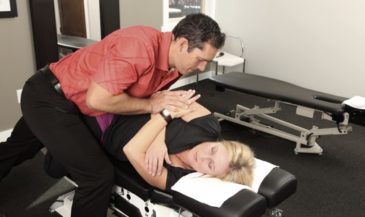
So, how long does a herniated disc take to heal? For many, it’s a matter of weeks. For others, it takes a bit more time. But no matter the timeline, what determines your recovery is your nervous system’s ability to adapt. You were built to get better. The disc may be the starting point, but the real healing happens when your brain and body reconnect—and chiropractic care helps facilitate that connection. Choose care that honors your body’s design. Work with a chiropractor who uses INSiGHT to guide decisions, track progress, and truly listen to what your nervous system is telling you. Because healing doesn’t just happen. It’s something your body already knows how to do—once the interference is cleared.
Frequently Asked Questions
How Long Does a Herniated Disc Take to Heal?
The healing time for a herniated disc can vary significantly depending on various factors, including the severity of the herniation, the location of the herniation, and the individual’s overall health. In many cases, a herniated disc can heal on its own within a few weeks to a few months with appropriate conservative treatment.
What Are the Symptoms of a Herniated Disc?
Common symptoms of a herniated disc include back pain, leg pain, numbness, and weakness in the affected area. Individuals may also experience symptoms like severe pain that radiates down the leg, often referred to as sciatica. The symptoms can vary based on the location of the herniation and the extent of nerve involvement.
What Conservative Treatments Are Recommended for Herniated Discs?
Conservative treatments for a herniated disc typically include physical therapy, pain management strategies such as medications, and lifestyle modifications. Cold therapy and regular physical activity can also help alleviate symptoms and support the healing process.
Can a Herniated Disc Heal on Its Own?
Yes, many individuals with a herniated disc can heal on their own within a few weeks to a few months. The body’s ability to heal depends on various factors, including the severity of the herniation and adherence to a proper treatment plan.
How Does Physical Therapy Aid in Recovery from a Herniated Disc?
Physical therapy plays a crucial role in the recovery process by helping individuals strengthen their back muscles, improve flexibility, and restore normal movement patterns. A tailored physical therapy program can help you heal faster and reduce the risk of future injuries.
When Should You Consider Surgery for a Herniated Disc?
Surgery for a herniated disc is usually recommended if conservative treatments fail to relieve symptoms after several months, or if there is significant weakness or loss of function. Your healthcare provider will assess your condition and determine if surgery is the best option for you.
What Factors Influence the Time for a Herniated Disc to Heal?
The healing of a herniated disc can be influenced by several factors, including the severity of the herniation, the individual’s age, overall health, and adherence to treatment recommendations. Individuals with chronic back pain may experience a longer recovery journey.
Is There a Timeline for Herniated Disc Recovery?
The timeline for herniated disc recovery varies from person to person. Generally, individuals may start noticing improvement within a few weeks, with significant recovery occurring within 6 to 12 weeks. However, full healing of the disc may take longer, especially in cases of severe pain or complicated conditions.