6 MINS READ
As a chiropractor, you’ve seen it countless times—patients walking in with debilitating headaches that have plagued them for months or even years. They’ve tried everything. Multiple medications. Lifestyle changes. Countless doctor visits. Yet the pain persists, radiating from the base of the skull upward, sometimes behind the eyes, creating a life of constant discomfort and frustration.
Here’s what most practitioners miss: About 25% of patients with a headache complaint have occipital neuralgia, not the migraines they’ve been diagnosed with. That’s one in four people receiving the wrong diagnosis and ineffective treatment.
Let’s be real—traditional treatment options for these headaches often focus exclusively on symptom management rather than addressing the underlying neurological dysfunction. Patients get trapped in an endless cycle of pain medications that mask symptoms temporarily while the root cause continues to worsen.
Occipital neuralgia—a condition characterized by inflammation or injury to the occipital nerves that run from the top of the spinal cord through the scalp—requires a fundamentally different approach than migraine treatment. This is where a neurologically focused chiropractic assessment transforms the game.
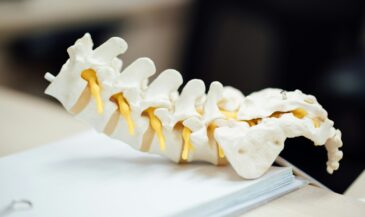
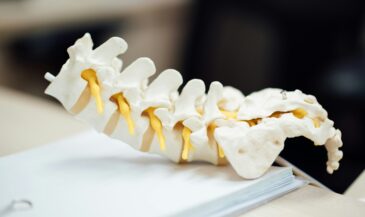
Occipital neuralgia is fundamentally a nervous system disorder, not just a pain syndrome. The greater and lesser occipital nerves emerge from between the C2 and C3 spinal nerves in the upper neck, weaving through muscles at the back of the head before branching throughout the scalp—sometimes reaching as far forward as the forehead.
These nerves serve as critical communication pathways, carrying sensory and motor information to the skin on your scalp. When functioning properly, this system works seamlessly. But when these nerves become irritated, compressed, or inflamed anywhere along their path, the result is the characteristic shooting, electric-like pain that defines occipital neuralgia.
Many practitioners confuse occipital neuralgia with migraines due to overlapping symptoms, but the distinctions are crucial for effective care:
What makes occipital neuralgia particularly challenging is its connection to the broader neurological system. Subluxation in the upper cervical spine disrupts proper nerve function, which can create an effect that extends far beyond the immediate area of pain.
Recognizing occipital neuralgia requires understanding its characteristic presentation. Unlike many headache disorders that develop gradually, occipital neuralgia often announces itself with sudden, intense pain that patients describe as shocking or electric.
The symptoms of occipital neuralgia patterns typically include:
The primary causes of occipital neuralgia center around irritation of the occipital nerves or muscle tension. Upper cervical subluxation is a critical factor that’s frequently overlooked. When vertebral misalignment occurs in the upper neck, it creates abnormal tension and fixation that can impact the occipital nerves as they exit the spine.
Beyond subluxation, several other factors can trigger or worsen occipital neuralgia:
Certain systemic conditions can also contribute to occipital neuralgia, including diabetes, gout, blood vessel inflammation (vasculitis), and chronic infections.
Diagnosing occipital neuralgia has traditionally been a challenging process fraught with uncertainty. The conventional approach relies heavily on clinical examination, patient history, and the process of elimination. Most practitioners simply press on the occipital region to reproduce pain and then make a determination based on subjective reporting.
This traditional approach misses the underlying neurological dysfunction that’s actually causing the condition. When a patient describes head pain, the default diagnosis often becomes “migraine” without proper investigation of the occipital nerves and their function.
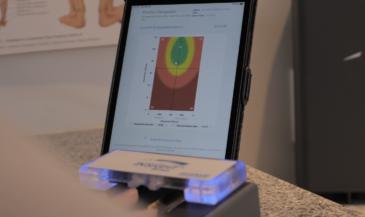
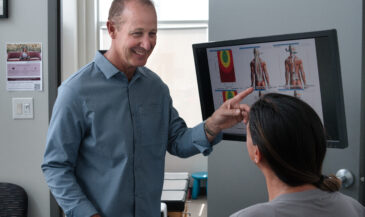
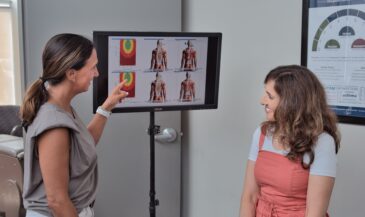
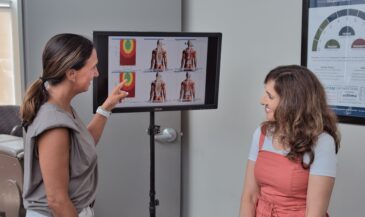
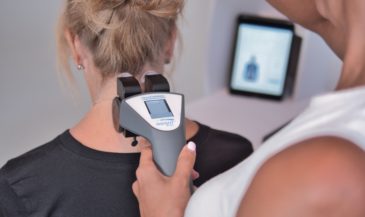
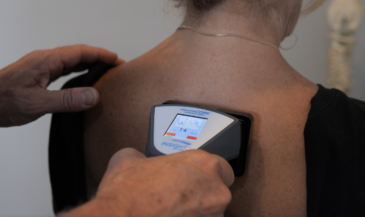
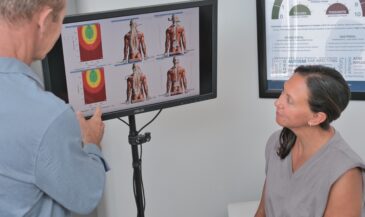
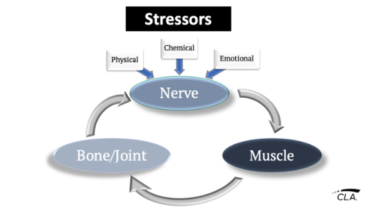
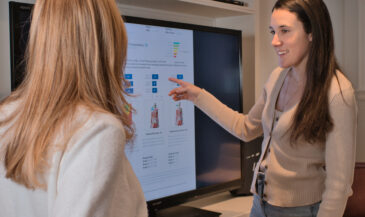
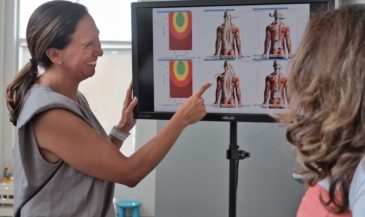
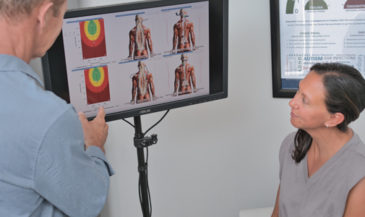
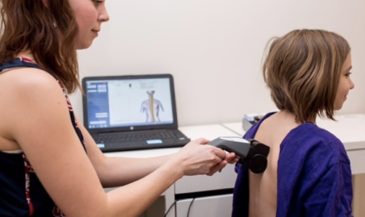
This is where nervous system-focused assessment transforms the diagnostic landscape. Rather than relying solely on subjective reporting, we can now objectively measure the function of the nervous system and identify specific patterns of dysfunction. This approach provides concrete, measurable data that guides precision care.
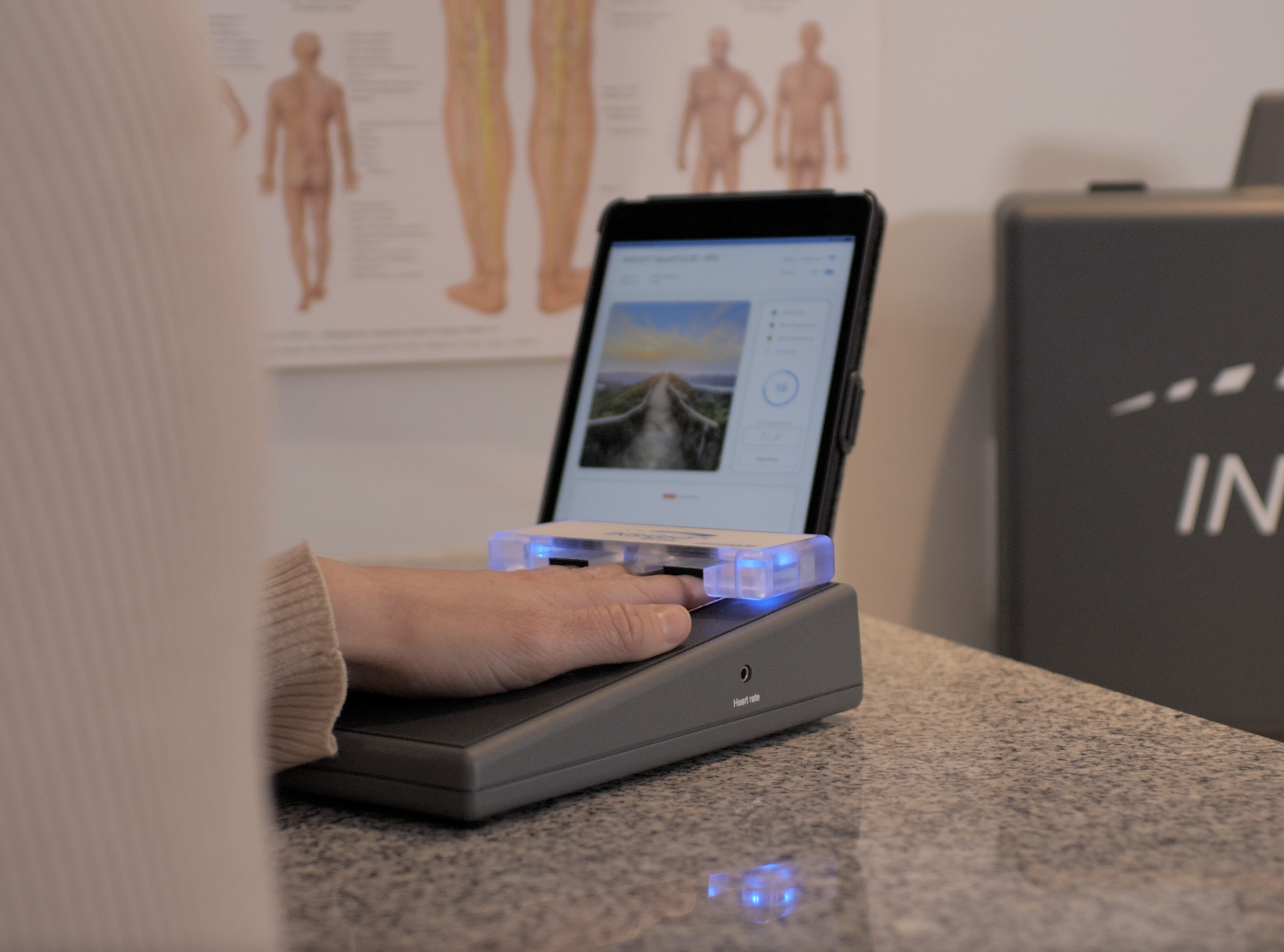
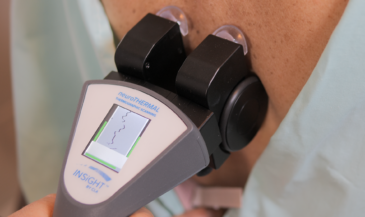
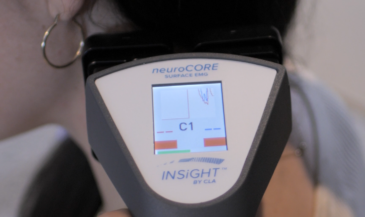
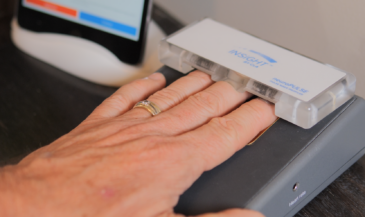
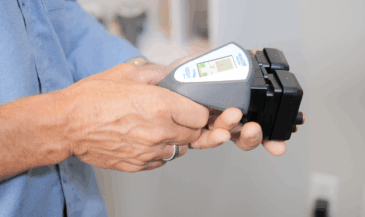
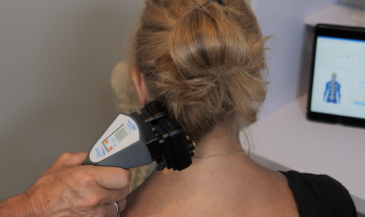
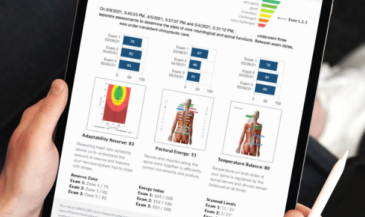
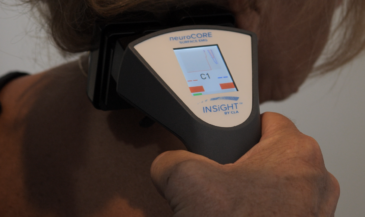
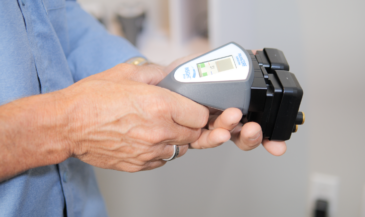
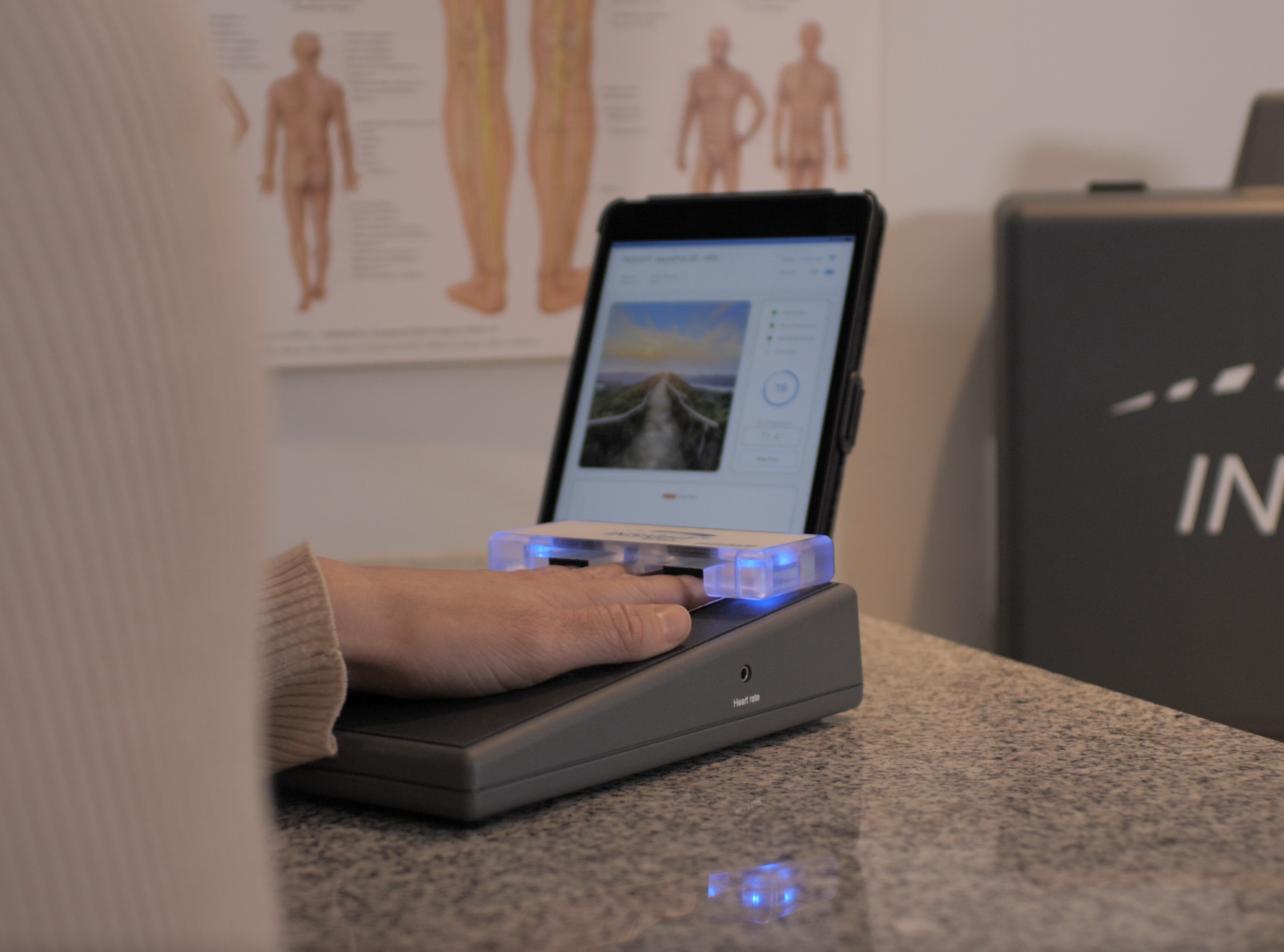
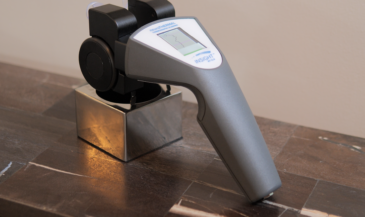
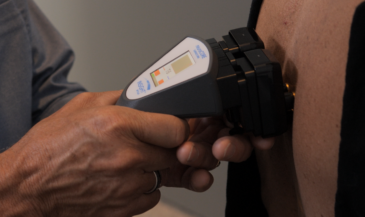
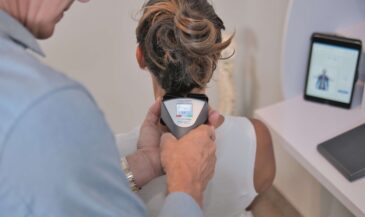
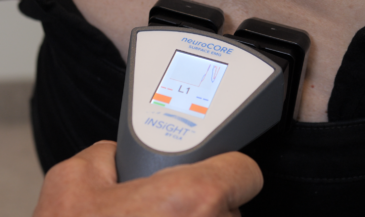
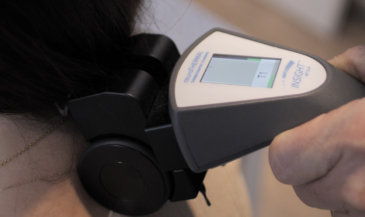
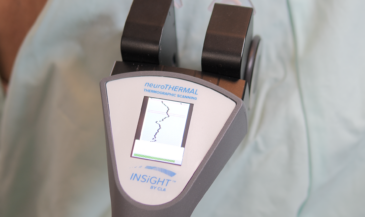
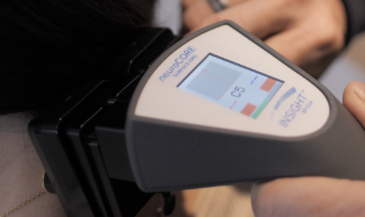
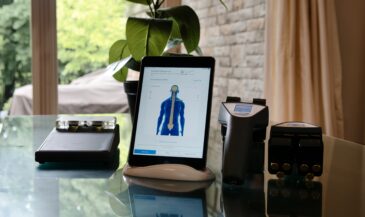
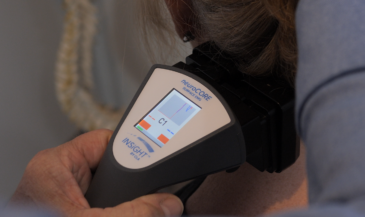
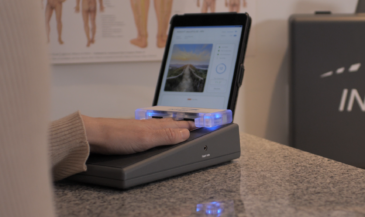
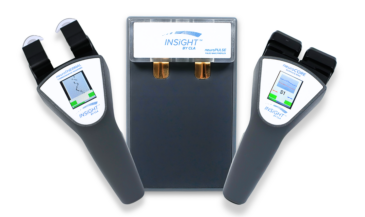
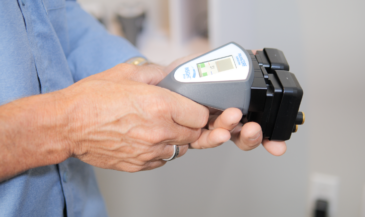
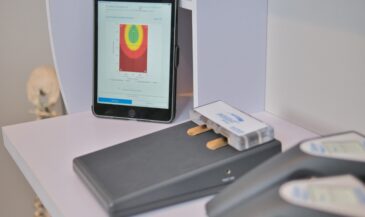
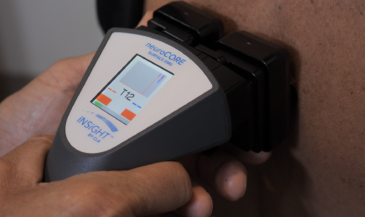
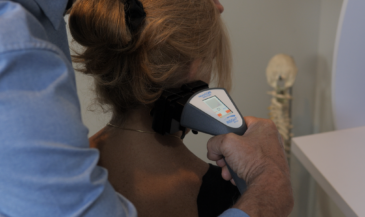
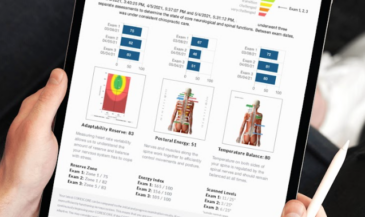
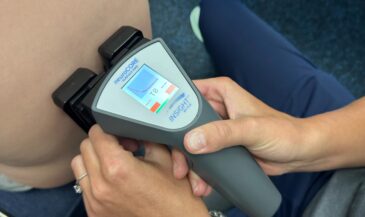
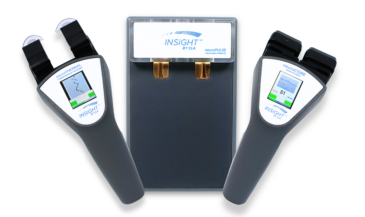
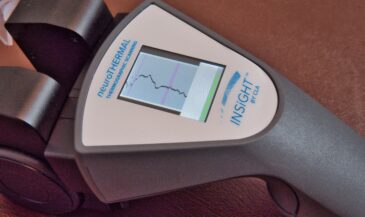
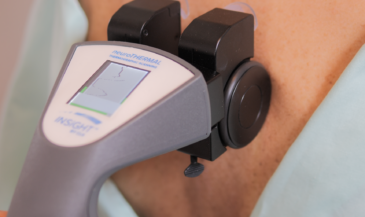
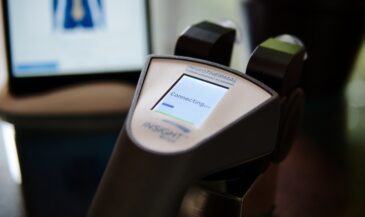
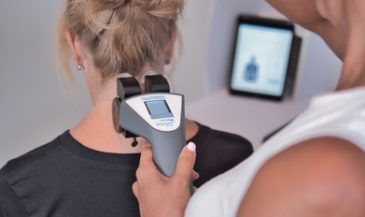
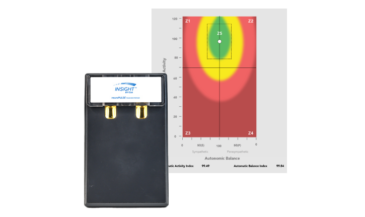
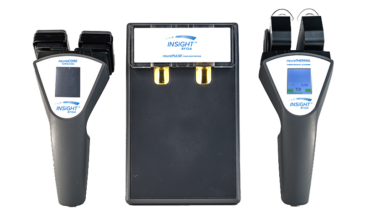
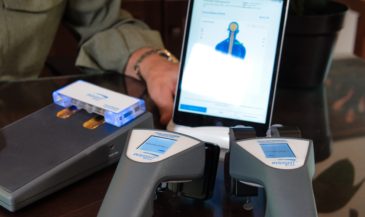
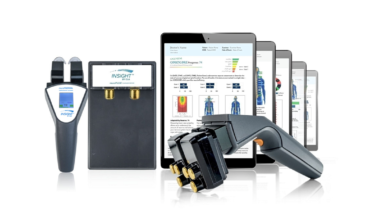
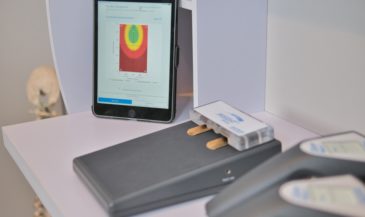
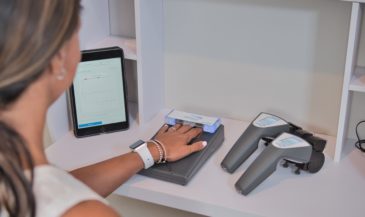
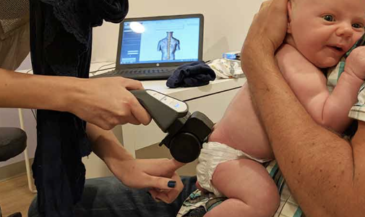
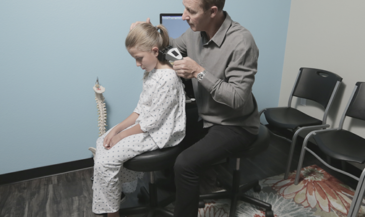
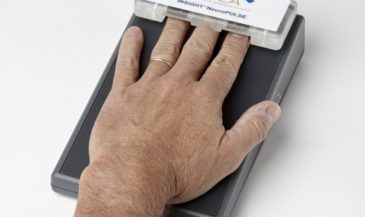
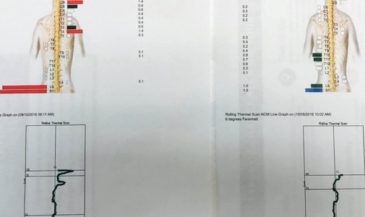
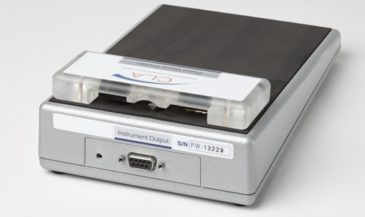
The INSiGHT scanning technology suite brings three critical assessment tools:
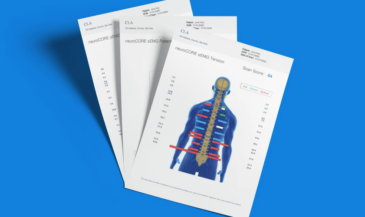
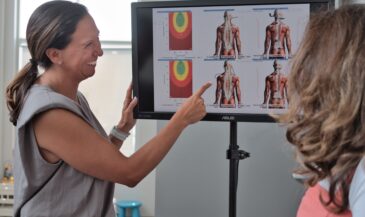
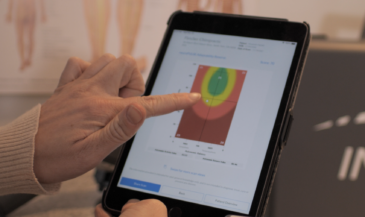
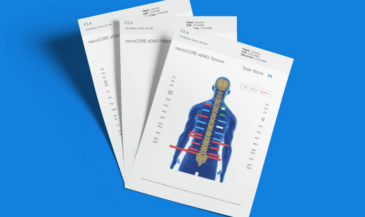
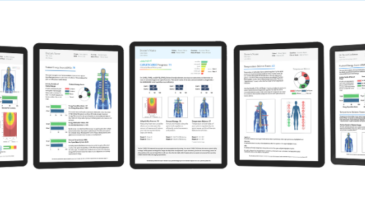
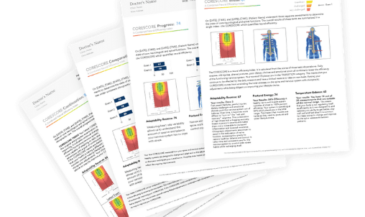
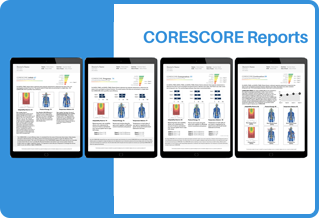
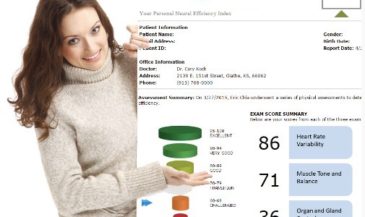
When combined, these three technologies create a comprehensive neural profile that reveals far more than what’s possible through traditional assessment alone. The resulting CORESCORE provides a single numerical representation of neural efficiency, allowing you to track progress objectively.
When you shift from symptom management to addressing the root neurological dysfunction in occipital neuralgia, everything changes. The focus moves from masking pain to restoring proper nervous system function—creating lasting results that transform your patients’ lives.
The nervous system-focused approach delivers several significant advantages:
First, it addresses the actual source of the problem, unlike pain medications or nerve blocks that temporarily deaden sensation, correcting subluxation and neurological dysfunction treats the underlying cause of occipital neuralgia.
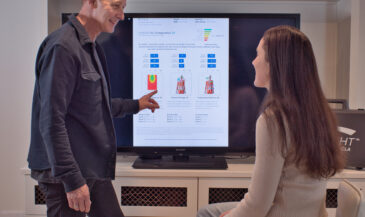
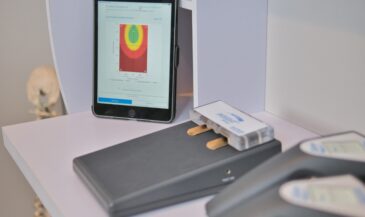
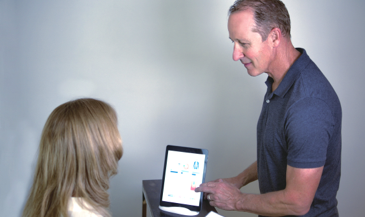
Second, this approach provides objective documentation of both the condition and improvement. The INSiGHT scans create baseline measurements that allow you to track progress with precision.
For your patients, the benefits are profound:
For a practitioner, the neurologically-focused approach transforms how you practice:
Transforming your approach to occipital headaches begins with the implementation of a comprehensive assessment and care protocol:
Start with a complete neural profile using the INSiGHT scanning suite, followed by a targeted examination of the occipital and cervical regions, including palpation for subluxation, range of motion assessment, and specific orthopedic tests.
Based on your assessment findings, develop a care plan that addresses the specific patterns of subluxation and neurological dysfunction identified:
The key is individualization—each patient’s pattern of dysfunction is unique, and your care approach should reflect their specific neurological findings.
Regular re-assessment is critical for tracking progress:
This systematic monitoring creates accountability and provides the objective evidence needed to demonstrate that your care is creating real neurological change.
Occipital neuralgia represents an opportunity to demonstrate the profound impact of neurologically-focused chiropractic care. By addressing the root dysfunction rather than just managing symptoms, you can transform your approach to these challenging cases.
The journey begins with upgrading your assessment protocols to include objective neurological measurements. INSiGHT scanning technology provides the data you need to identify specific patterns of dysfunction, create targeted care plans, and track progress with precision.
Remember that every patient with occipital neuralgia represents not just a clinical challenge, but an opportunity to demonstrate the power of addressing the nervous system first. When you restore proper neurological function, the body’s innate healing capacity can express itself fully, often resolving conditions that have persisted despite years of symptomatic treatments.
At CLA, we’re committed to supporting your journey toward neurological excellence. The INSiGHT neuroTECH suite makes the invisible visible, transforming how you assess and care for these complex cases. Together, we can transform not just how occipital neuralgia is cared for, but how patients understand the central role of neurological function in their overall health.
Now that’s something to get excited about!
Harvard Health. (2024). Occipital neuralgia: Symptoms and treatments. https://www.health.harvard.edu/pain/occipital-neuralgia-symptoms-and-treatments
PubMed Central. (2021). Prevalence of Occipital Neuralgia at a Community Hospital-based Headache Clinic. https://pmc.ncbi.nlm.nih.gov/articles/PMC8101323/
National Center for Biotechnology Information. (2022). Anatomy, Head and Neck, Occipital Nerves. https://www.ncbi.nlm.nih.gov/books/NBK542213/
Kenhub. (2023). Occipital nerves. https://www.kenhub.com/en/library/anatomy/occipital-nerves
American Association of Neurological Surgeons (AANS). (2024). Occipital neuralgia. https://www.aans.org/patients/conditions-treatments/occipital-neuralgia/
WebMD. (2024). Occipital Neuralgia: What Is It?. https://www.webmd.com/migraines-headaches/occipital-neuralgia-symptoms-causes-treatments
Dr. David Fletcher is actively involved in all aspects of innovation teaching and research connected to the INSiGHT™ scanning technologies. He is widely recognized for his ability to share his expertise in compelling and easy to understand ways.
Dr David is a renowned chiropractor who practiced for many years with his associates in a scan-centric thriving principled family-based practice in Toronto. He is a sought-after teacher mentor and keynote speaker who takes every opportunity to share the wisdom and the power of chiropractic as it is meant to be.