

If you’ve been in practice any length of time, you’ve seen it: the patient who comes in with a story that just doesn’t match their X-rays or standard ortho tests. Maybe it’s the overworked executive who’s tired all the time, the teen athlete with postural tension and injury history, or the little one who just can’t seem to settle down—physically or emotionally, all affected by their stress response.
It’s tempting to chase symptoms or focus on the spinal region that’s “needing attention.” But after decades in the field, let me tell you—those stubborn cases, the ones that keep you up at night, almost always have one thing in common: a nervous system that’s underperforming. Research shows that when adaptation fails, chronic complaints become the new norm.
Our job as chiropractors isn’t just to help people feel better in the moment—it’s to get to the “why” behind the symptoms, to uncover where resilience is breaking down. And that, my friends, is usually a story about a stressed nervous system, not just a cranky spine. Peer-reviewed studies confirm that unresolved neurological distress can compromise healing throughout the body.
In this article, we’ll dive into the science of stress, how the nervous system gets knocked off balance, and why INSiGHT scanning technology is changing the way we process and care for every patient who walks through our doors. I’ll walk you through practical protocols, real evidence, and what it looks like when you shift your focus from symptoms to the master controller itself.
The Science of Stress—How the Nervous System Responds
Let’s pull back the curtain on stress for a moment. Whether it’s a sudden scare or years of too little sleep, your nervous system is designed to react and adapt. But when the adaptation is pushed too far—well, that’s when you see trouble.
Not All Stress Is Bad
A little stress is healthy. Eustress—the kind that fires us up for a big game or helps us learn something new—makes us stronger and sharper. Workouts are a form of positive stress. They challenge the body and nervous system to perform at a higher level. But when stress is too intense, too frequent, or just won’t quit, it flips from friend to foe. That’s distress, and it drains energy, resilience, and damages a person’s health.
How the Body Responds
When the body perceives a challenge, two big neurological pathways kick in:
- Sympathetic-Adreno-Medullary (SAM) axis: This is the classic “fight-or-flight” system. Within milliseconds of a perceived threat, adrenaline and norepinephrine are released. Physiological responses include heart rate and blood pressure climbing, muscles tensing, and sugar flooding the bloodstream for fast fuel.
- Hypothalamic-Pituitary-Adrenal (HPA) axis: If the threat sticks around, the HPA axis takes over, ramping up cortisol. Short term, it helps us cope; but as studies show, too much cortisol over time leads to neurological and metabolic wear and tear.
When the gas pedal never lets up, the nervous system gets locked in “on” mode. Heart rate and blood pressure stay up. Digestion slows. Muscles never quite relax. That’s when adaptation fails, and that’s when symptoms begin to pile up according to research.
Sympathetic vs. Parasympathetic—The Balance of Autonomic Function
Here’s where it gets interesting. The autonomic nervous system (ANS) keeps everything running behind the scenes. It’s made up of two key branches:
- Sympathetic nervous system: The gas pedal—activates “fight-or-flight,” gets you moving in a crisis.
- Parasympathetic nervous system: The brake—slows the heart, restores digestion, supports healing.
A resilient body toggles between these two. But life’s modern stressors (work, emotional strain, early exposure to antibiotics or environmental toxins) often mean the sympathetic system stays in charge. The result? Sympathetic overdrive.
When the balance tips, you’ll see:
- Higher heart rate or blood pressure
- Restless sleep or chronic fatigue
- Inattention and emotional imbalance
- Digestive complaints (constipation, reflux)
- Tight spinal muscles and tension headaches
- Poor resilience, lowered immunity and greater inflammation
If you’ve ever noticed a patient who just can’t “turn off” or who seems to be running on fumes, odds are their nervous system is stuck in overdrive—a pattern well-documented in the literature.
Chronic Stress and Nervous System Dysregulation
Acute stress is adaptive, but chronic stress can lead to high blood pressure and other health issues. That’s where the wheels fall off.
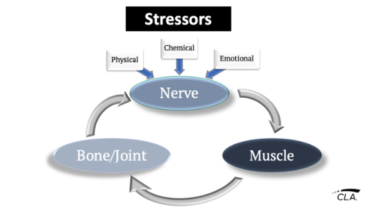
When stressors—emotional strain, trauma, ongoing infections, or environmental exposures—don’t let up, the nervous system stops bouncing back. The sympathetic system floods the body with cortisol, adrenaline, and norepinephrine, setting off a cascade:
- Neurological interference and the presence of vertebral subluxations: Persistent tension disrupts communication up and down the nervous system, creating patterns of “nerve dysfunction.”
- Reduced adaptability: The body’s ability to recover and adjust wanes, and symptoms appear more easily.
- Systemic inflammation: Chronic distress is linked to widespread inflammation and chronic health risks.
- Energy drain: Fatigue, sleep issues, and “brain fog” become common companions, often linked to chronic stress and its impact on the spinal cord.
Common contributors include:
- Emotional stress (grief, worry, unresolved trauma)
- Early childhood exposures or birth interventions
- Poor sleep and nutrition
- Ongoing infections or inflammation
The problem is, patients often live with these patterns for years—until their adaptability finally collapses. Research shows this can go undetected until a major breakdown occurs. That’s why, as a Neurologically-Focused Chiropractor, you need more than a good history and palpation to address the activation of the stress response. You need tools to see beneath the surface.
The Far-Reaching Effects—Systems Impacted by a Stressed Nervous System
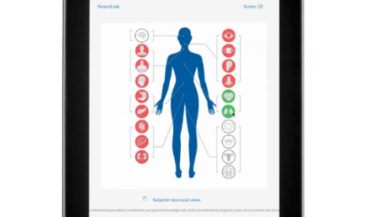
A stressed nervous system isn’t picky—it’ll throw a wrench into any body system. Evidence shows that managing the stress response can lead to improved health outcomes. shows how neurological distress can disrupt every organ system.
Cardiovascular System
- Elevated heart rate and blood pressure become the baseline.
- Arrhythmias and higher risk of heart disease are common.
- Chronic stress hormones trigger oxidative stress and inflammation.
Respiratory System
- Shallow, rapid breathing
- Aggravation of asthma or respiratory infections
Digestive System
- Constipation, diarrhea, reflux, or bloating
- Gut microbiome disruption and increased inflammation
Immune System
- Frequent colds or slow healing
- Increased risk for autoimmune or chronic inflammatory conditions
Musculoskeletal System
- Muscle tension, especially in the neck, shoulders, and back
- Tension headaches and slow injury recovery
Reproductive System
- Irregular cycles, hormonal imbalance, or reduced libido
All these signs may seem unrelated—until you step back and look at the nervous system as the “master controller.” Reviews confirm that focusing on nervous system status is the most effective way to deliver results and long-term health.
Clinical Signs and Objective Assessment of Neurological Distress
As chiropractors, we’re trained to spot patterns, but when it comes to a stressed nervous system, those patterns can be elusive. You’ll see:
- Fatigue and restless sleep
- Brain fog or mood swings
- Digestive issues can be exacerbated by a stressful situation, affecting overall health.
- Fluctuating heart rate or blood pressure
- Muscle tension or poor posture can activate the stress response in various parts of the body.
- Hypersensitivity to noise, light, or touch
But symptoms alone don’t tell the whole story. Many patients are walking around with nervous system dysregulation and don’t even know it. Research supports that objective assessment is crucial to reveal the real story.
Objective analysis lets you measure what’s really happening. It’s not about doing more tests; it’s about doing the right tests. That way, you and your patients see the full picture—and you can prove your care is making a difference.
The Game-Changer—INSiGHT Scanning Technology
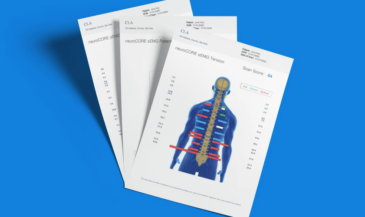
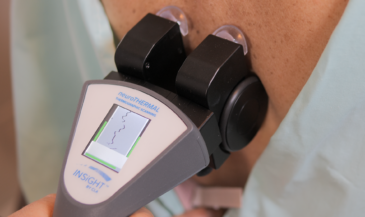
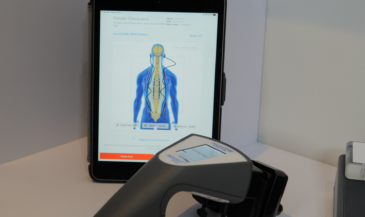
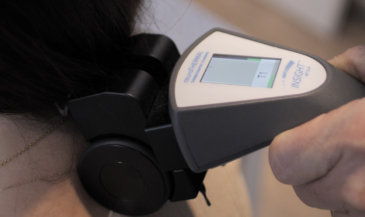
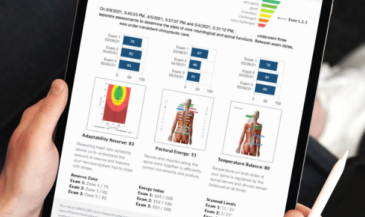
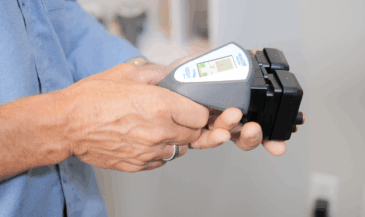
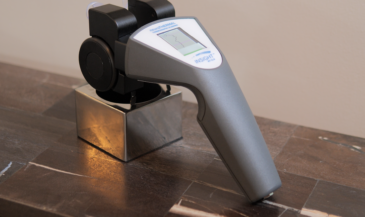
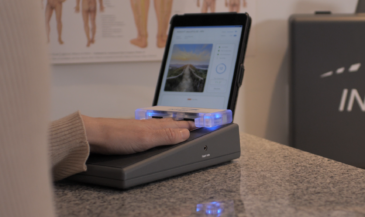
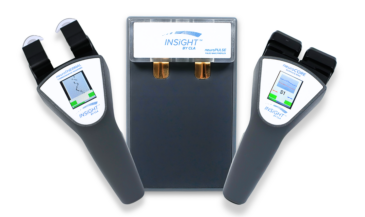
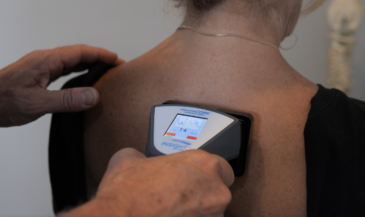
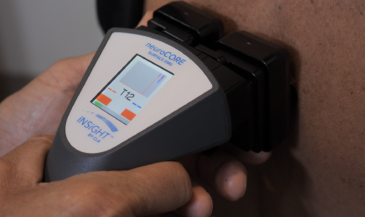
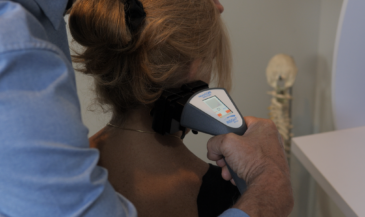
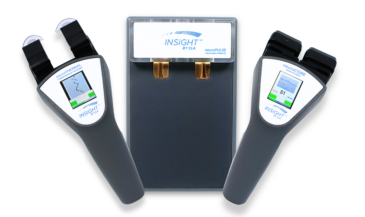
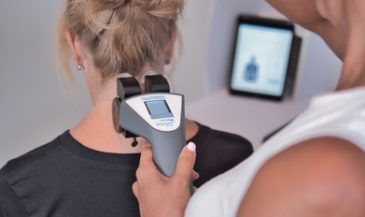
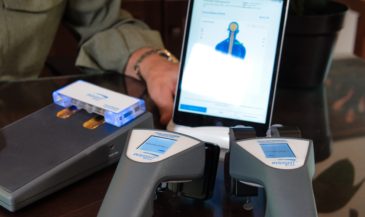
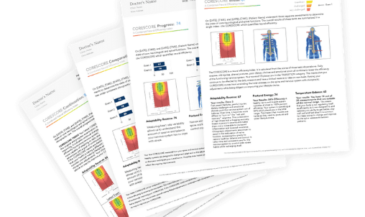
This is where the rubber meets the road. INSiGHT’s scanning technology has transformed the way we assess and track nervous system performance in chiropractic practice. No more guesswork—just clear, actionable data for practitioners worldwide, with over 12,000 chiropractic offices using these scans. By combining three integral data sets from the Autonomic and Motor Nervous Systems, a thorough functional analysis is performed, identifying the presence of vertebral subluxations.
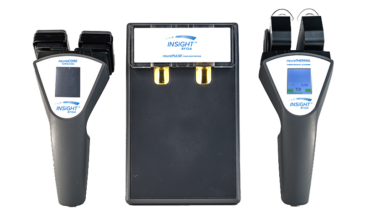
Here’s what makes INSiGHT neuroTECH and Synapse software stand out:
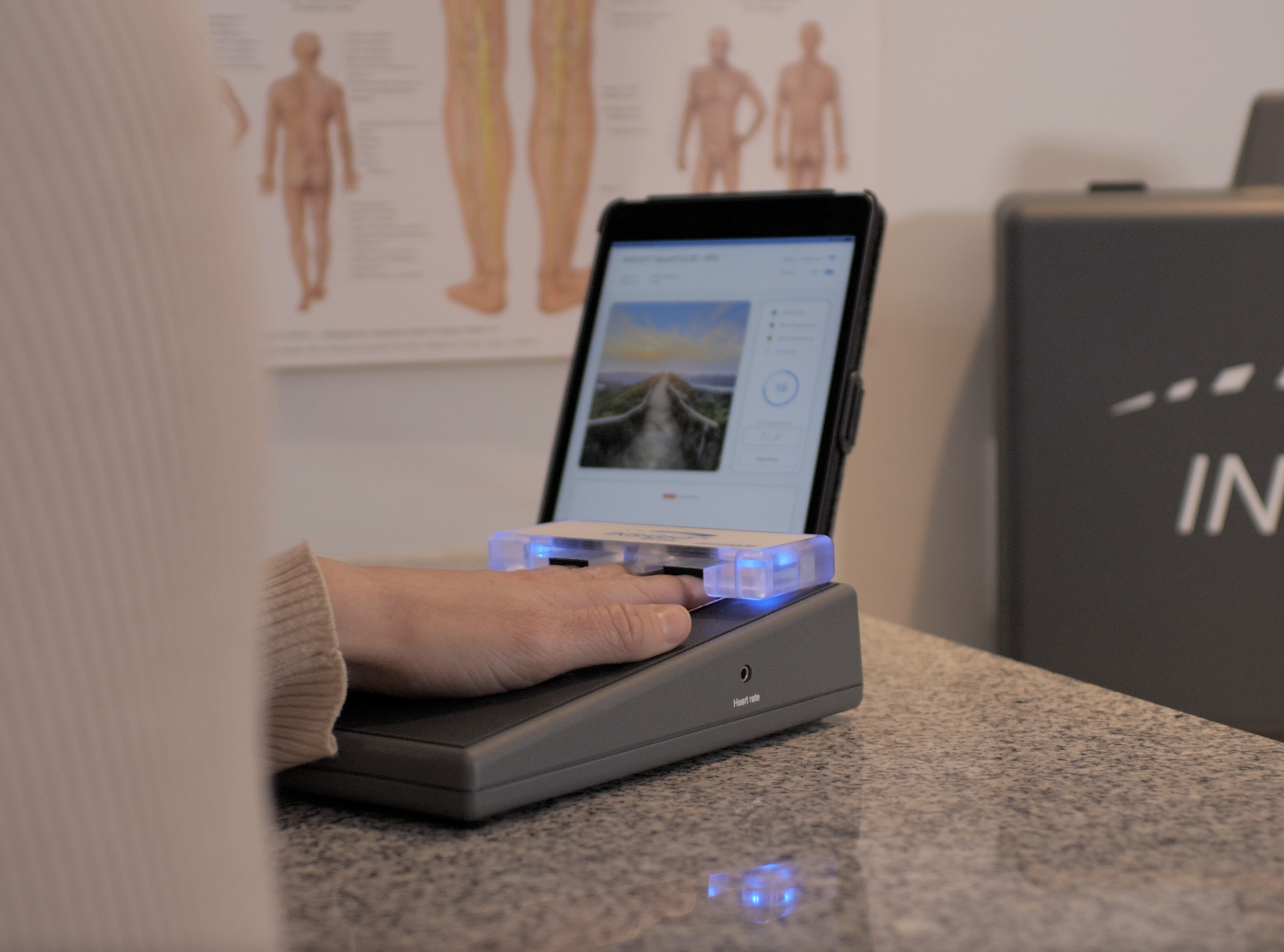
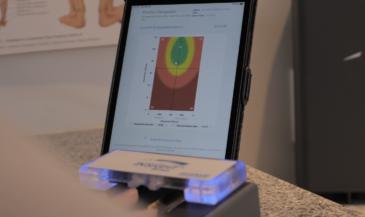
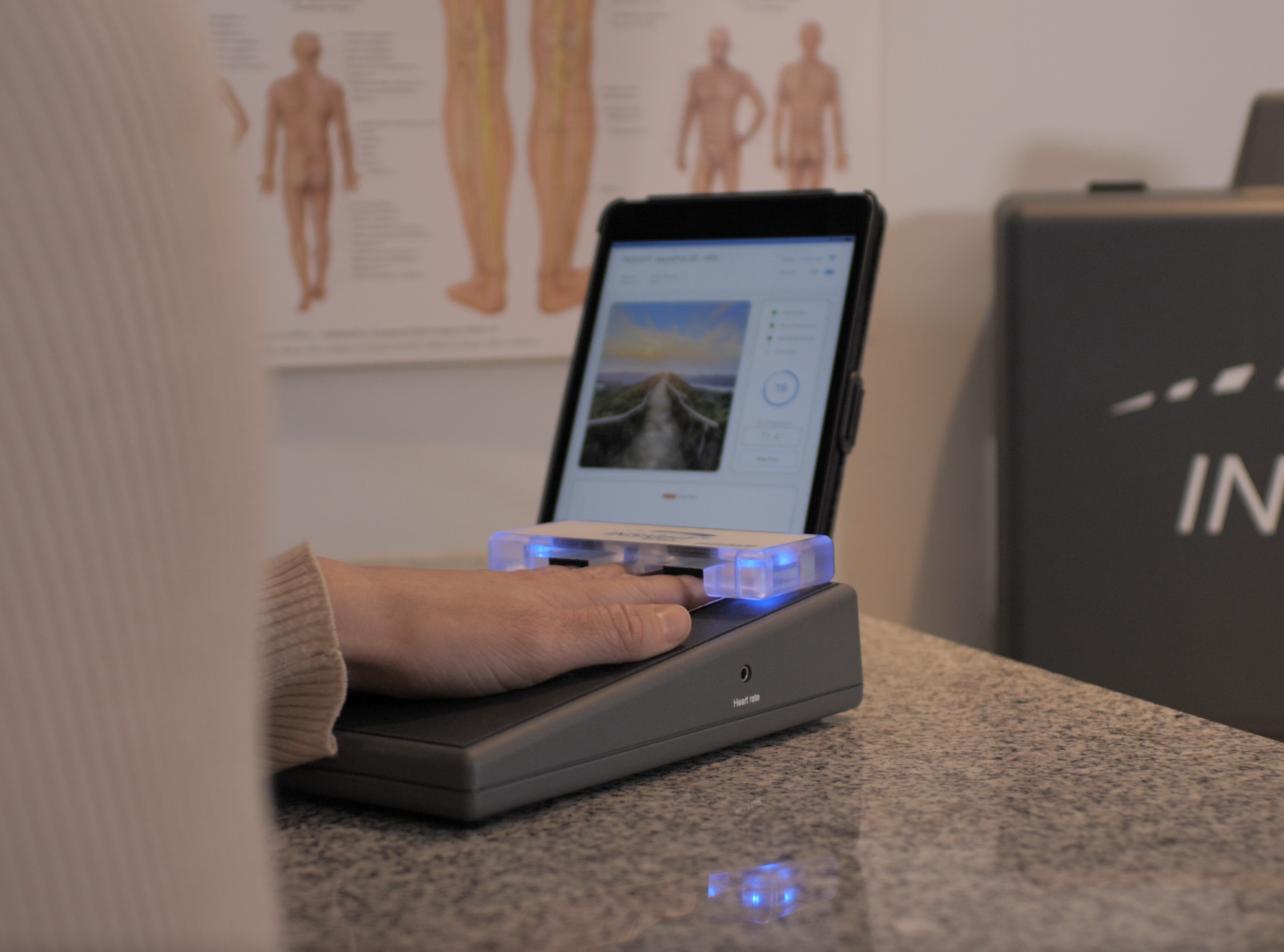
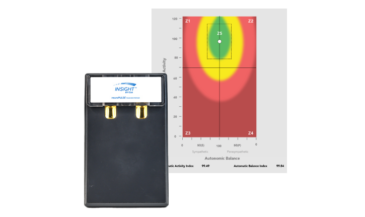
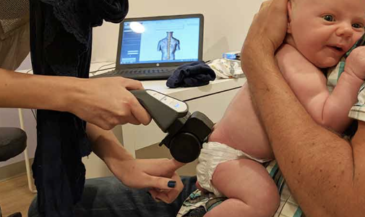
- neuroPULSE (Heart Rate Variability): This non-invasive scan measures the balance between the sympathetic and parasympathetic branches. HRV research shows it reliably tracks adaptation, resilience, and stress levels.
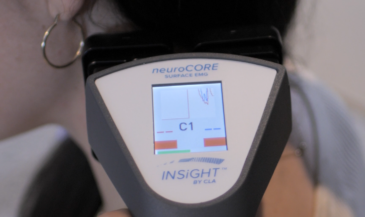
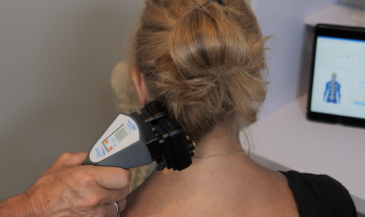
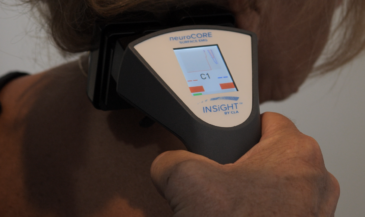
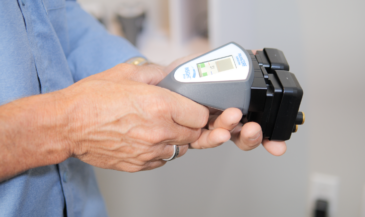
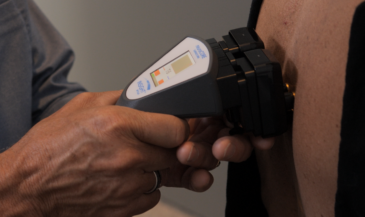
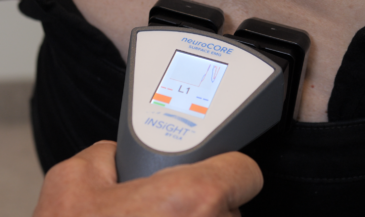
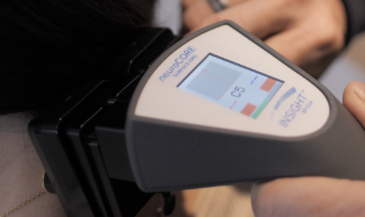
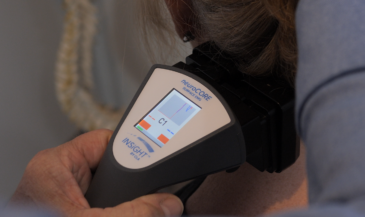
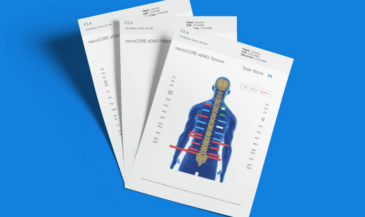
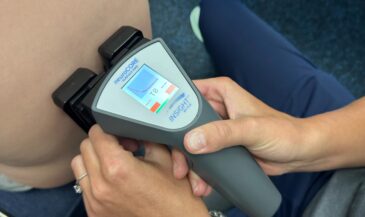
- neuroCORE (Surface EMG): Helps visualize the activation in the Motor nervous system and its relation to distress. Clinical studies show surface EMG can identify neuromuscular tension patterns and neurological interference even before patients report symptoms.
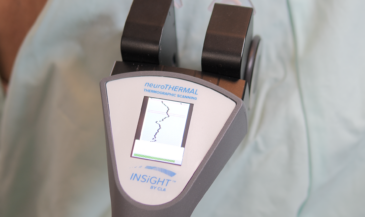
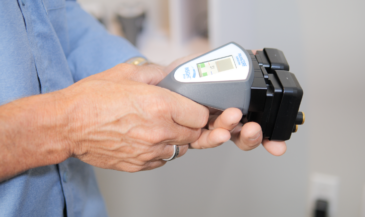
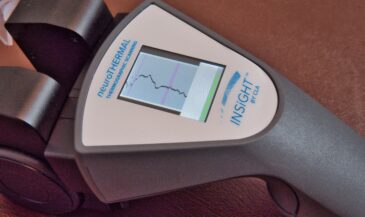
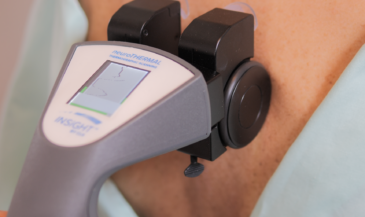
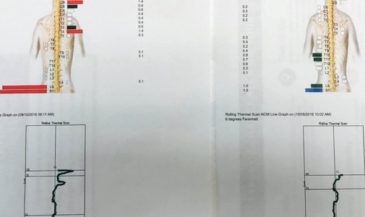
- neuroTHERMAL: Thermal scans reveal subtle changes in blood flow and are used to detect nerve tension that is causing dysregulation in the organ and gland systems. Evidence confirms its value in tracking autonomic imbalances and regions of sympathetic overdrive.
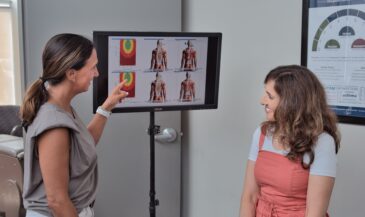
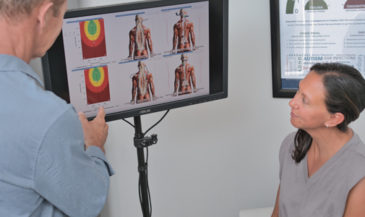
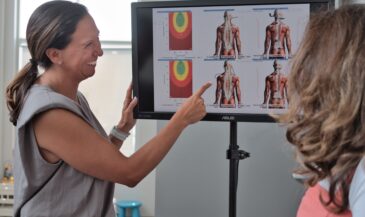
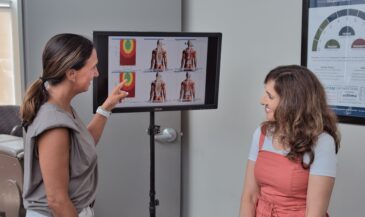
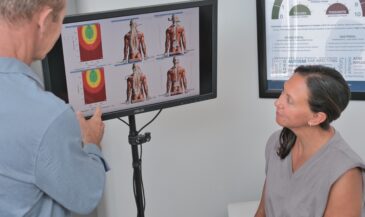
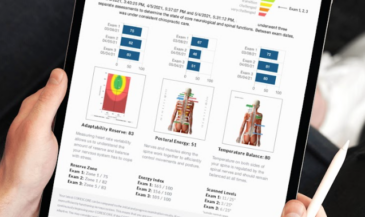
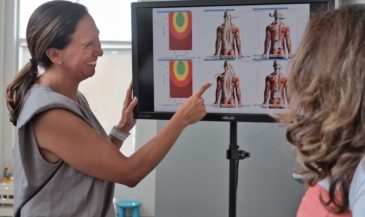
Put it all together, and you get the CORESCORE—an easy-to-understand, visual report card of your patient’s neurological status. Scan views make it real, providing evidence of the activation of the central nervous system. Patients can “see” their nerve system in living color, understand where distress is building, and get excited about how care is making a difference.
And this isn’t just theory. Peer-reviewed studies and longitudinal case series document improved HRV, adaptability, and reduced nerve tension in patients under neurologically-focused care.
Implementing Neurologically-Focused Care in Practice
It’s one thing to talk about scans—it’s another to make them the heartbeat of your practice. Here’s how I recommend getting started:
- Full spine nerve system scan for every new patient: Whether they come in for back pain or wellness, everyone gets a baseline profile. This anchors care in objective analysis and instantly builds trust.
- Rule of 12: Do a progress scan every 12 visits, or as clinically indicated. INSiGHT clinical guidelines recommend this protocol to adapt care plans, catch hidden distress, and keep patients engaged.
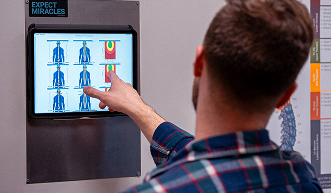
- Show the scan views and CORESCORE at every re-exam: Patients value what they can see, especially when it comes to the central nervous system. When you shift the conversation from “how do you feel?” to “how is your body adapting?” you get buy-in, better retention, and better outcomes.
- Train your team: Make sure everyone—from front desk to care assistants—can explain the value of scanning and help patients interpret their results. When your whole team speaks the neurological language, your practice stands out as a true center for vitalistic care.
These steps aren’t just for complicated cases. They’re for everyone—families, kids, athletes, those with chronic conditions and those who just want to live with more energy and adaptability.
Bringing It All Together: Lead With the Nervous System
If there’s one thing I’ve learned over decades of scanning, adjusting, and listening, it’s this: health and life is about adaptation. It’s about a nervous system that can roll with the punches and bounce back when life throws a curveball.
When you measure and manage nervous system status with confidence and compassion, you become more than a symptom-chaser—you become a guide for lifelong health. With INSiGHT scanning technology and Synapse software, you can show patients proof their care is making a difference, track real progress, and empower them to value their health in a whole new way, particularly in managing stress.
So don’t settle for “feeling better” as your only outcome. Lead with the nervous system to help manage stress and promote relaxation. Measure what matters. Adjust your care plan based on objective analysis, and you’ll see your practice—and your patients—grow in ways you never imagined, leading to better case management.
Now that’s what I call responsible, evidence informed chiropractic, especially when addressing the impact of stress. And I’m so thankful to see more and more doctors making the nervous system their north star.