

If you really want to know how healthy someone is, don’t just ask how they feel. Ask how well they recover.
Because health isn’t just about how your body performs under pressure—it’s about how it resets once the tension is gone. That’s where Heart Rate Variability (HRV) comes in.
HRV is one of the most powerful—and underutilized—metrics in progressive healthcare. It gives us real insight into how well the nervous system adapts, how stress is affecting the body, and whether the system is building resilience or losing it.
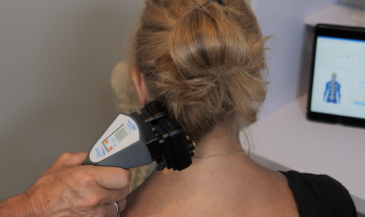
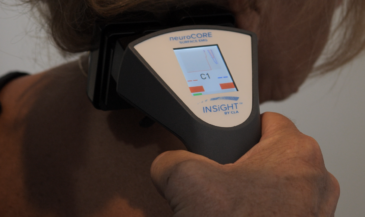
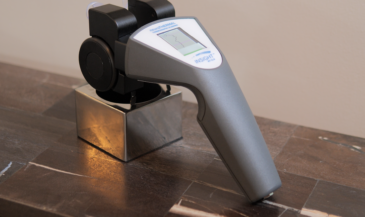
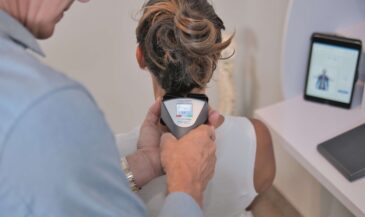
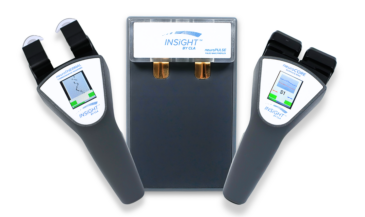
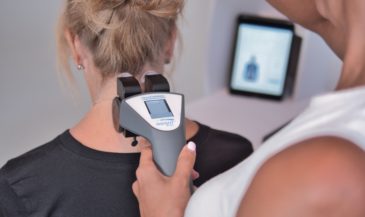
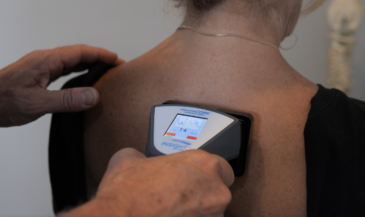
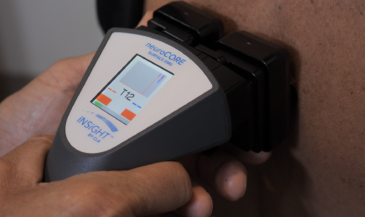
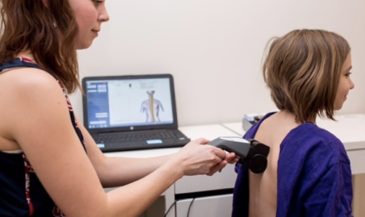
And thanks to tools like INSiGHT’s neuroPULSE scan, chiropractors can now measure HRV with precision, clarity, and purpose—right in their offices.
What Is HRV—and Why Should We Care?
Heart Rate Variability is the measurement of the tiny changes in time between heartbeats.
Contrary to what many people think, your heart isn’t supposed to beat like a metronome. A healthy heart shows variation in timing between beats. That variation is controlled by your autonomic nervous system, which constantly shifts to help you respond to challenges and recover from them.
High HRV = High adaptability.
Low HRV = Stuck in stress.
In other words, HRV shows us how well the nervous system is regulating, recalibrating, and recovering.
It’s one of the most meaningful indicators of nervous system balance we have—and yet most people don’t even know it exists.
Why High HRV Means Better Adaptability
A high HRV tells us that your system can easily shift from fight-or-flight to rest-and-digest. You can gear up when you need to perform, and then downshift when it’s time to heal.
This is what true regulation looks like: not calm all the time, but flexibility.
- Athletes with high HRV recover faster and perform better.
- Parents with high HRV handle daily stress with less fatigue.
- Children with high HRV tend to show fewer signs of emotional overwhelm or sensory overload.
It’s not about perfection—it’s about range.
When HRV is strong, your nervous system can roll with life’s punches. When it’s low, your system gets rigid. Tense. Reactive. And that’s when symptoms start showing up.
How neuroPULSE Brings HRV Into the Chiropractic Experience
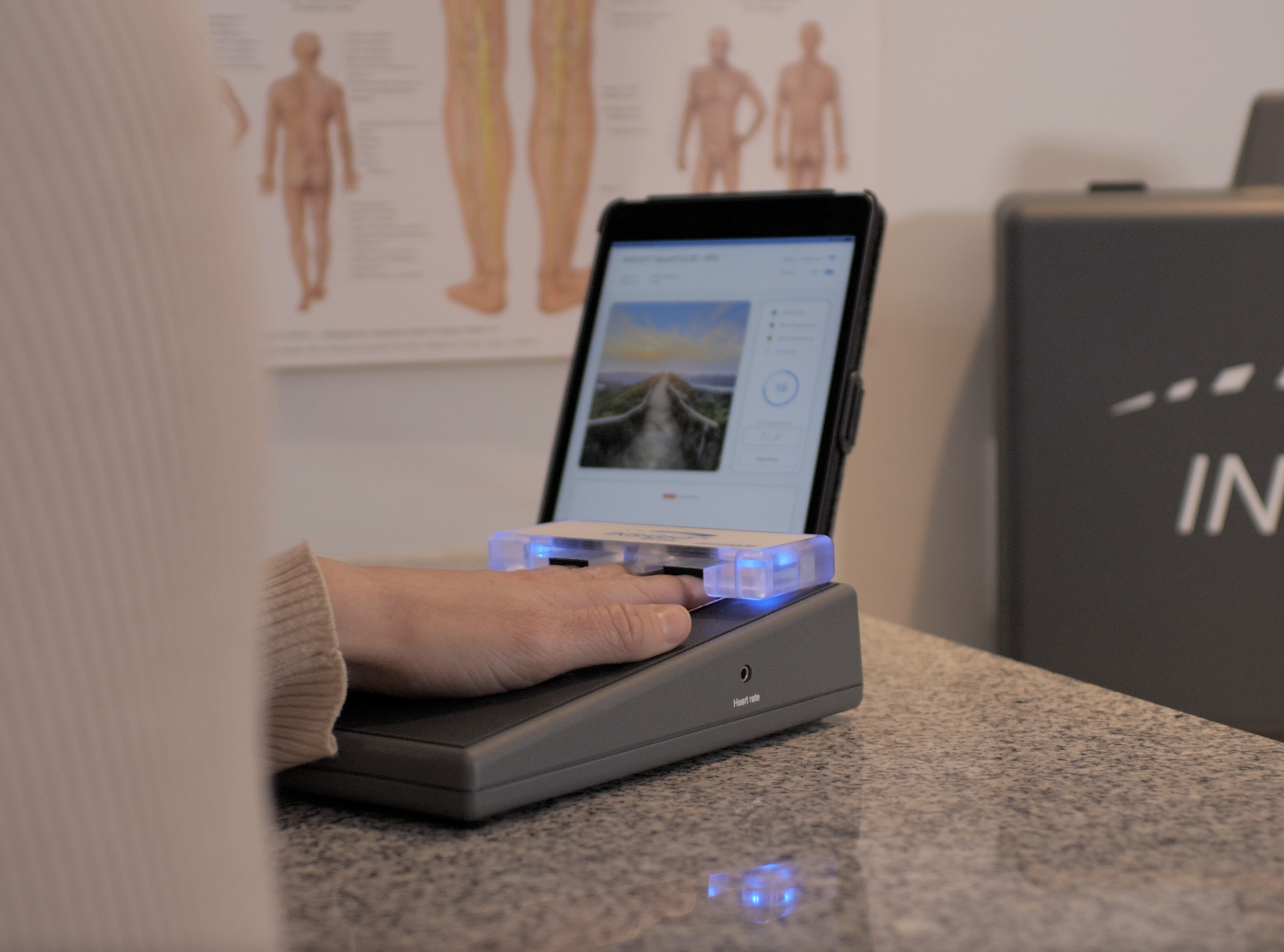
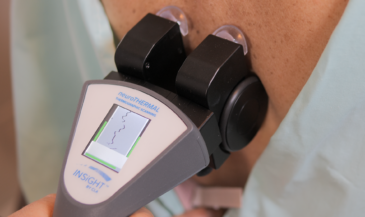
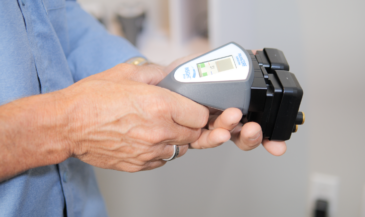
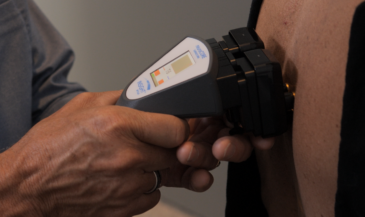
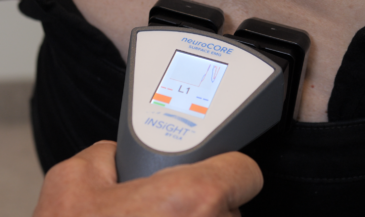
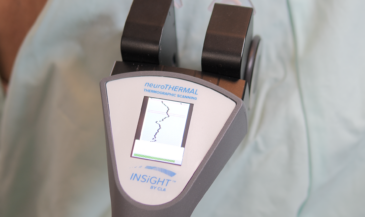
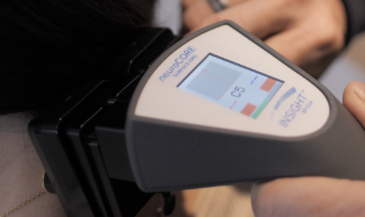
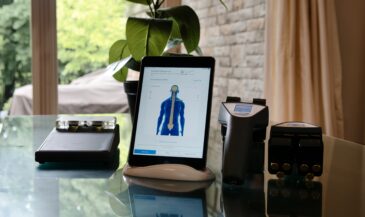
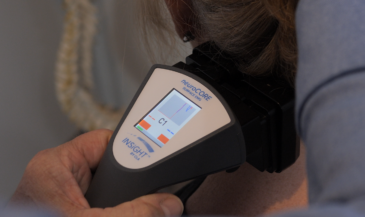
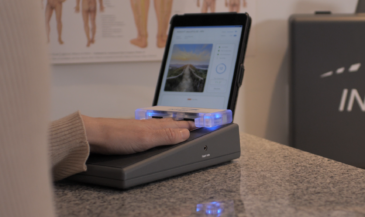
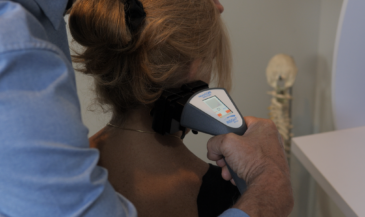
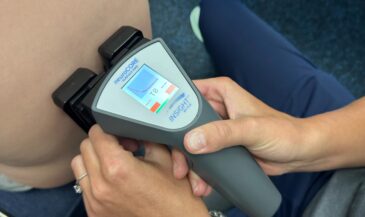
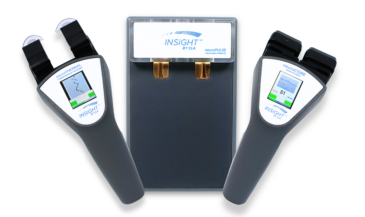
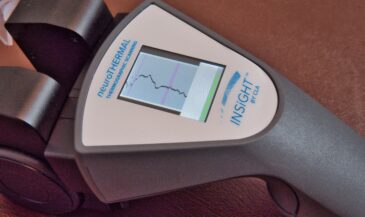
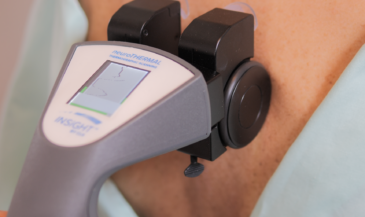
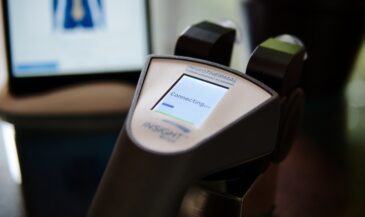
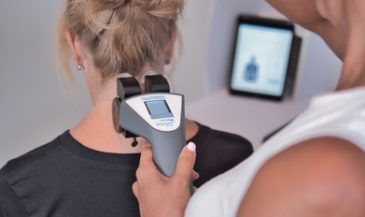
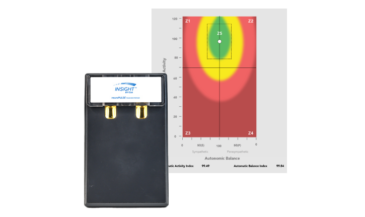
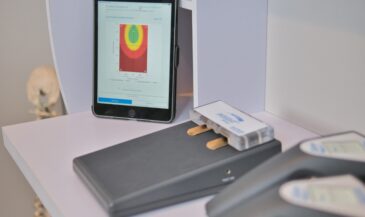
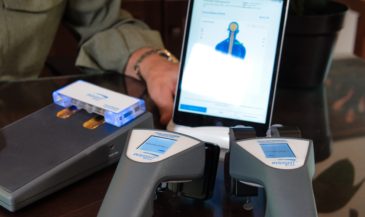
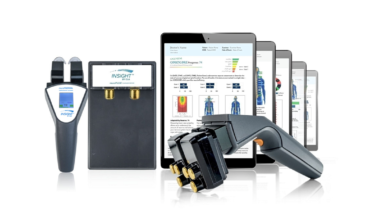
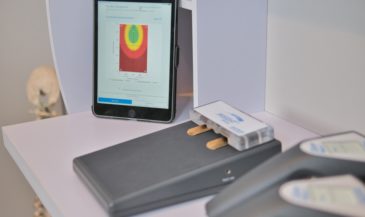
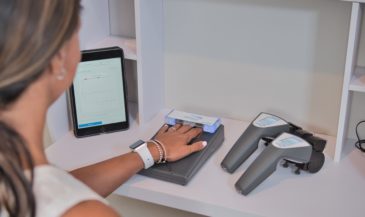
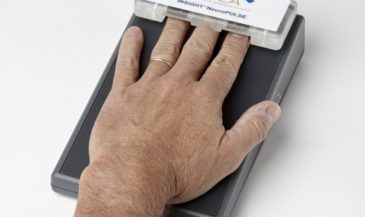
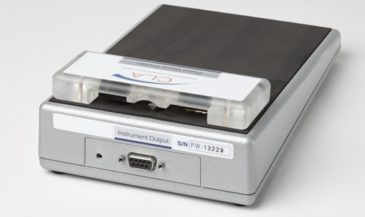
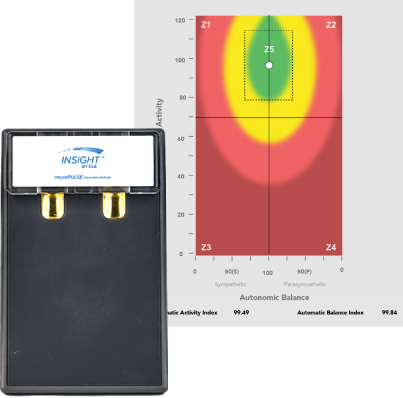
The neuroPULSE is a non-invasive, patient-friendly tool designed to measure HRV in under three minutes.
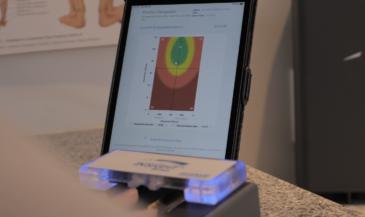
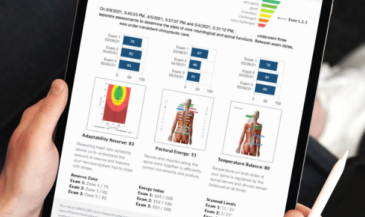
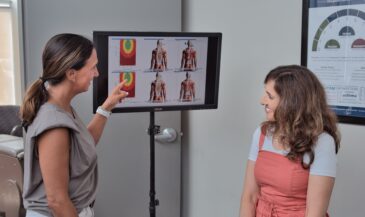
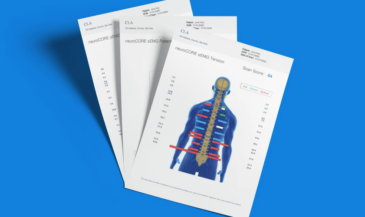
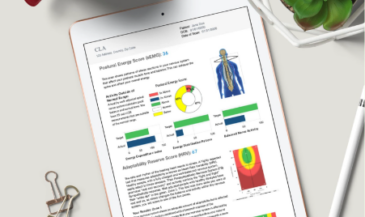
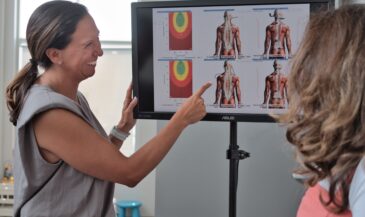
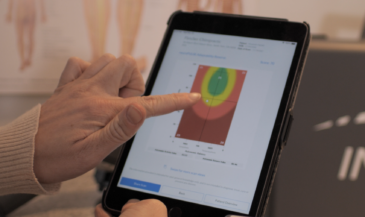
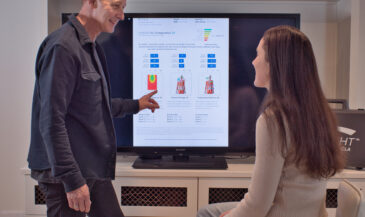
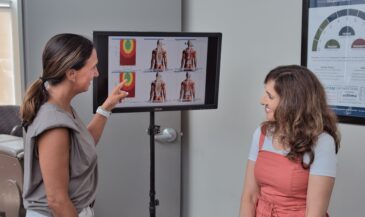
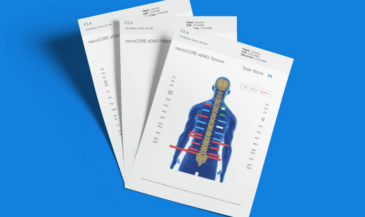
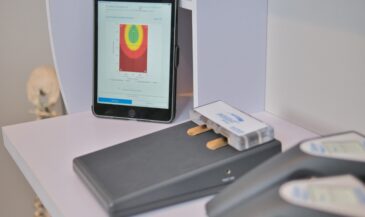
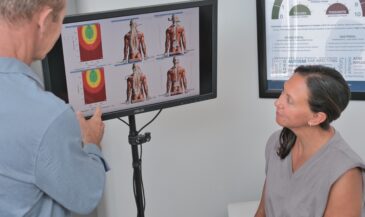
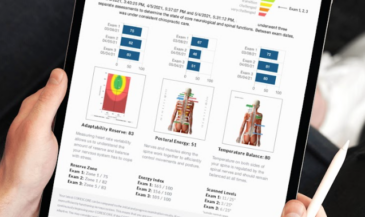
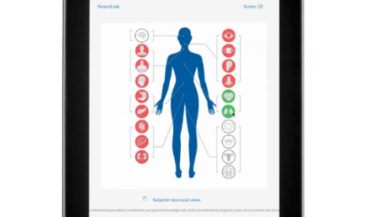
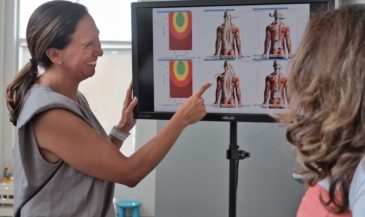
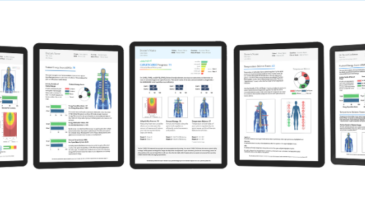
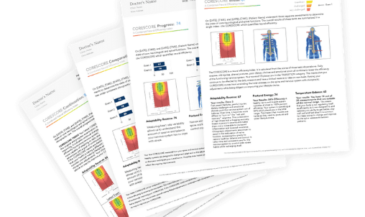
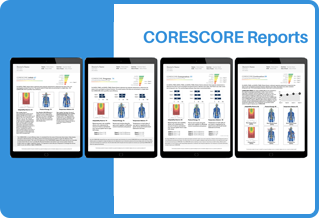
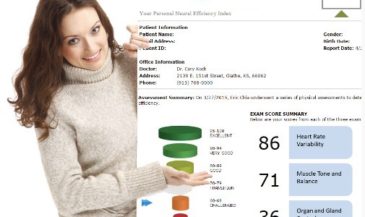
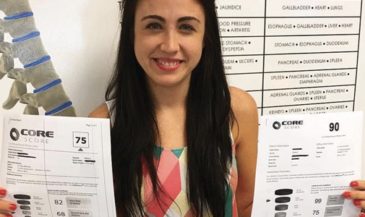
It connects directly with INSiGHT’s Synapse software and feeds data into the CORESCORE neurological report card—making HRV easy to explain and visually compelling for patients of all ages.
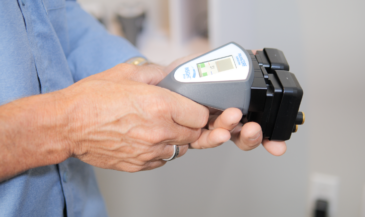
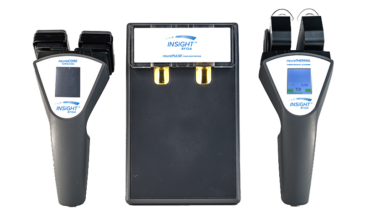
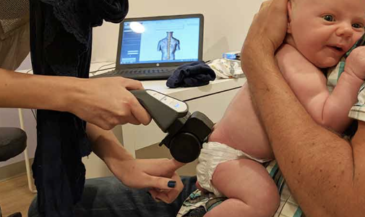
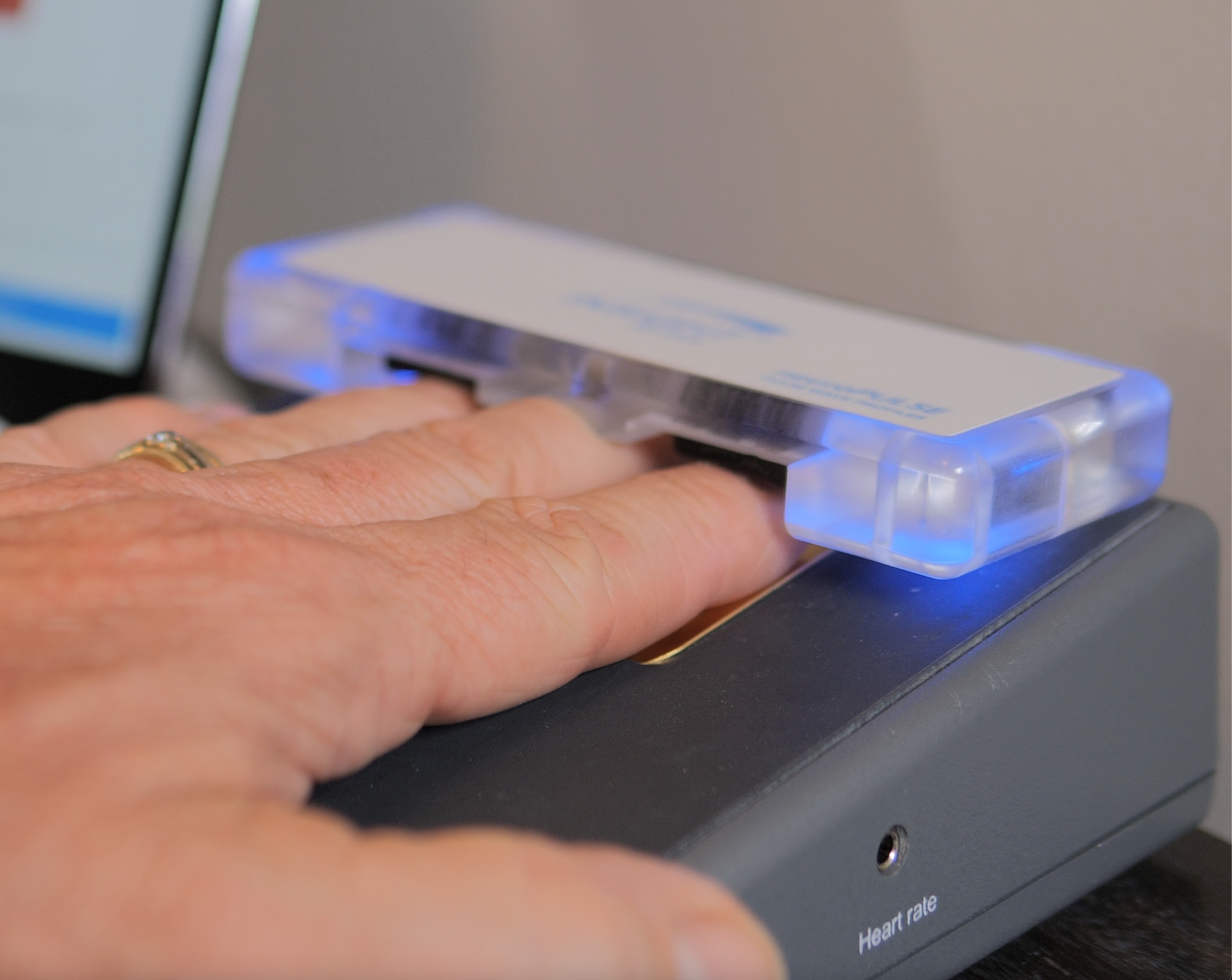
Scans can be performed using:
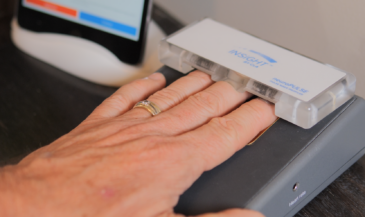
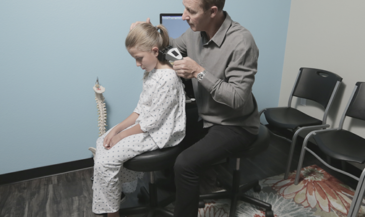
- Finger sleeve sensors for children
- Hand cradle for adults to confirm stable collection
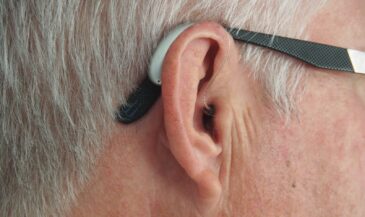
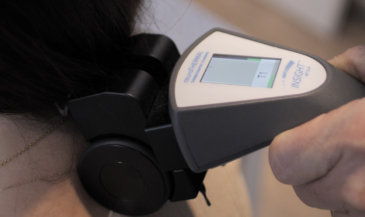
- Ear clip sensor on newborns and babies
The neuroPULSE doesn’t just provide a number—it provides a window into how the nervous system is really doing, even if the patient feels fine on the surface.
Tracking HRV Means Tracking Long-Term Resilience
One of the most valuable uses of HRV is progress tracking. When HRV improves over time, it’s a sign that the body is becoming more adaptable, more resilient, and better regulated.
That’s the long game of chiropractic.
Instead of chasing relief, we’re building internal capacity—the ability to manage stress, recover quickly, and stay balanced when life gets unpredictable.
When patients see their HRV scores increase on their CORESCORE reports, they begin to understand: this isn’t about how I feel today. It’s about how I’m going to perform and heal for years to come.
Look at HRV as a Strategy
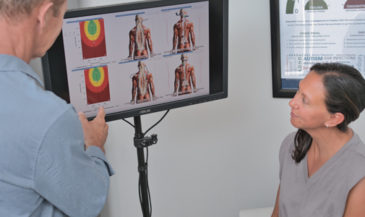
As chiropractors, we now have the ability to measure the nervous system’s ability to adapt to stress in real time with INSiGHT scanning. And that turns every adjustment into a data-informed decision.
By monitoring HRV with the neuroPULSE:
- You track how the patient is responding to care.
- You adjust care plans based on real adaptability—not assumptions.
- You empower patients with a clearer understanding of their health journey.
And most importantly—you elevate your practice by focusing not on symptoms, but on the foundations of performance, regulation, and resilience.
Book a call with an INSiGHT Advisor if you want to bring this kind of transformational system into your practice! We’ll show you how to implement scanning, reporting, and care planning tools that boost your retention and help your patients reach their full potential.