

When a patient experiences a sudden drop in consciousness — a faint, a swoon, a vasovagal episode — it’s easy to brush it off as a random fluke. But for those of us practicing Neurologically-Focused Chiropractic Care, these moments reveal a deeper understanding of conditions like neurocardiogenic syncope and tell a deeper story about the nervous system’s adaptability and its push-pull between sympathetic overdrive and parasympathetic reflex is crucial for understanding episodes of vasovagal syncope.
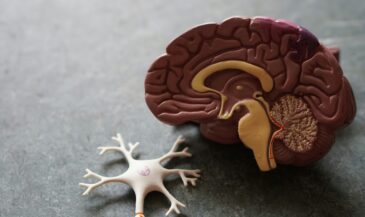
Most people don’t realize that fainting isn’t just about blood flow — it’s a signpost showing how the vagus nerve, the brainstem, and the heart interact when the body’s stress threshold is pushed too far. Our role isn’t to treat a fainting episode in isolation — it’s to read what that event says about the nervous system’s capacity to adapt. And with objective scanning technology, we can make the invisible visible and help patients see why that capacity matters for their long-term vitality.
What Happens in the Vasovagal Reflex?
The vasovagal reflex is one of the body’s oldest protective circuit breakers. When triggered, it flips the parasympathetic system into high gear, slowing the heart rate and dilating blood vessels. This sudden drop in blood pressure leads to a brief loss of consciousness — a classic faint.
Here’s how it works:
- Trigger: The sight of blood can often be a trigger for reflex syncope in susceptible individuals. Emotional shock, standing too long, dehydration, or sudden stress stimulates cardiac mechanoreceptors.
- Response: A surge of vagal activity slows the heart while sympathetic tone drops off.
- Outcome: Understanding the outcome of fainting episodes can lead to better management of the autonomic nervous system. Blood pools in the legs instead of reaching the brain, the lights go out, and gravity does its job to get the patient horizontal.
Research suggests this reflex once helped limit blood loss and protect the brain from sudden drops in oxygen. But when the nervous system is stuck in sympathetic overdrive or struggles to adapt, even minor triggers can tip the scales.
What Makes Some Patients More Prone?
Roughly 1 in 3 people will faint at least once in their lifetime. For many, it’s harmless — but repeat episodes point to patterns that can’t be ignored. Dehydration, skipped meals, or lack of sleep all drain the adaptive reserve. Emotional stress or high-pressure environments test the autonomic balance even more, potentially leading to reflex syncope. An imbalance of the Autonomic Nervous System related to the presence of Vertebral Subluxations is a significant contributor and trigger.
Key contributors:
- Emotional Triggers can significantly impact the likelihood of experiencing a vasovagal reaction. Fear, trauma, or shock.
- Physical Triggers: The causes of fainting can often be linked to the autonomic nervous system’s response to various stimuli. Standing too long, sudden posture changes.
- Environmental Triggers: Heat, crowded spaces, dehydration.
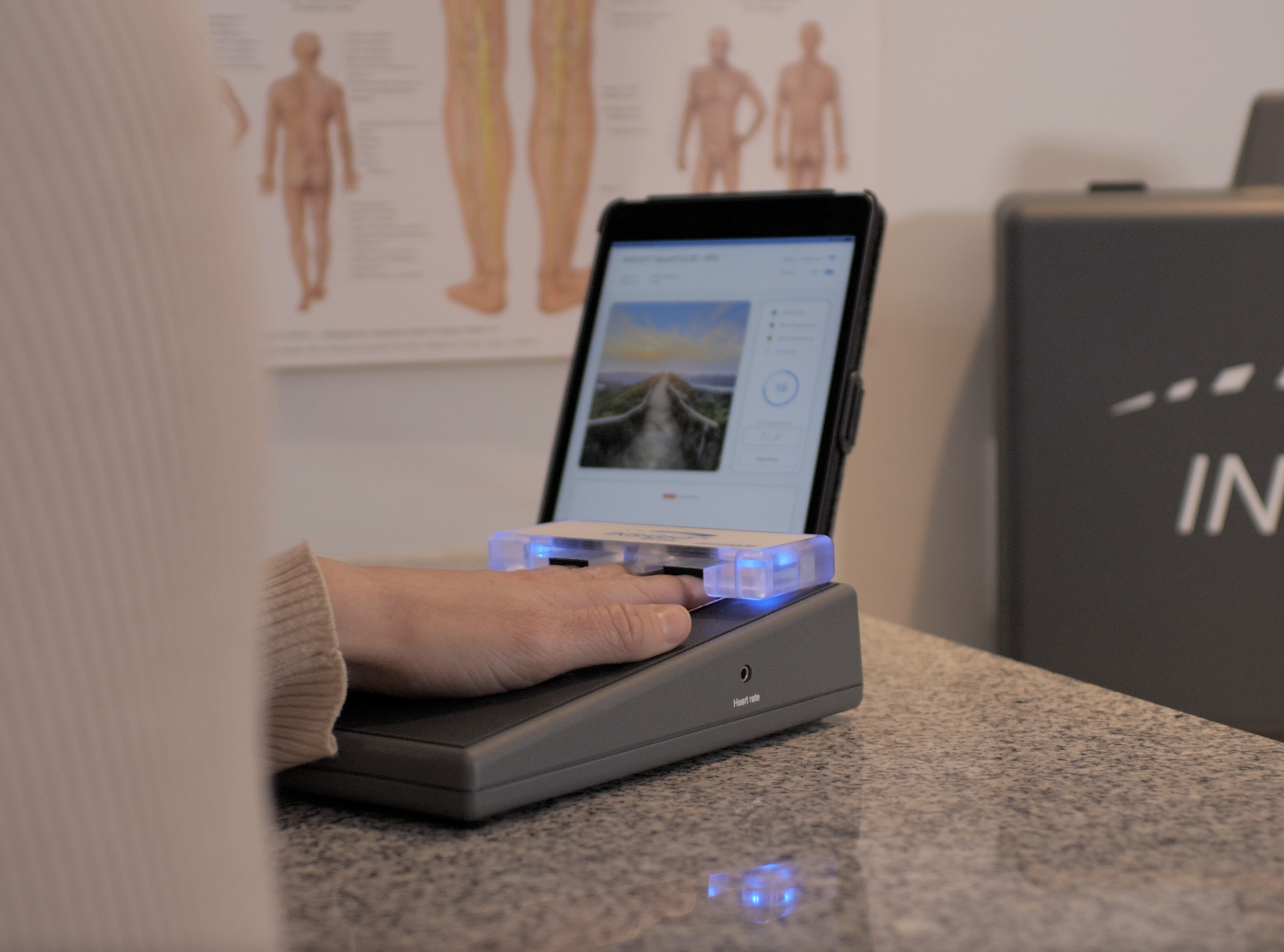
Patients who faint repeatedly may be living close to the common cause of fainting, which is often a result of neurally mediated syncope, when they are on the edge of their reserve. That’s where objective analysis — like HRV and full spine nerve system scans — gives you the clarity to see whether a patient’s system is stretched thin.
Recognizing the Signs: The Three Phases
Most patients describe a clear prodrome: dizziness, nausea, or tunnel vision — all documented in episodes of vasovagal syncope clinical literature. If they don’t get flat fast enough, the reflex flips the switch and consciousness goes offline, causing them to lose consciousness. Recovery is usually quick — but it leaves behind more than just fatigue, often including episodes of vasovagal syncope. It leaves clues about how the nervous system bounces back under stress, particularly in relation to the heart association.
A classic vasovagal event has three parts:
- Prodrome: Dizziness, clamminess, blurred vision.
- Faint: Sudden drop in blood flow to the brain.
- Recovery: A tired, drained feeling as balance returns.
For Neurologically-Focused Chiropractors, these phases are signposts that point to where the system may be losing its adaptability.
Research and HRV: What the Data Shows
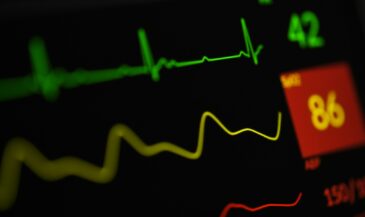
The best way to gauge autonomic resilience? Look at Heart Rate Variability. Studies show patients prone to vasovagal episodes often have HRV patterns that reveal a system stretched too thin — lower measures in adults, sometimes higher baseline vagal tone in kids, affecting their heart rhythm.
Either way, the message is clear: the balance between sympathetic and parasympathetic function matters for maintaining stable heart rate and blood pressure. A patient’s ability to adapt is visible in HRV scores, which can provide insight into an individual’s heart rhythm and nervous system adaptability. When you measure this over time, you see how their nervous system holds up to life’s daily stressors.
The Neurological Lens: Adaptability Is Health
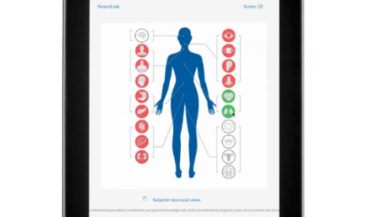
When you see the vasovagal reflex through clinical testing, it can provide insights into the causes of fainting. From a nerve-first perspective, it becomes a case study in adaptability. It shows how stress can flip the switch when there’s too much sympathetic overdrive or when parasympathetic dominance comes on too strong, leading to a vasovagal reaction. It’s a reminder that our work goes beyond one fainting spell — it’s about helping the autonomic nervous system handle life’s demands with greater resilience.
Every adjustment, every scan, every conversation builds that reserve. This is the real power of Neurologically-Focused Chiropractic Care in addressing conditions like neurocardiogenic syncope.
How Chiropractic Care Makes a Difference
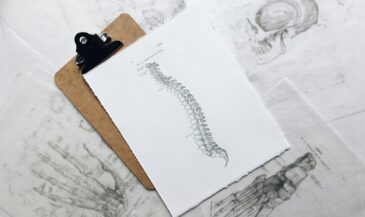
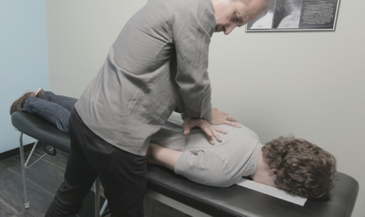
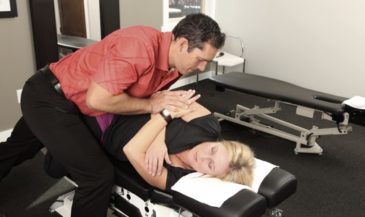
The upper cervical spine is a major hub for the vagus nerve. Vertebral tension and misalignment here can interfere with the delicate pathways that help regulate the heart and blood vessels. Research and case studies show that when these areas are addressed, patients often see improvements in HRV and autonomic balance.
No chiropractor “treats” vasovagal syncope directly — instead, you help clear interference and give the nervous system its best shot at staying adaptable to regain consciousness.
Where INSiGHT Scanning Technology Fits In
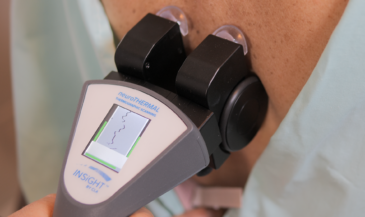
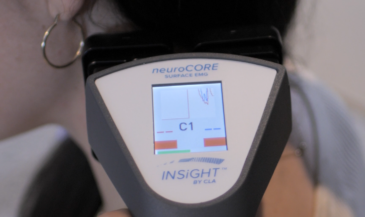
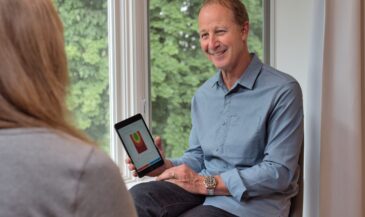
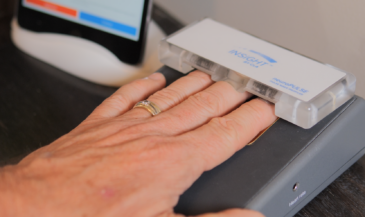
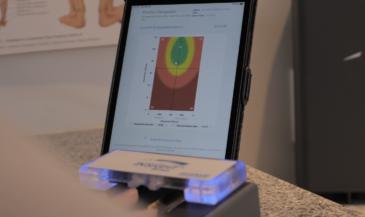
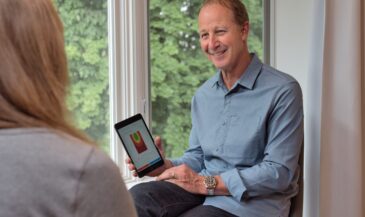
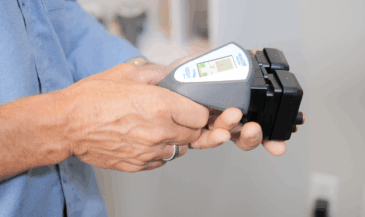
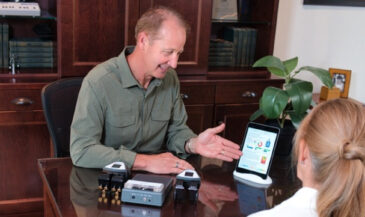
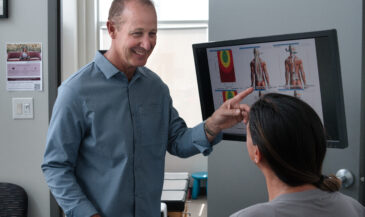
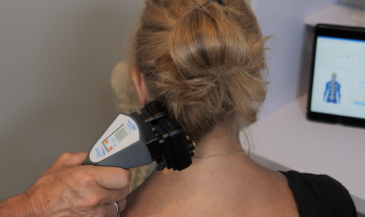
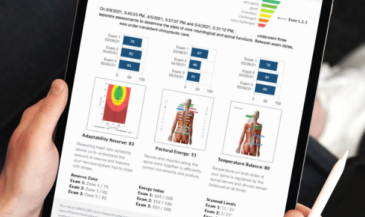
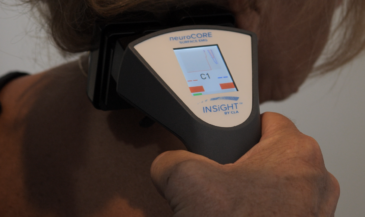
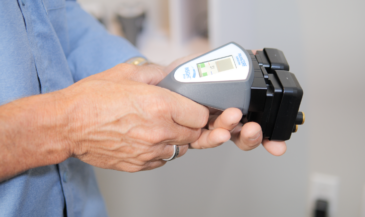
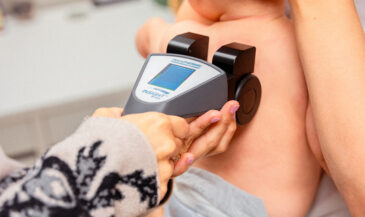
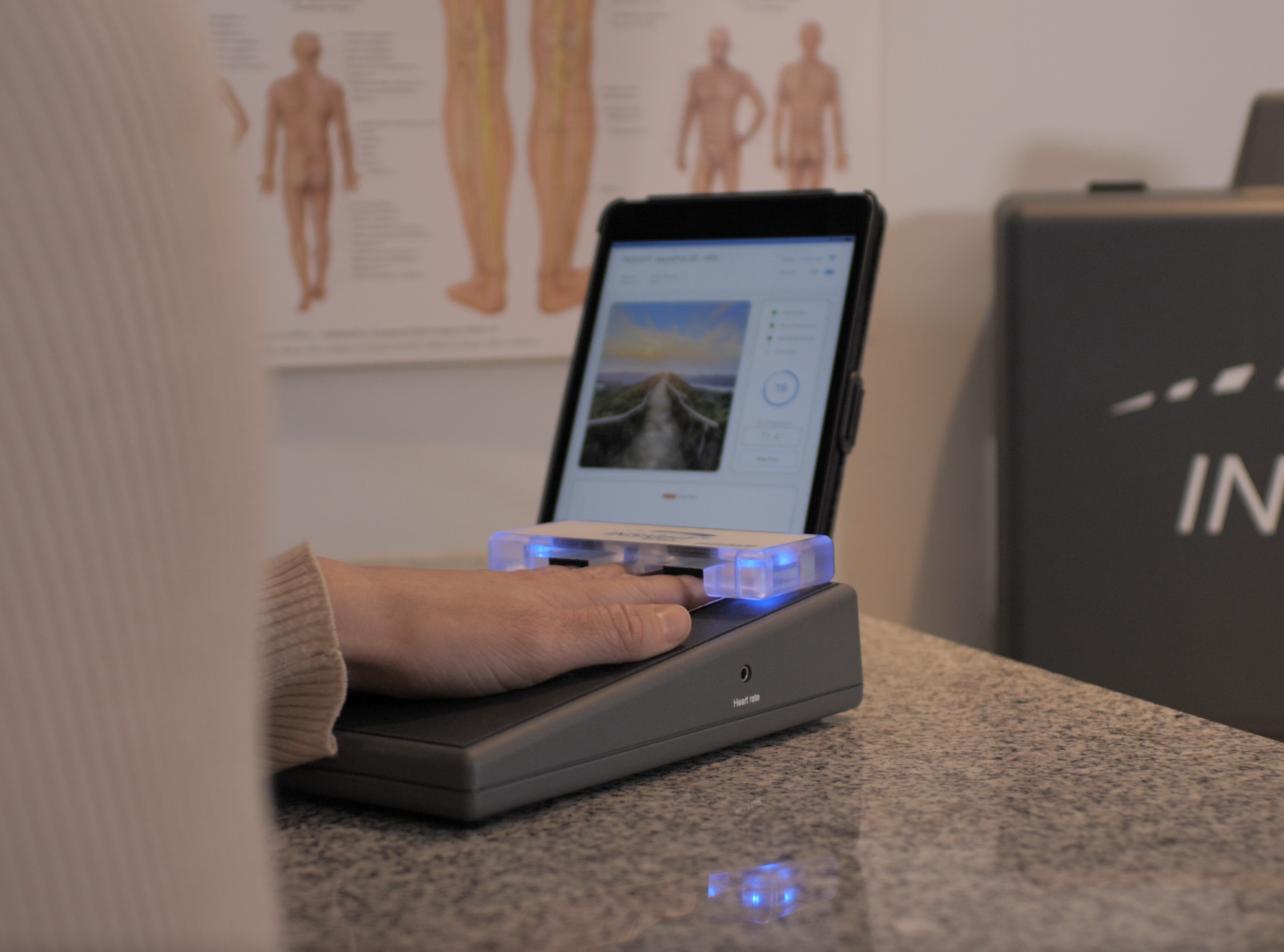
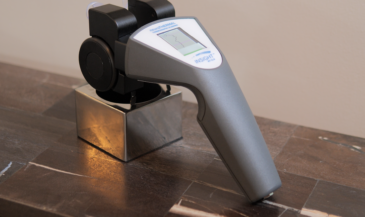
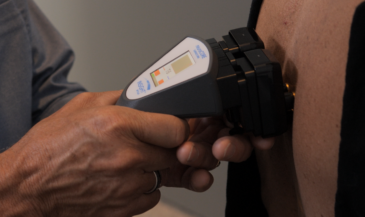
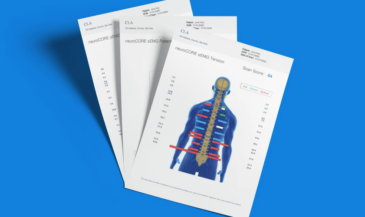
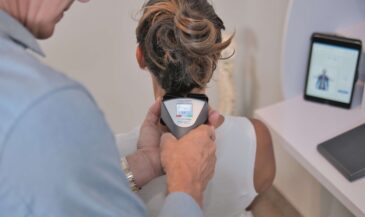
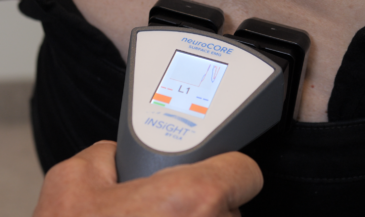
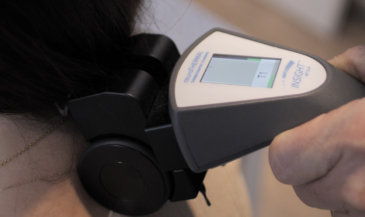
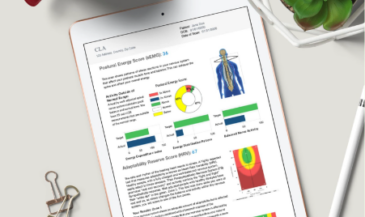
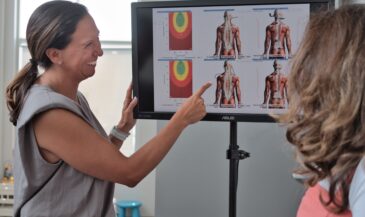
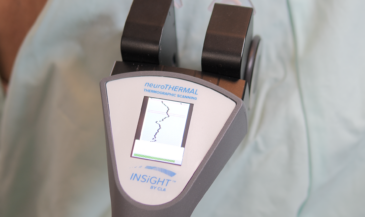
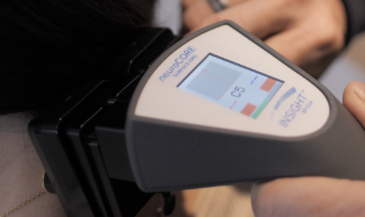
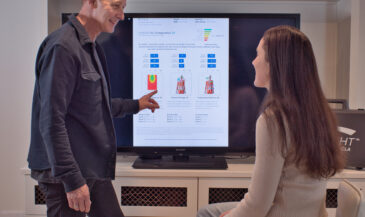
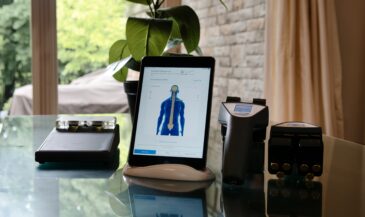
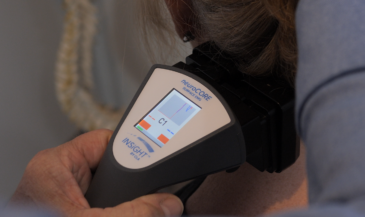
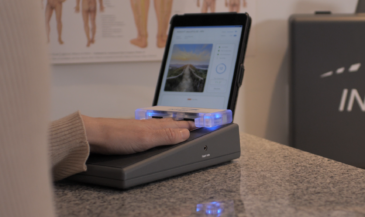
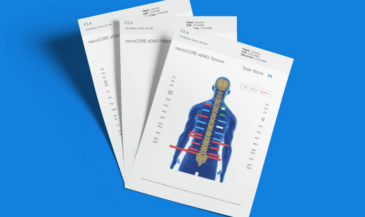
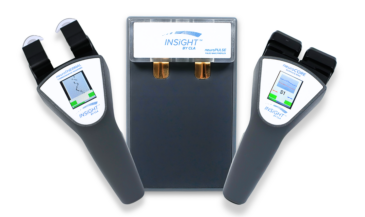
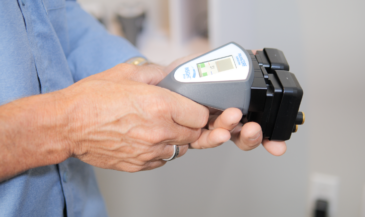
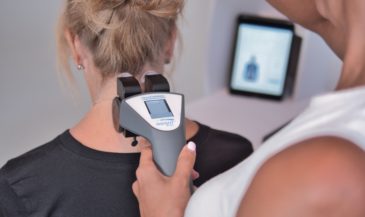
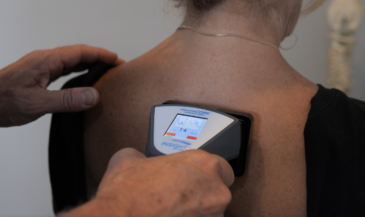
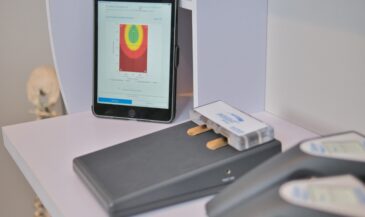
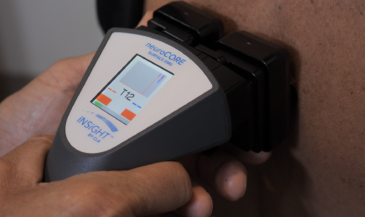
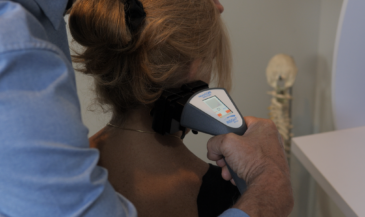
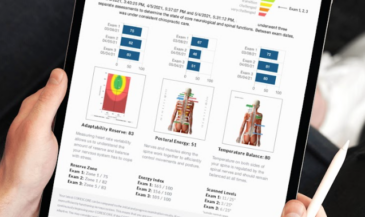
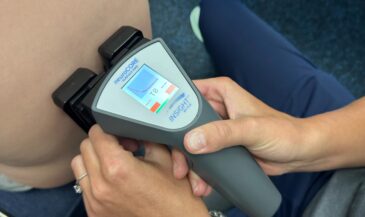
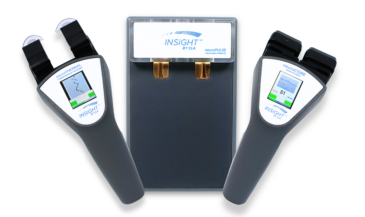
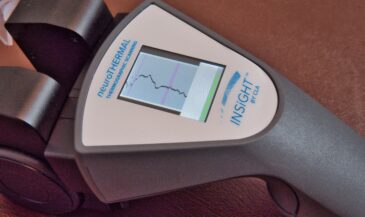
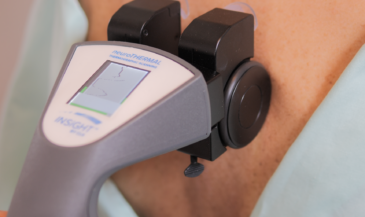
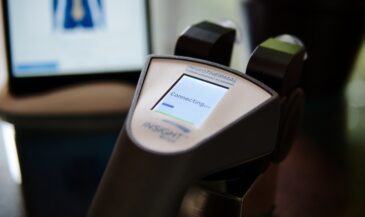
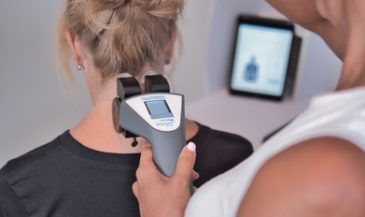
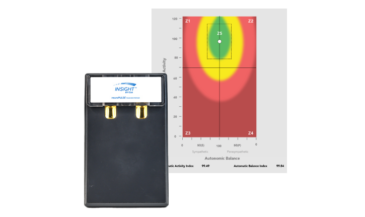
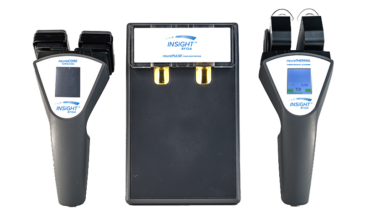
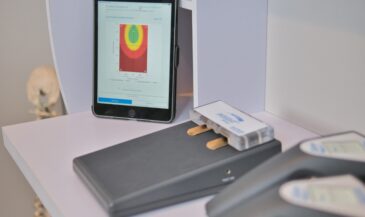
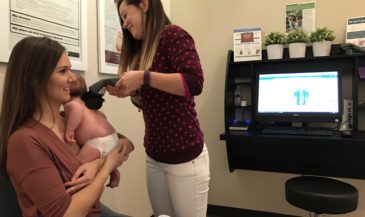
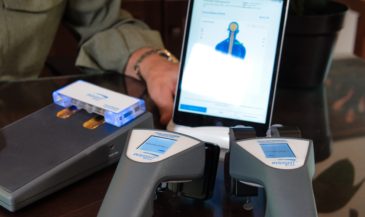
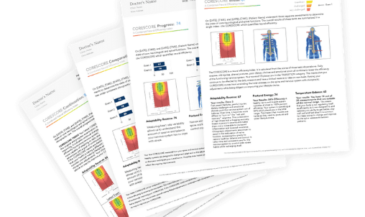
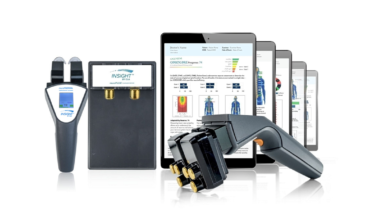
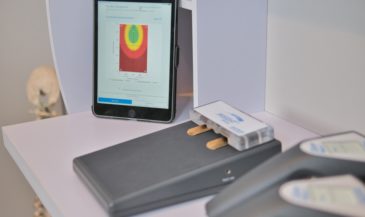
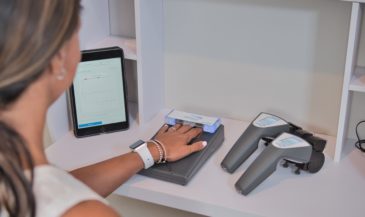
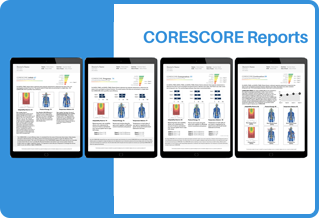
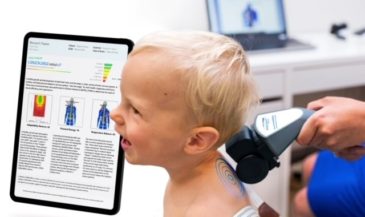
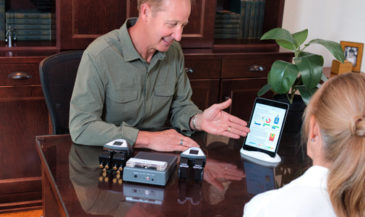
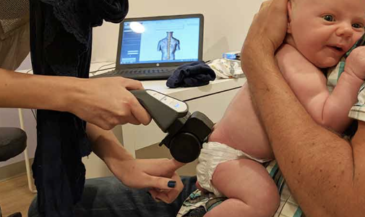
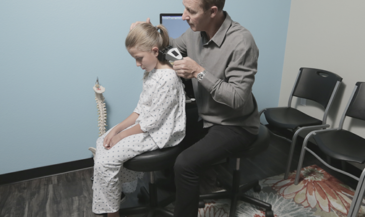
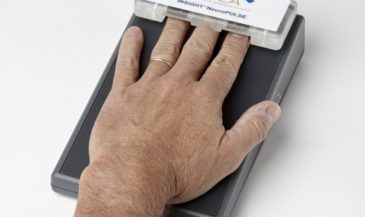
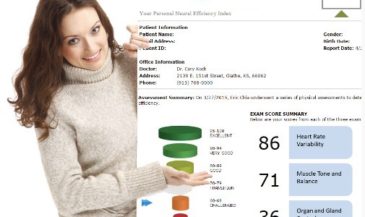
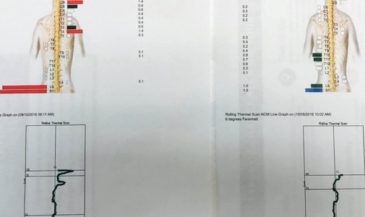
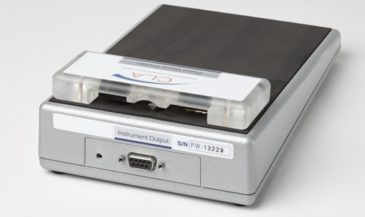
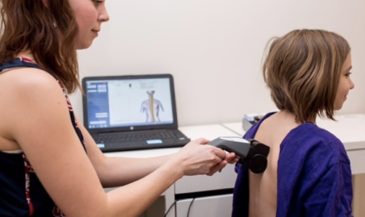
This is where your INSiGHT scanning technology makes it real. The neuroCORE, neuroTHERMAL, and neuroPULSE turn hidden nerve patterns into actionable data. Each scan adds to the full picture — and the CORESCORE™ becomes the objective report card that proves your care is making a measurable difference.
With this, you shift from guesswork to certainty — a story every patient can see for themselves.
Fainting: A Window Into Nervous System Health
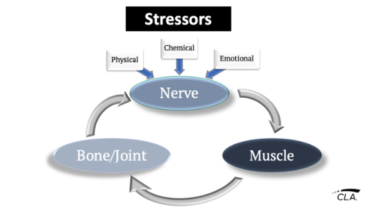
It’s easy to dismiss a fainting episode as a one-off — a fluke that happens to the best of us under stress, heat, or hunger. But step inside a neurologically-focused chiropractic clinic, and you’ll find that these episodes are like warning lights on your dashboard: sometimes subtle, sometimes glaring, always telling a bigger story. The nervous system is constantly negotiating — balancing fight-or-flight with rest-and-digest. And when that balance tips, the body hits the circuit breaker. What seems random is often the result of weeks or months of little stressors chipping away at adaptability.
What’s truly fascinating is how fainting isn’t just an “event” — it’s a pattern. Patients who report repeated vasovagal episodes often recall feeling “wired but tired,” living in a state of sympathetic overdrive. They’re the ones juggling work deadlines, skipping meals, powering through exhaustion. Neurologically-Focused Chiropractors see this not as coincidence, but as cumulative stress outpacing the body’s adaptive reserve. The body doesn’t lie: when it can’t keep up, it forces a hard reset.
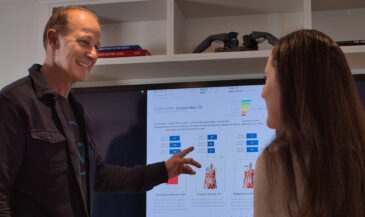
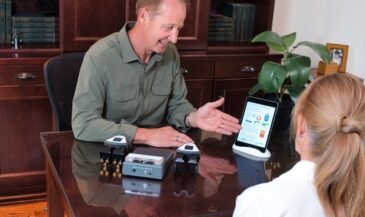
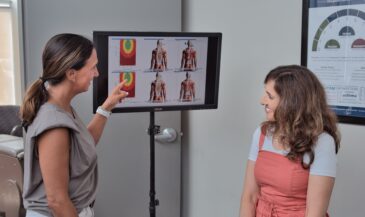
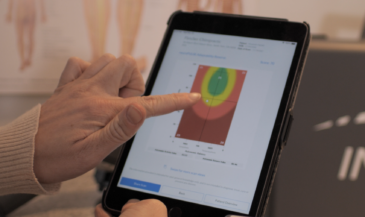
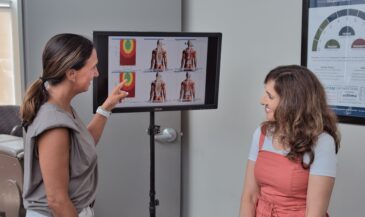
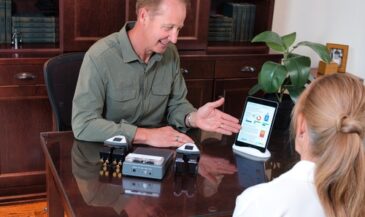
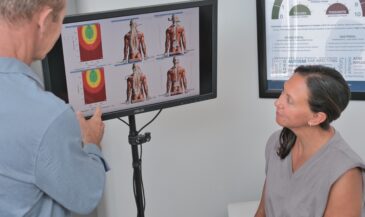
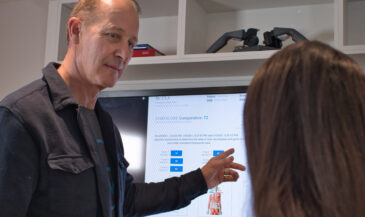
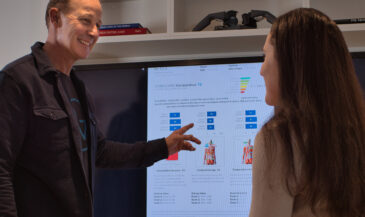
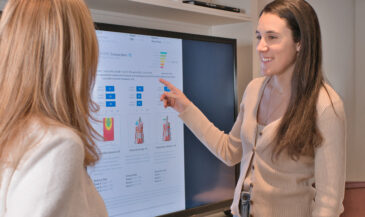
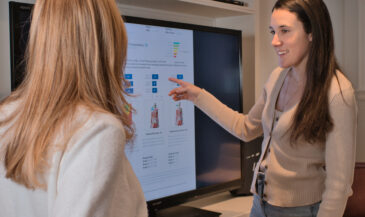
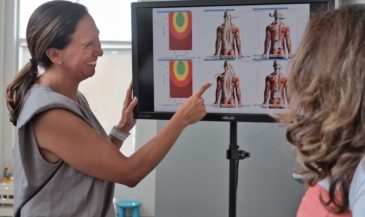
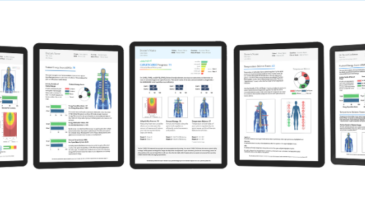
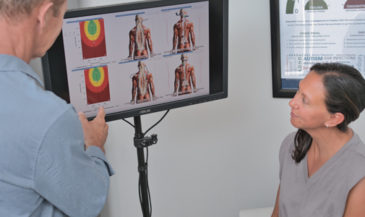
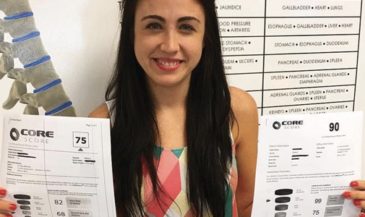
This is where objective technology changes the game. Before INSiGHT scans, much of this interplay was invisible — you’d rely on patient stories and intuition. Now, you’ve got hard numbers: HRV trends, neuroTHERMAL mapping, and CORESCORE™ charts that track progress in real time. It’s like seeing stress leave fingerprints on the nervous system. Patients who once shrugged off their symptoms become engaged when they see their own data, understanding that every adjustment is building resilience, not just chasing symptoms.
From Fainting Spells to Greater Function
What looks like a simple faint is really the nervous system asking for your help. The vasovagal reflex reminds us that adaptability equals health — and every adjustment, every scan, every conversation adds up to a stronger reserve for the patient who needs it most.
And let’s be real — adaptability is everything. In a world that never slows down, the nervous system’s ability to bounce back is what sets thriving patients apart from those who are just getting by.
So next time someone brushes off a swoon as “just nerves,” remember: it’s a message from deep inside the control center. With the right tools and perspective, you’re not only helping patients recover — you’re helping them build an unshakable foundation for long-term vitality. In this era of measurable outcomes and transparent care, that’s a revolution worth being part of.
With the power of INSiGHT’s neuroCORE, neuroTHERMAL, neuroPULSE, and CORESCORE™, you’re not guessing — you’re proving that your care is making a difference. That’s what Neurologically-Focused Chiropractic Care is all about.
If you want to bring this kind of transformational technology into your practice, book a call with an INSiGHT Advisor. We’ll show you how to implement scanning, reporting, and care planning tools that boost your retention and help your patients reach their full potential.
Sources:
Vertebral Subluxation Research. (2024). Assessment of Somatic and Autonomic Nervous System Changes Associated with Vertebral Subluxation: A Review and Commentary. https://vertebralsubluxationresearch.com/2024/09/21/1851-assessment-of-somatic-and-autonomic-nervous-system-changes-associated-with-vertebral-subluxation-a-review-and-commentary/
Vertebral Subluxation Research. (2017). Heart Rate Variability to Assess the Changes in Autonomic Nervous System Function Associated With Vertebral Subluxation. https://vertebralsubluxationresearch.com/2017/10/16/heart-rate-variability-to-assess-the-changes-in-autonomic-nervous-system-function-associated-with-vertebral-subluxation/
INSiGHT CLA. (2024). Publications Supporting the Use of INSiGHT Scanning Technologies in Chiropractic Care. https://insightcla.com/ebook/publications/
Journal of Vertebral Subluxation Research. (2018). Surface Electromyography in the Assessment of Changes in Paraspinal Muscle Activity Associated with Vertebral Subluxation: A Review. https://vertebralsubluxationresearch.com/2017/09/10/surface-electromyography-in-the-assessment-of-changes-in-paraspinal-muscle-activity-associated-with-vertebral-subluxation-a-review/