

Many people walk into a chiropractic office expecting some type of pain or symptom relief. However, they’re thinking about chiropractic care in the most basic terms—something to ease their immediate discomfort.
But here’s what most patients don’t realize: while 35 million Americans visit chiropractors annually, the majority leave without ever understanding the true potential neurological impact of their care. Most patients, and even some chiropractors, are focused on symptoms only and not the underlying nervous system dysfunction that’s at the root of it all.
This creates a fundamental challenge for nervous system-focused chiropractors. How do you demonstrate that your care goes far beyond adjustments that only address discomfort? How do you show patients that their nervous system—the master controller of every cell, tissue, and organ in their body—is what you’re actually addressing?
The answer lies in the tools you choose to use in your practice.
Traditional chiropractic tools have served the profession well for decades. Adjusting tables, X-rays, activators, and manual techniques remain the foundation of quality care. But without objective neurological assessment capabilities, you’re essentially working blind to the true source of your patients’ dysfunction.
The most successful neurologically focused chiropractors today understand that combining traditional structural assessment tools with advanced neurological scanning technology not only improves clinical outcomes, but it also transforms how patients perceive and value their care.
The Evolution of Chiropractic Technology
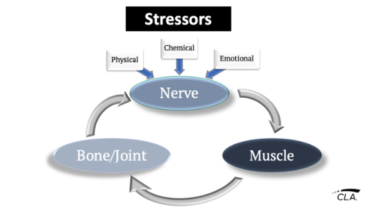
Chiropractic care has transformed since its founding principles were established over a century ago. At its inception, chiropractic care was intended to address vertebral subluxations (spinal dysfunction that is associated with nervous system dysfunction), addressing holistic health at its neurological roots. Many chiropractic practices focus solely on addressing pain, or discomfort, completely neglecting its roots. But, today, more and more neurologically focused chiropractors are providing care as it was originally intended, implementing an evolved,sophisticated, evidence-informed approach that identifies neurological disturbances, which reduce the expression of health and potential.
Here’s the truth: optimal health emerges from a well-tuned nervous system that communicates signals between the brain and body effortlessly and with precision. Today, sophisticated tools are available to measure nervous system health.
The neuroAge of Chiropractic Care
The early decades of chiropractic relied almost exclusively on postural analysis and X-ray imaging to guide care decisions. While these methods provided valuable structural information, they left a significant gap in understanding the functional status of the nervous system. Practitioners could see spinal misalignments on film and feel areas of tension, but they couldn’t objectively measure how these structural issues were actually affecting neurological function.
Today’s neurologically-focused chiropractors operate in what we call the neuroAge of chiropractic. They understand that while structural correction remains important, measuring and monitoring neurological function is what truly sets evidence-informed practice apart.
The integration of advanced neurological assessment technologies alongside traditional spinal functional tests represents not just technological progress, but a return to chiropractic’s foundational principle: that optimal health depends on optimal nervous system function.
Essential Manual and Mechanical Tools
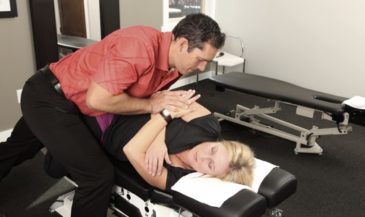
The foundation of any chiropractic practice rests on a comprehensive collection of manual and mechanical chiropractic tools designed to deliver precise, effective adjustments. These time-tested instruments have enabled chiropractors to provide targeted care for decades.
Traditional Chiropractic Adjustment Tools
Modern chiropractors rely on several key instruments to deliver controlled, precise adjustments:
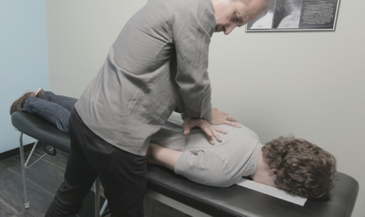
- Activator Adjusting Tool: This original, low-force device delivers a controlled thrust to specific vertebrae or extremity joints, offering a gentler alternative to manual adjustments. It is used to trigger an “activation” of reflexes associated with postural positions
- ArthroStim Adjusting Tool: Featuring variable amplitude capabilities, this chiropractic tool allows practitioners to adjust thrust amplitude based on individual patient conditions and tolerance.
Specialized Tables and Equipment
-
- Elevation Tables: These allow precise height adjustments to optimize practitioner ergonomics and patient comfort during adjustments.
- Flexion-Distraction Tables: Specifically designed for spinal decompression techniques, these tables enable gentle stretching and manipulation to relieve disc and nerve pressure.
- Drop tables: Sections of the tables are cocked and when a light thrist is applied the table section drops away allowing a lighter force to be applied to spinal corrections
- SOT Blocks and Positioning Aids: These wedge-shaped cushions provide specific directional forces to joints and soft tissues, helping restore proper biomechanics.
Therapeutic Modalities
- TENS Units: Transcutaneous electrical nerve stimulation provides drug-free pain relief by sending gentle electrical impulses through nerve pathways.
- Therapeutic Ultrasound: Using high-frequency sound waves, these devices generate deep tissue heating that reduces inflammation and improves blood flow.
- Cold Laser Therapy: Low-level laser therapy stimulates cellular repair and regeneration without generating heat, making it ideal for reducing inflammation.
The Gap in Traditional Assessment
While traditional tools chiropractors use excel at addressing structural and biomechanical issues, they reveal a significant limitation when it comes to measuring the very thing chiropractic care is designed to optimize: nervous system function.
You can palpate muscle tension, observe postural distortions, and see spinal misalignments on X-rays, but none of these methods can objectively demonstrate how subluxations are actually affecting your patient’s neurological status.
This creates a profound clinical challenge that every chiropractor faces.
When a patient’s symptoms improve after a few adjustments, how do you explain why continued care is essential? How do you demonstrate that their nervous system is still under stress, even when they “feel fine”? Traditional assessment methods simply can’t make the invisible visible.
Without objective data showing nervous system dysfunction, you’re left relying on subjective explanations about subluxation and wellness care. Patients naturally think in terms of symptoms—if the pain is gone, why continue care? This symptom-focused mindset limits both patient compliance and your ability to deliver truly transformative neurologically-focused care.
The missing element isn’t better adjustment techniques or more sophisticated tables. It’s the ability to objectively measure, track, and demonstrate nervous system function in real-time. When patients can see their nervous system status rather than just hear about it, everything changes—their understanding, their compliance, and their outcomes.
Neurological Assessment: The Game-Changing Technology
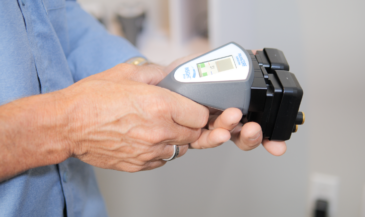
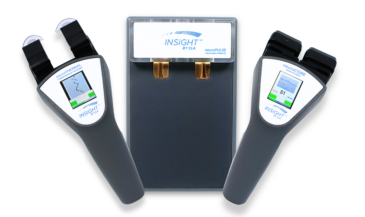
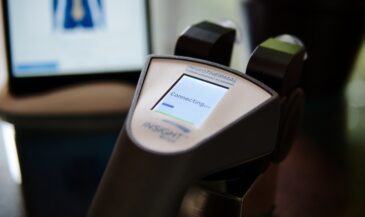
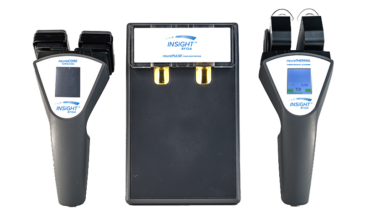
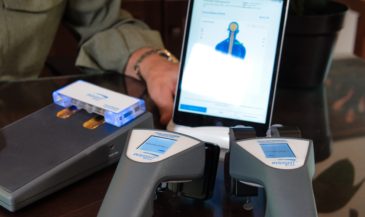
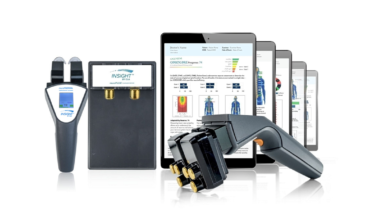
This is where today’s chiropractic practice truly transforms. Neurological assessment technology doesn’t just add another tool to your practice—it fundamentally changes how you understand, communicate, and deliver care. The INSiGHT neuroTECH and Synapse software represent the gold standard in neurological assessment, providing research-grade measurement capabilities that make nervous system function visible and measurable.
Surface Electromyography (sEMG) – neuroCORE Technology
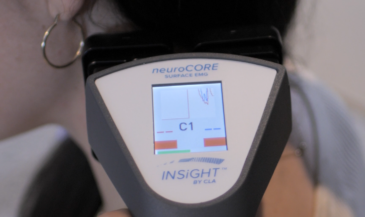
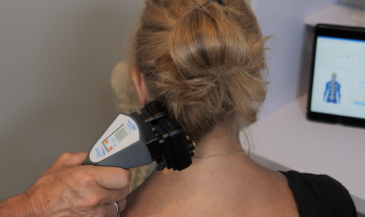
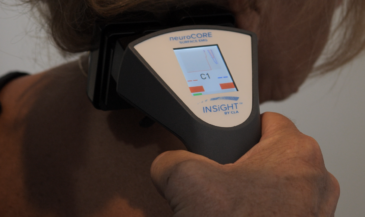
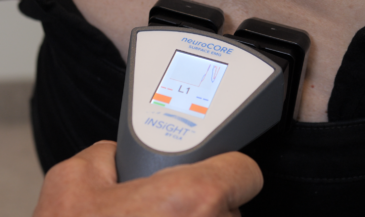
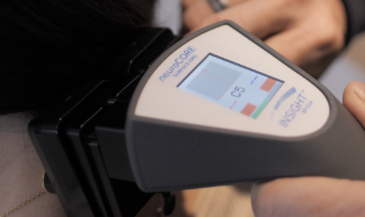
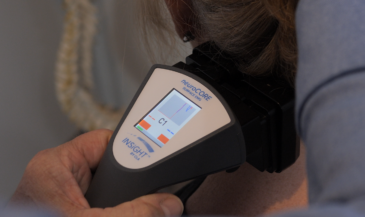
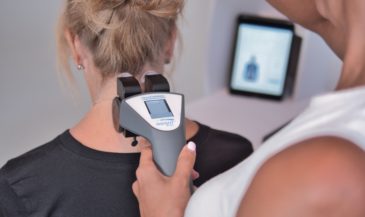
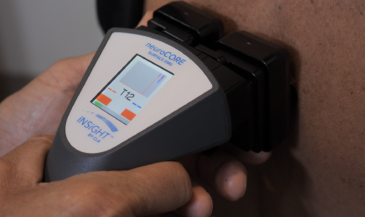
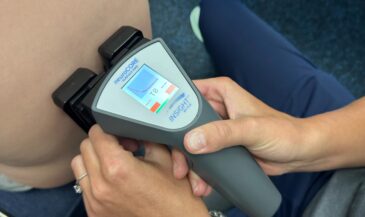
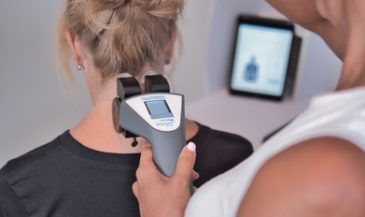
The neuroCORE measures electrical activity in paraspinal muscles, revealing patterns of postural tension, hypertonicity, exhaustion, and energy expenditure that indicate nervous system compensation and dysfunction. With test-retest reliability coefficients ranging from 0.73 to 0.97 for surface EMG measurements in chiropractic settings:
- Energy Efficiency Analysis: Quantifies how much energy your patient’s nervous system uses just to function normally—higher energy expenditure indicates greater stress and dysfunction
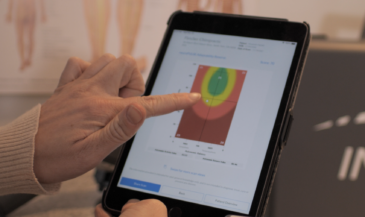
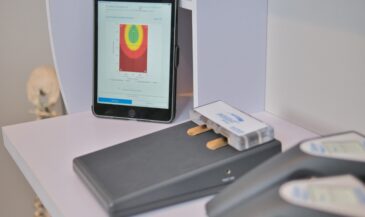
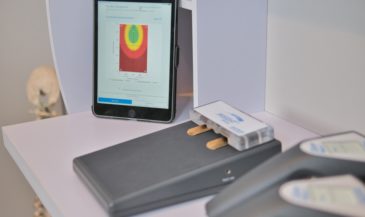
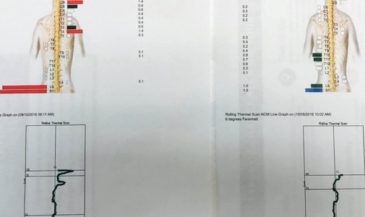
- Pattern Recognition: Creates visual maps showing exactly where nervous system interference is occurring along the spine
Heart Rate Variability (HRV) Assessment – neuroPULSE Technology
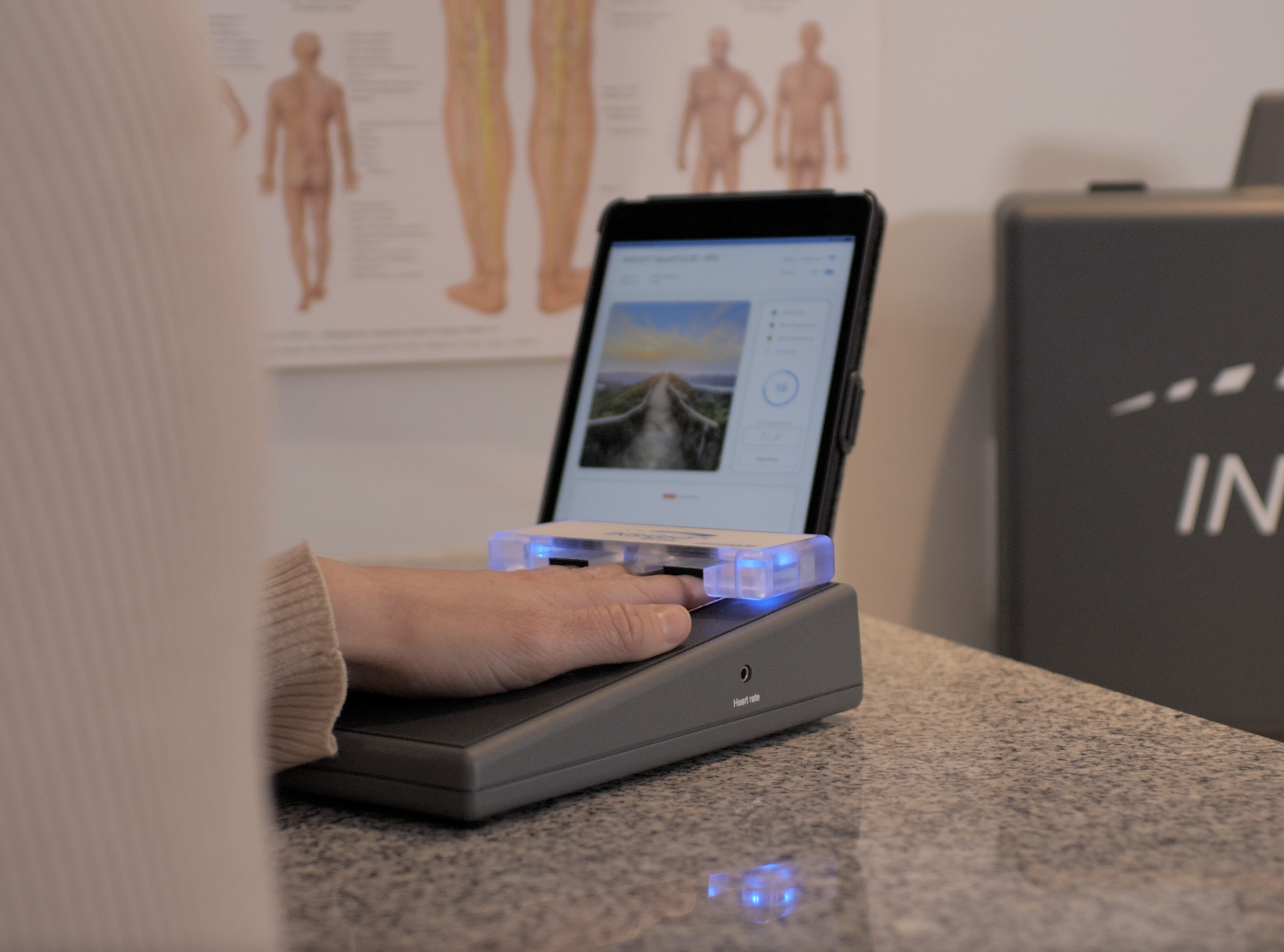
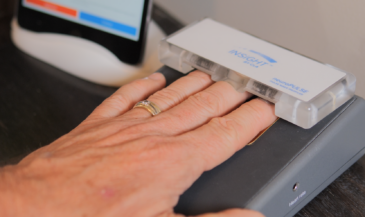
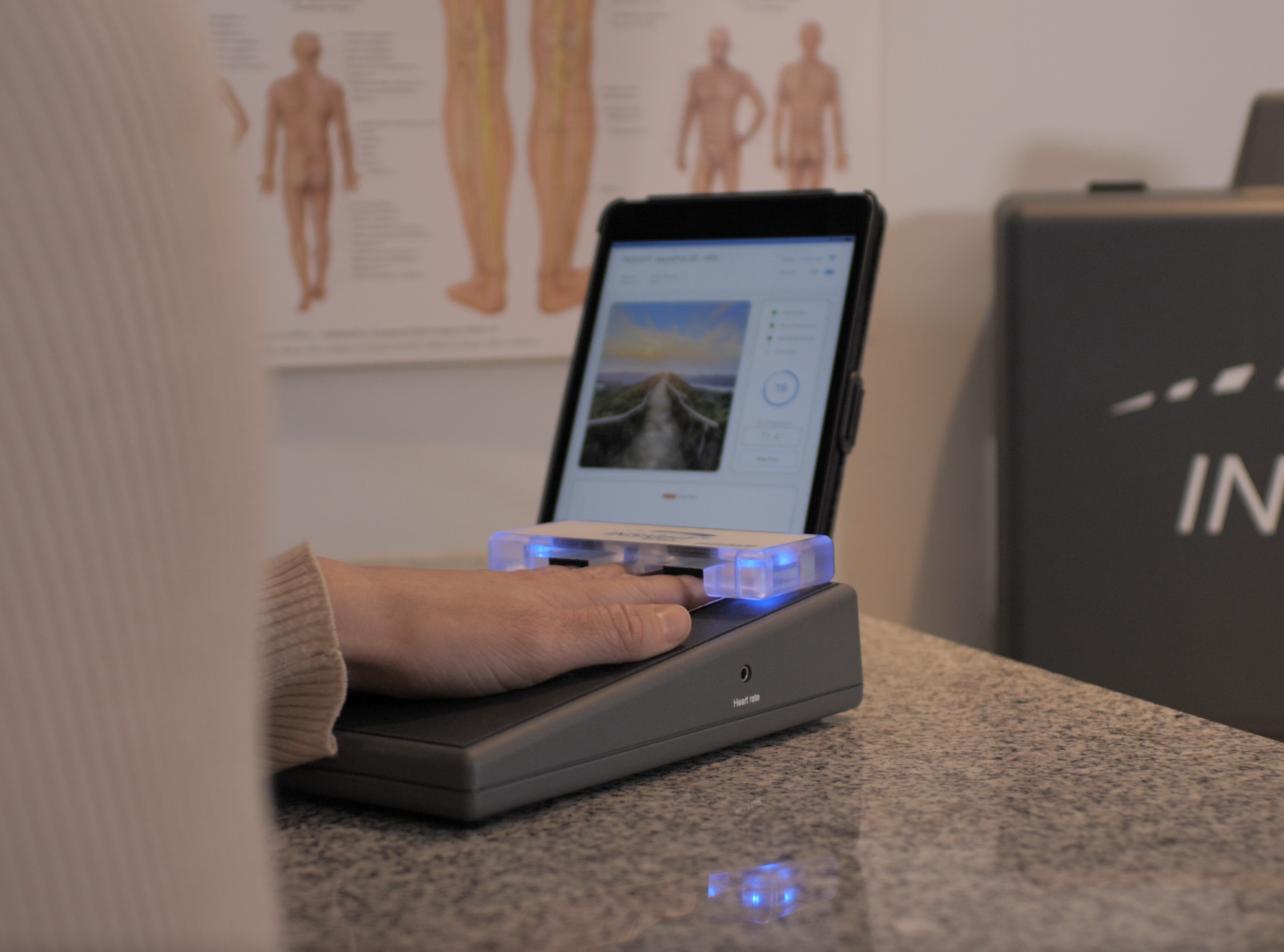
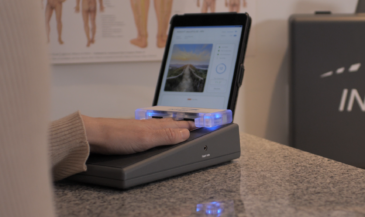
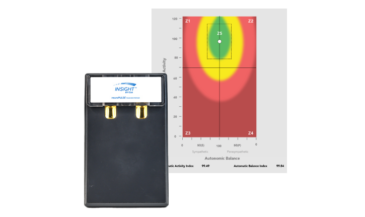
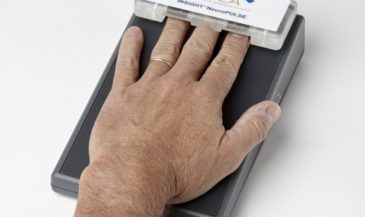
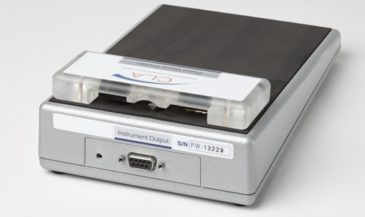
The neuroPULSE provides research-grade autonomic nervous system evaluation, measuring your patient’s ability to adapt and recover from stress. Clinical studies have shown that chiropractic adjustments improve HRV measures.
- Adaptive Reserve Measurement: Quantifies how much “horsepower” your patient’s nervous system has available to handle daily stressors
- Autonomic Balance Analysis: Demonstrates the relationship between sympathetic (fight-or-flight) and parasympathetic (rest-and-digest) nervous system function
- Stress Response Evaluation: Shows whether your patient is stuck in sympathetic overdrive or has healthy variability, indicating good stress adaptation
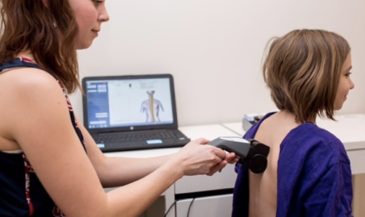
Neurological Thermal Scanning – neuroTHERMAL Technology
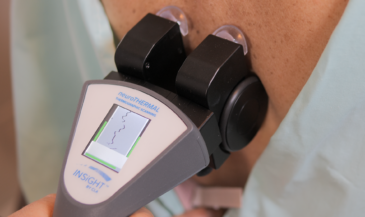
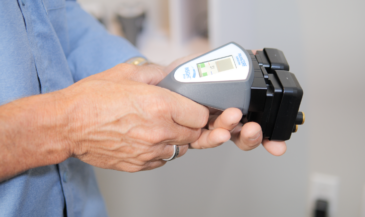
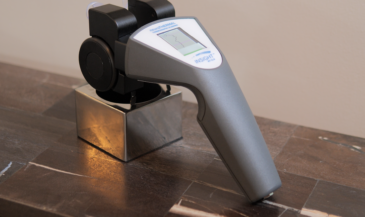
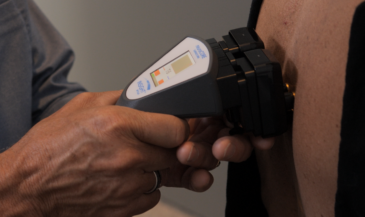
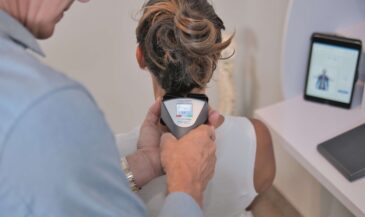
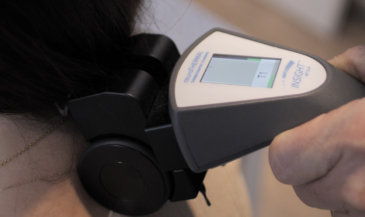
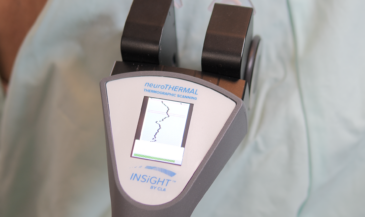
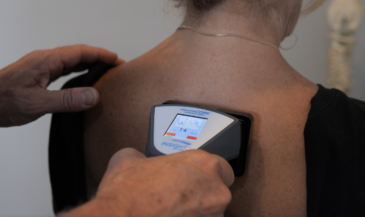
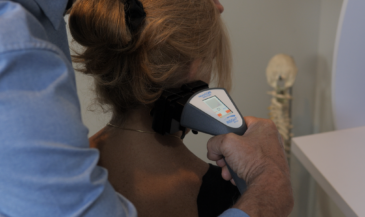
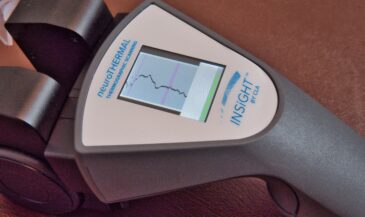
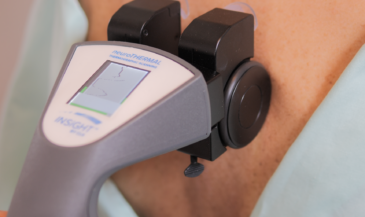
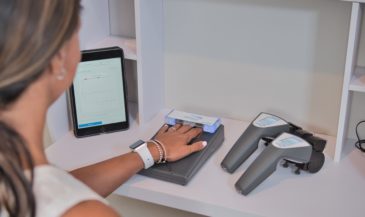
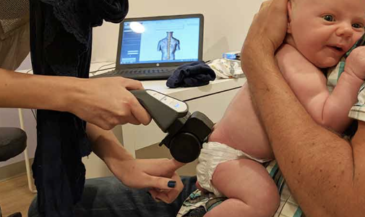
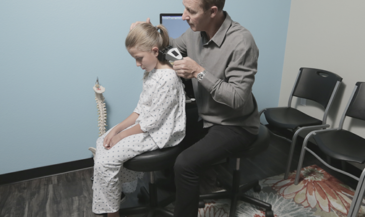
The neuroTHERMAL completes a full spine nervous system scan in just 25 seconds, detecting autonomic dysfunction through temperature differential patterns. Studies have shown excellent inter-examiner and intra-examiner reliability with correlation coefficients between 0.91 and 0.98.
- Subluxation Visualization: Makes neurological interference visible by measuring temperature asymmetries along the spine
- Autonomic Function Assessment: Reveals how subluxations affect the nervous system’s control of blood flow, organ function, and inflammatory responses
- Real-Time Analysis: Provides immediate feedback on nervous system status before and after adjustments
Integrated Assessment Approach – The CORESCORE System
What makes INSiGHT technology truly revolutionary is how these three assessments integrate into a comprehensive neurological profile:
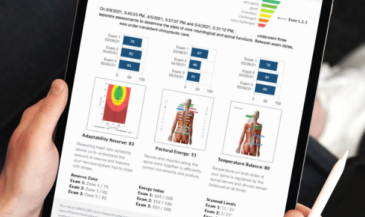
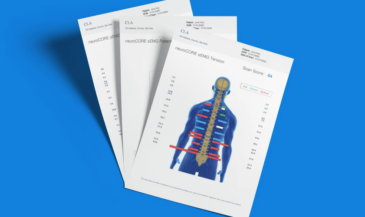
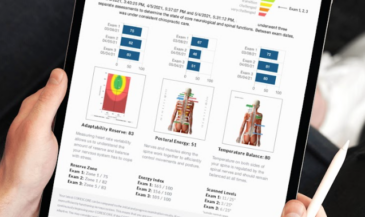
- CORESCORE Integration: Combines data from all three technologies into a single neurological efficiency score that patients can easily understand
- Four-Phase Protocol: Systematic approach including Initial, Progress, Comparative, and Continuation assessments that track neurological improvements over time
- Evidence-Based Care Planning: Uses objective data to guide adjustment protocols and demonstrate the effectiveness of neurologically-focused care
Transforming Patient Communication and Retention
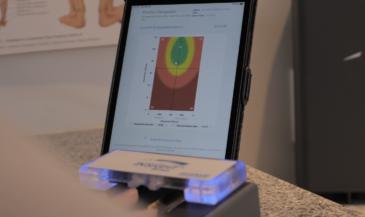
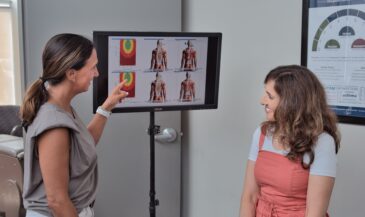
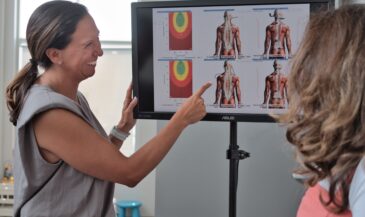
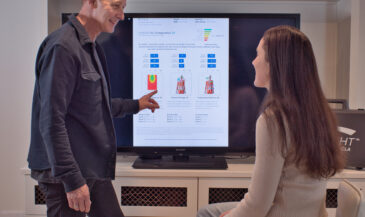
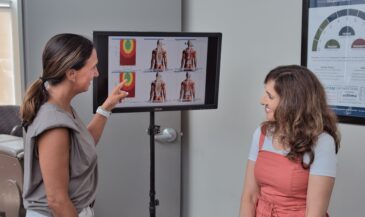
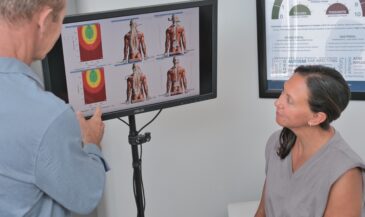
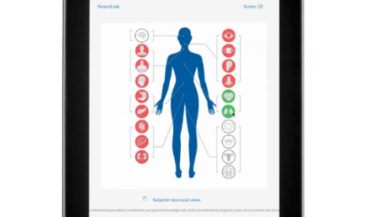
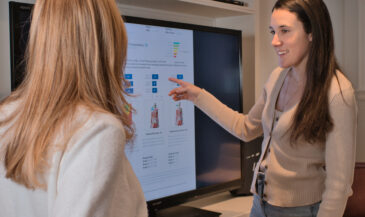
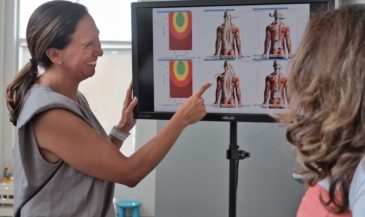
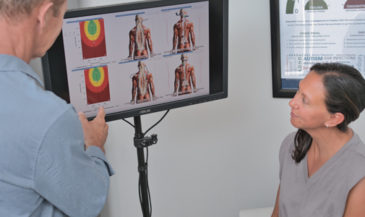
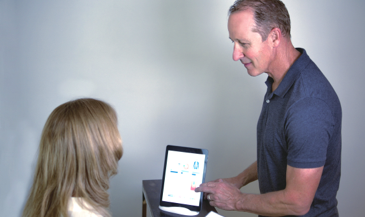
When patients see their nervous system in living color—where the stress is building, how well they’re adapting, and how your care is helping—it clicks. Neurological scanning instantly shifts a patient’s focus from spinal bones and joints to nerves and performance.
The visual impact cannot be overstated.
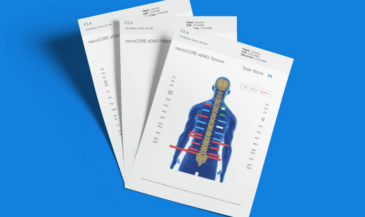
A patient might walk into your office thinking they need a quick spinal “tune-up,” but when they see their neuroCORE scan revealing excessive neurological energy expenditure with deepening stress patterns, their entire perspective changes. Suddenly, it’s not about how they feel—it’s about what’s actually happening inside their spine and nervous system.
Imagine providing a non-spinal test that uses the heartbeat timings to understand how distressed the entire nervous system is! That’s the power of Heart Rate Variability (HRV) and there is no better technology to capture consistent HRV readings than the neuroPULSE.
Finally, the nerves that exit the spine control and regulate temperature, organs and glands. neuroTHERMAL scanning completes the neurological assessment.
This extensive bio-data collection is then used to calculate the overall efficiency of the spinal neural system which forms the philosophical “backbone” of the chiropractic approach.
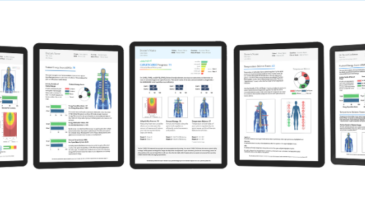
With initial exams benchmarking each patient’s CORESCORE, a 4-part model of exams and reporting, coordinated by the Synapse software, builds trust, shares critical information and inspires each patient on their journey towards wellness. Beginning with the Initial exam and then naturally followed by Progress and Comparative and Continuation exams, your patients are never without the neurological data that will transform their well being.
Clinical Implementation and Practice Integration
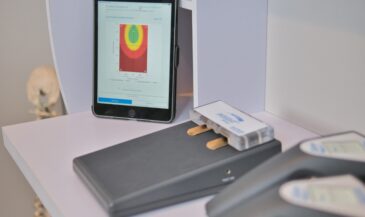
Incorporating neurological assessment into your existing practice workflow is more straightforward than many practitioners expect. The INSiGHT neuroTECH and Synapse software integrate seamlessly with your current examination procedures, adding objective measurement without disrupting your established patient flow. All three INSiGHT scan exams are completed by a staff member in under 8 minutes.
The assessment protocol becomes part of your standard new patient process. Initial scans establish baseline neurological function, while progress scans every 6-12 visits demonstrate improvements and guide care plan adjustments. Staff training focuses on helping patients understand what the scans reveal and why regular reassessment is essential for tracking nervous system health.
Advancing Your Practice With Evidence-Informed Technology
The tools you choose define the level at which you practice and communicate with certainty. While traditional chiropractic tools address structure and provide symptomatic relief, neurological assessment tools reveal function, and function drives lasting patient outcomes and sustainable practice growth.
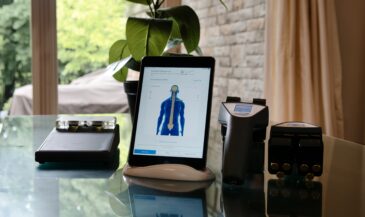
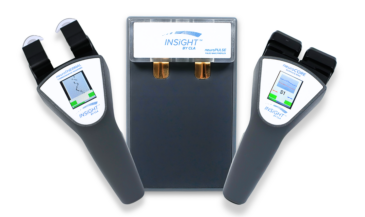
The complete INSiGHT neuroTECH suite—featuring the neuroCORE for surface EMG analysis, neuroPULSE for heart rate variability assessment, and neuroTHERMAL for thermal scanning—represents the gold standard in neurological assessment technology. Combined with the Synapse software platform, these chiropractor tools transform complex neurology into simple, visual evidence that patients can understand and value.
The nerve-first approach in chiropractic is in full swing, and the trajectory is clear. Healthcare is moving toward objective measurement, demonstrable outcomes, and evidence-informed protocols. Patients increasingly expect to see proof of their progress, not just hear about it.
Your patients deserve to understand how their nervous system is functioning, and you deserve chiropractic tools that demonstrate the true value of your care. The future of chiropractic belongs to practitioners who can measure what matters most—nervous system function. Make sure you’re equipped to lead that future.
If you want to bring this kind of transformational technology into your practice, book a call with an INSiGHT Advisor. We’ll show you how to implement scanning, reporting, and care planning tools that boost your retention and help your patients reach their full potential.