

If you’re a chiropractor focused on nervous system care, you’ve likely heard it more than ever in recent years:
“I’m anxious all the time.”
“I can’t shut my brain off.”
“I feel like I’m stuck in overdrive.”
The world may call it anxiety. Mental health experts may frame it as psychological. But in your practice, you know that more often than not, anxiety is neurological.
When the autonomic nervous system is imbalanced—stuck in sympathetic dominance, lacking adaptability—anxiety isn’t just a mindset issue. It’s a physiological pattern. And it shows up clearly in the scans.
This is where function-based chiropractic care, powered by INSiGHT technology, plays a critical role in helping patients reclaim calm, clarity, and control.
Fight-or-Flight vs. Rest-and-Digest
The autonomic nervous system is always active. It manages everything from heartbeat to digestion to hormonal rhythms. And it has two primary modes:
-
Sympathetic (fight or flight): activated under stress
-
Parasympathetic (rest and digest): activated during recovery
In a healthy, adaptable system, the body shifts smoothly between the two.
But for patients dealing with anxiety, the pattern looks different: they’re stuck in sympathetic overdrive. Their body remains braced, tense, and on edge—even when the threat is gone. The mind follows suit, leading to racing thoughts, emotional dysregulation, and chronic restlessness.
This isn’t just emotional. It’s neurological stress physiology—and we can measure it.
Using Scans to Make the Invisible Visible
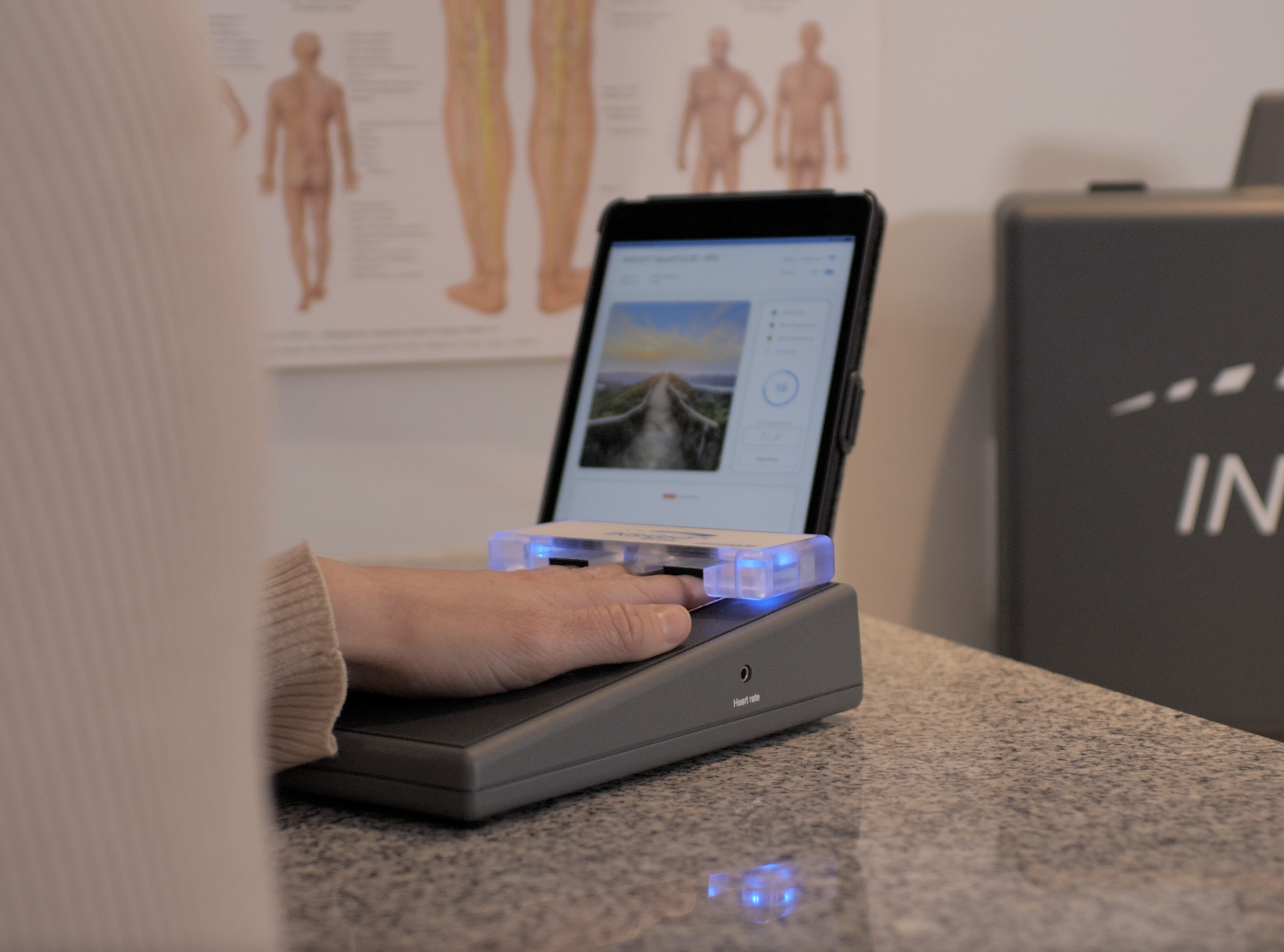
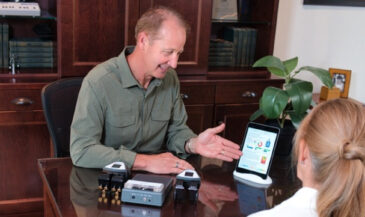
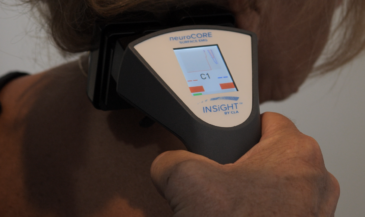
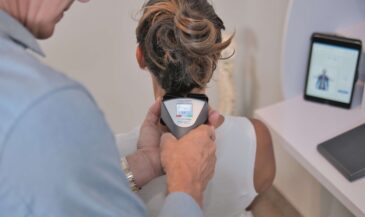
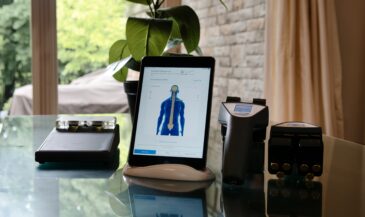
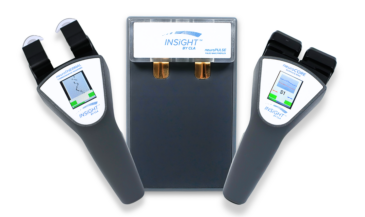
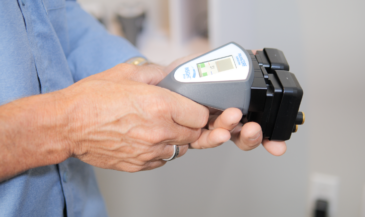
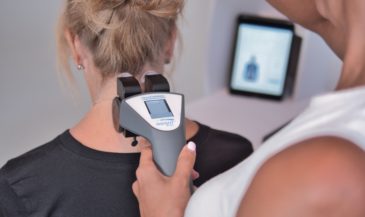
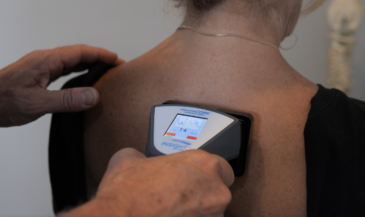
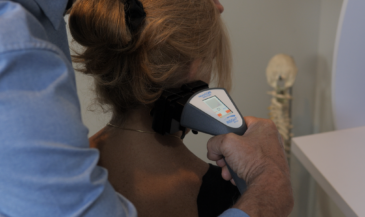
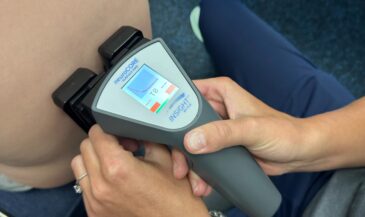
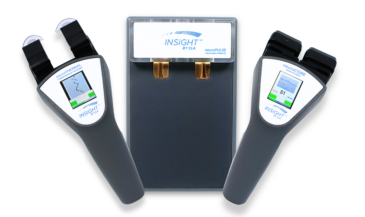
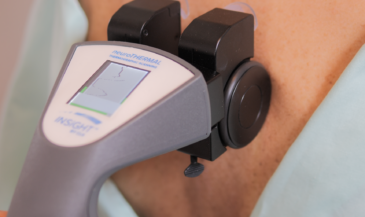
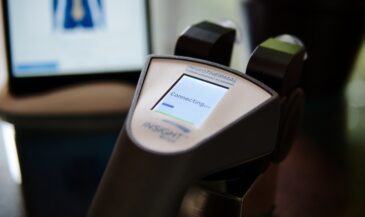
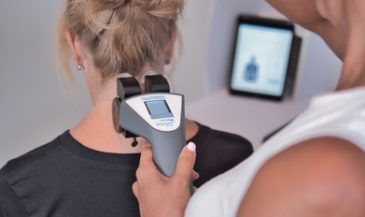
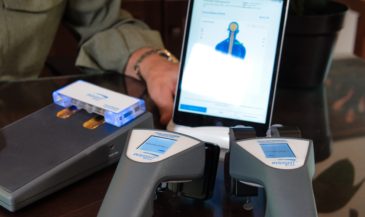
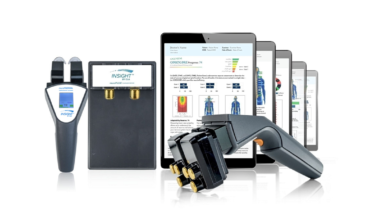
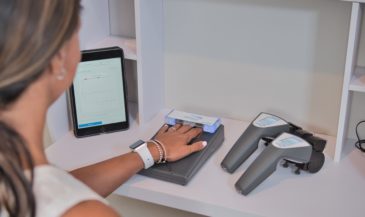
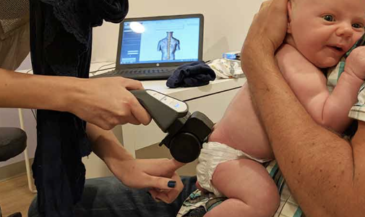
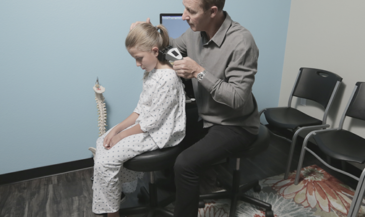
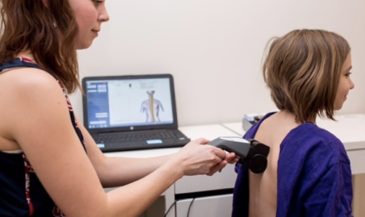
INSiGHT scanning technology gives chiropractors the ability to detect, monitor, and communicate the underlying nervous system dysfunction driving anxiety-related symptoms.
-
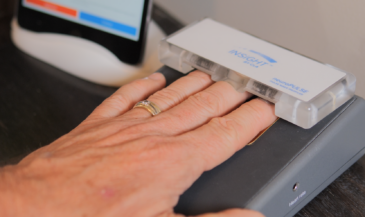
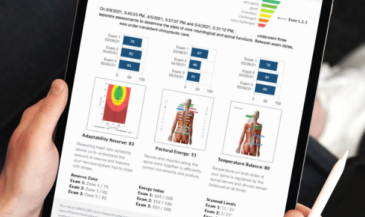
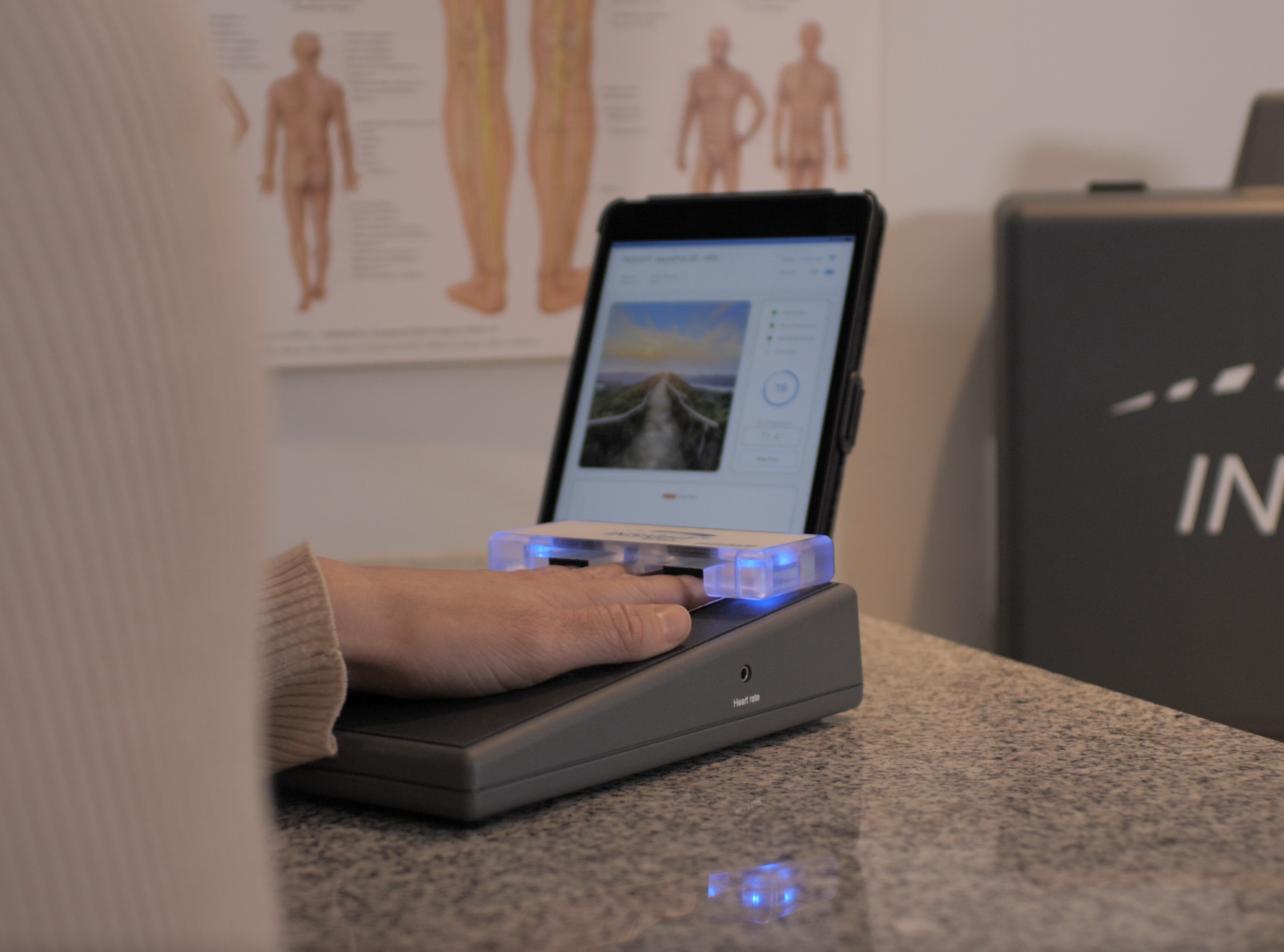
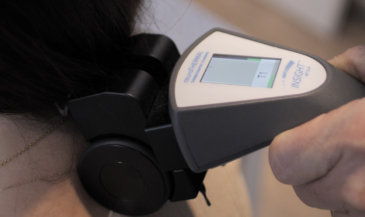
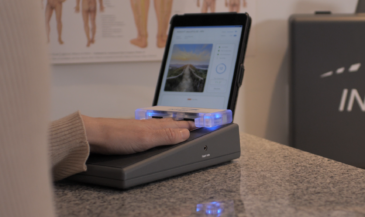
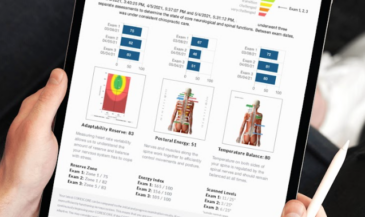
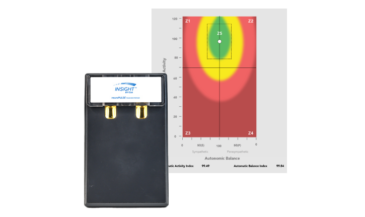
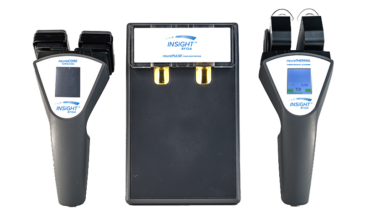
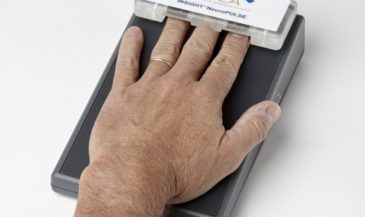
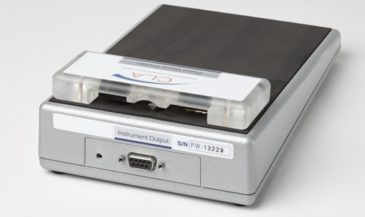
The neuroPULSE scan (HRV) measures adaptability. Patients with anxiety typically show low HRV, meaning their nervous system can’t downshift or recover effectively.
-
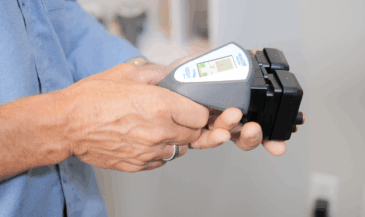
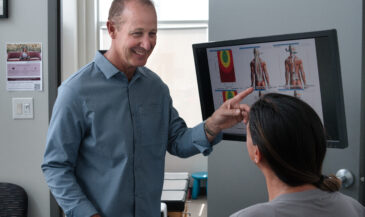
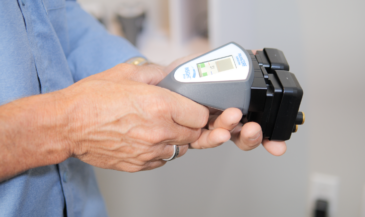
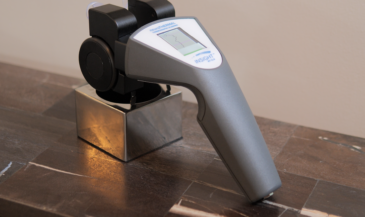
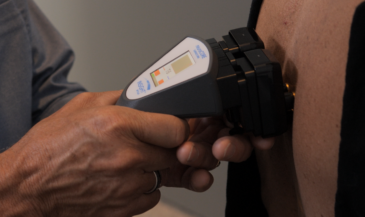
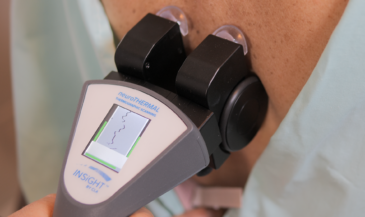
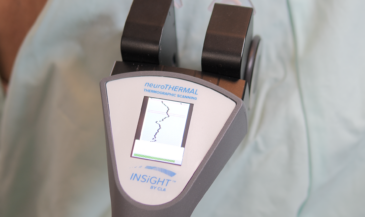
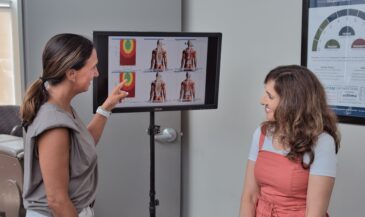
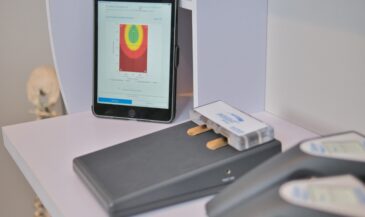
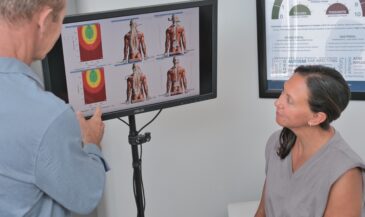
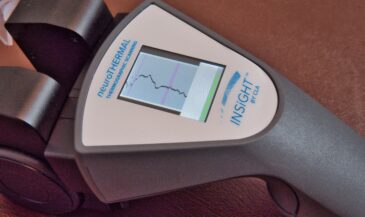
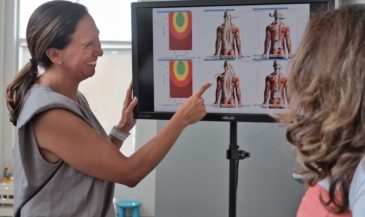
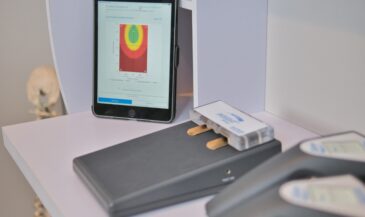
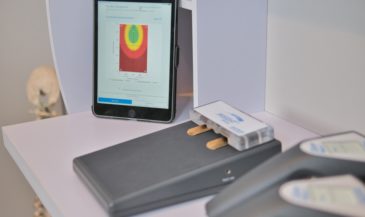
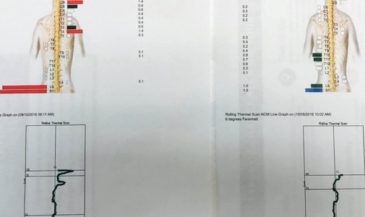
The neuroTHERMAL scan reveals asymmetrical temperature patterns along the spine—often associated with autonomic dysregulation and stored stress.
-
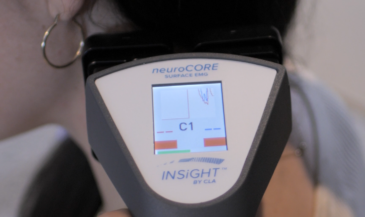
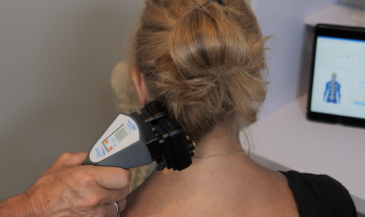
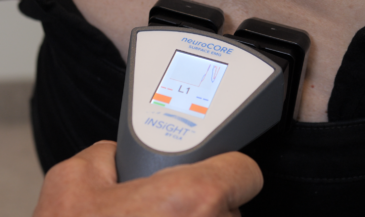
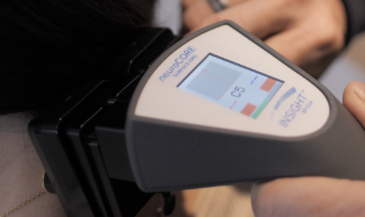
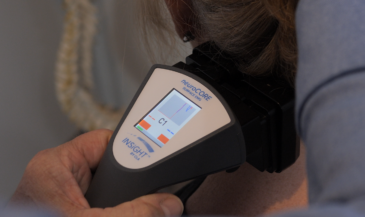
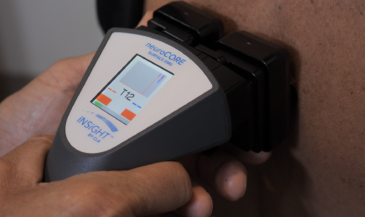
The neuroCORE EMG identifies the sensori-motor component of stress. Who hasn’t felt muscle tightness when stress reaches the breaking point!
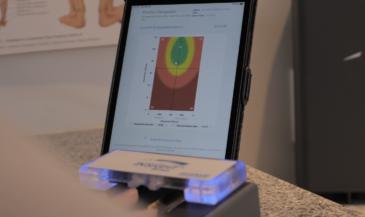
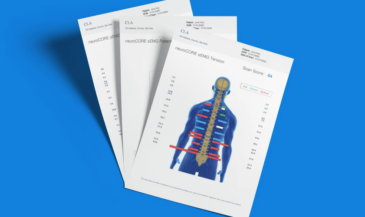
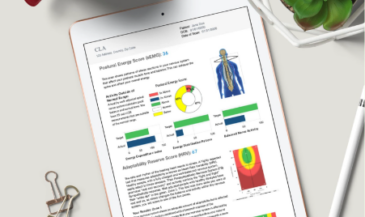
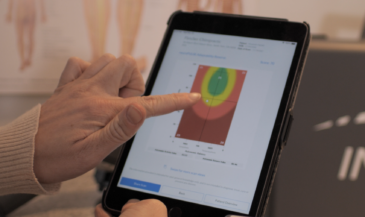
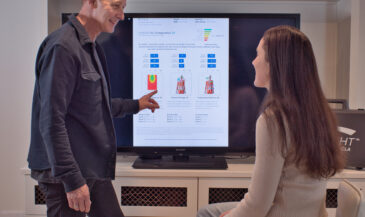
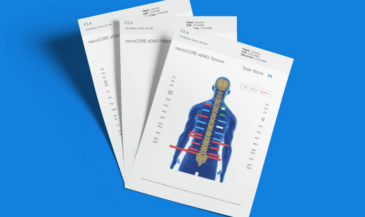
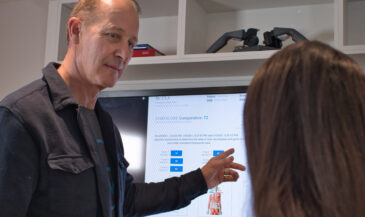
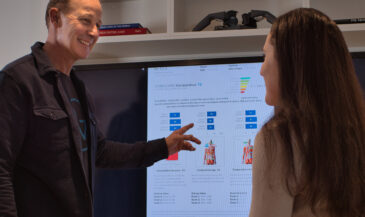
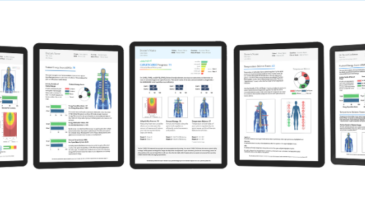
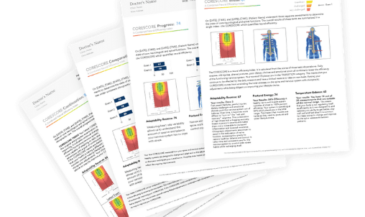
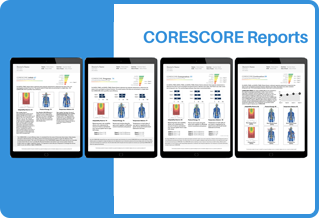
Together, these scans contribute to the CORESCORE neurological report card, providing objective data to guide care, educate patients, and track outcomes.
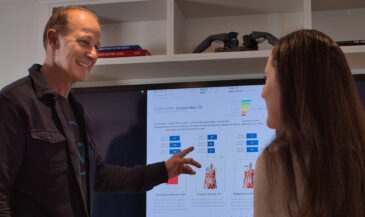
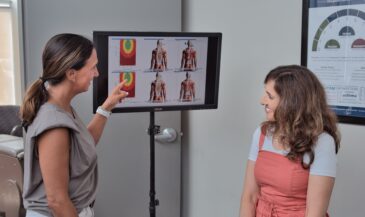
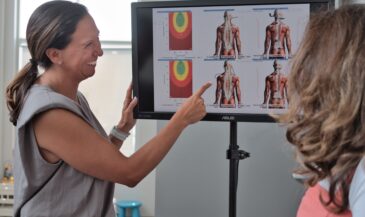
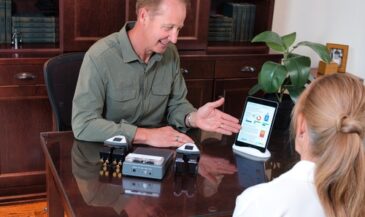
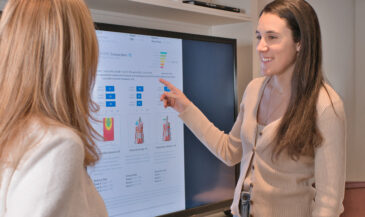
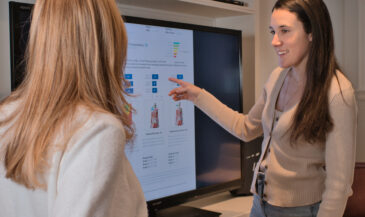
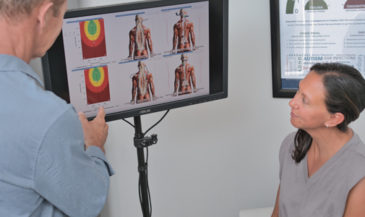
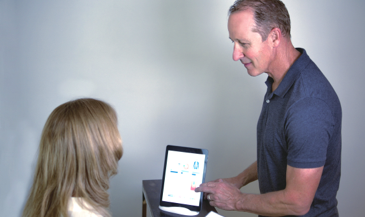
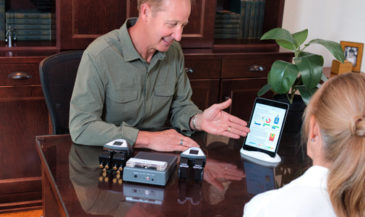
Patients see their stress patterns in color. They understand what their body’s been holding onto. And they gain clarity that anxiety isn’t “all in their head”—it’s in their nervous system.
Subluxation and the Stress Loop
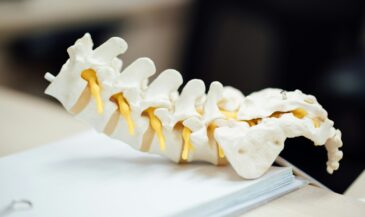
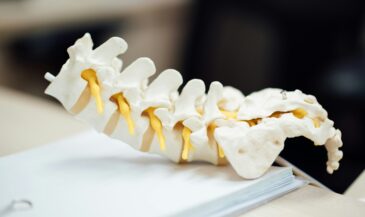
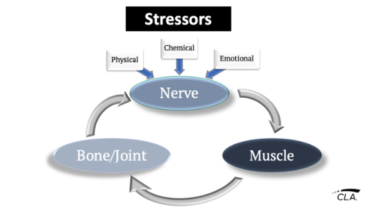
Subluxations interfere with brain-body communication. They distort the feedback loop between internal and external experiences. And they amplify the stress response.
In patients with chronic anxiety, subluxations often create the perfect conditions for the nervous system to stay in fight-or-flight, even in the absence of a trigger.
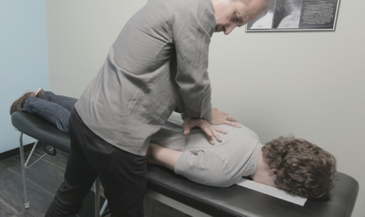
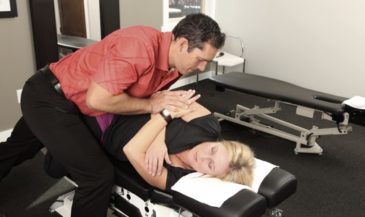
This is why specific adjustments are so important—not just for structure, but for restoring neurological input that helps reset autonomic patterns.
Over time, consistent care helps interrupt the stress loop and give the nervous system space to re-calibrate.
Building Care Plans for Neurological Calm
The beauty of function-based chiropractic is that you’re not managing symptoms—you’re restoring balance.
With INSiGHT scans at the core of your care plan:
-
You establish a clear baseline
-
You communicate progress with visual evidence on progress scans
-
You give patients confidence in a non-pharmaceutical path toward regulation
-
You build a rhythm of care rooted in adaptability, not avoidance
And as CORESCORE results improve, patients feel the shift—not just emotionally, but biologically.
They’re sleeping better. Digesting better. Recovering faster. Feeling more grounded in their own skin.
This is chiropractic at its highest level—removing interference so the nervous system can self-regulate, not self-destruct.
Book a call with an INSiGHT Advisor if you want to bring this kind of transformational system into your practice! We’ll show you how to implement scanning, reporting, and care planning tools that boost your retention and help your patients reach their full potential.