

Every family wants to be healthy. Parents want their kids to thrive, sleep well, and handle life’s challenges with resilience. Adults want to feel energetic, focused, and adaptable. Seniors want to stay mobile, connected, and clear-minded.
But here’s the question I ask every family-focused chiropractor to reflect on:
Are we helping families truly build wellness from the inside out — or just chasing surface-level fixes?
We talk about nutrition, movement, mindset, and routine checkups. But too often, we miss the foundation that ties it all together: the performance and adaptability of the nervous system.
This is why I believe, and why we teach at CLA, that nervous system health is the missing link in family wellness — and it’s our job as chiropractors to make it visible, measurable, and meaningful for every patient, no matter their age.
Your Family’s Master Control System
Think about it: every organ, tissue, and cell in your body does what it does because the nervous system tells it to.
It’s your master control system. Your kids’ developing brains and bodies rely on it to regulate growth, digestion, immune function, sleep, learning, and emotional resilience. As parents, your stress response, recovery, focus, and energy are all direct reflections of how well your nervous system is adapting to daily demands.
When the nervous system is balanced, the whole family performs better. When it’s overwhelmed or stuck in stress, dysfunction starts to appear.
And yet, how many families know what their nervous system is doing today?
Symptoms Are Late Signals
One of the biggest shifts we make when we introduce INSiGHT scanning to families is this: we teach them that symptoms are not the problem — they’re the result.
-
A child’s recurring ear infections?
-
A teen’s constant anxiety and poor sleep?
-
A parent’s burnout and digestive trouble?
-
A senior’s memory fog or chronic fatigue?
These aren’t isolated issues. They’re often signals that the nervous system has been under stress for too long — and it’s losing its ability to adapt.
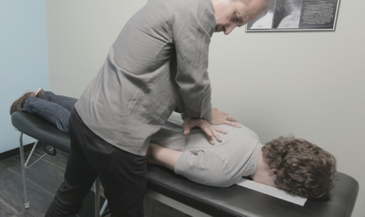
That’s why structural care alone isn’t enough. If you adjust the spine but never look at how the nervous system is coordinating that structure, you’re missing the bigger picture.
The Invisible Stress That Impacts Every Age
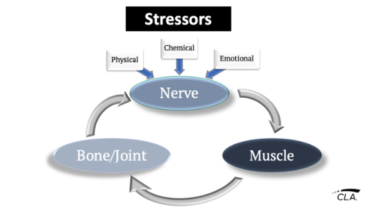
Families today live under constant stress. From birth trauma and developmental milestones to screen time, school pressures, work stress, poor sleep, and environmental toxins — the nervous system is constantly working to interpret, adapt, and recover.
When stress levels exceed adaptability, we see patterns of dysfunction emerge:
-
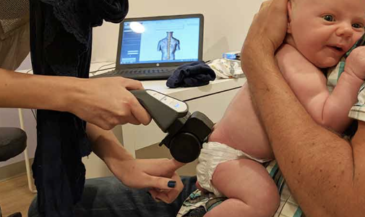
Infants with colic, poor latch, or sleep issues
-
Children with sensory sensitivities, digestive troubles, or behavioral challenges
-
Teens with emotional dysregulation, burnout, or immune weaknesses
-
Parents stuck in sympathetic overdrive, unable to recover fully
-
Grandparents whose bodies have been compensating for decades
It’s not about being “sick.” It’s about the nervous system losing its edge — its ability to respond and bounce back.
What Does Nervous System Health Look Like?
This is where INSiGHT scanning changes the game.
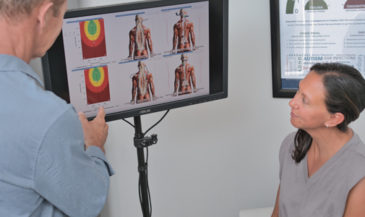
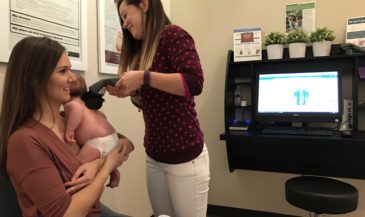
Most families have never seen their nervous system. They get dental X-rays. They get vision tests. They get hearing screens. But they’ve never had a nervous system checkup.
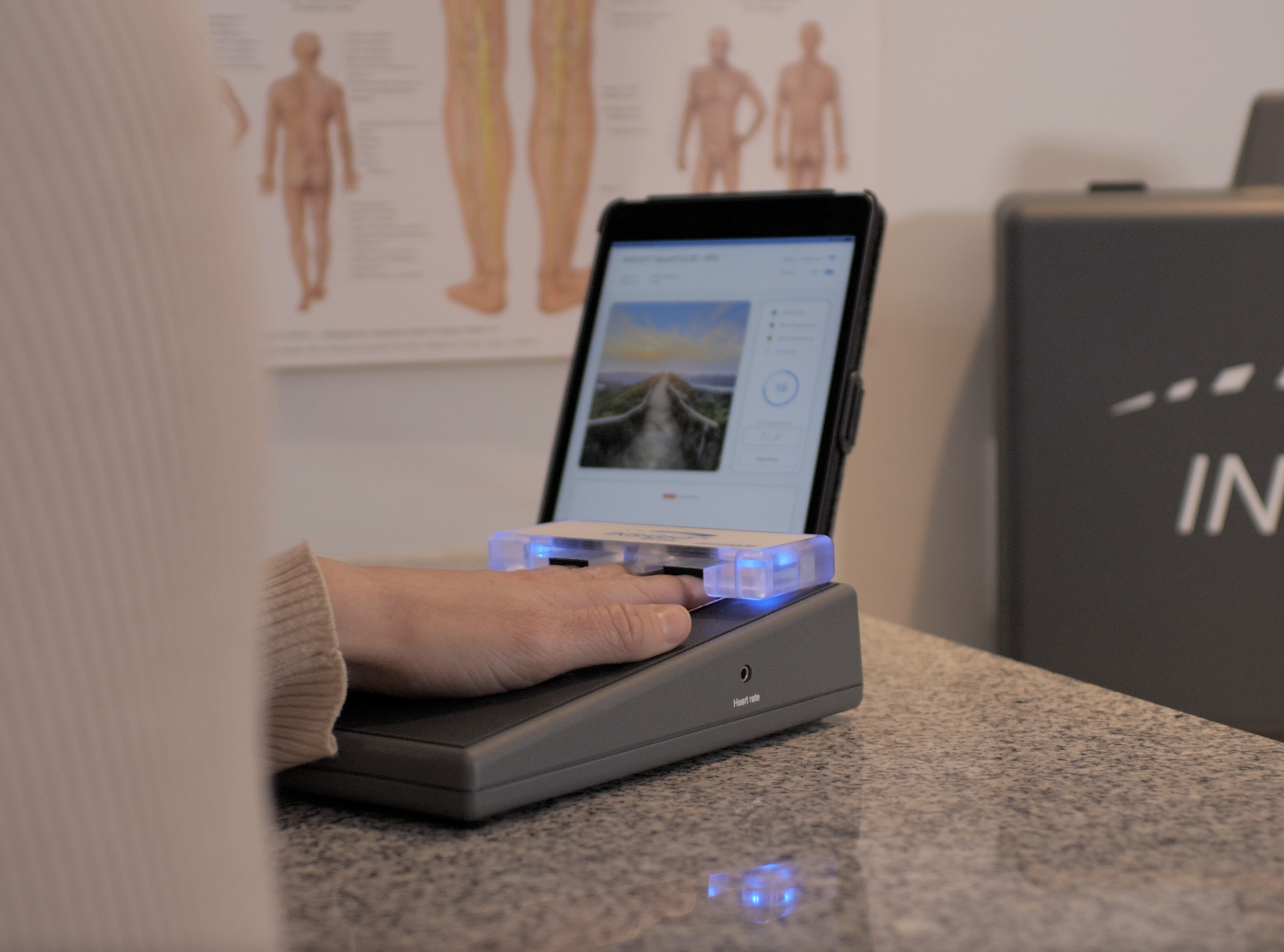
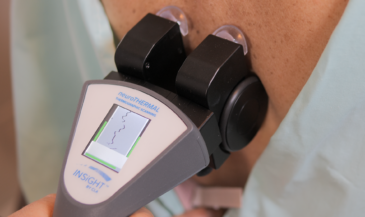
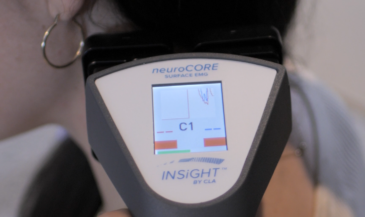
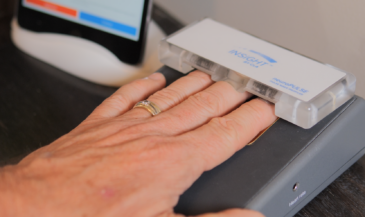
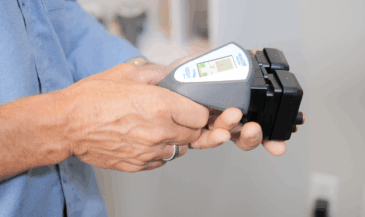
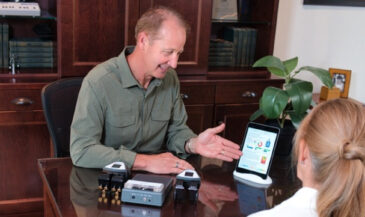
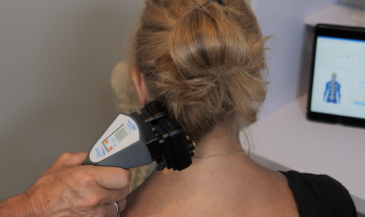
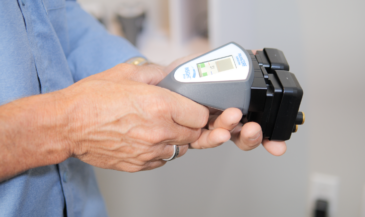
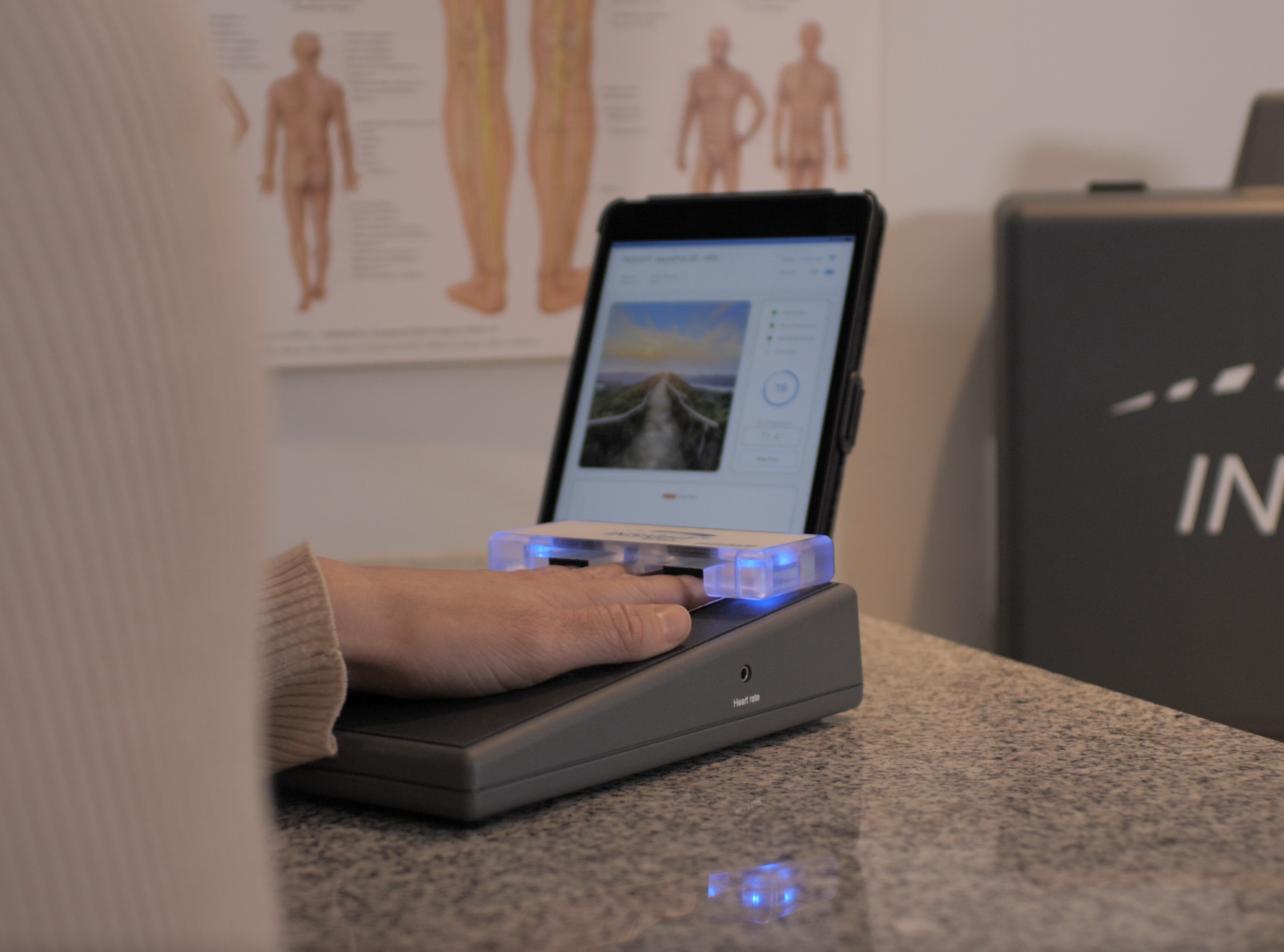
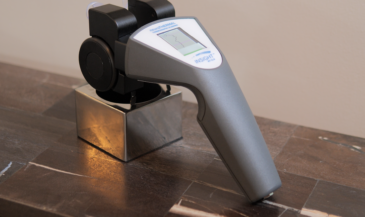
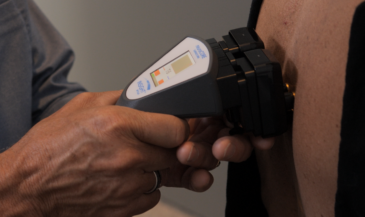
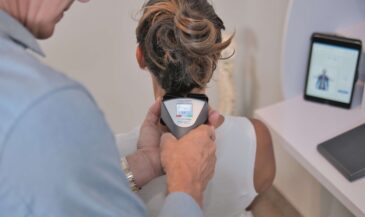
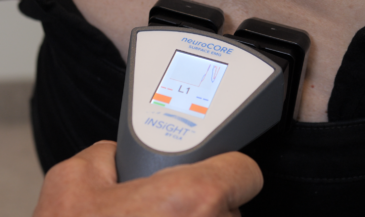
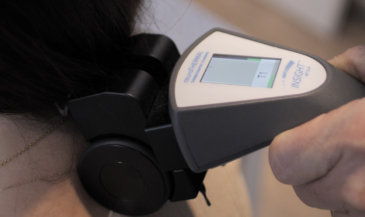
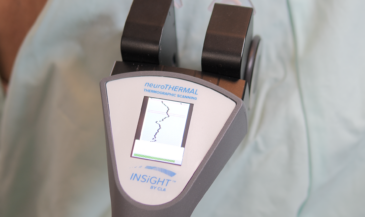
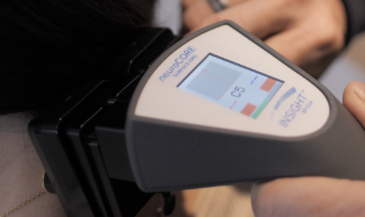
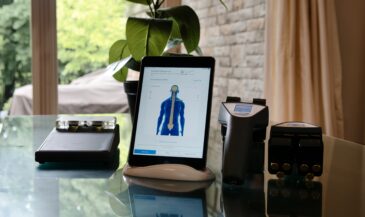
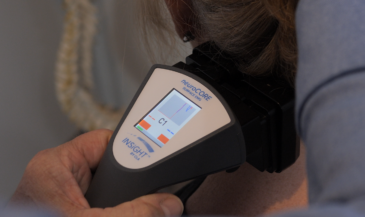
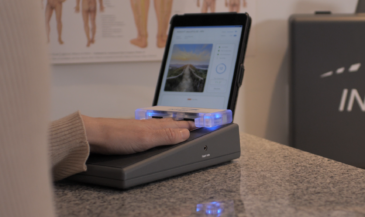
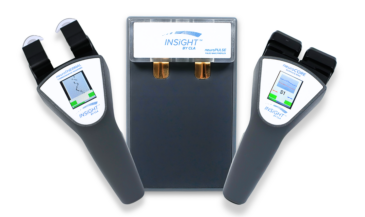
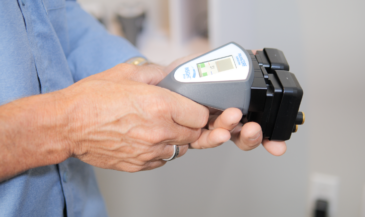
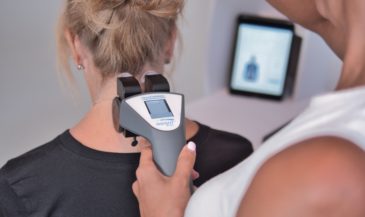
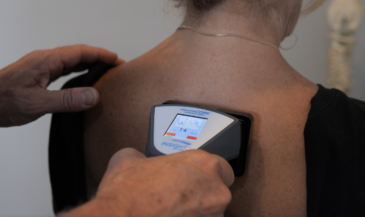
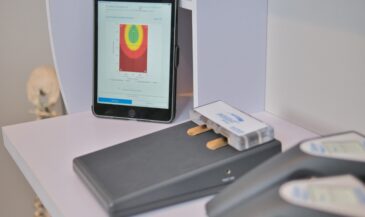
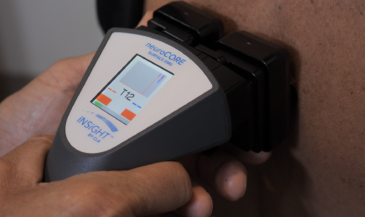
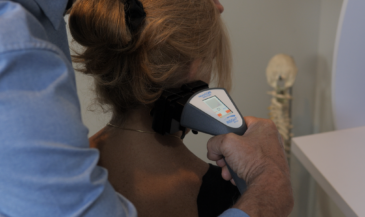
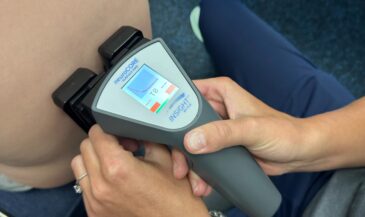
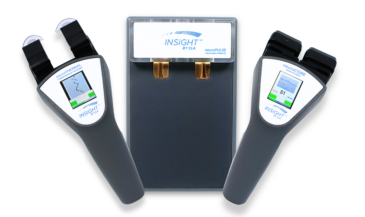
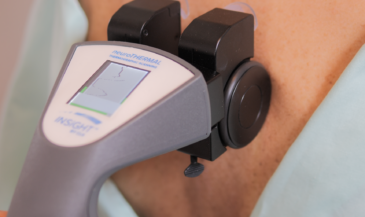
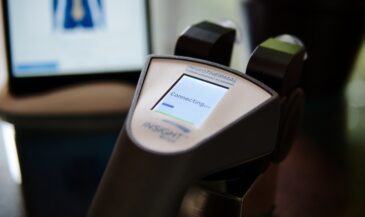
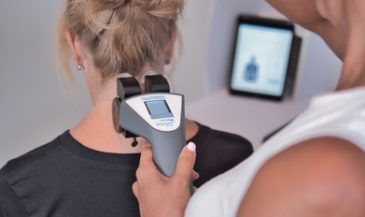
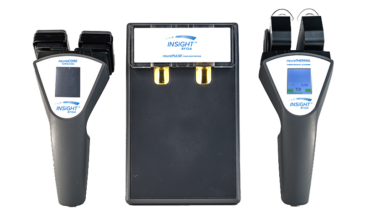
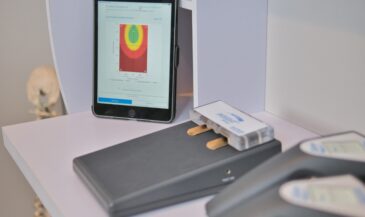
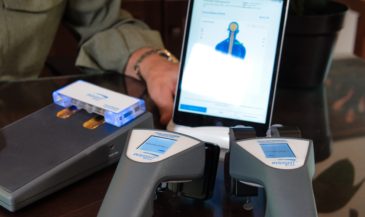
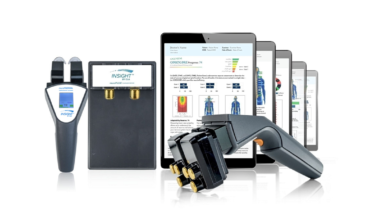
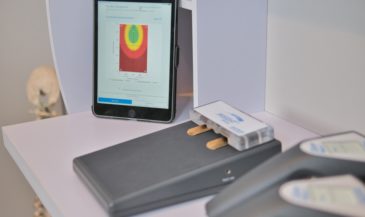
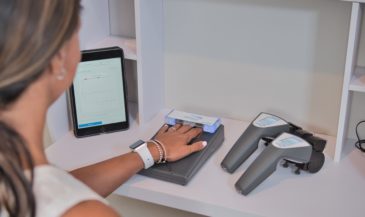
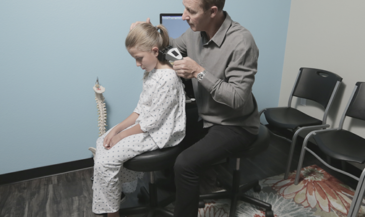
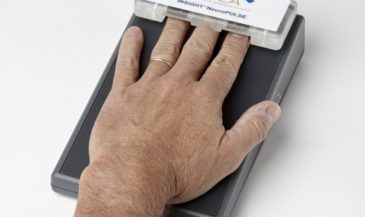
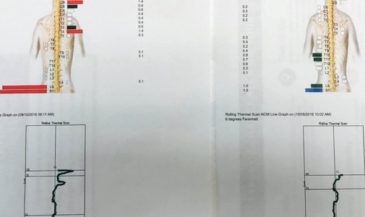
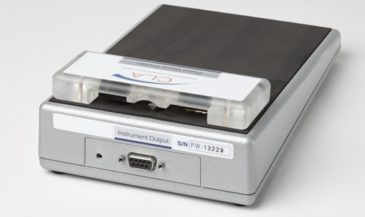
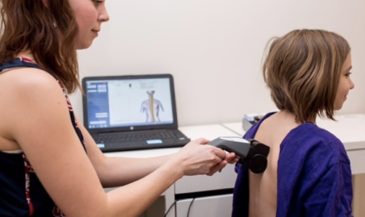
When you introduce the neuroTECH suite — the neuroPULSE (HRV), neuroCORE (sEMG), and neuroTHERMAL (thermography) — you make the invisible visible.
-
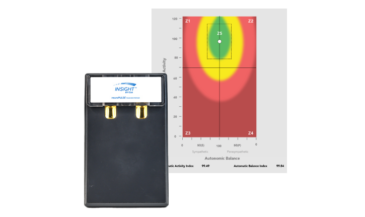
Heart Rate Variability (HRV) shows how adaptable the autonomic nervous system really is.
-
Surface EMG measures muscle tone and energy drain along the spine, highlighting patterns of compensation or exhaustion.
-
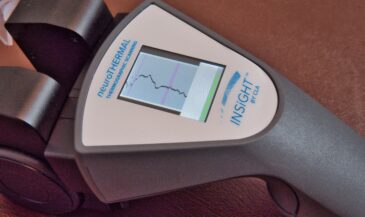
Thermal scans detect subtle temperature imbalances, signaling stress on the organs and autonomic pathways.
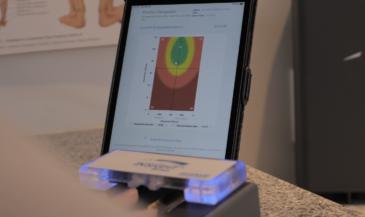
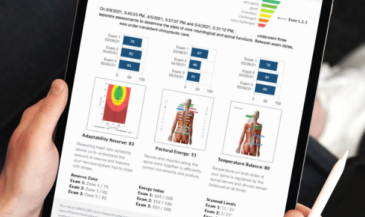
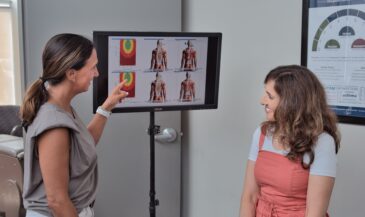
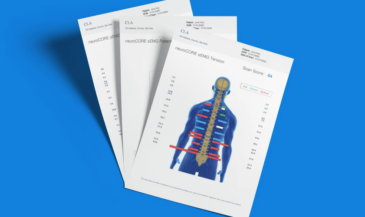
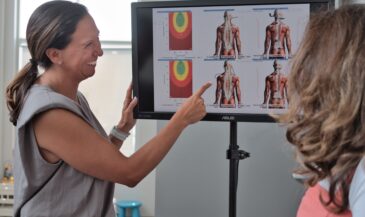
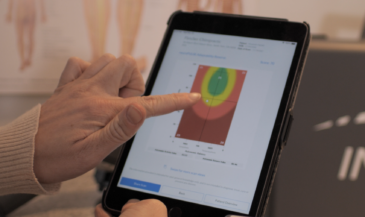
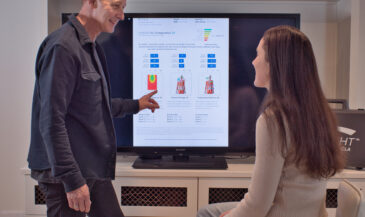
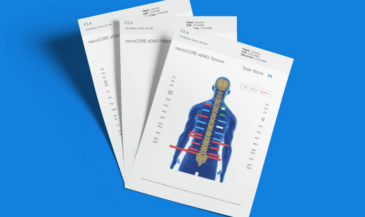
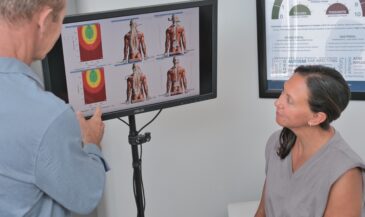
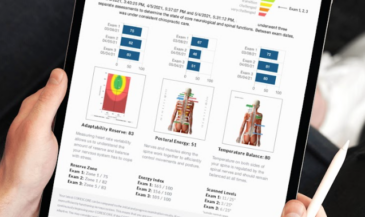
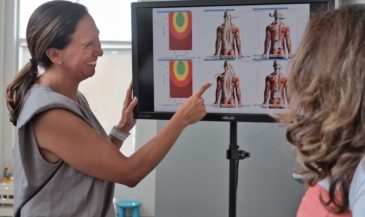
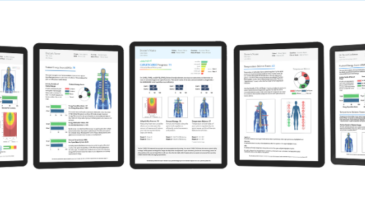
When you combine this data into the CORESCORE neurological report card, you give families a single number that makes sense. They can see where they started. They can see what’s changing. And they finally understand that chiropractic care is about more than relief — it’s about resilience.
How to Make It Relevant for the Whole Family
I’m asked all the time, “How do I introduce scanning to families who only think of chiropractic as pain relief?”
Here’s what I tell doctors:
-
Start with the story of adaptability. Parents care deeply about how their child’s body adapts to growth spurts, viruses, emotional challenges, and daily stress. Make the link clear: when the nervous system is clear and connected, adaptability is stronger.
-
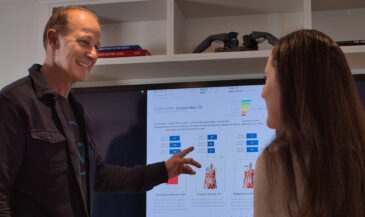
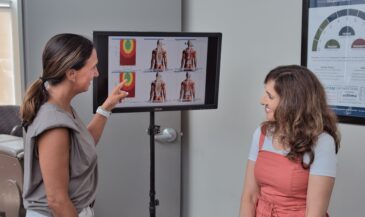
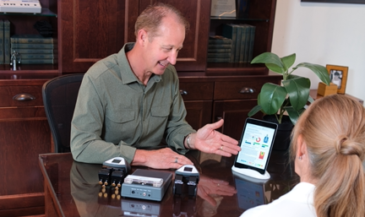
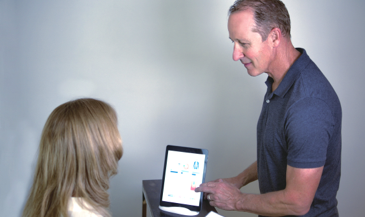
Use the scans as a visual aid. A parent seeing their child’s HRV score for the first time — or the thermal scan showing autonomic stress patterns — changes the conversation. They realize there’s a hidden story they never knew.
-
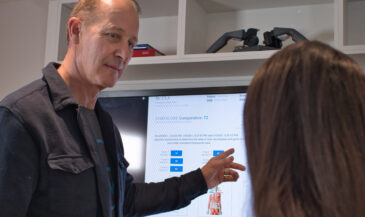
Connect each family member’s care plan to progress reports. The CORESCORE isn’t just a number; it’s a neurological report card they can follow. It shows that everyone’s journey is unique, but progress is measurable.
-
Reinforce that nervous system checks are just as routine as dental or vision checkups. Would you wait until your child’s teeth were rotting to see the dentist? Of course not. So don’t wait for symptoms to check the system that runs everything.
When Families See It, They Believe It
One of the most profound shifts I see in practices using INSiGHT scanning is how families engage long-term.
When parents see that a single adjustment doesn’t “fix” everything overnight — but that each visit builds greater adaptability and resilience — they start to think generationally. They make scans a regular routine. They bring siblings, partners, and grandparents in for baseline checkups.
They don’t just feel better — they function better. And they can see it on every CORESCORE progress report.
Nervous System Care Builds Community
Families who understand nervous system care don’t keep it to themselves. They share it.
They talk about how their child sleeps better now. How their teen’s focus has improved. How the parents feel more capable of handling stress. How the grandparents feel more steady on their feet.
When people experience the power of seeing their nervous system adapt and recover — and they have the scans to prove it — they become your greatest advocates.
Why It’s Not “Alternative” — It’s Foundational
Some still see scanning and vitalistic care as “alternative.” But here’s the truth: there’s nothing alternative about caring for the system that runs every organ and tissue in the body.
When you show families that nervous system performance is the foundation for everything else — sleep, digestion, mood, immunity, recovery — you shift their definition of wellness from “feeling okay” to “functioning at their best.”
That’s not an option. That’s the standard.
It Starts with One Family — Then a Community
If you’re a chiropractor who wants to grow a family-focused, high-retention practice, start here:
-
Make nervous system checkups routine, not optional.
-
Use the neuroTECH suite to make stress patterns visible.
-
Make the CORESCORE neurological report card a trusted benchmark that guides care.
-
Train your team to communicate progress in terms of function and adaptability, not just pain relief.
Families are looking for answers. They want to know how to help their kids thrive in a stressful world. They want to prevent issues instead of react to them.
You have the technology — and the care model — to deliver that.
Ready to bring this approach into your practice with the tools to back it up? Book a call with an INSiGHT Advisor today and discover how to strengthen your care planning conversations using objective scans, CORESCORE reports, and Synapse software.