

Every chiropractor wants to achieve greater retention for the effort they put into their exams, reporting and recommendations, but most miss the moment that matters most: the initial care planning conversation.
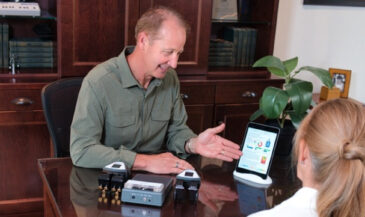
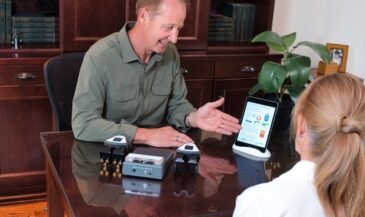
It doesn’t begin at their sixth or tenth visit or when symptoms resolve. It starts the moment your new patient sits down after their initial exam. This is the ideal time to move your message deeper and indicate the spinal impact on their functioning nervous system.
And if you’re not using that moment to build trust, show them objective neurological scanning data, and present a clear roadmap for care—you’re setting yourself up for symptom-based drop-offs and missed neurofunctional outcomes.
In this blog, I’m going to walk you through exactly how you can use INSiGHT scanning technology, CORESCORE reports, and a simple, structured conversation to shift patients from drop-ins… to committed, lifelong care.
We’re going to break it down into three key steps:
- Make The Shift From First Scan to Care Plan
- Make Re-Scans and Re-Exams Your Undeniable Retention Machine
- Frame the Future to Shift From Quick Fixes to Lifelong Care
Let’s get into it.
Step 1: Make The Shift From First Scan to Care Plan
Retention begins with that first exam—before the first adjustment is even made.
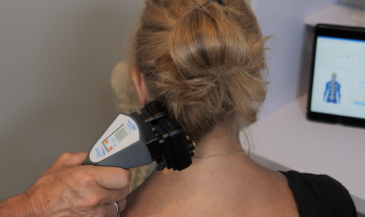
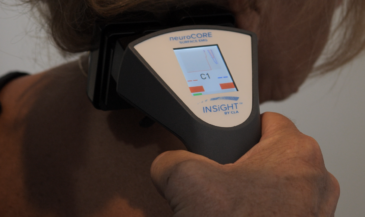
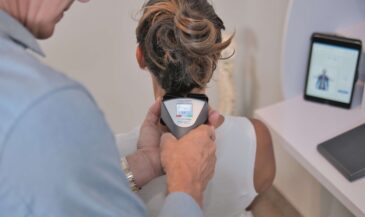
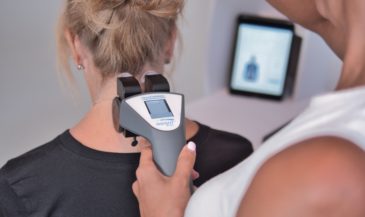
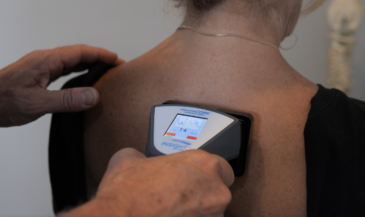
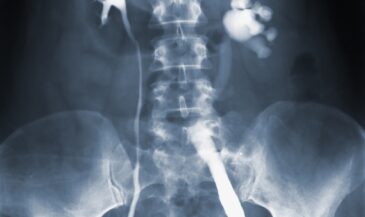
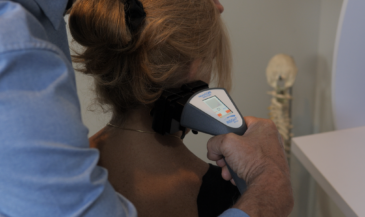
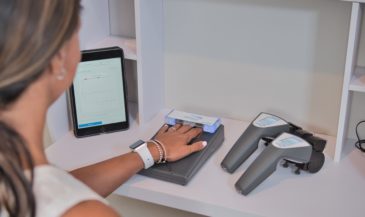
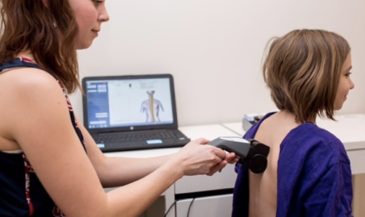
When a new patient walks through your doors, the goal isn’t just to identify what’s making them feel out of sync. It’s to frame their experience as the beginning of a nervous system performance journey. Including an INSiGHT scan in the initial exam confirms your commitment to looking deeper than their symptoms. Scanning measures the functional changes while X-Rays and Ortho testing look at the existing symptomatic causes and degeneration.
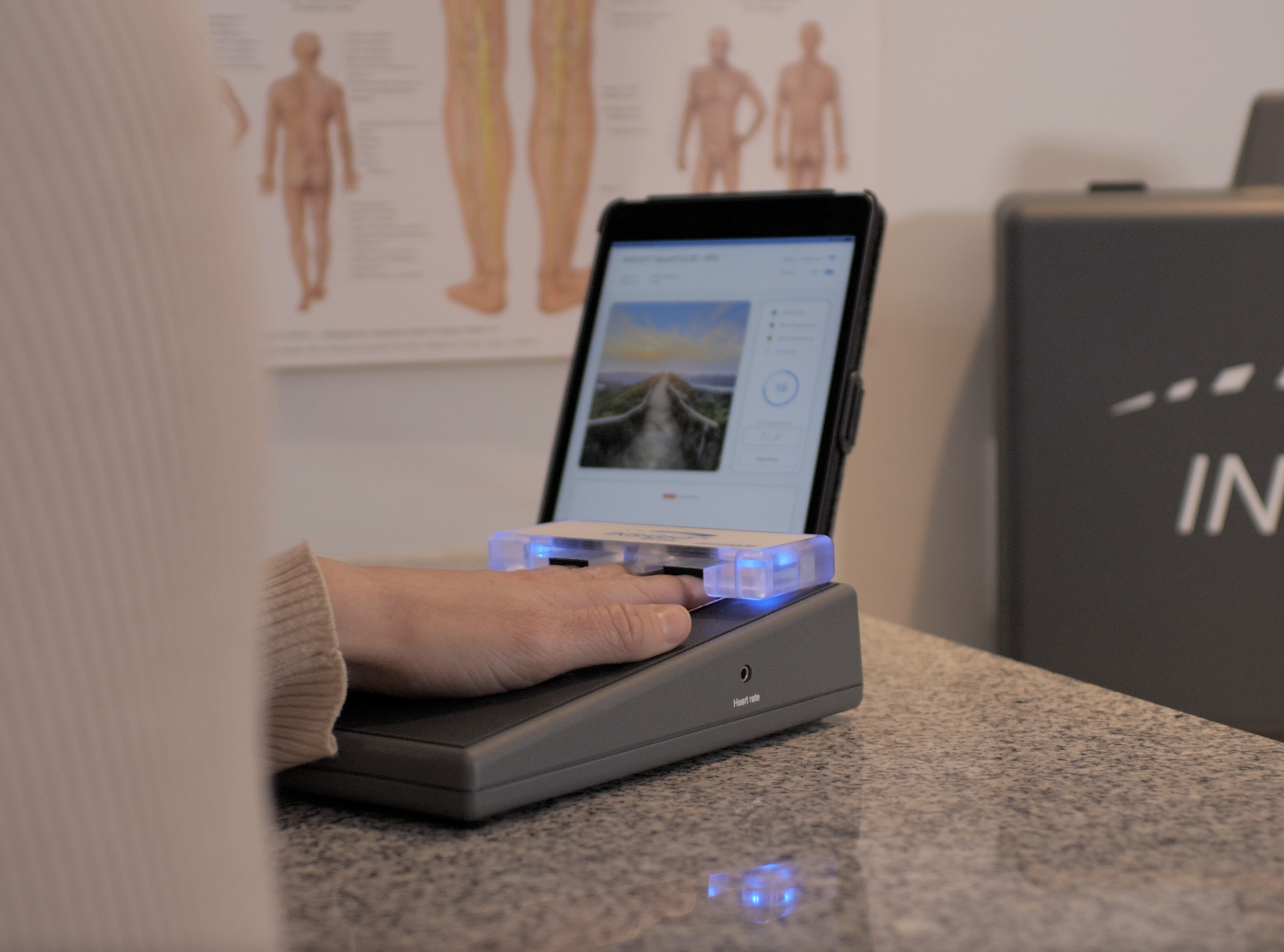
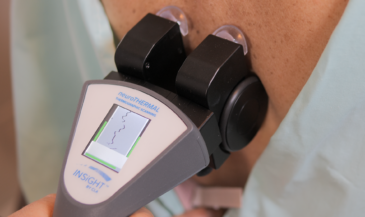
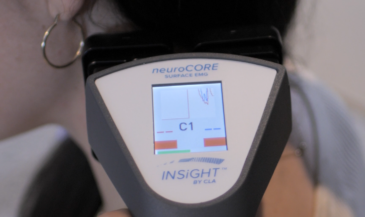
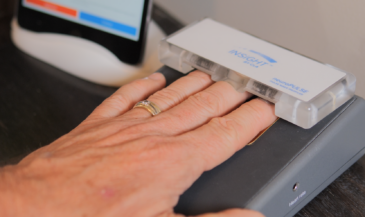
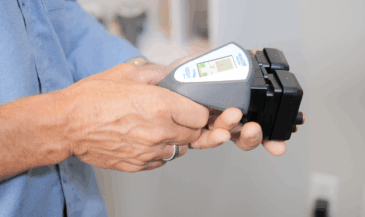
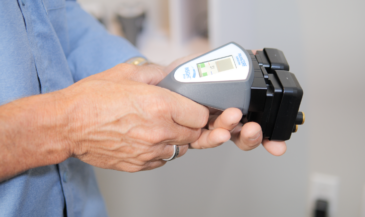
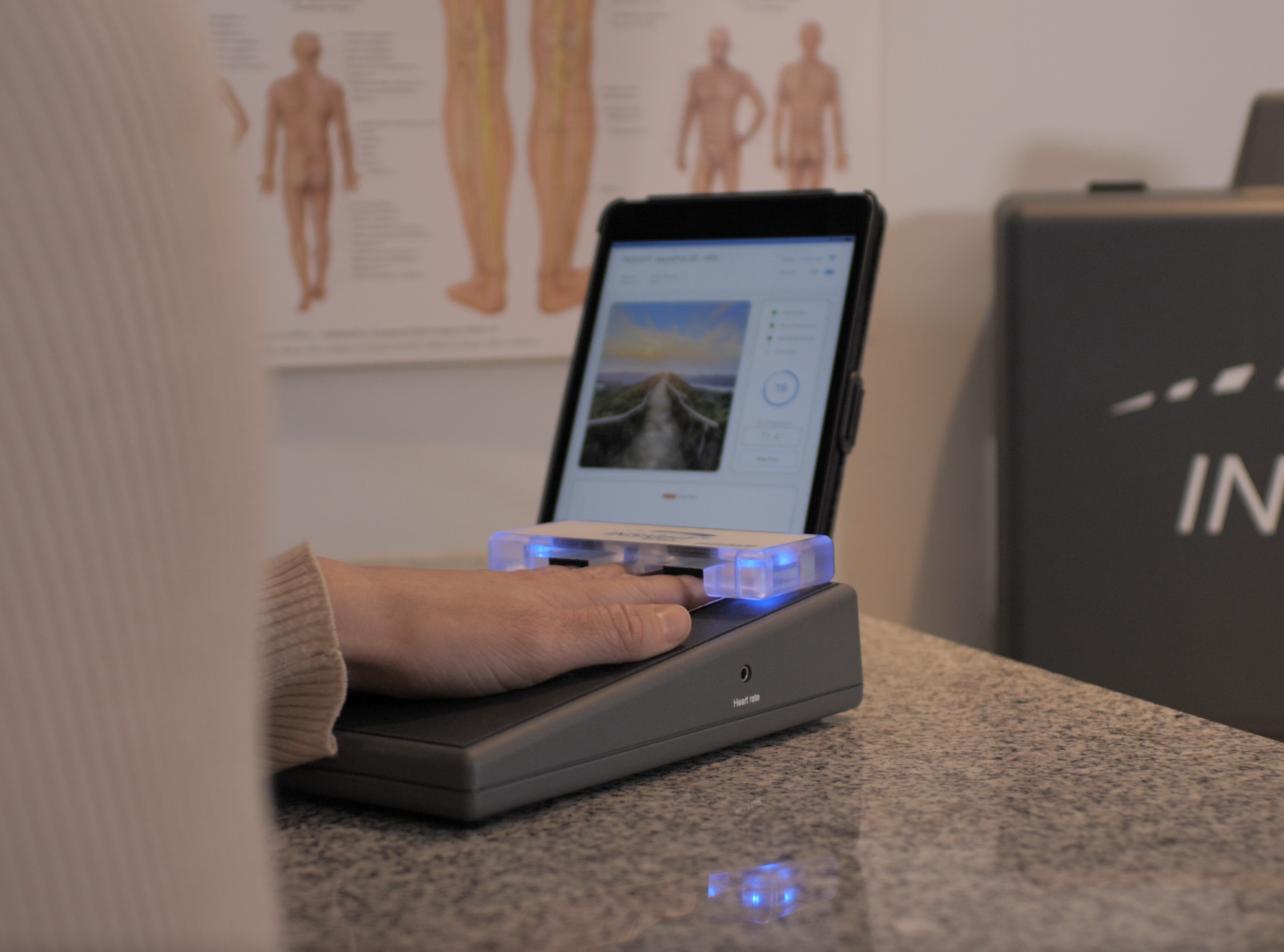
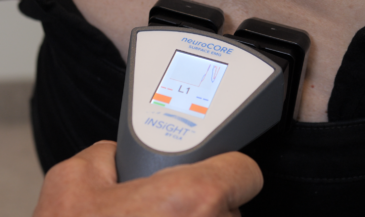
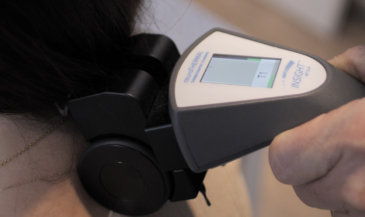
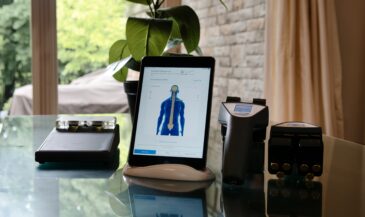
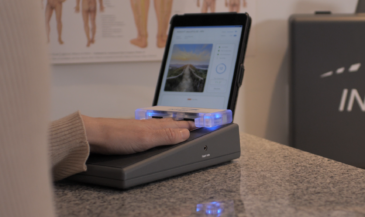
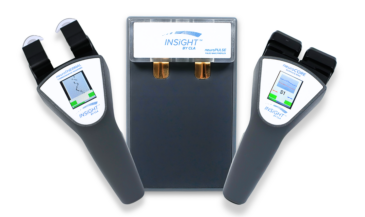
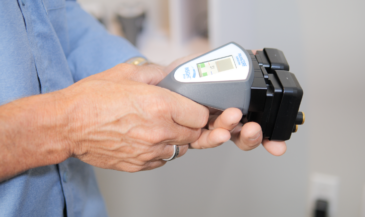
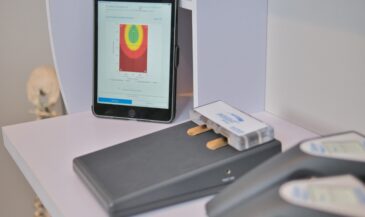
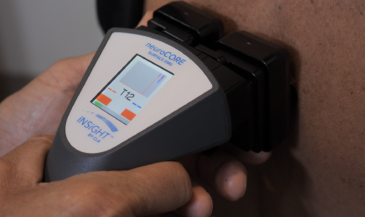
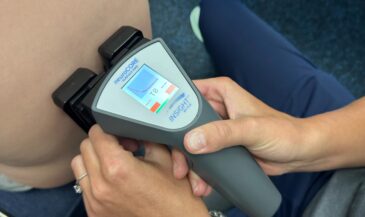
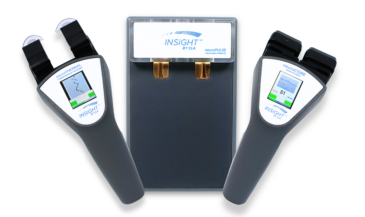
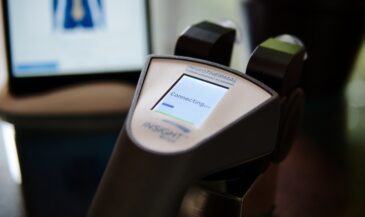
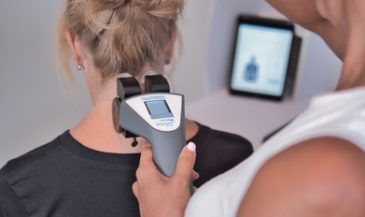
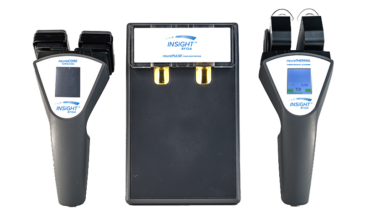
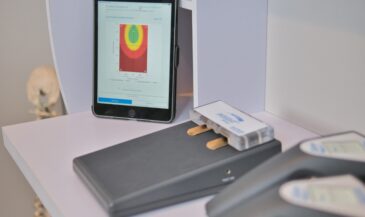
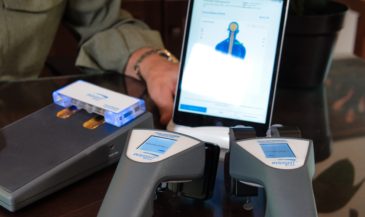
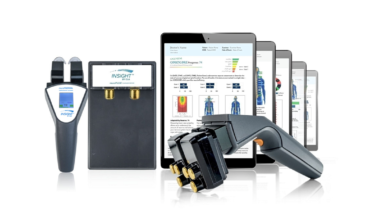
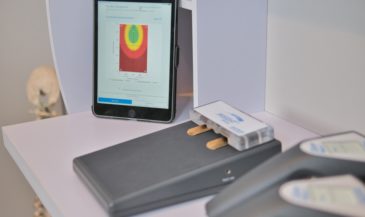
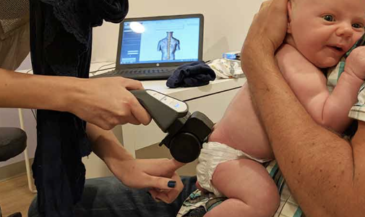
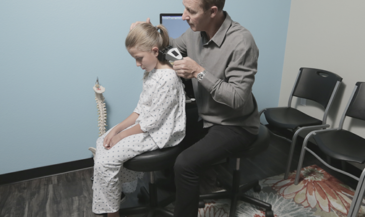
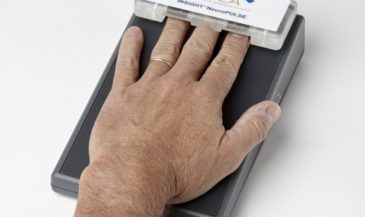
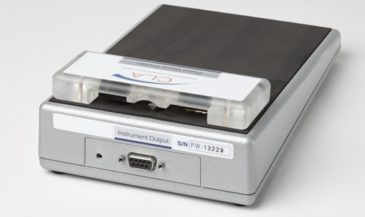
That neurofunctional journey begins with a 3-dimensional INSiGHT scan:
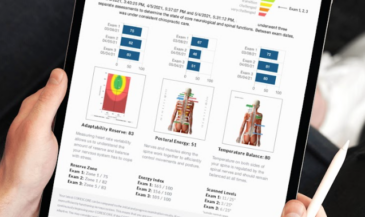
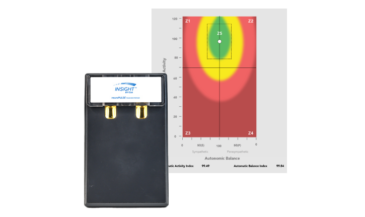
- The neuroPULSE to measure heart rate variability. We need to know how much adaptive horsepower is in their Autonomic Nervous System
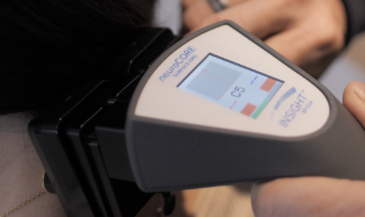
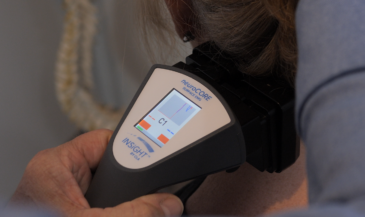
- The neuroCORE to assess muscle energy expenditure. Daily stressors and spinal misalignments are exhausting! Muscles become fatigued but so does the Motor Nervous System.
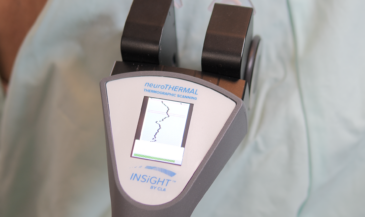
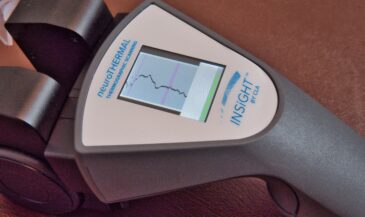
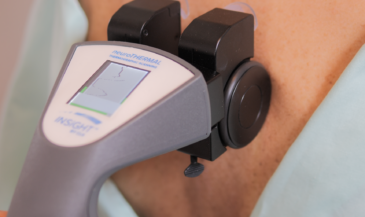
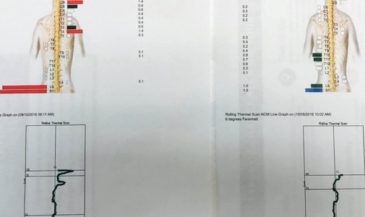
- The neuroTHERMAL to detect spinal autonomic stress patterns that define dysautonomia and dysregulation
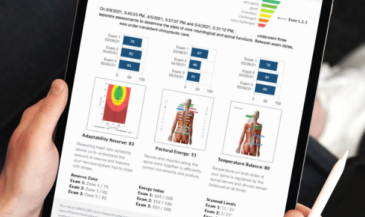
Together, these scans uncover how your patient’s nervous system is adapting—or not adapting—to life’s stress. They establish a baseline, which is essential for both care planning and future re-evaluations.
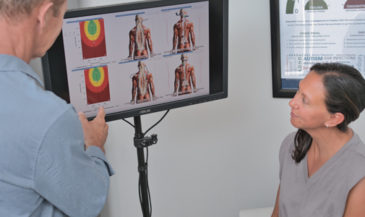
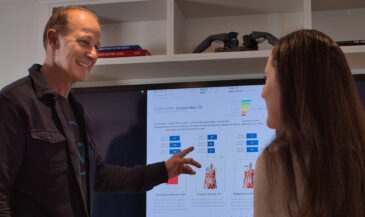
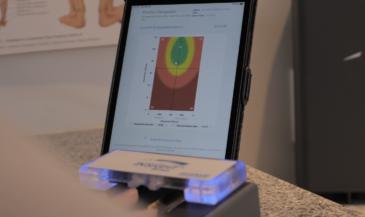
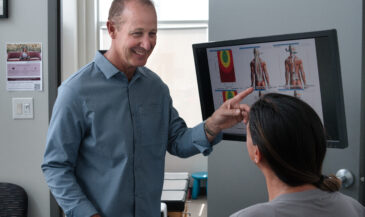
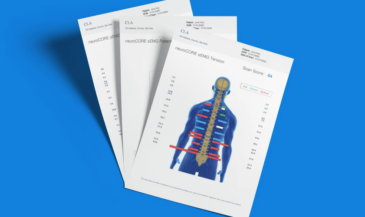
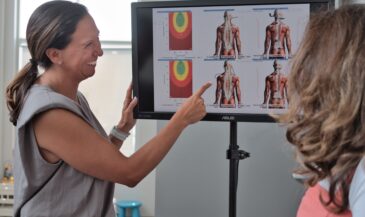
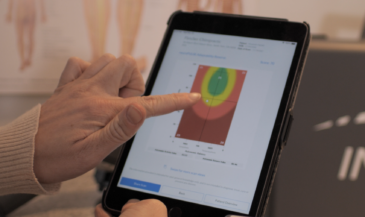
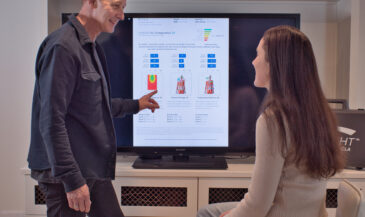
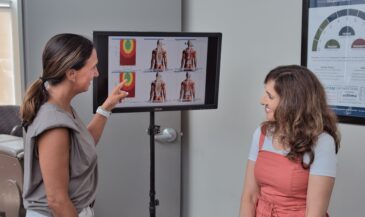
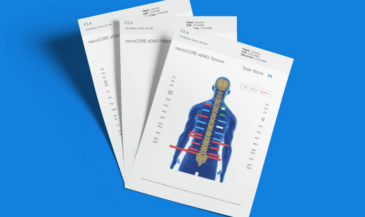
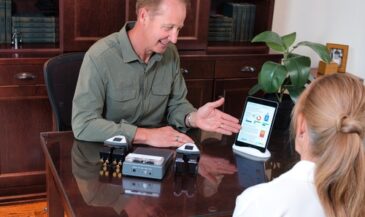
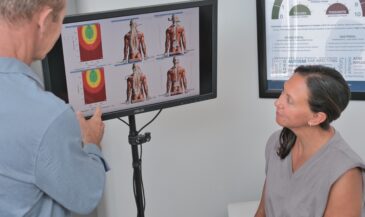
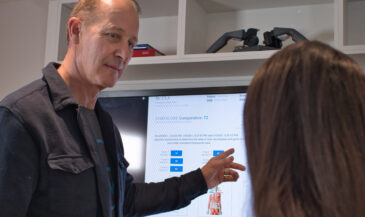
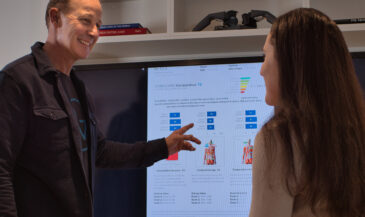
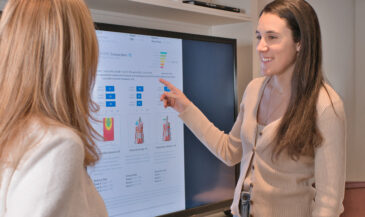
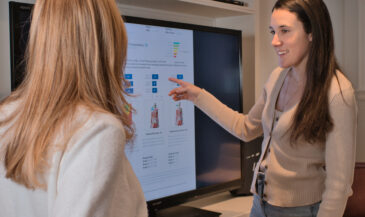
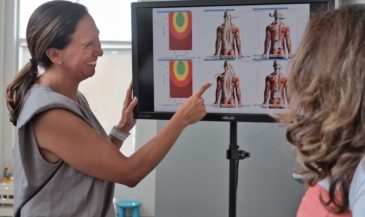
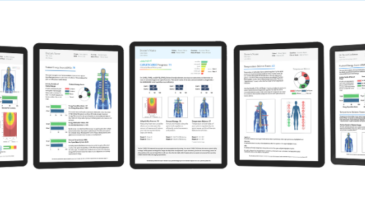
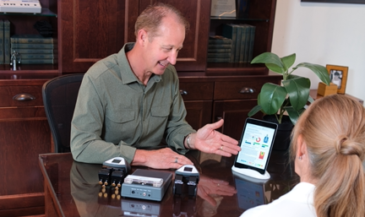
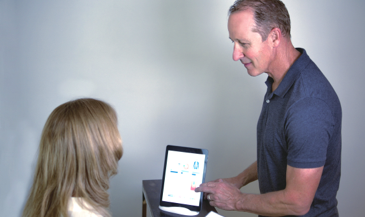
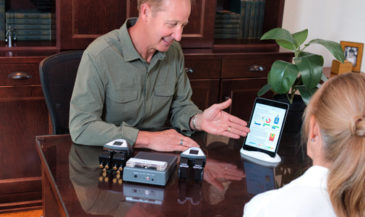
Then you show the patient their CORESCORE report—a single score between 0 and 100 that consolidates all three scans’ data into a single, understandable number—a neurological report card your patient can follow at every phase of care.
When patients see this score, it becomes real. It’s not about “how they feel.” It’s about how their nervous system is actually functioning.
And here’s the key: you don’t focus on what’s wrong. This is your opportunity to lead a conversation focused on what’s possible. You can say:
“This score tells us how well your nervous system is adapting to life’s stress. Our goal is to improve this over time. Just like you wouldn’t stop going to the gym after one month, this is where long-term nervous system performance really starts.”
It shifts the mindset from relief care… to a performance-based, lifetime journey towards excellence.
Step 2: Make Re-Scans and Re-Exams Your Undeniable Retention Machine
Retention isn’t built on visit frequency alone—it’s built on trust, belief and understanding. And trust comes from seeing change.
That’s why re-scans are your most powerful retention tool.
They’re more than just routine check-ups, they act as reconnection moments that let your patients see progress from where they started, understand what’s changing, and know what comes next.
With every CORESCORE update, you’re showing evidence-backed proof. This is where patients stop thinking of care as a temporary solution and start seeing it as a necessary lifestyle choice.
You’re no longer their “spinal mechanic”. You’re helping them function better at every level in their health.
You’ll notice the shift. They start asking more questions. They want to know what else is possible. They start thinking about their kids. Their spouse. Their ability to sleep and perform better, not just get through the day.
Re-scans reframe their expectations and remind them why they chose you in the first place.
Every time you do a progress scan, these appointments give you three powerful talking points:
- “Here’s what we were working on.”
Patients remember their starting point and original goals. - “Here’s what’s improving.”
They see and feel their own progress—sometimes in ways they hadn’t even noticed. - “Here’s what’s next.”
You set new targets, keeping the momentum going.
Shifting Mindsets:
Re-scans help patients see care differently. Instead of only coming in when they hurt, they start to view care as something that keeps them performing at their best—much like regular exercise or healthy eating. The mindset shifts:
- From: “I come in when something hurts.”
To: “I come in to be at my best.” - From: “This is a necessary fix”
To: “This is part of my lifestyle.”
Step 3: Frame the Future to Shift From Quick Fixes to Lifelong Care
Every care plan begins with a prescribed block of care. So what happens after the initial 12 visits?
This is where a lot of chiropractors drop the ball. You’ve guided the patient through their initial phase of care. You’ve done a great initial exam, run the scans, tracked the patterns, and delivered their first round of adjustments. And then—nothing. No clear next step. No defined vision for what comes after visit 12.
That’s where retention starts to unravel.
At this stage, you’re not wrapping up care. You’re opening the next chapter.
By the 12th visit, you’ve already seen neurological changeability starting to emerge. The CORESCORE is your tool to validate those early shifts and create belief in what’s working. This is your moment to transition patients into the next phase—what I call Re-Organizational Care.
Here’s what I often say:
“Your nervous system has shown great changeability over these first 12 visits. That’s exactly what we want to see. But just like going to the gym, the first few weeks are only the beginning. We’ve opened the door. Now it’s time to strengthen the foundation.”
At this point, the nervous system is beginning to stabilize. You’re seeing improvements in adaptability, but now the goal is to support that adaptability consistently under real-life stress.
The CORESCORE gives you the credibility to lead this next conversation with confidence.
You can point to the progress:
- HRV is on the rise
- Thermal scans are showing balance
- EMG patterns are beginning to organize
But maybe muscle energy is still being overspent. Maybe stress recovery is lagging behind. That’s your chance to educate and reframe.
Each data point gives you an opportunity to reinforce the bigger picture. You’re not just adjusting the spinal alignment. You’re helping the nervous system become more efficient, more resilient, and more adaptable to the demands of life.
This is the most important shift you can lead. You’re not selling long term care. You’re shifting the mindset from symptom relief to performance and longevity.
You’re helping the patient reimagine what it looks like to live, based on nervous system function—not just how they feel that day.
And INSiGHT scanning is your proof. You’re not asking them to take your word for it. You’re showing them exactly what’s happening and why it matters. We call that the Real Reason to Believe.
You can say:
“We’ll keep tracking your CORESCORE to make sure your nervous system is adapting and performing the way it should. As things continue to improve, we’ll keep fine-tuning your schedule to match your progress.”
That’s how you build belief. That’s how you lead with purpose.
The patient has now seen it work.
They’ve felt the difference.
They’ve watched their CORESCORE rise.
They’re not just staying because they feel better. They’re staying because they know their nervous system is finally working for them—not against them.
And that belief? That’s what keeps them committed, inspired, and moving forward.
Why Patient Retention Leads to Referrals
Everything begins the moment your patient sits down after their very first scan.
That’s when your role as a chiropractor expands. You are no longer simply the person delivering adjustments. You become the guide—the one helping your patient understand what their nervous system is doing and where it needs to go.
This is where transformation starts.
When your patient sees their CORESCORE for the first time from the INSiGHT scans you performed, something clicks. You’re showing them a real-time snapshot of their adaptability, stress patterns, and performance potential. You’re not giving them vague ideas. You’re handing them objective data—data that turns curiosity into commitment.
And something else begins to happen… your patient starts talking.
They share their scans with their spouse. They mention their progress to a friend. They explain what you’re doing to their kids. You’re no longer serving isolated cases. You’re creating a ripple effect. You’re building a wellness culture around your practice.
A practice filled with patients who stay, who grow, and who refer.
If that’s the future you want to build—one grounded in results, supported by data, and sustained through trust—then the path forward is clear.
- Start with INSiGHT scans to assess nervous system function.
- Anchor progress with the CORESCORE.
- Lead every patient with the understanding that health is a process that evolves over time.
That’s how you move beyond disconnected visits.
That’s how you build consistency, purpose, results, retention, and referrals.
And that’s how you grow a community practice that thrives for the long haul.
If you want to bring this kind of transformational system into your practice—book a call with an INSiGHT Advisor. We’ll show you how to implement scanning, reporting, and care planning tools that boost your retention and help your patients reach their full potential.