

You’ve probably seen HRV—short for Heart Rate Variability—pop up on fitness trackers and wellness blogs lately. But here’s the truth: what most people think of as a number tied to workouts or heart rate monitoring is only scratching the surface.
Now, if you’ve been in practice long enough—and especially if you’re focused on the nervous system—you’ve learned to look deeper. To think beyond vertebra and muscle tone. You start asking better questions, like: How is this person adapting to life? How resilient is their system right now?
That’s where Heart Rate Variability (HRV) comes into the picture. Not as a cardiology tool—but as a window into nervous system adaptability.
HRV isn’t about how fast the heart is beating. It’s about how flexible the beat is from one moment to the next. And that flexibility? It’s directed by the autonomic nervous system.
Here’s the kicker: most chiropractors are still missing this metric. They’re adjusting on structure, posture, or symptoms alone—but they’re flying blind when it comes to function.
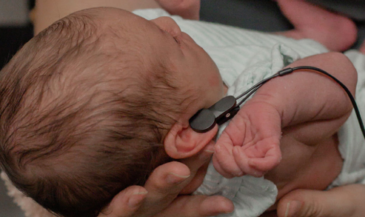
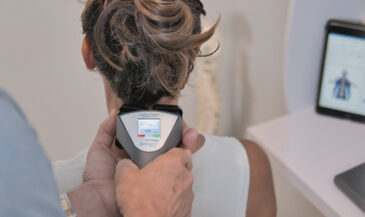
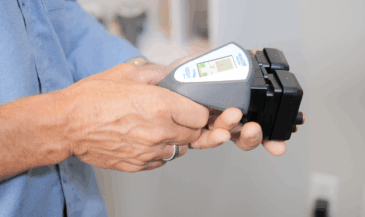
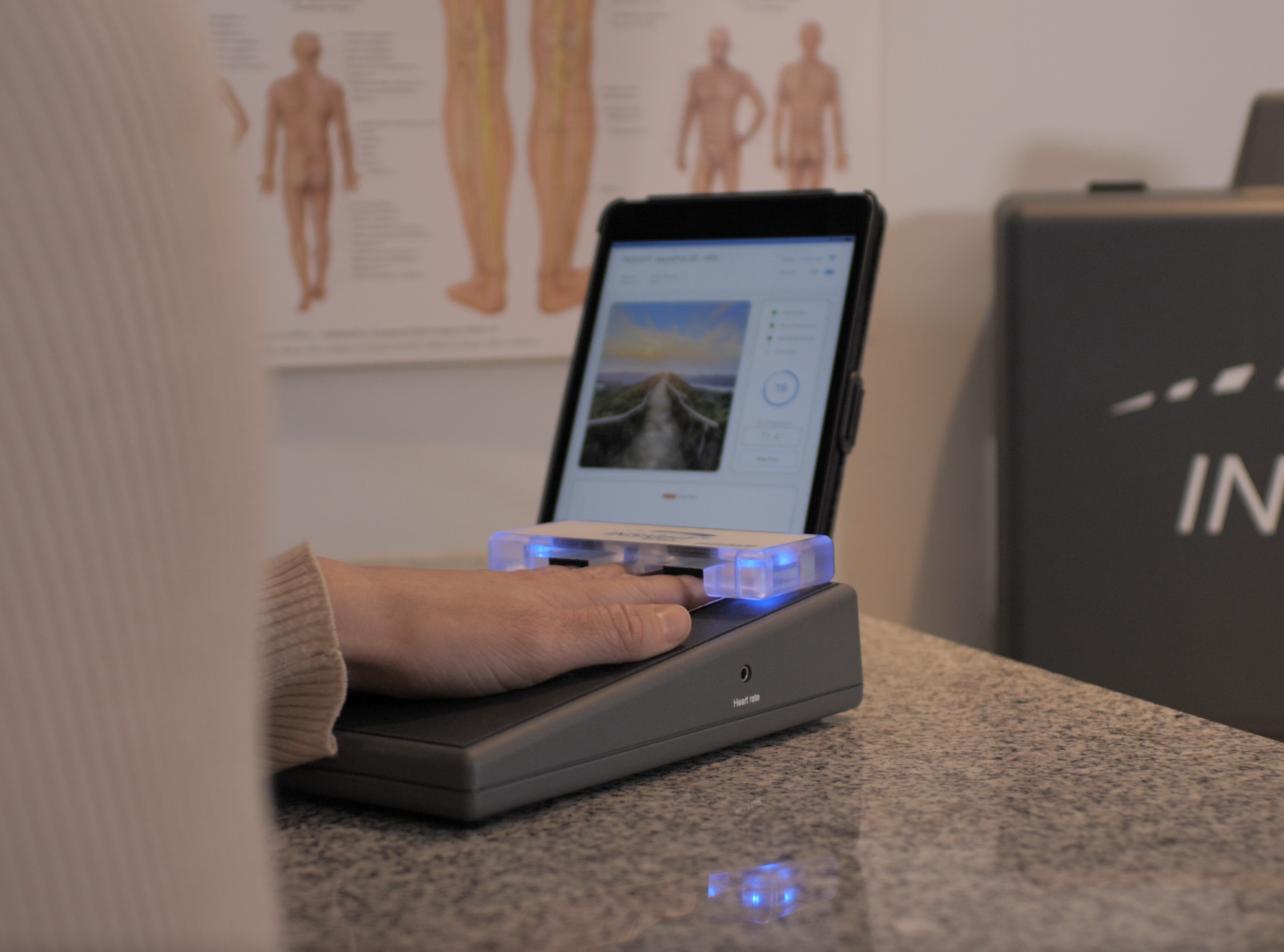
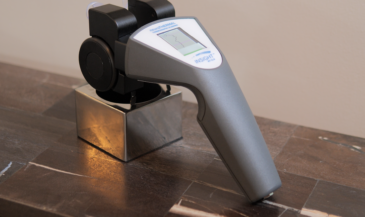
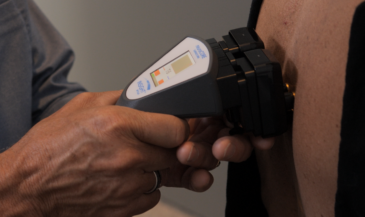
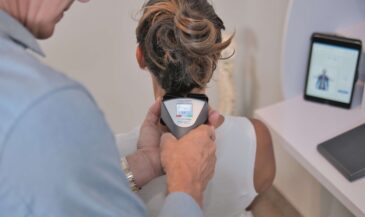
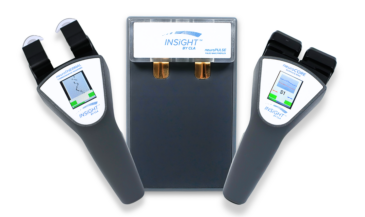
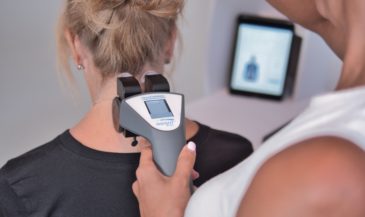
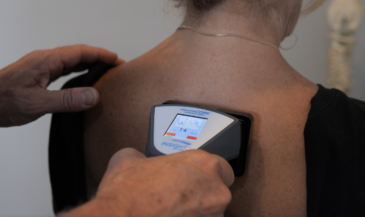
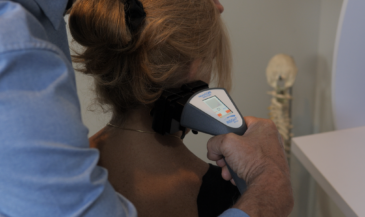
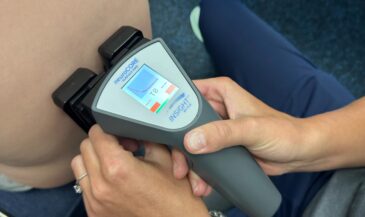
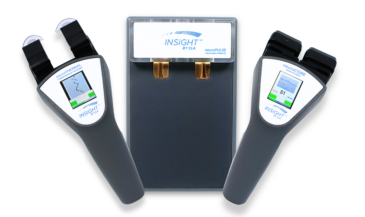
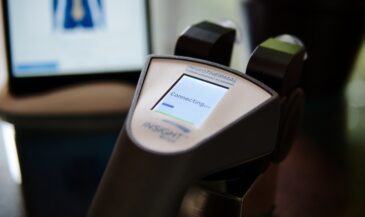
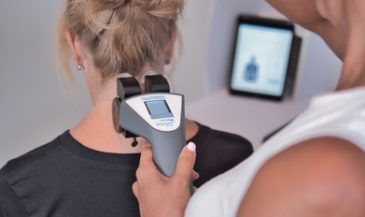
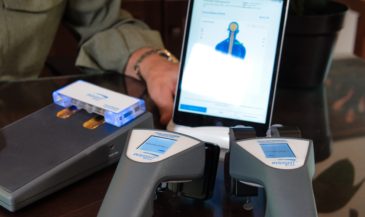
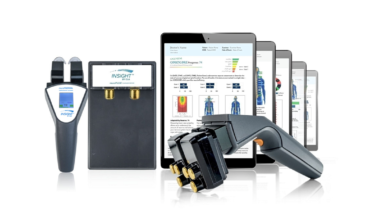
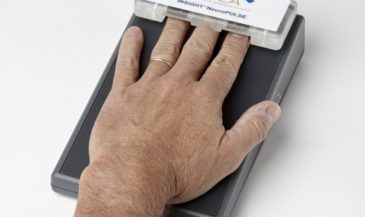
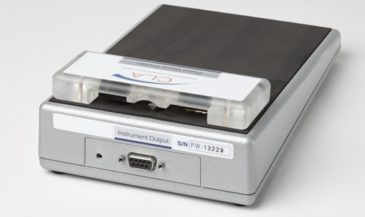
With the right tools—like the INSiGHT neuroPULSE scanner—you can measure HRV in under three minutes and see exactly how well a patient is adapting. Whether it’s a newborn, a burned-out executive, or an athlete on the edge of exhaustion, HRV gives you insight you can’t find anywhere else.
For Chiropractors who focus on neurology—not just structure—HRV isn’t optional. It’s the heartbeat of the practice.
What Is HRV, Really?
Let’s clear something up: HRV isn’t about your heart rate or the Karvonen formula. It’s about how variable the time between heart beats is. A common misconception is that a healthy heart beats like a metronome. In fact, that would signal a major issue.
In reality, your heart rhythm needs variability to function well. Variability shows your system is responsive and adaptable, ready to shift gears between resting and reacting.
And that variability is controlled entirely by the Autonomic Nervous System (ANS)—which means any neurological interference, especially stemming from vertebral subluxation and spinal tension, can impact HRV directly. As one study notes, heart rate variability reflects the health of the vagal and sympathetic branches of the nervous system and serves as a non-invasive tool to evaluate autonomic dysfunction (Kent, 2017).
Why HRV Matters to a Neurologically-Focused Chiropractor
As Chiropractors, we’ve always talked about tone. D.D. Palmer even said it best: “Life is the expression of tone.” And HRV gives us an objective way to analyze neurological tone, coherence, and adaptability—all without needing to hear a single word from the patient.
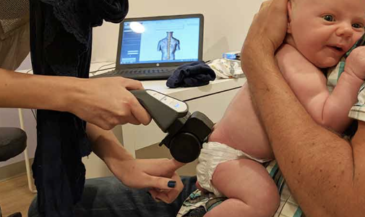
HRV acts as a clinical compass, especially when we’re caring for those who can’t always explain how they feel: newborns, toddlers, nonverbal children, and people dealing with neurodevelopmental conditions.
Low HRV is a red flag. It’s often seen in individuals under chronic neurological distress, where sympathetic overdrive keeps them “revving high” without the gas to keep going. High HRV, on the other hand, reflects a resilient heart beat pattern and a body performing in balance.
Measuring Heart Rate Variability in Practice
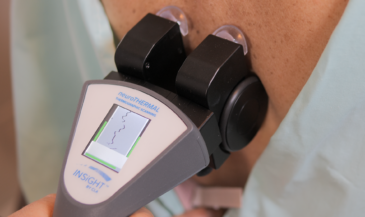
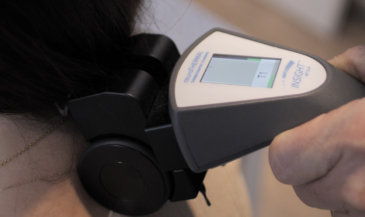
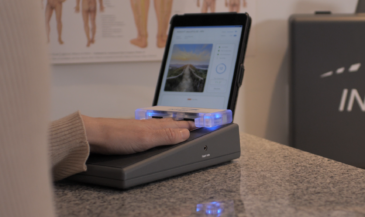
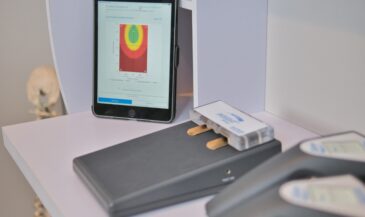
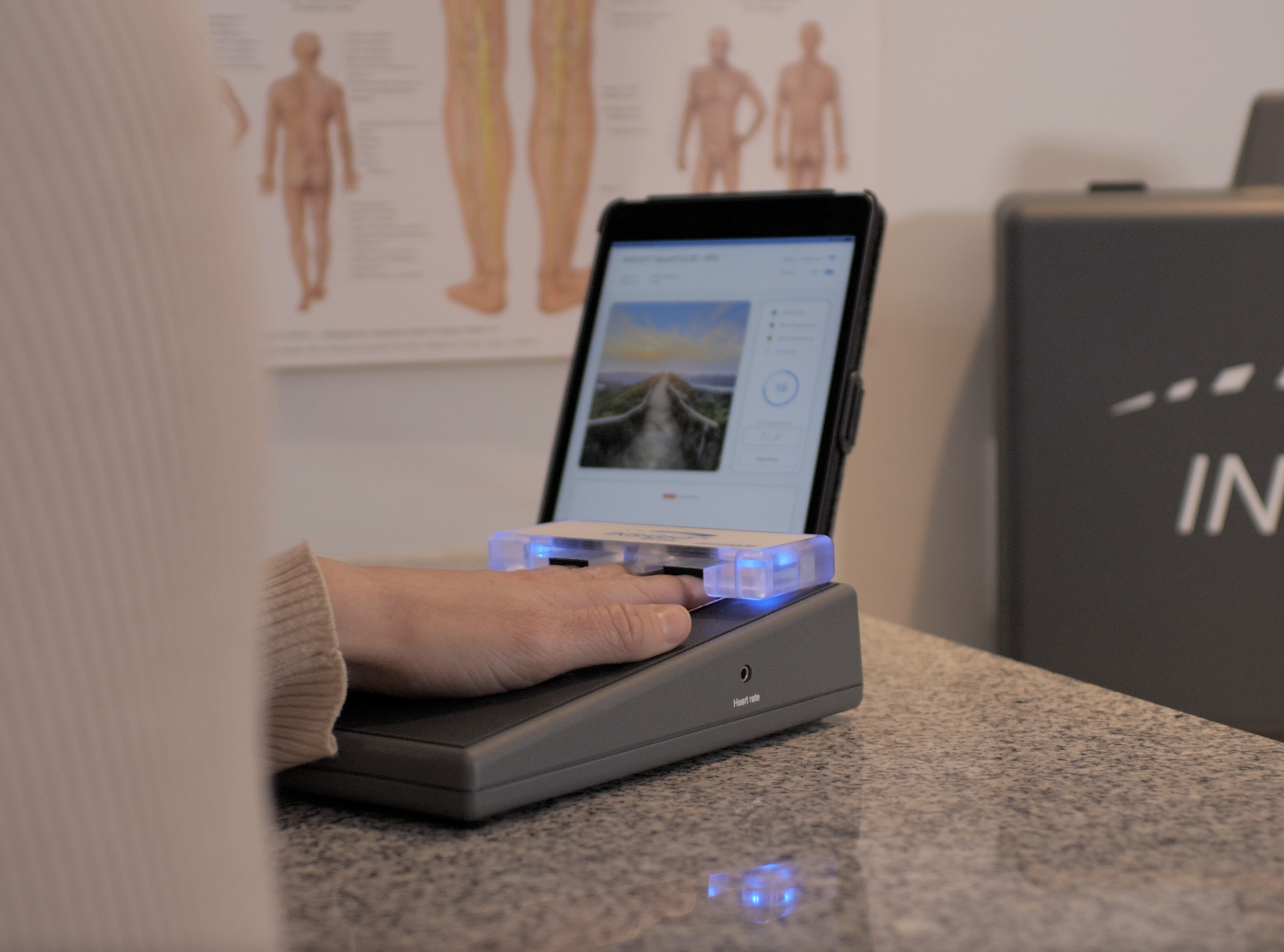
HRV analysis has historically been reserved for labs or elite training centers. But INSiGHT’s neuroPULSE changed the game by bringing clinical-grade analysis into the chiropractic office. This scanner, now used in over 10,000 practices worldwide, captures beat-to-beat variability with millisecond precision using photoplethysmography (PPG) technology validated for autonomic analysis.
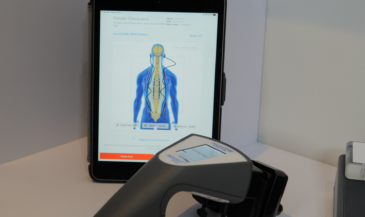
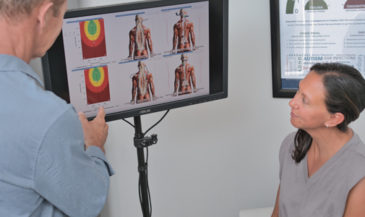
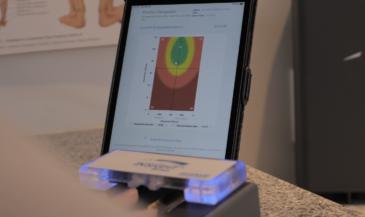
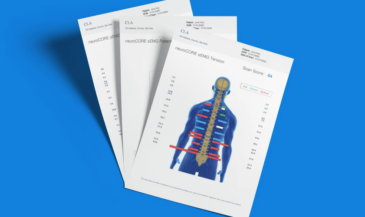
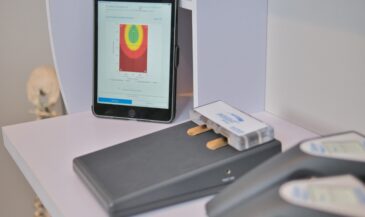
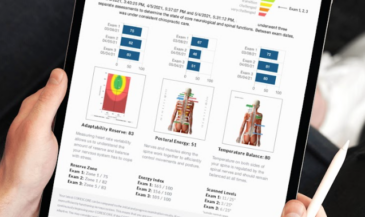
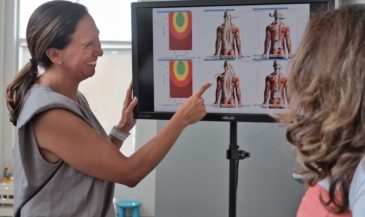
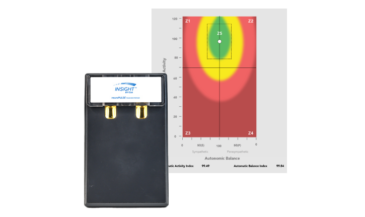
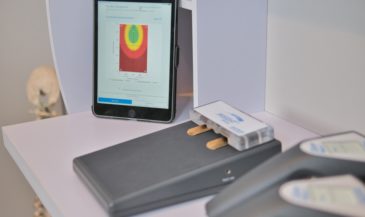
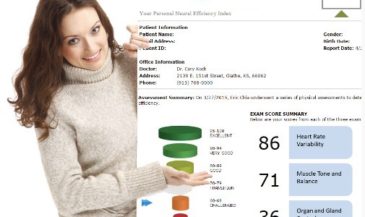
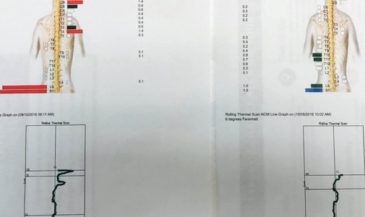
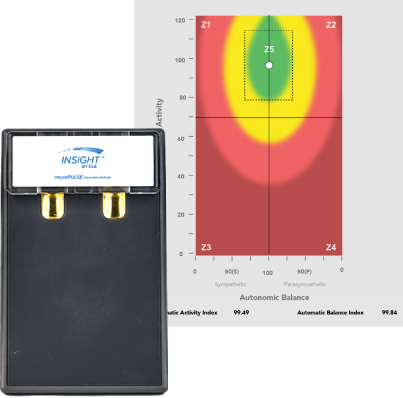
The HRV Rainbow Graph provides a simple but powerful view, plotting patients across five zones from overdrive to adaptive balance. These visuals instantly connect the dots between heart rhythms and nervous system performance, and best of all, it’s a non spinal test which confirms your commitment to looking deeper than spinal problems .
The clinical importance of measuring heart rate variability is more than anecdotal. According to a multi-clinic study, chiropractic adjustments produced measurable changes in HRV after even one visit. And another case series study showed sustained HRV improvement in patients who received regular adjustments over time.
The HRV and Adaptability Connection
HRV isn’t a static metric. It fluctuates day by day, depending on how your body is adapting. The neuroPULSE uses the HRV data to plot how much adaptive reserve each patient has to recover and remain resilient. A high HRV reading indicates that your system is flexible—capable of moving between “go” and “rest” states with ease A low HRV indicates stuck patterns and depleted reserve, making your patients more vulnerable to daily stressors
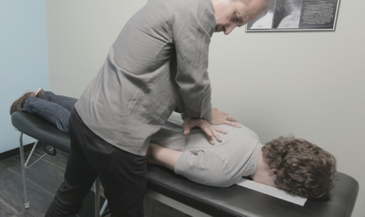
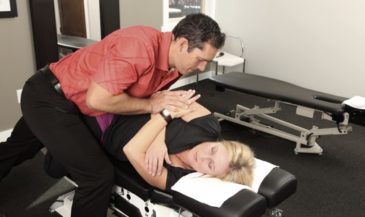
Chiropractors offer a drug-free advantage by focusing on removing neurological interference, improving tone, and allowing the body’s own rhythms to normalize. By addressing this interference, the body’s innate capacity to restore Vagal tone and eventually rewire more efficient pathways becomes a reality.
One study even identified HRV as a tool to track adaptive response in athletes undergoing neurologically-focused care (Hartenburg, 2018).
How Subluxations Influence HRV
Here’s where it gets practical: when the spine is out of balance and when neurological interference is present—communication across the ANS becomes distorted and these patterns become embedded in a patient’s neurological responses. The neuroPULSE data reflects this persistent imbalance using precision HRV collection and calculations.
That’s why Chiropractors trained in vitalistic philosophy use HRV not just to validate care, but to guide their analysis and predict adaptability over time. Research confirms that vertebral subluxations result in altered autonomic nervous system activity—and that heart rate variability is a reliable tool for evaluating that activity (Kent, 2017).
HRV gives us a deeper understanding of how stress patterns show up neurologically. It tells us if the system is stuck, strained, or adapting.
HRV for Every Stage of Life
From infants to elders, HRV analysis can reveal shifts that the patient can’t put into words. Children, for instance, should display higher HRV than adults, thanks to their robust, flexible systems. If a child shows lower HRV, it’s a sign their nervous system is under strain—and that they can benefit from a Neurologically-Focused Chiropractor.
This makes HRV ideal for family wellness care, neurodevelopmental support, and performance enhancement. And because it’s non-invasive and fast, it becomes an essential re-examination and reporting tool, not just a new patient baseline.
Even in older adults, HRV can track resiliency and recovery. A study on sustained improvements found that patients receiving regular chiropractic adjustments improved their resting HRV over time—moving from depleted states into more adaptable, regulated ones.
Planning Care with HRV: The Heart of the INSiGHT System
Every Chiropractor wants to know: “How is this patient really doing?” And patients want to know that their adjustments are making a difference.
That’s where the INSiGHT neurological scanning suite, and especially the neuroPULSE instrument, shines. It’s FDA-registered as a Class II medical device, developed in a certified ISO 13485 facility, and validated for both pediatric and adult use.
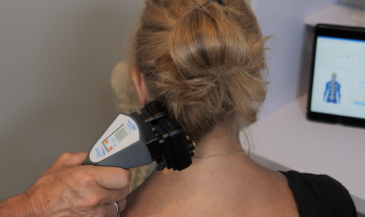
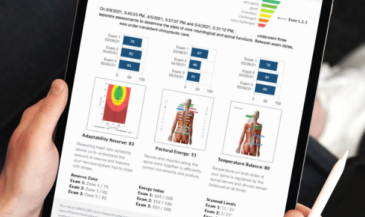
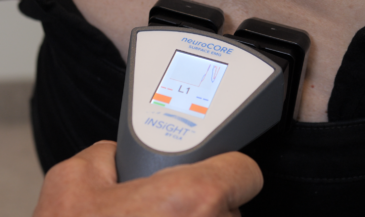
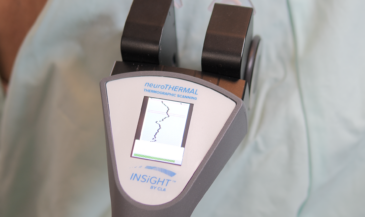
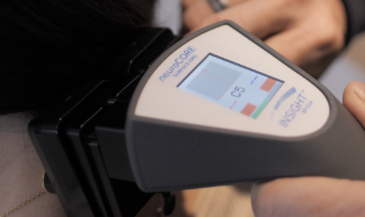
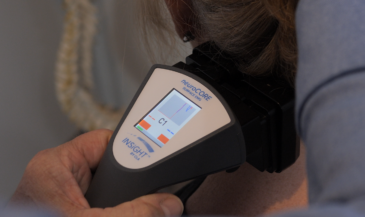
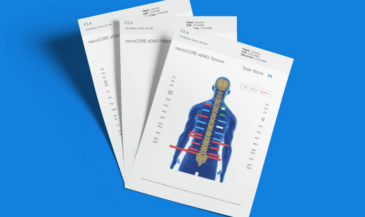
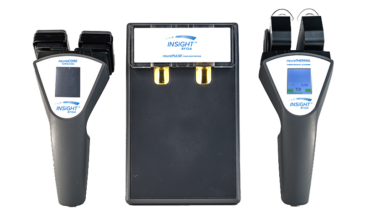
When used with the CORESCORE, which combines neuroPULSE, neuroCORE, and neuroTHERMAL scan data, Chiropractors gain a complete picture of the nervous system. Instead of chasing symptoms, we build data-driven care plans tailored to the patient’s adaptability, not just their complaints.
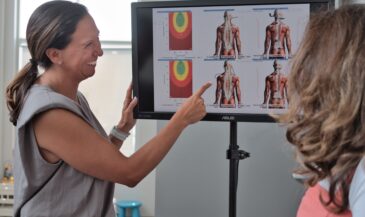
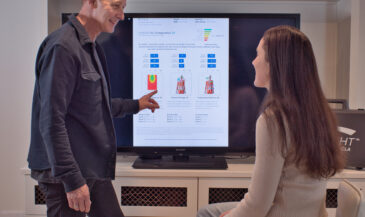
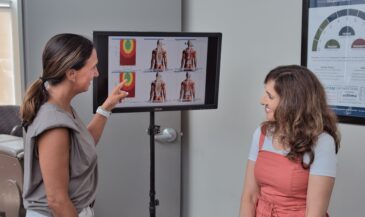
With HRV, you don’t just explain nervous system function—you show it. Scan views map changes over time, offering visible, reproducible proof that chiropractic care is making a difference.
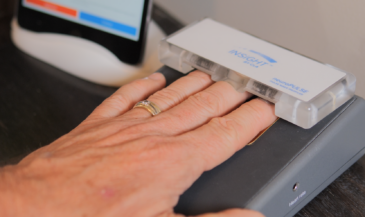
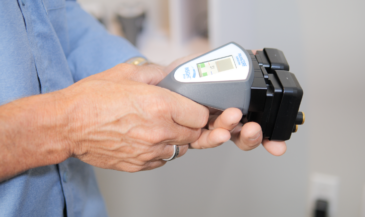
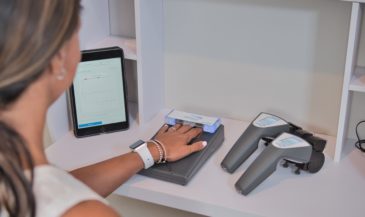
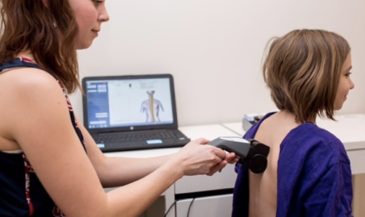
The INSiGHT neuroPULSE is reads HRV through the fingertips using pulse wave profiling. It’s gentle, precise, and pediatric-friendly (with ear clip and finger sleeve options).
What it measures:
- Autonomic Balance Index (ABI): Sympathetic vs. Parasympathetic activity
- Autonomic Activity Index (AAI): Total adaptive reserve
- HRV Rainbow Graph: A visual quadrant system that shows exactly where the patient is on the spectrum from overdrive to balance
What makes this so powerful is how seamlessly it integrates with the CORESCORE, CLA’s neural efficiency index that combines:
- neuroPULSE for HRV
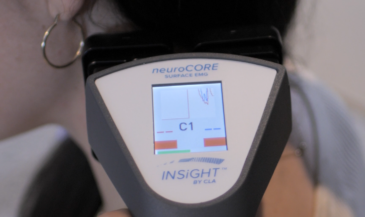
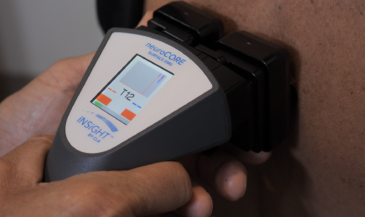
- neuroCORE for motor tone and muscle energy
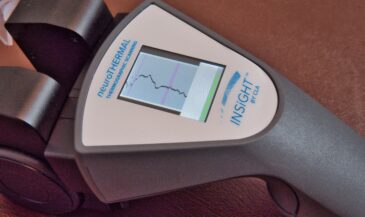
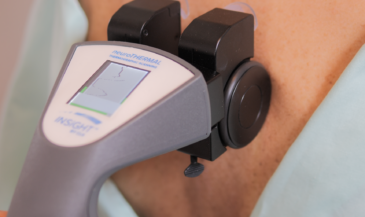
- neuroTHERMAL for spinal autonomic temperature regulation
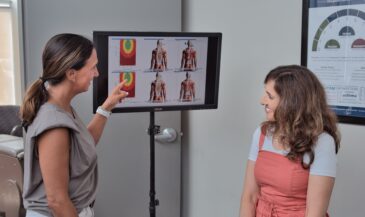
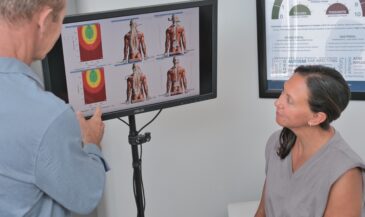
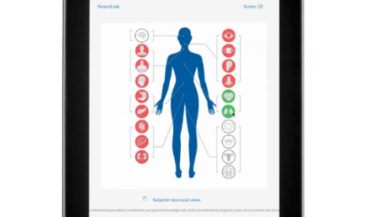
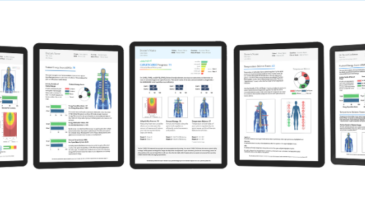
And then you layer in the Synapse software, which turns these findings into visual, patient-ready stories. You’re no longer explaining neurology in a vacuum—you’re showing it in living color.
This is how scanning moves from being “something you do” to “how you practice.” It changes the narrative in every room.
Why HRV Belongs in Every Chiropractic Practice
Heart Rate Variability is no longer a luxury metric reserved for high-performance athletes or biohackers. It’s a core indicator of neurological performance, and for Chiropractors, it serves as the best indicator of tone and adaptability we’ve ever had.
And when patients see how HRV may improve under care, it opens their eyes to the power of a nerve-first approach. One study even suggests HRV can reflect benefits in patients with congestive heart failure or other chronic conditions (Haas et al., 2024)—positioning Chiropractors as contributors to full-body wellness, not just back care.
Clinical Benefits of HRV in Neurologically-Focused Chiropractic Care
Once you start using HRV in your office, you’ll wonder how you ever practiced without it.
Here’s what changes:
- Objective Progress
HRV lets you track real neurological improvements. You can show patients how their system is moving out of sympathetic dominance, not just tell them. - Customized Care Plans
High HRV? Your patient’s system is bouncing back spontaneously. This is the perfect time to challenge your patients to explore even more challenging fitness and wellness goals. Low HRV? They may need more frequent neurological support with a more detailed care plan. - Improved Retention and Referrals
When patients see their adaptability improving, they start to value care beyond symptoms. They bring in their families. They tell their friends. - Clarity in Complex Cases
Especially with pediatric patients or those who can’t express how they feel, HRV gives you a readout of how their body is truly functioning (Steinberg et al., 2020).
And here’s the best part: HRV changes quickly under chiropractic care. Especially when subluxations are addressed regularly, you’ll often see dramatic shifts in coherence within just a few weeks.
It gives you the ability to say, “Let’s see how your nervous system is improving,” and back it up with real data.
The Beat That Guides the Work
In a world where patients are overwhelmed by stats, screens, and symptom-tracking apps, HRV brings clarity. It’s objective. It’s repeatable. It’s grounded in neurology.
But most of all, it gives your patients a reason to believe.
When they see the color-coded HRV rainbow graph and watch their adaptability improve over time, they begin to understand the true purpose of care. They stop counting visits—and start celebrating progress.
Because at the end of the day, HRV isn’t just a number. It’s a sign that the body is learning, adjusting, and healing. And as Chiropractors, there’s no better rhythm to follow.