You see it all the time. A patient starts care, gets results, and then… disappears. No explanation. No complaints. Just gone.

It’s not because they weren’t happy. It’s because they never fully understood why they needed to stay. They felt better, so they assumed they were better. And if they don’t see a reason to continue, hear a message that keeps them engaged, or feel certain that care is still necessary, they’ll drop out.

This is where most chiropractors lose people—not because care wasn’t working, but because the patient didn’t see the long-term value.

The Drop-Off Problem: Why Patients Quit Too Soon

Here’s the cycle:

  1. Patient comes in with a problem.
  2. Adjustments help them feel better.
  3. They think the issue is gone.
  4. They leave—until the next problem shows up.

Pain brings them in, but pain relief alone doesn’t keep them. If they don’t understand that chiropractic is about function, not just symptoms, they’ll never see a reason to stay once they feel fine.

Here’s the kicker: Feeling better is seductive. Patients think pain relief is the finish line because it’s what they can easily measure. But pain is deceptive—it’s often the last thing to show up and the first thing to disappear. The underlying dysfunction, the real cause of the problem, may still be simmering beneath the surface. Without a clear message about function and long-term health, patients don’t see the full picture. And when they don’t see it, they don’t value it.

The key to breaking this cycle lies in education and communication. Patients need to see chiropractic care not as a quick fix but as a vital investment in their future health.
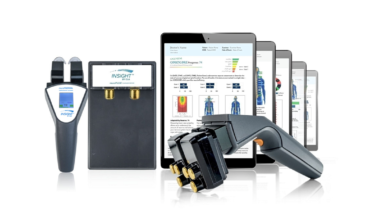
INSiGHT Scanning Boosts Retention

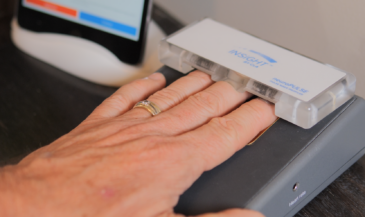
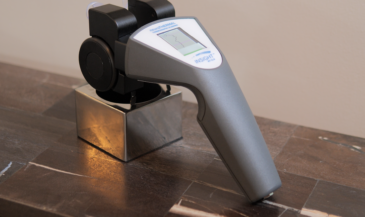
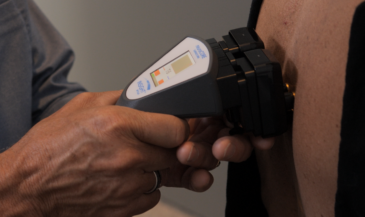
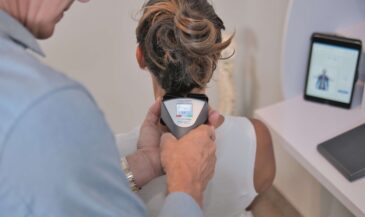
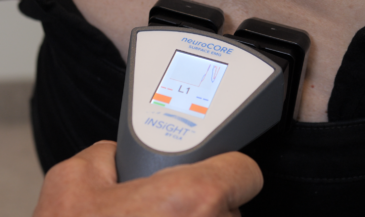
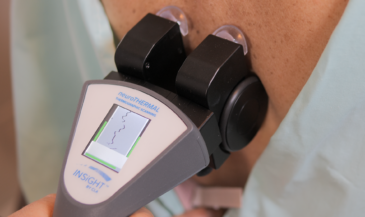
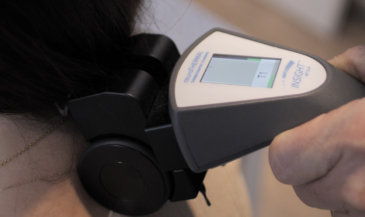
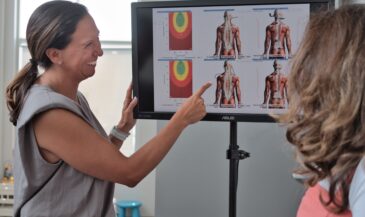
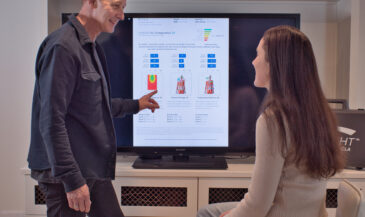
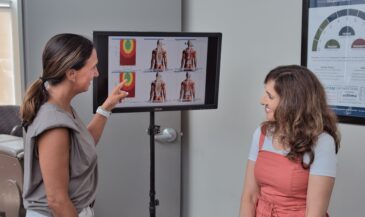
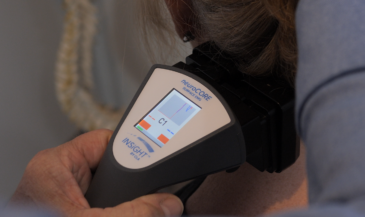
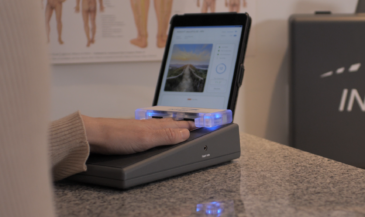
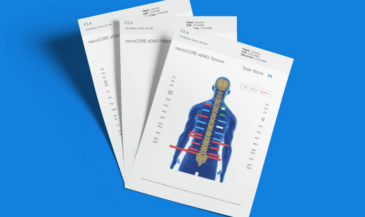
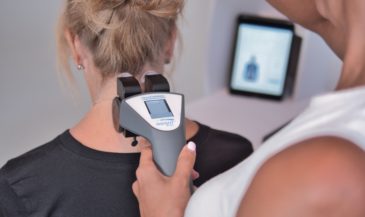
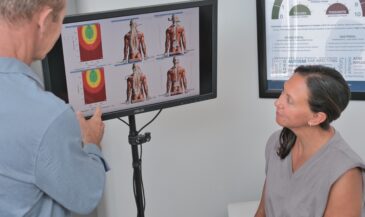
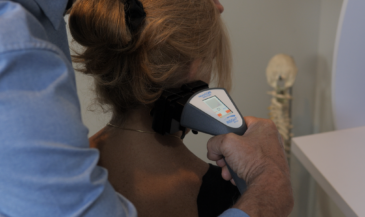
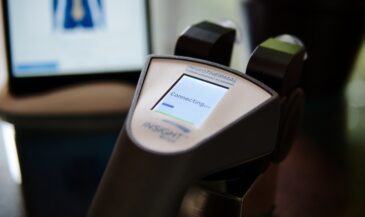
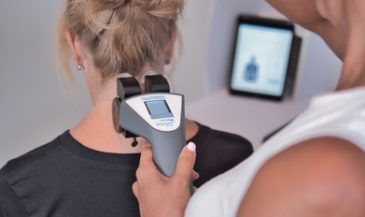
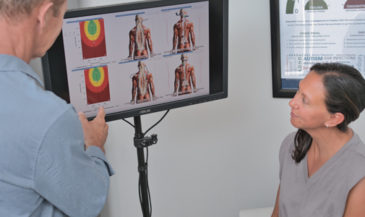
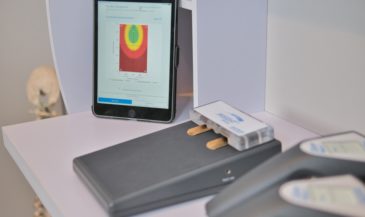
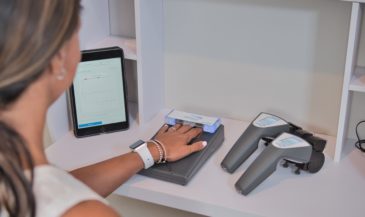
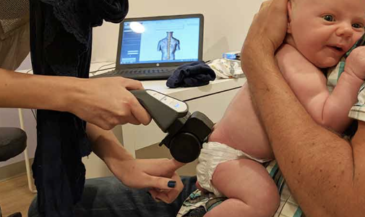
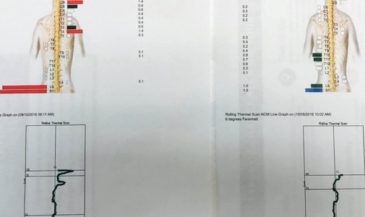
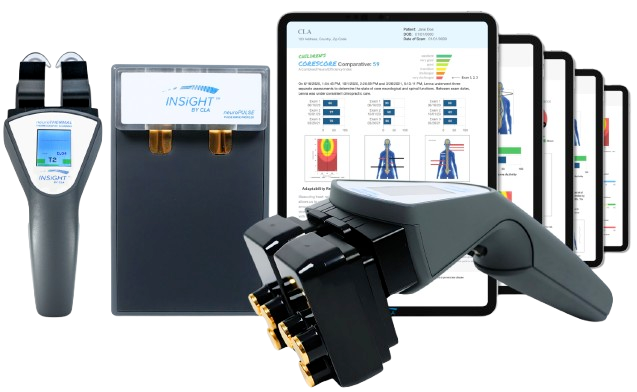
When it comes to long-term retention, nothing builds trust like visual proof. That’s where INSiGHT scanning steps in as a powerful game-changer. These advanced scans take the mystery out of chiropractic care by providing a clear window into how the nervous system is functioning. No more relying solely on how a patient feels — now, you can show them exactly what’s changing inside their body.

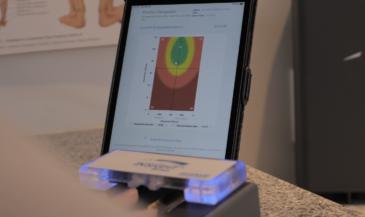
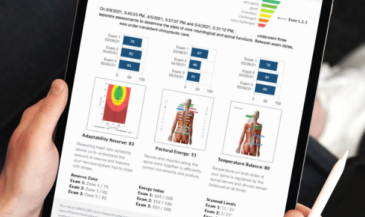
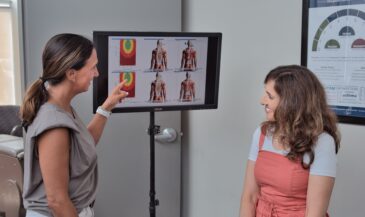
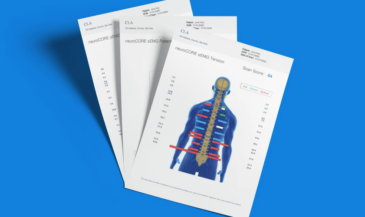
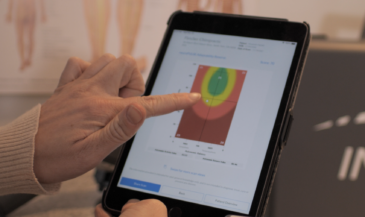
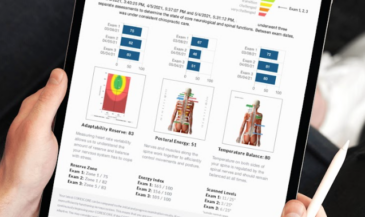
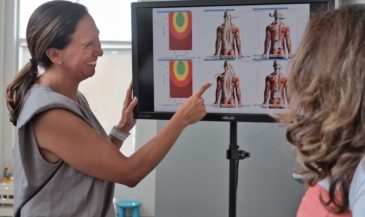
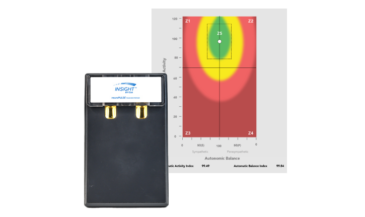
One of the biggest barriers to retention is uncertainty. Patients who don’t fully understand their care journey are more likely to drop off. With INSiGHT’s visual scan reports, you transform abstract health discussions into something they can see and track. Each scan acts like a neurological report card, showing improvements in function, adaptability, and stress resilience. These consistent updates reinforce the value of ongoing care and help your patients feel more engaged and motivated.

How to Keep Patients Engaged

  1. Make sure they see progress beyond pain relief.
    • Use tools like INSiGHT Scanning to give them measurable proof of nervous system changes.
    • Show them that just because they feel fine doesn’t mean their nervous system is fully optimized.
  2. Repeat the message—constantly.
    • People forget why they started care the second they feel better. Keep reinforcing the long-term benefits of nervous system health.
    • Keep it simple: “Feeling better isn’t the goal. Functioning better is.”
  3. Give them certainty about why continued care matters.
    • Progress scans help patients see the difference between short-term relief and long-term health.
    • If they know their nervous system is improving—even beyond what they can feel—they’ll stay committed.

Consistency Is Critical

Don’t underestimate the power of consistency. Every visit should reinforce why continued care matters. Celebrate wins with your patients—whether it’s better sleep, improved energy, or fewer sick days. Make it clear that these benefits aren’t random—they’re a direct result of keeping their nervous system in check

When patients feel progress beyond pain relief and understand how it ties into their bigger life goals, they don’t just stay—they commit. And that commitment? It’s how you build a thriving practice and healthier communities.

The Difference Between Patients Who Stay and Patients Who Leave

The ones who stay? They see proof that care is working, they hear a message that sticks, and they feel certain that chiropractic is a long-term investment in their health.

The ones who leave? They only cared about pain. And no matter how good you are, they’ll always leave when the pain is gone.

Shift the focus. Show them a bigger reason to stay. That’s how you keep patients for life.

Get Started with INSiGHT Scanning

Take our Free Practice Strategy Assessment. A Personalized Guide and Expert Strategy Call to Help Determine How Scanning will Help you Grow
ABOUT THE AUTHOR

Dr. David Fletcher is actively involved in all aspects of innovation teaching and research connected to the INSiGHT™ scanning technologies. He is widely recognized for his ability to share his expertise in compelling and easy to understand ways.

Dr David is a renowned chiropractor who practiced for many years with his associates in a scan-centric thriving principled family-based practice in Toronto. He is a sought-after teacher mentor and keynote speaker who takes every opportunity to share the wisdom and the power of chiropractic as it is meant to be.

https://insightcla.com/wp-content/uploads/2022/07/david-1.png
Dr. David Fletcher
DC FRCCSS(C) – Founder & CEO CLA Inc.
LIKE THIS ARTICLE? HELP US SPREAD THE WORD

Be Seen. Be Heard. Be Certain

In today’s saturated healthcare market, chiropractors face an ongoing challenge: being visible. Discover key marketing tactics to ensure you can BE SEEN, BE HEARD, and BE CERTAIN in your practice!

Read these Next…

Get Informed

Join 23,121 other Chiropractors and receive topics covering day to day challenges of running your practice.

It seems like everyone is aware of HRV these days.  Wearables show how sleep and recovery from exercise play a role in their recovery. Chiropractors using them are seeing patterns they never had data for before. Patients tracking HRV are realizing their nervous system isn’t as strong as they thought. The numbers don’t lie—stress is stacking up, and if the nervous system isn’t adapting, it shows.

Specialized HRV scans, calibrated to chiropractic outcomes, track adaptability—whether the nervous system is handling stress or getting overwhelmed. That’s why chiropractors using HRV scans aren’t just collecting data—they’re shifting the way they track care, educate patients, and keep them engaged.

HRV Data: What Chiropractors Are Seeing

HRV scans show how well the autonomic nervous system is balancing between stress mode (sympathetic) and recovery mode (parasympathetic). When HRV is low, it means stress is winning. When HRV is balanced, the body can adapt, recover, and function better.

Here’s what chiropractors are noticing:

  • Chronically low HRV scores in patients dealing with high stress, poor sleep, and burnout
  • HRV increasing after adjustments, showing nervous system recovery happening in real time
  • Different HRV patterns in kids vs. adults, confirming how stress builds over time
  • Athletes and high-performers tracking HRV to optimize recovery, not just avoid injury

HRV scans aren’t about fixing one issue. They track patterns, long-term trends, and how the body handles life itself. HRV is a non-spinal test that measures neurological performance. 

What Chiropractors Are Learning from HRV Trends

1. Patients Want More Than Pain Relief

Most people walk into a chiropractor’s office with one goal—stop the symptoms. But HRV scans change the conversation. Patients start asking about energy, focus, immune function, and long-term resilience.

Seeing HRV data in black and white makes them invested in the process. They don’t just want to feel better today. They want to see their nervous system getting stronger over time.

2. HRV Scores Show What Symptoms Don’t

Pain can disappear overnight. A bad HRV score? That doesn’t go away just because someone “feels fine.”

HRV reveals hidden stress patterns. A patient might feel great but still show nervous system exhaustion. Another patient might be in pain but have a strong HRV score, showing their body is already healing.

Tracking HRV keeps the focus on function, not just symptoms.

3. Adjustments Can Boost HRV—But It’s About Consistency

A single adjustment can instantly improve HRV, but chiropractors tracking data over time see a bigger trend—HRV improves the most with consistent care.

Patients who stay on track see their scores stabilize and increase over weeks or months. Skipping care? HRV starts to dip again.

This makes care plans easier to explain. It’s not about “come back when it hurts.” It’s about building adaptability, tracking progress, and seeing real changes.

How Chiropractors Are Using HRV to Keep Patients Engaged

neuroPULSE: The HRV Scanner Built for Chiropractic

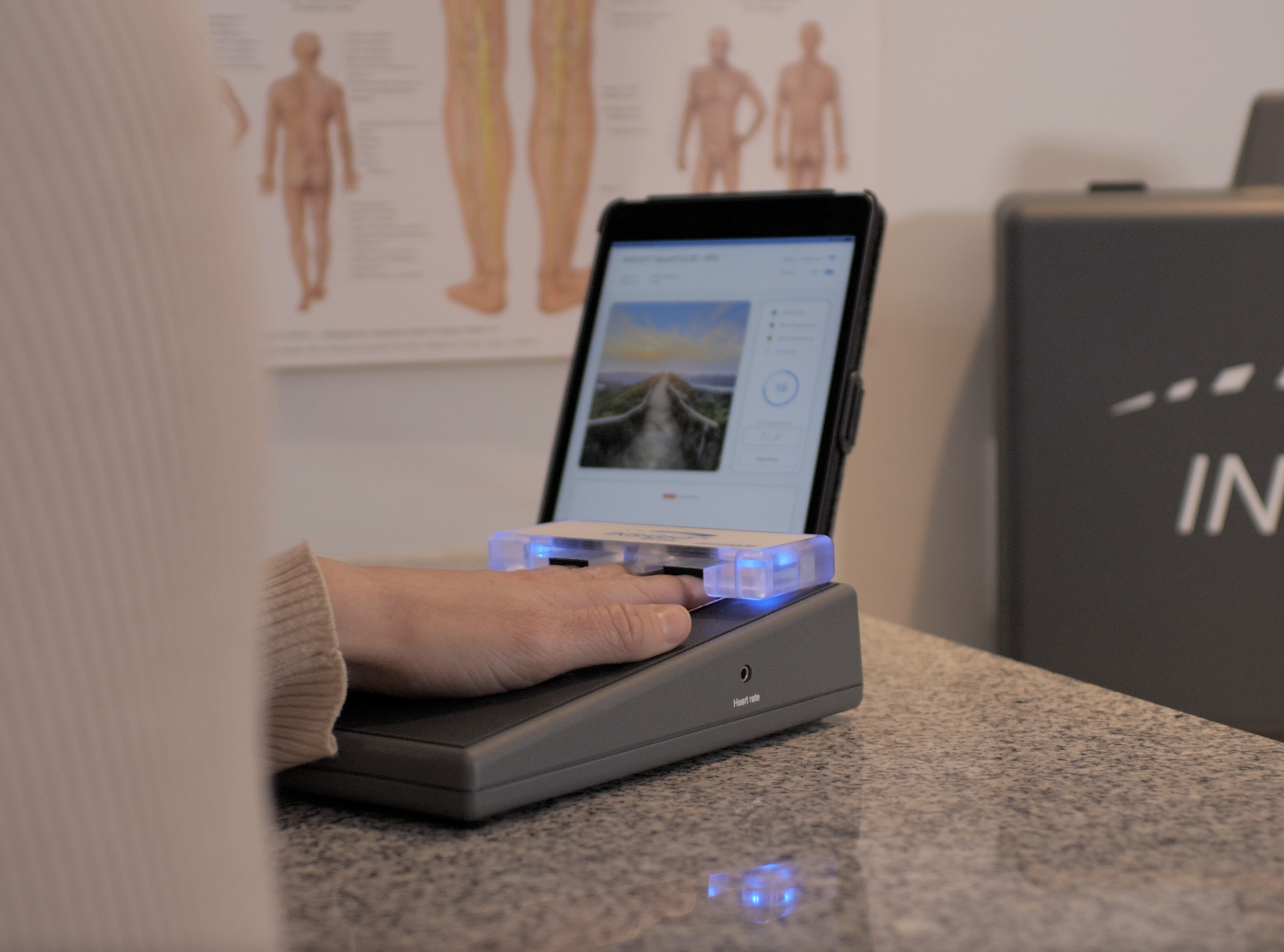
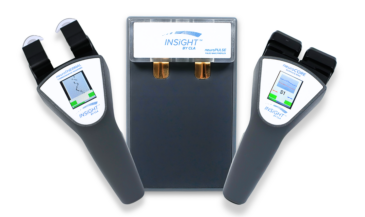
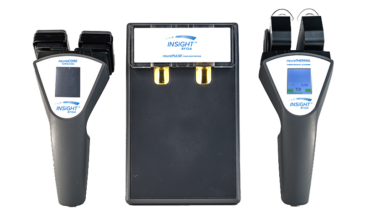
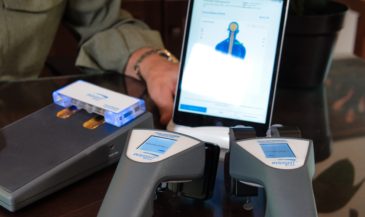
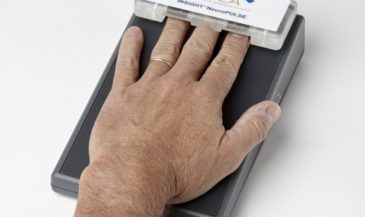
HRV data is powerful, but only if it’s simple enough for patients to understand. That’s why chiropractors are using the neuroPULSE, which is one of three technologies that are part of the INSiGHT neuroTECH.

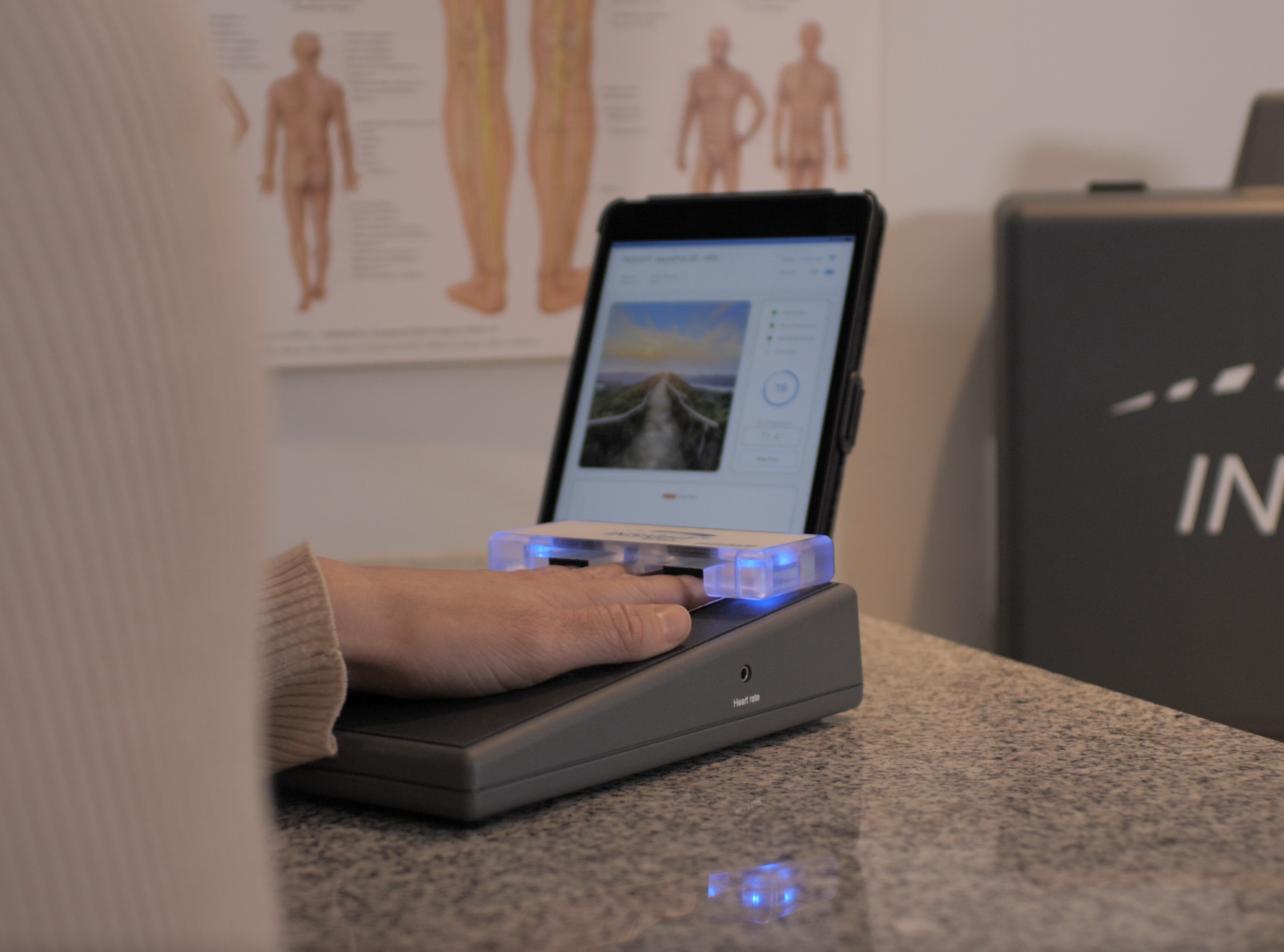
It tracks HRV balance between stress and recovery, and shows progress on a Rainbow Graph, making it fast, accurate, and easy to explain. Patients see their progress, compare data over time, and start paying attention to their nervous system the same way they track their workouts, sleep, or steps.

CORESCORE™: The HRV Report Patients Actually Understand

Raw HRV data can be confusing. But the CORESCORE™—the neurological report generated from neuroPULSE, neuroCORE (sEMG), and neuroTHERMAL—simplifies it all.

Patients get a single score that tracks their nervous system health over time. They see their CORESCORE™ change from visit to visit, proving their nervous system is improving.

That’s what keeps them coming back. They can see progress. They can measure resilience. It’s no longer just about whether they “feel better.”

Chiropractic HRV Data Is Changing the Game

Chiropractors who use HRV scans are seeing:

  • Better patient retention—patients track their scores like a fitness goal
  • More referrals—patients share their results with friends and family
  • Easier care plans—objective data takes the guesswork out of patient progress

It’s no longer just about whether chiropractic helps—it’s about proving exactly how much it’s helping.

FAQs About HRV Trends in Chiropractic

How long does an HRV scan take?
Less than five minutes. The scan is quick, non-invasive, and painless.

Is HRV data useful for all patients?
Yes. HRV tracks nervous system health across all ages—from kids to seniors.

Can adjustments improve HRV?
Yes. Many chiropractors see instant HRV improvements after adjustments, with long-term care leading to even bigger changes.

Why is HRV better than just tracking pain?
Pain comes and goes. HRV tracks how well the nervous system is functioning, even before symptoms show up.

Can HRV scans help with patient retention?
Yes. Patients stay longer when they can see their progress in numbers, not just feel it.

Get Started with INSiGHT Scanning

Take our Free Practice Strategy Assessment. A Personalized Guide and Expert Strategy Call to Help Determine How Scanning will Help you Grow
ABOUT THE AUTHOR

Dr. David Fletcher is actively involved in all aspects of innovation teaching and research connected to the INSiGHT™ scanning technologies. He is widely recognized for his ability to share his expertise in compelling and easy to understand ways.

Dr David is a renowned chiropractor who practiced for many years with his associates in a scan-centric thriving principled family-based practice in Toronto. He is a sought-after teacher mentor and keynote speaker who takes every opportunity to share the wisdom and the power of chiropractic as it is meant to be.

https://insightcla.com/wp-content/uploads/2022/07/david-1.png
Dr. David Fletcher
DC FRCCSS(C) – Founder & CEO CLA Inc.
LIKE THIS ARTICLE? HELP US SPREAD THE WORD

Be Seen. Be Heard. Be Certain

In today’s saturated healthcare market, chiropractors face an ongoing challenge: being visible. Discover key marketing tactics to ensure you can BE SEEN, BE HEARD, and BE CERTAIN in your practice!

Read these Next…

Get Informed

Join 23,121 other Chiropractors and receive topics covering day to day challenges of running your practice.

You’ve attracted the right patients, delivered clinical excellence, and reported with clarity. Now it’s time to take all that trust and insight and build a care plan that guides, supports, and transforms.

Care Planning is the fourth step in the Patient Lifecycle—and it’s the glue that holds the entire patient journey together. It’s how you move from reactive, episodic care to a proactive, neurologically-focused relationship that evolves over time​.

Why Care Planning Is the Game-Changer

This is where patients go from “getting adjusted” to understanding why they’re getting adjusted. It’s where they stop counting visits and start valuing results.

Care Planning isn’t about locking patients into rigid timelines—it’s about setting expectations, honoring outcomes, and using real data to map out their health journey.

The INSiGHT system makes this incredibly practical. With structured reports, clear scan comparisons, and powerful visuals, you can create care plans based on objective findings—not guesswork.

The Three-Scan Minimum: A Solid Foundation

When any biometrics are used to evaluate improvements, it’s considered “best practice”  to compare three data sets.   

CLA recommends structuring care around this  three-scan minimum:

  1. Initial Scan – Establishes the baseline
  2. Progress Exam – Demonstrates changeability
  3. Comparative Exam – Reveals longer-term trends

This exam-to-exam structure creates a rhythm of care that’s easy to follow, deeply personalized, and incredibly powerful. After these three early scan examinations, Continuation Exams keep the patient engaged and informed as you transition the patient towards lifetime wellness care​.

Structure Creates Freedom

When you plan care using data, you remove doubt—for yourself and your patients. You’re no longer saying “let’s see how you feel”—you’re saying, “Here’s how we know your nervous system is adapting.”

Here’s what every great care plan should include:

  • Objective exam intervals (e.g., every 12 visits)
  • Scan comparisons to track progress visually
  • Education points to revisit during re-exams
  • A fee structure that supports transparency and value

Pro Tip: Don’t Discount the Scan

CLA strongly advises not to bundle scans as discounts or incentives. These scans are high-value data points. Treat them as essential tools, not giveaways​.

Handling Interruptions and New Injuries

Great care planning also accounts for real life. Things happen—kids get sick, vacations pop up, someone gets injured.

Build in flexibility:

  • Re-exams for new injuries
  • Resets for interrupted plans
  • Retention tools to reactivate patients who fall off

The key is to stay consistent and patient-centered. Always come back to the nervous system and how it’s adapting.

Don’t Forget the Bigger Picture: Referrals & Education

Care planning is also a referral engine. As patients progress through care, use these moments to:

  • Celebrate wins
  • Review wellness goals
  • Invite families, neighbors, or coworkers to get scanned

Include simple scripts or prompts that remind your team to ask: “Who else in your life could benefit from knowing this?” Education + results = advocacy.

Action Steps to Build Stronger Care Plans

  • Establish fees for exams and scans
  • Create clear timelines for 12-visit blocks with scan checkpoints
  • Define how you’ll handle care interruptions
  • Include patient education in every phase of the care plan
  • Design a system for tracking referrals and progress conversations
  • Use the INSiGHT data to reinforce care value—not just frequency

Care Planning Is the Path to Lifetime Wellness

This is the final piece of the Patient Lifecycle puzzle—and it’s where your patients go from curious to committed. When you plan care with vision, structure, and heart, your office becomes more than a service—it becomes a sanctuary for families seeking real health solutions.

By integrating the INSiGHT into every care plan, you’re not just planning visits. You’re building futures.

Get Started with INSiGHT Scanning

Take our Free Practice Strategy Assessment. A Personalized Guide and Expert Strategy Call to Help Determine How Scanning will Help you Grow
ABOUT THE AUTHOR

Dr. David Fletcher is actively involved in all aspects of innovation teaching and research connected to the INSiGHT™ scanning technologies. He is widely recognized for his ability to share his expertise in compelling and easy to understand ways.

Dr David is a renowned chiropractor who practiced for many years with his associates in a scan-centric thriving principled family-based practice in Toronto. He is a sought-after teacher mentor and keynote speaker who takes every opportunity to share the wisdom and the power of chiropractic as it is meant to be.

https://insightcla.com/wp-content/uploads/2022/07/david-1.png
Dr. David Fletcher
DC FRCCSS(C) – Founder & CEO CLA Inc.
LIKE THIS ARTICLE? HELP US SPREAD THE WORD

Be Seen. Be Heard. Be Certain

In today’s saturated healthcare market, chiropractors face an ongoing challenge: being visible. Discover key marketing tactics to ensure you can BE SEEN, BE HEARD, and BE CERTAIN in your practice!

Read these Next…

Get Informed

Join 23,121 other Chiropractors and receive topics covering day to day challenges of running your practice.

You’ve attracted the right patients. You’ve wowed them with clinical excellence. Now comes the pivotal moment—Reporting.

As part of our 4-Step,  Patient Lifecycle series, we’ve covered Steps 1 and 2:  Attraction, and Clinical Excellence. Once those two phases are in place, generating INSiGHT scanning reports using our Synapse software, with the ability to show your patients the performance of their nervous system, becomes a critical step in helping them understand the value of your care.

This is the phase where your findings become fuel for understanding, trust, and transformation. It’s where scan data isn’t just shown—it’s shared in a way that makes people care about their nervous system and feel empowered to take action.

What Makes Great Reporting?

Great reporting is about clarity, not complexity. You’re not trying to impress your patients with data—they’re not there for a lecture. They’re there to understand: What’s happening inside me? What does it mean? What can I do about it?

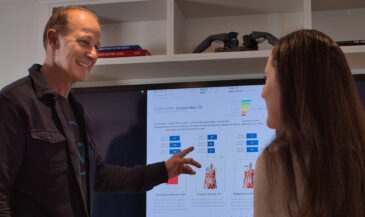
The INSiGHT scan makes this possible. With colorful visuals, real-time data, and intuitive reports, you transform abstract neurological concepts into tangible takeaways. You’re literally showing patients what stress looks like inside their bodies—and more importantly, how chiropractic care is helping them adapt​.

Why Reporting Is a Communication Superpower

Think of reporting as your storytelling stage. And every patient is the main character in their own wellness story.

Whether you’re showing a CORESCORE Report, a thermal scan, or a HRV analysis you’re using objective tools to highlight:

  • Where stress is building up
  • How well their nervous system is adapting
  • Why consistent care matters for long-term health

You’re not just saying “you need care.” You’re showing why—visually, measurably, and meaningfully.

Tools of the Trade: What the INSiGHT Delivers

With the Synapse software, you can create:

  • Single or dual scan reports for clear comparisons
  • CORESCOREs for both adults and children
  • Rainbow graphs, bar charts, and pattern analysis that visually depict progress

This range of tools allows you to meet each patient where they are—whether they’re detail-oriented or just need the big picture​.

Key Reports to Use:

  • Initial Scan Report – Establishes a baseline and starts the conversation
  • Progress Reports – Validates the journey and keeps patients engaged
  • Comparative Reports – Shows long-term trends and builds trust
  • Continuation Reports – Supports wellness care and reaffirms value

Scan view templates make it easy to stay consistent, regardless of patient type or care phase​.

Make It a Team Effort

Reporting isn’t a solo act. Your team plays a crucial role in preparing scans, scheduling report times, and creating a smooth flow.

Ask yourself:

  • Who’s prepping the reports?
  • Where do you share results—in the report room, at the adjusting table, or digitally?
  • What does the patient take home or see on screen?
  • How do you use scan visuals in reactivation or referral conversations?

By rehearsing and refining your team’s role, reports become rituals of empowerment, not just administrative steps.

Action Steps to Master Reporting

Ready to level-up your reporting game? Try this quick checklist:

  • Choose which scan reports you’ll use regularly (Initial, Progress, Comparative, etc.)
  • Stick to a consistent schedule—don’t overcomplicate with too many metrics
  • Use visuals over verbiage—let the scan speak for itself
  • Include CORESCOREs to show how stress affects adaptability
  • Designate a “report room” or flow that supports patient engagement
  • Make reports a highlight, not an afterthought, in your patient journey

Pro Tip: Simplicity Wins

Remember, patients don’t need to see more charts—they need to see progress. Use simple comparisons, use scores,  focus on trends, and help them visualize their body’s capacity to heal.

Keep it engaging. Keep it visual. Keep it real.

Turn Data into Decisions

Reporting isn’t about presenting results—it’s about empowering choices. When done well, this phase turns passive patients into proactive participants. It helps families understand that chiropractic isn’t just about pain relief—it’s about adaptability, development, and long-term well-being.

When your reporting is confident and consistent, your care becomes undeniable. You move from “provider” to partner in their wellness journey.

Get Started with INSiGHT Scanning

Take our Free Practice Strategy Assessment. A Personalized Guide and Expert Strategy Call to Help Determine How Scanning will Help you Grow
ABOUT THE AUTHOR

Dr. David Fletcher is actively involved in all aspects of innovation teaching and research connected to the INSiGHT™ scanning technologies. He is widely recognized for his ability to share his expertise in compelling and easy to understand ways.

Dr David is a renowned chiropractor who practiced for many years with his associates in a scan-centric thriving principled family-based practice in Toronto. He is a sought-after teacher mentor and keynote speaker who takes every opportunity to share the wisdom and the power of chiropractic as it is meant to be.

https://insightcla.com/wp-content/uploads/2022/07/david-1.png
Dr. David Fletcher
DC FRCCSS(C) – Founder & CEO CLA Inc.
LIKE THIS ARTICLE? HELP US SPREAD THE WORD

Be Seen. Be Heard. Be Certain

In today’s saturated healthcare market, chiropractors face an ongoing challenge: being visible. Discover key marketing tactics to ensure you can BE SEEN, BE HEARD, and BE CERTAIN in your practice!

Read these Next…

Get Informed

Join 23,121 other Chiropractors and receive topics covering day to day challenges of running your practice.

People don’t stick with things they don’t understand. If a patient walks into your office, gets adjusted, and walks out without knowing why it mattered, they won’t be back. And that’s the problem most chiropractors run into—patients disappear once the pain fades.

INSiGHT scanning changes that. It flips the script. Instead of hoping patients “feel” progress, you show them what’s happening inside their nervous system.

The Secret to Retention? Visual Proof

Most people walk around totally unaware of how much stress their nervous system is carrying. They don’t notice the tension, the poor adaptability, the way their body is struggling to keep up. Until they see it on a scan.

A colorful, easy-to-read report showing how well their nervous system is—or isn’t—handling life? That’s a wake-up call.

And when they come back a few weeks later and see improvement? That’s what keeps them hooked.

Patients Stay When They See Their Progress

A huge part of keeping people in care is giving them a reason to stay. That’s exactly why the CORESCORE™ is such a game-changer.

One number. A single score that tracks nervous system health over time. Patients don’t have to guess whether they’re improving. They see it.

  • Their HRV scan (neuroPULSE) shows if they’re recovering well or stuck in stress mode.
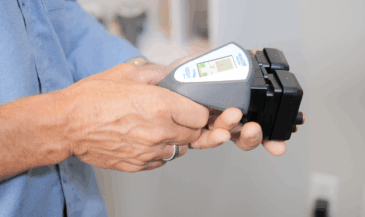
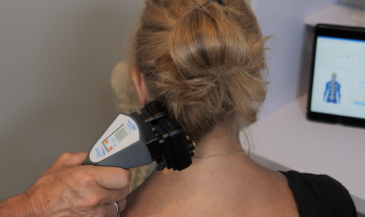
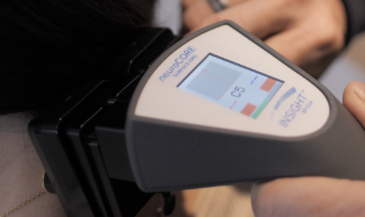
  • Their sEMG scan (neuroCORE) reveals how much tension their muscles are holding.
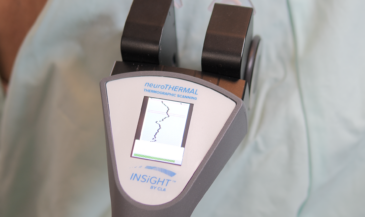
  • Their thermal scan (neuroTHERMAL) highlights nerve interference impacting deeper health.

All of it feeds into their CORESCORE™. When that number moves in the right direction, it’s real. It’s proof. Patients stay because they know the care is working.

Chiropractors That Use Data Build Trust

People are skeptical. They’ve been let down by other healthcare providers. They’ve been given generic advice that didn’t actually change anything.

But when you use scans to show exactly where their nervous system is struggling—and then track improvements? That changes everything.

This isn’t about convincing patients with words. It’s about showing them facts. Numbers don’t lie. A stressed-out nervous system isn’t something they can argue with when it’s staring them in the face.

Better Communication = Higher Retention

Most people don’t think about their nervous system until something forces them to. Their back hurts. They’re exhausted. Their headaches won’t go away.

Chiropractic care fixes those problems, but if that’s all they think adjustments do, they’ll leave when they start feeling better.

INSiGHT scans help them see the bigger picture.

  • Patients learn that nervous system stress doesn’t just cause pain—it affects digestion, sleep, energy, and immunity.
  • They realize that chiropractic isn’t about pain relief—it’s about keeping their nervous system running at full capacity.
  • They understand why ongoing care matters, because they can see how their nervous system is adapting over time.

Better education leads to better retention. When patients understand what’s happening inside their body, they stop thinking short-term and start committing long-term.

The Referral Effect: When Patients Start Talking

Here’s where things really take off. A patient walks into work or a family gathering with their INSiGHT scan results. They pull up their CORESCORE™ report and start showing people.

“Look at this—this was my nervous system before, and here’s how much it’s improved.”

That’s a conversation starter.

When people see results, they talk about them. They tell friends, family, co-workers. That’s how referrals happen. Not because you asked, but because patients are genuinely excited about their progress.

Why Every Chiropractor Needs INSiGHT Scans

This isn’t just about making practice more efficient. It’s about making care undeniable.

  • Retention skyrockets because patients track their progress in real time.
  • Trust grows because care is backed by objective data, not just words.
  • Referrals increase because people love sharing visible proof of improvement.

Chiropractic isn’t just about making people feel better. It’s about helping them function at their best. INSiGHT scanning makes that real.

Book a call with an INSiGHT Advisor today to learn how you can bring this transformative technology into your chiropractic practice.

FAQs About INSiGHT Scanning and Patient Retention

How does INSiGHT scanning help with retention?
Patients don’t stay for things they don’t understand. Scans give them visible proof that care is working, keeping them engaged and committed.

What is the CORESCORE™?
The CORESCORE™ combines multiple scan results into a single number, making it easy for patients to track nervous system health over time. It’s their neurological report card!

Can INSiGHT scans help with referrals?
Yes. When patients see clear, measurable improvements, they share those results with others, bringing in new patients.

Are the reports easy to explain?
Very. The visuals and data points make complex neurological concepts simple, helping patients connect the dots.

Why is objective data so important in chiropractic?
Patients trust what they can see. When they track their progress through scans, they feel more confident in their care.

Get Started with INSiGHT Scanning

Take our Free Practice Strategy Assessment. A Personalized Guide and Expert Strategy Call to Help Determine How Scanning will Help you Grow
ABOUT THE AUTHOR

Dr. David Fletcher is actively involved in all aspects of innovation teaching and research connected to the INSiGHT™ scanning technologies. He is widely recognized for his ability to share his expertise in compelling and easy to understand ways.

Dr David is a renowned chiropractor who practiced for many years with his associates in a scan-centric thriving principled family-based practice in Toronto. He is a sought-after teacher mentor and keynote speaker who takes every opportunity to share the wisdom and the power of chiropractic as it is meant to be.

https://insightcla.com/wp-content/uploads/2022/07/david-1.png
Dr. David Fletcher
DC FRCCSS(C) – Founder & CEO CLA Inc.
LIKE THIS ARTICLE? HELP US SPREAD THE WORD

Be Seen. Be Heard. Be Certain

In today’s saturated healthcare market, chiropractors face an ongoing challenge: being visible. Discover key marketing tactics to ensure you can BE SEEN, BE HEARD, and BE CERTAIN in your practice!

Read these Next…

Get Informed

Join 23,121 other Chiropractors and receive topics covering day to day challenges of running your practice.

Chiropractors love talking about structure—spinal alignment, posture, biomechanics. But what about function? That’s the piece that gets missed, and it’s the one that actually runs the show. The nervous system dictates everything, and if it’s not working efficiently, nothing else is either.

This is why NeuroTECH scanning has become the go-to diagnostic tool for chiropractors who are serious about measuring what actually matters. Structure is important, sure. But neurological function? That’s where real chiropractic impact is made.

Why Functional Data Matters 

A perfectly aligned spine doesn’t mean much if the nervous system running through it is stressed, sluggish, or overloaded. Patients can look fine on an X-ray and still feel terrible. Or they can have obvious postural distortions but function better than expected.

You’ve seen it happen. A patient walks in, complaining about fatigue, brain fog, weird tension that won’t go away. Maybe they’ve had X-rays before—nothing looks alarming. But something’s clearly off.

NeuroTECH scans show exactly what’s happening beneath the surface. They measure how well the nervous system is adapting, not just whether the spine is in the right place.

Three Neurofunctional Scans in the NeuroTECH

neuroPULSE (HRV) – Measuring Adaptability

Heart Rate Variability (HRV) is the gold standard for nervous system resilience. A strong HRV reading means the body is handling stress well. A poor reading? That’s a red flag that the system is under constant strain and struggling to recover.

  • Patients with low HRV often experience chronic fatigue, anxiety, immune weakness, and slow recovery.
  • High HRV correlates with better performance, faster healing, and stronger stress adaptation.

The neuroPULSE scan gives you hard data on whether a patient is trapped in fight-or-flight mode or shifting smoothly between stress and recovery. And when patients see their HRV improve over time, they actually stay committed to care.

neuroCORE (sEMG) – Measuring Muscle Exhaustion

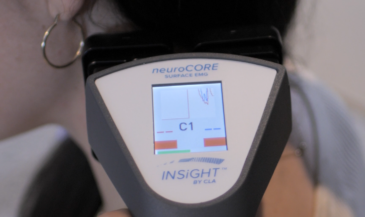
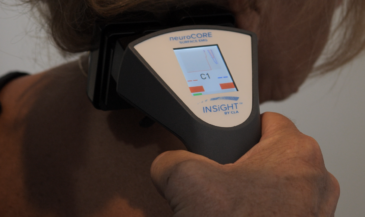
Surface Electromyography (sEMG) tracks muscle activity along the spine. Not just strength, but how much energy the muscles are burning to keep everything upright.

  • Hyperactive muscles = areas that are compensating too much for underlying nerve tension.
  • Underactive muscles = parts of the spine that are stuck in a pattern of dysfunction.

A patient with constant neck and shoulder tension? They’re burning way too much energy just to hold their posture together. A low back that’s always tight and fatigued? The nervous system is overworking those muscles, leaving them drained. This constantly altered information affects the spine, the central nervous system and brain function

The neuroCORE makes it clear where the problem is, so care can be focused where it matters most.

neuroTHERMAL – Tracking Autonomic Stress

Nerve interference doesn’t always show up in muscles—it can manifest in temperature imbalances along the spine. The autonomic nervous system regulates blood flow, and when there’s a disturbance, it creates patterns that thermographic scanning picks up instantly.

  • Chronic stress patterns show up as asymmetrical temperature shifts.
  • Areas of higher heat indicate inflammation and nerve compression.
  • Consistently low temperature zones suggest decreased nerve activity—the body isn’t communicating properly.

neuroTHERMAL scanning reveals hidden patterns of nerve dysfunction, making it easier to track the effects of adjustments and show patients what’s happening over time.

Why This Data Changes Chiropractic Care

1. No More Guesswork—Just Hard Data

NeuroTECH doesn’t rely on what a patient says they feel. It gives you objective data that backs up your care.

  • Instead of explaining “nerve interference,” you show it.
  • Instead of “trusting the process,” patients watch their nervous system improve.
  • Instead of adjusting based on general guidelines, you adjust with precision.

It removes the mystery and keeps patients committed to the process.

2. Tracking Progress Over Time

Chiropractic care isn’t just about today. It’s about how a patient’s nervous system adapts long-term.

NeuroTECH lets you track:

  • HRV improvements – is the patient adapting better to stress?
  • Muscle balance changes – are tension patterns shifting?
  • Autonomic stability – is the body regulating itself more efficiently?

When a patient can see their nervous system improving, they stick around.

3. Creating Real, Personalized Care Plans

This data lets you design care based on actual function—not just symptoms or standard recommendations.

  • High-stress patients? Focus on HRV improvements first.
  • Chronic pain with muscle overuse? Track sEMG changes.
  • Autonomic dysfunction? Watch how neuroTHERMAL readings evolve.

Every patient is different, and their care should be just as individualized.

FAQs About NeuroTECH in Chiropractic

Is NeuroTECH scanning safe?
Yes. It’s completely non-invasive, radiation-free, and safe for all ages, including infants.

How long does a full scan take?
The whole three scan process takes under seven minutes—fast enough to include in routine exams.

Why is HRV important for chiropractic?
By analysing Vagal tone, HRV shows how well the nervous system adapts to stress. A low HRV score means poor recovery and resilience, while a high HRV score signals better nervous system function.

How does sEMG help with adjustments?
sEMG pinpoints where muscles are compensating for nerve stress, making it easier to target adjustments for maximum impact.

What does a neuroTHERMAL scan tell you?
It tracks autonomic nervous system patterns, showing where nerve interference is affecting circulation and function.

Get Started with INSiGHT Scanning

Take our Free Practice Strategy Assessment. A Personalized Guide and Expert Strategy Call to Help Determine How Scanning will Help you Grow
ABOUT THE AUTHOR

Dr. David Fletcher is actively involved in all aspects of innovation teaching and research connected to the INSiGHT™ scanning technologies. He is widely recognized for his ability to share his expertise in compelling and easy to understand ways.

Dr David is a renowned chiropractor who practiced for many years with his associates in a scan-centric thriving principled family-based practice in Toronto. He is a sought-after teacher mentor and keynote speaker who takes every opportunity to share the wisdom and the power of chiropractic as it is meant to be.

https://insightcla.com/wp-content/uploads/2022/07/david-1.png
Dr. David Fletcher
DC FRCCSS(C) – Founder & CEO CLA Inc.
LIKE THIS ARTICLE? HELP US SPREAD THE WORD

Be Seen. Be Heard. Be Certain

In today’s saturated healthcare market, chiropractors face an ongoing challenge: being visible. Discover key marketing tactics to ensure you can BE SEEN, BE HEARD, and BE CERTAIN in your practice!

Read these Next…

Get Informed

Join 23,121 other Chiropractors and receive topics covering day to day challenges of running your practice.

As part of our Patient Lifecycle series, we’ve covered Part One: Attraction.

Attraction may get a patient in the door, but Clinical Excellence is what earns their trust and keeps them coming back. This phase of the Patient Lifecycle isn’t just about delivering care—it’s about delivering confidence, clarity, and clinical certainty through every interaction, every scan, and every conversation.

Why Clinical Excellence Is the Backbone of a Great Practice

Let’s be honest—most patients don’t fully understand chiropractic when they arrive. What they do understand is how you make them feel. Are you focused? Are you organized? Do your recommendations make sense? Is their progress visible?

When your clinical processes are refined and powered by consistent systems, your care becomes undeniable. Not because you’re louder, but because you’re clearer. Clinical excellence isn’t about perfection—it’s about creating a repeatable experience that puts the patient at ease while guiding them toward optimal function​.

The INSiGHT Difference: Science Meets Simplicity

This is where the INSiGHT scanning system becomes your secret weapon. It removes the guesswork and replaces it with data-driven precision. Whether you’re conducting an initial exam, a progress scan, or a continuation assessment, you’re providing objective, reproducible insights into nervous system function. It’s clarity on a whole new level.

Unlike subjective methods that rely only on palpation or observation,  the INSiGHT helps you communicate in a language patients can actually see—stress, adaptability, and imbalance—all revealed on screen. And that visual language? It builds trust faster than any lecture ever could​.

Building the Right Clinical Flow

To fully embody clinical excellence, your practice needs systems. Not just any systems—but systems that serve your purpose, your people, and your process.

Here’s how to structure your Clinical Excellence phase using the INSiGHT Patient Lifecycle framework:

1. Designate a Scanning Lead

Choose who’s responsible for leading your scanning team. This ensures consistency in quality, technique, and communication. Then, make sure the whole team is cross-trained. Every staff member should understand the scanning process, the flow of care, and the story you’re telling with the technology.

2. Integrate Seamlessly into Your Workflow

Build INSiGHT scanning into every phase of care:

  • Initial Exams for creating baselines and initiating neurofunctional education

  • Progress Exams to track changeability and adaptability

  • Comparative Exams to measure trends

  • Continuation Exams to support  and promote lifetime chiropractic

This structure not only supports care—it supports retention, referrals, and reactivation of past patients who are ready to reconnect with their health​.

3. Simplify the Patient Journey

Your care flow should be smooth and predictable. Decide early:

  • Will you review scans on the same day or schedule a separate report day?

  • Can families be scanned during the same visit?

  • Where will scans and reports take place— in a dedicated report room or tableside?

When your systems are dialed in, patients sense it—and that structure supports their decision to sign on initially and continue care long term.

Clinical Excellence Isn’t Just About Results—It’s About Certainty

The real power of this phase lies in your ability to say, with confidence, “Here’s what we found, here’s what it means, and here’s how we’ll move forward.” That certainty is a game-changer.

It also creates clinical alignment across your team. When everyone—from front desk to associate—is working from the same protocol, patients feel supported and your office energy flows more freely.

Action Steps: Putting It All Into Motion

Here’s a simple checklist to assess and refine your Clinical Excellence systems:

  • Assign a scanning team leader
  • Cross-train all team members on INSiGHT scan protocols
  • Build scanning into all exam points (Initial, Progress, Comparative, Continuation) 
  • Create a scan-scan care planning model so that the nervous system is always front and center
  • Establish your report flow: when, where, and how results are shared
  • Create timelines to train staff and integrate into your Report of Findings (ROF)

The end goal? A seamless, professional, and empowering experience for every patient.

Excellence Is a Habit, Not a Goal

In the end, Clinical Excellence isn’t about having the most certifications or the flashiest office. It’s about being the chiropractor who brings clarity to chaos, who shows the nervous system in action, and who builds a care journey that’s structured, supportive, and successful.

This is how you elevate your impact, differentiate your practice, and step confidently into the next phases of the Patient Lifecycle.

Get Started with INSiGHT Scanning

Take our Free Practice Strategy Assessment. A Personalized Guide and Expert Strategy Call to Help Determine How Scanning will Help you Grow
ABOUT THE AUTHOR

Dr. David Fletcher is actively involved in all aspects of innovation teaching and research connected to the INSiGHT™ scanning technologies. He is widely recognized for his ability to share his expertise in compelling and easy to understand ways.

Dr David is a renowned chiropractor who practiced for many years with his associates in a scan-centric thriving principled family-based practice in Toronto. He is a sought-after teacher mentor and keynote speaker who takes every opportunity to share the wisdom and the power of chiropractic as it is meant to be.

https://insightcla.com/wp-content/uploads/2022/07/david-1.png
Dr. David Fletcher
DC FRCCSS(C) – Founder & CEO CLA Inc.
LIKE THIS ARTICLE? HELP US SPREAD THE WORD

Be Seen. Be Heard. Be Certain

In today’s saturated healthcare market, chiropractors face an ongoing challenge: being visible. Discover key marketing tactics to ensure you can BE SEEN, BE HEARD, and BE CERTAIN in your practice!

Read these Next…

Get Informed

Join 23,121 other Chiropractors and receive topics covering day to day challenges of running your practice.

Some patients walk in ready to commit. They’ve done their research. They get the value of chiropractic. But most? They’ve got questions.. They’ve heard mixed opinions, they don’t fully understand what you do, and they’re hesitant to invest in something they’re not totally sure about. 

If they don’t see clear proof, hear a message that makes sense, or feel certain that chiropractic is working, they won’t stay. That’s why objective data is so important. People trust what they can measure. If you want more patients to believe in chiropractic—and stick with it—you need to show them real, undeniable results.

Give Patients Something They Can’t Ignore

People are visual learners. Telling them that their nervous system is under stress? That’s one thing. But showing them an INSiGHT scan with clear, color-coded data? That’s different. That’s real. That’s something they can see.

  • Baseline scans create a starting point. Before you adjust them, they might not feel out of balance. But when they see a scan showing nervous system tension, dysregulation, or stress overload? That changes their perspective.
  • Progress scans show the transformation. Most people forget how bad they felt when they first walked in. But when you can pull up their first scan and compare it to where they are now? That’s proof. That’s what makes them see why long-term care matters.
  • Scans make referrals easier. Patients don’t always know how to explain chiropractic to their friends. But if they’ve seen their own nervous system change over time? They’ll talk about it. They’ll pull out their scan and show people why they keep coming back.

Change the Chiropractic Conversation

Most people think chiropractic is about fixing painful problems. That’s why they hesitate when they don’t have symptoms. The key is making sure they hear a message that actually connects. Nervous system health isn’t about just feeling better—it’s about functioning better.

  • Simplify the science. Patients don’t need a neurology lecture. They just need to know: stress builds up, it affects their nervous system, and adjustments help reset it. Keep it simple. Make it relatable.
  • Explain why symptoms don’t tell the full story. Pain is a late-stage warning signal. Most problems start long before symptoms show up. When you show patients their nervous system scan, you’re giving them a chance to fix issues before they feel them.
  • Make it about long-term health, not quick fixes. People don’t second-guess dental checkups, even if they have no tooth pain. Chiropractic should be the same. Regular scans help shift the mindset from “treatment” to “maintenance.”

Proof Builds Trust and Retention

Skepticism disappears when people see undeniable proof. That’s why INSiGHT Scanning works so well—it eliminates doubt. Patients aren’t just relying on how they feel anymore. They can see their nervous system adapting.

  • Data creates certainty. When a patient sees black-and-white proof that their nervous system is stressed, it’s no longer a debate. It’s a fact. And when they see that stress improve? That’s when they commit to care long-term.
  • Progress tracking increases retention. If patients only rely on symptoms, they’ll leave as soon as they “feel fine.” But if they’re tracking their nervous system health with scans, they’ll stay. They’ll want to keep improving.
  • Trust turns patients into advocates. When patients see real, measurable change, they believe in chiropractic. And when they believe in it? They’ll tell everyone they know.

Skepticism isn’t the enemy. It’s an opportunity. Give patients something they can see, make sure they hear the right message, and give them a reason to feel certain that their health is improving. When you do that, they don’t just stick around—they send more people your way.

Get Started with INSiGHT Scanning

Take our Free Practice Strategy Assessment. A Personalized Guide and Expert Strategy Call to Help Determine How Scanning will Help you Grow
ABOUT THE AUTHOR

Dr. David Fletcher is actively involved in all aspects of innovation teaching and research connected to the INSiGHT™ scanning technologies. He is widely recognized for his ability to share his expertise in compelling and easy to understand ways.

Dr David is a renowned chiropractor who practiced for many years with his associates in a scan-centric thriving principled family-based practice in Toronto. He is a sought-after teacher mentor and keynote speaker who takes every opportunity to share the wisdom and the power of chiropractic as it is meant to be.

https://insightcla.com/wp-content/uploads/2022/07/david-1.png
Dr. David Fletcher
DC FRCCSS(C) – Founder & CEO CLA Inc.
LIKE THIS ARTICLE? HELP US SPREAD THE WORD

Be Seen. Be Heard. Be Certain

In today’s saturated healthcare market, chiropractors face an ongoing challenge: being visible. Discover key marketing tactics to ensure you can BE SEEN, BE HEARD, and BE CERTAIN in your practice!

Read these Next…

Get Informed

Join 23,121 other Chiropractors and receive topics covering day to day challenges of running your practice.

Patients walk in thinking chiropractic is something you do when you have pain and joint problems. They don’t see it as something you keep doing to keep your nervous system firing on all cylinders. And that’s the problem. If they see chiropractic as just a fix, they’ll leave the second they feel fine. If they see it as part of a long-term strategy? They’ll stay for life.

Most of the healthcare world teaches people to react—wait for symptoms, then treat them. Chiropractic has always been different. It’s about keeping the body working, not just getting it back on track after a problem shows up. If patients don’t see that, hear a message that keeps them engaged, or feel certain that long-term care is the right choice, they won’t stick with it.

Why Patients Don’t Stay Long Enough

Most people assume they’re fine as long as they don’t feel or perceive anything wrong. That’s the mindset that keeps them from committing to care.
  • They think feeling OK is just OK. If there’s no pain, they don’t see a reason to come back.

  • They wait for symptoms instead of tracking function. They don’t know that stress and dysfunction build up long before symptoms show up.
  • They have no way to measure progress beyond how they feel. If nothing feels wrong, they assume nothing needs to be done.

This is why patients leave. Not because your care didn’t make a difference, but because they never understood what they were working toward.

How to Get Patients to See Chiropractic as a Lifestyle

  1. Make sure they see what’s happening in their body.
    • Patients don’t just need to hear that their nervous system controls everything—they need to see it. INSiGHT Scanning gives them proof of where their body is adapting well and where it isn’t.
    • If they see stress levels improving over time, they understand why care matters even when they’re not in pain.

  2. Make progress real, not just a feeling.
    • Progress isn’t about how they feel—it’s about how their body is actually performing. Regular scans keep them engaged because they can see what’s changing.
    • Instead of saying, “You’re doing great,” show them their nervous system balance is improving. Give them something measurable.

  3. Keep reinforcing why ongoing care matters.
    • Nobody stops brushing their teeth because their mouth feels clean. Nobody stops working out because they hit a goal weight. Chiropractic works the same way. The nervous system never stops adapting—so care should never stop supporting that.
    • Keep it simple: “This isn’t just about fixing problems. It’s about keeping your nervous system strong, adaptable, and functioning at its best.”

What Keeps Patients Coming Back?

They see what’s happening in their nervous system. They hear a message that connects. And they feel certain that care is helping them, even when they’re not in pain.

Patients who only focus on symptoms will always leave when they feel fine. Patients who track their progress, understand function, and see chiropractic as part of their health strategy? They stay. And they bring their families too.

Get Started with INSiGHT Scanning

Take our Free Practice Strategy Assessment. A Personalized Guide and Expert Strategy Call to Help Determine How Scanning will Help you Grow
ABOUT THE AUTHOR

Dr. David Fletcher is actively involved in all aspects of innovation teaching and research connected to the INSiGHT™ scanning technologies. He is widely recognized for his ability to share his expertise in compelling and easy to understand ways.

Dr David is a renowned chiropractor who practiced for many years with his associates in a scan-centric thriving principled family-based practice in Toronto. He is a sought-after teacher mentor and keynote speaker who takes every opportunity to share the wisdom and the power of chiropractic as it is meant to be.

https://insightcla.com/wp-content/uploads/2022/07/david-1.png
Dr. David Fletcher
DC FRCCSS(C) – Founder & CEO CLA Inc.
LIKE THIS ARTICLE? HELP US SPREAD THE WORD

Be Seen. Be Heard. Be Certain

In today’s saturated healthcare market, chiropractors face an ongoing challenge: being visible. Discover key marketing tactics to ensure you can BE SEEN, BE HEARD, and BE CERTAIN in your practice!

Read these Next…

Get Informed

Join 23,121 other Chiropractors and receive topics covering day to day challenges of running your practice.

In every thriving chiropractic office, success doesn’t start at the first adjustment—it begins long before that. It starts when a potential patient first sees your name, hears your story, or connects with your mission. This is the Attraction pillar, the vital first step in the Patient Lifecycle, and it’s more than just marketing—it’s magnetic.

What Is Attraction?

At its core, Attraction is visibility. It’s how you show up in the world, online and offline, and how you begin building trust before a patient even walks through your doors. It’s the energy you carry, the message you share, and the certainty you radiate as a practitioner.

In CLA’s Patient Lifecycle model, Attraction isn’t about gimmicks—it’s about positioning your practice as a place of clarity, care, and confidence. Every word you say, post you share, and hand you shake reinforces your identity and purpose as a chiropractor who’s here to make a difference​.

Why It Matters More Than Ever

Let’s face it: patients have more choices than ever. The market is noisy, attention is fleeting, and health information is abundant—sometimes overwhelming. Attraction is what cuts through that clutter. It helps the right people find you—not just any chiropractor, but the one who speaks their language and understands their needs.

And here’s the kicker: your technology speaks volumes. INSiGHT scanning systems immediately set you apart. They show that you’re committed to precision, transparency, and neuro-focused care. This isn’t just a piece of equipment—it’s your “real reason to believe” for patients who are seeking more than symptom relief​.

The Power of Positioning

If you want to build a resilient practice, Attraction can’t be accidental—it has to be intentional. So, let’s talk strategy.

1. Clarity Over Cleverness

Don’t get lost trying to “market like a pro.” Speak directly and authentically. Show families how your practice helps kids sleep better, athletes recover faster, or parents reduce stress. Keep the message simple, visual, and aligned with what your community truly cares about.

2. Leverage the INSiGHT Difference

The INSiGHT isn’t just a diagnostic tool—it’s a conversation starter. Use it to showcase the unseen story of the nervous system. People are drawn to stories that make the invisible visible, and INSiGHT reports do exactly that. Show how you go beyond the spine to focus on function, resilience, and long-term well-being​.

3. Build Community Relationships

Get out from behind the desk. Walk your neighborhood, connect with local business owners, attend community events, and collaborate with family-focused organizations. Attraction is fueled by human connection, not just digital campaigns.

4. Amplify Through Content

Hire a photographer for an office tour, create simple video explainers about how scanning works, or use CLA’s social media templates to stay active and consistent. Don’t underestimate the power of a well-placed Instagram reel or a 60-second scan highlight to spark curiosity​.

Download Our Patient Lifecycle Worksheet

Action Steps to Make It Real

CLA’s Attraction worksheet offers a simple roadmap to kickstart your visibility plan. Here are a few action items pulled directly from that model:

  • Hire a photographer or videographer to showcase your space

  • Use the Marketing Toolkit provided by CLA

  • Leverage community networking to increase word-of-mouth referrals

  • Start conversations with other health practitioners in your area

  • Be visible—online, in your neighborhood, and at local events​

Attraction Isn’t Optional—It’s Foundational

Attraction isn’t about doing more—it’s about showing up with purpose. When done right, it brings the kind of patients you love working with, aligns your message with your mission, and sets the tone for everything that follows in the Patient Lifecycle.

And remember: you’re not just attracting patients—you’re inviting families into a better story about their health.

Stay tuned for Part 2 in this series, where we’ll explore Clinical Excellence—what it means, how to build it, and why systems and technology are the backbone of lasting results.

Get Started with INSiGHT Scanning

Take our Free Practice Strategy Assessment. A Personalized Guide and Expert Strategy Call to Help Determine How Scanning will Help you Grow
ABOUT THE AUTHOR

Dr. David Fletcher is actively involved in all aspects of innovation teaching and research connected to the INSiGHT™ scanning technologies. He is widely recognized for his ability to share his expertise in compelling and easy to understand ways.

Dr David is a renowned chiropractor who practiced for many years with his associates in a scan-centric thriving principled family-based practice in Toronto. He is a sought-after teacher mentor and keynote speaker who takes every opportunity to share the wisdom and the power of chiropractic as it is meant to be.

https://insightcla.com/wp-content/uploads/2022/07/david-1.png
Dr. David Fletcher
DC FRCCSS(C) – Founder & CEO CLA Inc.
LIKE THIS ARTICLE? HELP US SPREAD THE WORD

Be Seen. Be Heard. Be Certain

In today’s saturated healthcare market, chiropractors face an ongoing challenge: being visible. Discover key marketing tactics to ensure you can BE SEEN, BE HEARD, and BE CERTAIN in your practice!

Read these Next…


Get Informed

Join 23,121 other Chiropractors and receive topics covering day to day challenges of running your practice.
+