
We hear the word “burnout” everywhere these days. Exhaustion. Overwhelm. Disconnection. But here’s the problem:
Burnout isn’t just a mental or emotional issue. It’s a physiological one.
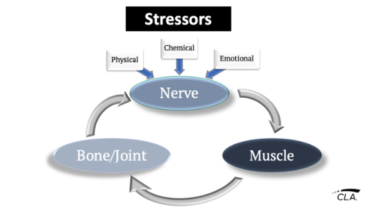
When patients say they feel “burned out,” they’re often describing a nervous system that’s stuck. Stuck in stress. Stuck in survival. And stuck in patterns that prevent recovery.
As chiropractors, we need to help patients see that this isn’t about willpower or mindset. It’s about the state of their nervous system—and that can be measured, tracked, and improved.
Burnout Has a Physical Signature
Burnout is what happens when the body runs on stress chemistry for too long. Cortisol spikes. Recovery drops. The nervous system gets stuck in sympathetic dominance, and the ability to switch into “rest and digest” mode fades away.
The result?
- Brain fog
- Constant fatigue
- Trouble sleeping
- Low motivation
- Emotional numbness
- Poor immune response
This isn’t laziness. It’s a breakdown in regulation. And it’s not just happening in the mind—it’s showing up all over the body.
What Burnout Looks Like on a Scan
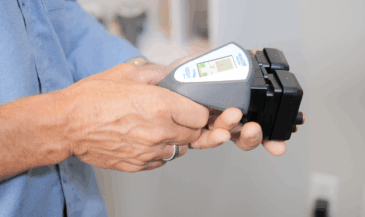
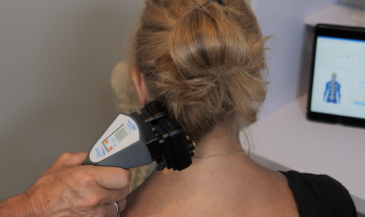
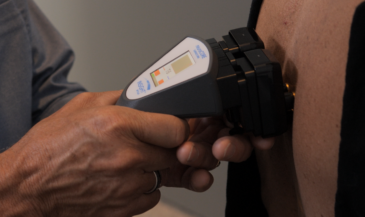
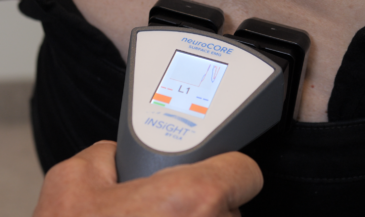
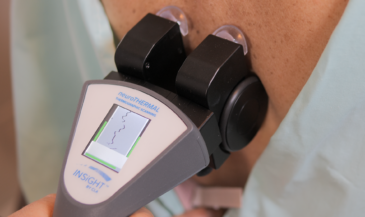
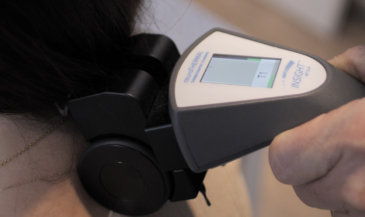
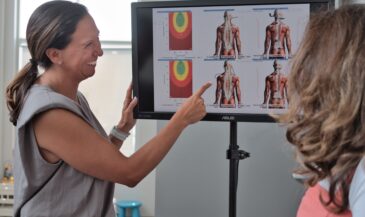
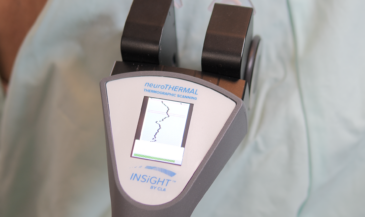
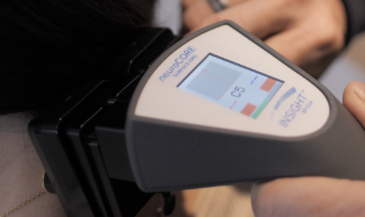
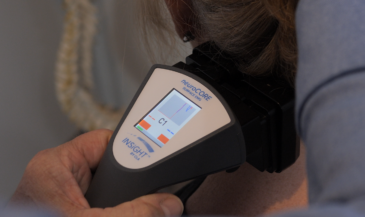
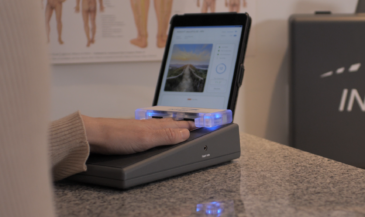
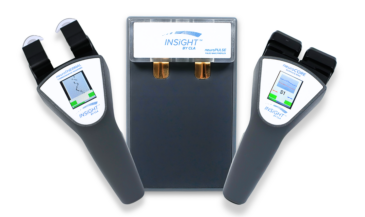
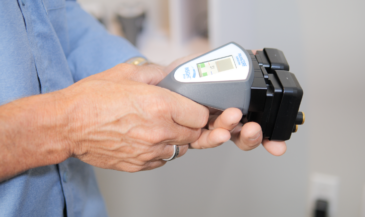
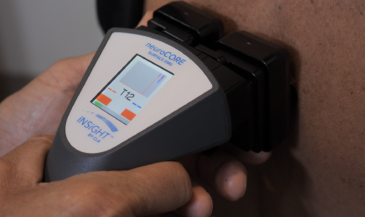
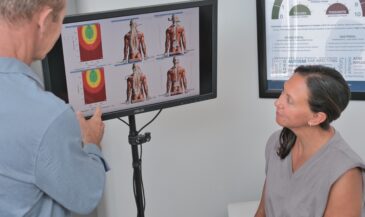
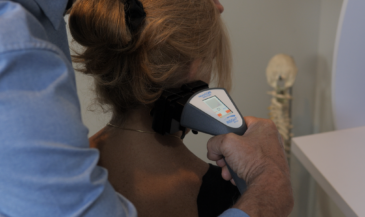
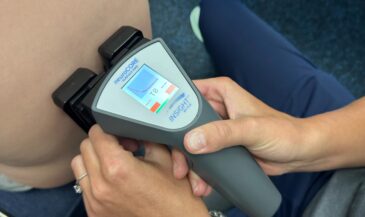
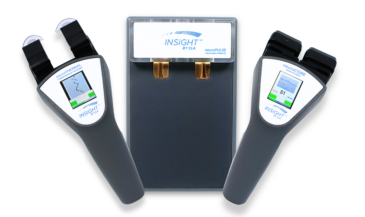
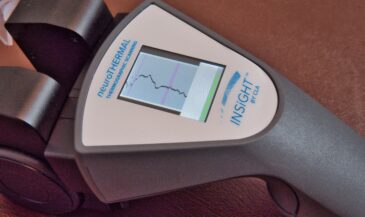
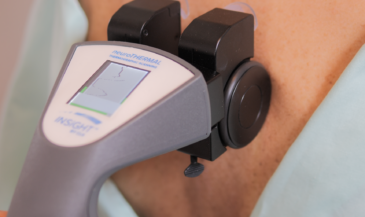
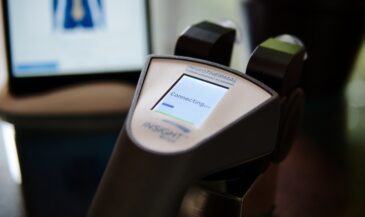
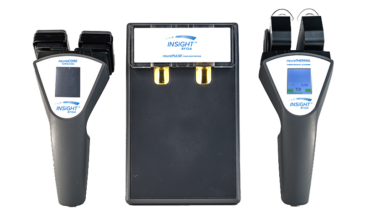
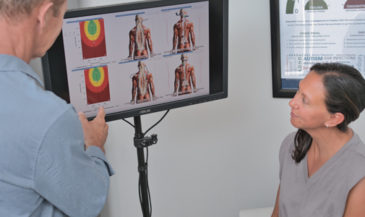
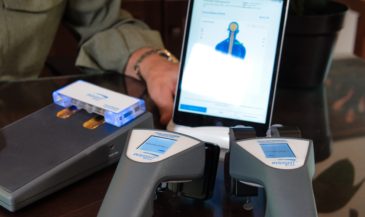
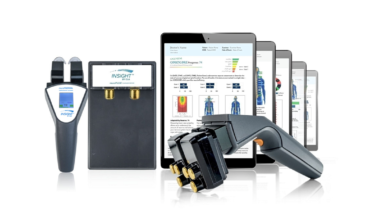
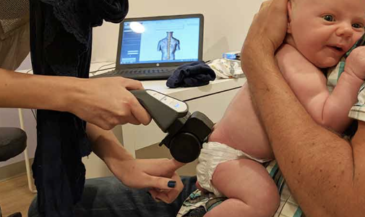
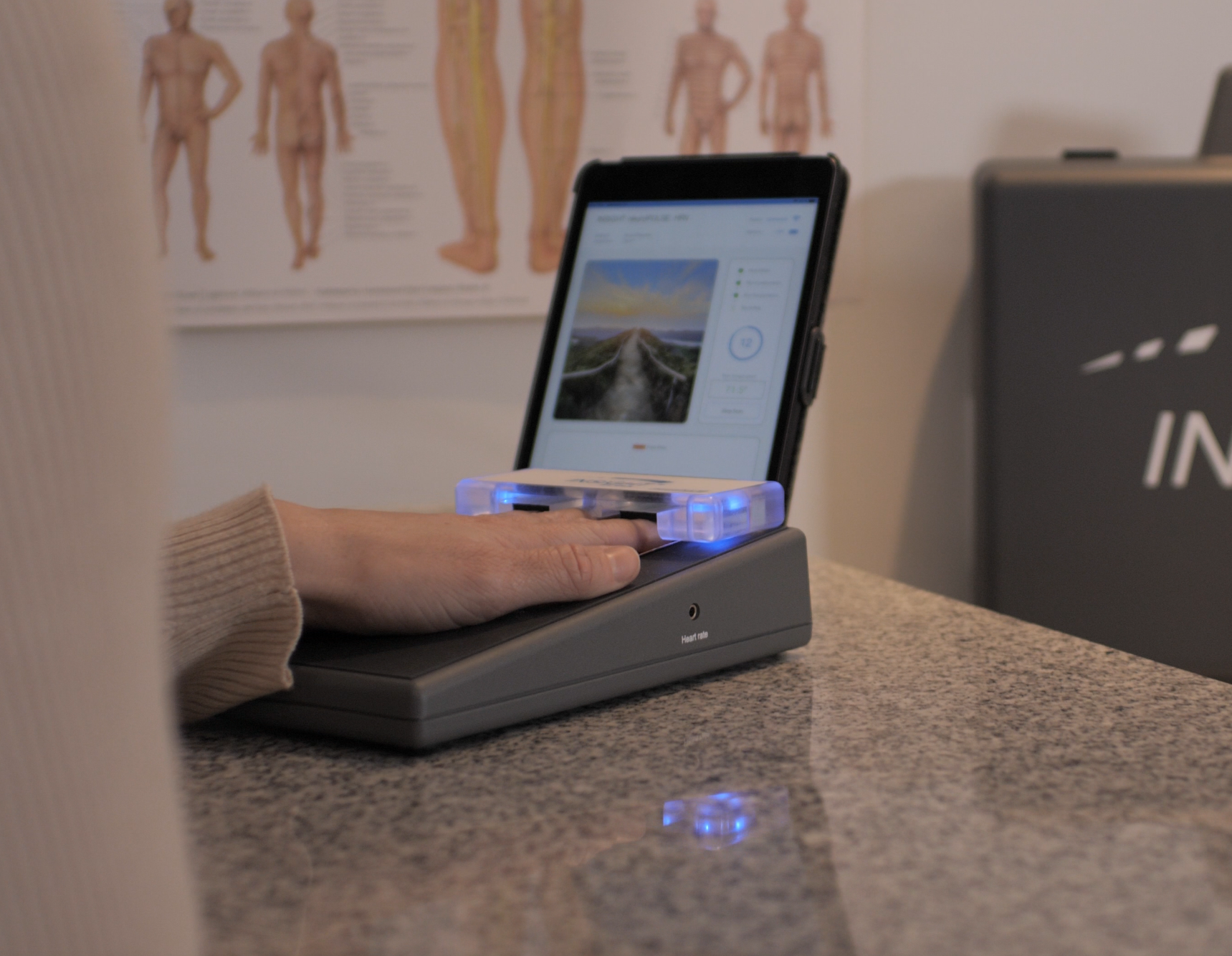
One of the most effective ways to validate what your patients are feeling is to show them how stress is affecting their entire nervous system. That’s what makes INSiGHT scanning so powerful.
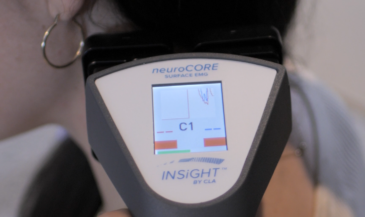
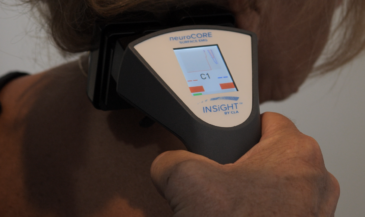
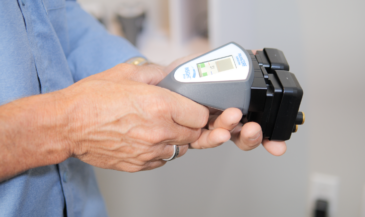
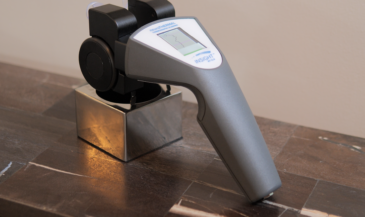
- The neuroCORE (sEMG) scan often reveals patterns of chronic muscle tension and energy depletion. The system is using up too much effort just to stay upright—and there’s little left for recovery.
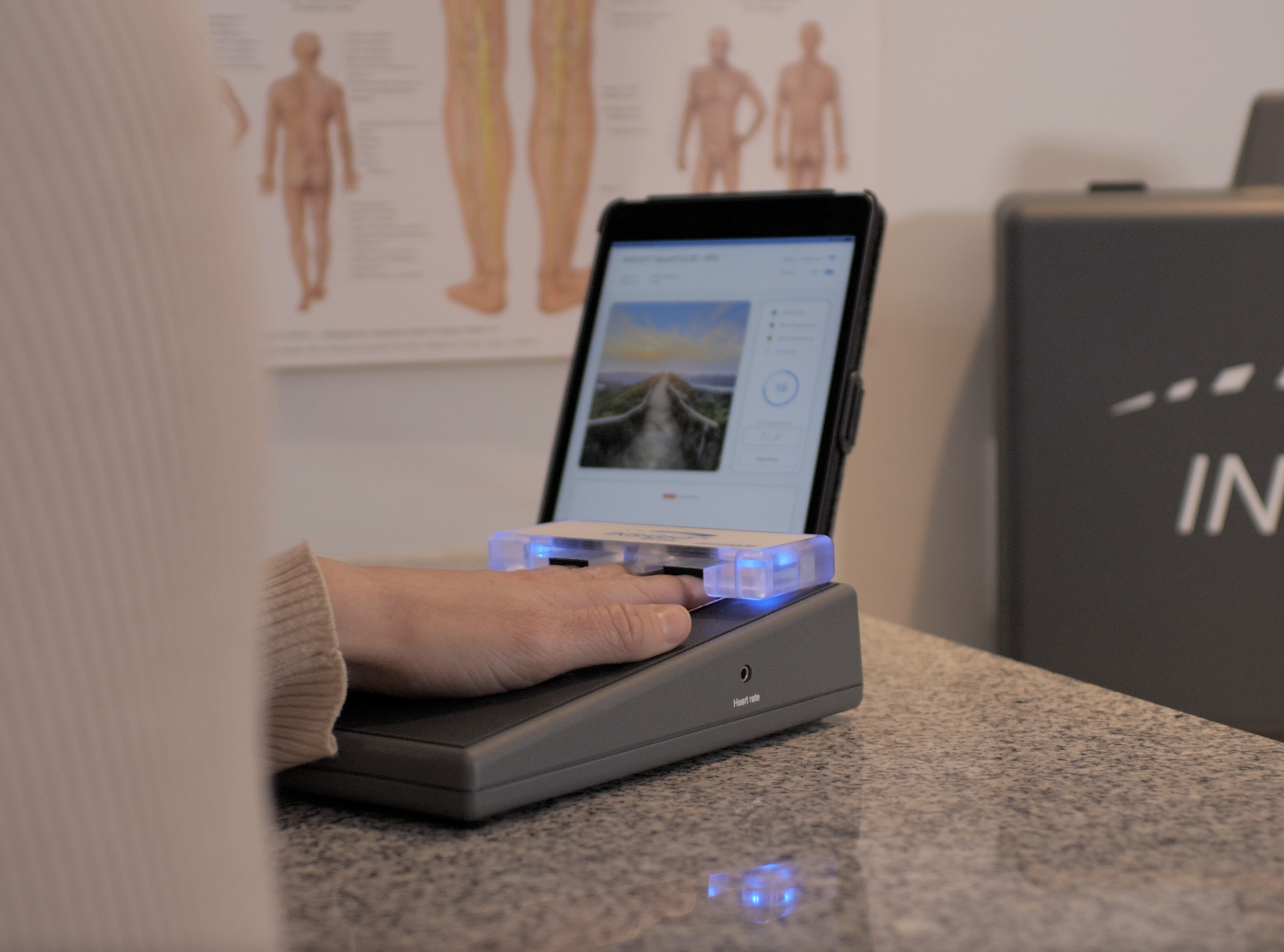
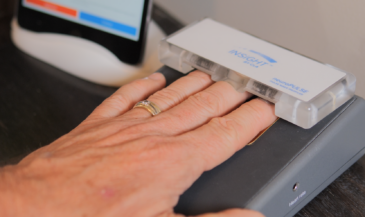
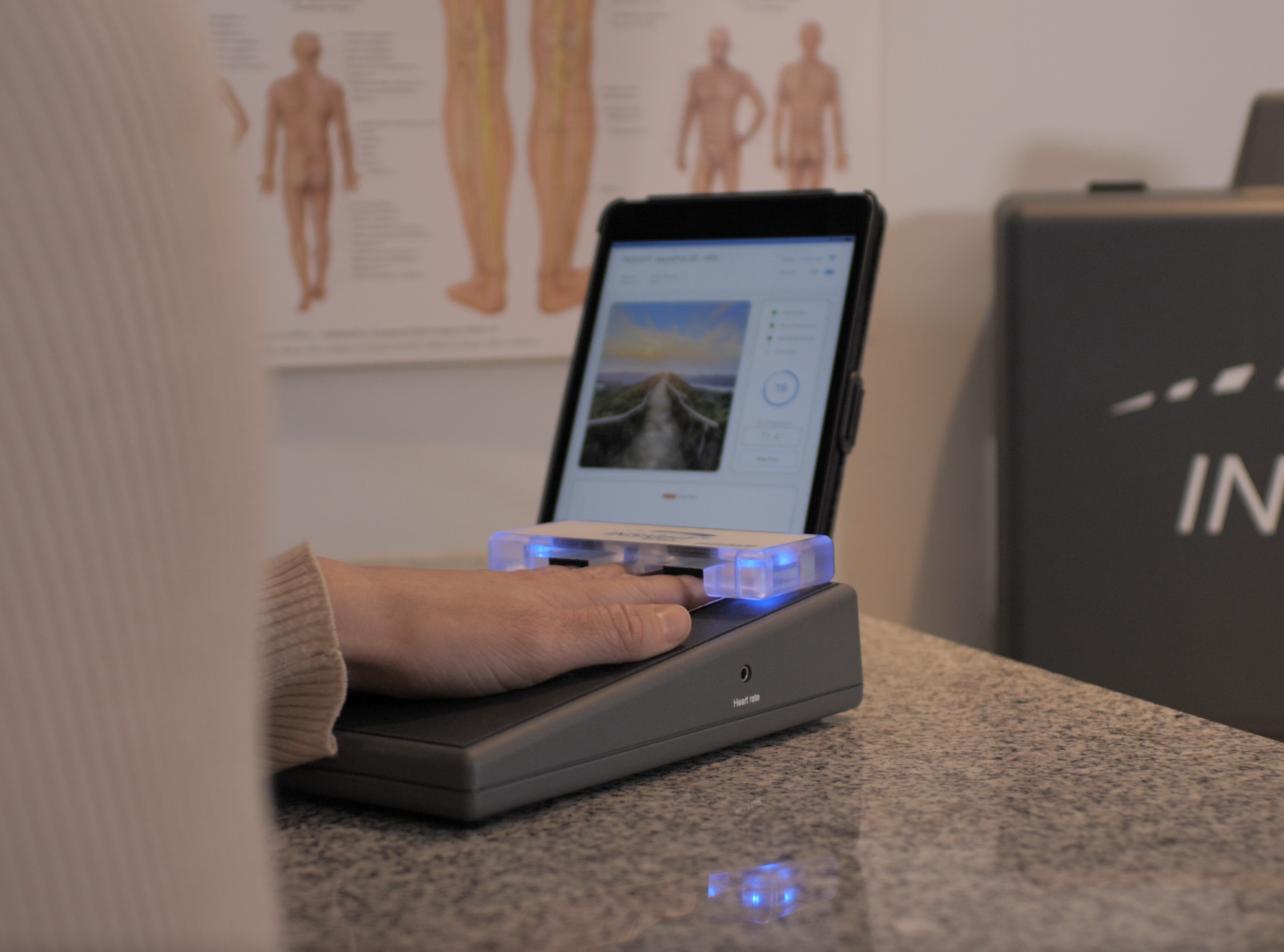
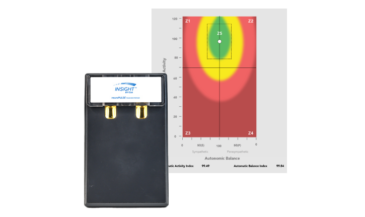
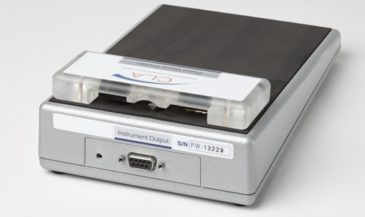
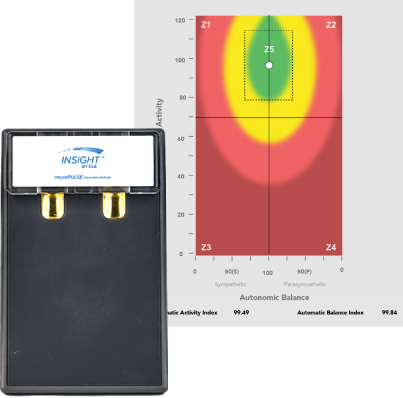
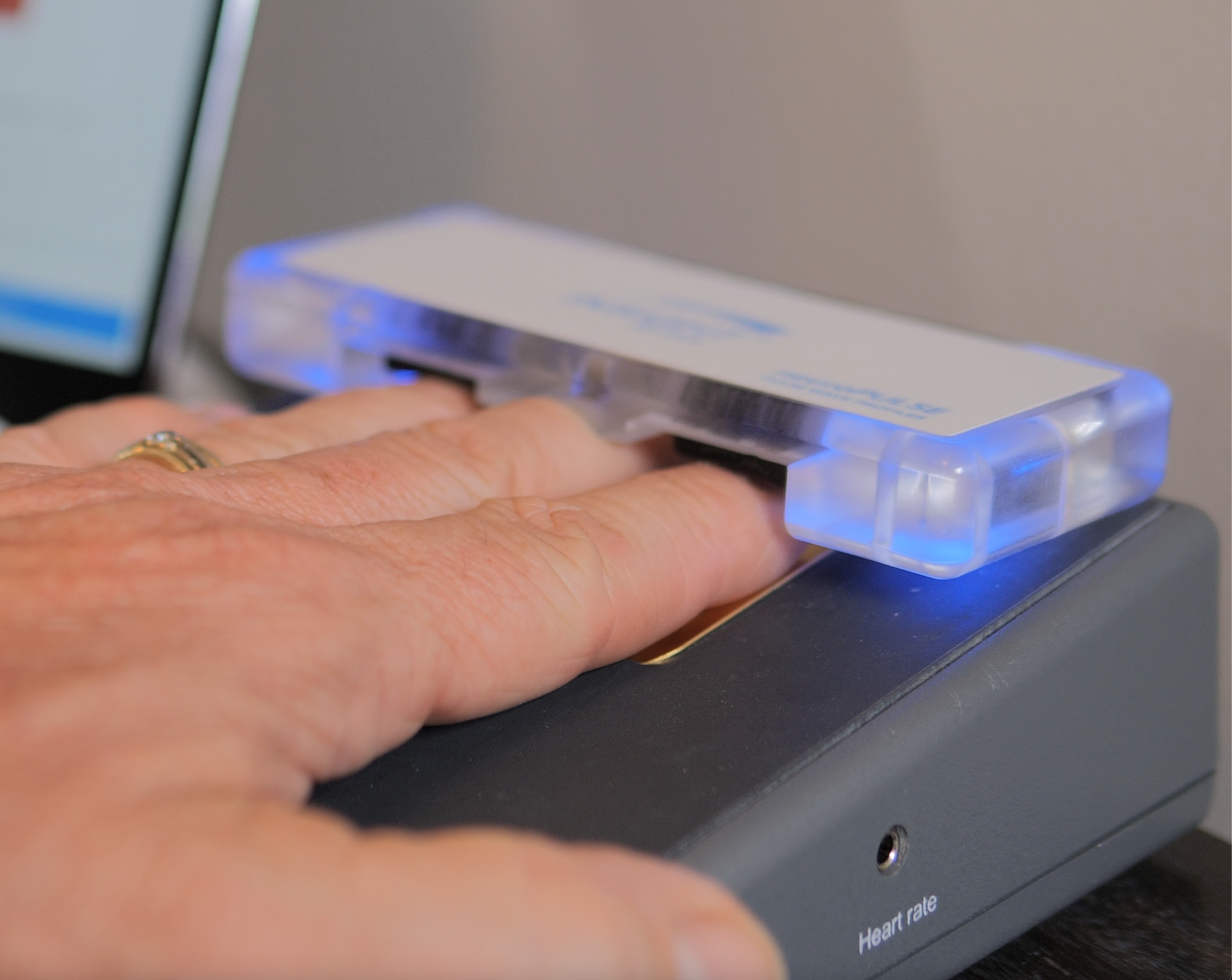
- The neuroPULSE (HRV) scan shows how the autonomic nervous system is adapting (or failing to). Patients with burnout often display low HRV, meaning their body can’t shift gears easily between stress and recovery.
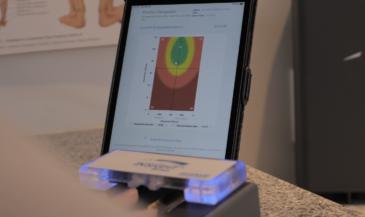
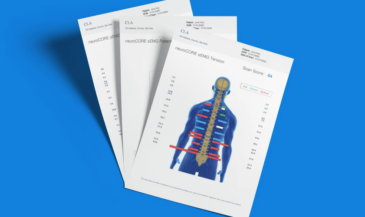
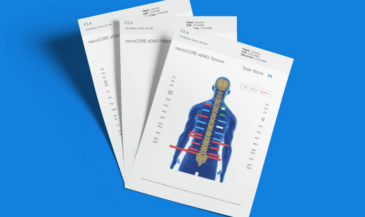
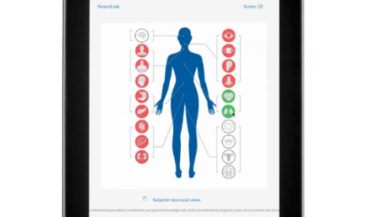
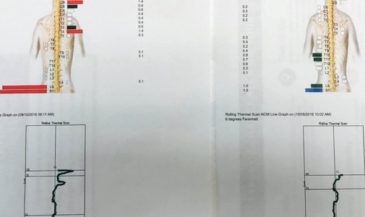
- When these results are combined into a CORESCORE neurological report card, it gives patients visual proof of what they’ve been feeling. It’s not “just in their head”—it’s in their system.
And once they see it, they’re ready for a care plan that helps them come back to life.
Adrenal Fatigue and the Nervous System
Many people use the term “adrenal fatigue” to explain chronic exhaustion. While it’s true that the adrenal glands play a role in stress response, they’re not the starting point—the nervous system is.
It’s the nervous system that tells the adrenals to pump cortisol. It’s the nervous system that triggers fight-or-flight. And when that stress response gets stuck in the “on” position, burnout becomes inevitable.
The solution isn’t to chase hormone support—it’s to restore neurological adaptability so that the body can regulate energy use and recovery more intelligently.
How Chiropractic Care Rebuilds Energy
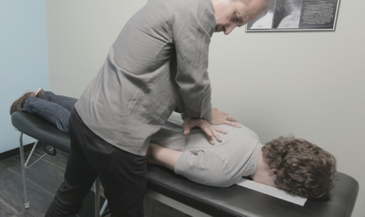
Chiropractic adjustments aren’t just about improving motion or reducing pain. They help restore nervous system clarity. And when the nervous system gets clearer, it starts making better decisions about energy, stress, and recovery.
That’s why patients under regular chiropractic care often report:
- More energy
- Improved sleep
- Greater emotional stability
- Better focus
- A deeper sense of calm
By removing subluxations and rebalancing the autonomic nervous system, chiropractic care supports the physiology of resilience. It’s not a quick fix—it’s a return to efficient function.
Scanning: The First Step in Real Recovery
Burnout doesn’t resolve on its own. And it’s not just about self-care routines or taking a vacation. If the nervous system remains dysregulated, the body stays stuck in survival mode—no matter how much rest a person tries to get.
That’s why nervous system scanning should be the starting point for anyone experiencing signs of burnout.
- It shows the current state of regulation.
- It reveals hidden stress patterns.
- It tracks how care is helping the body recover over time.
- And it reframes health as adaptability, not just symptom management.
With INSiGHT technology, you’re not just validating a patient’s experience—you’re giving them a roadmap to get back on track.
Book a call with an INSiGHT Advisor if you want to bring this kind of transformational system into your practice! We’ll show you how to implement scanning, reporting, and care planning tools that boost your retention and help your patients reach their full potential.