When most people hear the word “subluxation,” they picture a spinal issue—something structural. But as a chiropractor focused on neurological function, you know better. A subluxation isn’t just a bone out of place. It’s a disruption in the brain-body connection. And that makes it one of the most critical health issues your patients need to understand.

Because here’s the truth: subluxations aren’t just local—they’re global.

They may show up in the spine as a vertebral subluxation, but the real damage happens in the feedback loops between the nervous system and the rest of the body. And if that loop is compromised, symptoms can pop up anywhere—from digestion to sleep, from mood to immunity.

Let’s reframe the conversation.

Subluxation: More Than a Misalignment

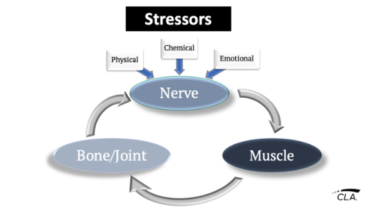
A subluxation is a stress pattern stored in the spine and nervous system that disrupts the normal signaling between the brain and the body. Functionally, it’s a neurological bottleneck—a place where the information highway gets jammed. Signals get distorted. Communication slows. Adaptability drops.

And that leads to one thing: dysfunction.

Now, it might start as tightness or a nagging ache, but as that interference lingers, the nervous system starts compensating. The brain stops getting accurate feedback. Muscles brace. Organs underperform. Mood shifts. And most of the time, the patient has no idea it’s connected.

The Brain-Body Loop: Where Health Begins

Your nervous system runs on a two-way loop: input goes up the spine to the brain; output comes back down to regulate every system.

  • The spine is the pathway.
  • The nervous system is the messenger.
  • The brain is the interpreter.

When a subluxation occurs, the loop gets scrambled. Your brain’s ability to interpret incoming signals is distorted. Its ability to respond appropriately is weakened. That’s why a child with a subluxation in the upper cervical region may struggle with ear infections. Or why a subluxation in the mid-back could show up as reflux, low energy, or immune issues.

It’s not just structure—it’s communication failure. And that’s why correction leads to clarity, not just comfort.

Seeing Subluxations in Real Time

This is where most chiropractors hit a wall—because you can feel tension, but how do you measure interference?

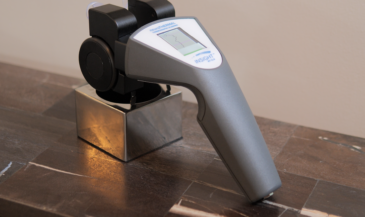
That’s where INSiGHT scanning changes everything.

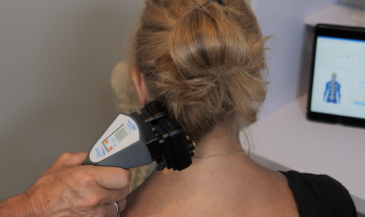
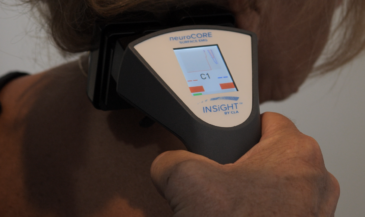
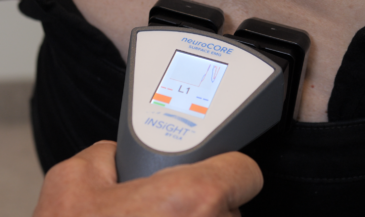
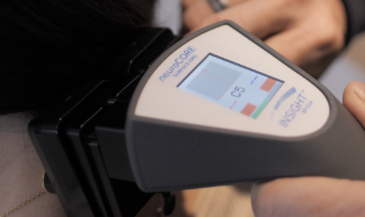
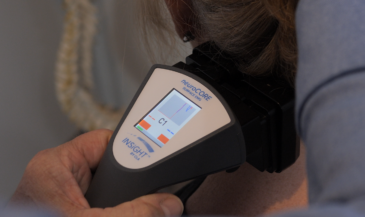
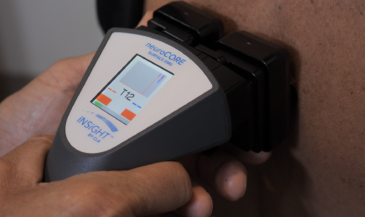
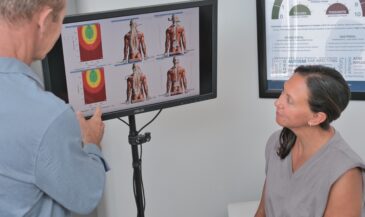
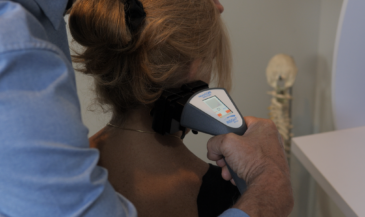
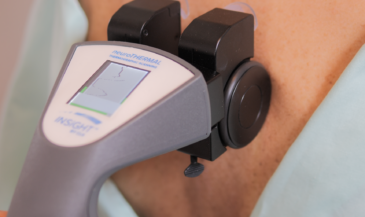
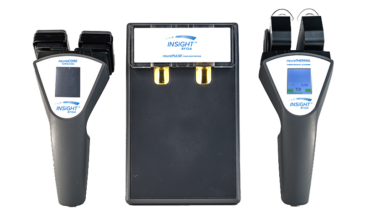
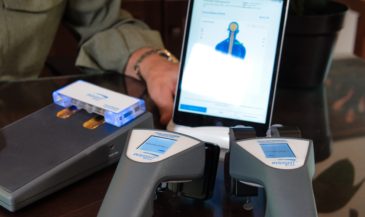
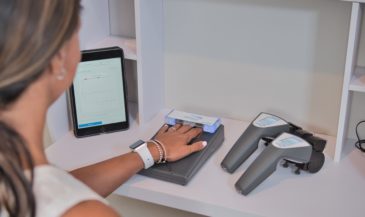
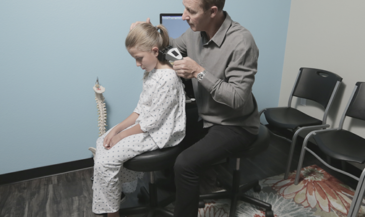
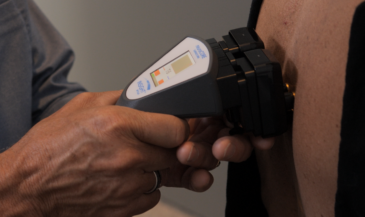
  • The neuroCORE sEMG detects abnormal muscle activity and energy imbalance caused by subluxations.
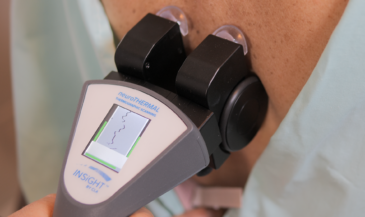
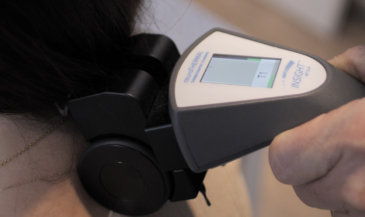
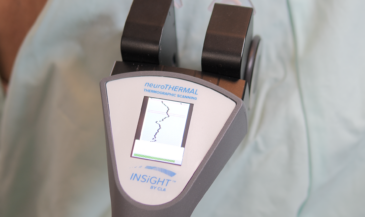
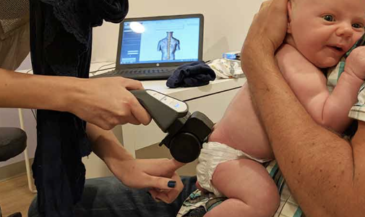
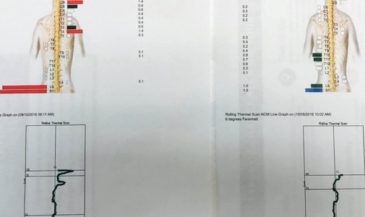
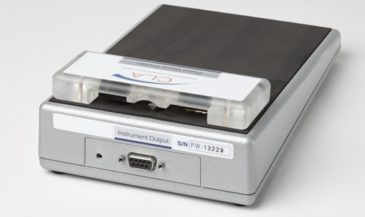
  • The neuroTHERMAL thermography reveals patterns of inflammation and nerve stress tied to spinal nerve roots.
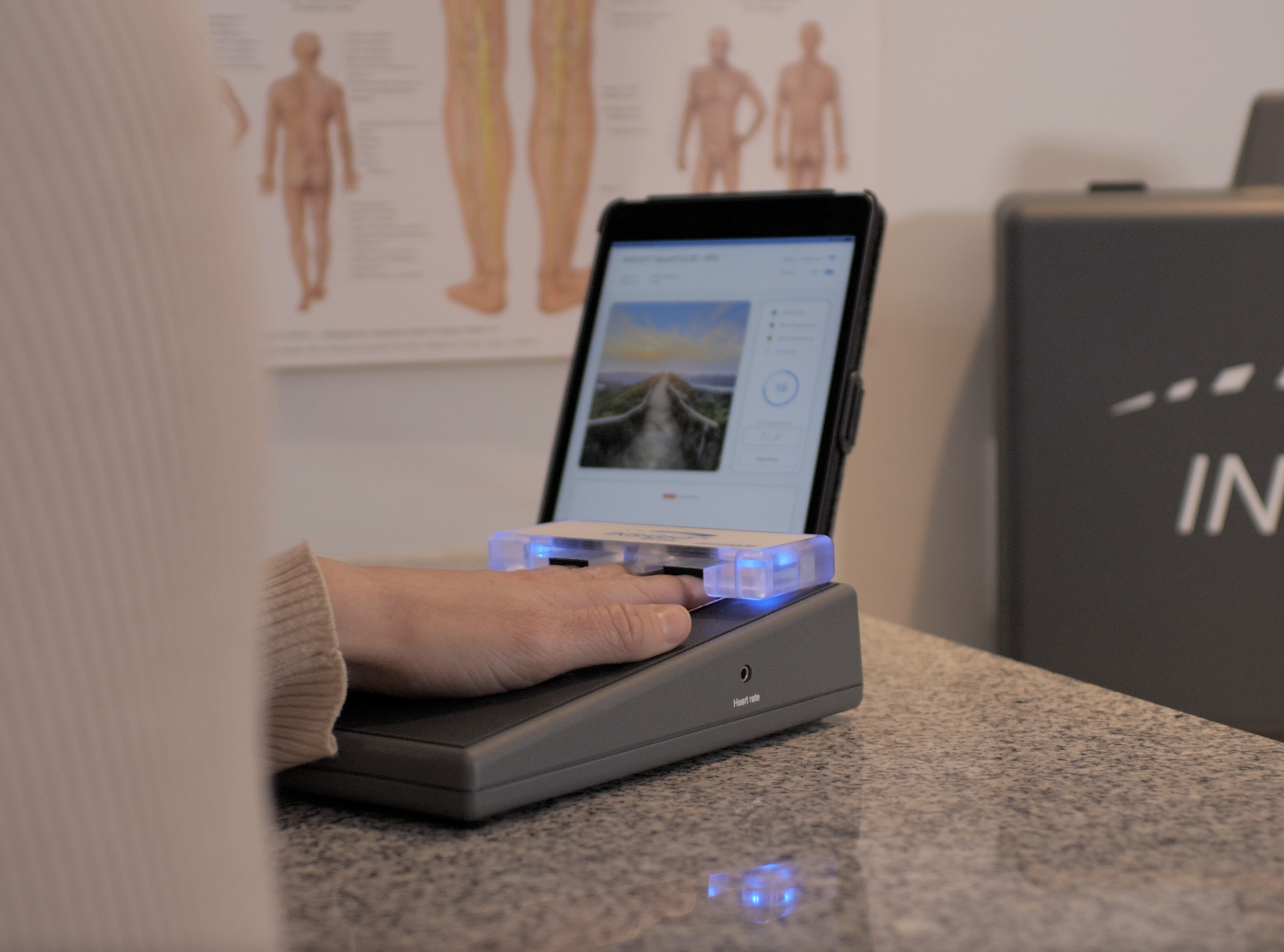
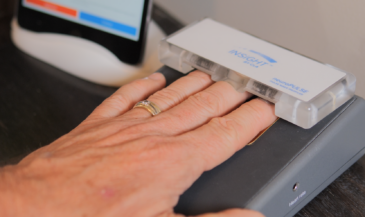
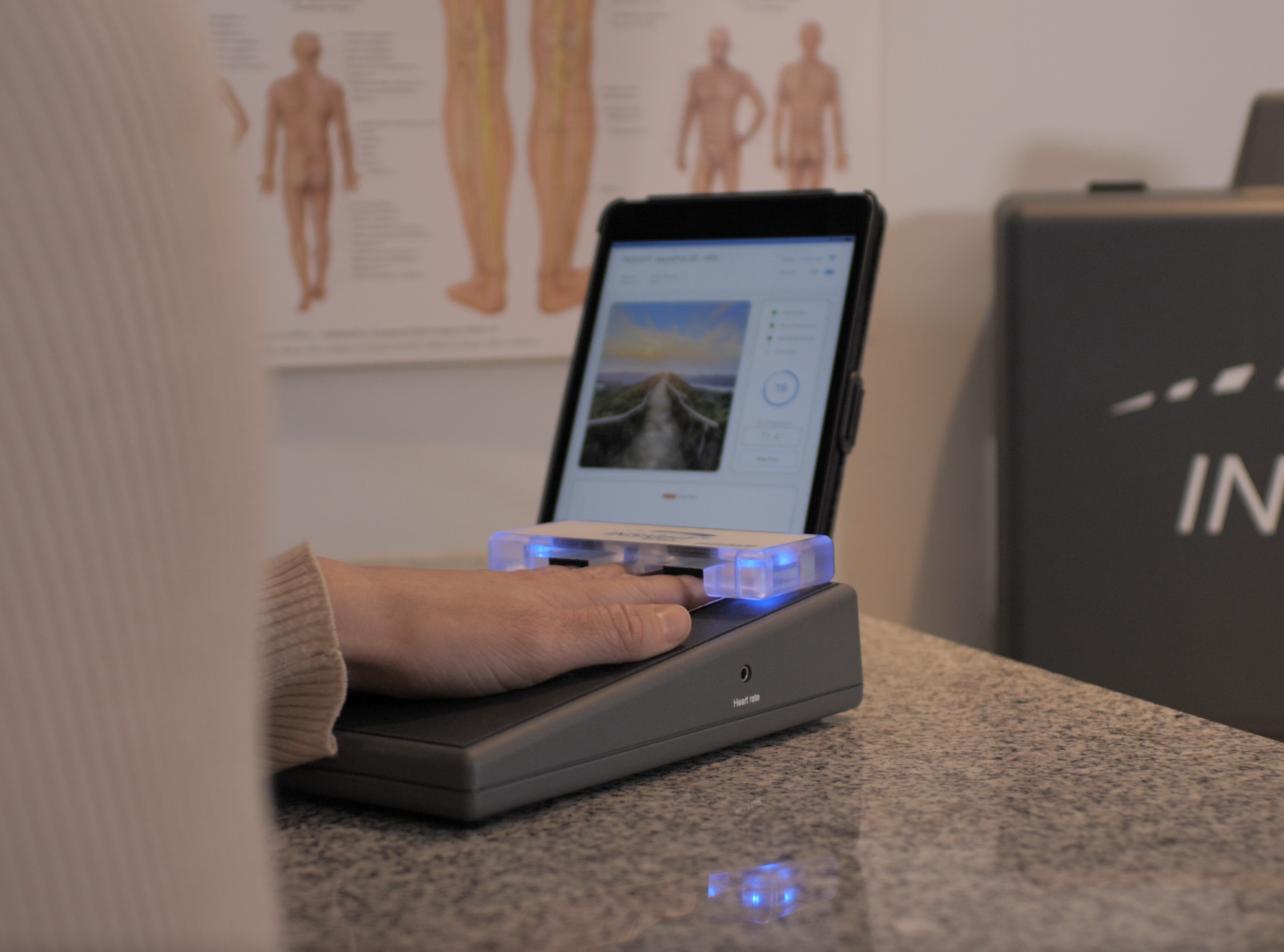
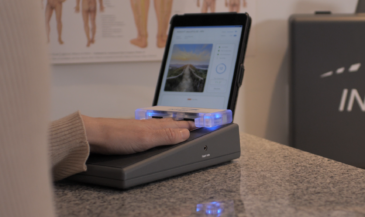
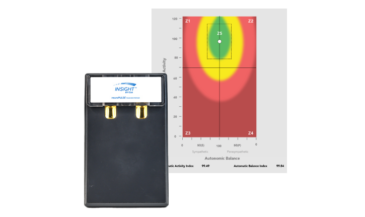
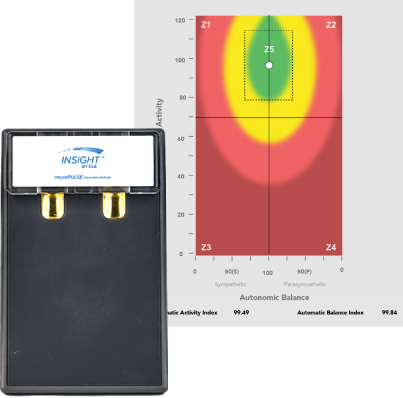
  • The neuroPULSE HRV scan shows how subluxations are affecting the autonomic nervous system’s ability to adapt and recover.

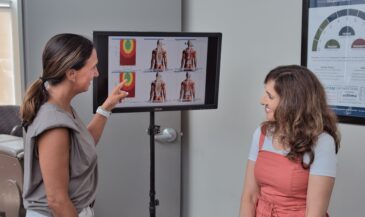
Together, these tools create a complete nervous system profile, visualized in a CORESCORE report—a neurological report card with a single number that helps both you and your patient understand where their health stands.

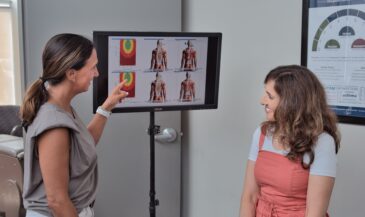
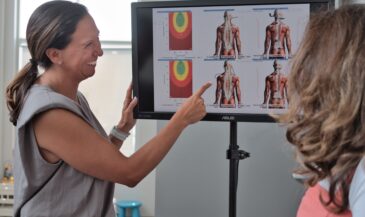
With this data, you’re not guessing. You’re showing.

Symptoms That Don’t Seem Related… Until They Are

You’ve seen it. A patient comes in for headaches, but they also have irregular digestion. Or they’re dealing with anxiety, plus shoulder tension, plus poor sleep.

These symptoms may seem disconnected—but when you overlay them onto a spinal-neural map, you see the connection. Subluxations at the cervical level can affect blood flow, sinuses, and cognitive clarity. Mid-thoracic stress can impact the lungs, heart rhythm, or stomach function. Sacral and lumbar disruptions can influence the bladder, reproductive organs, and energy levels.

That’s the power of function-based chiropractic care—it connects the dots between what the patient feels and what the nervous system is trying to tell you.

The Goal Isn’t Pain Relief. It’s Clarity.

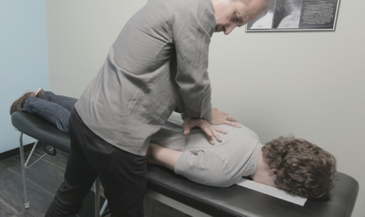
Every adjustment you deliver is an invitation for the nervous system to recalibrate.

When you reduce subluxation, the loop reopens. The brain gets better input. The body receives better output. Healing happens from the inside out—not through force, but through restored adaptability.

So yes, patients may feel relief. But more importantly, they start performing better. Sleeping deeper. Breathing easier. Thinking clearer. Recovering faster.

That’s the kind of care that builds trust—and keeps patients on the table long after the symptoms are gone.

Reframe the Narrative in Your Practice

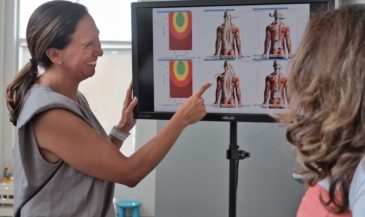
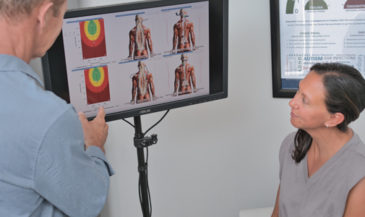
If you want to elevate the way your community views chiropractic, start by redefining what a subluxation really is. Use the scans. Share the data. Walk your patients through their nervous system checkup visually, and they’ll start to see it for themselves:

Subluxations aren’t about where it hurts. They’re about where the nervous system isn’t adapting.

And when you correct that interference, you unlock more than relief. You unlock resilience.

If you want to bring this kind of transformational system into your practice—book a call with an INSiGHT Advisor. We’ll show you how to implement scanning, reporting, and care planning tools that boost your retention and help your patients reach their full potential.


Get Started with INSiGHT Scanning

Take our Free Practice Strategy Assessment. A Personalized Guide and Expert Strategy Call to Help Determine How Scanning will Help you Grow
ABOUT THE AUTHOR

Dr. David Fletcher is actively involved in all aspects of innovation teaching and research connected to the INSiGHT™ scanning technologies. He is widely recognized for his ability to share his expertise in compelling and easy to understand ways.

Dr David is a renowned chiropractor who practiced for many years with his associates in a scan-centric thriving principled family-based practice in Toronto. He is a sought-after teacher mentor and keynote speaker who takes every opportunity to share the wisdom and the power of chiropractic as it is meant to be.

https://insightcla.com/wp-content/uploads/2022/07/david-1.png
Dr. David Fletcher
DC FRCCSS(C) – Founder & CEO CLA Inc.
LIKE THIS ARTICLE? HELP US SPREAD THE WORD

Be Seen. Be Heard. Be Certain

In today’s saturated healthcare market, chiropractors face an ongoing challenge: being visible. Discover key marketing tactics to ensure you can BE SEEN, BE HEARD, and BE CERTAIN in your practice!

Read these Next…

Get Informed

Join 23,121 other Chiropractors and receive topics covering day to day challenges of running your practice.

If your patients are dealing with anxiety, digestive issues, fatigue, or sleep troubles… they might be looking in all the wrong places for answers. Those symptoms aren’t separate problems. They’re signals—and more often than not, they all trace back to one central issue:

An imbalanced nervous system.

In practice, you see this every day. Someone walks in with stress written all over their body. They can’t focus. They’re restless. They’re exhausted but wired. And yet, their lab work looks normal. Their spine may appear aligned. They’re told “you’re fine.”

But they don’t feel fine.

That’s where you come in. Because as a chiropractor focused on nervous system health, you know the truth: function doesn’t always follow structure. It follows adaptability. And when adaptability breaks down, dysfunction follows.

Let’s break down why that happens—and how to help patients out of the loop.

Your Nervous System Has Two Modes

The autonomic nervous system is the part of the body that regulates automatic processes—breathing, heart rate, digestion, immune response, and more. It’s divided into two branches:

  • Sympathetic: This is your “fight-or-flight” mode. It’s useful when you’re under immediate threat—heart rate spikes, muscles tense, blood sugar rises, and digestion slows.

  • Parasympathetic: This is your “rest-digest” mode. It calms the body, supports recovery, rebuilds tissues, and keeps your internal systems in harmony.

When everything’s working right, your body moves fluidly between these two states. But here’s the problem—modern life traps people in sympathetic dominance. It’s like their foot’s on the gas with no brakes.

And when the nervous system is stuck in stress mode, health suffers.

How Can You See the Imbalance?

This is where traditional diagnostics fall short. They can’t show stress patterns. They can’t track resilience. But with INSiGHT scanning, you can.

Using the neuroPULSE, you measure Heart Rate Variability (HRV)—a direct indicator of how well a patient’s nervous system is managing the stress-to-recovery cycle. A low HRV means poor adaptability. That patient isn’t bouncing back.

With the neuroTHERMAL thermography, you detect temperature imbalances that signal nerve interference and organ system stress. You’re not guessing anymore. You’re seeing the impact of sympathetic overdrive, right there on the screen.

And when you combine those results into a CORESCORE report, you give patients a real-time picture of their neurological health.

That’s powerful.

Signs Your Body Is Stuck in Survival Mode

You’ve probably heard patients say things like:

  • “I can’t relax—even when I try.”

  • “My sleep is all over the place.”

  • “My digestion’s off, and I don’t know why.”

  • “I’m always anxious or irritable.”

  • “It feels like my body’s working against me.”

These are the classic signs of nervous system imbalance—especially when the sympathetic system is dominating and the parasympathetic can’t do its job.

Here’s the kicker: these issues often appear in people who look “healthy” from the outside. That’s why nervous system scans should be a regular checkup, not just something you do when problems show up.

Because stress hides. Until it doesn’t.

Chiropractic: The Path Back to Balance

Every adjustment you make is an opportunity to reset the nervous system—to restore balance where there’s been interference.

The adjustment doesn’t just move a joint. It changes the way the brain and body communicate. It unlocks patterns of stress, calms hyperactivity in the sympathetic system, and helps the parasympathetic side finally do its job.

And the more consistently a patient gets adjusted—while you track their progress with nervous system scans—the more their adaptability returns.

That’s what real healing looks like.

They sleep better. Digest more easily. Breathe deeper. Think more clearly. Perform at a higher level. That’s not pain management. That’s nervous system care.

Use the Data. Tell the Story.

Patients need to see it to believe it. That’s why regular scans aren’t just a nice touch—they’re essential.

When someone sees their HRV improve, or their thermal stress levels drop, it shifts their mindset. They stop chasing symptom relief. They start committing to nervous system wellness.

They get it.

And once they understand how stress affects their system—and how chiropractic care helps them adapt to it—they start referring their kids, their partner, and their friends. Because now, they see chiropractic differently too.

If you want to bring this kind of transformational system into your practice—book a call with an INSiGHT Advisor. We’ll show you how to implement scanning, reporting, and care planning tools that boost your retention and help your patients reach their full potential.

Get Started with INSiGHT Scanning

Take our Free Practice Strategy Assessment. A Personalized Guide and Expert Strategy Call to Help Determine How Scanning will Help you Grow
ABOUT THE AUTHOR

Dr. David Fletcher is actively involved in all aspects of innovation teaching and research connected to the INSiGHT™ scanning technologies. He is widely recognized for his ability to share his expertise in compelling and easy to understand ways.

Dr David is a renowned chiropractor who practiced for many years with his associates in a scan-centric thriving principled family-based practice in Toronto. He is a sought-after teacher mentor and keynote speaker who takes every opportunity to share the wisdom and the power of chiropractic as it is meant to be.

https://insightcla.com/wp-content/uploads/2022/07/david-1.png
Dr. David Fletcher
DC FRCCSS(C) – Founder & CEO CLA Inc.
LIKE THIS ARTICLE? HELP US SPREAD THE WORD

Be Seen. Be Heard. Be Certain

In today’s saturated healthcare market, chiropractors face an ongoing challenge: being visible. Discover key marketing tactics to ensure you can BE SEEN, BE HEARD, and BE CERTAIN in your practice!

Read these Next…

Get Informed

Join 23,121 other Chiropractors and receive topics covering day to day challenges of running your practice.

Every second of every day, your body is doing something remarkable—it’s adapting. Your heart beats at just the right pace. Your lungs know how deeply to breathe. Your digestive system breaks down food, your muscles respond to movement, and your immune system stays alert. But none of this happens by accident. It all flows through the real command center of your health: your nervous system.

As a chiropractor, if you’re not constantly orienting your care around nervous system function, you’re missing the bigger picture. Because whether your patient is dealing with fatigue, tension, poor sleep, or low resilience—it’s not just a muscle or joint problem. It’s a nervous system imbalance. And chiropractic is uniquely equipped to restore that balance.

Let’s break it down.

The Two Systems That Run Everything

Your nervous system is made up of different essential parts . The central nervous system (CNS) includes the brain and spinal cord—this is the main control hub. Then you’ve got the autonomic nervous system (ANS), which controls the things you don’t think about: heart rate, digestion, hormone release, immune responses, and more.

Within the autonomic system, there are two competing branches constantly adjusting your internal state: the sympathetic system (your stress response) and the parasympathetic system (your rest-and-recover mode). When these are in balance, your body adapts. When they’re not, dysfunction begins to creep in.

Stress—whether emotional, chemical, or physical—pushes us into sympathetic dominance. That’s when the body tightens, systems become overloaded, and the brain starts compensating. Over time, this shows up as what we call subluxation—disruption in the flow of communication between brain and body. And when communication is distorted, function breaks down.

How Do You Measure Communication?

That’s the question modern chiropractic has finally been able to answer—thanks to functional chiropractic tools like the INSiGHT scanning technology.

With the neuroPULSE scan, you’re able to measure Heart Rate Variability (HRV)—a key indicator of how well your autonomic nervous system is adapting to stress and recovery. With the neuroCORE sEMG, you’re looking at postural muscular exhaustion patterns caused by neurological interference. And with the neuroTHERMAL thermography, you’re detecting subtle temperature changes that indicate nerve stress and internal dysregulation.

Together, these tools give you a visual map of nervous system function—and when combined into a CORESCORE report, your patient can see how they’re functioning. They stop guessing, and start understanding.

When Symptoms Begin to Make Sense

One of the most powerful moments in practice is when a patient realizes their symptoms aren’t random—they’re patterns. Patterns of stress, stored in the nervous system.

I’ve seen it happen a thousand times: a child comes in with recurring ear infections, and after just a few adjustments, they’re sleeping better, breathing clearer, and not needing another round of antibiotics. Or an adult who’s been struggling with burnout finally sees why they’re stuck in a stress loop—and starts regaining energy, sleep, and emotional bandwidth as their HRV improves.

This isn’t magic. It’s neuroplasticity in action. It’s what happens when you stop treating parts, and start working with the system that integrates everything.

Chiropractic Isn’t Just for Back Pain. It’s for Balance.

You don’t need to wait for dysfunction to show up on an X-ray before taking action. You can measure nervous system stress before symptoms appear, track progress through every stage of care, and offer patients a long-term vision of vitalistic health and resilience.

That’s what sets you apart. Not just delivering adjustments—but using those adjustments to help your patients reclaim adaptability, balance, and full expression of health.

So the next time someone asks what chiropractic is for, tell them this:

It’s care for the system that runs everything.

Because the nervous system isn’t just part of your health—it is your health. And every scan, every report, every adjustment is a reminder that when you care for the nervous system, the whole body responds.

If you want to bring this kind of transformational system into your practice—book a call with an INSiGHT Advisor. We’ll show you how to implement scanning, reporting, and care planning tools that boost your retention and help your patients reach their full potential.





Get Started with INSiGHT Scanning

Take our Free Practice Strategy Assessment. A Personalized Guide and Expert Strategy Call to Help Determine How Scanning will Help you Grow
ABOUT THE AUTHOR

Dr. David Fletcher is actively involved in all aspects of innovation teaching and research connected to the INSiGHT™ scanning technologies. He is widely recognized for his ability to share his expertise in compelling and easy to understand ways.

Dr David is a renowned chiropractor who practiced for many years with his associates in a scan-centric thriving principled family-based practice in Toronto. He is a sought-after teacher mentor and keynote speaker who takes every opportunity to share the wisdom and the power of chiropractic as it is meant to be.

https://insightcla.com/wp-content/uploads/2022/07/david-1.png
Dr. David Fletcher
DC FRCCSS(C) – Founder & CEO CLA Inc.
LIKE THIS ARTICLE? HELP US SPREAD THE WORD

Be Seen. Be Heard. Be Certain

In today’s saturated healthcare market, chiropractors face an ongoing challenge: being visible. Discover key marketing tactics to ensure you can BE SEEN, BE HEARD, and BE CERTAIN in your practice!

Read these Next…

Get Informed

Join 23,121 other Chiropractors and receive topics covering day to day challenges of running your practice.

Every chiropractor wants better retention. It reflects the desire and intention to make a lifetime of difference instead of a moment of comfort. Retention reflects a more committed patient base. It highlights stronger outcomes and defines fewer drop-offs and endless recalls.

But here’s the truth:

None of that happens without care planning.

Care planning is the foundation of every high-retention, purpose-driven chiropractic practice. It’s what separates you from being seen as a short-term symptom reliever… and positions you as a long-term health and wellness partner in your patient’s life.

In this article, we’ll break down:

  • What care planning in chiropractic really means

  • Why most chiropractors recommend symptom care vs. functional care

  • The four essential components of every effective care plan

  • How to communicate care with confidence

  • The tools that make the entire process easier—for you and your team

If you want to move beyond symptom-based visits and start leading patients from the initial exam towards lifetime care, this is your roadmap.

What Is Care Planning in Chiropractic?

Let’s start with what care planning is not.

It’s not a script.
It’s not “6-8 visits for everyone.”
And it’s not just a frequency recommendation based on feeling better

Care planning in chiropractic is the intentional process of outlining the frequency, focus, and goals of care based on objective data—specifically, how the patient’s nervous system is responding, changing and functioning.

It goes far beyond how the patient feels on any given day. It’s based on what their nervous system is telling you through neurological scans, functional exams, and progress assessments.

It’s your professional roadmap for guiding their nervous system from compensated dysfunction towards stability and long-term performance.


care planning

Fixer vs. Care Planner: The Real Patient Retention Gap

Here’s where many chiropractors get lost:

They operate like fixers. A patient comes in with pain. They identify a problem. Arrive at a spinal dysfunction diagnosis. Deliver an adjustment to release SPINAL tension. And hope the patient feels better and schedules the recommended symptom recovery visits.

But if you’re their fixer, patients only come when they’re broken.

Here’s the difference:

The fixer says:
“You’ve got pressure in your lower back.  The joints are locked and thats likely what’s causing the pain. Let’s stretch some muscles and work on the spine so we can see how you feel.”

The care planner says:
“This neuro-muscular tension is a sign your nervous system isn’t adapting well to  your daily stress and long term health history. My goal isn’t just to relieve this symptom—it’s to help your nervous and spinal systems regain their alignment and tone over the long-term. Let me walk you through a plan that makes that possible.”

The fixer treats the symptoms.
The care planner builds back performance.

Feeling care vs. Functional care

The fixer reacts.
The care planner leads.

And the care planner earns long-term trust, referrals, and retention.

The Benefits of Care Planning in Chiropractic

When implemented correctly, care planning leads to:

1. Better Clinical Outcomes

Consistent, intentional care leads to neurological change that sticks. You’re not reacting—you’re tracking.

2. Stronger Communication

Patients stop asking, “Do I need all these visits?” and start asking, “How’s my nervous system adapting?” That shift happens when they see the plan.

3. Predictable Growth

Structured care planning builds schedules that flow. It eliminates drop-off chaos, boosts referrals, and frees up your team to operate with clarity.


Be Seen. Be Heard. Be Certain

The Four Core Elements of a Great Chiropractic Care Plan

Inside high-retention practices, care plans follow a framework we call the CORESCORE Sequence—and it’s built around a series of essential exams and reports.

1. The Initial Exam

This establishes the patient’s baseline baseline. Spinal ROM’s palpation  and ortho test have limited value because they are looking at “surface’ changes.  X Rays are useful to see how the SPINE has adapted but what about the tone and function of the nervous system? 

INSiGHT scanning was designed specifically to look at the three dimensions associated with neural dysfunction when vertebral subluxations are present. This precision, 3-part assessment has been refined to instantly identify neurological reactions and compensations in the Motor and Autonomic Nervous systems. It blends today’s most sophisticated neurofunctional assessments with the principles of restorative healing and performance.

By using valid and reliable technologies like HRV analysis to assess adaptability, surface EMG to quantify muscle energy expenditure, and thermal patterns associated with organ and glandular control, the Initial Exam establishes your expert status when managing complex cases and everyday complaints.  With the INSiGHT, the details of each exam are combined into a personal report card known as a CORESCORE , which becomes their road map for tracking change and improvements.

2. The Progress Exam

Usually done after 8–12 visits. This first re-scan and Progress CORESCORE shows how the nervous system is responding to care. You identify what’s changing and  improving and what’s not. Its seen as a check-in vs. a check-up.  The Progress exam checks in on how the nervous system is releasing unhealthy tension and beginning to reprogram healthier responses. 

3. The Comparative Exam

This is usually done after 12 weeks of ongoing care. Now, you have access to three sets of exam results and so you have the necessary information to discuss and compare the deeper changes and improvements that go far beyond the initial symptoms. You can discuss with certainty the FUNCTIONAL efficiencies deep within their nervous system. This third exam helps confirm the trends that are being established. It shows whether the patient is stabilizing and ready to take on more lifestyle changes. This is where long-term continuation plans are built with confidence.

4. Continuation Exams

These occur every 6–12 weeks, depending on the stage of care. They help track ongoing adaptation, reinforce purpose, and guide recommendations as patients enter wellness or performance care.

Each report is based on real-time patient data and supported by pre-written narratives from an interpretation library—making education simple, consistent, and powerful.


How to Communicate Your Care Plan With Confidence

Even the most precise plan won’t work if your patients don’t understand it. Communication is everything.Learning how to interpret and reports scans is easy and exciting.  The CORESCORE makes it seamless as it creates a targeted , personalized report, based on the exam findings 

Here’s how to make your care planning conversations clear, engaging, and effective:

1. Lead With Purpose, Not Protocol

Don’t start with the number of visits. Start with the why. Explain how consistent care helps regulate, restore, and protect their nervous system. Discuss the essence of time and then layer in frequency of visits. 

2. Anchor With Visuals

Use INSiGHT scans, CORESCORE reports, and easy-to-understand charts. When patients see their progress, they believe in the plan.

3. Be Clear and Confident

Don’t overcomplicate the message. Say what the plan is, why it matters, and how it helps. Confidence builds certainty—and certainty builds retention.

Remember: you’re not selling. You’re leading.


Tools That Simplify the Care Planning Process

Care planning doesn’t have to be complex—especially when you’re using the right tools.

Here are three essential tools used by top-performing chiropractic practices:

1. INSiGHT Scanning Technology

The INSiGHT neuroTECH gathers objective, reproducible data from HRV, sEMG, and thermal patterns—so you’re not guessing what’s happening in the nervous system.

2. CORESCORE Reports

CORESCORE reports turn complex scan data into one simple score your patient can track over time. Clear, visual, and incredibly effective for explaining progress.

3. Synapse Software

Our Synapse software generates care plan reports, scan visuals, and interpretation narratives instantly. It helps you streamline communication and standardize your education system.

With these tools in place, care planning becomes automatic—and far more scalable.

Why Care Planning in Chiropractic Creates Long-Term Results

If you want long-term patients…
If you want consistent retention and stronger clinical outcomes…
If you want a practice that grows through trust—not pressure…

Then care planning isn’t optional. It’s the standard.

Here’s what to remember:

  • Stop thinking like a fixer. Start thinking like a planner.

  • Use data, not guesswork, to build your recommendations.

  • Communicate clearly, lead confidently, and stay consistent.

  • Use the CORESCORE Sequence to track progress and reinforce trust.

  • Lean on tools that make the process easier for everyone.

Because when patients understand their plan…
When they see their progress…
When they know what’s coming next…

They stay.

And when they stay, they get better results, refer more, and help your practice grow with purpose.

If you want to bring this kind of transformational system into your practice—book a call with an INSiGHT Advisor. We’ll show you how to implement scanning, reporting, and care planning tools that boost your retention and help your patients reach their full potential.

 

Get Started with INSiGHT Scanning

Take our Free Practice Strategy Assessment. A Personalized Guide and Expert Strategy Call to Help Determine How Scanning will Help you Grow

ABOUT THE AUTHOR

Dr. David Fletcher is actively involved in all aspects of innovation teaching and research connected to the INSiGHT™ scanning technologies. He is widely recognized for his ability to share his expertise in compelling and easy to understand ways.
Dr David is a renowned chiropractor who practiced for many years with his associates in a scan-centric thriving principled family-based practice in Toronto. He is a sought-after teacher mentor and keynote speaker who takes every opportunity to share the wisdom and the power of chiropractic as it is meant to be.

https://insightcla.com/wp-content/uploads/2022/07/david-1.png
Dr. David Fletcher
DC FRCCSS(C) – Founder & CEO CLA Inc.
LIKE THIS ARTICLE? HELP US SPREAD THE WORD

Be Seen. Be Heard. Be Certain

In today’s saturated healthcare market, chiropractors face an ongoing challenge: being visible. Discover key marketing tactics to ensure you can BE SEEN, BE HEARD, and BE CERTAIN in your practice!

Read these Next…

Get Informed

Join 23,121 other Chiropractors and receive topics covering day to day challenges of running your practice.
+